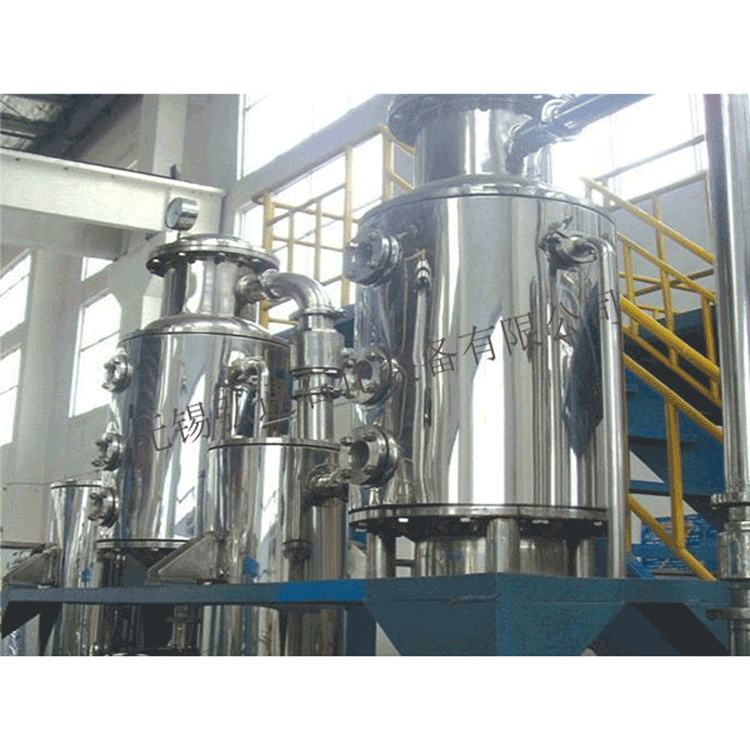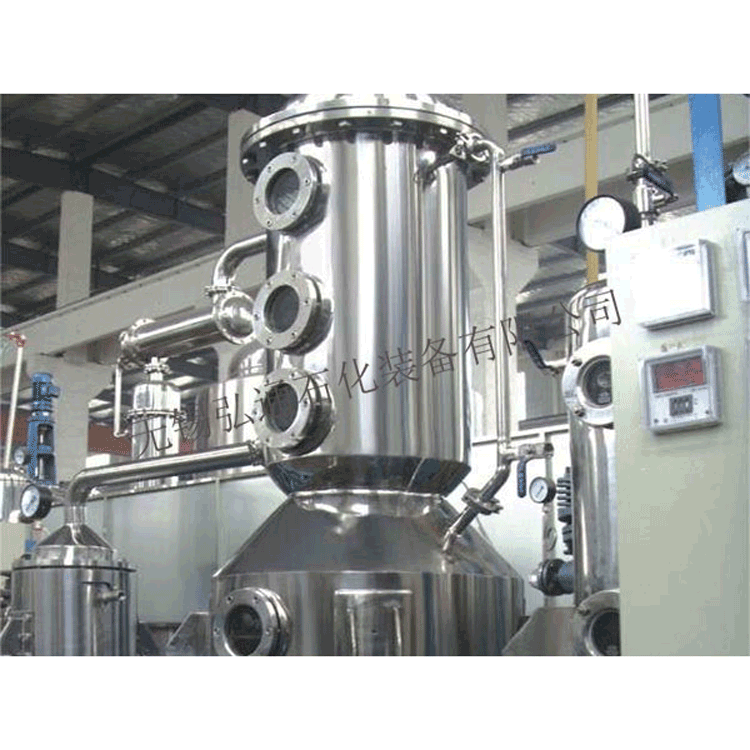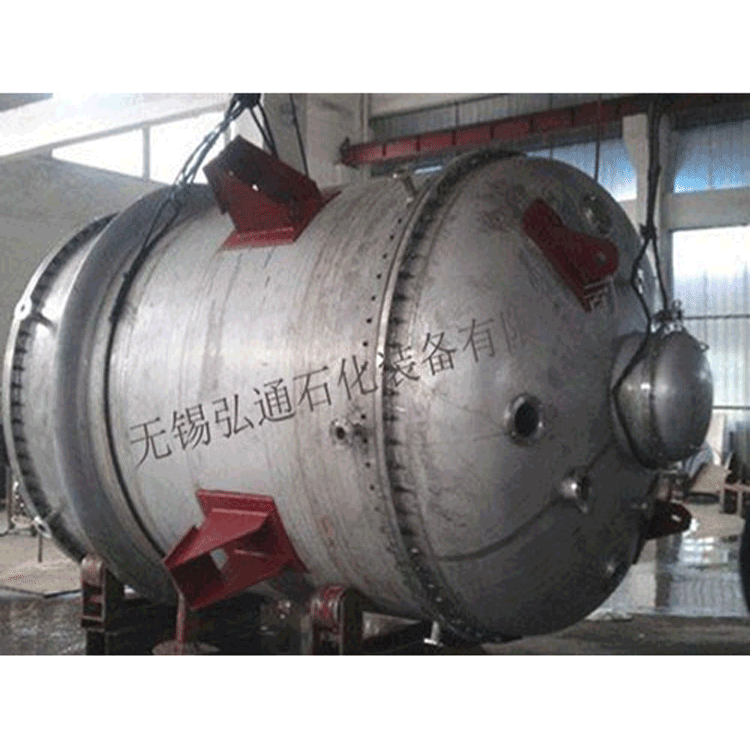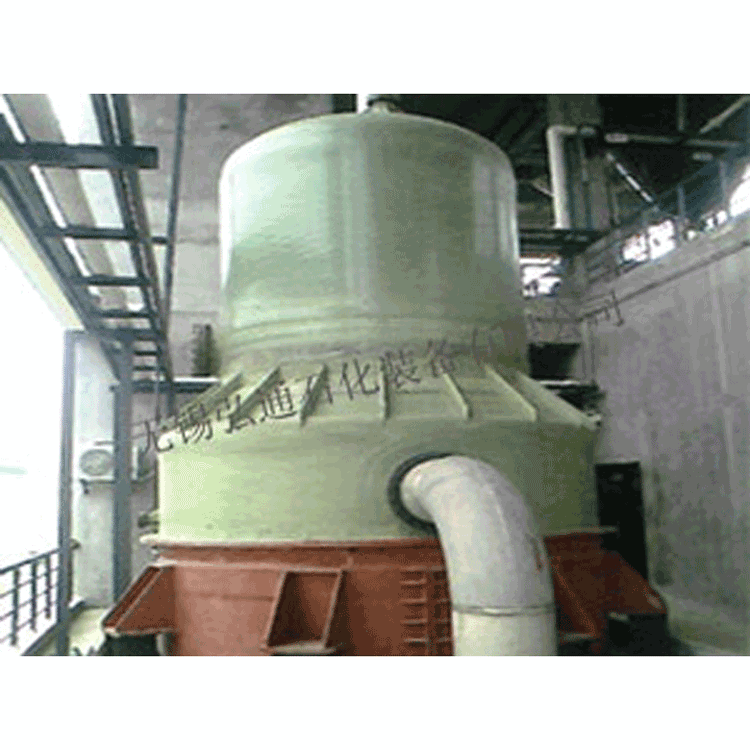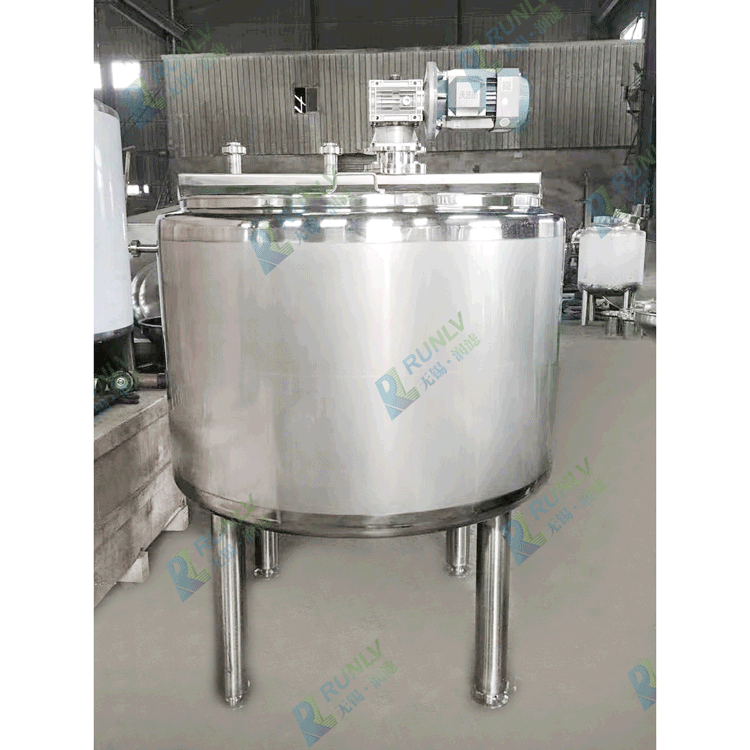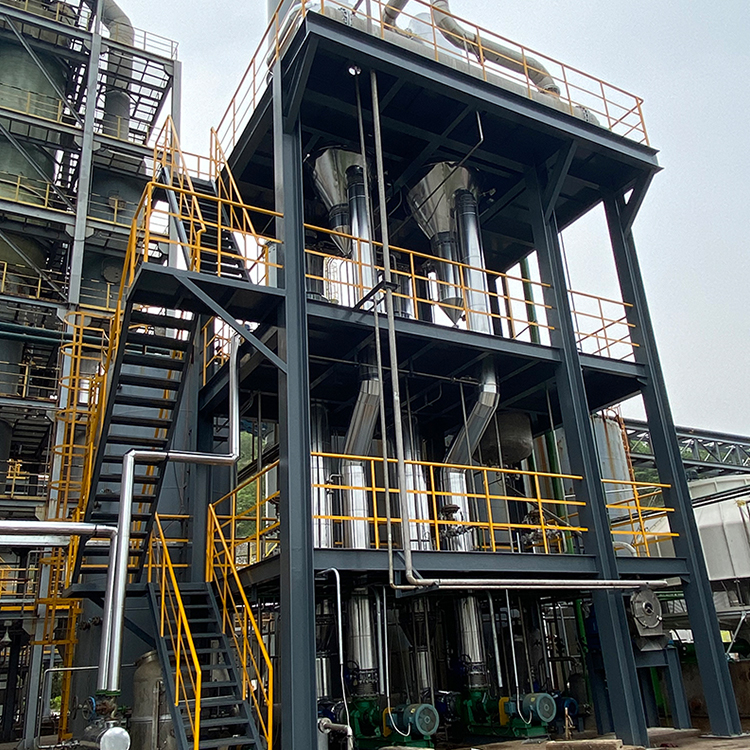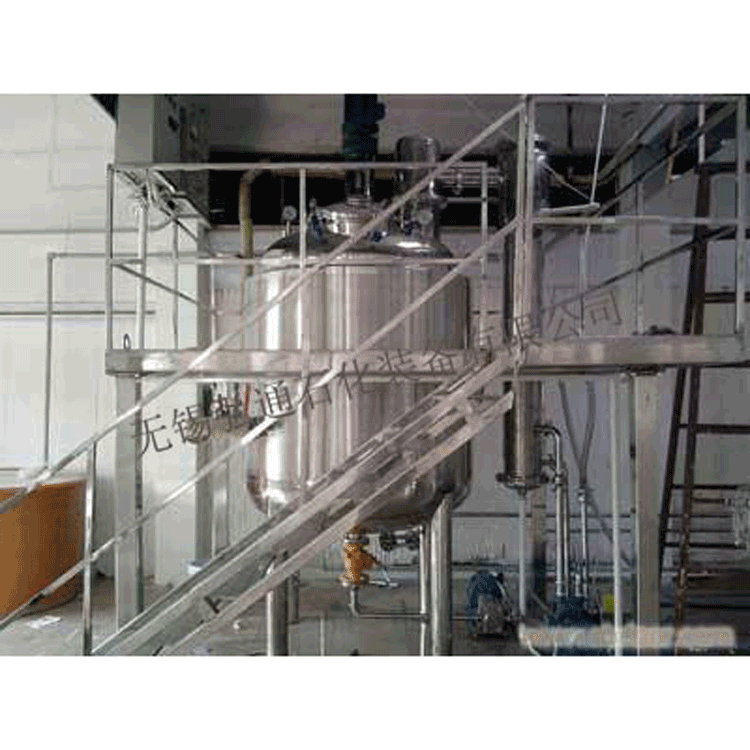


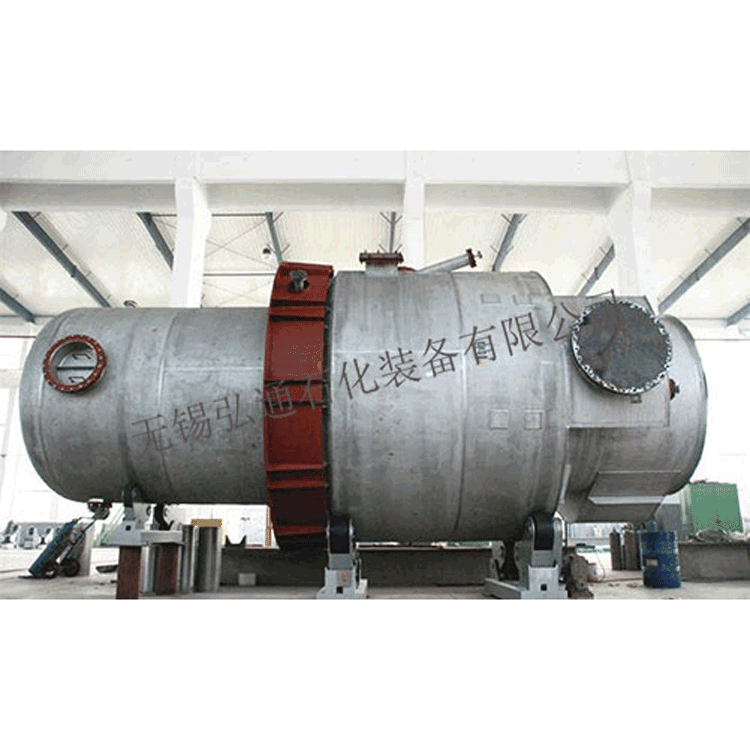
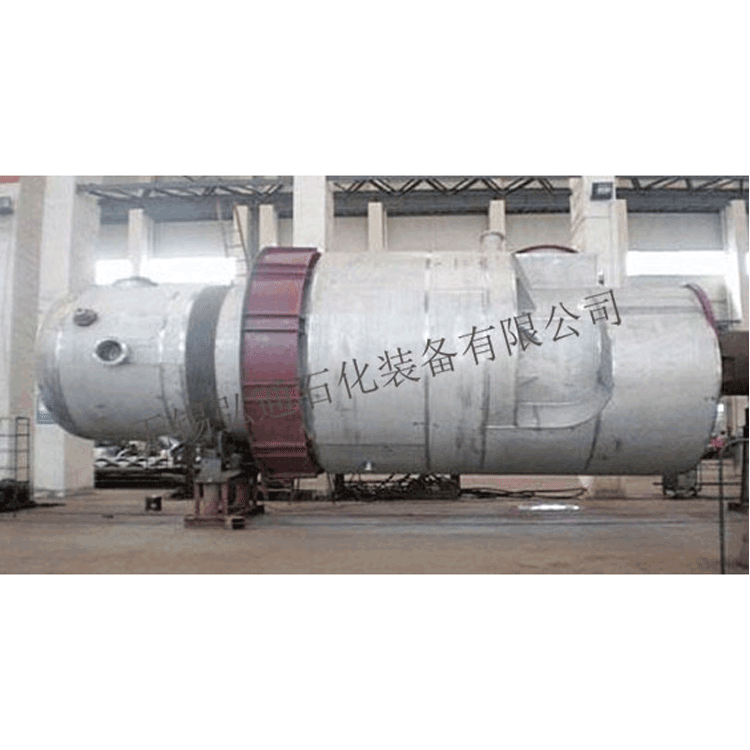







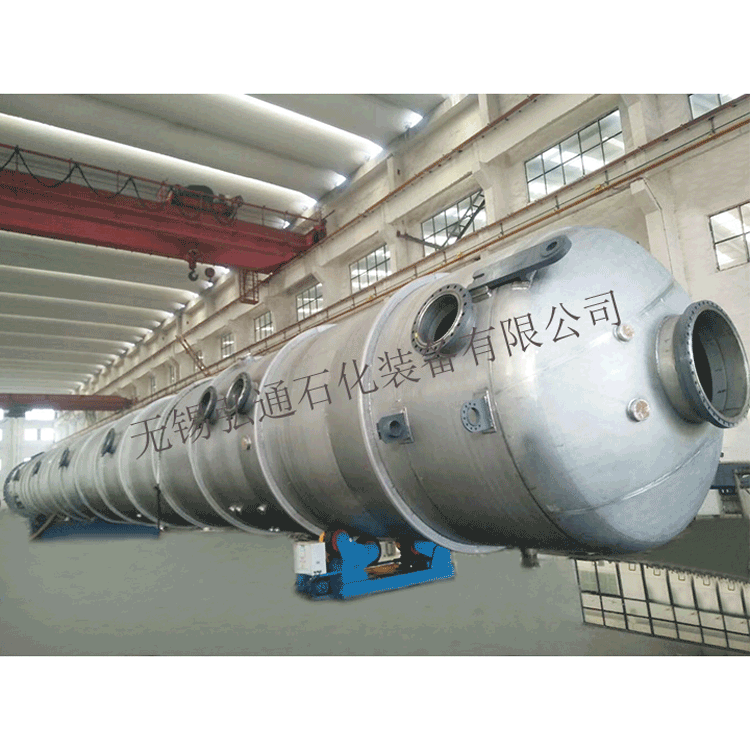
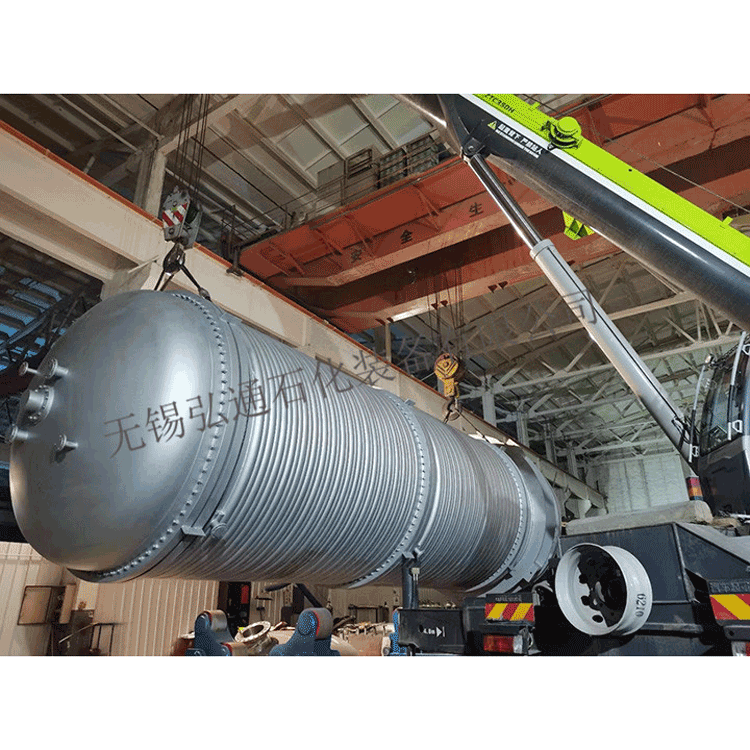
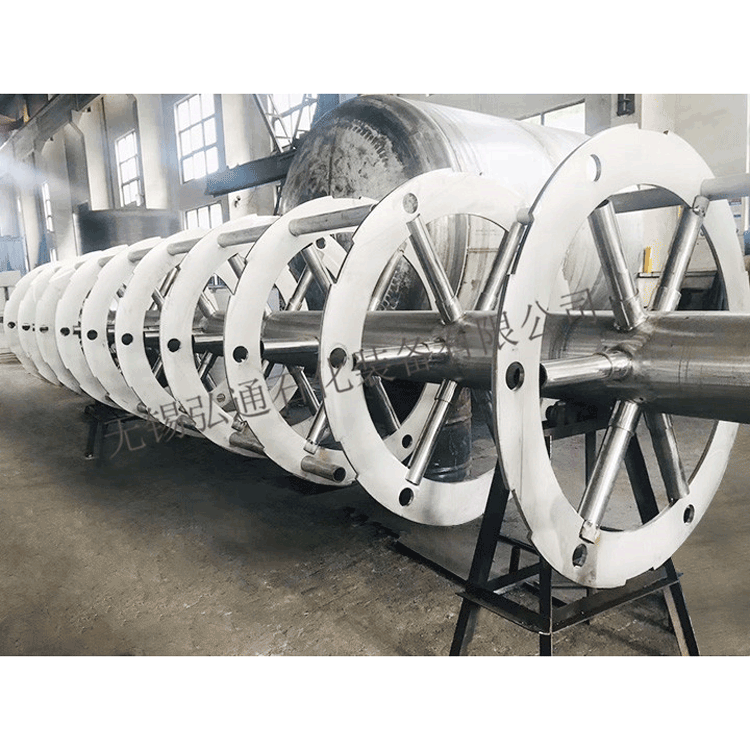
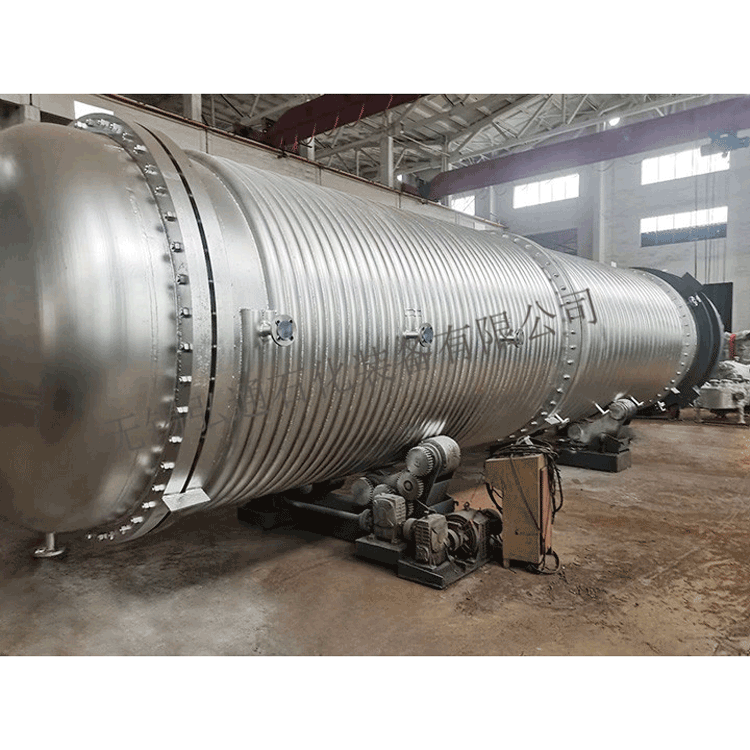
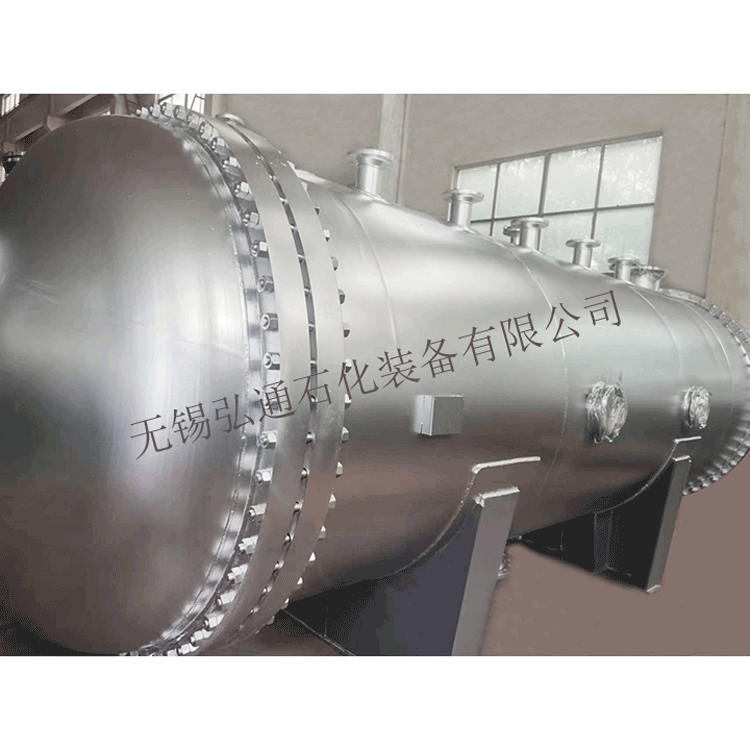
Reactor Crystallizer
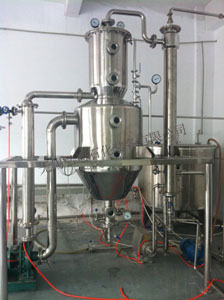
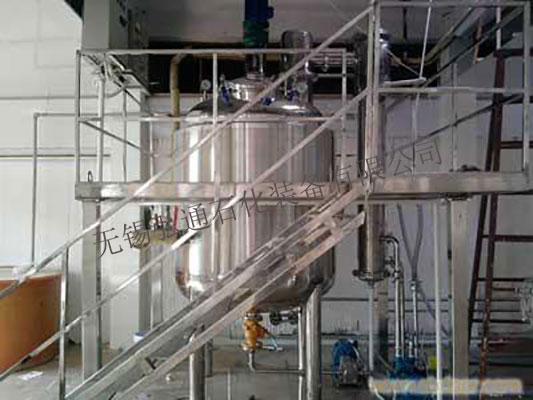
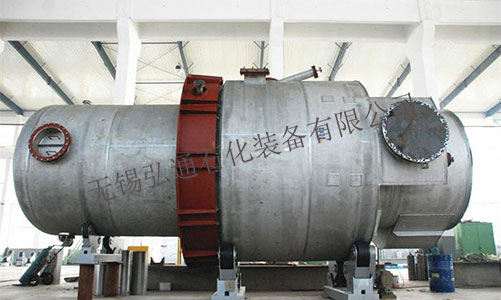
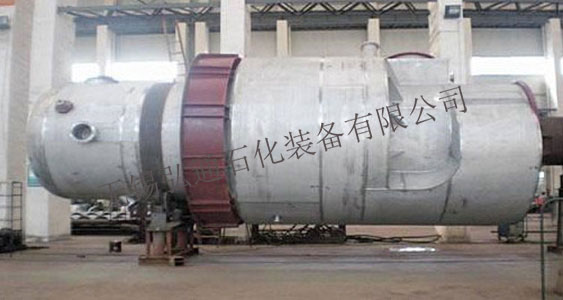
Reaction crystallization refers to the process where a chemical reaction occurs between gases and liquids or between liquids, resulting in the formation of insoluble or sparingly soluble solid phases. The reaction crystallization method allows for the separation of substances that tend to form precipitates from other compounds, thereby achieving purification.
The reaction crystallization process is characterized by high selectivity and is commonly used for product separation and purification.
Reaction crystallization refers to the chemical reaction between a gas and a liquid or liquid or liquid to produce insoluble or insoluble solid matter. Reactive crystallization can make some easily precipitated substances separate from other compounds, so as to achieve the purpose of purification. The reaction crystallization process is characterized by high selectivity and is often used in the separation and purification of products.
Several factors influencing crystallization by reaction: saturation, temperature, mixing uniformity, stirring intensity, and material purity.
Standard crystallization jars have low automation, and the mixing of two-phase or multi-phase materials often requires vigorous stirring for effective mixing, which easily leads to the formation of a large amount of fine crystals. When the crystals are smaller than 1μm, agglomeration occurs, i.e., van der Waals forces come into play. Consequently, the particle size distribution of the product becomes too broad, viscosity increases, washing volume rises, and the residual liquid trapped between crystals after centrifugation is relatively higher, resulting in low product purity. Additionally, operations rely on experience and simple control indicators, leading to variations in worker performance across different shifts. Relying on workshop management alone is difficult to solve the issue, causing significant batch-to-batch differences, uneven particle size distribution, and unstable product quality. Considering the overall cost, intermittent operations are cumbersome and energy-intensive, making them unsuitable for mass production of batch products.
Several factors affecting reactive crystallization: degree of saturation, temperature, mixing uniformity, agitation strength, and material purity. The ordinary crystallization tank is low in automation, and when the two phase or multiphase materials are mixed, In order to achieve good mixing effect, the stirring process can be strong and easily producing a lot of fine grains. When the fine grain is less than 1 m, the fine grain will reunion, the Van der Waals force will come into effect. Therefore, when the product size distribution is too wide, the viscosity becomes larger, the washing capacity increases, and the residual liquid content between the crystals increases relatively after centrifugation, the low purity of the product will be caused. In addition, the operation is controlled by experience and simple indicators, and there are differences in the operation of workers in different shifts. The difficulty to solve problems by workshop management results in large differences among the products, uneven distribution of grain size, and unstable quality of products. Considering the comprehensive cost, the intermittent operation is tedious, the power consumption is high, and it is not suitable for the production of mass products.
The reaction crystallization equipment completely resolves the aforementioned issues, with product quality reaching international scientific standards. The reaction crystallization process is a complex heat and mass transfer process. The control steps in the crystallization process may vary in different physical and chemical environments, reflecting different behaviors. Particularly for pharmaceutical crystallization products, there are strict requirements for the crystal form of the product, as well as the particle size distribution, which directly impacts the quality of the drug.
The reaction crystallization equipment can completely solve the above problems, and the product quality has reached the foreign advanced standards. The reaction crystallization is a complex process of heat and mass transfer. In different physical and chemical environments, the control steps of the crystallization process may change and reflect different behaviors. Especially for the pharmaceutical crystallization products. They have strict requirements on the crystal type, and also on the particle size distribution of the products, which directly affects the quality of drugs.
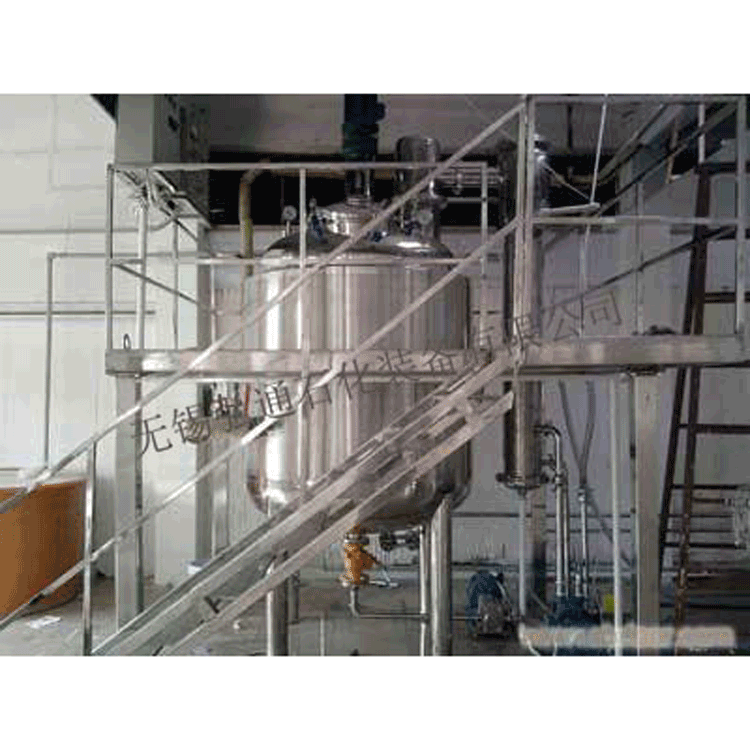
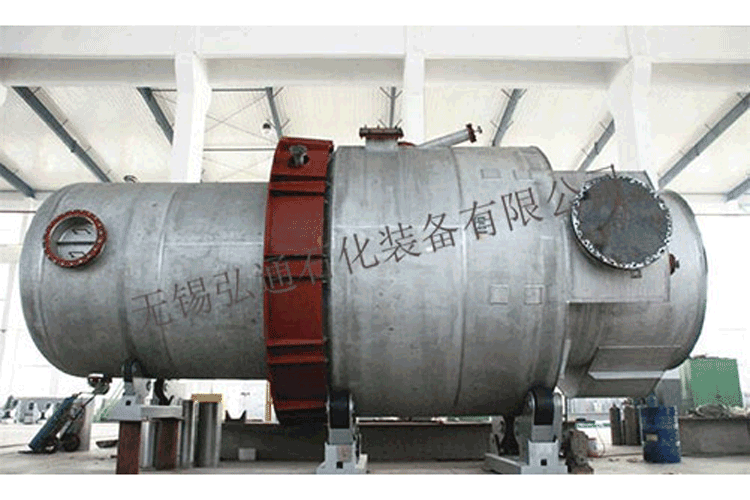
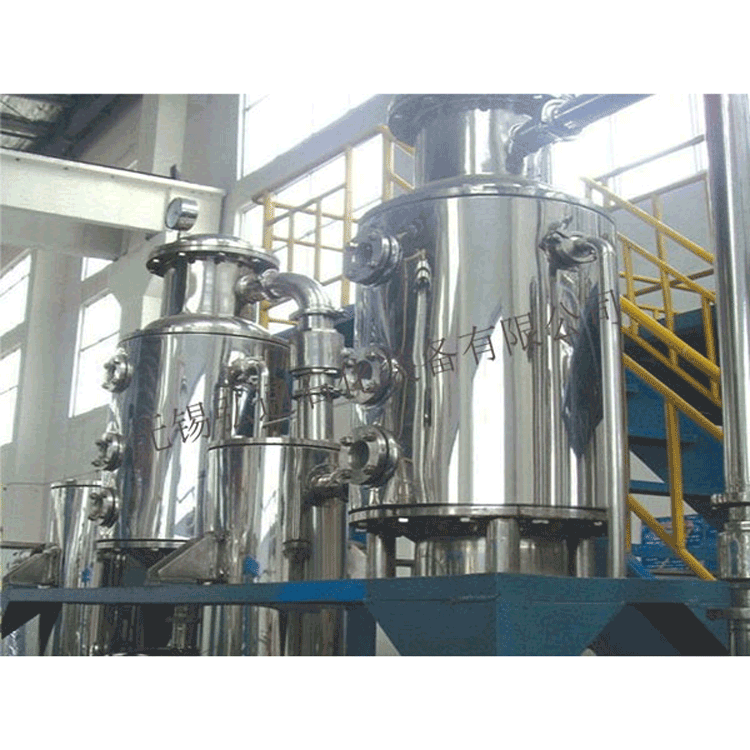
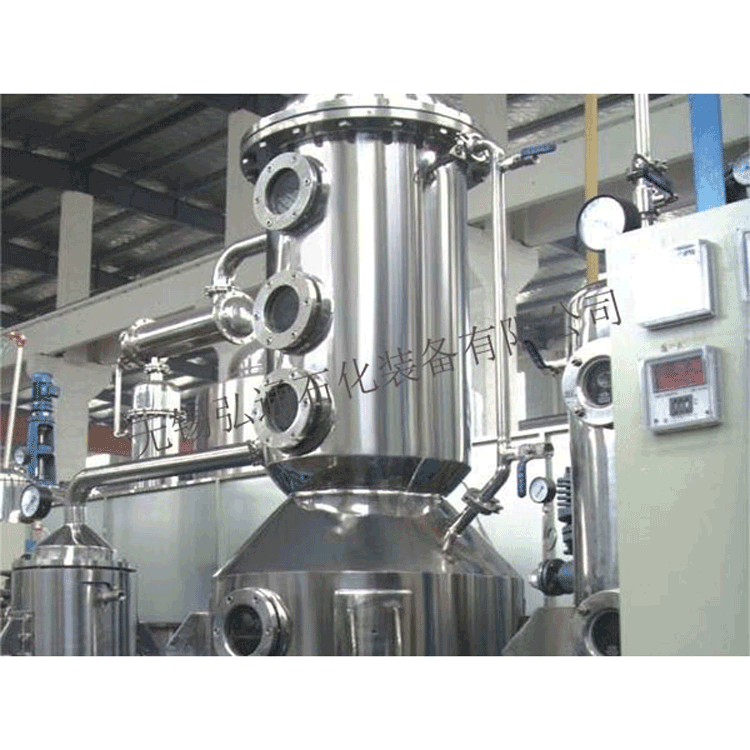
ND Reactor Crystallizer: The internal temperature of the equipment is easily controlled, as is the solution pH value. The reactor has a simple structure, low energy consumption, and uniformly distributed crystal particle sizes. It can produce large crystals with high purity as required, which are uniform and easy to filter, significantly improving product quality.
ND Crystallizer: easy to control the internal temperature, pH value of solution; simple structure, low energy consumption, uniform distribution of crystals; can produce high-purity large crystal grains based on indications; easy to filter; a great improvement to product quality.
The inner wall and the flow conduit section of the ND crystallizer are polished to reduce wall caking.
The inner wall and draft tubes of ND Crystallizers are polished to reduce wall scars.
1. Available with crystal elimination unit; fine crystals from the upper section are processed through a fine crystal eliminator, becoming supersaturated solutions that return to the crystallizer for further crystallization.
equipped with crystal elimination device; The upper micro crystal enters the fine crystal eliminator and then becomes supersaturated solution, continues to crystallize.
2. The crystallizer's lower section is equipped with a淘洗腿, which facilitates the extraction of heavier crystals.
The lower part of the crystallizer is provided with a panning leg, which is beneficial to the extraction of the larger crystals.
3. Optionally, a seed addition unit can be set up to further improve the particle size distribution of the product by adding seeds.
If necessary, the crystal seed feeder can be added to further improve the particle size distribution
4. The crystallizer can adjust the crystallization reaction temperature, setting it according to the optimal reaction rate.
we can adjust the reaction crystallization temperature according to the optimum reaction rate
5. Crystallizer operating voltage: 380V; equipment working hours: 24h/day
Operating voltage: 380V; working time: 24h/d
6. Self-control Section: Based on the design requirements of the self-control section, the system can achieve the following objectives:
Automatic control part: according to the design requirements of the automatic control part, the system can achieve the following goals:
(1) Technical specifications of all controllers ensure process requirements, capable of automatically monitoring and controlling crystallization temperature and other indicators; pumps utilize variable frequency control, with automatic control over feeding and discharging operations.
The technical parameters of each controller ensure the requirements of the process, and can automatically monitor and control the crystal temperature and other indicators. The pump adopts frequency conversion control, and the feed and discharge operations can be automatically controlled;
(2) The on-site actuator features an interface for system information upload, capable of being integrated with the DCS system.
The field executing organization has the system information uploading interface, and can access the DCS system.