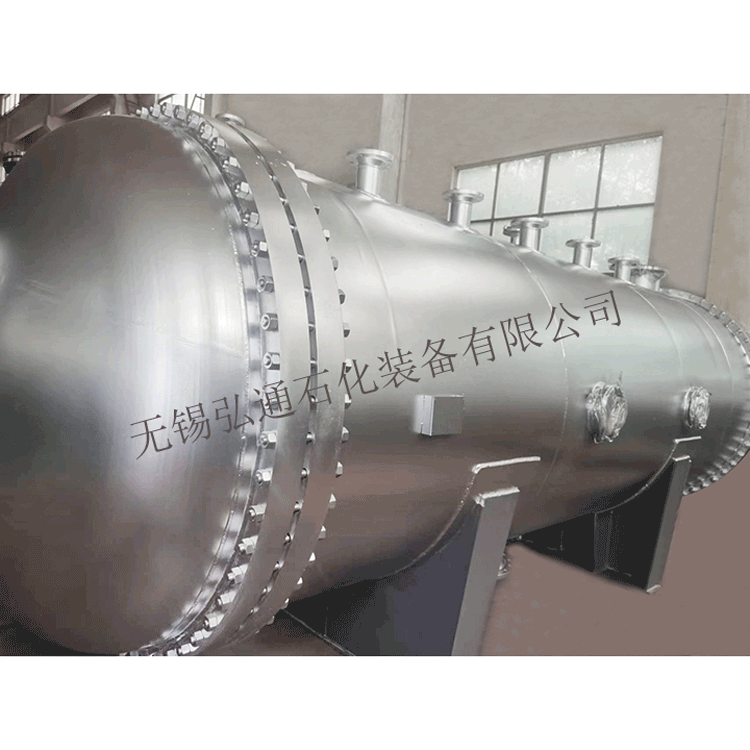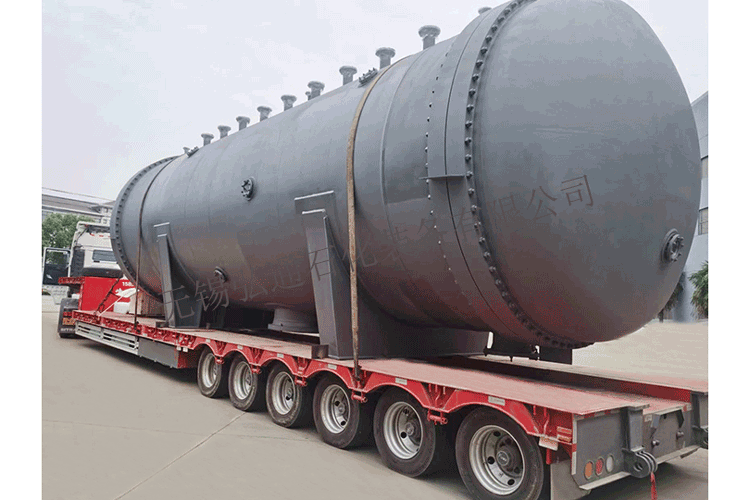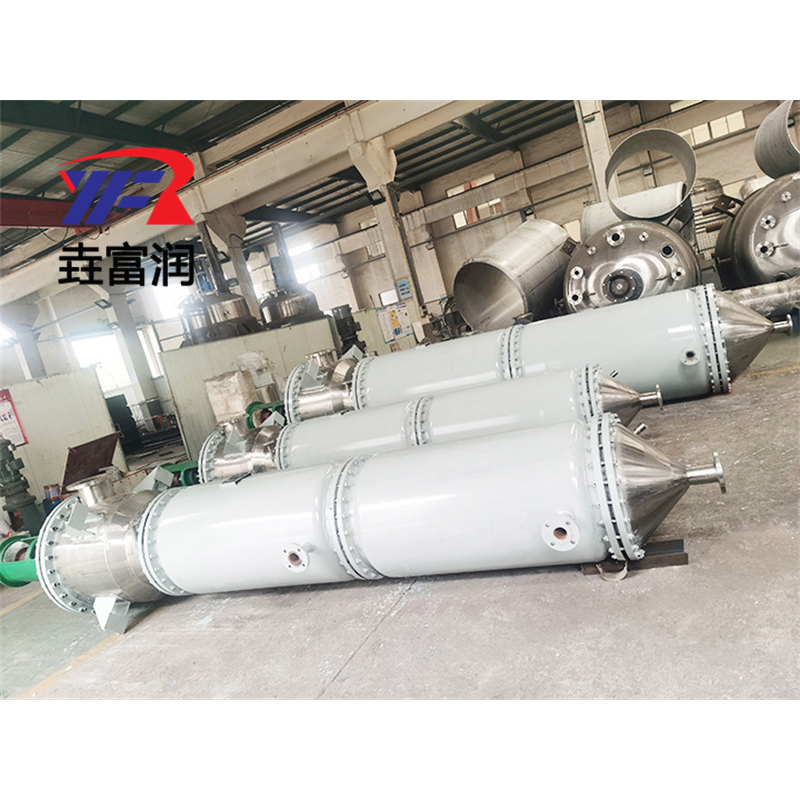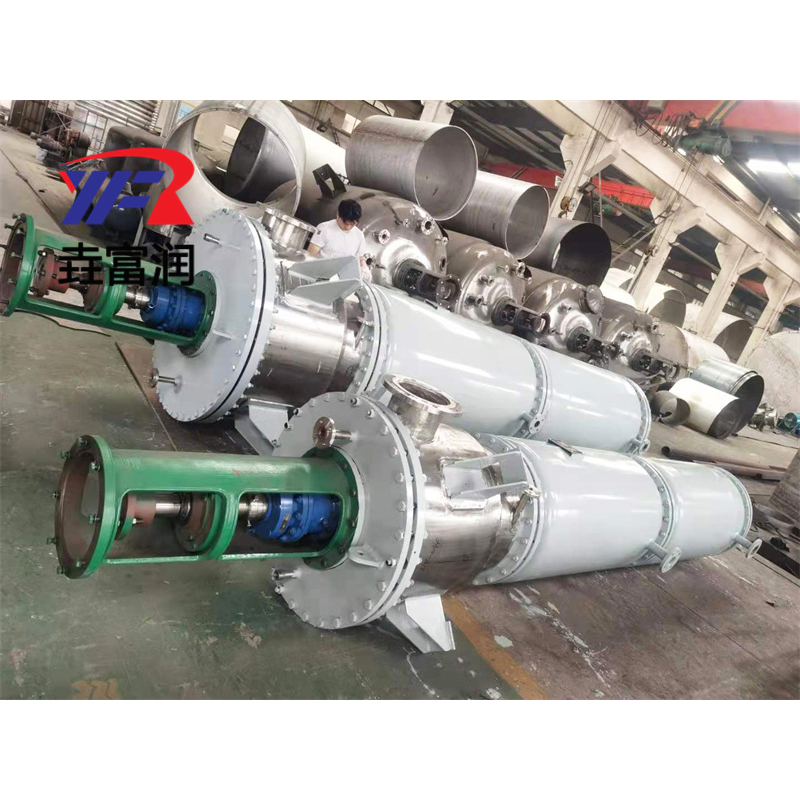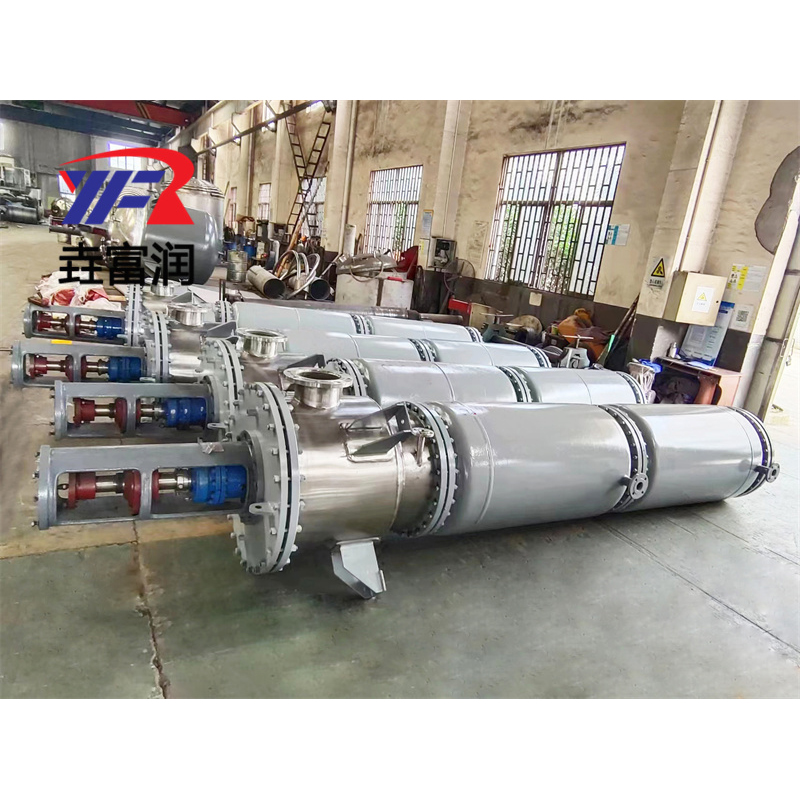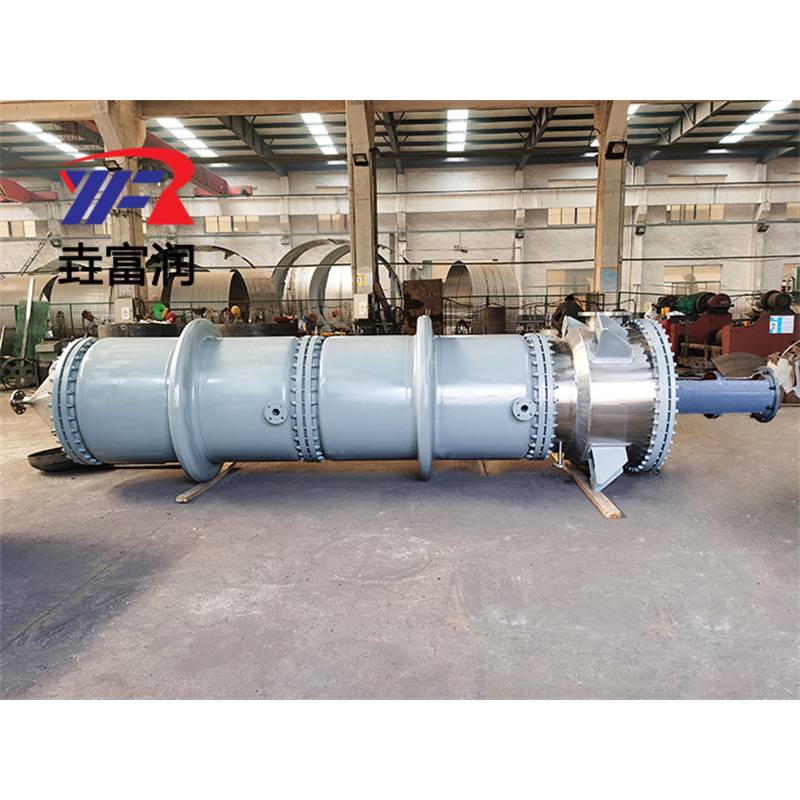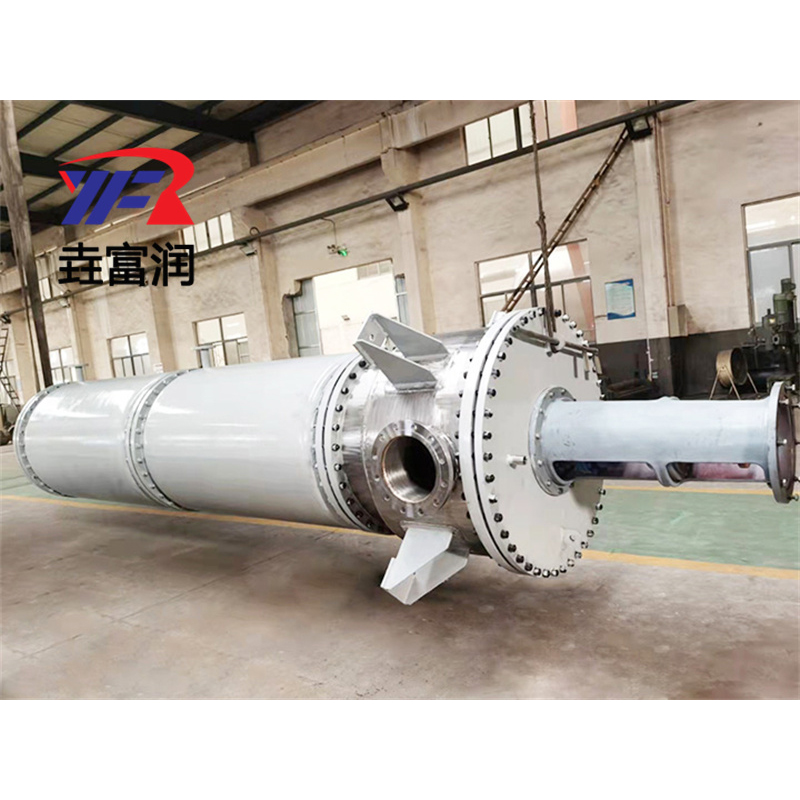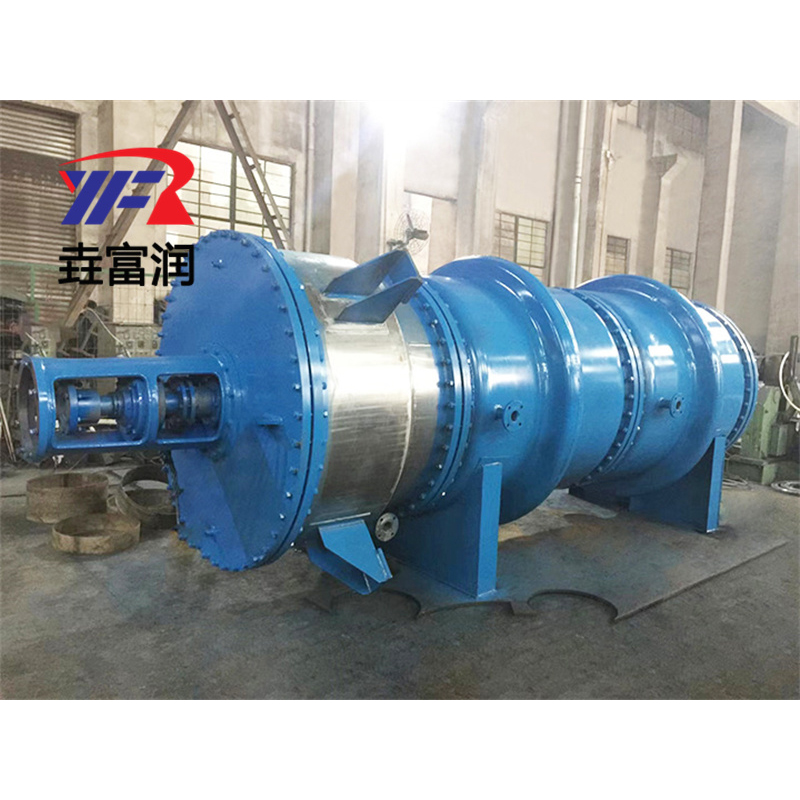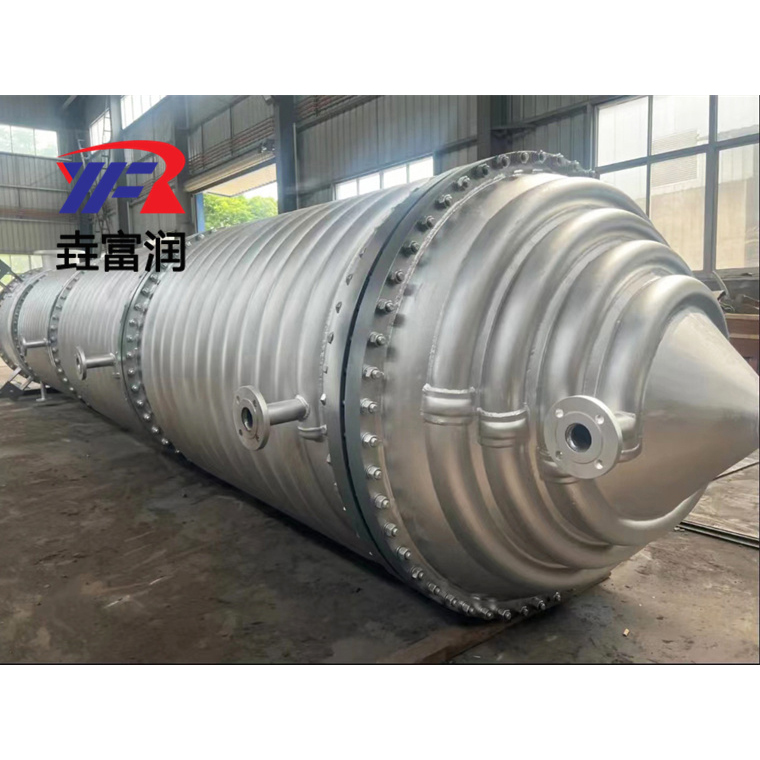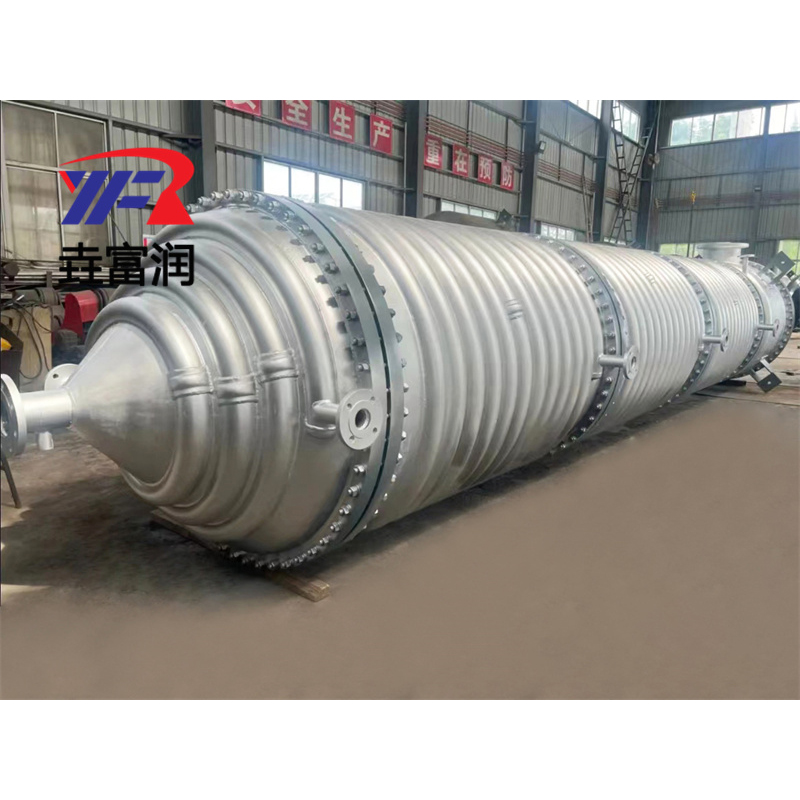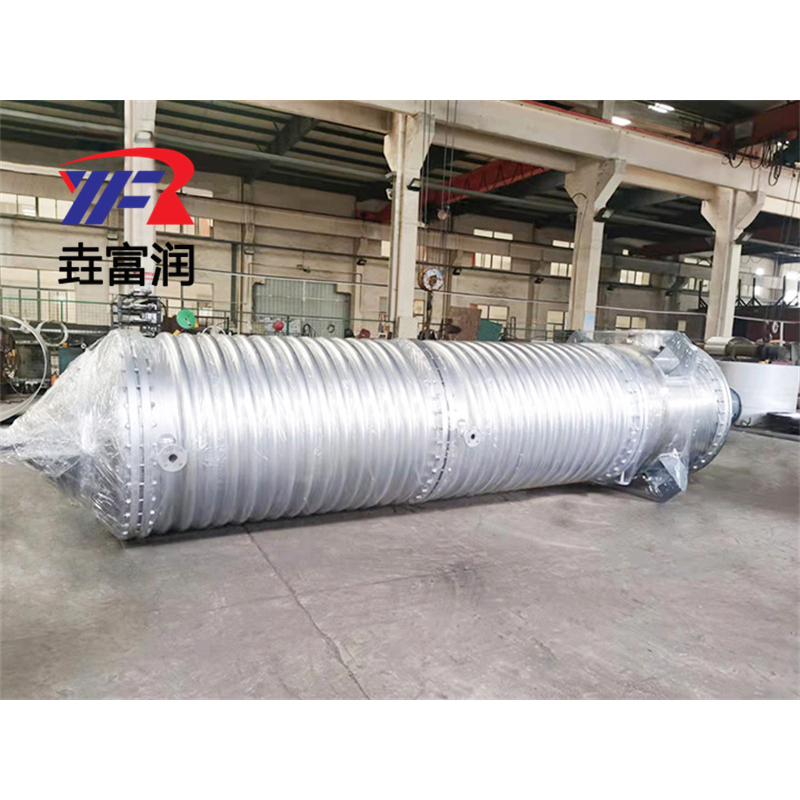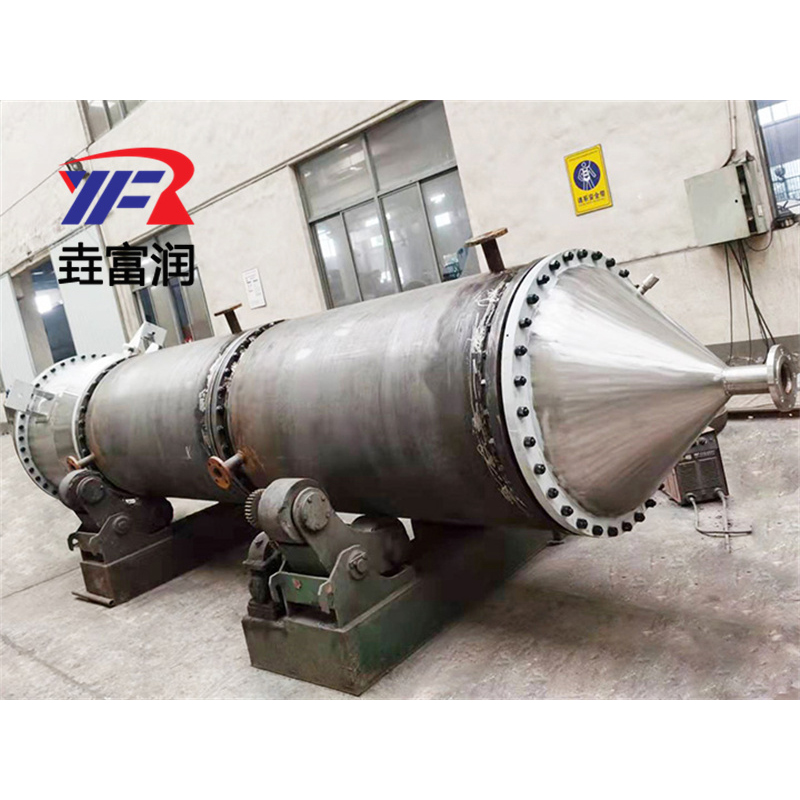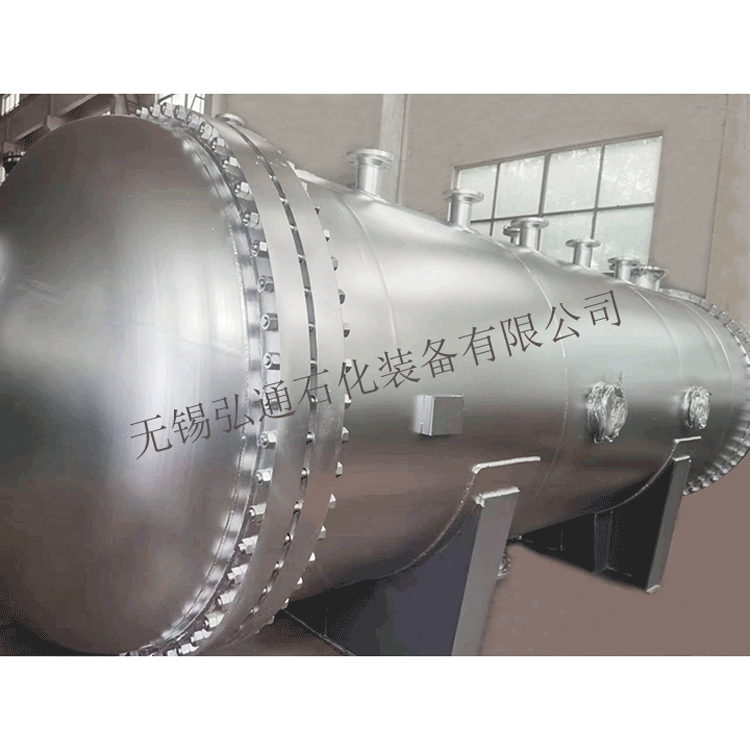

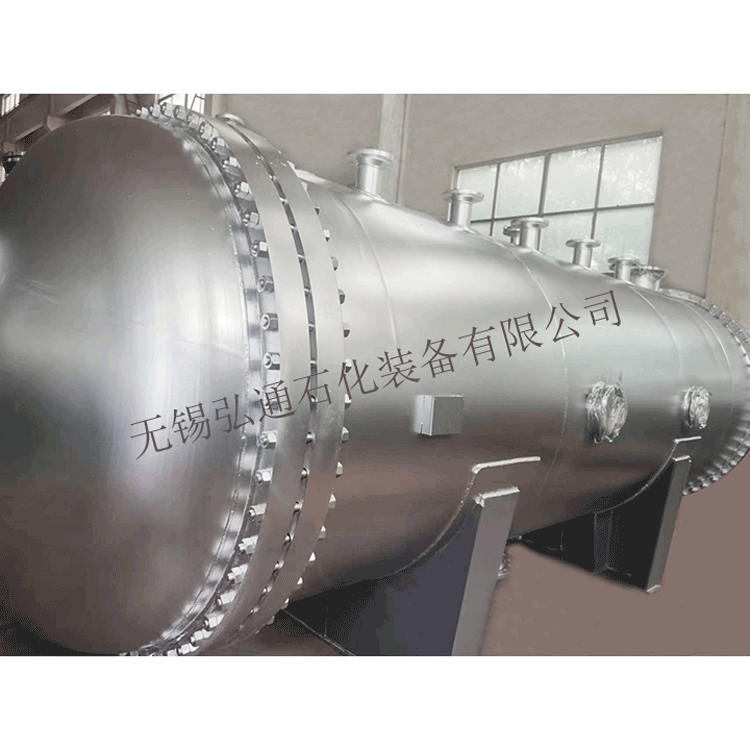
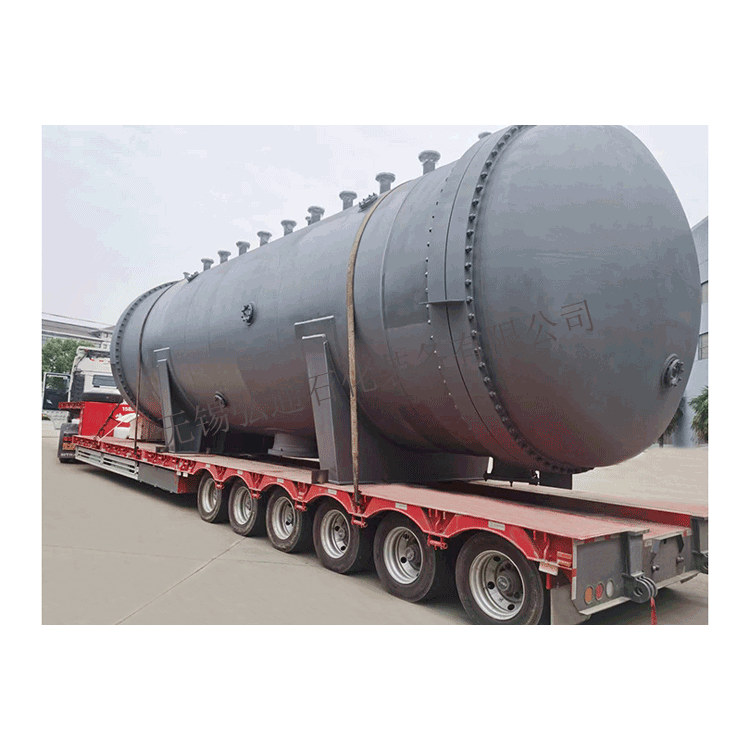


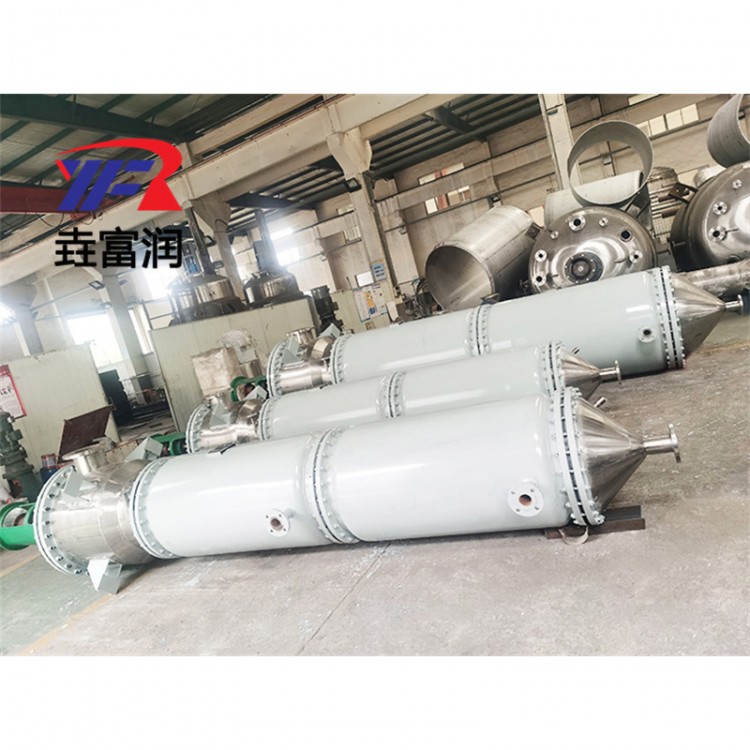
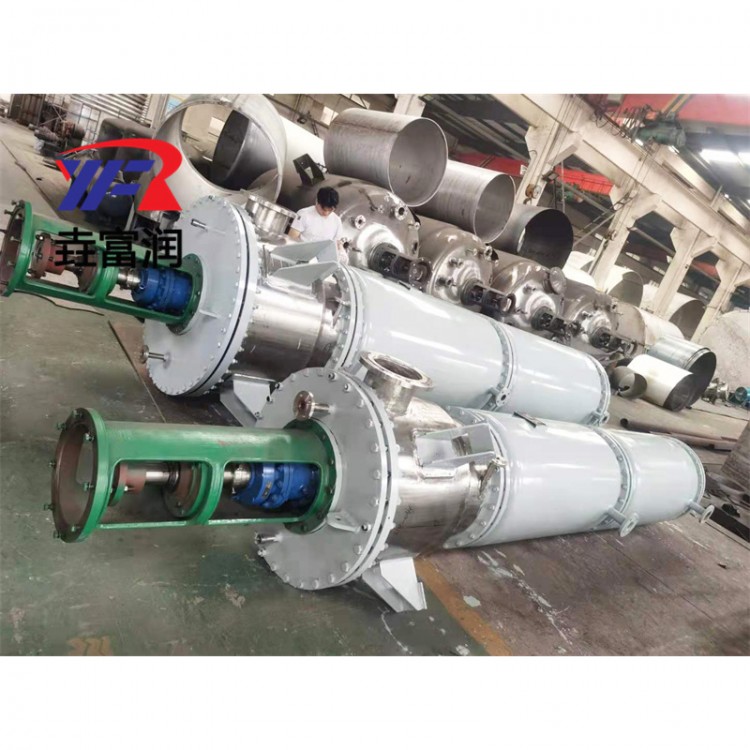
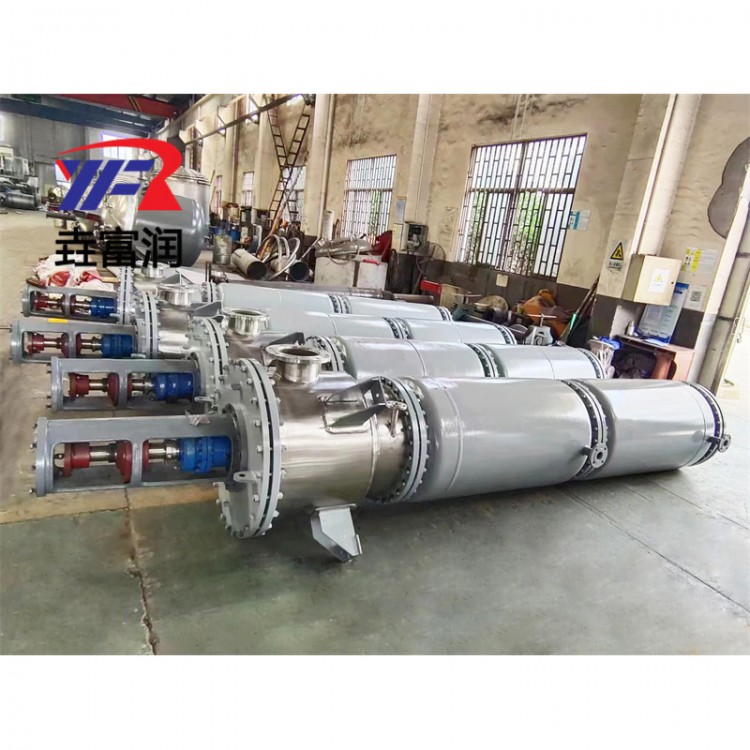
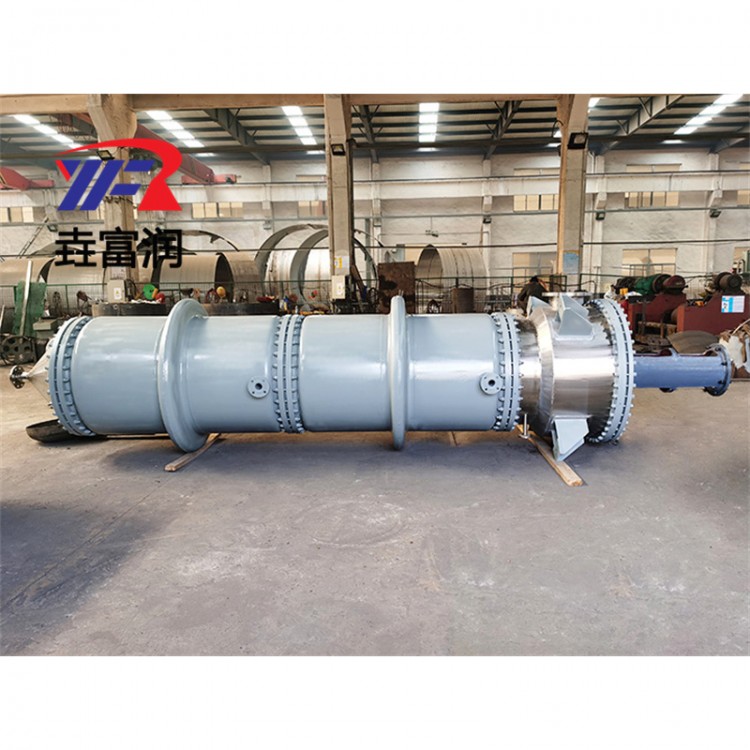
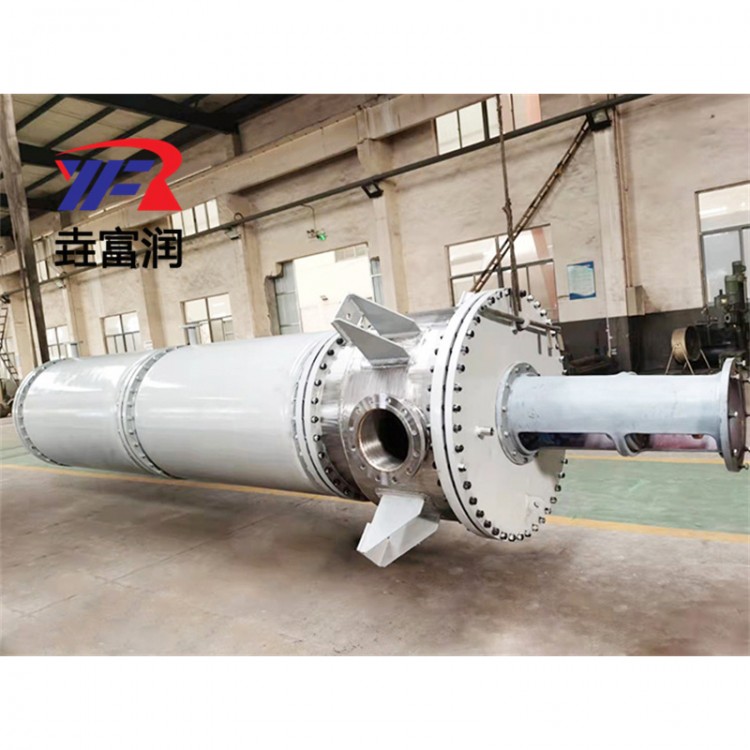





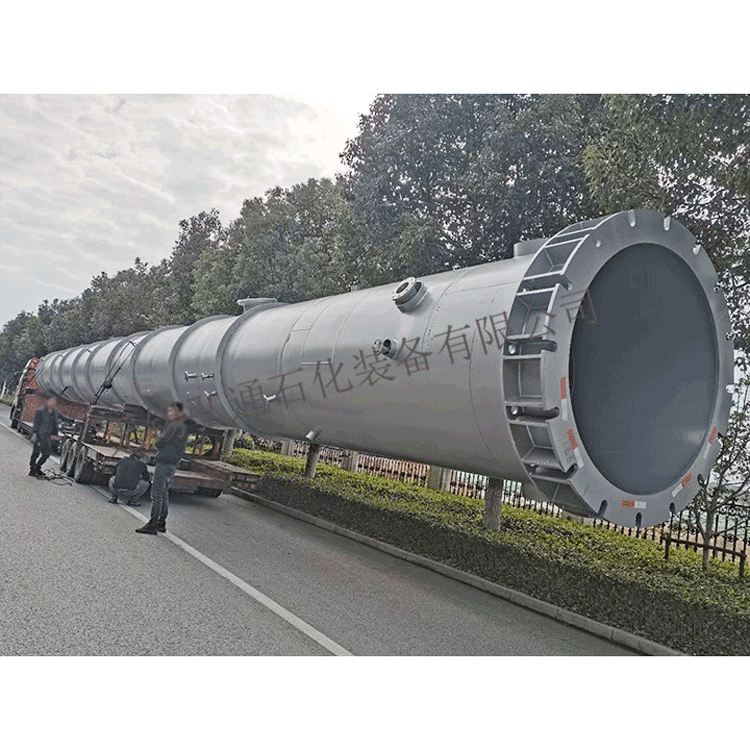
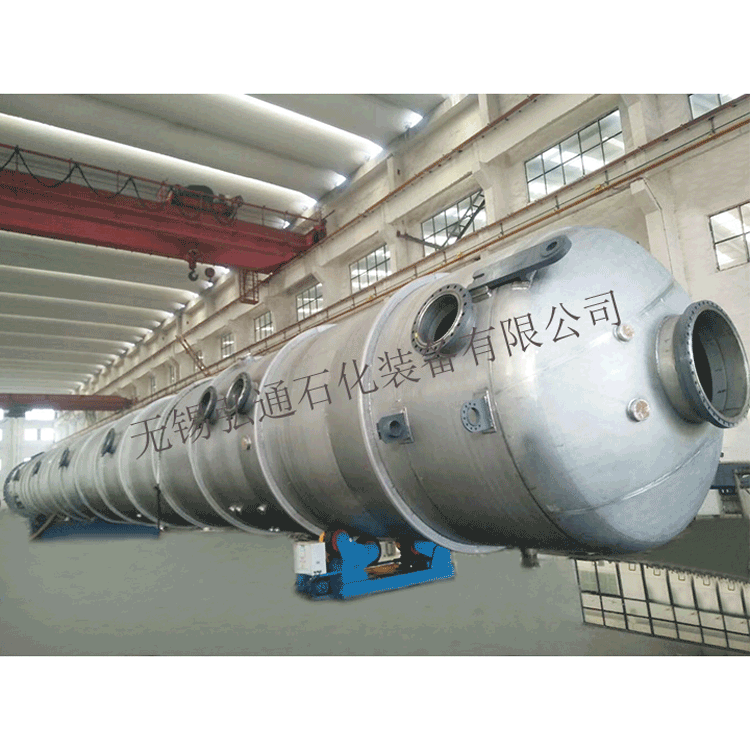
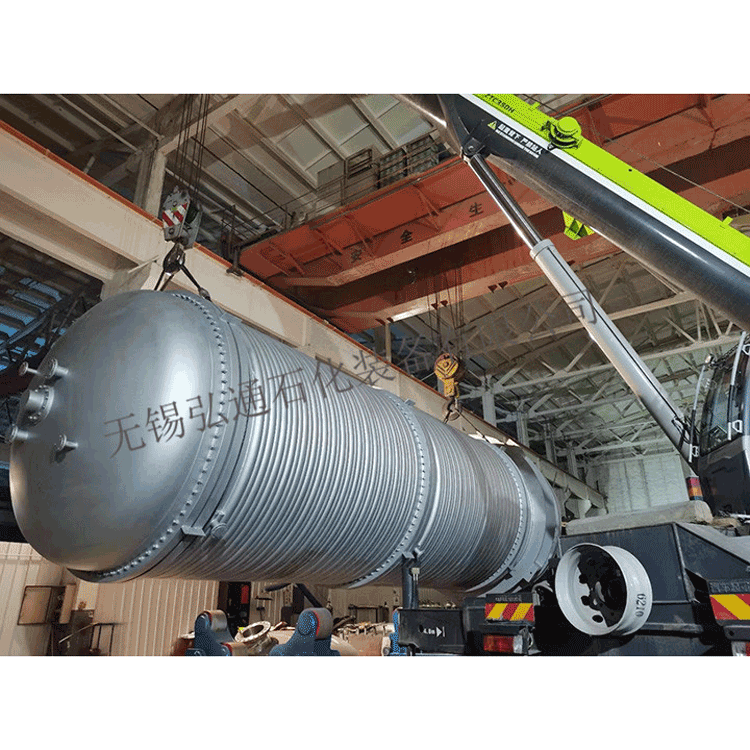
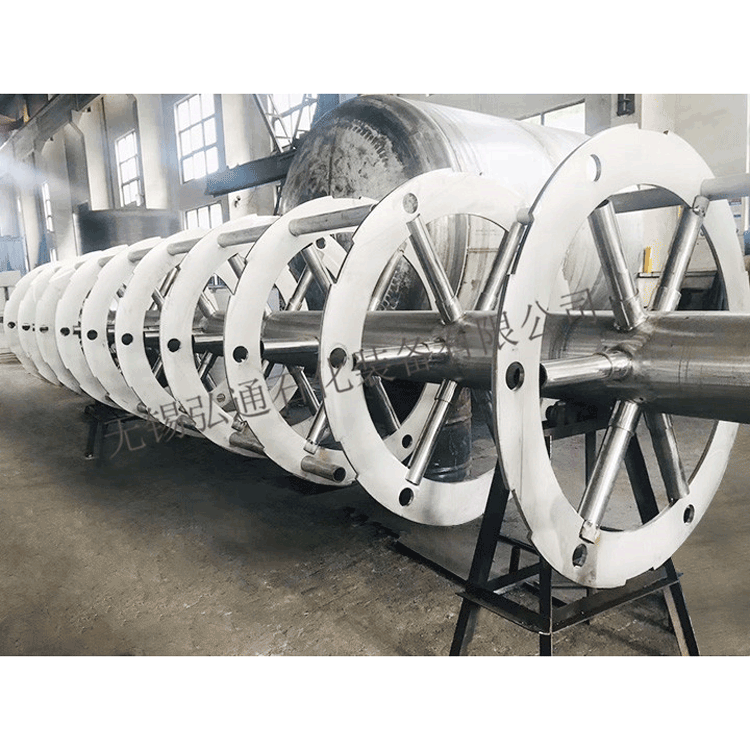
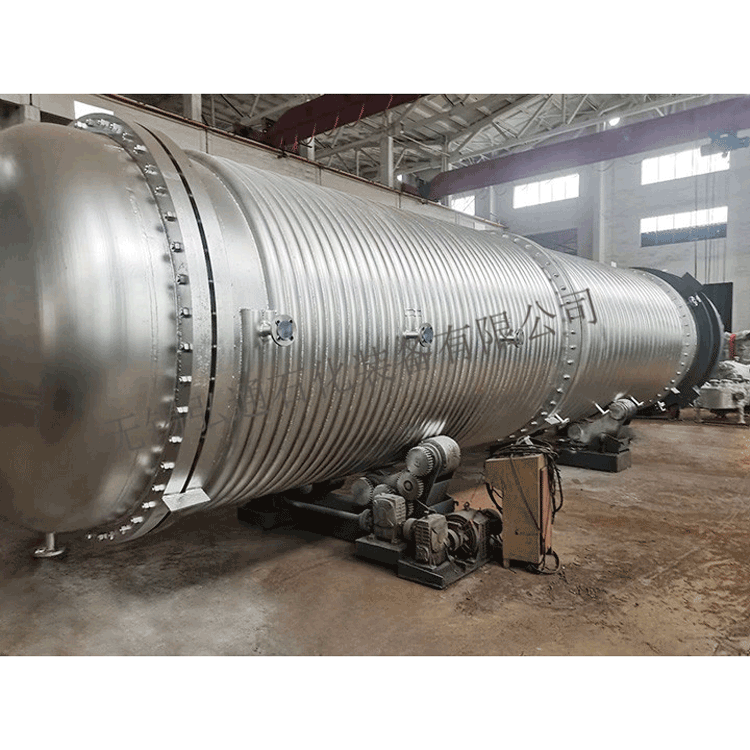
Horizontal Tube Falling Film Evaporator
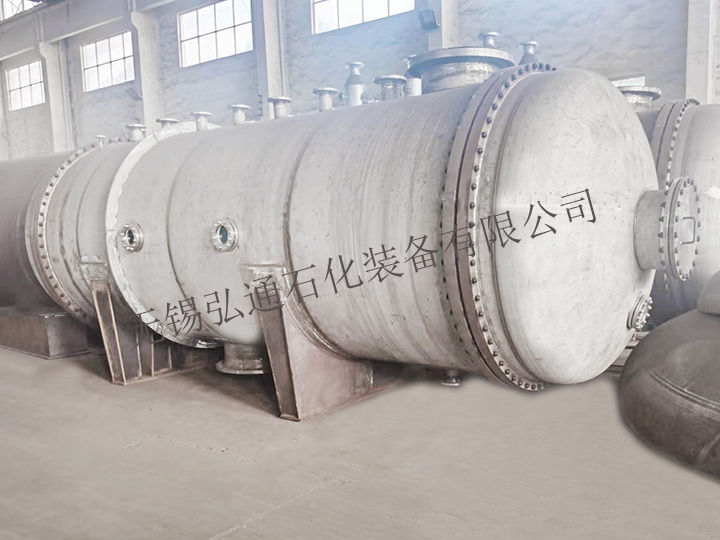
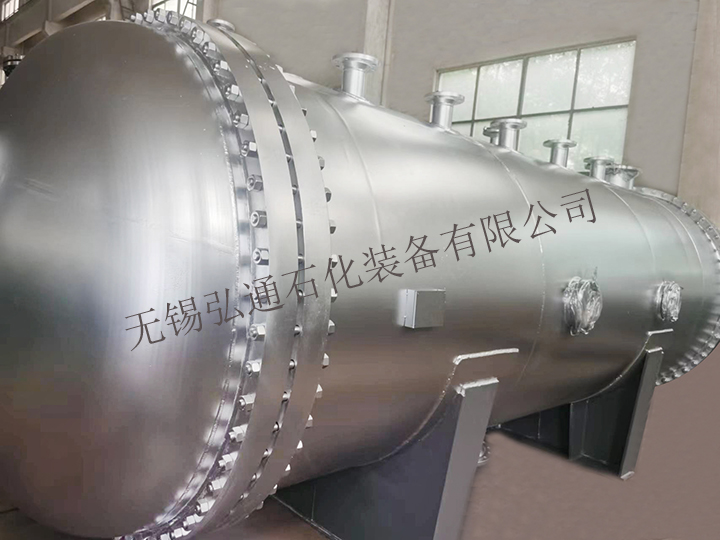
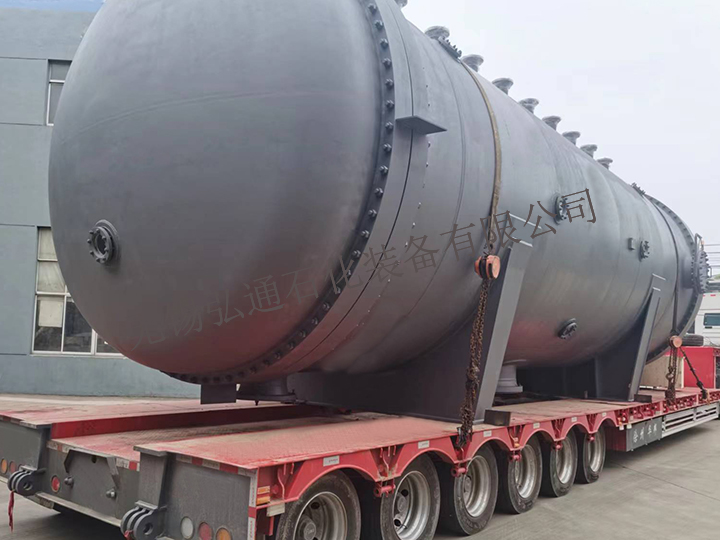
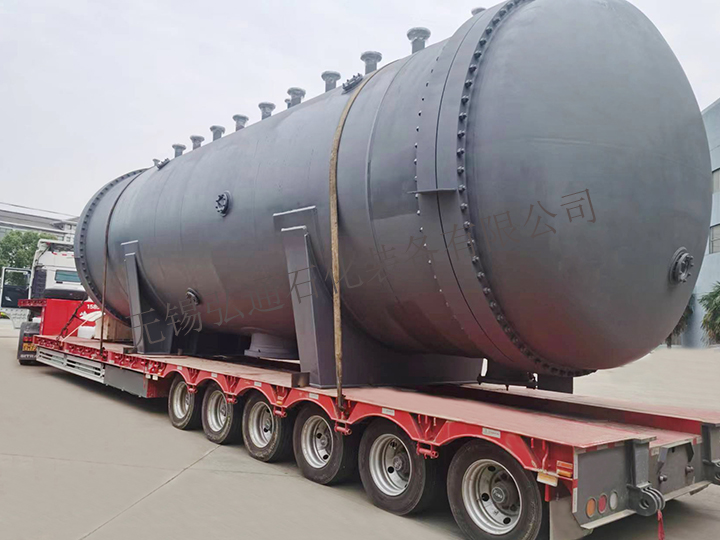
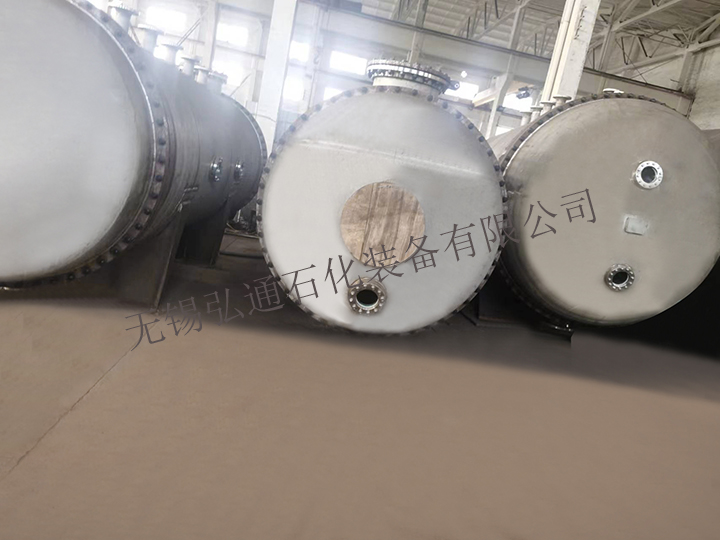
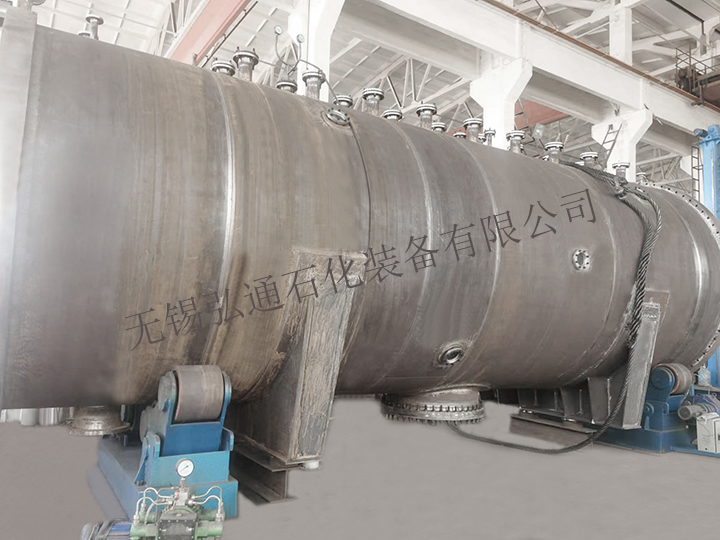
Horizontal Tube Falling Film Evaporator
Currently, film evaporators are categorized into two main structural forms of heat transfer surfaces: horizontal tube film evaporation and vertical tube film evaporation. For smooth tubes, the heat transfer coefficient of horizontal tube film evaporation is nearly twice that of vertical tube film evaporation. Due to its small temperature difference heat exchange, it is suitable for lower evaporation temperatures and boasts many advantages such as a higher heat transfer coefficient.
Operation Principle of Horizontal Tube Falling Film Evaporator:
Film evaporation is surface evaporation caused by a lower driving temperature or heat flux. During the film evaporation process, since the liquid distributes on the heating surface in a film-like form, there is no effect from the static liquid pressure zone and superheating zone. This can reduce the effective driving temperature for evaporation. Horizontal tube film evaporation involves the liquid dripping down from one horizontal tube to another in a film-like form, continuously evaporating due to the heating of the medium inside the tubes.
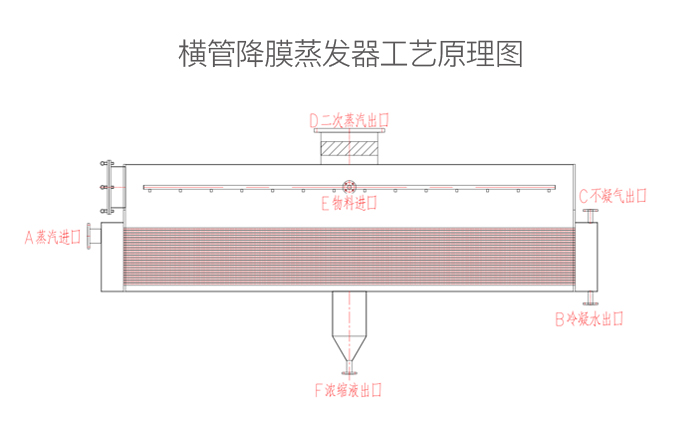
Horizontal Tube Falling Film Evaporator Process Diagram
Horizontal Tube Falling Film Evaporator Process Advantages:
The main heat exchange principle of the horizontal tube falling film evaporator is that the heat transfer is through falling film evaporation on the outside of the tube and steam condensation on the inside. This two-phase phase change heat transfer method inside and outside the tube is the reason for its high heat exchange efficiency. This technology boasts high heat exchange efficiency, small equipment footprint, good finished water quality, low heat source quality requirements, and stable operation performance.
Key Design Aspects of Horizontal Tube Falling Film Evaporator:
Based on the cross-tube falling film, which consists of multiple cross tubes, the remaining liquid from the evaporation of one layer gravity-drops onto the layer below. The falling pattern primarily depends on the flow rate of the material. At lower flow rates, the liquid falls in the form of droplets. If a dry area forms on the heat exchange tube surface, the heat exchange area will not be effectively utilized, significantly reducing the heat exchanger's efficiency. To address this issue, consideration can be given to the liquid's recirculation, the rational arrangement of the tube bundle, and the reasonable design of the liquid distributor. Therefore, how to maintain complete wetting in the design of the cross-tube falling film evaporator, ensuring that the heating surface has no dry areas, will be the key to the success of the design.
Application Range of Horizontal Tube Falling Film Evaporator:
The technology of horizontal tube film evaporators has a long history, but in the early days, the horizontal tube film was mainly applied in the sugar industry, with limited research and relatively slow development. After the 1980s, many people began to pay attention to this energy-saving technology, and the horizontal tube film evaporators started to see significant growth. Their application has expanded greatly, and today, horizontal tube film evaporators are widely used in various fields such as seawater desalination, food processing, refrigeration engineering, oil refining, and chemical engineering.
The horizontal tube film evaporators are primarily used for the preliminary concentration treatment of low-concentration liquid materials such as seawater desalination, papermaking wastewater, and garbage leachate.
Key Features of the Horizontal Tube Film Evaporator:
1. The fluctuation of the film in the heat transfer process outside the tube of a horizontal tube film evaporator is conducive to the enhancement of convective heat transfer, resulting in a higher heat transfer coefficient.
2. The horizontal tube film evaporator requires a small temperature difference for heat transfer, resulting in lower temperature driving force and heat flux, making it more energy-efficient.
3. The horizontal tube film evaporator features not only a low heat consumption but also a lower heat requirement, which is beneficial for utilizing low-grade waste heat.
In view of the characteristics of various solutions in different factories, our company will provide specific technical solutions for the composition and concentration of the solutions offered to customers for reference and selection!