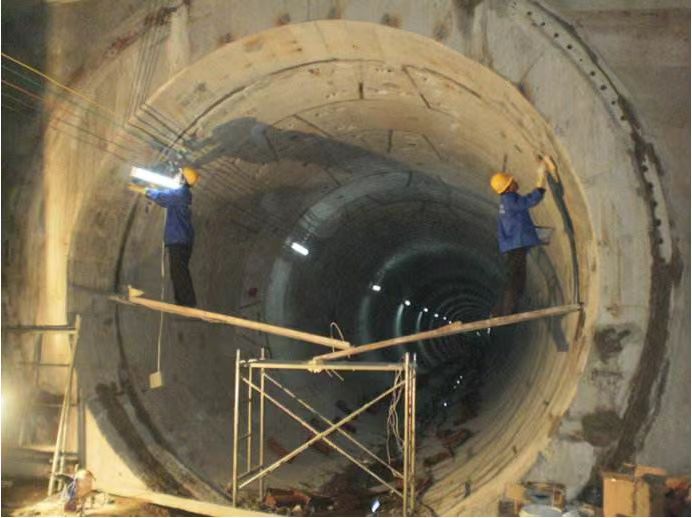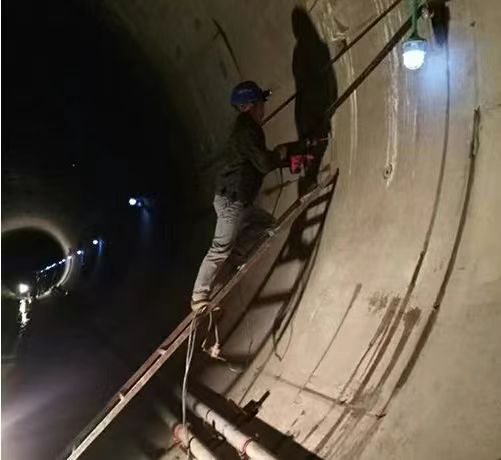

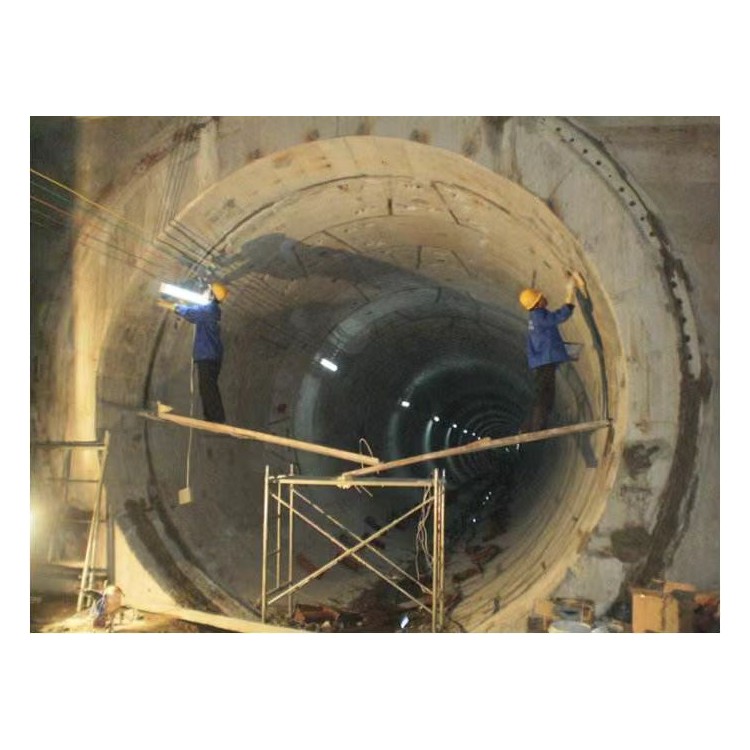

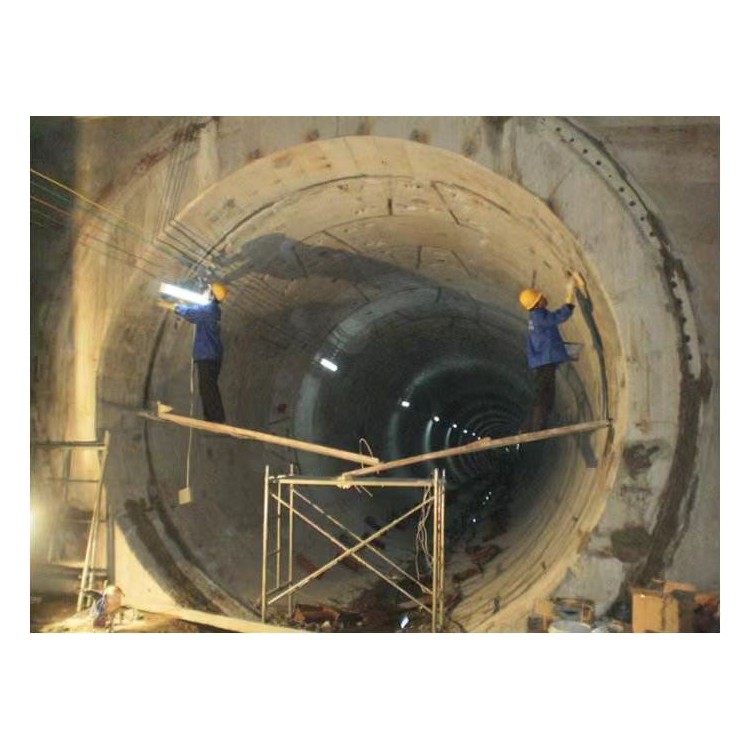
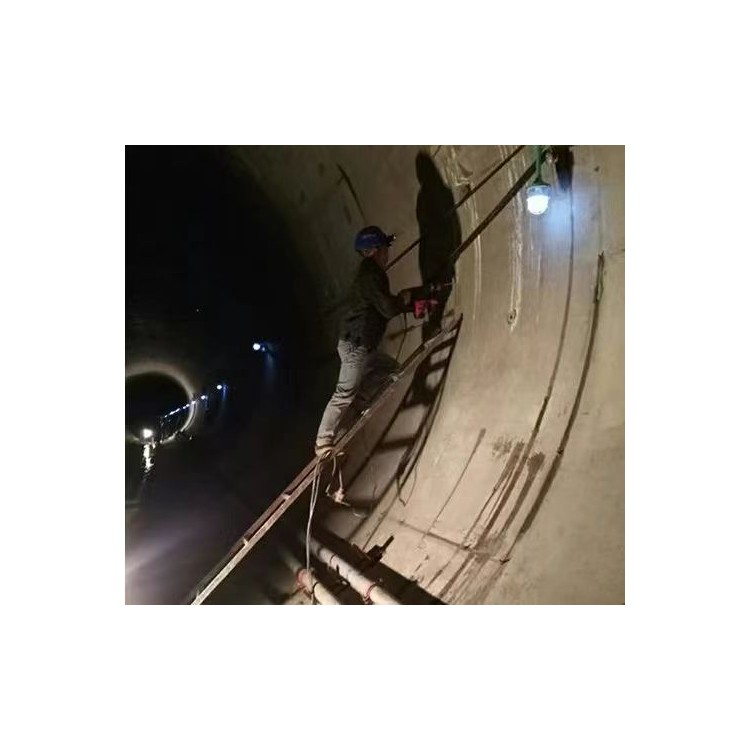
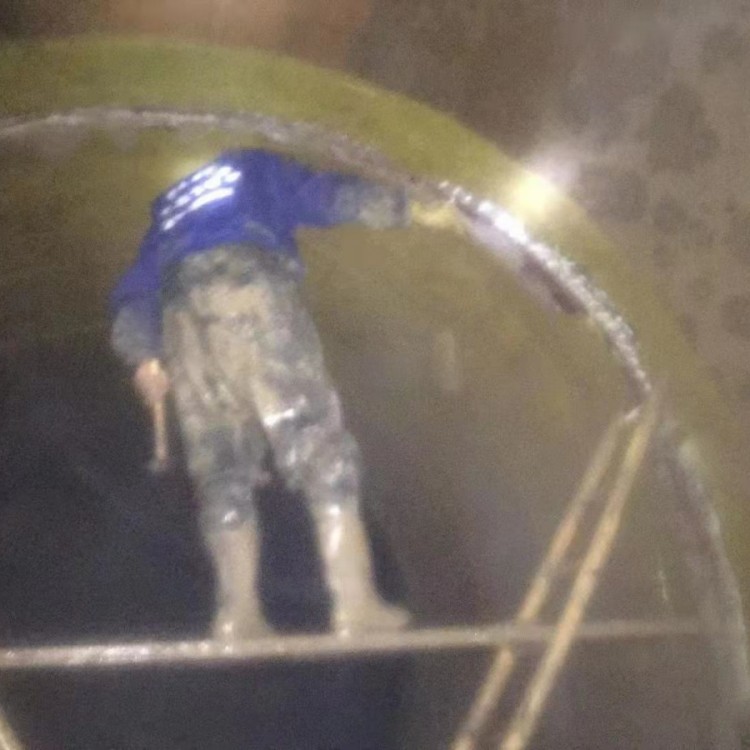










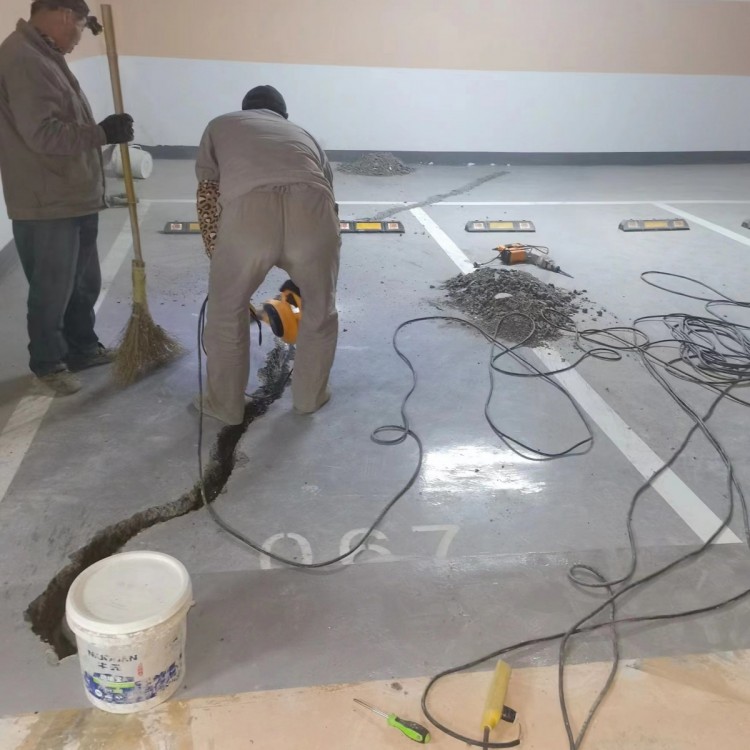
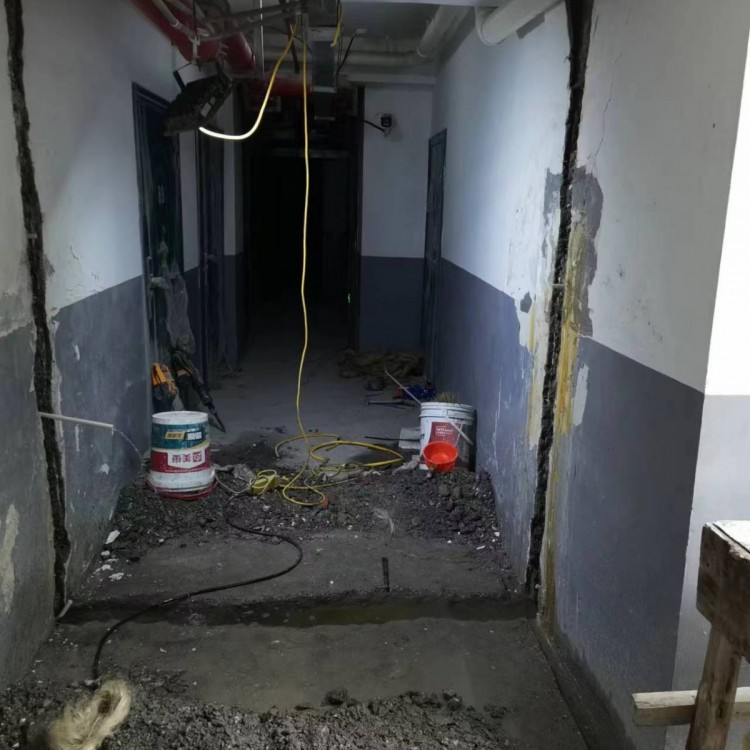
Tunnel leak prevention is a crucial engineering task, as tunnel structures often encounter leakage issues during use. Tunnel leaks not only affect the normal operation of equipment but can also severely impact the structural stability and lifespan of the tunnel. To prevent these problems, the work of tunnel leak prevention is of utmost importance.
The causes of tunnel leakage are varied, possibly due to poor geological conditions leading to groundwater seepage, or inadequate construction quality or aging damage causing tunnel damage. Regardless of the cause of the leakage, we need to find a reliable sealing solution to ensure the safe and reliable operation of the tunnel.
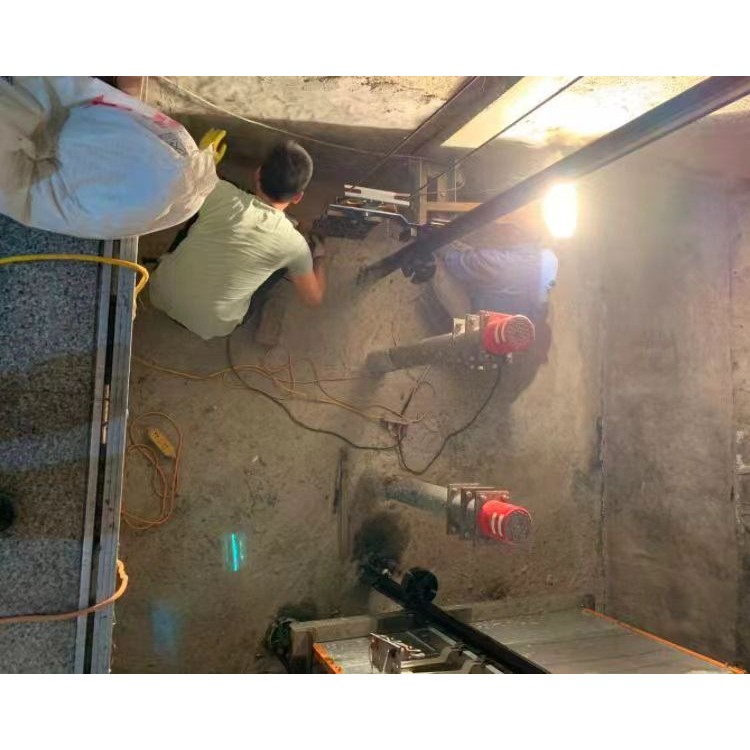
To address tunnel leakage issues, we require a thorough inspection and analysis of the tunnel. Employing modern equipment, we examine the tunnel walls, ceiling, and foundation to locate the leakage points and extent. Additionally, a comprehensive analysis of the geological conditions surrounding the tunnel is necessary to identify the root cause of the leakage.
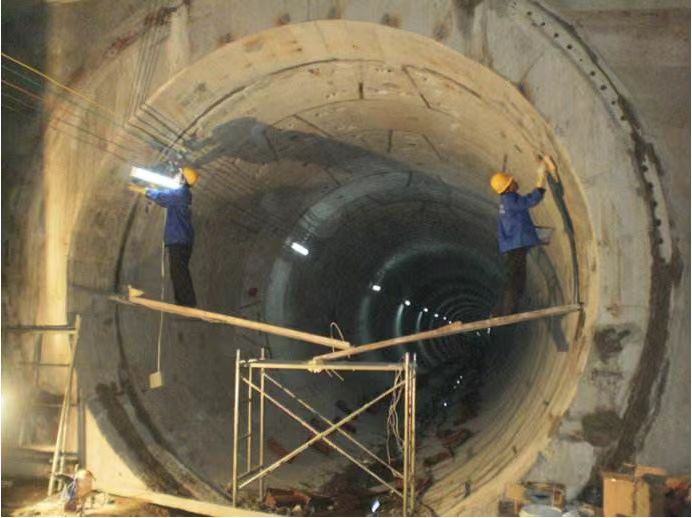
Methods and materials for tunnel leakage prevention are also crucial. Currently, common leakage prevention methods include grouting, mixing pile, and tunnel shell anti-seepage treatment. Grouting fills the cracks and holes in the tunnel with specific materials to achieve leakage prevention. The mixing pile method uses the vibration of mixing piles to rearrange the soil's fine particles, enhancing the compactness and consolidation of the soil mass, thereby reducing the risk of leakage. As for tunnel shell anti-seepage treatment, it involves applying waterproof coatings or installing waterproof boards to improve the tunnel's anti-seepage capability.
Tunnel leakage control requires not only scientific methods and reliable materials but also professional personnel and stringent construction standards. Only engineers with systematic training and extensive experience can accurately inspect and analyze tunnels and skillfully apply leakage control methods. Additionally, strictly adhering to construction specifications and requirements, ensuring each process meets standards, is essential for effective leakage control.
In summary, tunnel leakage prevention is a complex and critical engineering task. We must conduct inspections, scientific analyses, and rational selection of leakage prevention methods and materials. This must be coupled with professional personnel and strict construction standards to successfully address tunnel leakage issues and ensure the safe and reliable operation of the tunnel. Tunnel leakage prevention is not only a technical endeavor but also a crucial measure for ensuring engineering safety.