









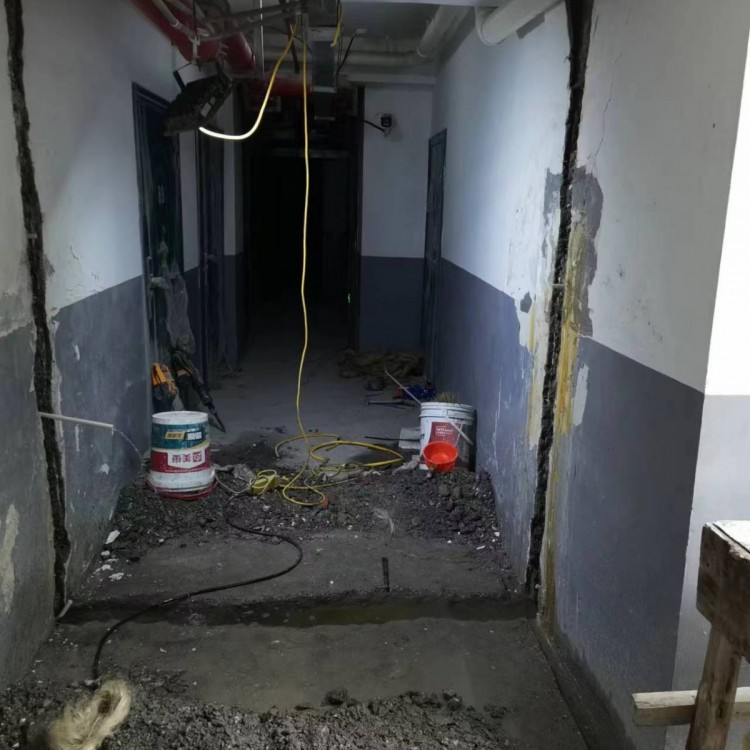
Expansion joints are a common structural gap in buildings, playing a crucial role in absorbing thermal expansion and contraction, withstanding earthquakes, and reducing structural stress. However, often located at high points or hidden areas of buildings, their maintenance and sealing work are frequently overlooked, leading to a series of issues. This article will explain the functions, common materials, and sealing methods of expansion joints, helping you understand and effectively address sealing issues related to expansion joints.
Expansion joints are an essential part of architectural structures, serving three main functions: absorbing thermal expansion and contraction, reducing seismic forces, and buffering structural stresses. When buildings are subjected to temperature changes or seismic forces, expansion joints can freely expand and contract, absorb and release stresses, and protect the integrity and safety of the entire building structure.
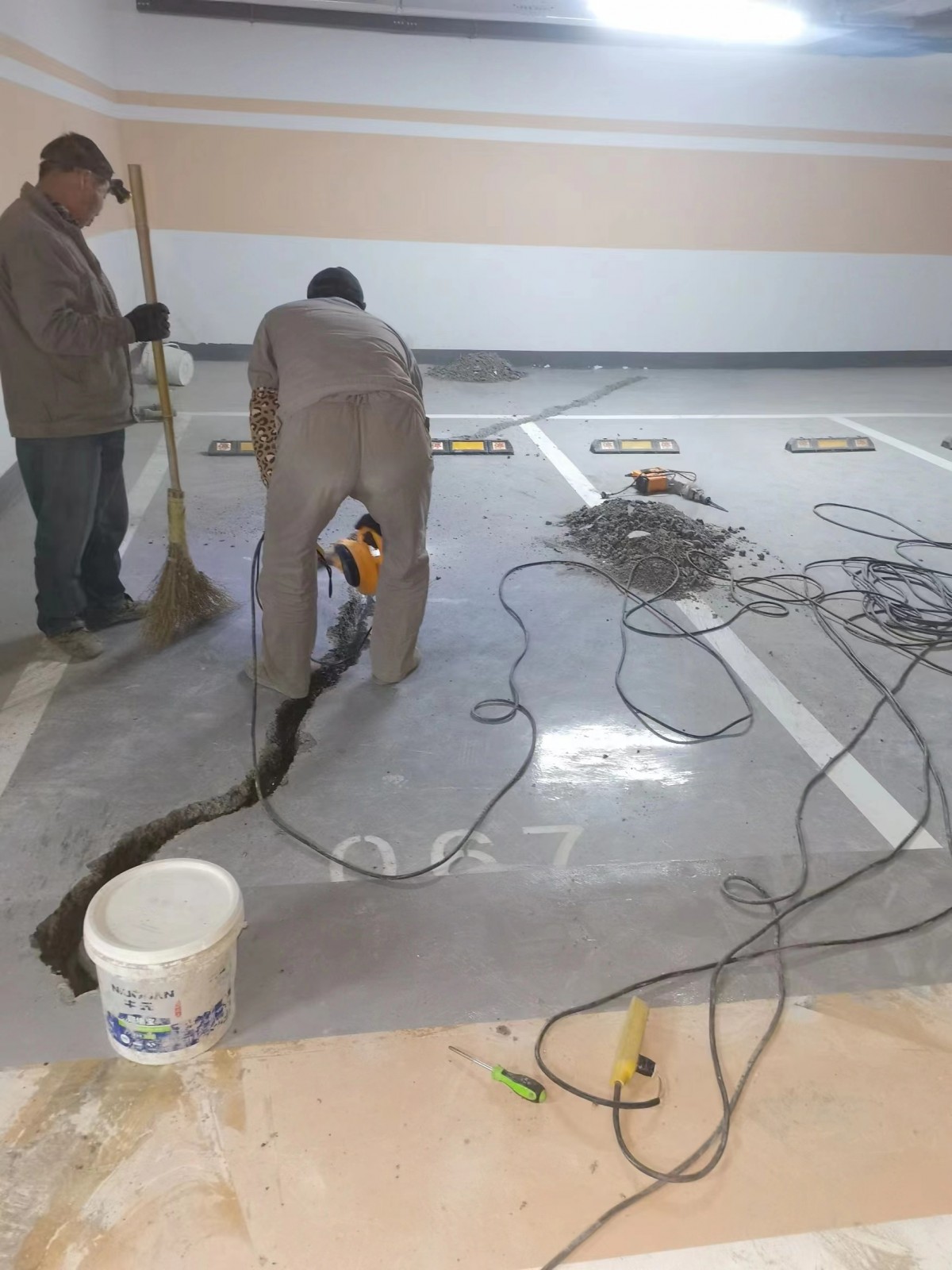
Different types of buildings and varying climatic conditions in different regions necessitate the use of various expansion joint materials. Common materials include rubber, metal, and polysulfide. Rubber expansion joints offer excellent flexibility and durability, suitable for both interior and exterior applications. Metal expansion joints have high strength and compressive resistance, ideal for basement and roof expansion joints in large buildings. Polysulfide expansion joints are suitable for high-temperature and chemically corrosive environments, boasting excellent weather resistance and corrosion resistance.
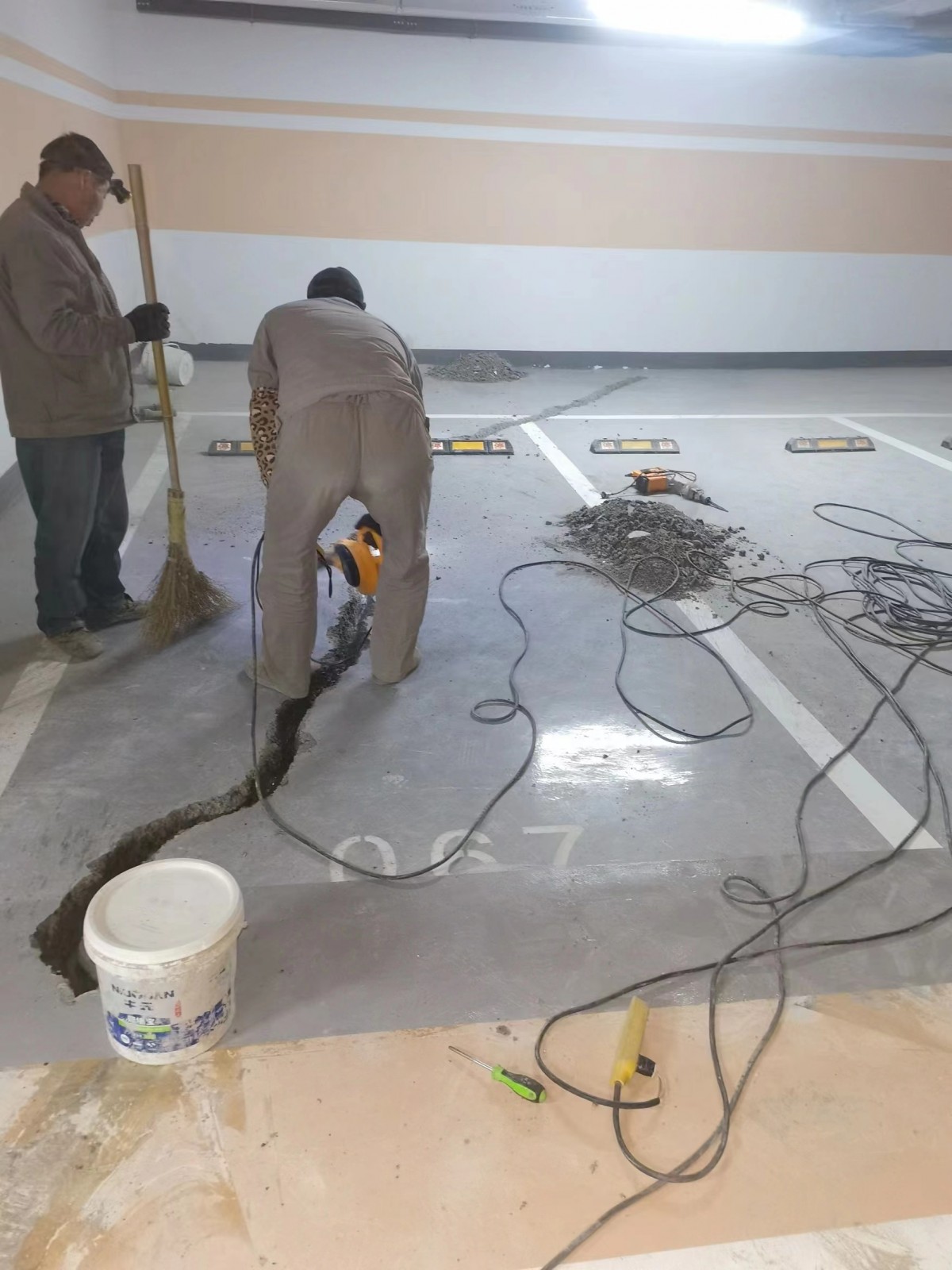
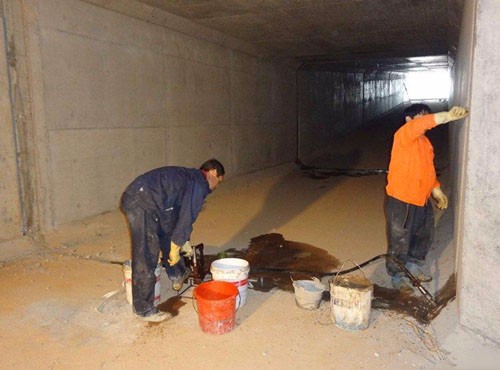
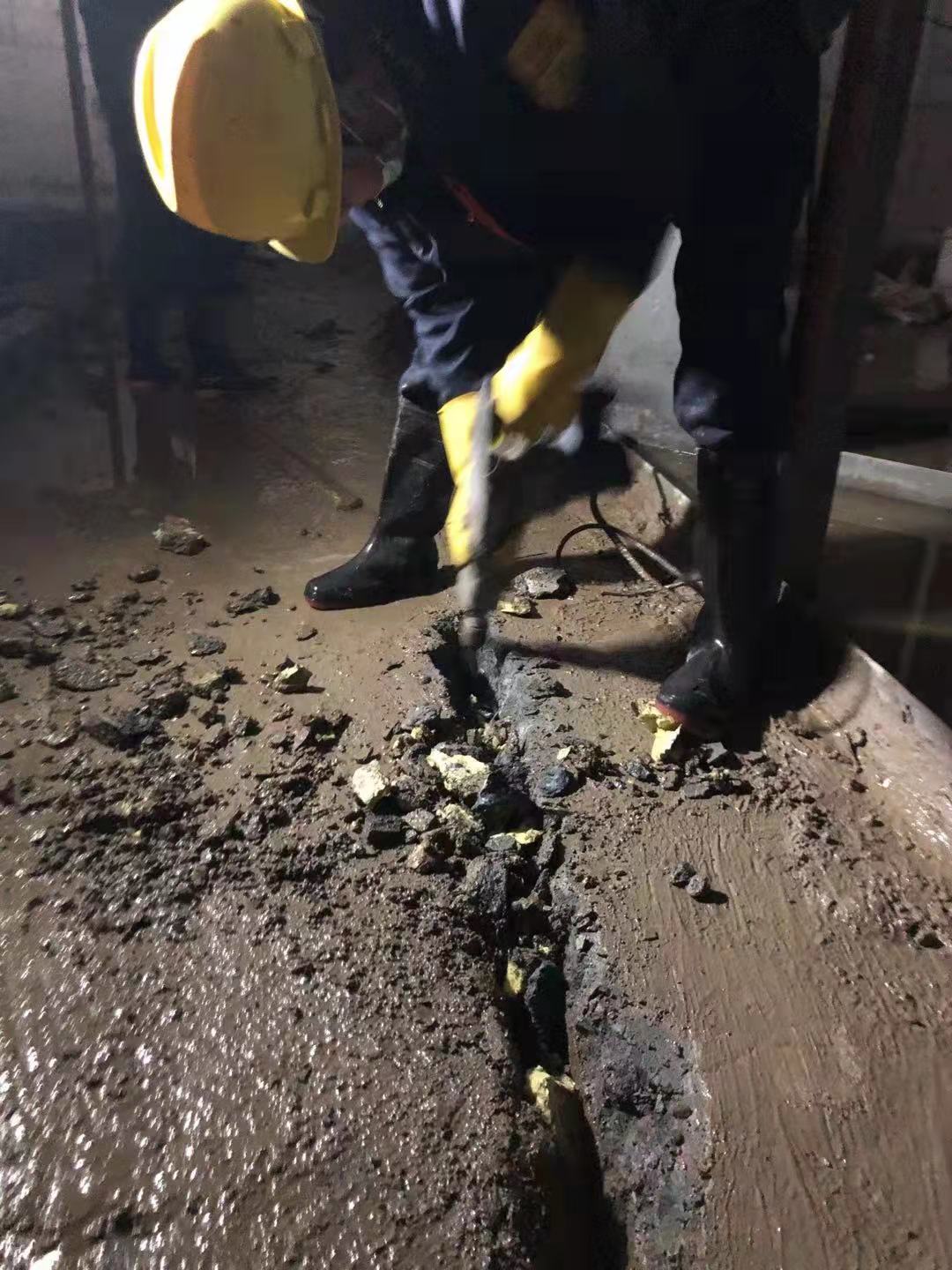
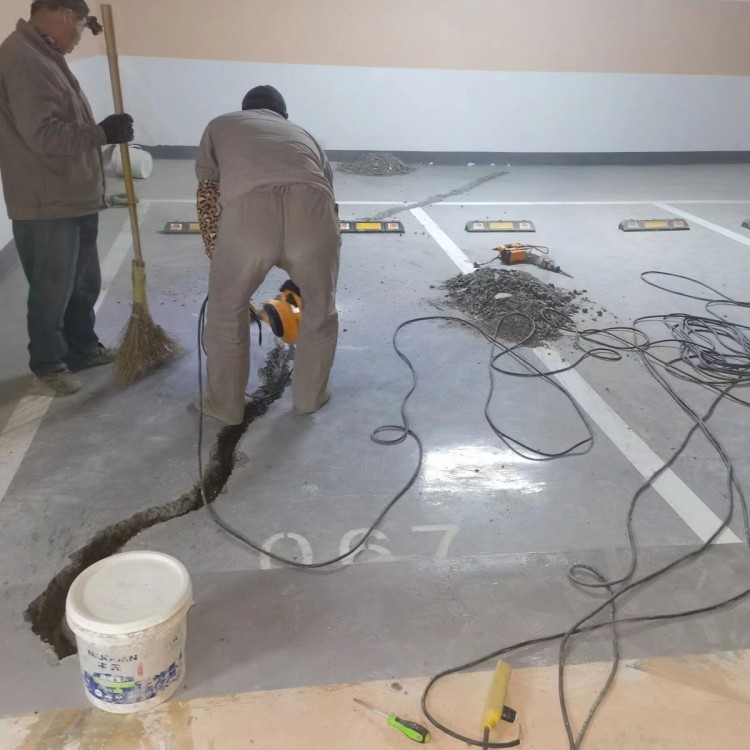
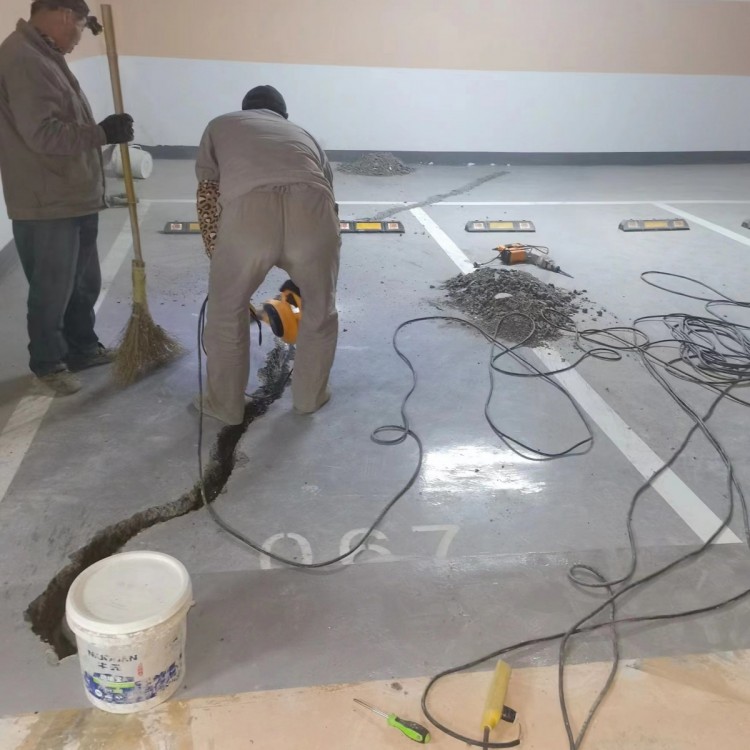
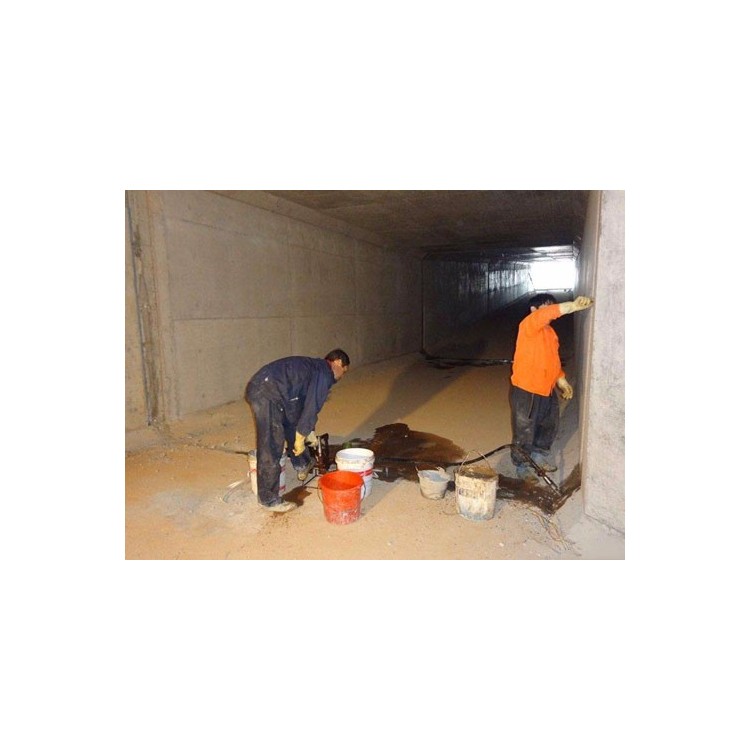
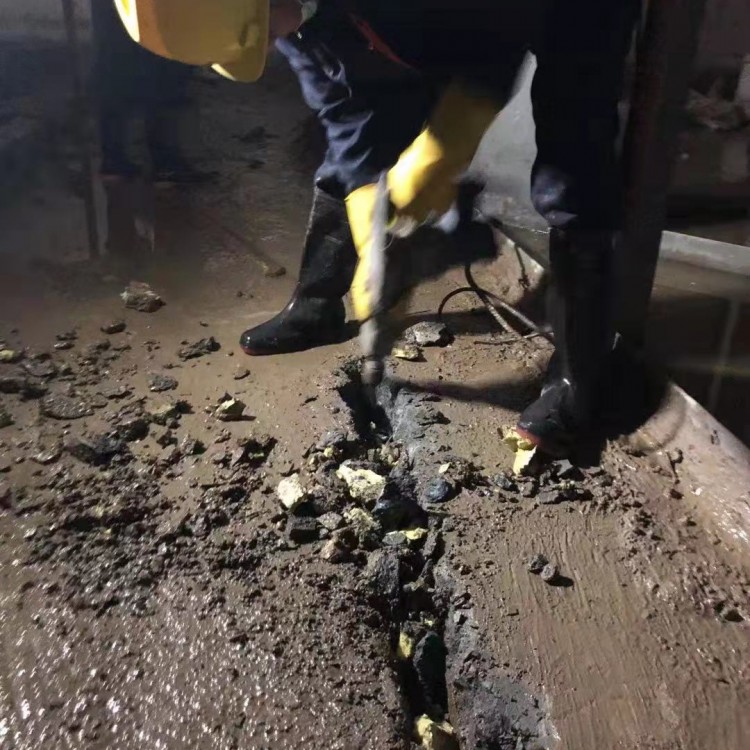
However, during the use of expansion joints, leakage issues often arise. The leakage of expansion joints is mainly caused by reasons such as material aging, improper installation, and excessive water pressure. There are various leakage sealing methods, and according to different causes of leakage, various sealing materials such as fillers, waterproof coatings, and tapes can be used for repair. For large-scale leakage problems in expansion joints, maintenance and replacement work is required to ensure the normal use of the expansion joints.
When maintaining and sealing expansion joints, we should pay attention to the following points. Firstly, regularly inspect the usage status and material aging of the expansion joints to identify and address any issues promptly. Secondly, use materials and techniques that comply with specifications for installation and maintenance to ensure the quality and durability of the joints. Reasonably design and plan the number and placement of expansion joints to minimize the need for sealing and repair work.
In summary, expansion joints, as an essential component of buildings, serve to absorb thermal expansion and contraction, mitigate seismic forces, and buffer structural stresses. Choosing the appropriate materials and scientific sealing methods can effectively address the issue of expansion joint sealing, ensuring the safety and reliability of the structure. It is hoped that this introduction and analysis can provide you with some practical suggestions and assistance.