
















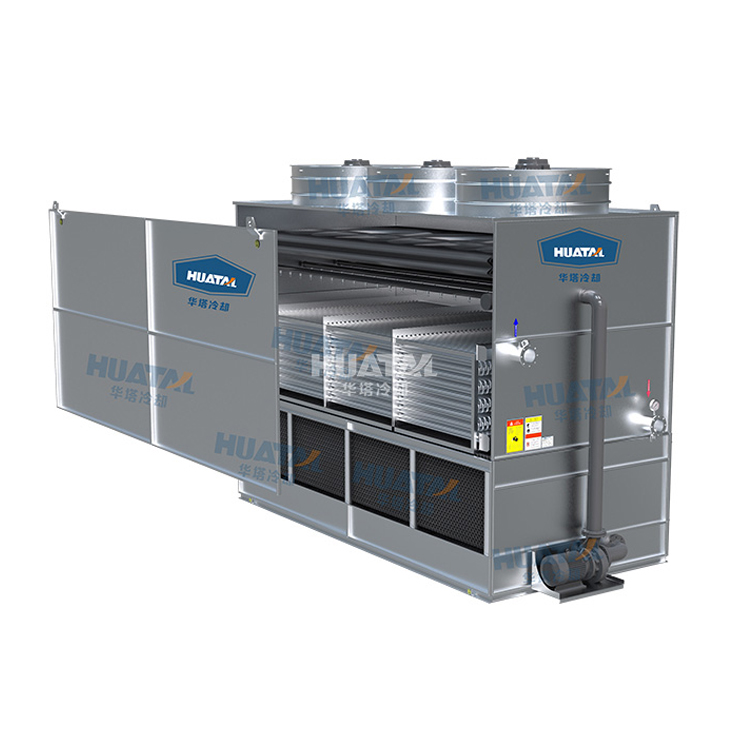
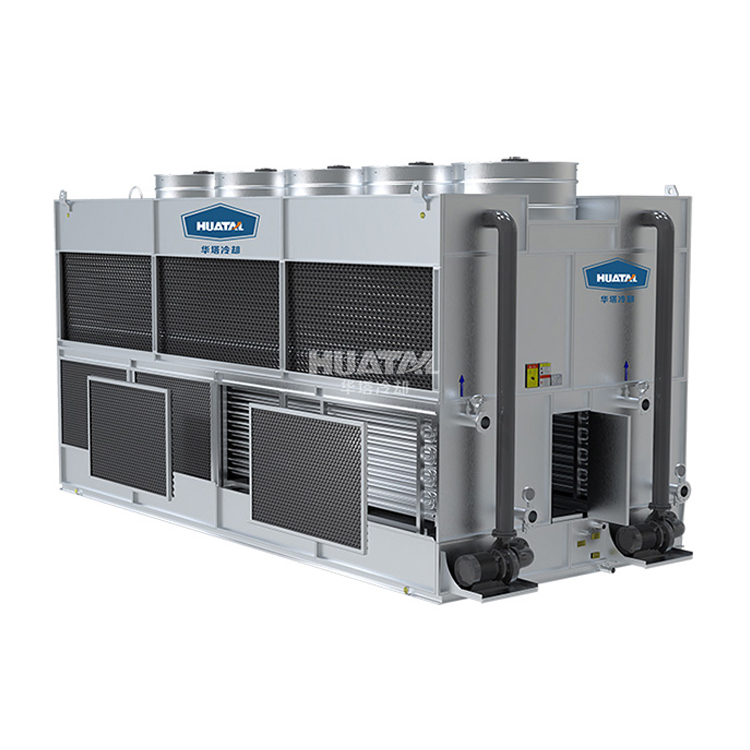
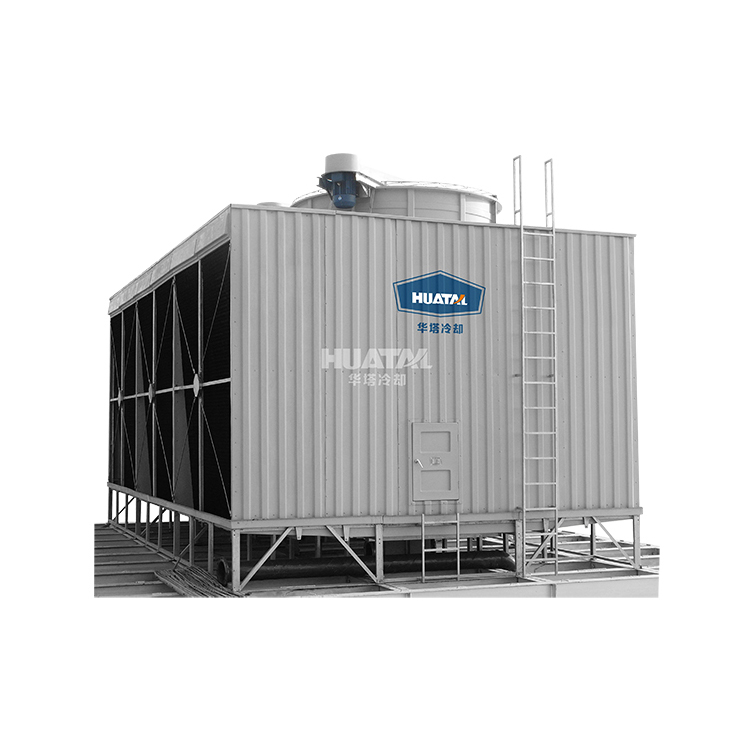
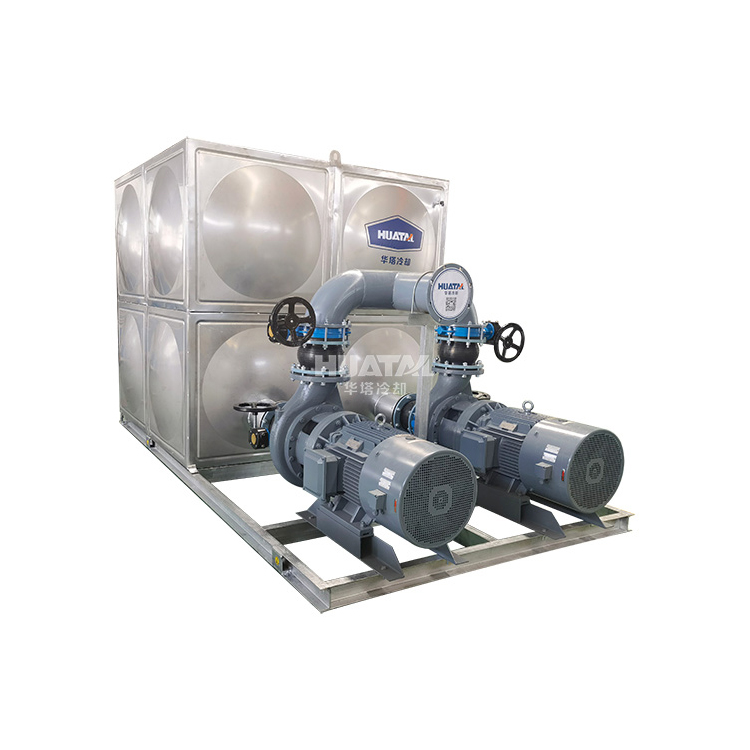
Closed-loop Constant Temperature and Pressure Cooling Tower System
I. System Design Concept

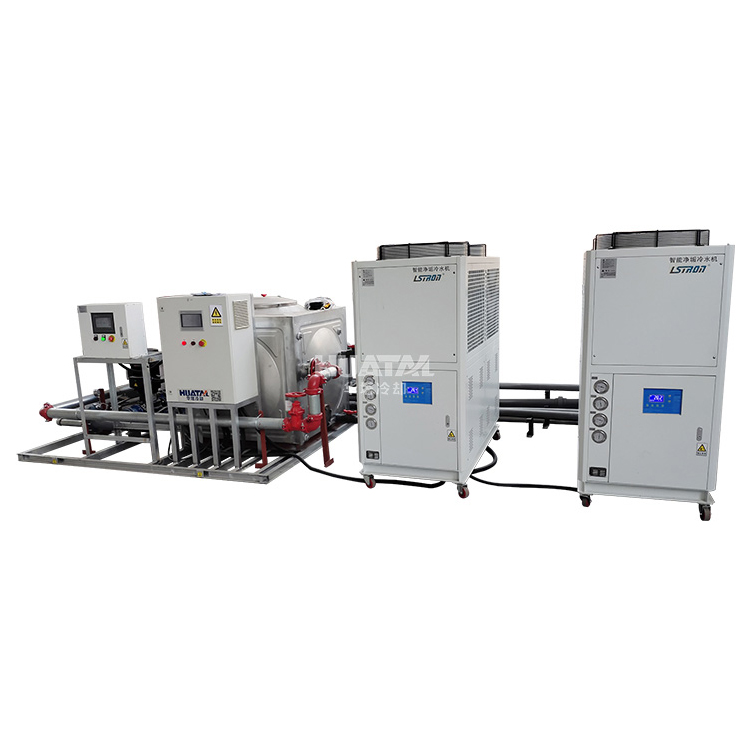
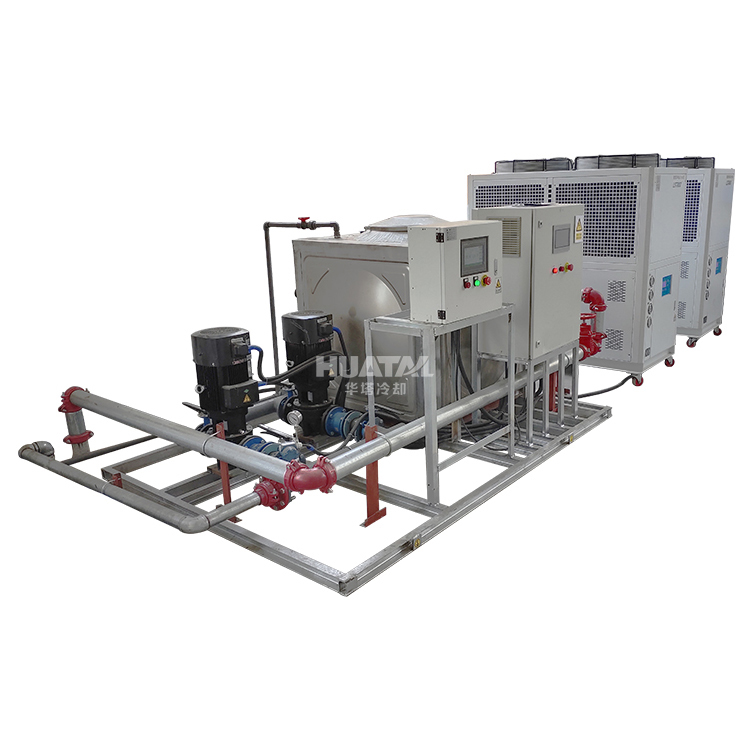
During industrial production processes, especially in industries like injection molding and vacuum coating, a constant temperature and pressure water supply is required. With a large number of equipment, controlling individual mold temperature machines can be cumbersome, and the number of maintenance points increases. Huata Cooling has developed a constant temperature and pressure closed-loop cooling tower system based on this, which can integrate cold water or hot water supply, maintain constant temperature, and also employs a mature constant pressure variable frequency control system. It offers high automation, system stability, space and energy savings, making it an ideal choice for you.
II. Working Principle
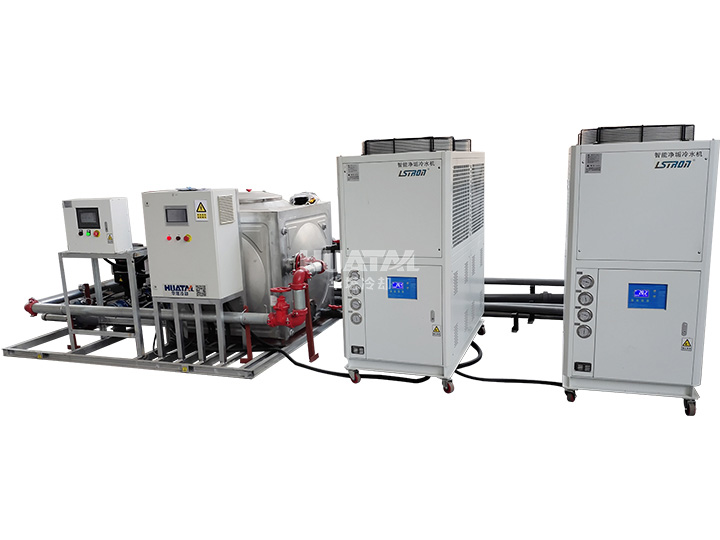
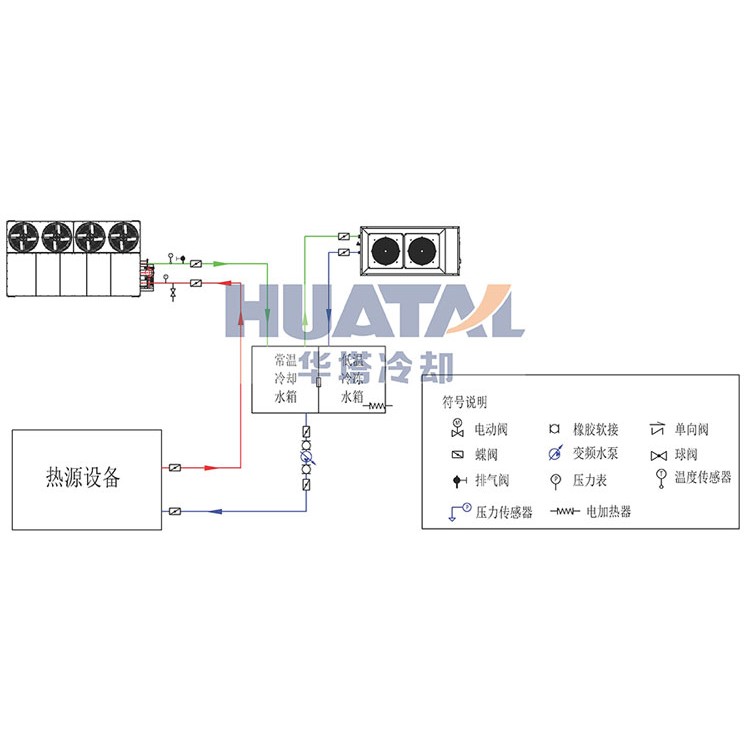
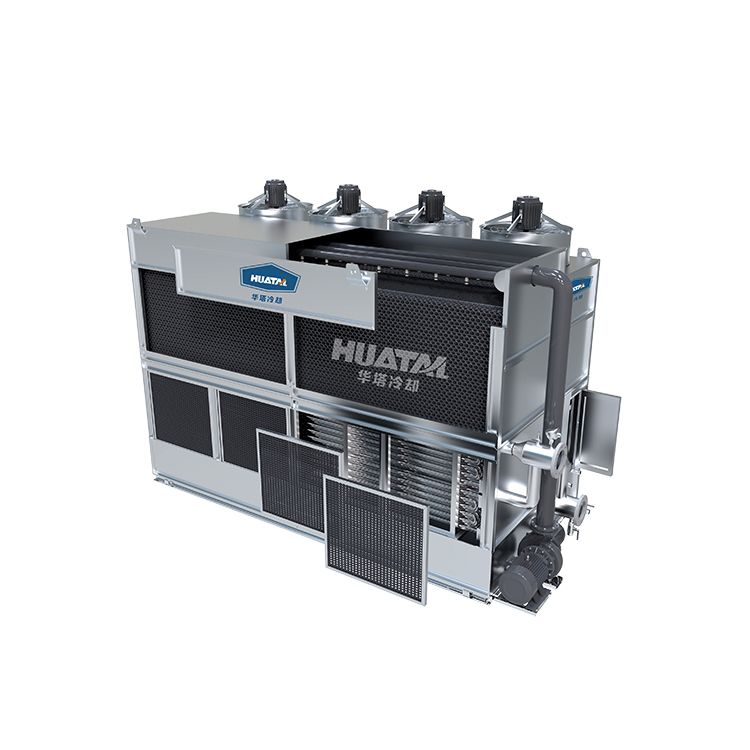
Closed-loop cooling tower system with constant temperature and pressure requires the following accessories: thermal insulation tank, temperature sensor, PLC, heating system, pressure transmitter, closed-loop cooling tower, variable frequency drive, etc. This system can provide a constant water temperature (with temperature control within ±2℃), by setting a temperature point, the temperature transmitter sends signals to the PLC based on the temperature in the thermal insulation tank, controlling the heater, chiller, and closed-loop cooling tower. Constant pressure variable frequency water supply sets the water pressure at the pump outlet (or the user's water flow rate) as the control parameter. It controls the output frequency of the variable frequency drive through the pressure transmitter in the pipeline to adjust the speed of the pump motor, thereby regulating the water pressure in the closed-loop cooling circuit, ensuring the water supply system maintains a constant pressure at the set value: when the water usage increases, the frequency increases, and the pump speed accelerates; when the water usage decreases, the frequency decreases, and the pump speed slows down. This ensures that the entire pipeline can always meet the customer's requirements: water pressure (consistent with the user's set pressure) and water volume (changing with the user's water usage).






















