









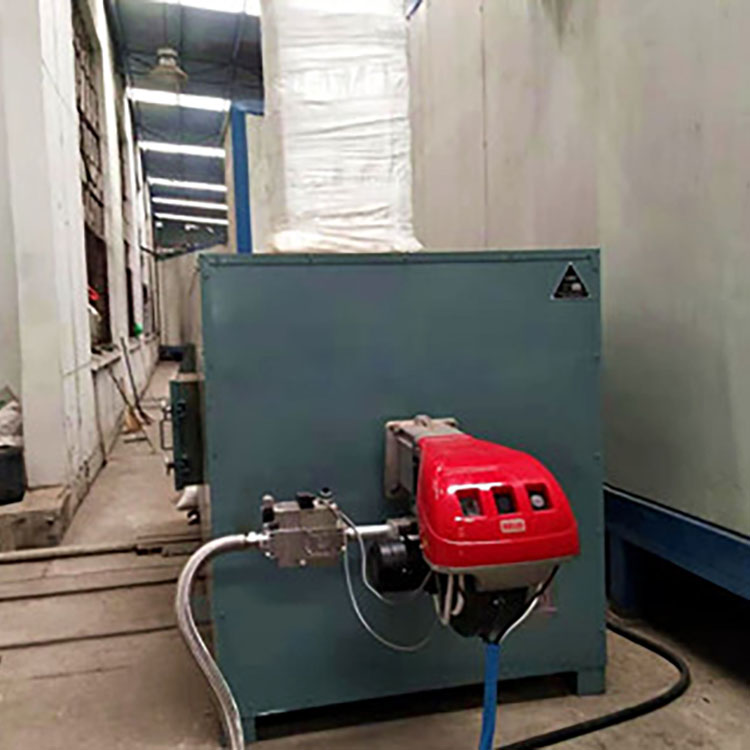
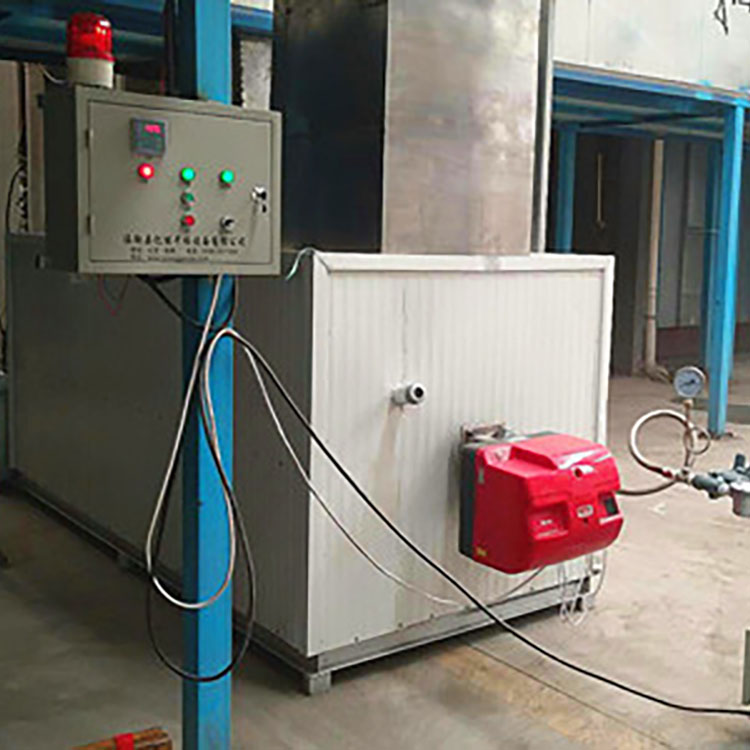
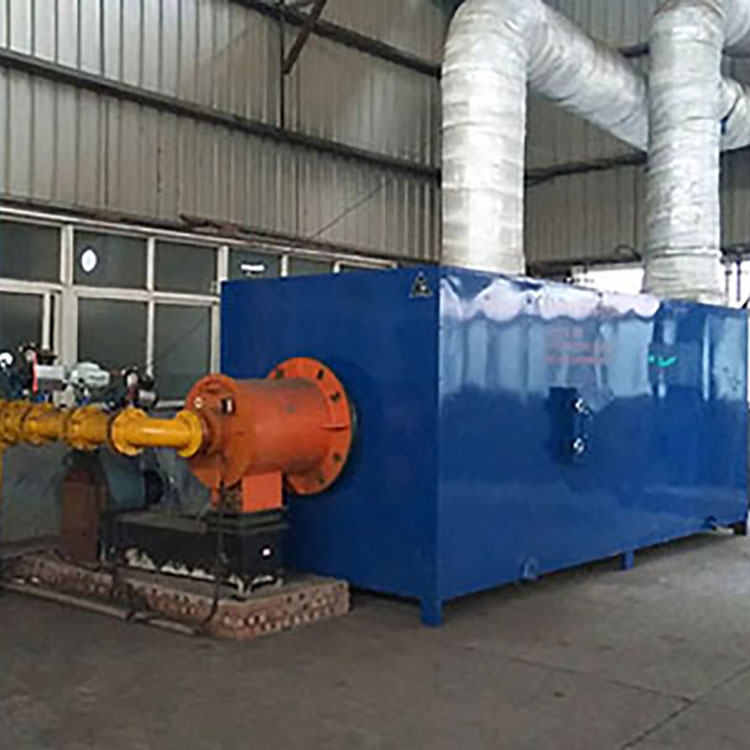
Operation Principle
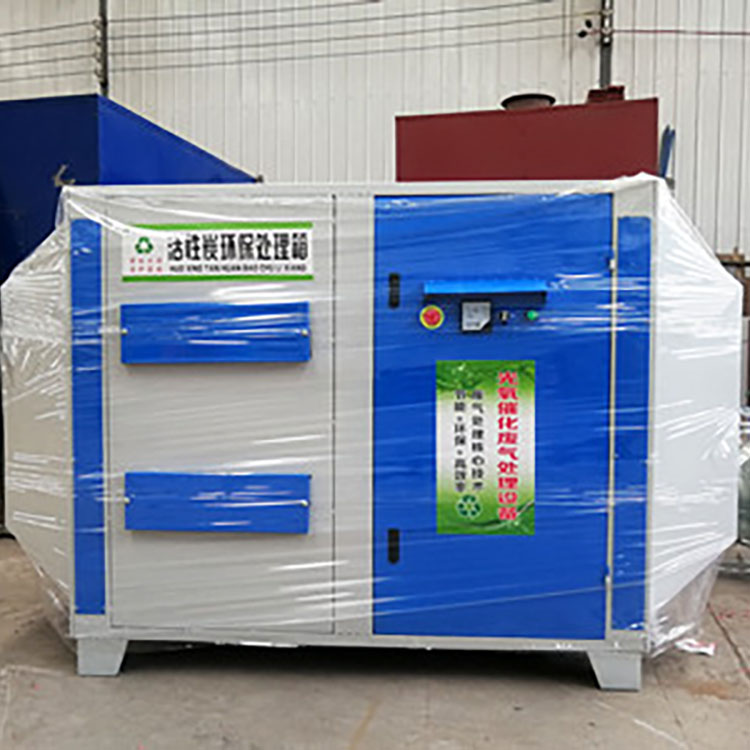
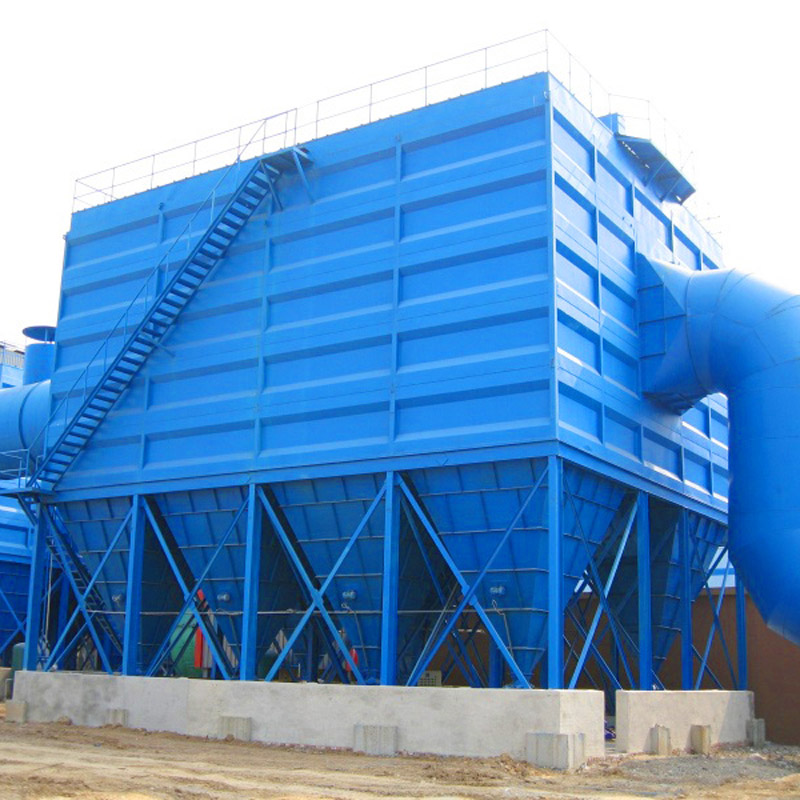
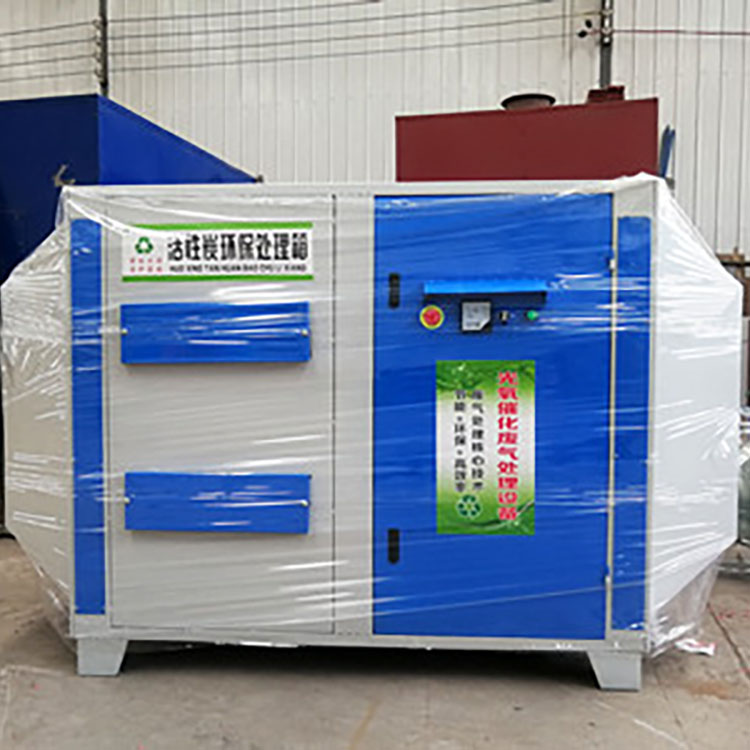
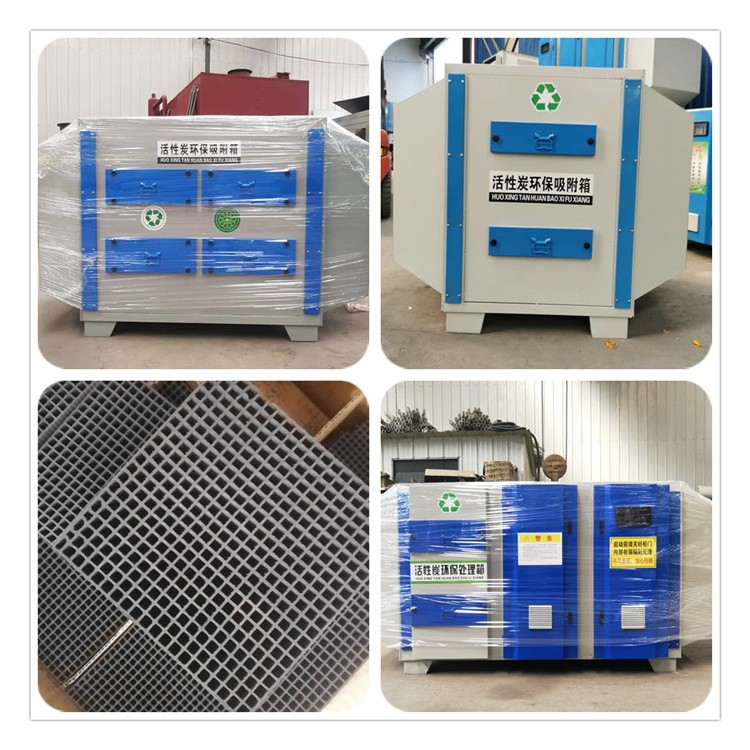
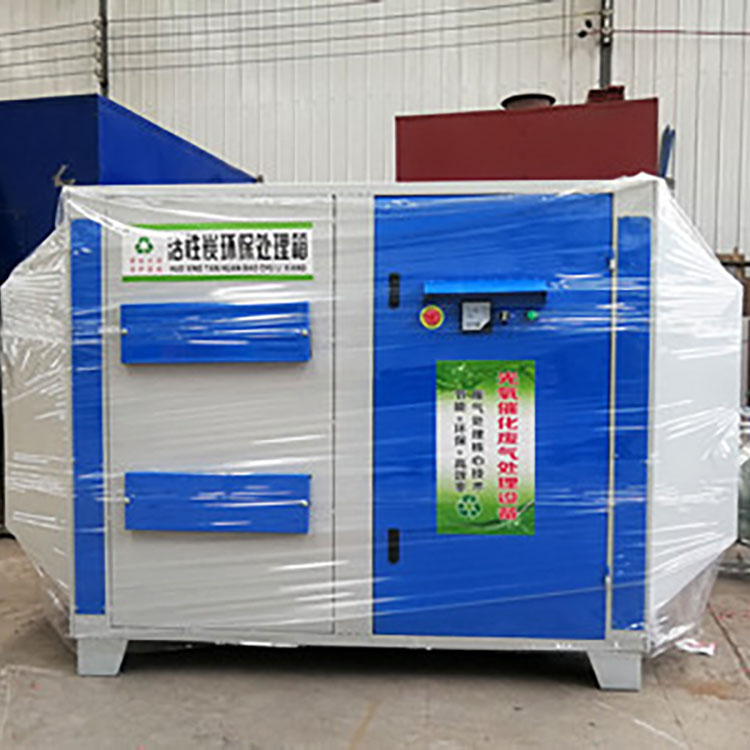
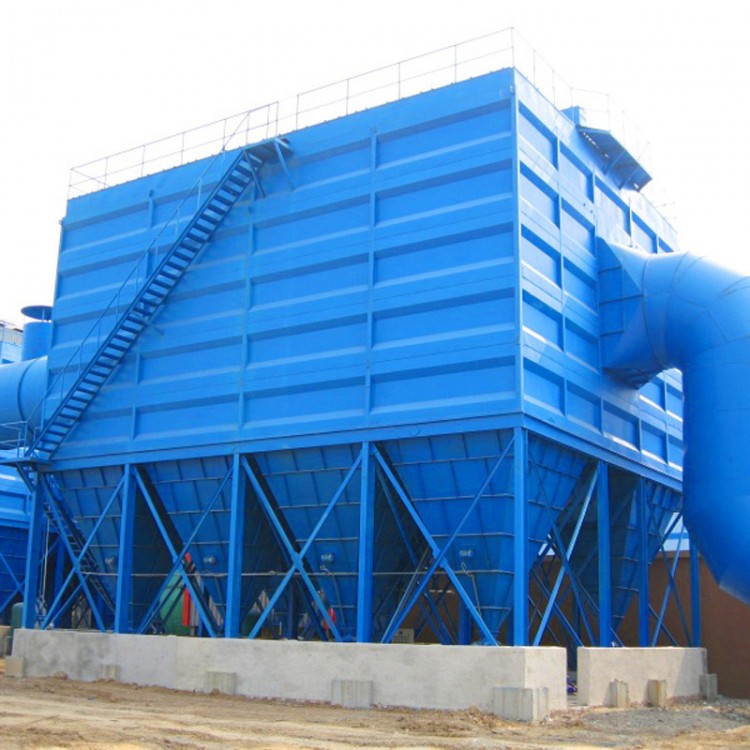
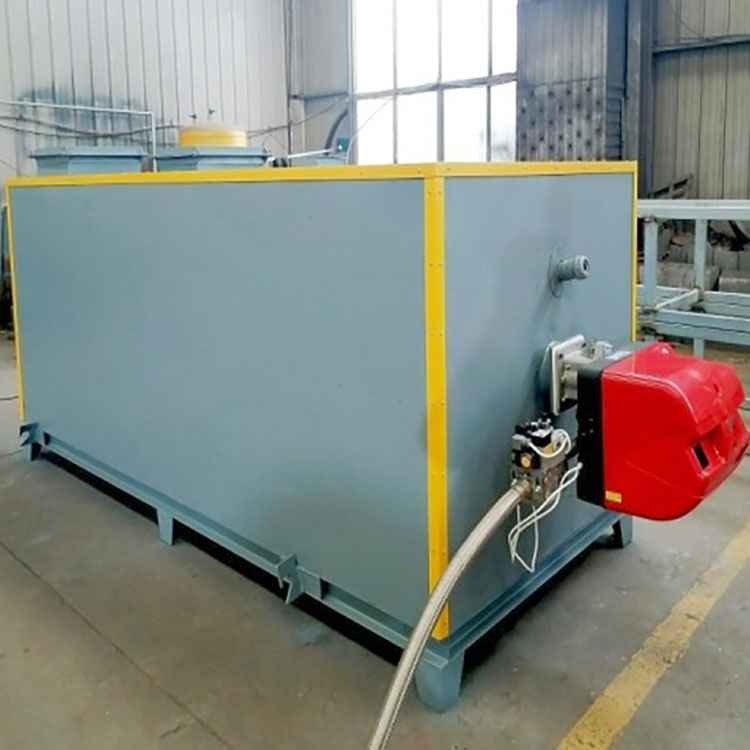
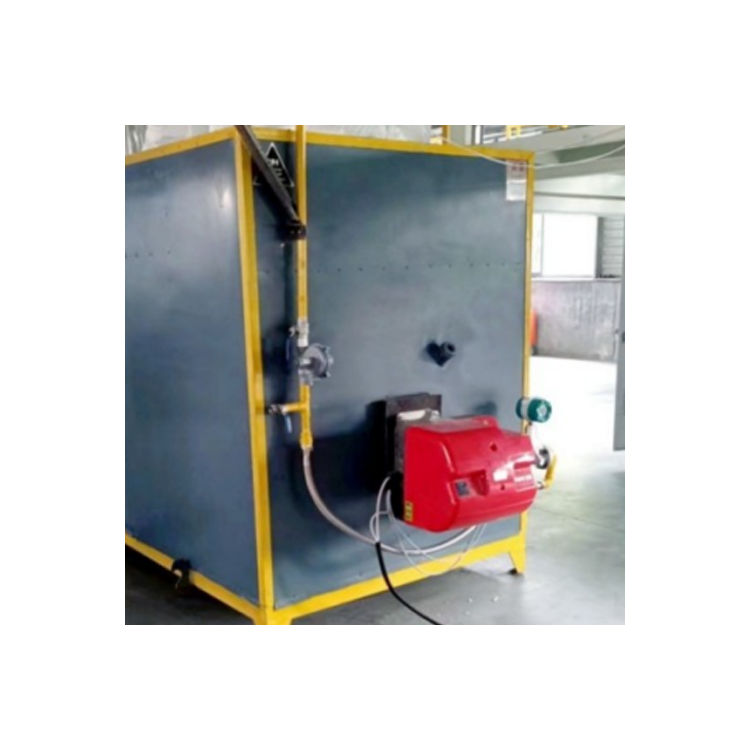
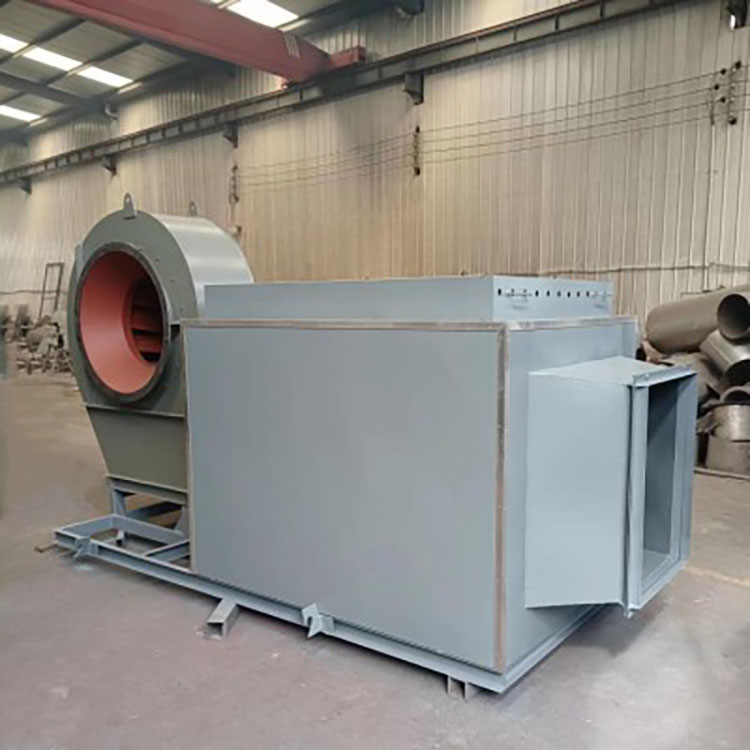
Exhaust gases are powered by a fan and enter the activated carbon adsorption box under positive or negative pressure. Due to the presence of unbalanced and unsaturated molecular attractions or chemical bonds on the solid surface of the activated carbon, when this solid surface comes into contact with the gas, it can attract gas molecules, causing them to concentrate and remain on the solid surface. This results in the adsorption of pollutants. After passing through a filter, the exhaust gas enters the activated carbon adsorption tower, where the gas is purified and released into the atmosphere in compliance with high-altitude emission standards.
Application Scope
Activated carbon environmental boxes are primarily used for the treatment of high-volume, low-concentration organic waste gases. The activated carbon adsorbent can process and purify a variety of organic and inorganic pollutants: ketones, alcohols, ethers, alkanes, and their mixtures of organic waste gases, acidic waste gases, and alkaline waste gases. They are mainly used in smelting, chemical industry, machinery, electronic component production, battery (battery) production, electrical appliances, painting, shoe manufacturing, rubber, plastic, acid washing workshops, printing, environmental desulfurization, laboratory exhaust, painting workshops, food and brewing, furniture production, deodorization, and purification of harmful waste gases produced in various industrial workshops. The activated carbon environmental boxes can be used in paint booths, drying rooms, and both painting and drying rooms.
Product Features
1. High adsorption efficiency, noticeable effects, and wide applicability.
2. Easy maintenance, no technical requirements.
3. Capable of handling multiple mixed waste gases simultaneously.