










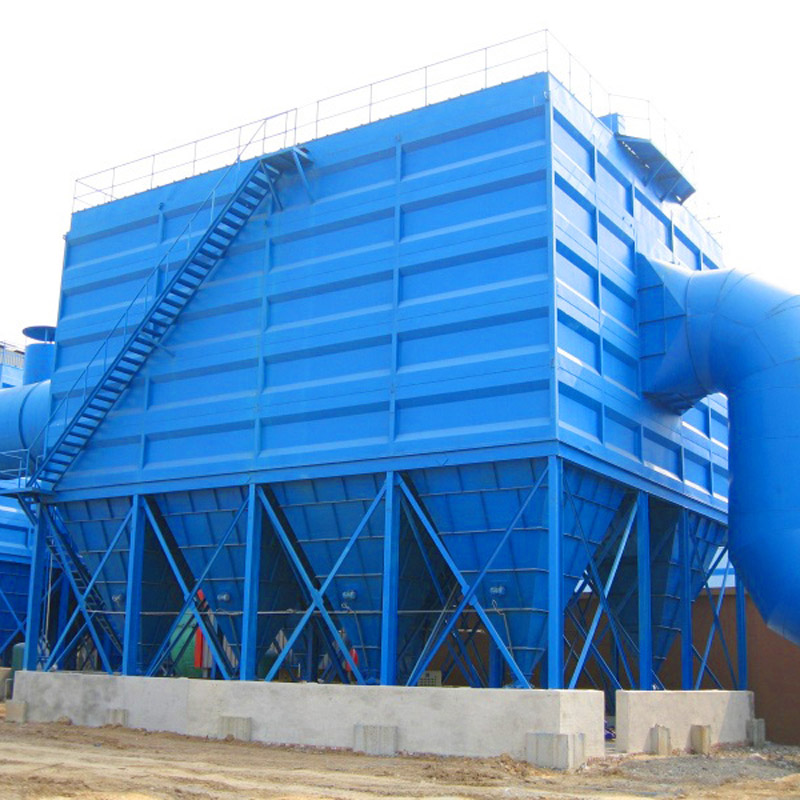
The working principle of the dust collector is as follows:
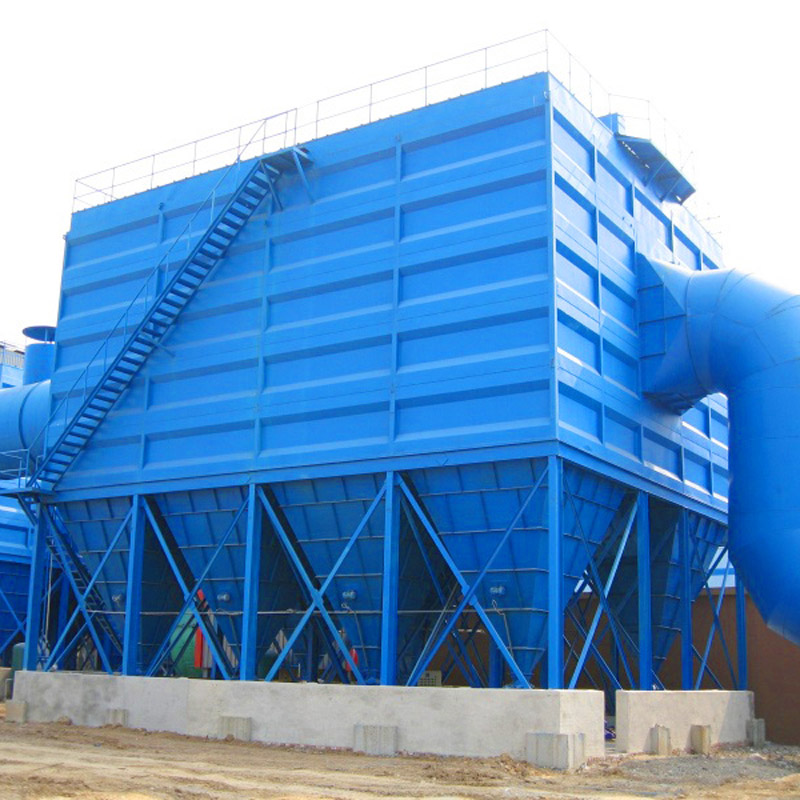
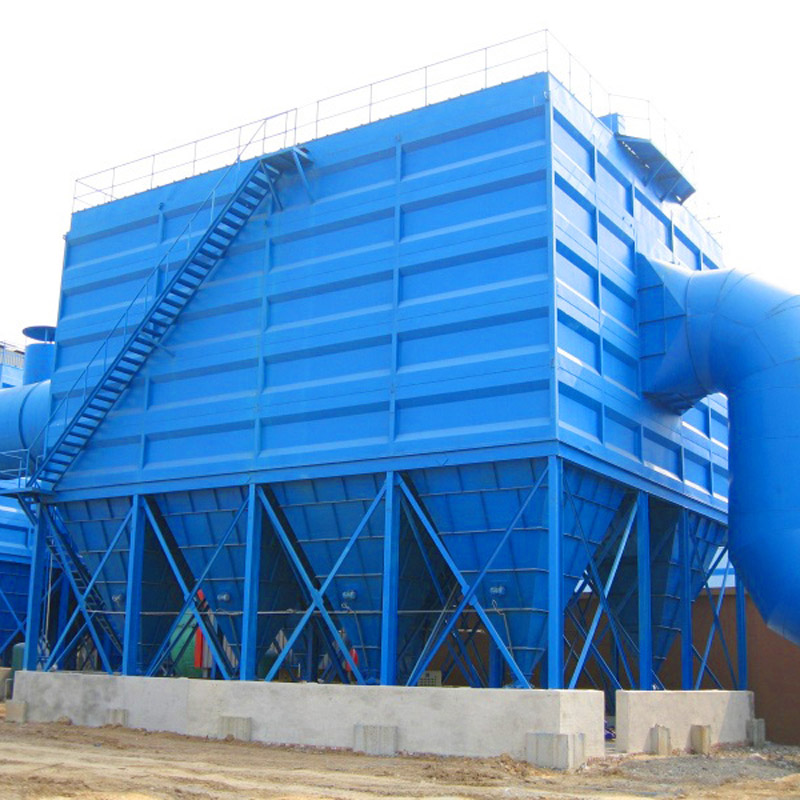
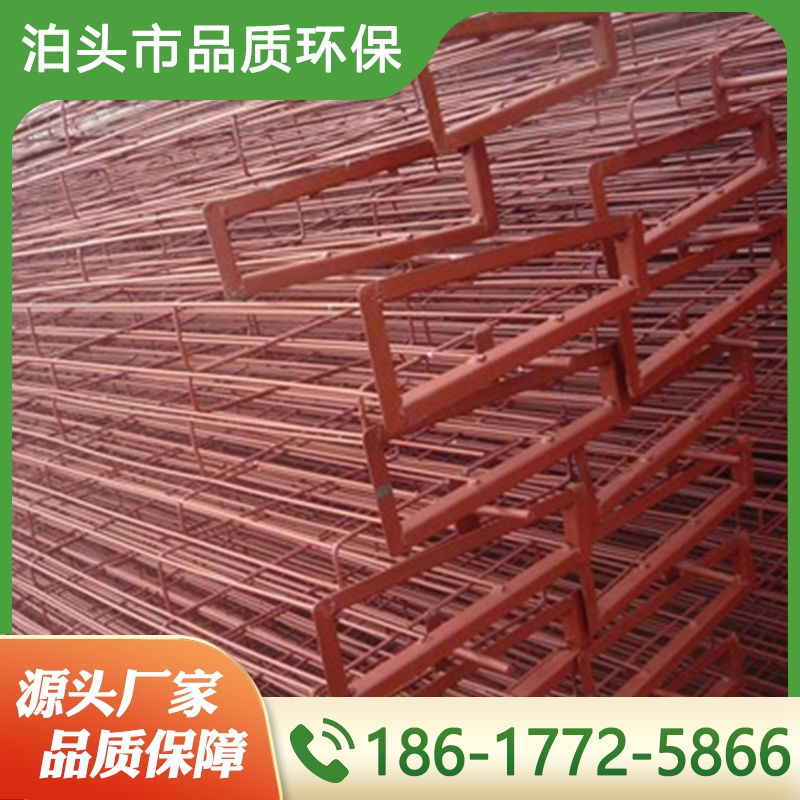
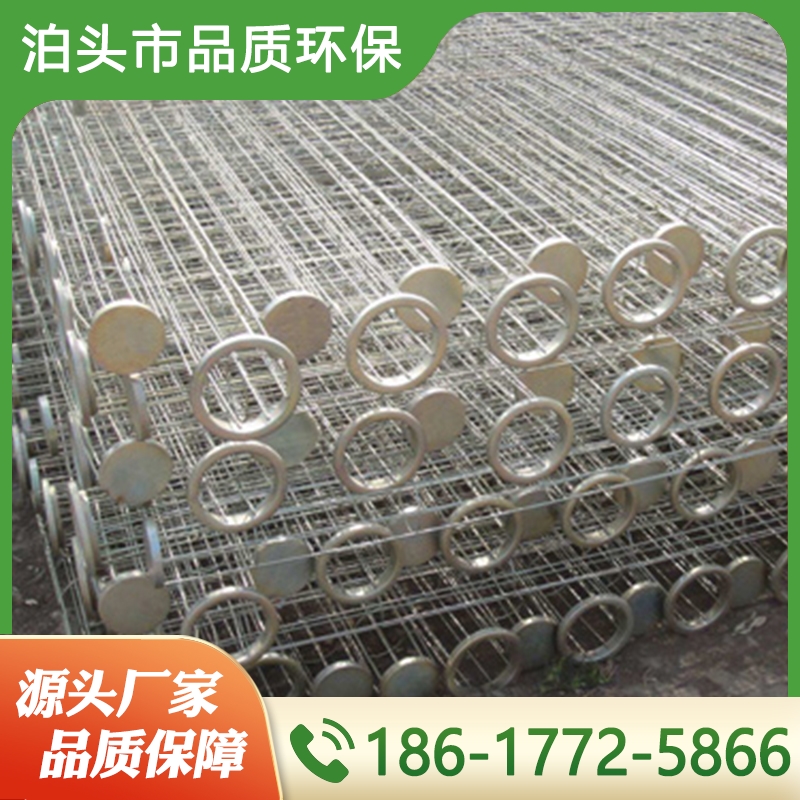
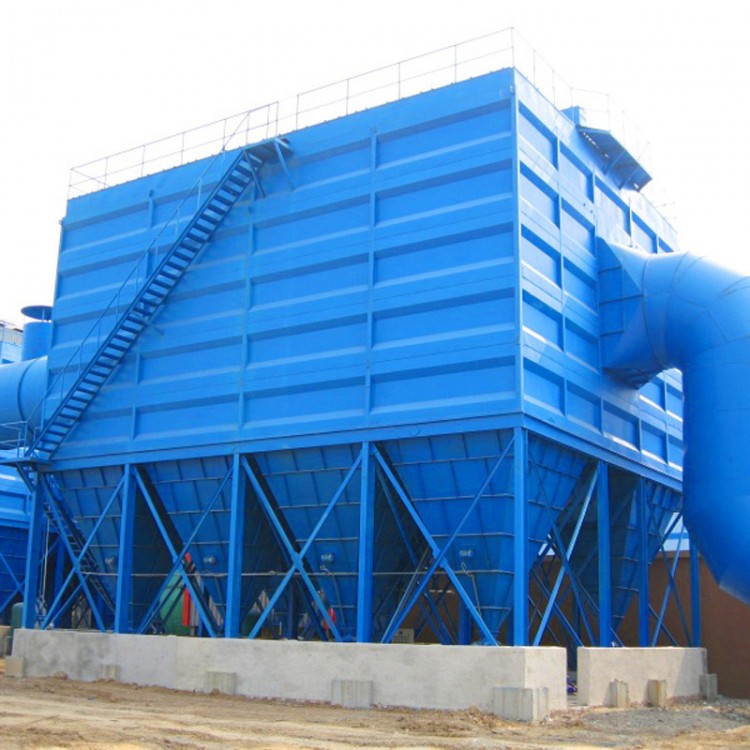
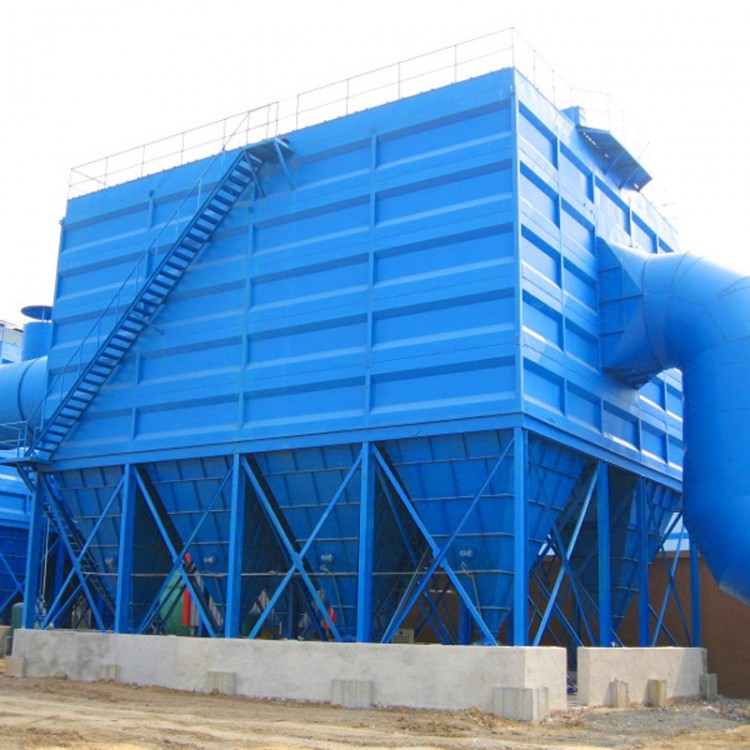
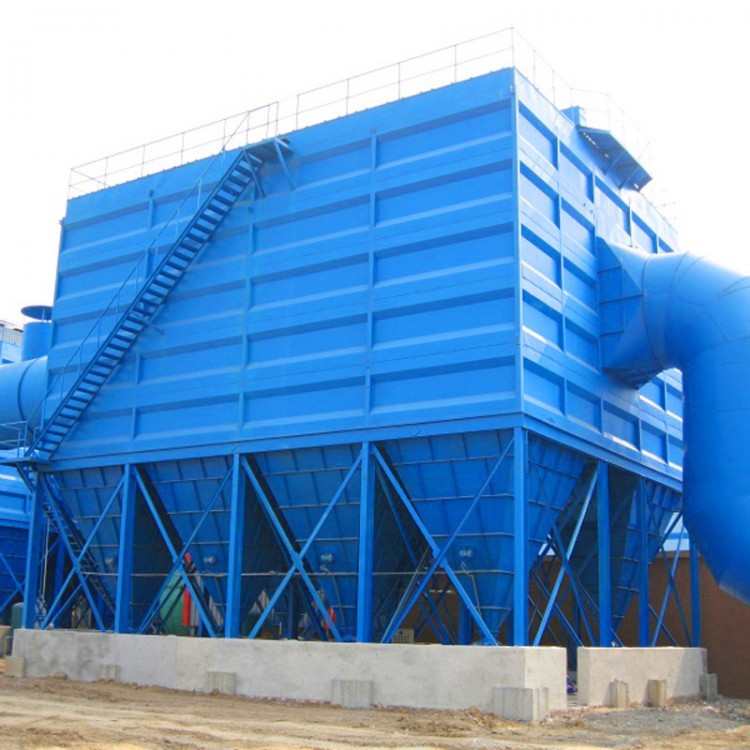
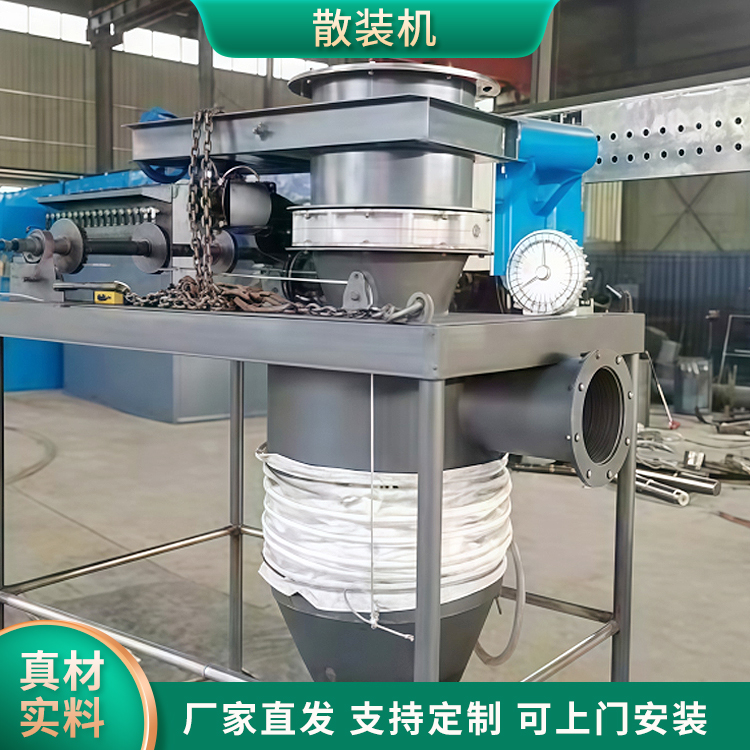
The dust collector is mainly composed of the upper body, middle body, ash hopper, air inlet distribution pipe, support filter bags, and spray blowing device, ash discharge device, etc. The dusty gas enters the ash hopper of each compartment through the air inlet distribution pipe of the dust collector and is separated under the guidance of the ash hopper guiding device, with large particles of dust falling directly into the ash hopper, while finer dust uniformly enters the middle body and adheres to the outer surface of the filter bags. The clean gas passes through the filter bags into the upper body and is then discharged into the atmosphere through various offline valves and exhaust pipes. As the filtration process continues, the dust accumulates on the filter bags. When the equipment resistance reaches the specified resistance value (usually set at 1500Pa), the offline valve of one compartment is automatically closed by the ash cleaning control device according to the differential pressure set value or ash cleaning time set value. The electrical pulse valve is then opened according to the set program for wind shutdown and spray blowing. This uses compressed air to instantaneously spray, increasing the pressure inside the filter bags, causing the dust on the bags to be shaken off (even sticky fine dust can be thoroughly cleaned) into the ash hopper, where it is discharged by the ash discharge mechanism.
Principle of Dust Collector Operation:
Dusty gas enters the filter chamber through an open-bottomed flange. Coarse particles fall directly into the ash storage. The dusty gas is then filtered through filter bags, with dust trapped on the bag surface. The clean gas passes through the bag mouth to the clean gas chamber and is exhausted into the atmosphere by a fan. As the dust on the surface of the filter bags accumulates, the programmable instrument begins to operate, sequentially opening pulse valves to blast clean the bags with compressed air through the nozzles. This causes the bags to suddenly expand, and under the effect of the reverse airflow, the dust adhering to the bag surface quickly detaches and falls into the ash storage, where it is discharged through the ash discharge valve.