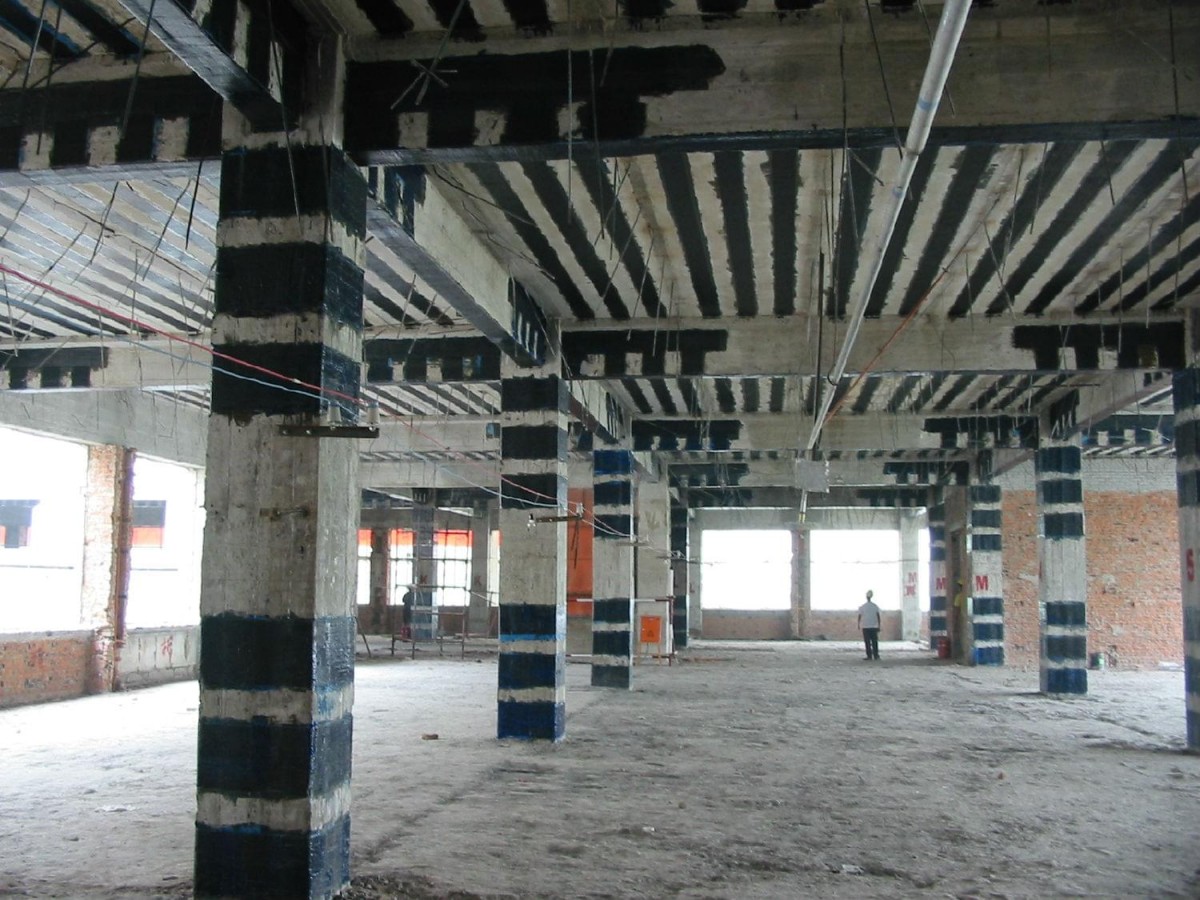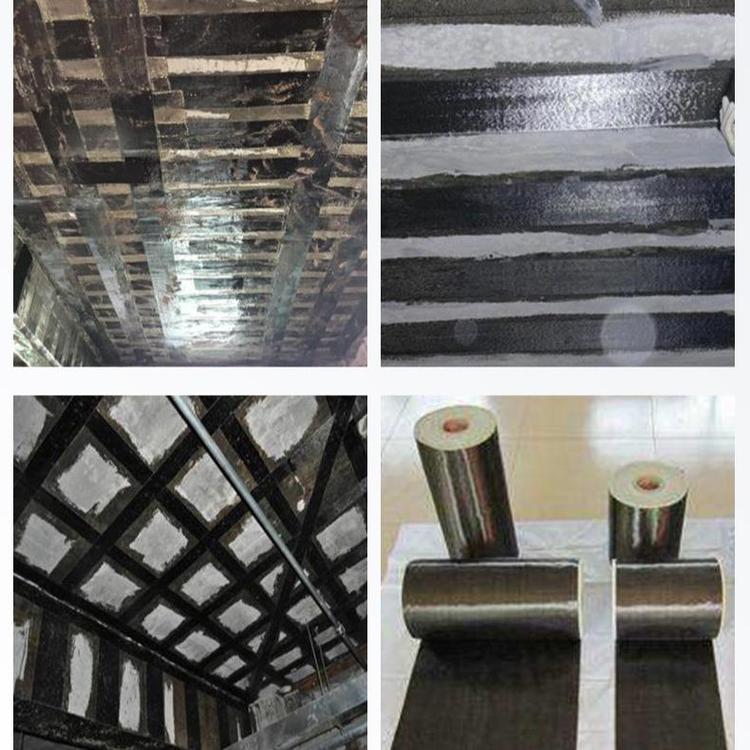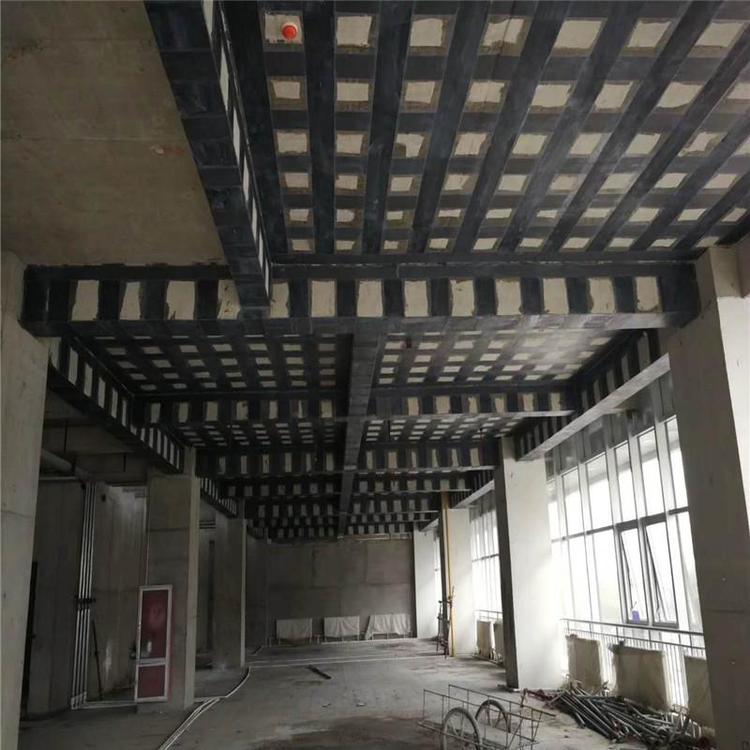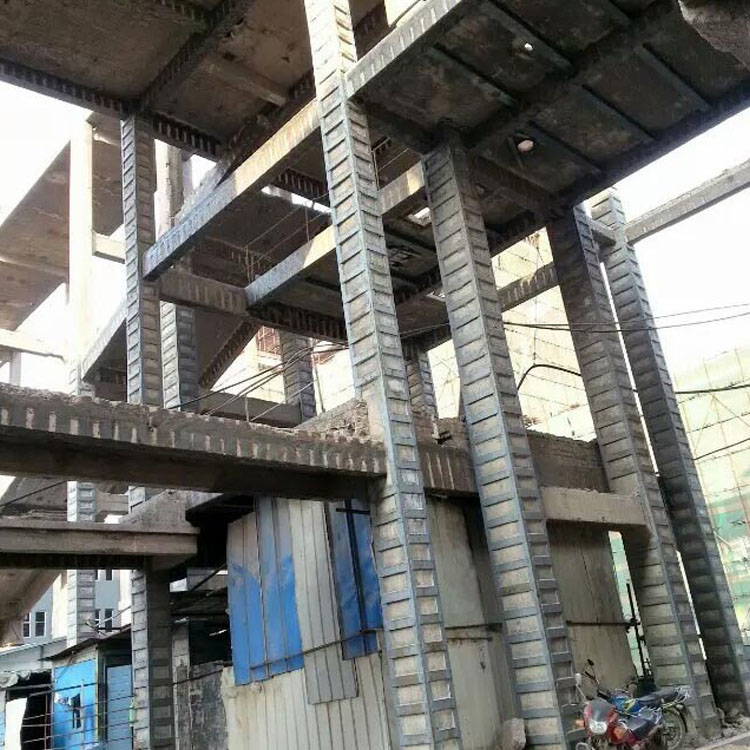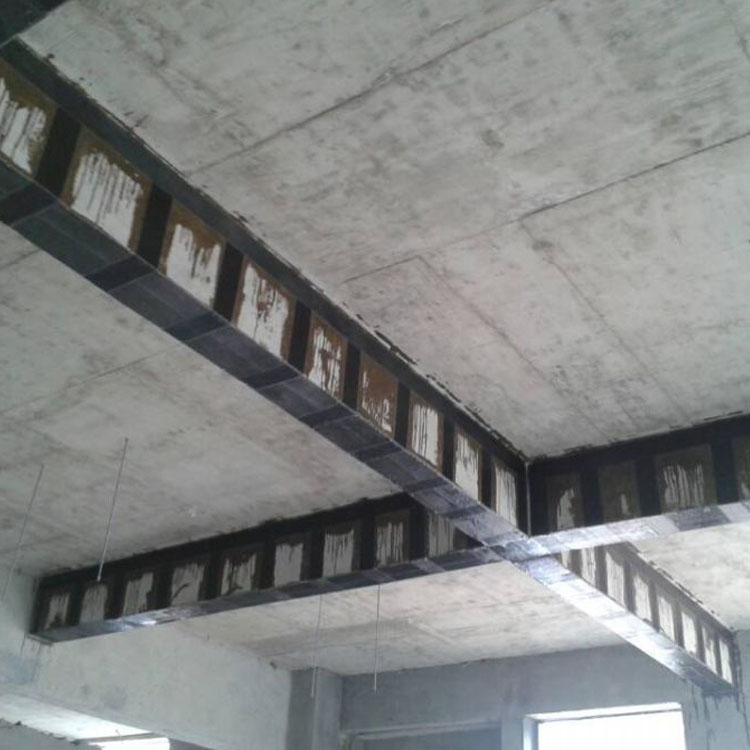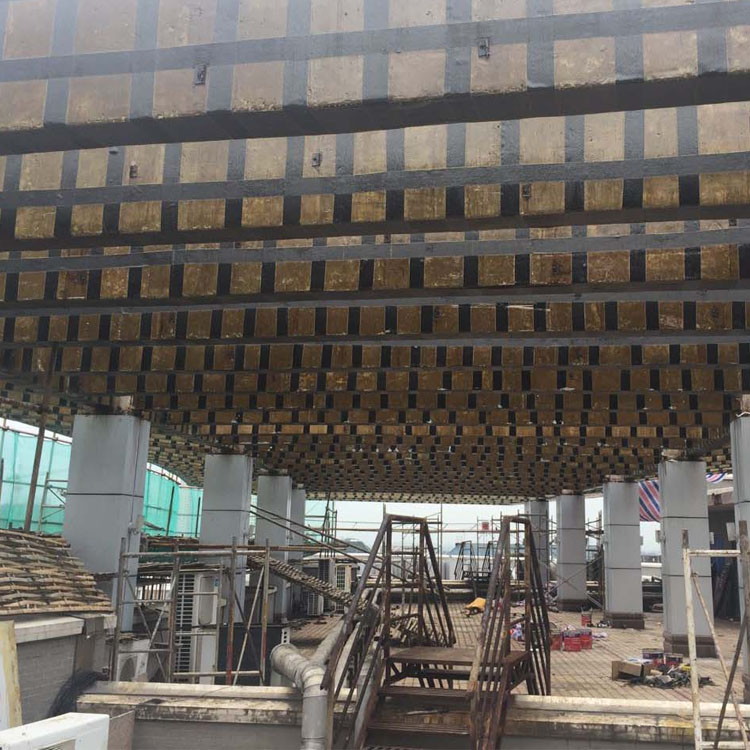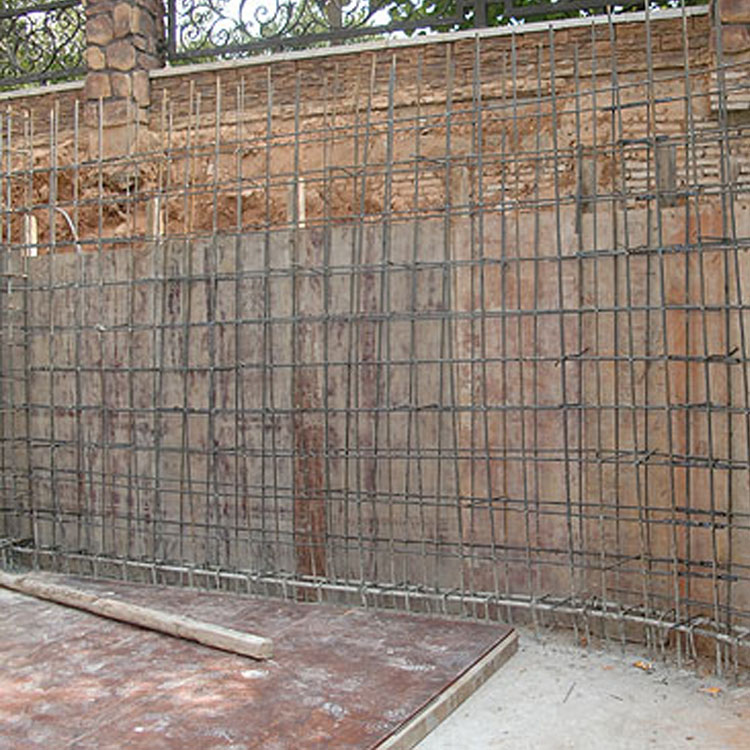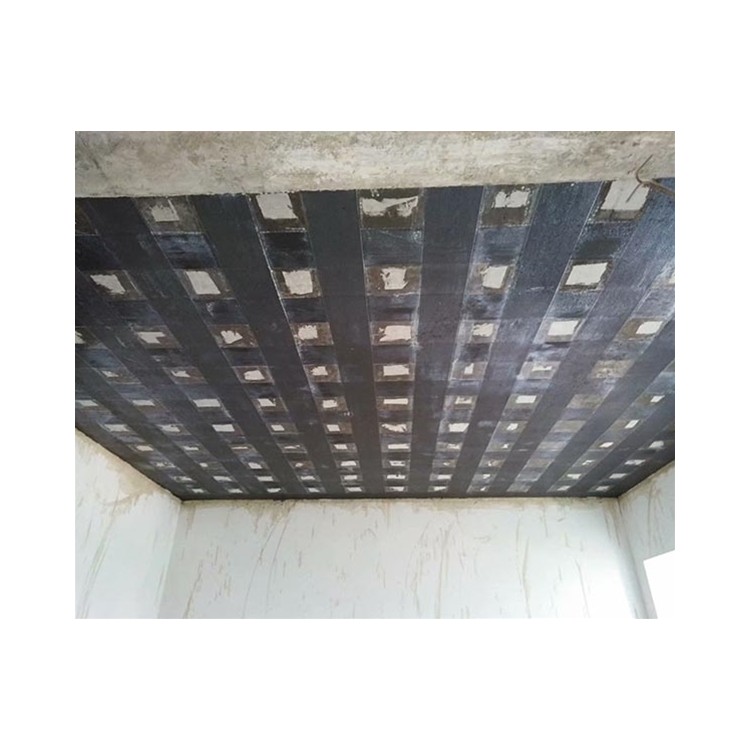


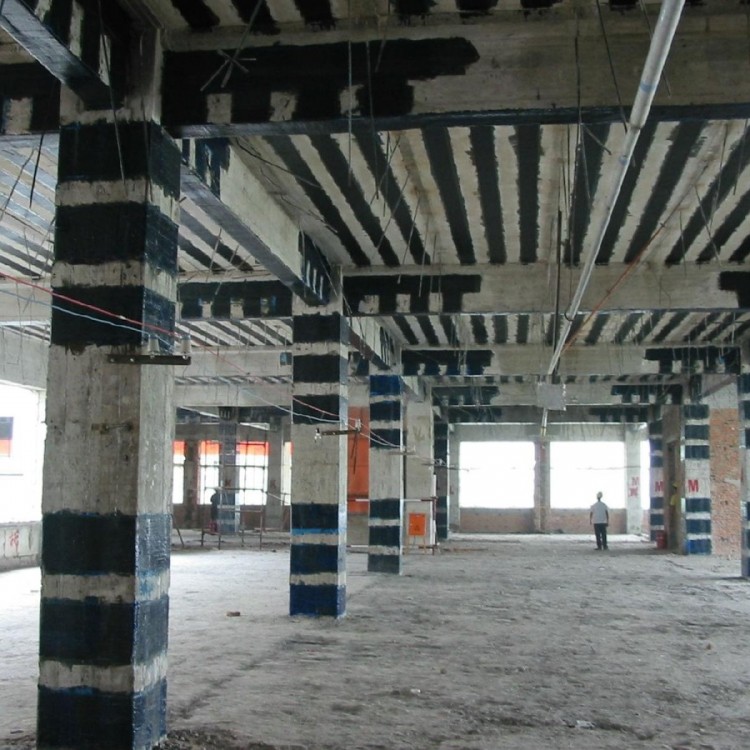
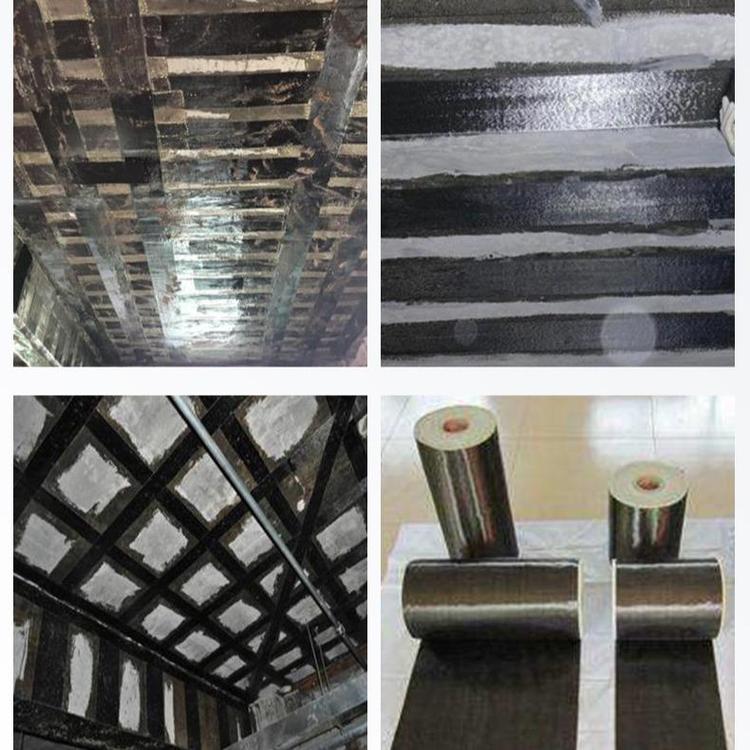
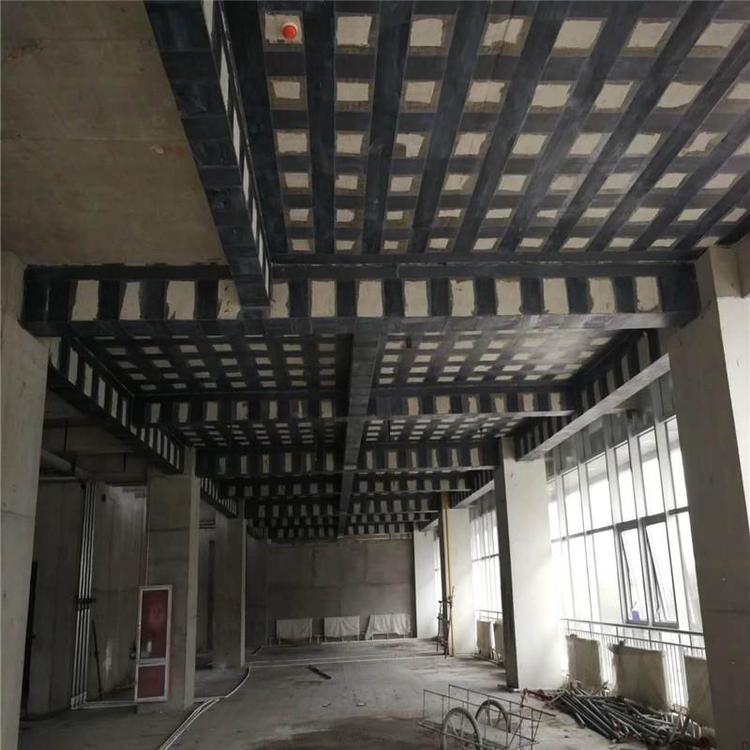


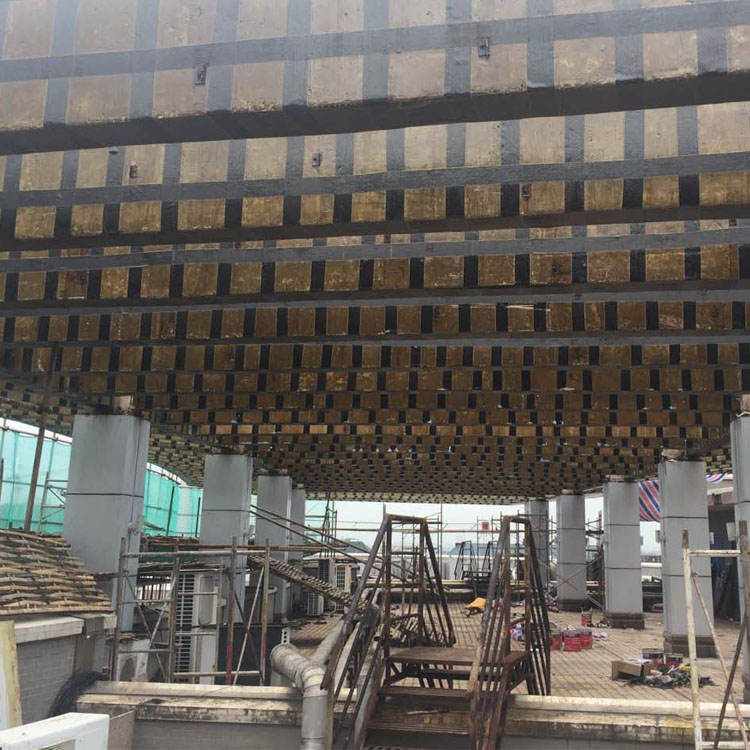





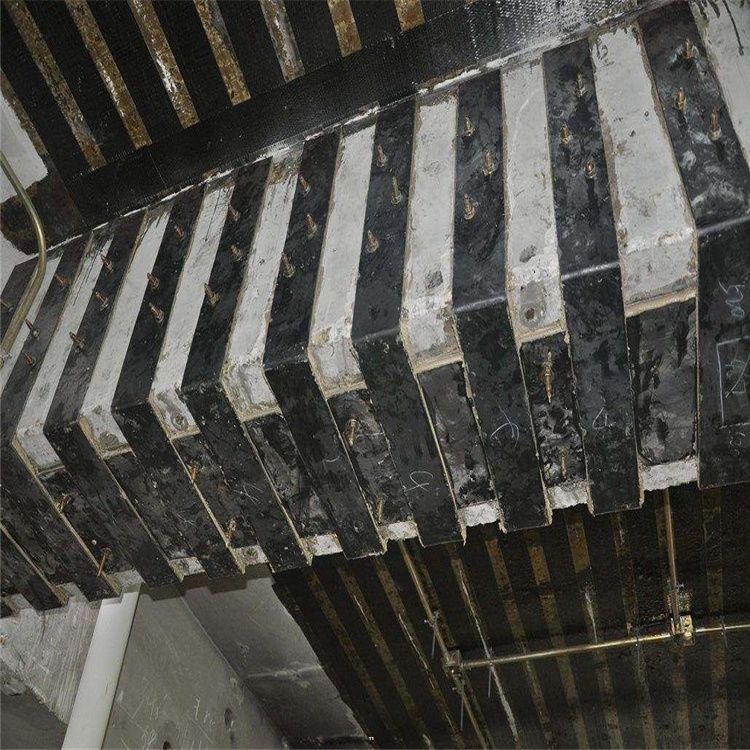
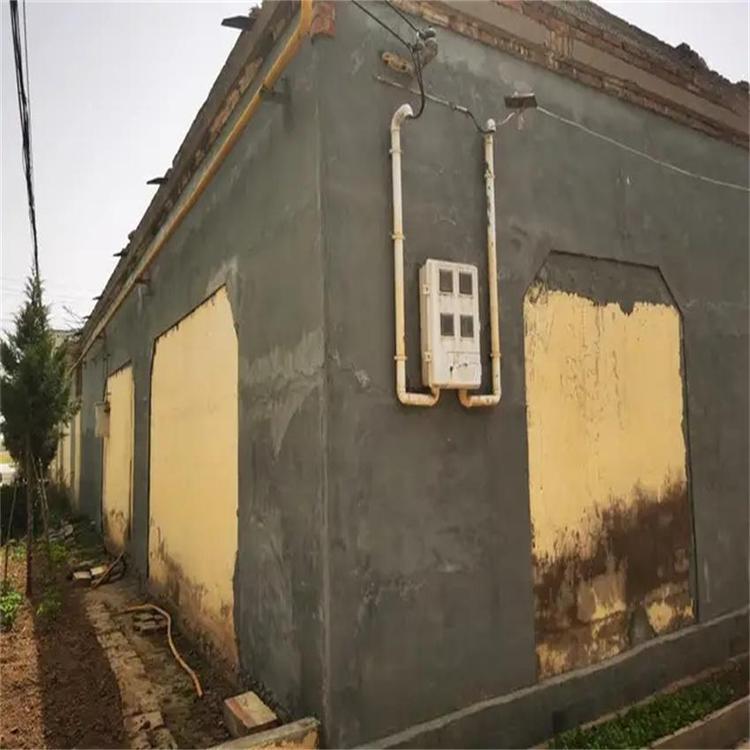
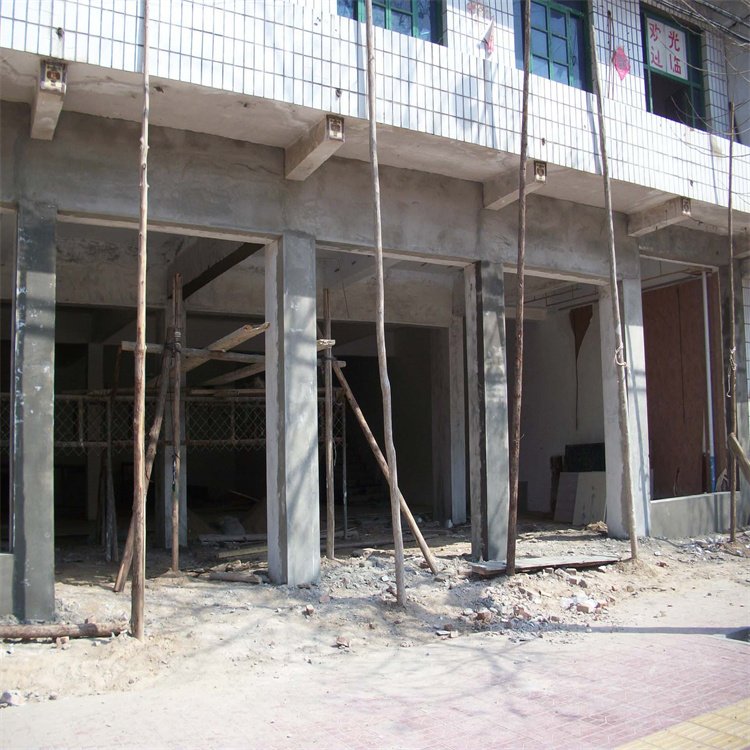
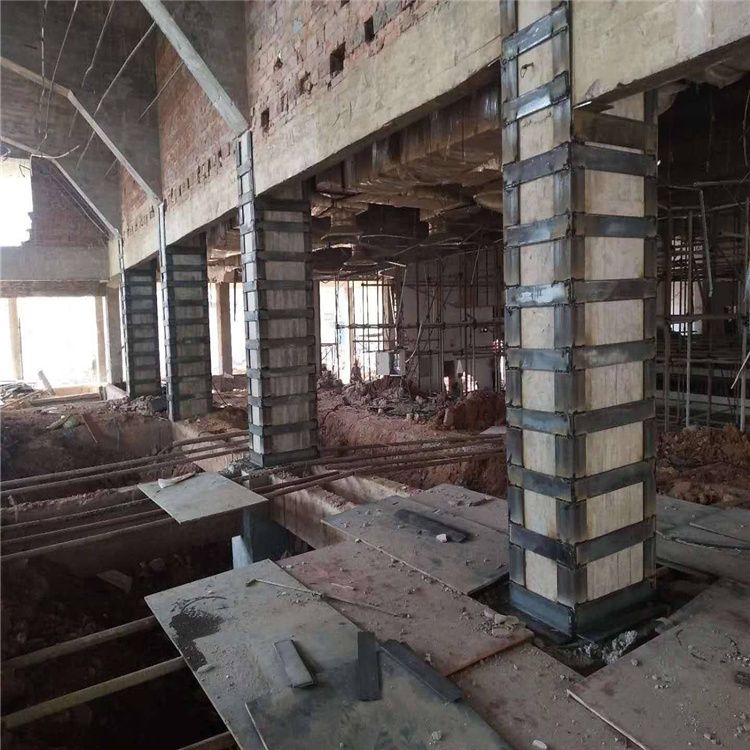
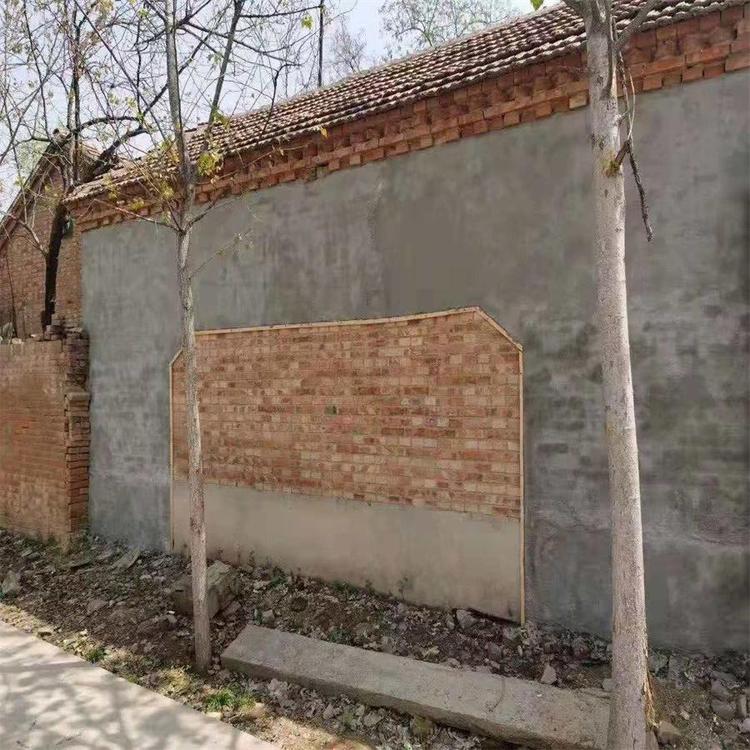
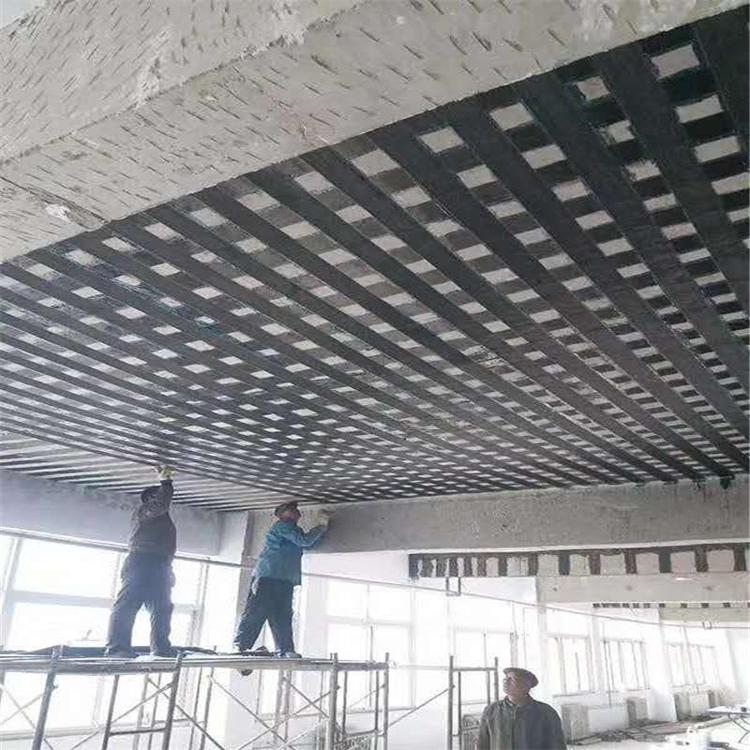
When inspecting the construction effect of rebar anchoring reinforcement, we must select an appropriate testing method to ensure that the chosen method does not cause structural damage to the internal components of the building, and also to ensure the accuracy of the test results.
Reinforcement Grouting Precautions:
After rebar anchoring, welding is generally not permitted on the anchored rebars. If welding is absolutely necessary, the weld point should be more than 15d away from the base concrete surface, and a towel soaked in ice water should be wrapped around the root of the exposed part of the anchored rebars.
2. The foundation cofferdam must be sturdy to ensure no water enters the foundation area during the rebar insertion period. The foundation must remain dry. If the dryness of the foundation cannot be guaranteed, this plan is not feasible.
3. Pay attention to weather changes. Check weather forecasts before starting the rebar bonding work to ensure favorable weather conditions during the process. Avoid construction during rainy or cloudy weather. Since the work is being done indoors in this factory, weather considerations are not applicable.
4. Reinforcement bars must be de-rusted according to specifications, and the surface of the bars must be free of oil stains and other debris.
5. The anchor adhesive used for reinforcement must be a qualified product, with all performance indicators meeting the standard requirements.
6. To ensure the quality of the reinforcement, it is necessary to avoid all factors mentioned in the fourth point that could lead to defects in the reinforcement quality. This requires a comprehensive consideration from aspects such as labor, materials, machinery, process, environment, and methods.
7. Ensure electrical operations for rebar anchoring are conducted in accordance with the project's electrical procedures to avoid violations.
8. Equipment and tools used for grouting reinforcement must be operated according to the operational procedures for that specific equipment or tool; unauthorized operation is prohibited.
9. The materials used for reinforcement planting must not be carelessly discarded to pollute the environment.
Reinforcement Grouting Application Fields:
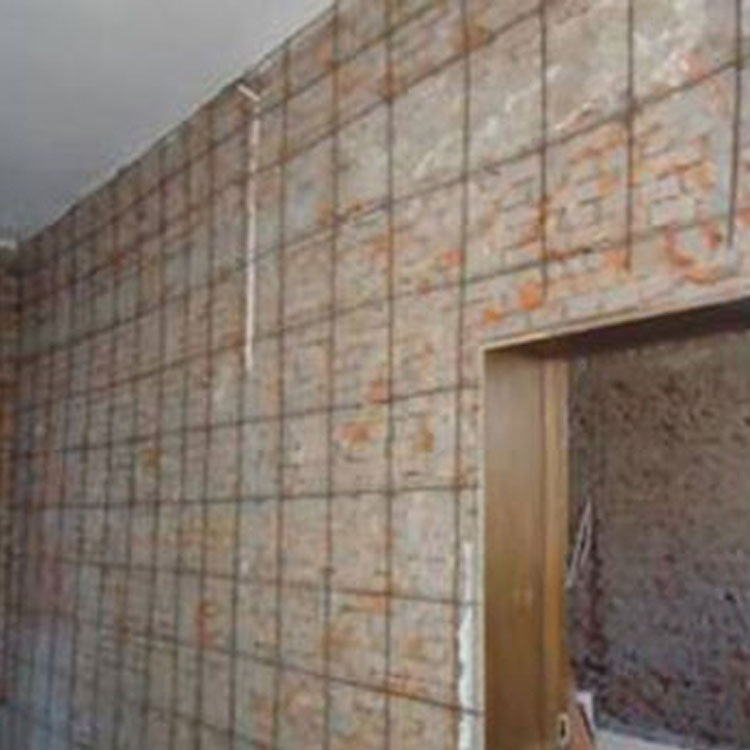
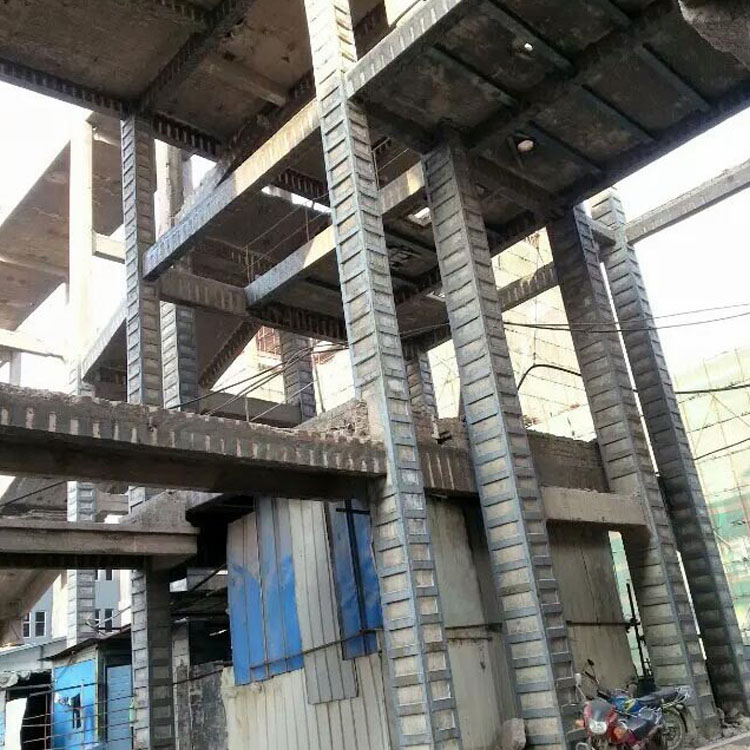
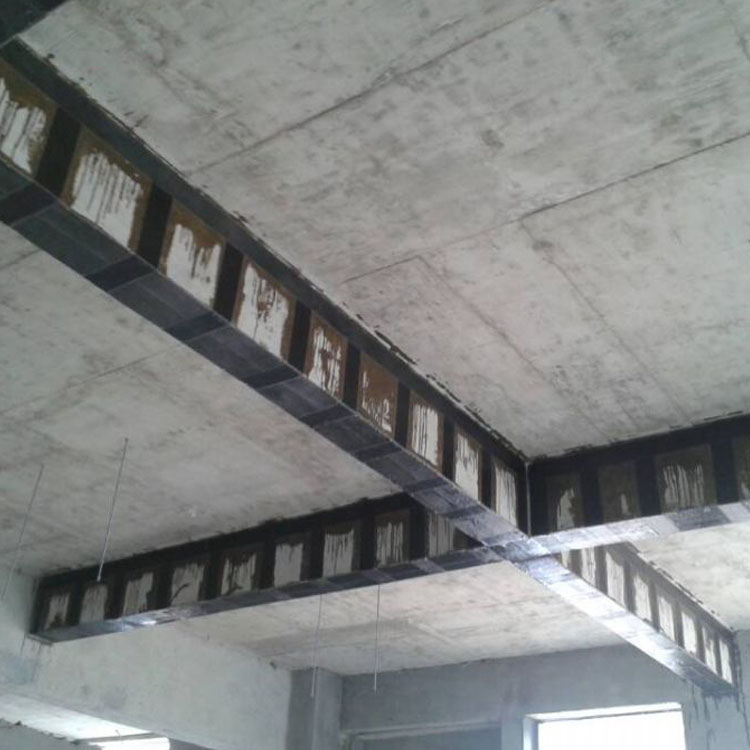
1. Additional beams, floor slabs, walls, pillars, etc., have been added to the building.
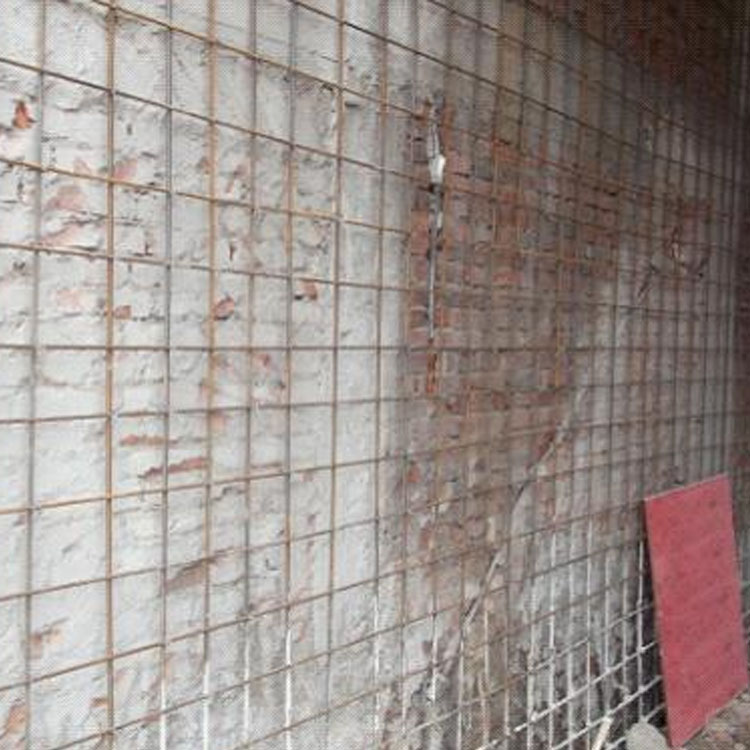
2. Reinforcement of walls, columns, beams, etc.
3. Increased cross-sectional rebar anchoring for bridges and columns, added column haunches, and horizontal rebar anchoring.
4. Thickened wall tie-in reinforcing bars.
5. Reinforcement tie bars at structural layered column capitals, horizontal embedded ties for beam extensions, columns added to beams with vertical embedded ties, foundation and continuous wall embedded ties, precast beam repair embedded ties.
6. Curtain wall embedment.
7. Equipment Mounting.
8. Anchoring for rocks, brick structures, etc.
How to perform rebar anchoring for high-quality reinforcement:
1. Regarding the construction steps, to achieve high-quality rebar reinforcement, strict adherence to industry standards is essential. If there are unnecessary additions or incorrect sequences during the construction process, a high-quality rebar reinforcement cannot be achieved.
2. Prior to rebar reinforcement, did you promptly attend to the quality of the reinforcement to ensure it meets standards? Some construction workers perform overall quality inspections on the structure after reinforcement, and if the reinforcement quality is found to be subpar, it requires immediate follow-up with secondary rebar reinforcement work.
3. The grade of steel also affects the quality of reinforcement. To better enhance the quality of reinforcement, it's best to select steel bars based on the specific functional use of the building.
4. As the saying goes, "If you want to do a good job, you must first sharpen your tools." To ensure high-quality reinforcement with rebars, a superior rebar bonding adhesive is indispensable. Those who are familiar with reinforcement work know that it primarily involves the use of rebar bonding adhesive. Only by using a high-quality and complementary rebar bonding adhesive can one guarantee a high-quality reinforcement with rebars.
The process of reinforcing with plant筋:
1. Drilling
Based on the reinforcement positions and quantities from the design drawing, offset the original structural reinforcement positions and mark the anchoring bolt locations. Drill holes using an impact drill; the drill bit diameter should be about 5mm larger than the steel bar diameter. Use φ25 steel bars and a φ30 alloy steel drill bit. The hole depth should be 15d (375mm), with an actual drilling depth of 400mm. Keep the drill bit perpendicular to the column surface during drilling.
2. Deburring and Dust Removal
Cleaning the dust is a critical step in rebar anchoring, as there will be a lot of dust and slag inside after the hole is drilled, which directly affects the quality of the anchor. It is essential to thoroughly clean out the debris from the hole. The method is: use a brush with anti-fallout bristles, attached to an extended handle, push it to the bottom of the hole, remove the dust and debris, then use compressed air to blow out the floating dust inside, repeating this three times. Afterward, use cotton balls soaked in alcohol or wipe the inner wall of the hole. Do not use water for cleaning, as alcohol and water have different volatility levels; water does not evaporate as easily. If water is used for cleaning, the hole will not dry quickly. After cleaning the holes, please have the design and other relevant units inspect them. Only after passing the inspection can the adhesive be injected.
3. Inject glue
Reinforcement adhesive is an AB group finished product. Take a set of strong reinforcement adhesive, place it into the sleeve, and mount it on the manual injector. Gently pull the trigger, discard the thinner adhesive at the nozzle, then insert the spiral mixing nozzle into the bottom of the hole. If the length is insufficient, extend it with a plastic tube. Pull the trigger again, and the injector will retreat once per trigger pull, allowing air to be expelled from the hole. To ensure the adhesive inside the hole is full after the rebar is inserted without leaking out, fill the hole with adhesive to 80%. After filling the hole with adhesive, immediately insert the rebar.
4. Reinforcement Bar Insertion
Before injection, the bottom form for the girder is already supported, facilitating the positioning of rebars after the insertion of reinforcement bars. Before inserting the rebars, the inserted part should be brushed with a wire brush repeatedly to remove rust and dirt, followed by an alcohol cleaning. After injecting the adhesive into the drilled holes, immediately place the de-rusted rebars into the hole mouth, then slowly旋入in a single direction, without reversing halfway, until the rebars are fully inserted to the bottom of the hole.
5. Solidify
After the rebars are inserted, they should be positioned on the bottom form of the beam. Vibration of the rebars is prohibited until the high-strength anchoring adhesive is fully cured. The adhesive can cure at room temperature and should be left to cure for the time specified in the adhesive instructions before proceeding to the next stage of construction.
6. Inspection
Prior to the rebarring work, on-site tensile tests must be conducted on the steel rebars and bonding adhesive to ensure they meet the design specifications.
The method is: Prepare concrete specimens with the same strength grade as the concrete components to be rebarred, implant 3 groups of rebars following the rebarring steps, and then conduct a tensile test after the rebarring adhesive has fully cured.
Our company adheres to the quality policy of "innovation" and upholds the corporate spirit of "customer first, people-oriented, honesty wins trust, quality triumphs, and innovation competes for the world" with the philosophy of "being upright in character and doing things solidly."
WeChat Official Account

Scan to follow Official Account