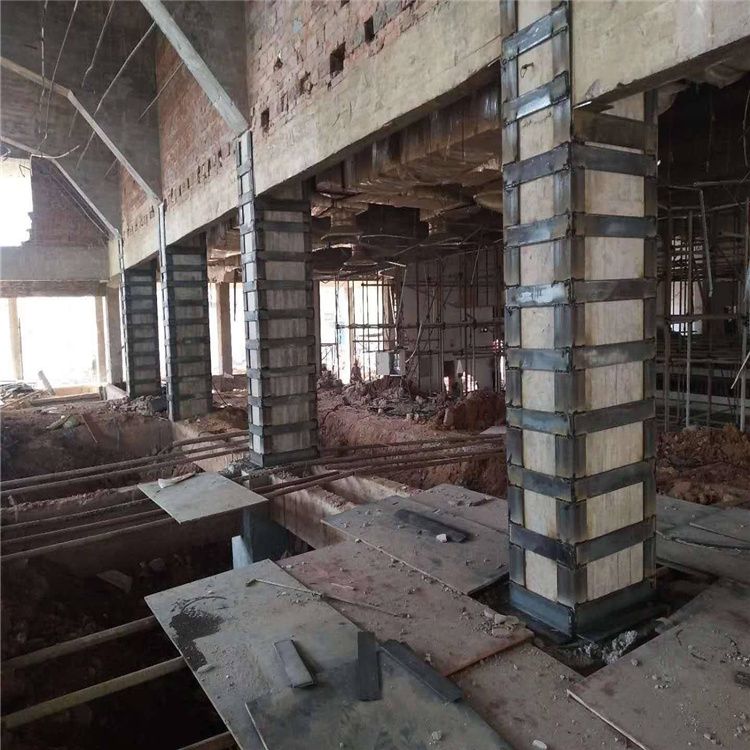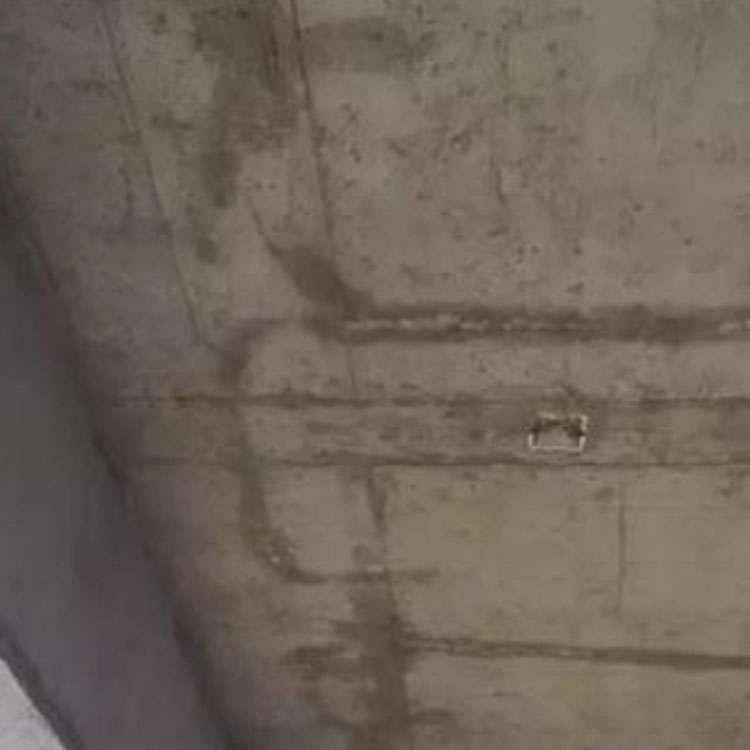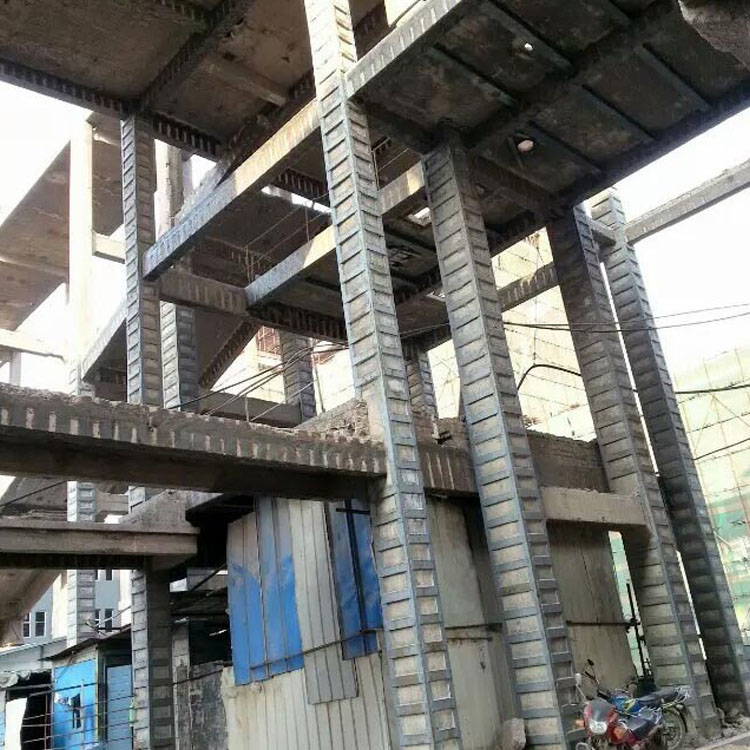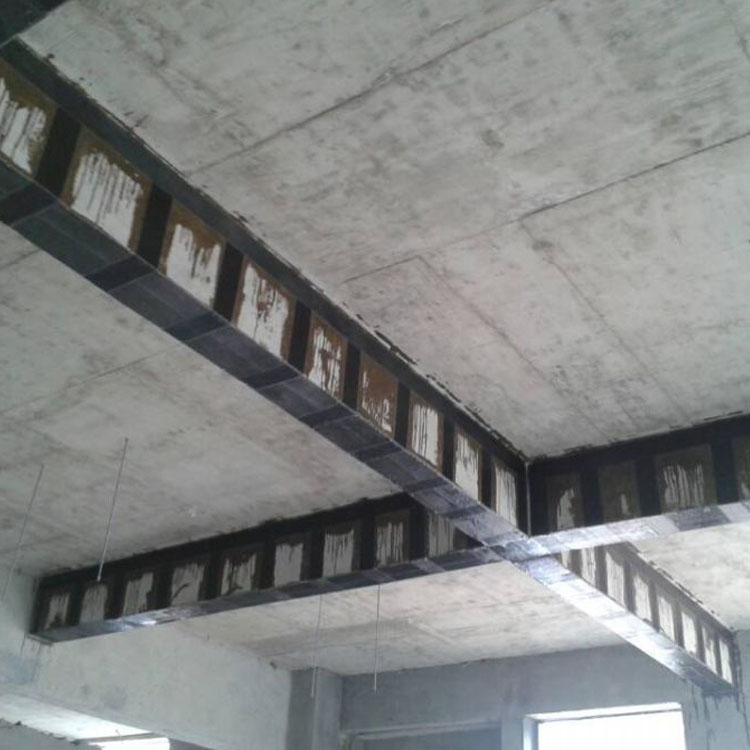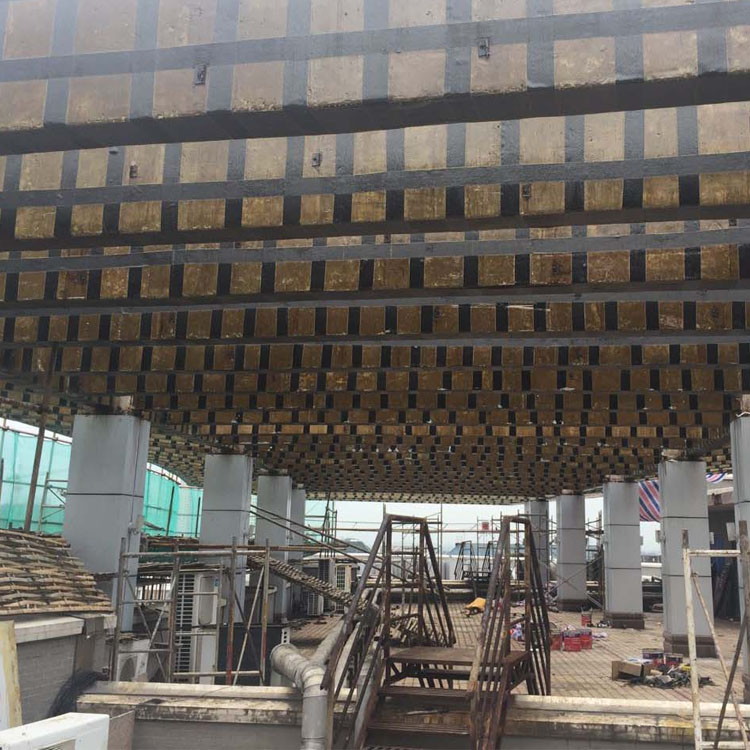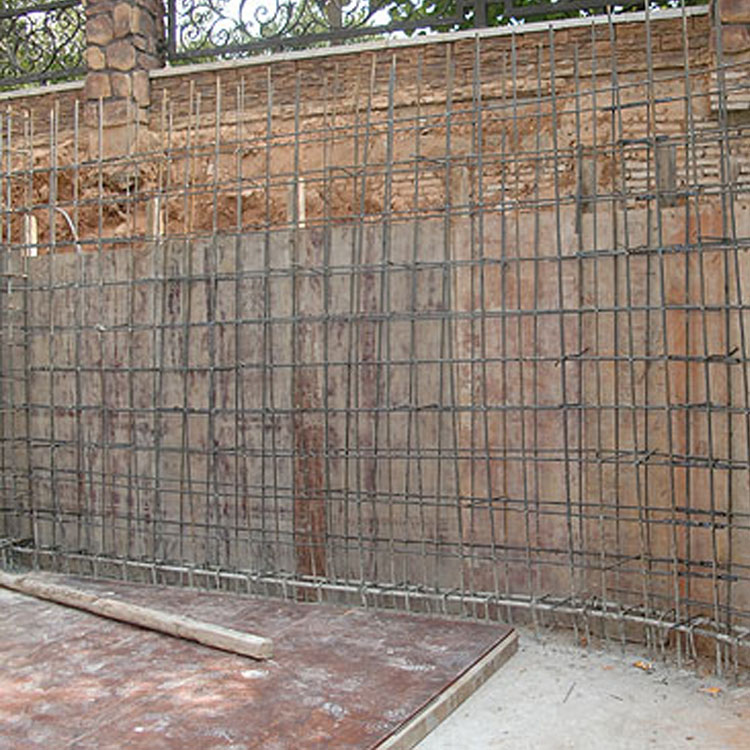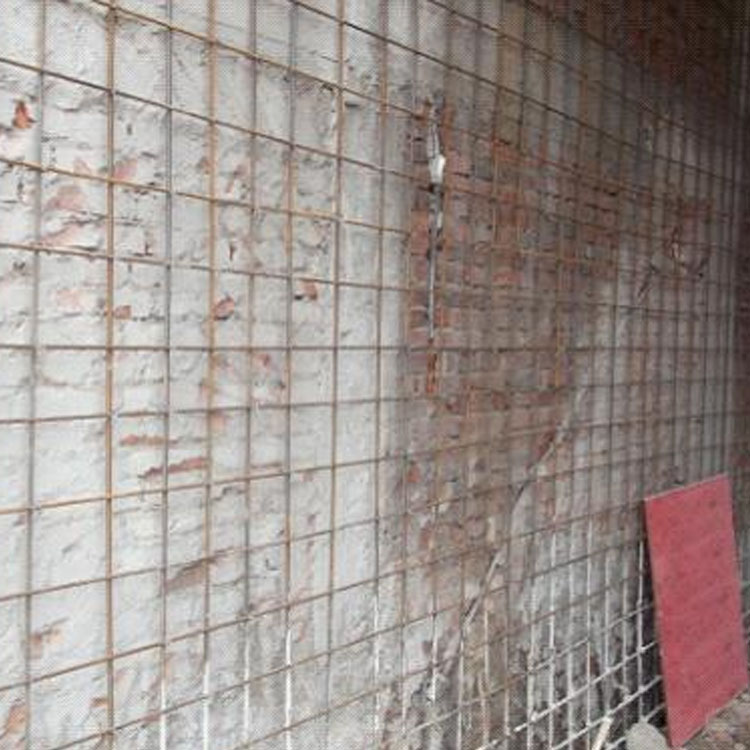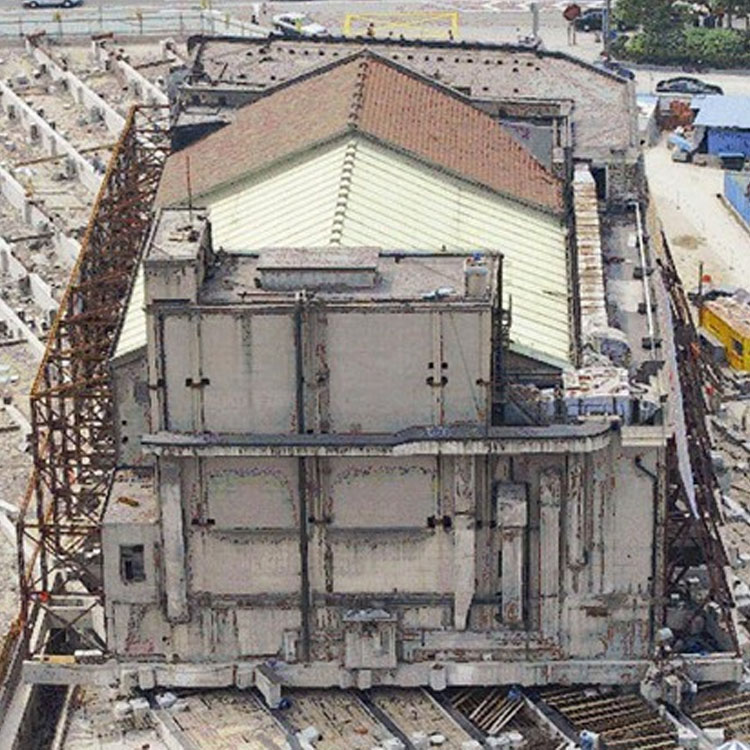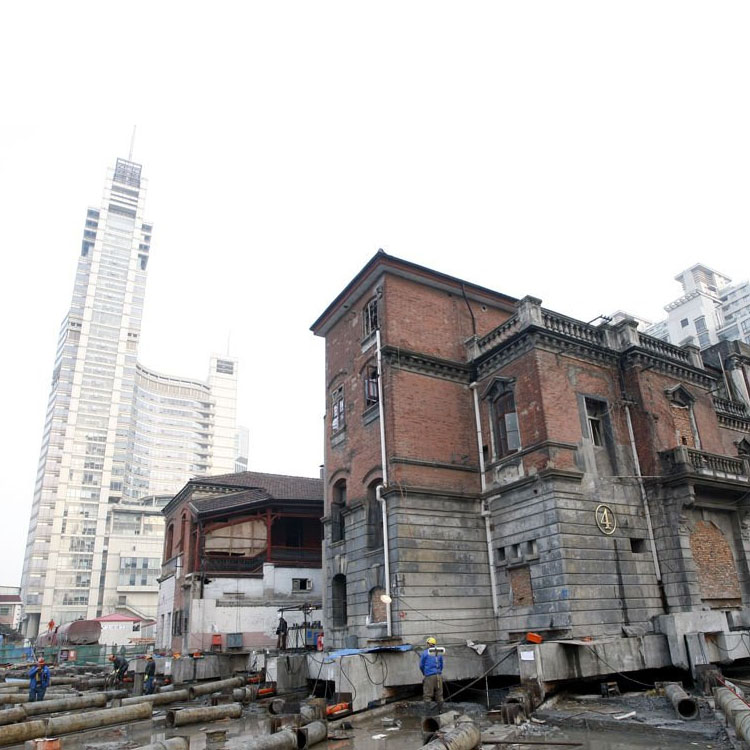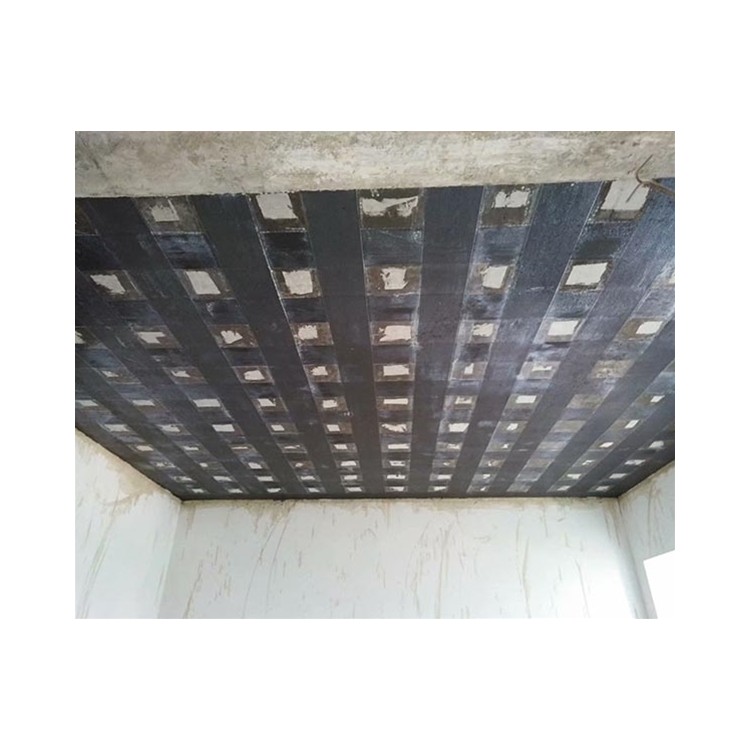

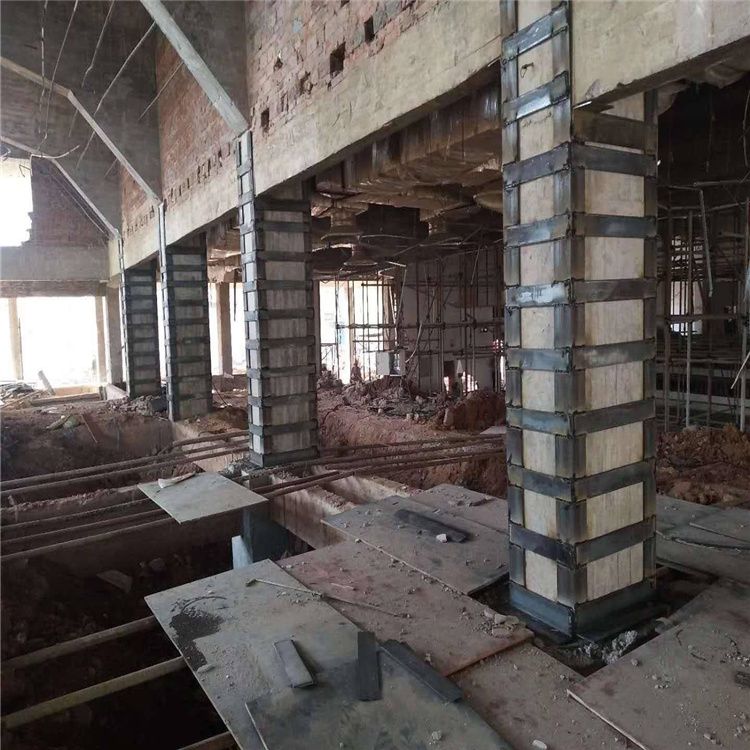

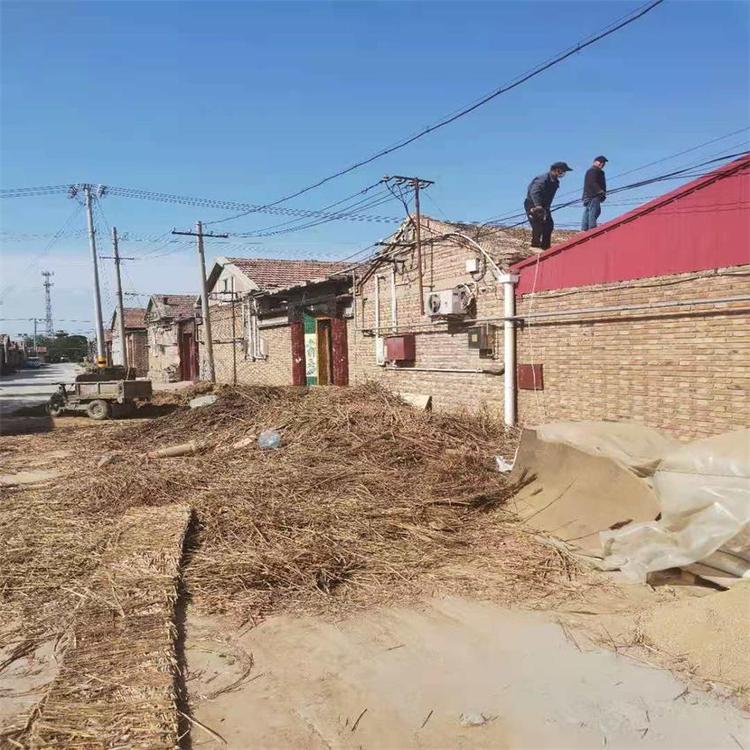
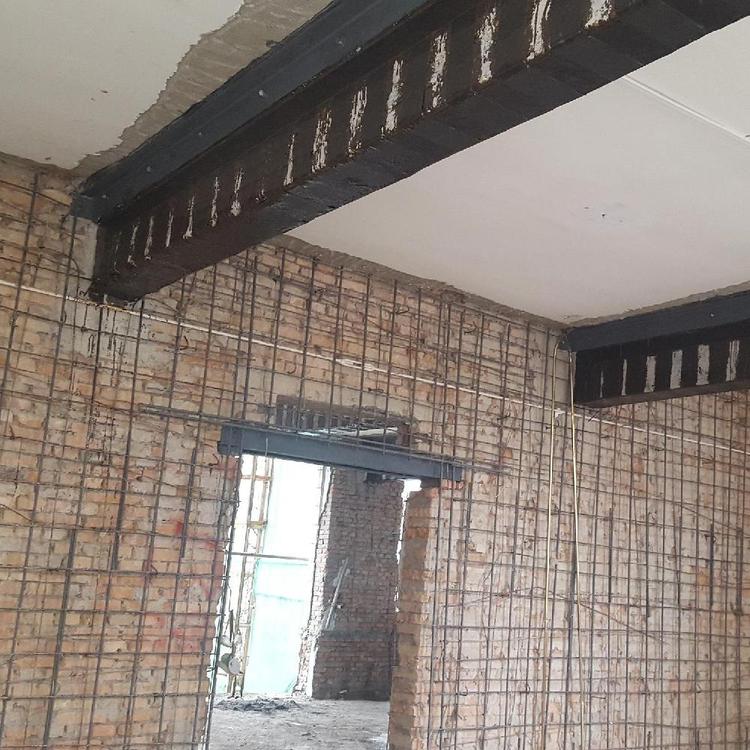


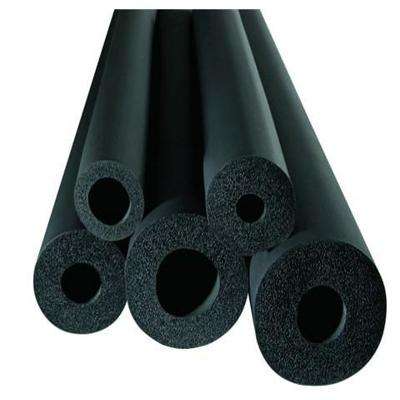
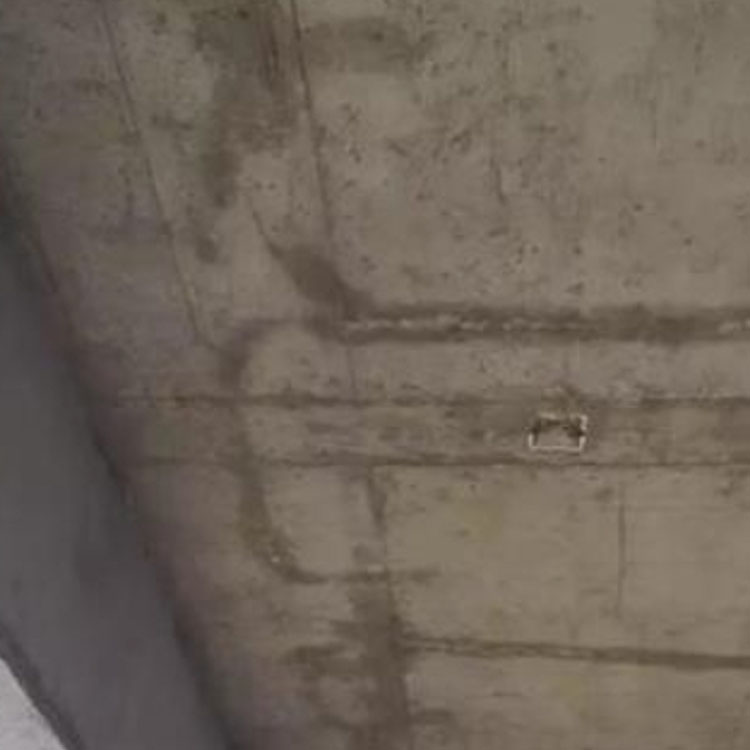
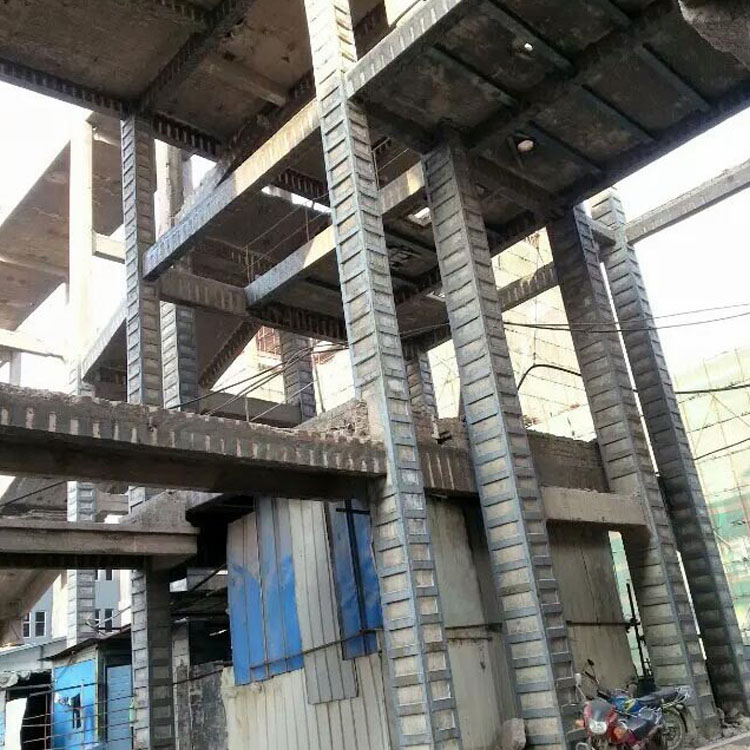
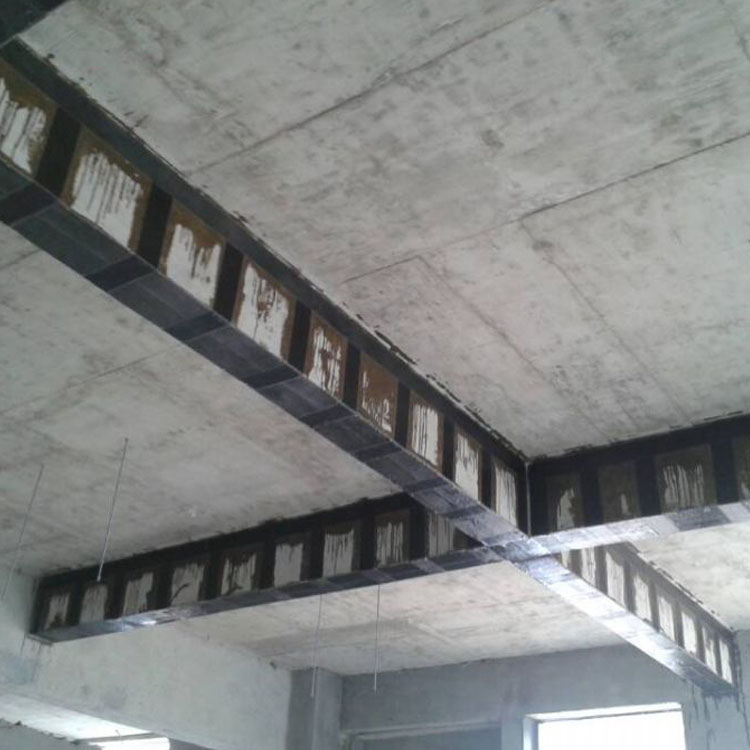
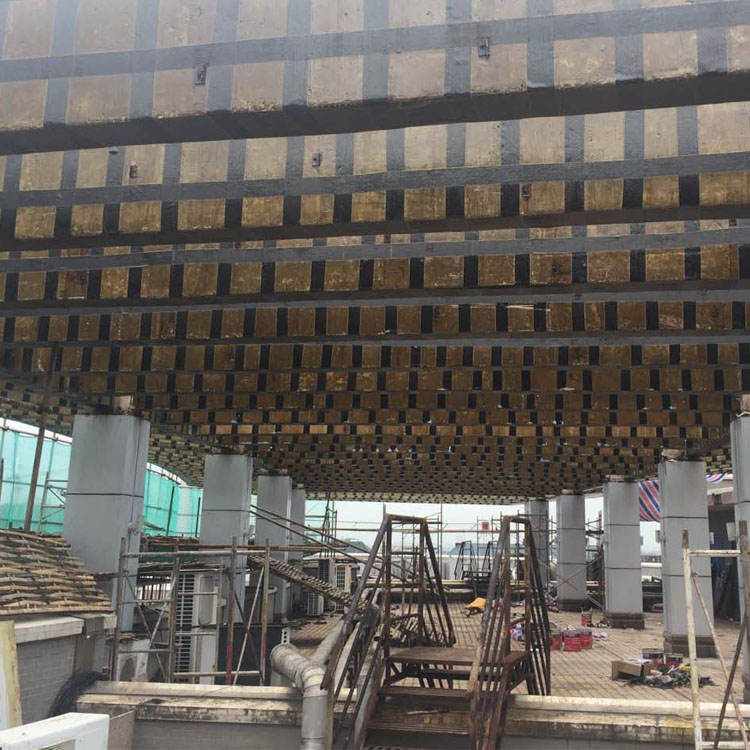





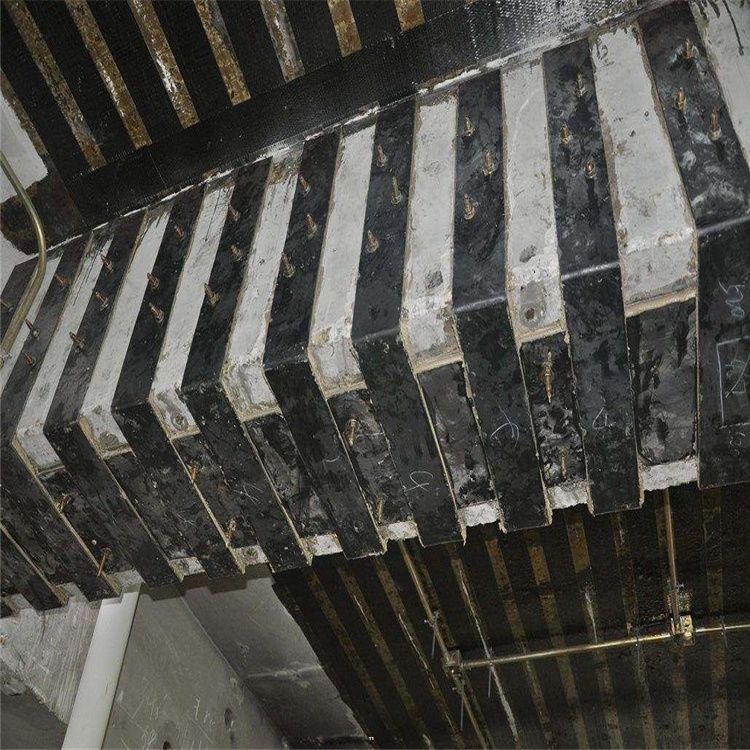
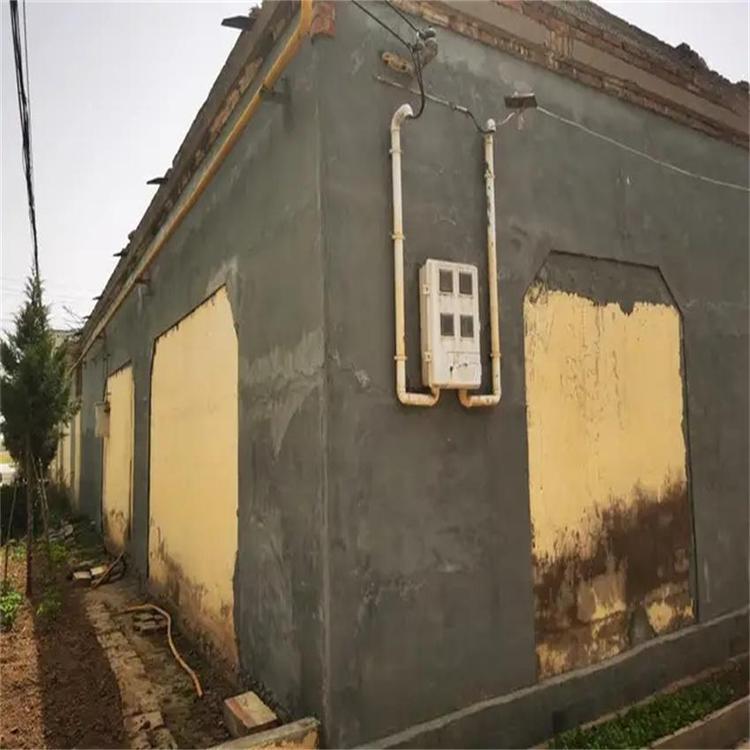
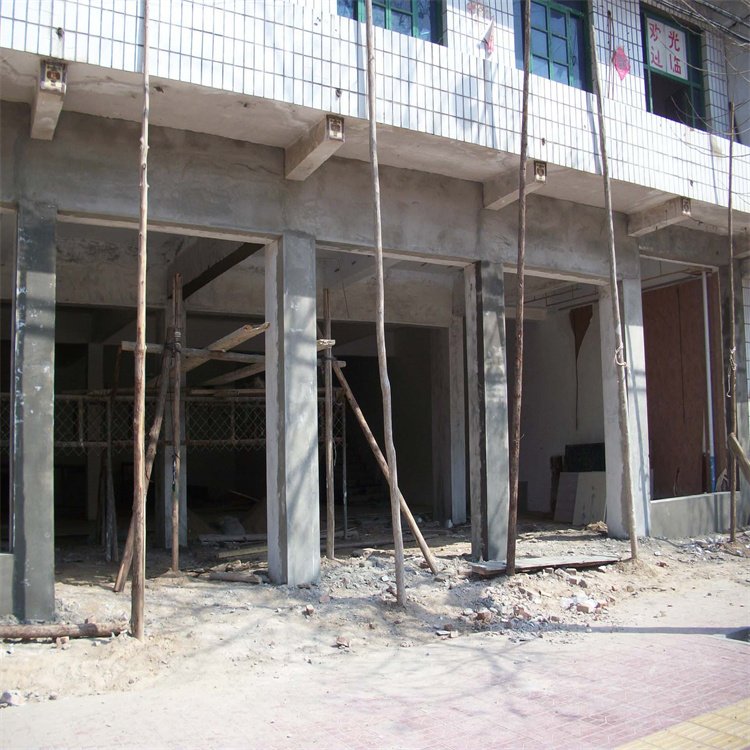
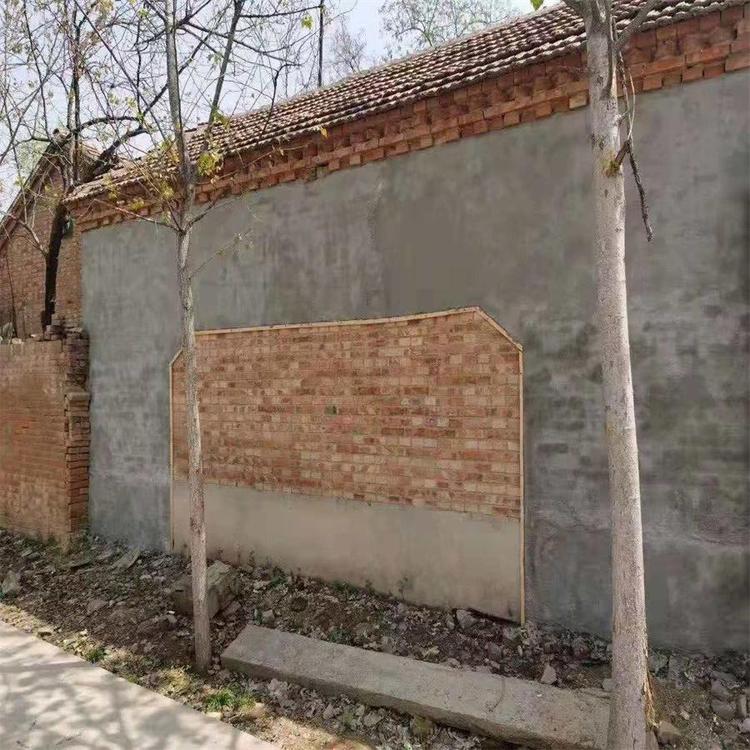
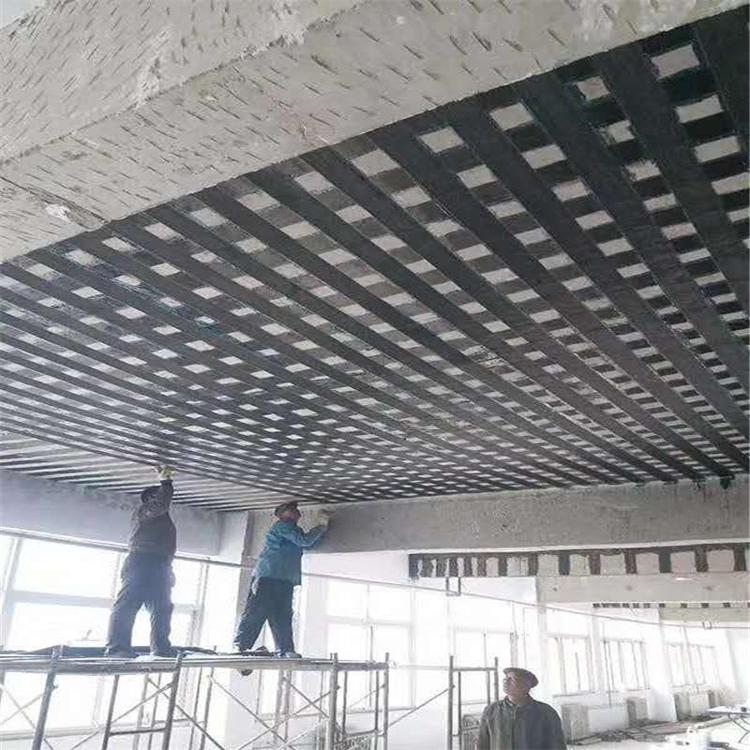
Seismic reinforcement is aimed at enhancing the load-bearing capacity of buildings. Common methods include cross-sectional reinforcement and steel plate bonding. These reinforcement techniques effectively strengthen the building components.
How to reinforce a school against earthquakes:
1. Under the premise of ensuring safety and effectiveness, the seismic reinforcement of school buildings should take economic factors into consideration as much as possible, and facilitate operational design. If, after optimized design, the estimated reinforcement cost is still over 70% of the new construction cost, it is advisable to dismantle and renovate.
2. The seismic reinforcement project for school buildings will not initially consider thermal insulation and energy-saving design. It is recommended to retain the existing windows, doors, and exterior bricks as much as possible.
3. Reinforcement design should adhere to the principle of being practical and factual, and strive to avoid or minimize reinforcement for projects that meet the required conditions.
4. Reinforcement design and inspection units should conduct on-site surveys after the walls (mainly interior walls) have been stripped, and refine the reinforcement design based on the on-site conditions.
5. If the teaching building exceeds the current regulations for height and floor count, it should undergo seismic calculations to determine if the structure meets the seismic bearing capacity requirements, followed by seismic reinforcement design.
6. For old teaching buildings without construction design files, review the construction drawings for seismic reinforcement based on the "Seismic Assessment Report."
7. Designed a masonry-frame hybrid structural teaching building in accordance with the requirements of masonry and frame structures, for seismic reinforcement.
Advantages of carbon fiber reinforcement methods include:
1. The material itself has high strength-to-weight ratio, and after reinforcement, the original structure's dimensions remain unchanged.
2. Simple process flow, short construction period, and high efficiency.
3. Reinforcement for concrete and steel structures is available, enhancing load-bearing capacity, seismic resistance, and durability.
4. Operates normally in harsh environments.
How to develop an earthquake-proof reinforcement plan for buildings:
1. Measures to reinforce lateral force components such as seismic bracing frames using energy dissipation or isolation techniques, seismic walls, supports, etc. This serves to enhance the overall seismic performance of the structure and reduce the seismic response of staircase components.
2. The single-way frame should be reinforced to become a double-way frame. This allows for the addition of measures such as seismic walls and supporting elements to resist lateral forces.
3. When the requirements for the single-span frame identification vary significantly, anti-seismic walls should be installed at intervals not exceeding 24 meters, with additional lateral resistance components such as anti-seismic walls, wing walls, and supports. Alternatively, the single-span frame corresponding to the axis can be converted to a multi-span frame.
4. Insufficient building rigidity: In this case, there are two measures: first, reinforce with reinforced concrete anti-seismic walls or wing walls; second, strengthen by adding supports to the seismic brackets.
5. When the actual bending capacity of the frame beams and columns is insufficient, two measures are taken: one is to reinforce the frame columns by using encased steel, expanding the concrete cross-section, or bonding steel plates; the other is to determine the countermeasures based on the structural elastic-plastic analysis results under rare earthquakes.
6. When the reinforcement requirements for seismic support frame beams and columns do not meet the standards, the following methods can be adopted: using encased steel sections, increasing the concrete cross-section, or bonding steel plates, carbon fiber sheets, steel wire mesh, and polymer mortar. These three methods are applicable.
7. If the frame column axial compression ratio does not meet the standard, reinforcement by increasing the concrete cross-section is sufficient.
8. If the reinforcement requirements of the concrete and reinforced concrete seismic wall do not meet the standards, simply thicken the existing wall or add end columns and walls.
9. When the identification requirements of stair components do not meet the standards, reinforcement can be achieved by using adhesive steel plates, carbon fiber mats, steel wire mesh sheets, and polymer mortar.
Seismic reinforcement design should also take into account the following issues:
1. When designing seismic reinforcement, ensure the uniform distribution of structural stiffness and strength to avoid the formation of new weak layers.
2. During seismic reinforcement design, vertical load-bearing components should be continuous to ensure a clear force transmission path.
3. Increased seismic effects due to changes in the structural natural vibration characteristics after reinforcement design.
4. When adding components or reinforcing existing ones in seismic reinforcement design, the possibility of reducing the entire structure's torsional effect must be considered.
5. Strengthen the seismic design of weak areas during reinforcement.
6. During seismic reinforcement design, ensure the structural load-bearing state is more rational, prevent components from experiencing brittle failure, and eliminate load-bearing conditions such as strong beams and weak columns, or strong components and weak joints that are unfavorable for seismic resistance.
7. During seismic reinforcement design, consider the impact of the construction site. For the specific site conditions of the building, select a structural system with minimal ground motion response after reinforcement, to avoid the increase in seismic effects exceeding the improvement of the structure's seismic capacity.
8. When implementing seismic reinforcement designs, adopt the latest seismic technology for reinforcement. Utilizing relatively mature new seismic reinforcement technologies can significantly enhance the seismic performance of the structure, boost its seismic capacity, and should be highly recommended.
Our company, guided by the principle of people-oriented, sincere cooperation, innovative development, and expanding the future to create brilliance, is committed to customer and market orientation. We will go the extra mile to seek every opportunity to serve you! And we are eager to engage in win-win cooperation with domestic and international merchants for joint development and the creation of a bright future!
WeChat Official Account

Scan to follow Official Account