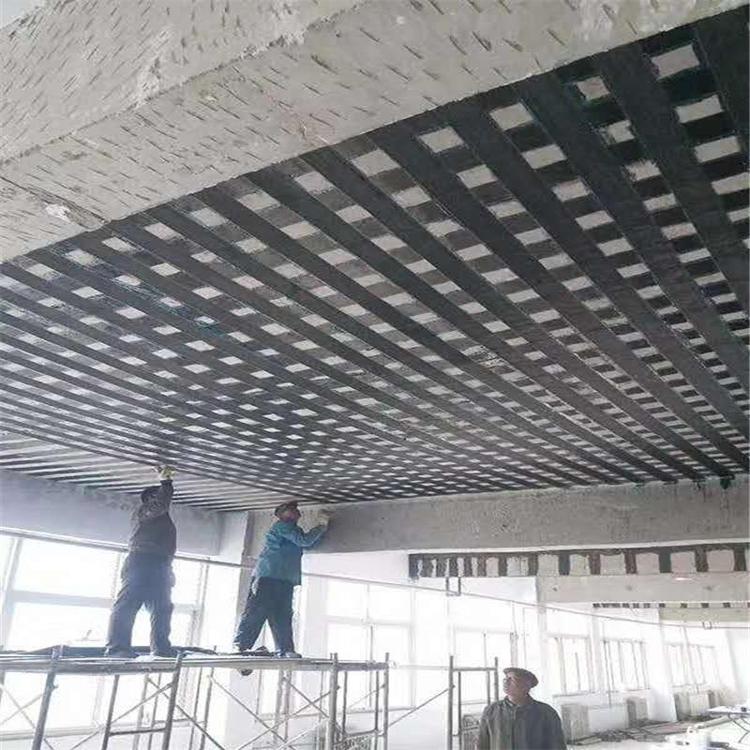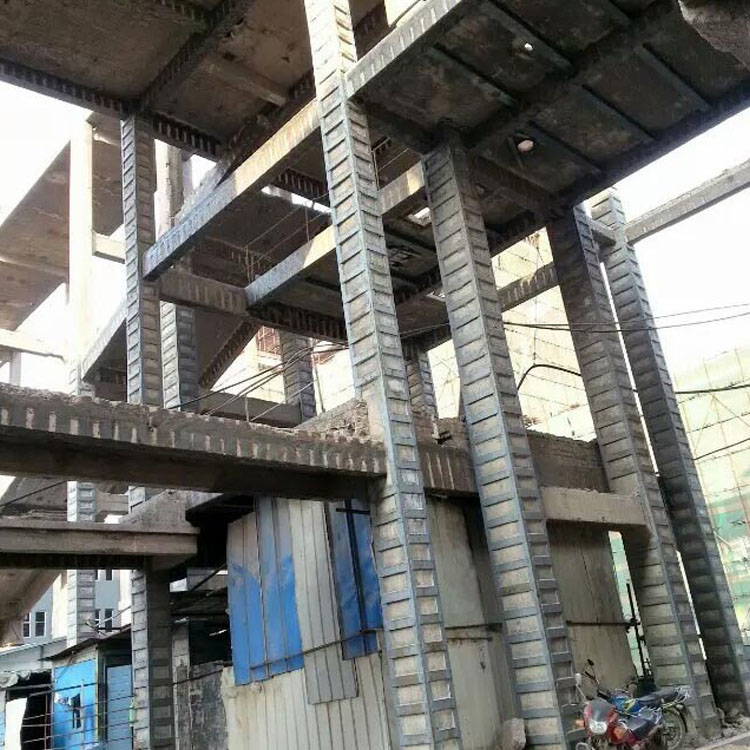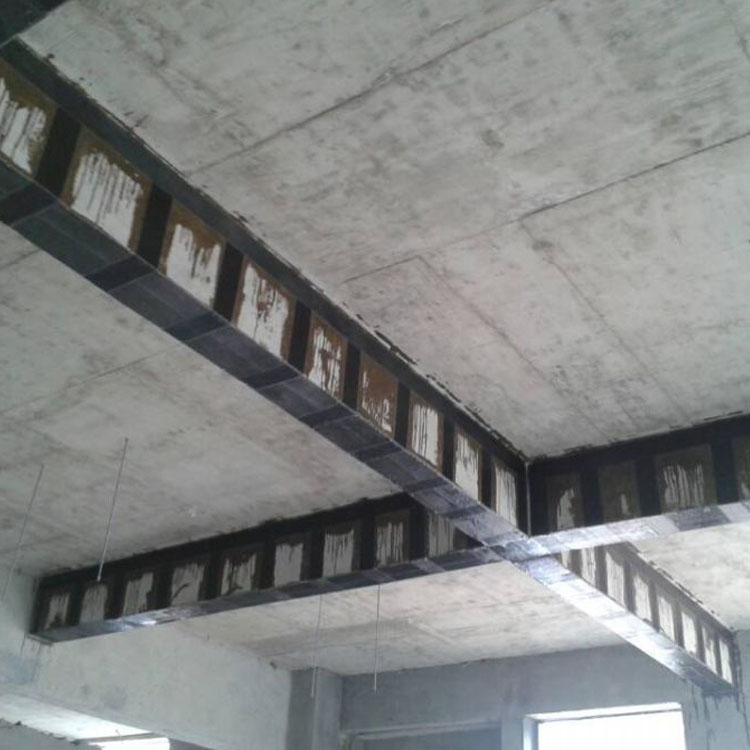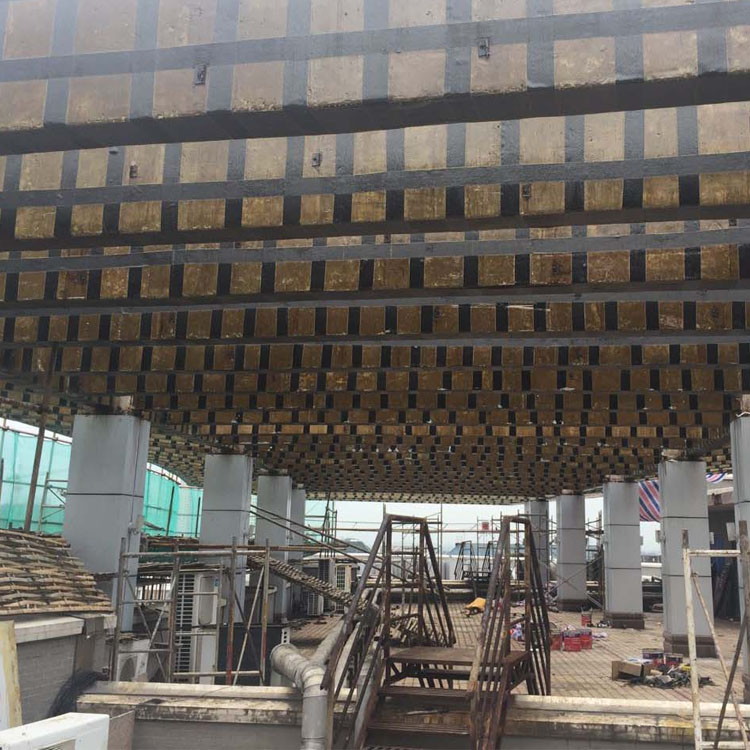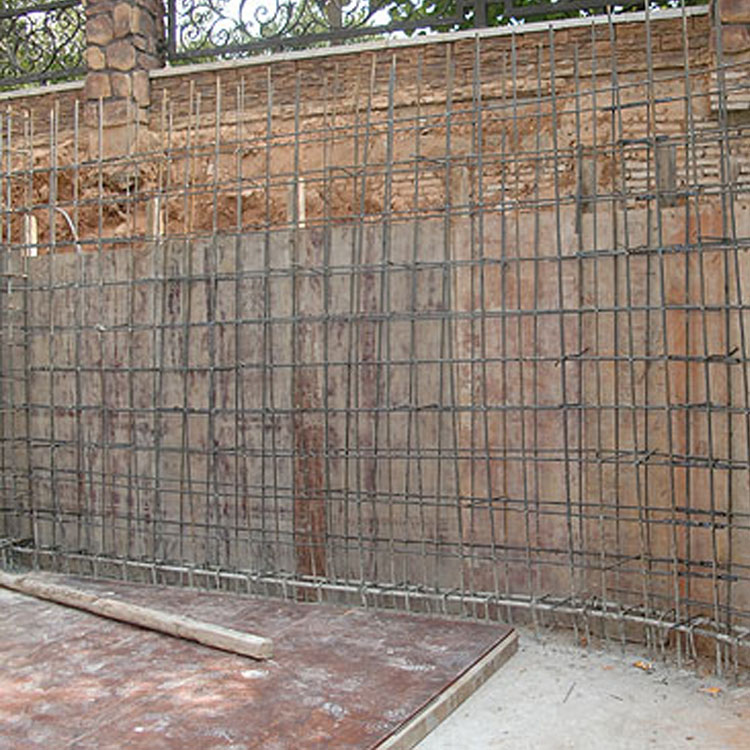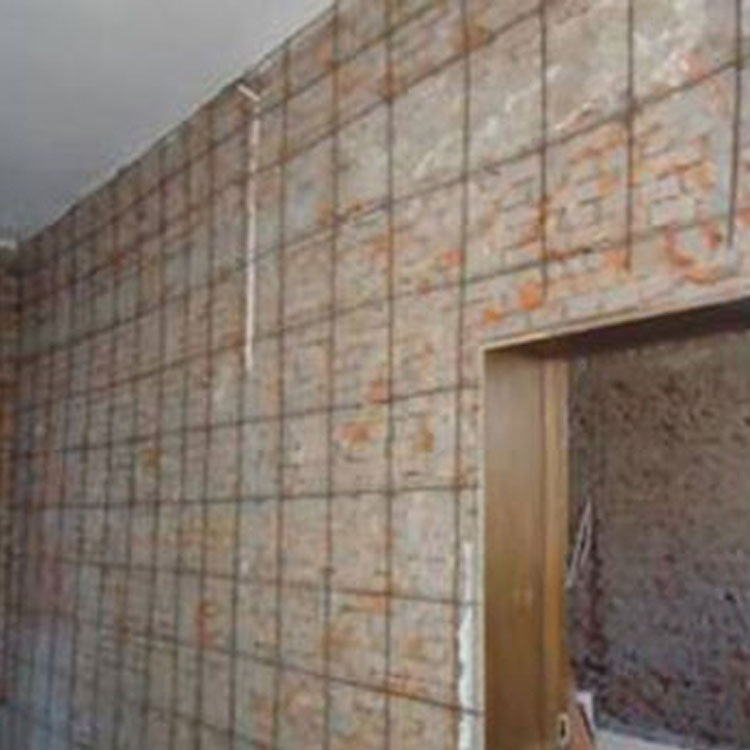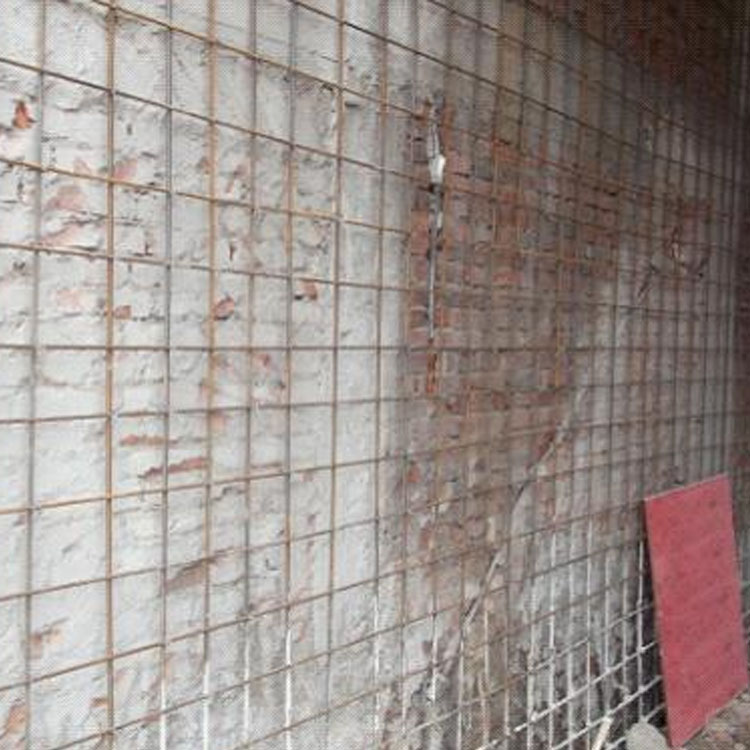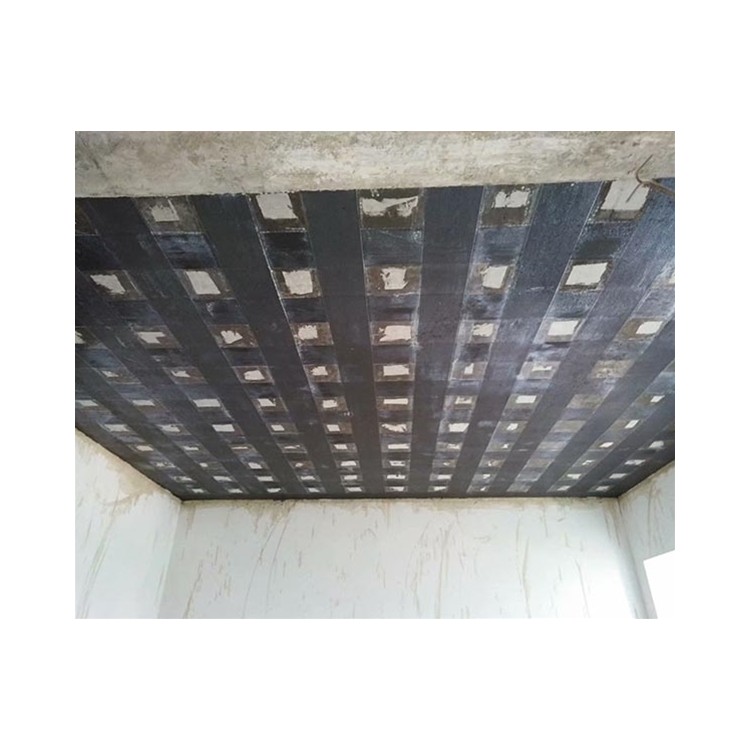

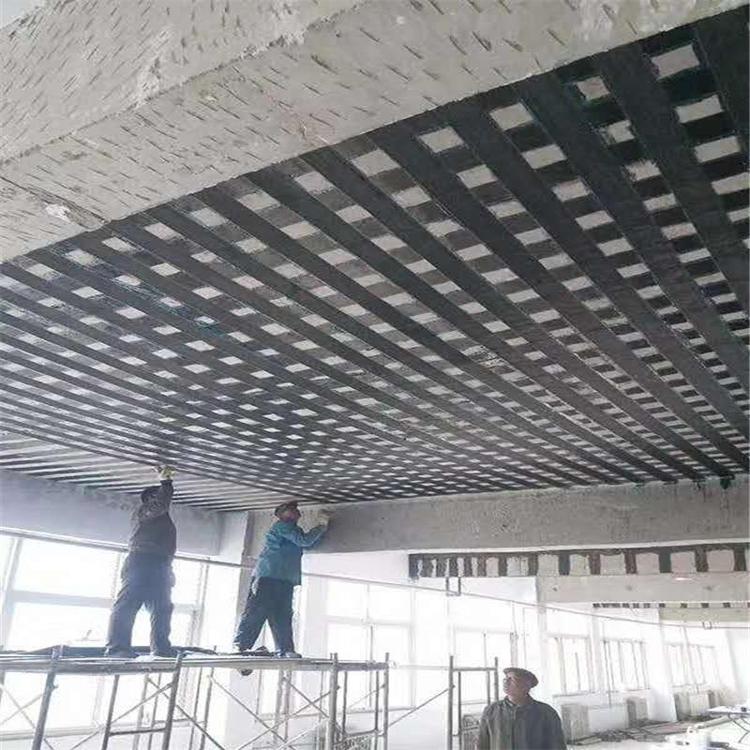

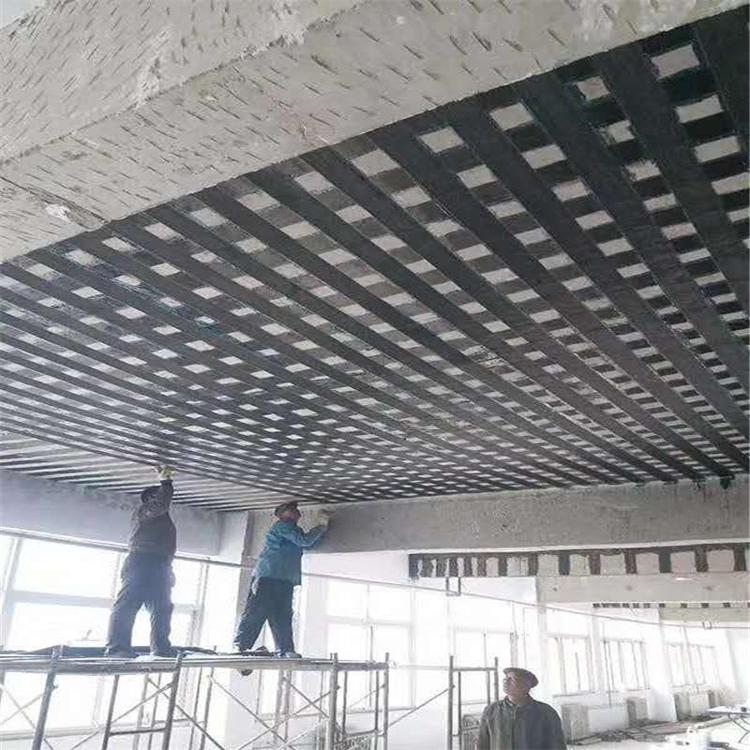
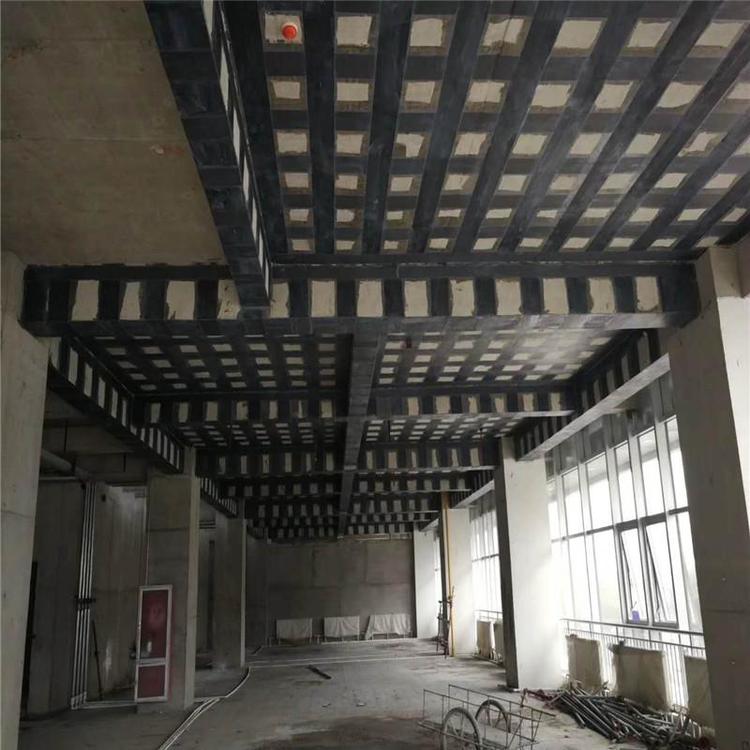
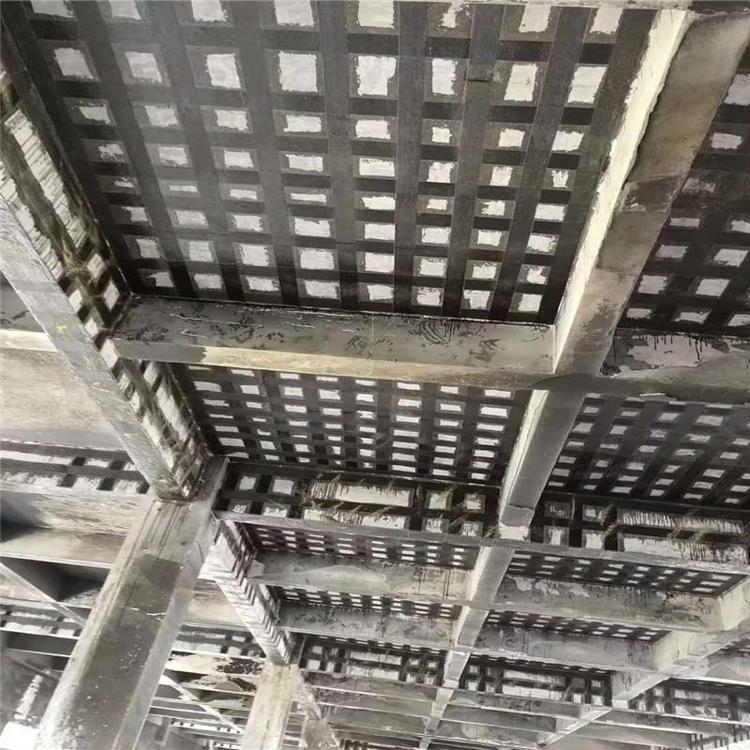


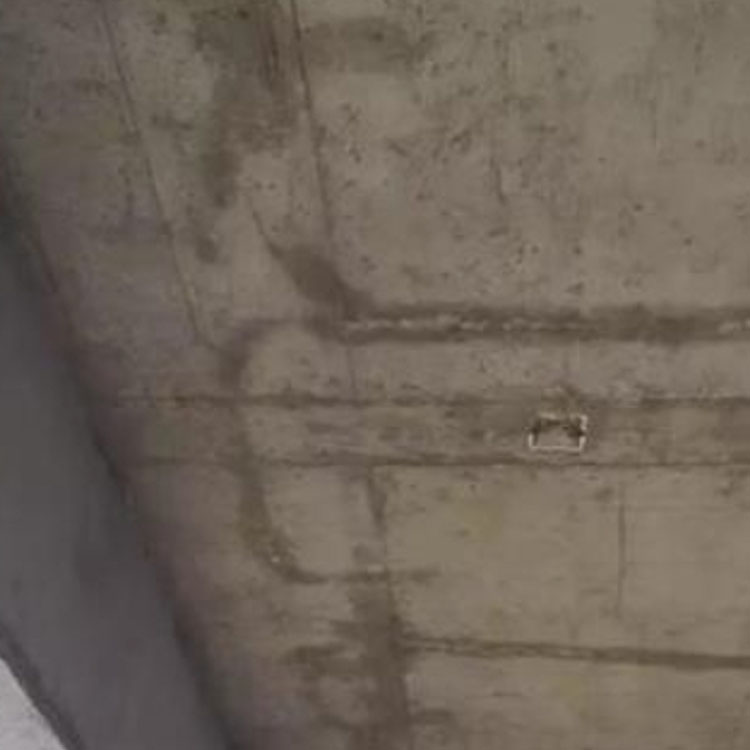
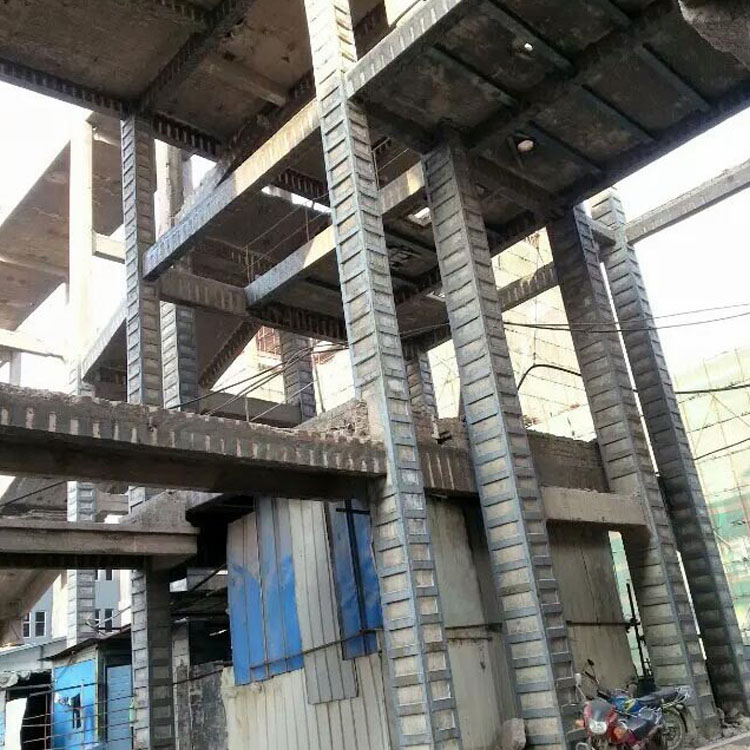
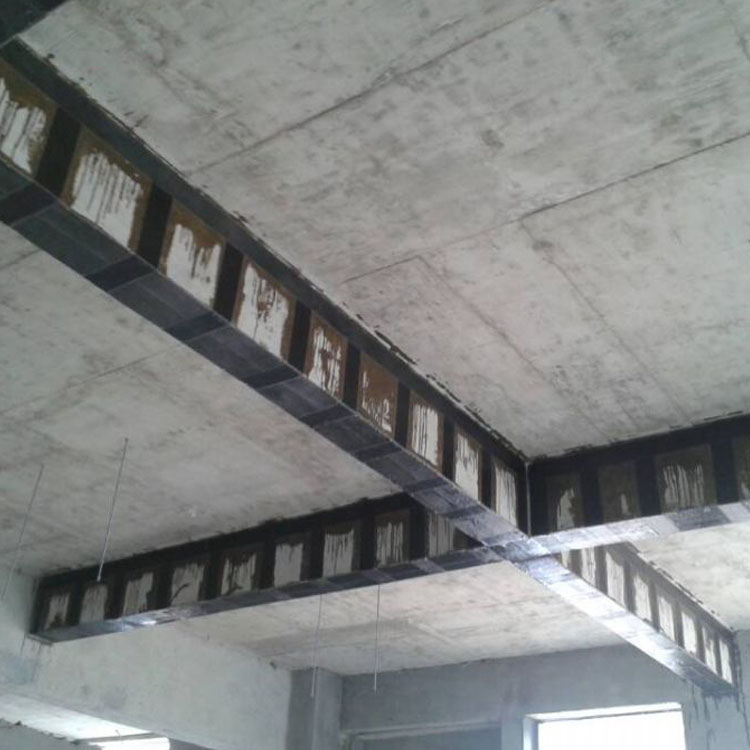
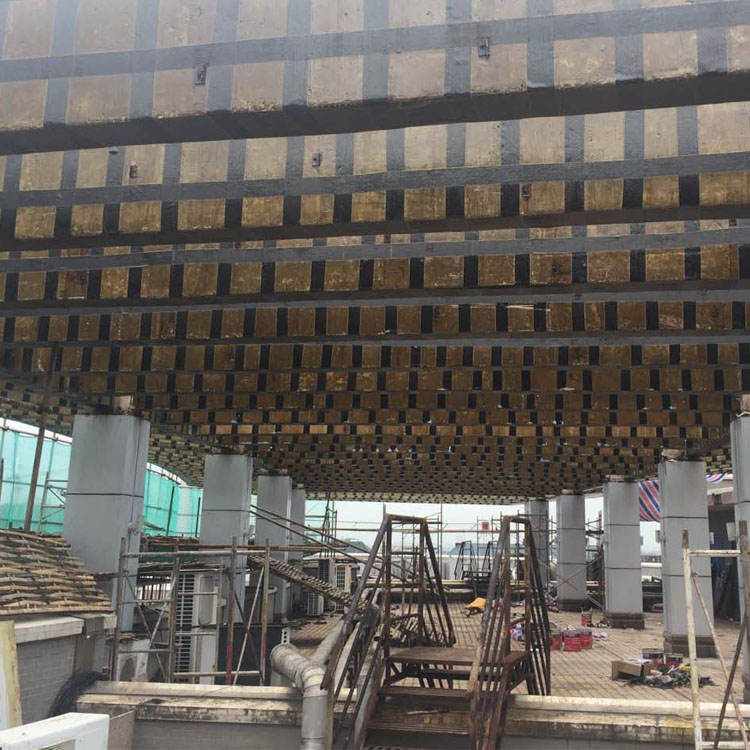





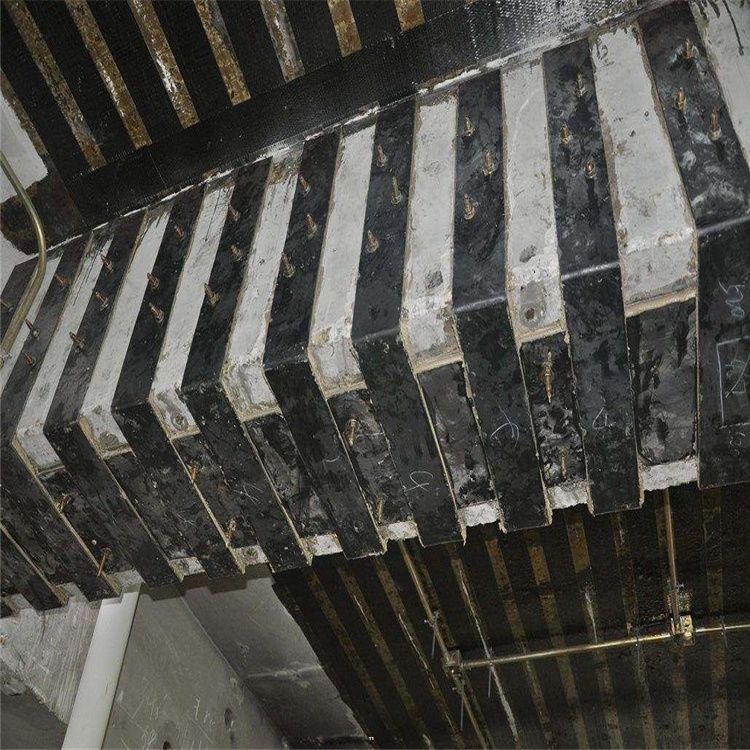
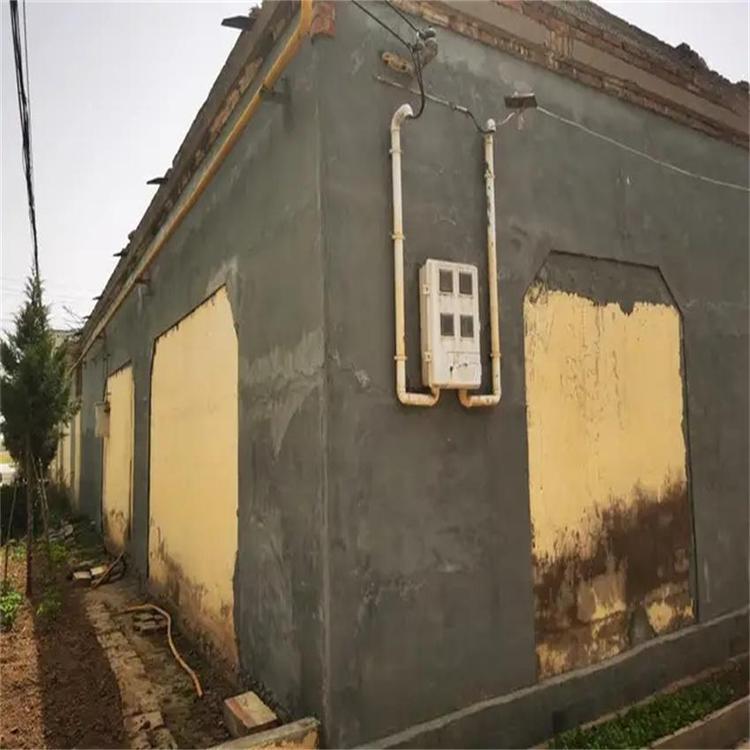
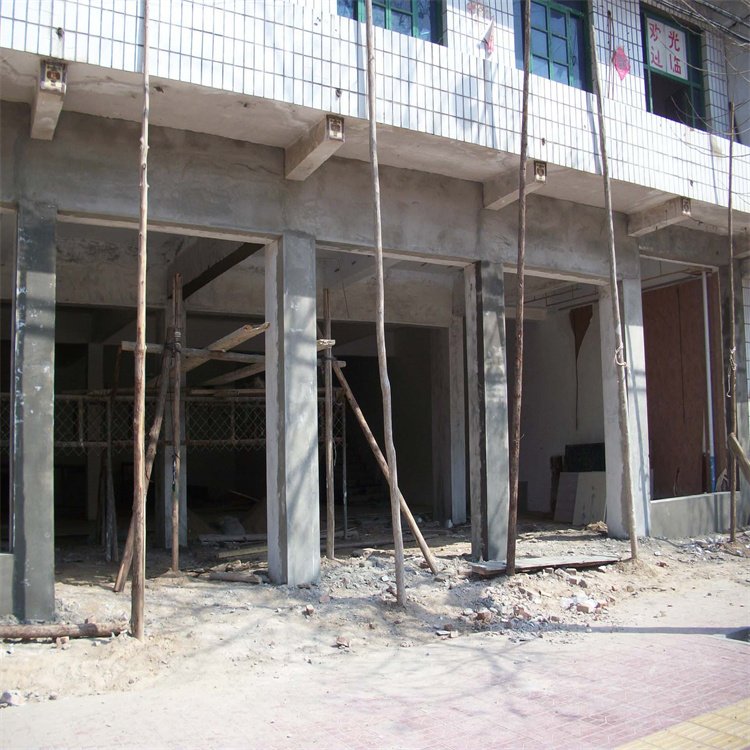
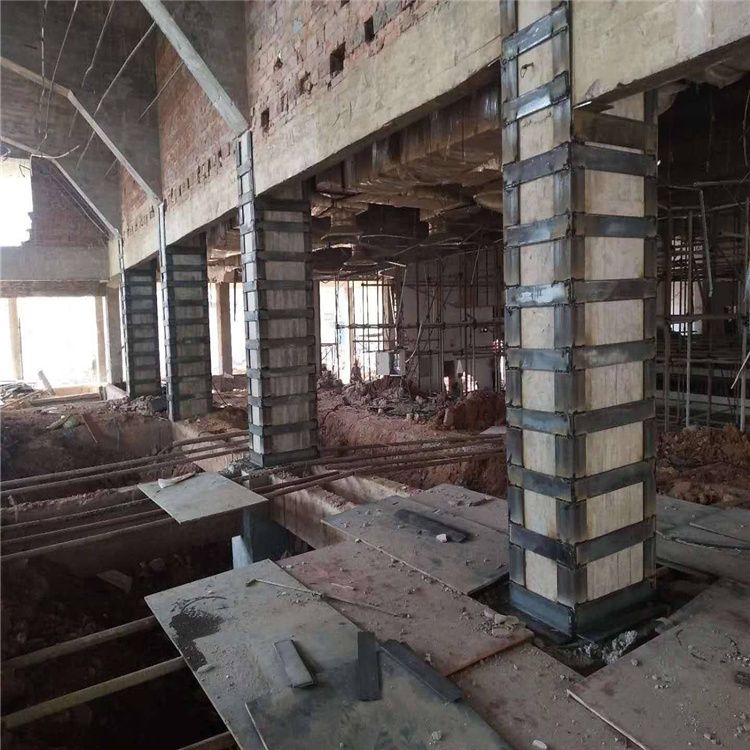
Carbon fiber reinforcement involves using high-tensile carbon fibers pre-impregnated with epoxy resin to create composite reinforcing materials. These materials are bonded with epoxy resin adhesive along the tensile direction or perpendicular to the crack direction on the structure to be reinforced, forming a new composite. This enhances the load-bearing capacity of the reinforcing adhesive and the existing reinforced concrete, increasing the structure's crack and shear resistance, and improving its strength, stiffness, crack resistance, and elongation.
Caution for carbon fiber reinforcement:
Carbon fiber has a low resilience; when paired with steel rebars, it only utilizes about 20% of its strength, thus not making the most of the carbon fiber's tensile properties.
2. When combined with concrete, it will cause a bonding reaction. The strength of carbon fiber reinforcement is limited; excessive bonding can lead to issues, and it may compromise the bond's structural integrity.
3. The current reinforcement method effectively bonds two items together, but if a problem arises with the bonded part, the other bonded part will also be affected.
Characteristics of carbon fiber reinforced construction:
1. Carbon fiber composite materials are lightweight with superior mechanical properties, offering high specific strength and stiffness. To achieve the same effect, the size of carbon fiber composite materials is significantly smaller than that of metal plates. Additionally, due to their lightweight nature, carbon fiber composite materials eliminate the need for fasteners during installation, thus not adding to the original component's weight or size.
2. Carbon fiber composite materials offer excellent formability, providing a particular advantage for working with complex curved structures, such as pipes.
3. Minimizes damage to the steel structure itself, eliminating the need for drilling into the existing structure. It does not weaken the load-bearing section of the original structure, preserves the integrity of the original structure, and prevents the formation of new stress concentrations. This approach avoids cracks around the drilling area and ensures that the addition of new welds does not create residual stresses, leading to new fatigue cracks.
Advantages of Carbon Fiber Reinforced Construction
1. Carbon fiber itself is not very heavy, making it ideal for transportation. Using it to repair cracks in buildings doesn't significantly increase the total weight or cross-sectional dimensions of the structure.
2. Carbon fiber reinforcement for construction and maintenance, with wide application and strong coordination capabilities. It's an excellent choice for various types and shapes of structural reinforcement features.
3. Construction work is particularly convenient, as it does not require large or medium-sized machinery on the job site, nor does it necessitate wet work. No fire prevention or stabilization measures are needed, and it is not constrained by the existing building's shape. Structural reinforcement or repairs may be required.
4. Reinforcing and repairing structures with carbon fiber can extend the lifespan of the building itself, and it is also resistant to rust. Therefore, it is particularly useful for engineering structures that frequently suffer from corrosion caused by strong acids, alkalis, salt, and air.
Carbon fiber reinforced construction technique:
Carbon fiber reinforcement can be used for bending and shear reinforcement of concrete structures, and it is also widely applicable in the earthquake and crack resistance of various industrial and civil buildings and structures, such as concrete structures, overpass bridges, beams, columns of buildings, tunnels, harbor facilities, chimneys, etc.
2. Carbon fiber reinforcement involves using high-tensile carbon fibers pre-impregnated with epoxy resin to create composite reinforcing materials. The epoxy resin adhesive is applied along the tensile direction or perpendicular to the crack direction on the structure requiring reinforcement, forming a new composite. This composite enables the reinforced adhesive material and the original reinforced concrete to collectively withstand cracking.
3. Carbon fiber reinforcement also requires strict quality standards. All incoming materials, including carbon fiber and adhesive materials, must meet quality standards and have a product qualification certificate upon leaving the factory, in compliance with the design requirements for reinforcement and strengthening. Also, avoid stacking during transportation and storage to prevent damage to the carbon fiber. Carbon fiber should not be directly exposed to sunlight, and should be sealed and stored in a cooler area.
Our company adheres to the宗旨 of "honesty in entrepreneurship and quality as the cornerstone," providing high-quality products and services to create a safe haven for you. Let's join hands to create brilliance! We warmly welcome discerning individuals from all over the world to inquire, negotiate, and collaborate!
WeChat Official Account

Scan to follow Official Account