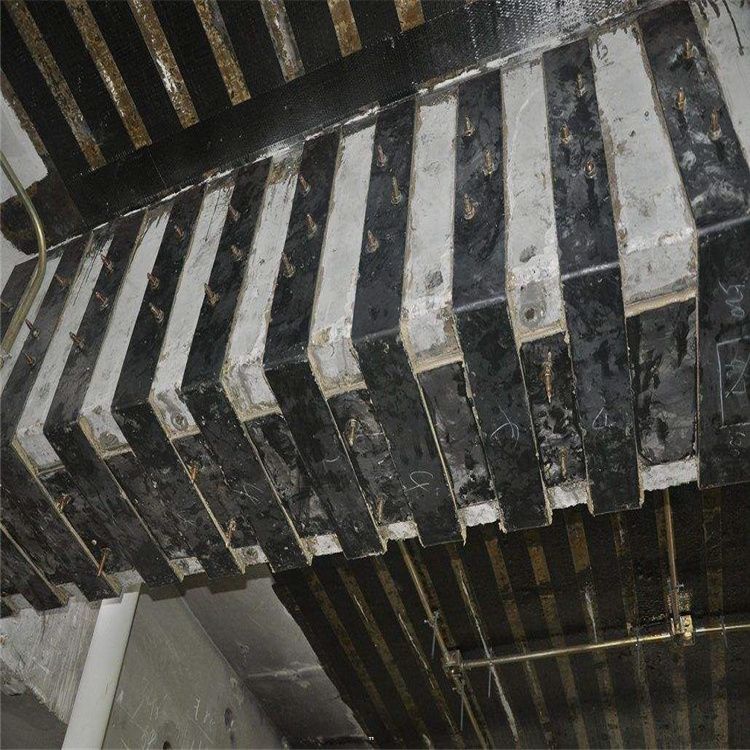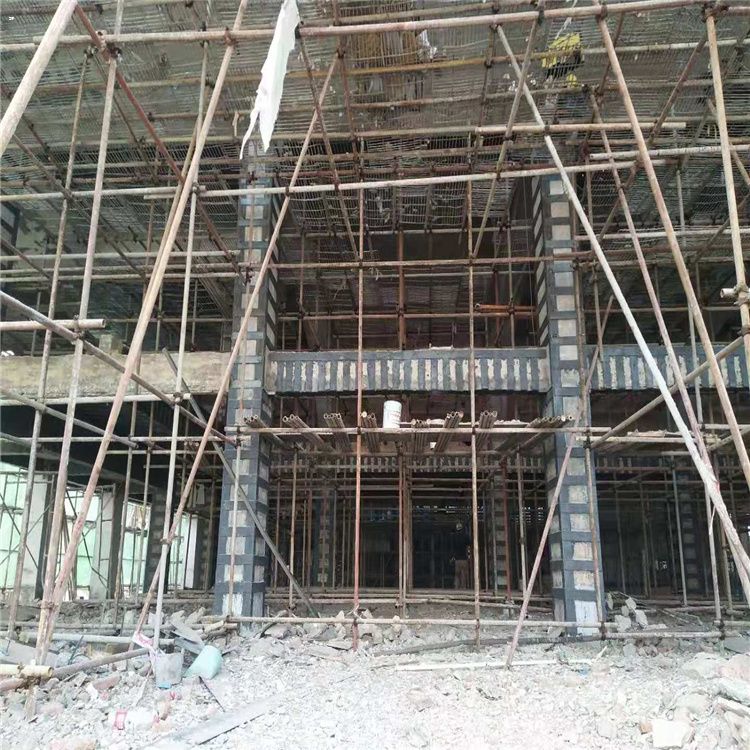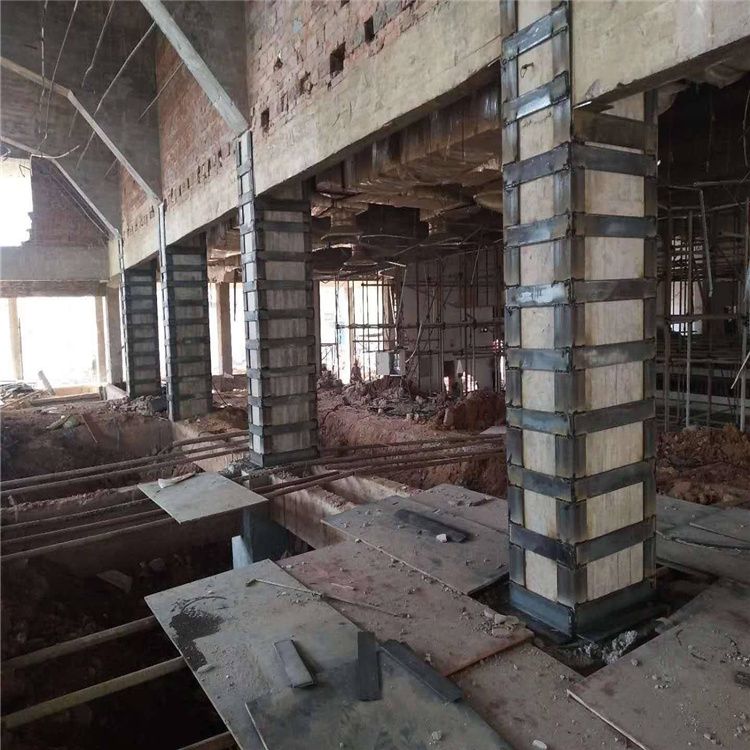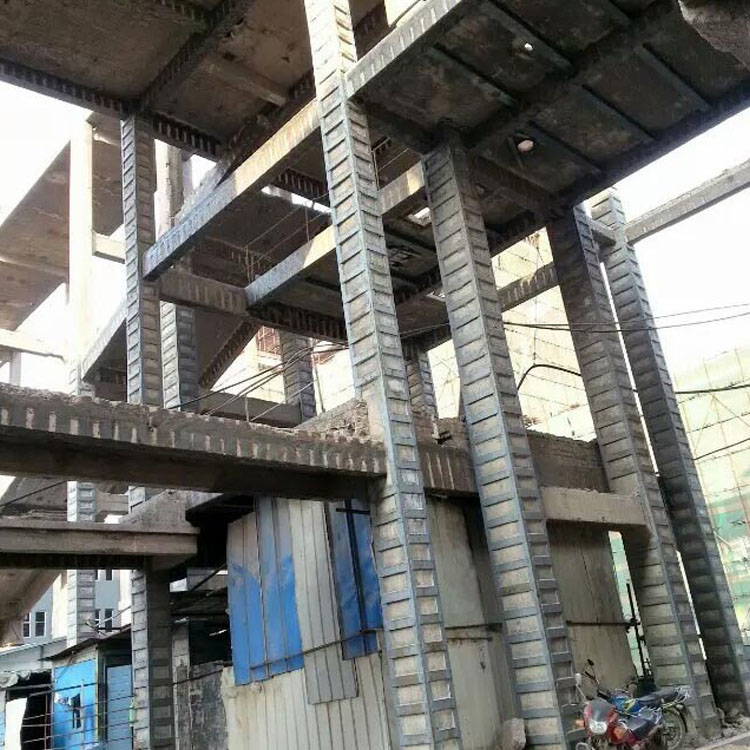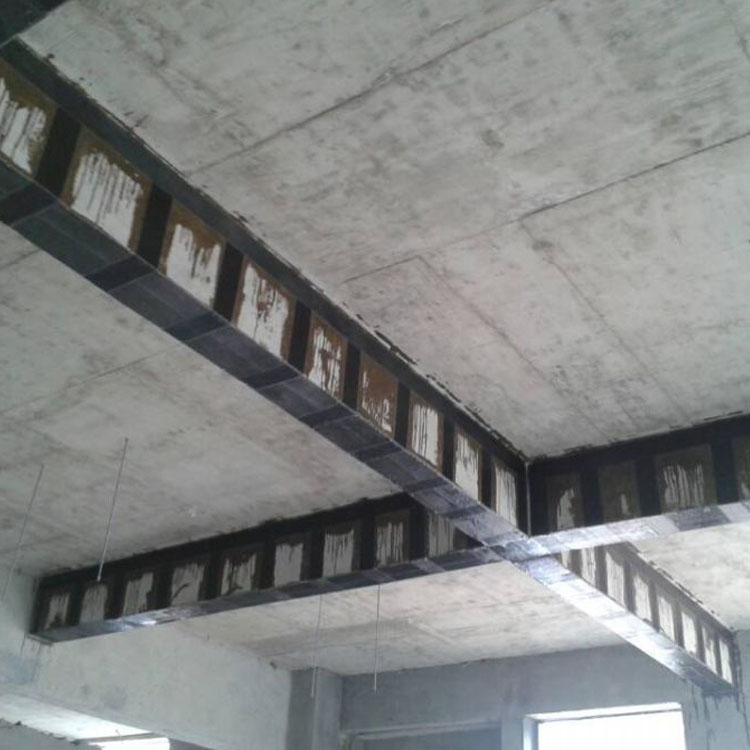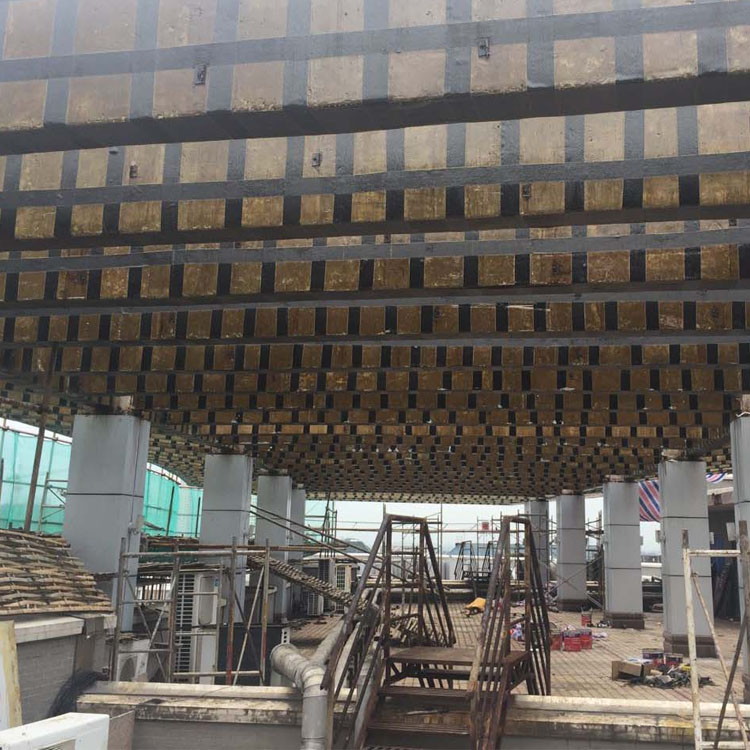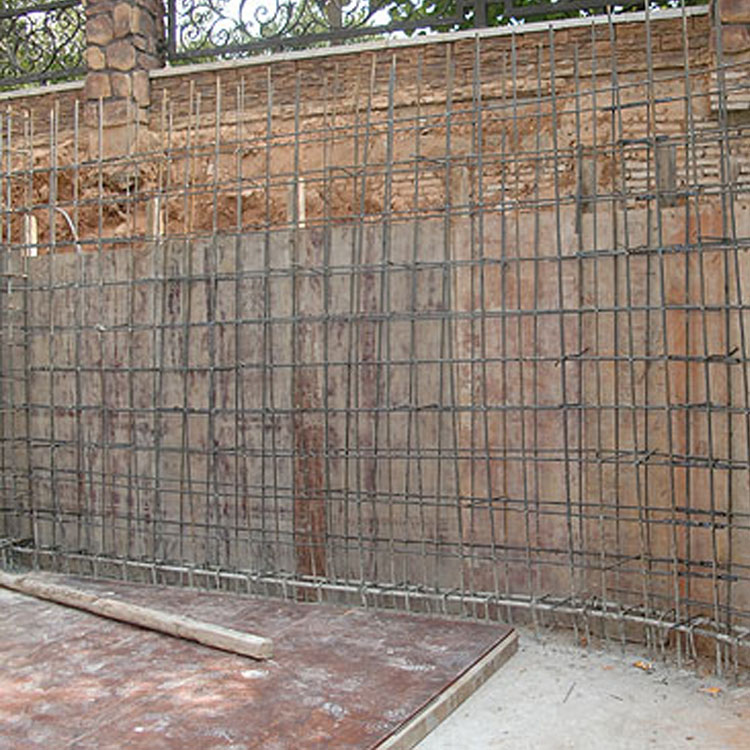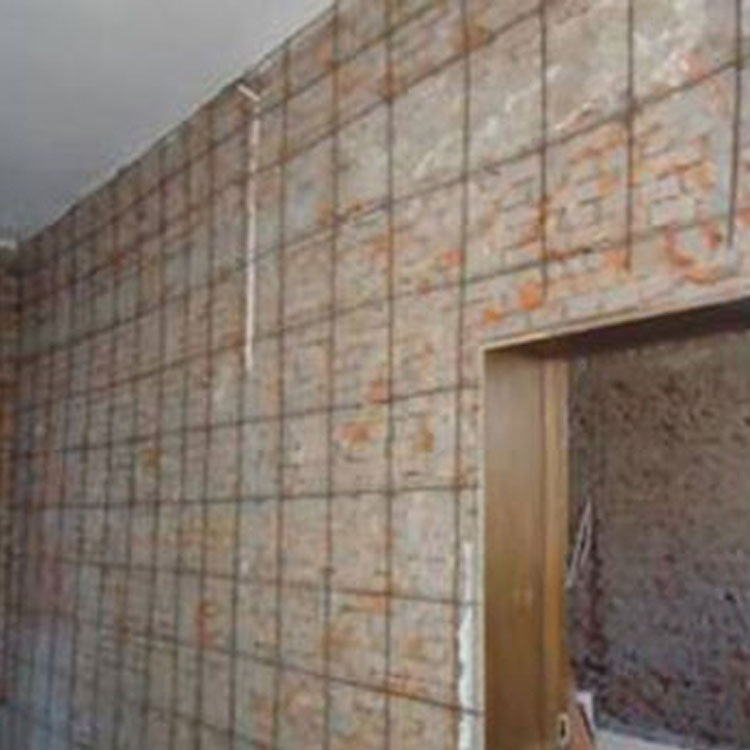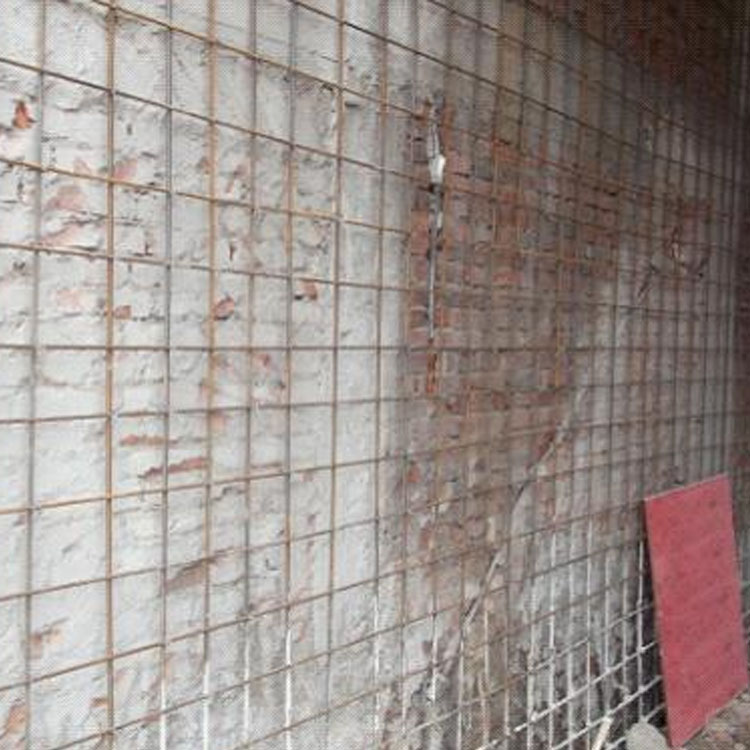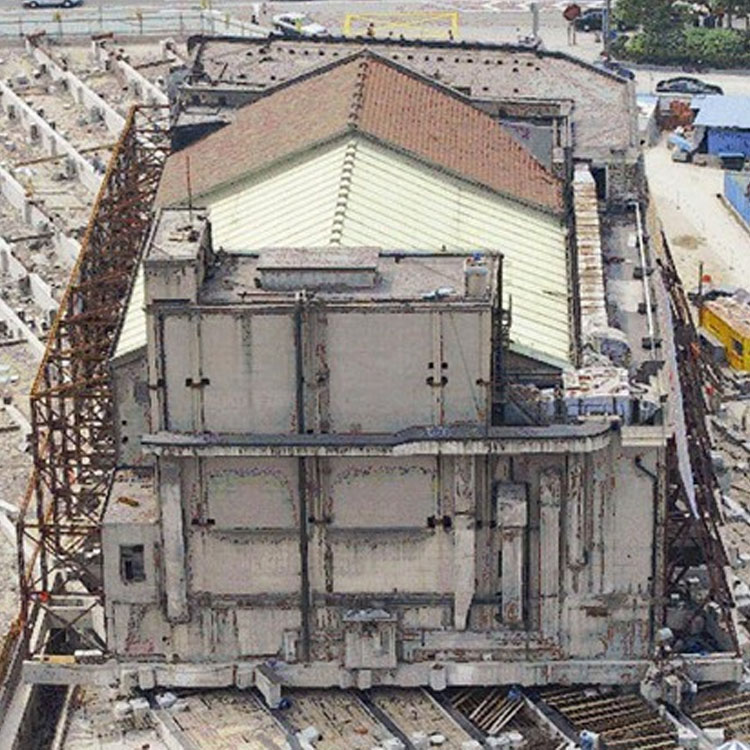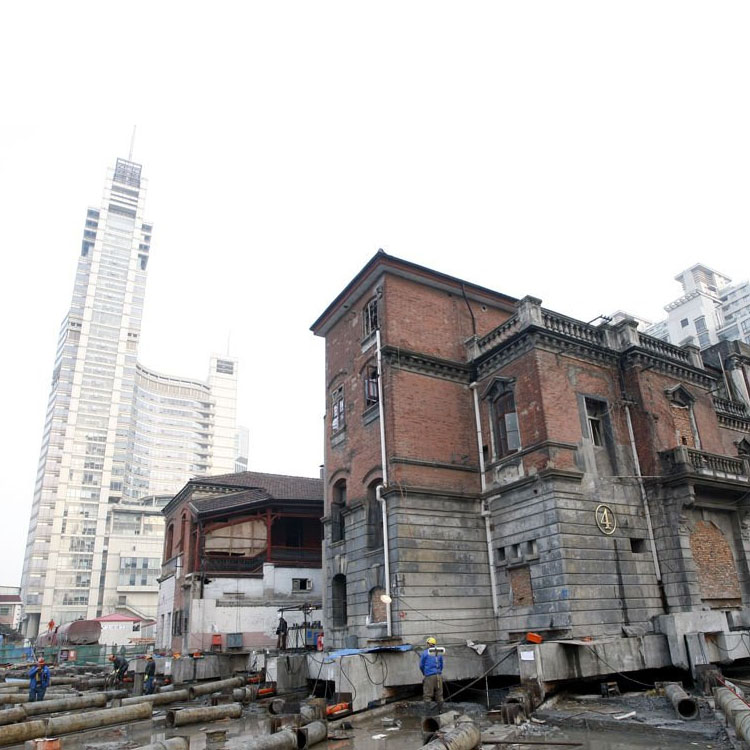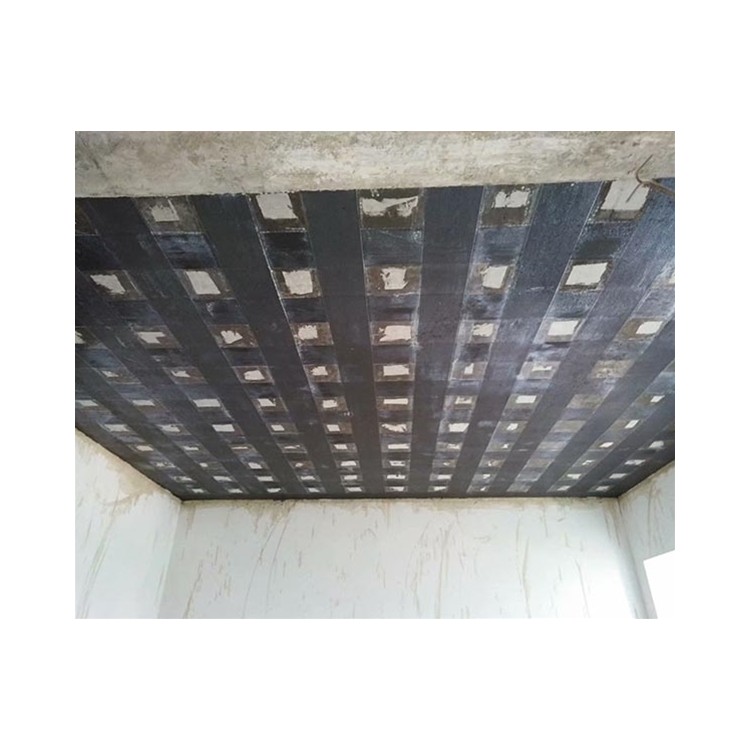

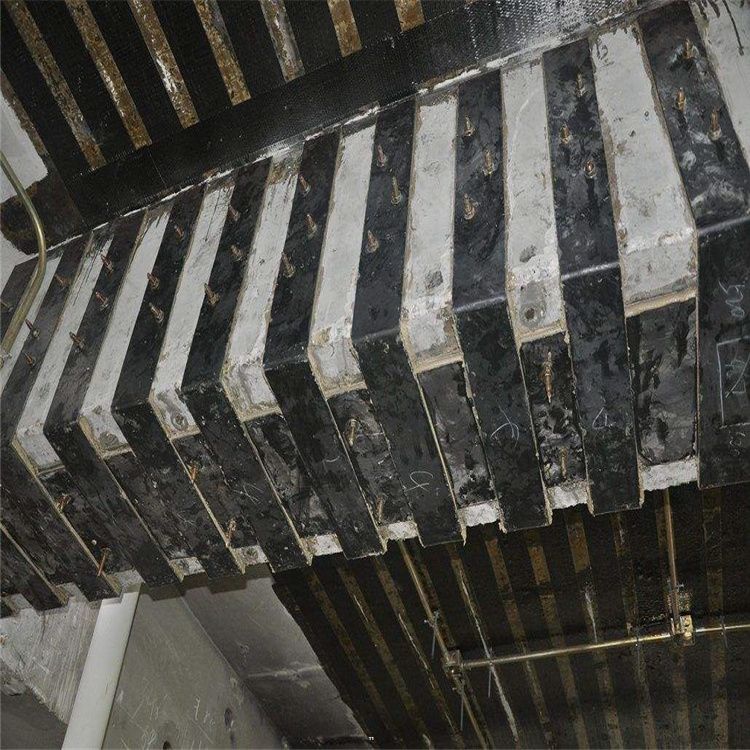

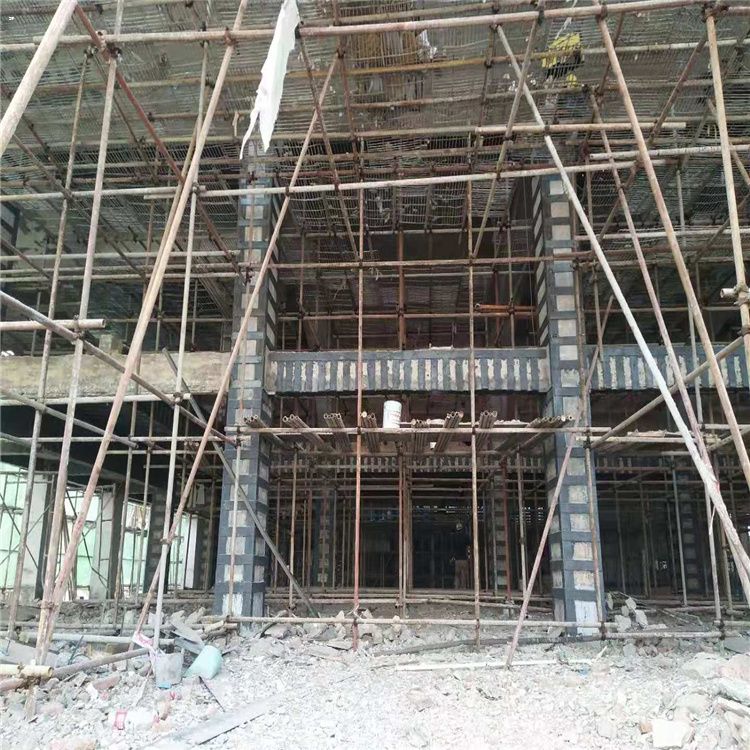
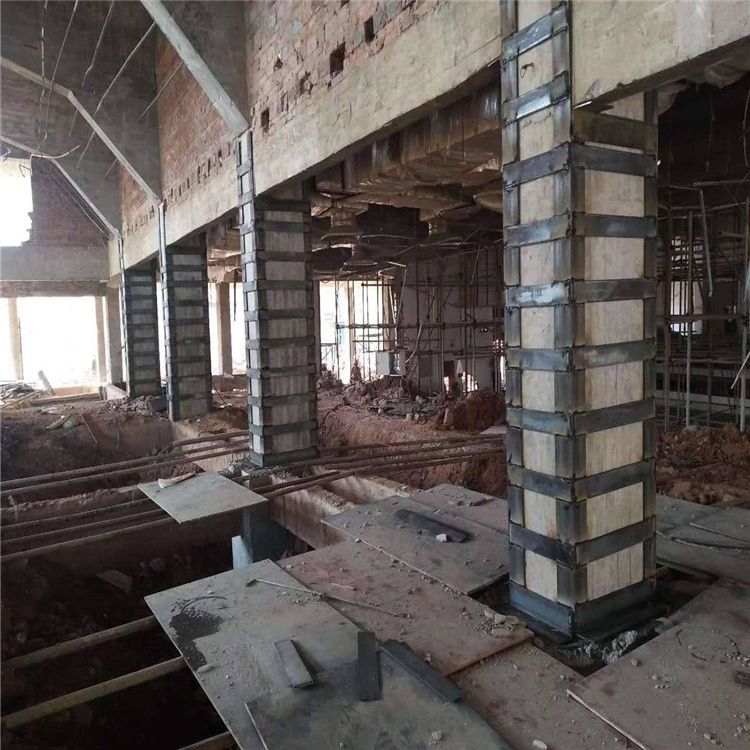


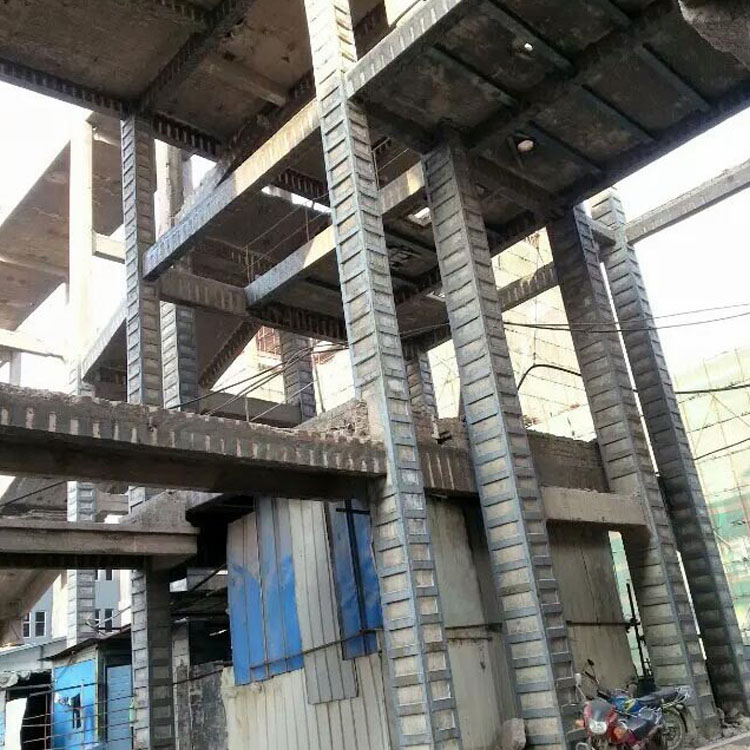
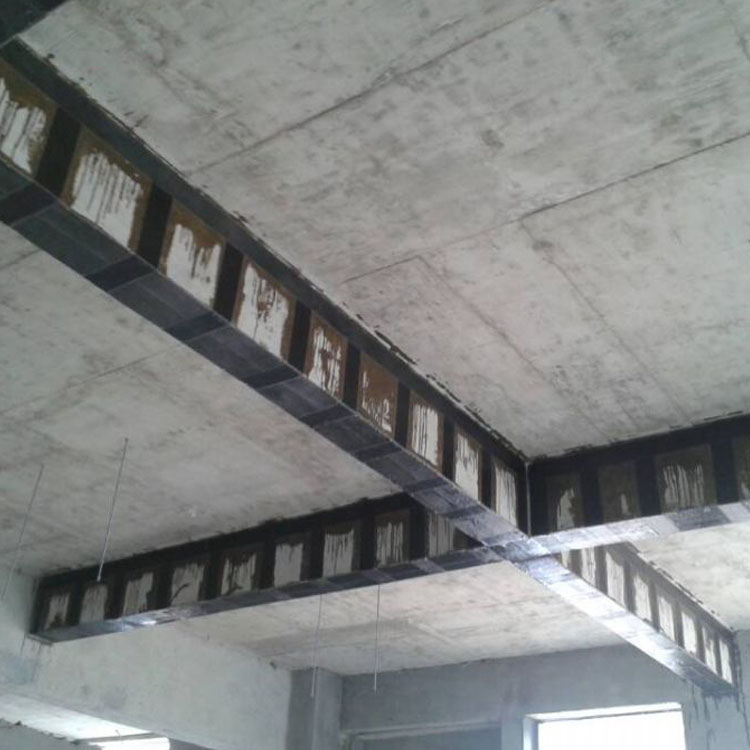
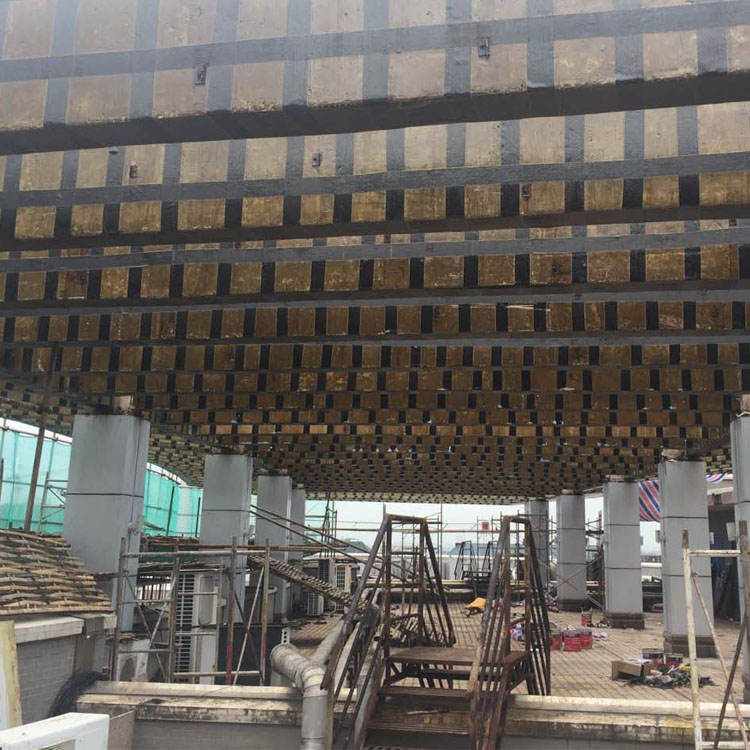





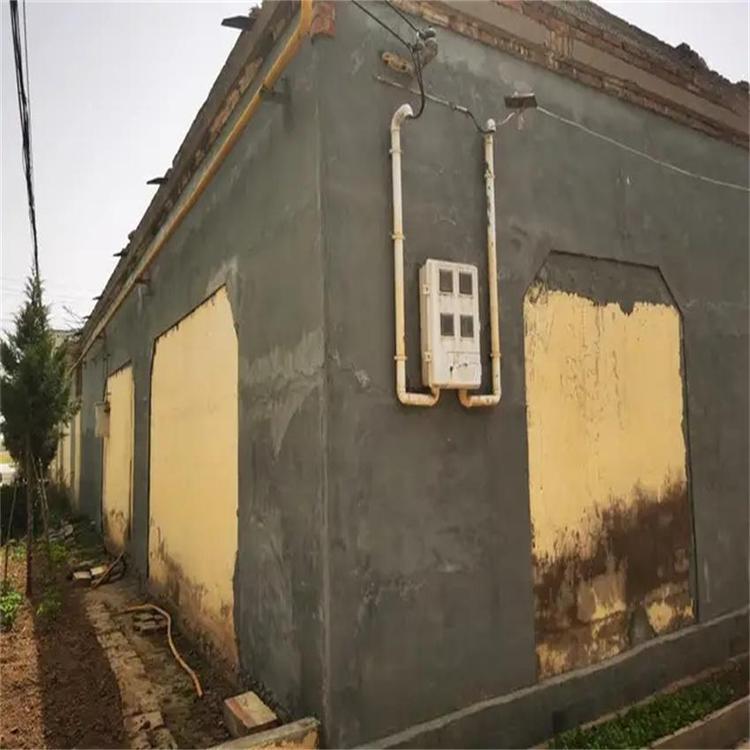
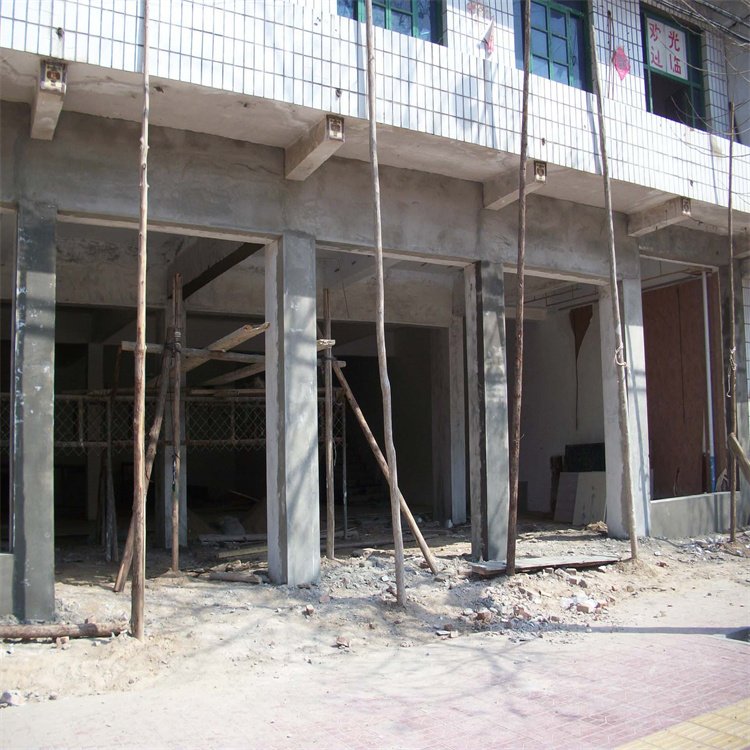
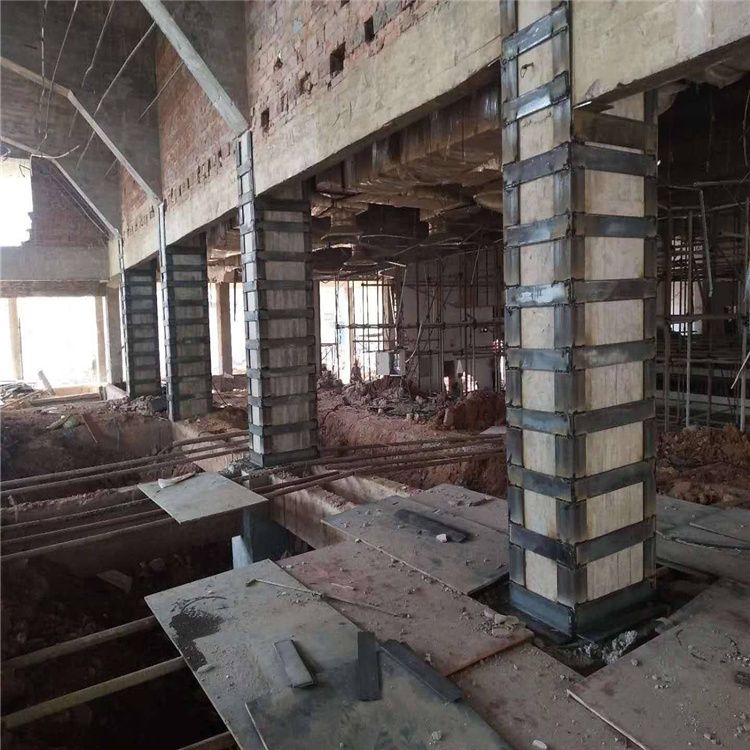
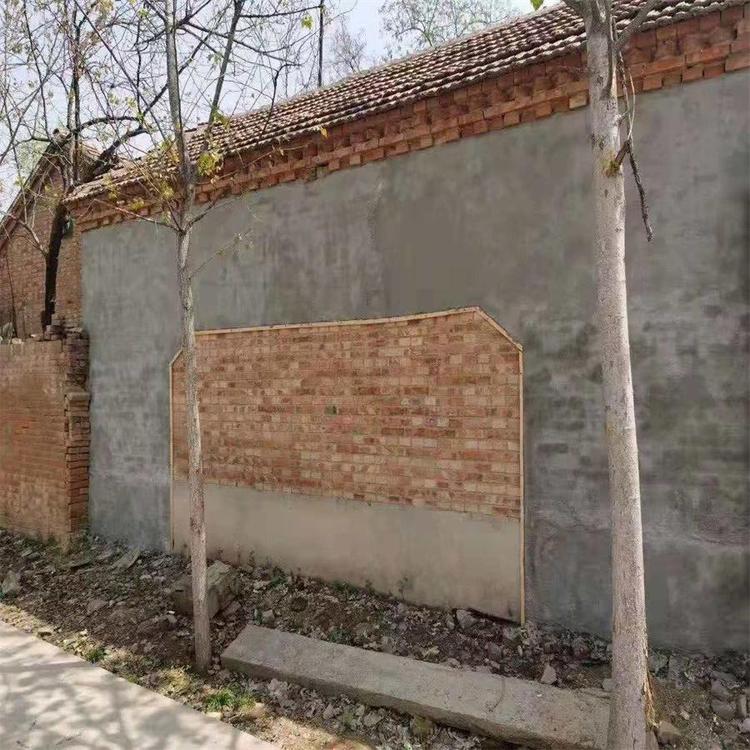
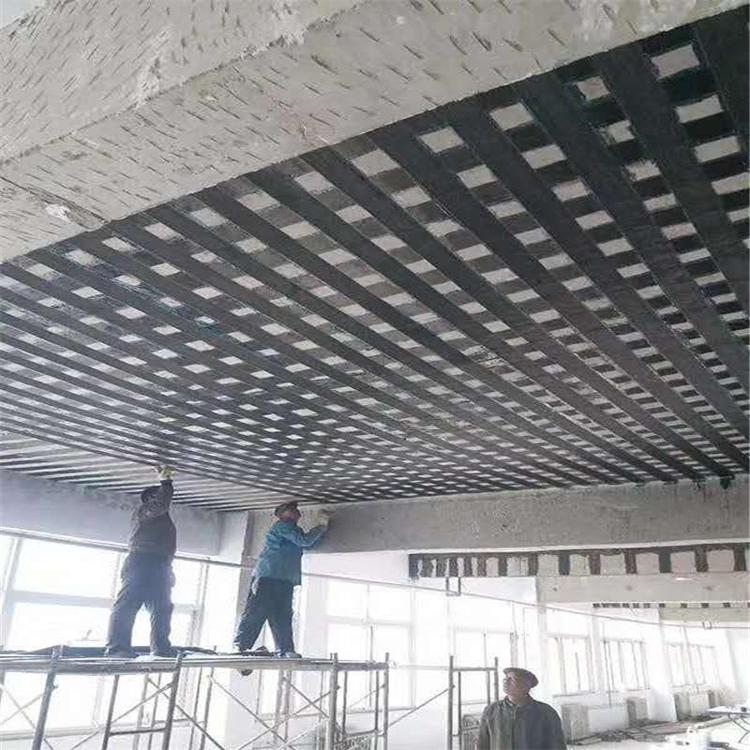
The steel bonding reinforcement method involves using structural adhesive to directly bond steel plates and sections to the surfaces requiring reinforcement in accordance with the design requirements for strengthening. This allows the bonded steel plates to work together with the existing structure, achieving the purpose of reinforcing and enhancing the original structure's strength and rigidity. It effectively improves the load-bearing capacity, enhances shear, vibration resistance, and stability, and improves the stress condition.
Adhesive Steel Reinforcement Application Range:
1. Suitable for general bending and tensile members subjected to static loads.
2. Limited to use in environments where the temperature does not exceed 5-60°C, the relative humidity is no more than 70%, and there is no chemical corrosion; otherwise, effective protective measures should be taken.
3. It is not advisable to use this method for reinforcement when the concrete strength grade of the component is below C15.
Key Points for Steel Adhesive Reinforcement Design:
Reinforced concrete flexural members are reinforced with steel plate bonding in areas where the member's load-bearing capacity is insufficient (tensile zone of the cross section, compressive zone of the cross section, or oblique section). This method improves the load-bearing capacity of the reinforced member and is convenient for construction.
Reinforced concrete beams reinforced with steel plate bonding have their positive section bearing capacity calculated according to the method for the positive section bearing capacity of reinforced concrete flexural members. When the shear bearing capacity of the component's diagonal section is insufficient, reinforcement can be achieved by bonding U-shaped stirrups or diagonal steel strips, which can be calculated using the formula for the diagonal section bearing capacity of reinforced concrete flexural members. The design of steel plate bonding for reinforced concrete flexural, compressive, and tensile members can follow the "Code for Design of Reinforcement of Concrete Structures" (GB 50367-2006) for positive and diagonal section reinforcement calculations, determining the steel plate thickness and arrangement.
When reinforcing the cross-section of reinforced concrete flexural members, the reinforcing steel plate, continuously bonded along the member's axial direction on the tensile face, should be extended to the edge of the support. Additionally, U-shaped steel ties (for beams) or transverse steel strips (for plates) should be anchored at the ends of the plate (including the cut-off section) and on both sides of the load concentration points.
Features of Steel Adhesive Reinforcement Technology:
1. Simple, quick installation without significantly increasing the cross-sectional dimensions and weight of the reinforced components.
2. Structural adhesive tightly bonds steel plates (shape steel) with concrete, integrating reinforcing elements with the reinforced components. The curing time for the structural adhesive is short, and it can be subjected to normal load and work immediately after full curing.
Steps for Steel Reinforcement:
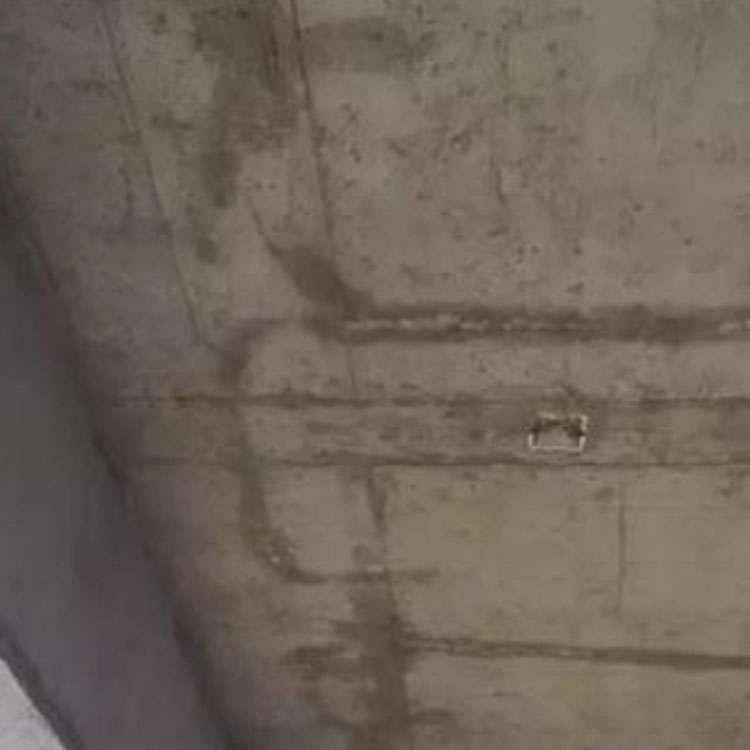
1. The concrete surface should have the decorative layer chiseled off, followed by removing grease and dirt. Then, use an angle grinder to grind off the top 1-2mm layer of the concrete surface. After grinding, clean the floating dust with compressed air. Finally, wipe the exterior clean with a cotton cloth and keep it dry for storage. For larger凹坑, use steel adhesive to reinforce and patch the surface flat.
2. The steel plate surface should be degreased, then roughened with an angle grinder until it shows a metallic luster. Finally, wipe the surface clean with a dry cotton cloth and keep it dry for storage.
3. Main equipment used: angle grinders, diamond grinding wheels, sanding disks, air compressors, cotton fabric, dust masks. Preparations for pressure fixation and unloading systems.
4. Live loads such as personnel and work equipment should be temporarily removed from the components, and efforts should be made to minimize temporary construction loads.
5. It is advisable to use a system consisting of a jack, a pad plate, and a lifting rod for pressure fixation. This system not only secures the steel plate but also removes some of the constant loads carried by the components, reducing stress lag and facilitating the coordinated load-bearing between the bonded steel plate and the original components, providing excellent reinforcement effects.
6. The pressure-retaining system can also be constructed using bolts, angle irons, and washers. This system allows for temporary fixation of expansion bolts and angle irons at suitable locations on the reinforced components, facilitating the use of pressure-plate steel.
7. Drilling holes in the steel plate is also an option. Secure the bolt with an adhesive anchor, and after tightening the nut, a composite anchoring force will be exerted on the steel plate, which is suitable for affixing to the adjacent steel plate.
Our company's principles are: "Honesty and Trust, Service First, Mutual Benefits, and Joint Development." We look forward to joining hands with you for growth and creating brilliance together! Warmly welcome both new and old customers! Sincerely hope to cooperate sincerely with friends from all walks of life, creating a beautiful future together!
WeChat Official Account

Scan to follow Official Account