
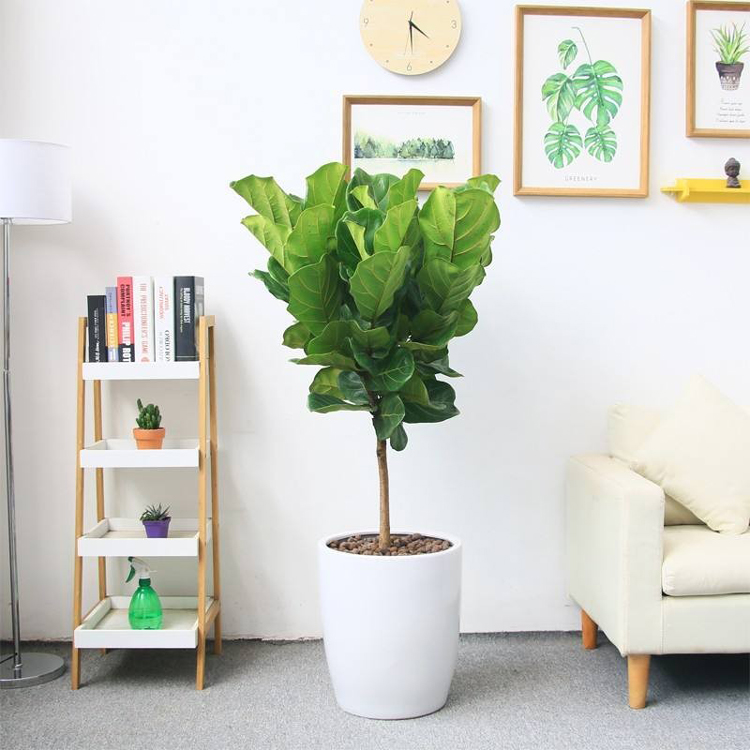

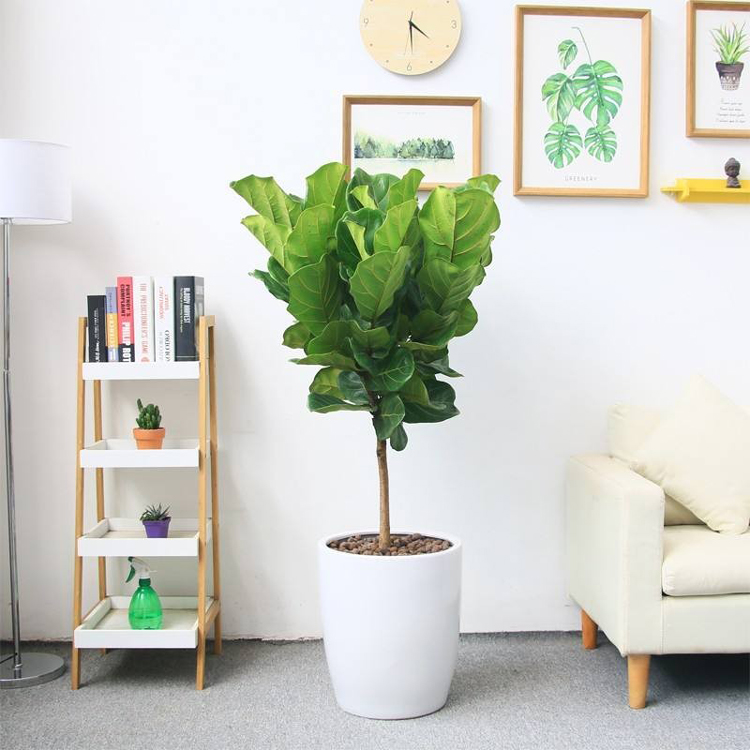
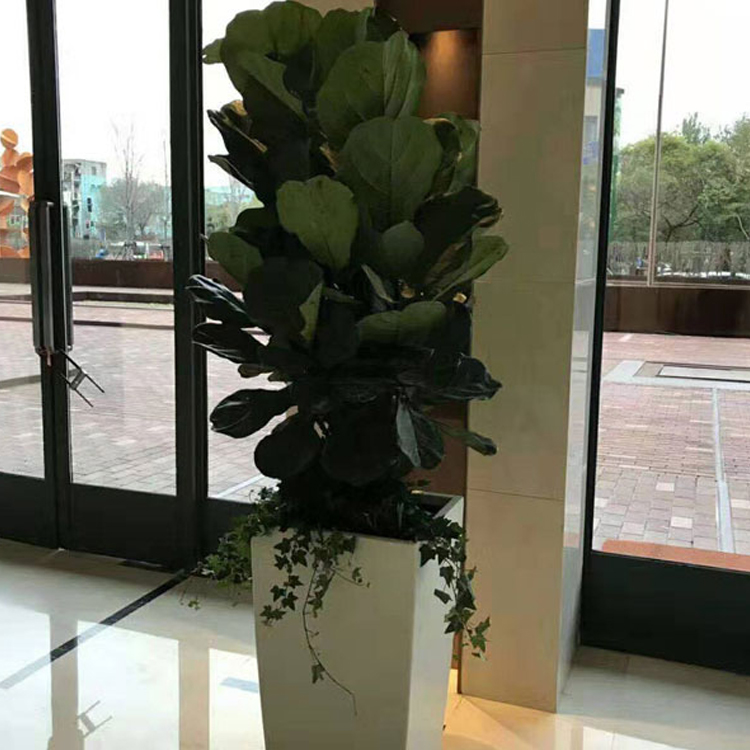
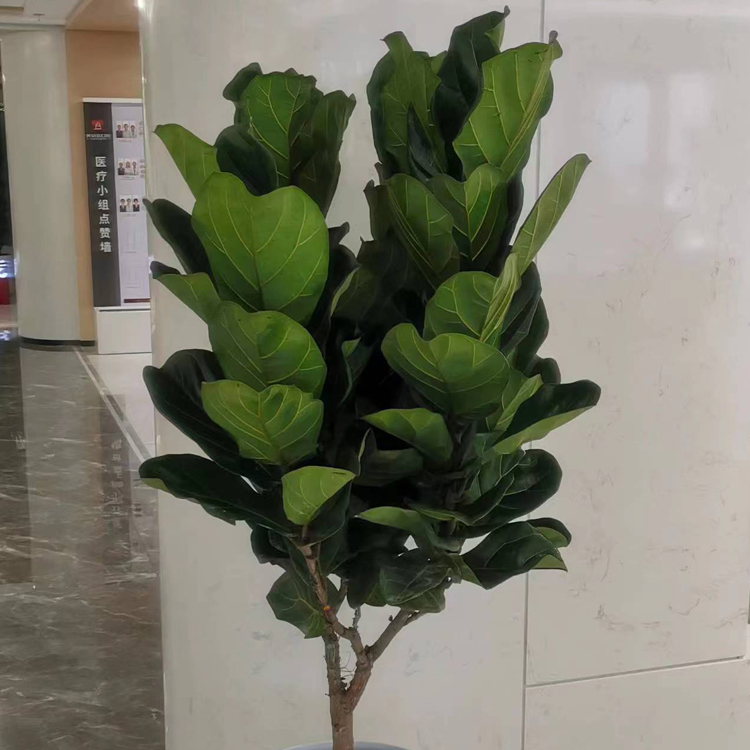











Alias:Fiddle Leaf Fig
Distribution Area:China, Vietnam
Growth Environment:Thrives in warm, moist, and sunny environments, optimal growth temperature ranges from 25℃ to 35℃.
Breeding Method:Stolons propagation, cutting propagation
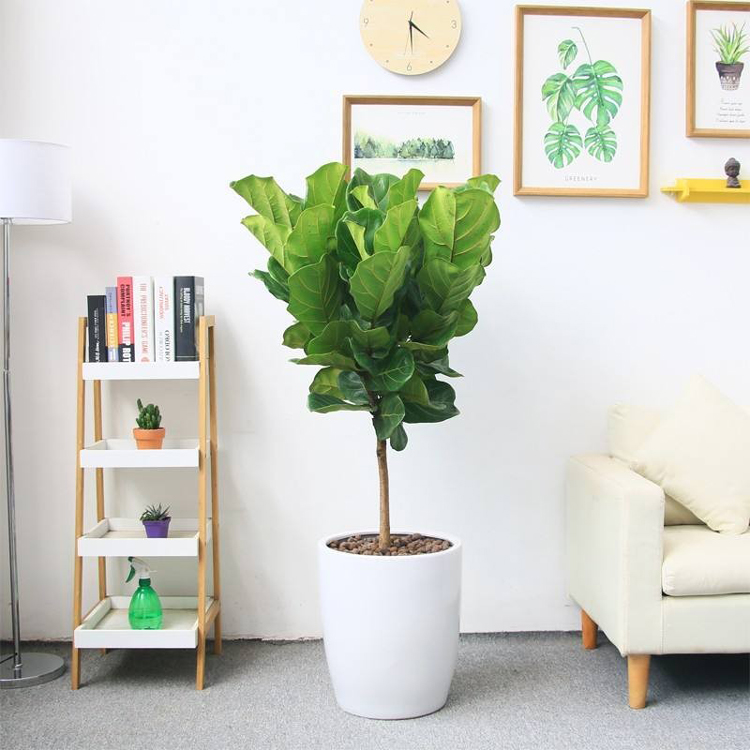
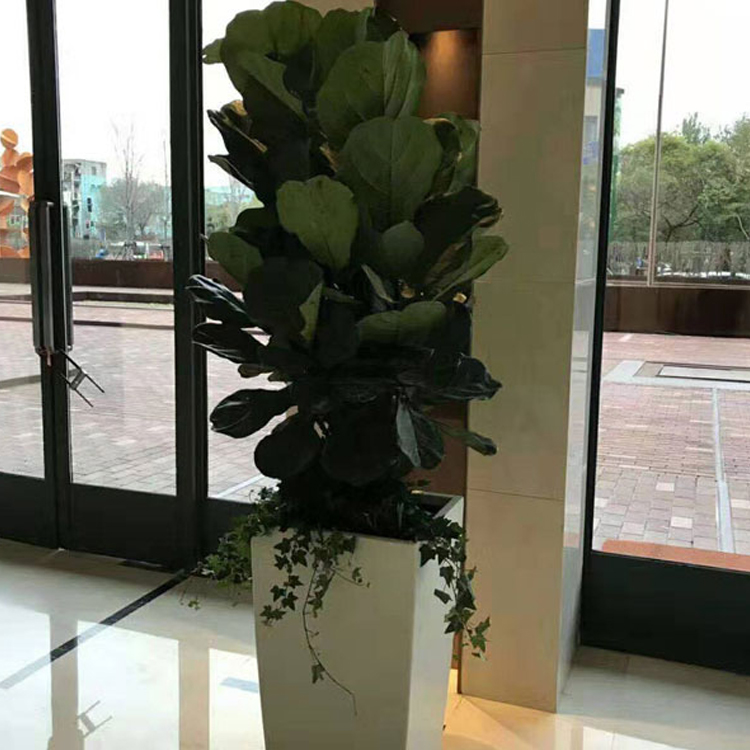
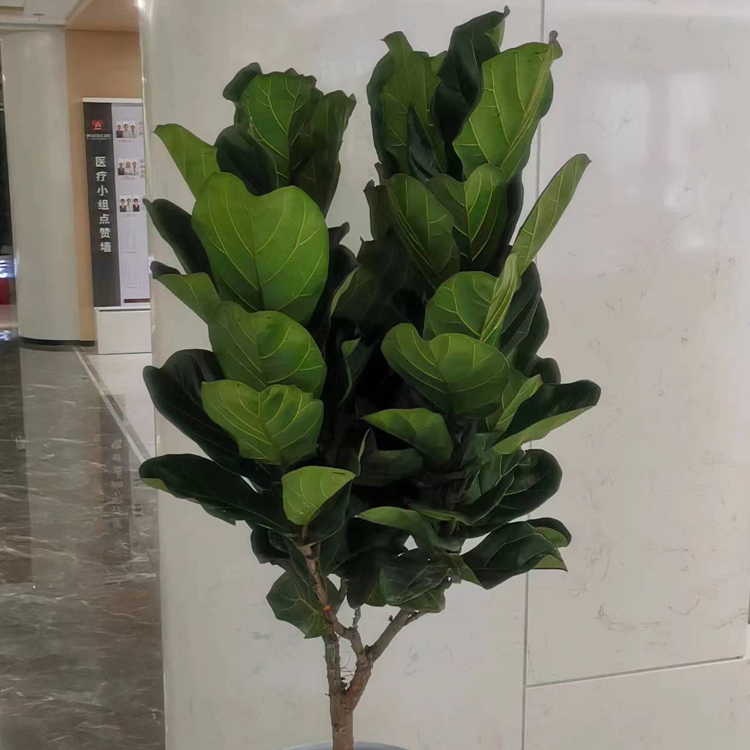
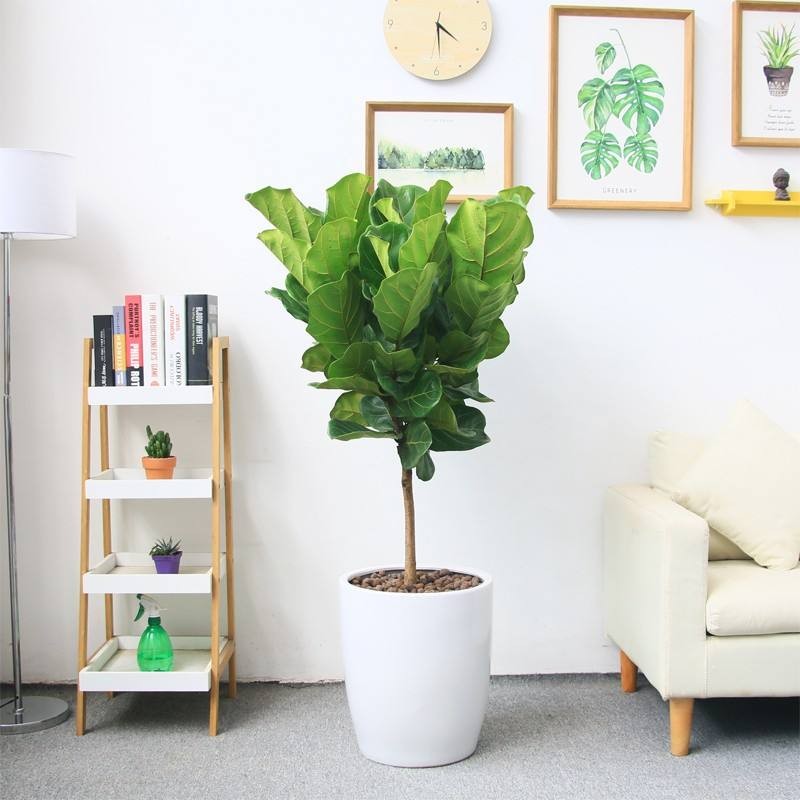
Ficus lyrata belongs to the Moraceae family, growing in mountainous areas, open fields, or under shrubbery. Its leaves are papery, violin-shaped or inversely ovate, hairless on the surface, with sparse hairs and small tubercles on the veins on the underside. The stipules are lanceolate. The figs are solitary in the leaf axils, bright red, with ovate bracts at the base. The male flowers have stems, with linear sepals. The ovary is nearly spherical, with a lateral style and a funnelform stigma.
Banyan tree care tips
1. Temperature and lighting
Banyan trees thrive in warm and humid conditions with ample sunlight, exhibit strong adaptability, and have a certain tolerance to shade. They can grow well in semi-shady or diffused light conditions as well.
Indoor care: Provide ample sunlight to promote robust growth. Outdoor care: In summer, it's advisable to shade appropriately to avoid direct intense sunlight, as this can cause leaf discoloration or burns. In winter, you can increase light exposure slightly.
Banyan leaves are adaptable to temperature, with an optimal growth range of 25°C to 35°C. They enter a state of dormancy below 15°C and can survive winter safely at 5°C.
2. Soil and Moisture
Banyan leaves thrive in well-draining, slightly acidic soil with good aeration. Potting soil can be made by mixing peat moss, leaf mold, and coarse sand, along with a small amount of decomposed base fertilizer.
Banyan leaves are leathery, with moderate requirements for air humidity. They have a wide range of soil humidity needs, prefer a moist environment, and watering should be done when the soil feels dry and then moist. Especially during spring and summer, they require more water and nutrients, so the soil should remain moist and watered thoroughly. Apply a complete fertilizer every one to two weeks. During the cold winter months, the plant enters a dormant state, reducing the frequency of watering and ceasing fertilization.
3.整形 and Pruning
Ficus lyrata stems are upright and rarely branch out. If planted individually, topping should be done at a certain height to encourage branching. For a fuller plant shape, multiple plants can be planted in one pot to enhance the ornamental effect.
The Ficus lyrata has a deep root system, so it's best to plant it in a pot with a larger capacity to promote growth. Additionally, due to its large size, the Ficus lyrata requires a pot that prevents top-heavy and ensures stability.
Breeding
Banyan leaves are primarily propagated through cuttings and layering methods. Large-scale production utilizes tissue culture techniques, which yield a high propagation coefficient and ensure the quality of the seedlings, characterized by strong resistance and rapid growth.
The family cultivation generally uses cutting propagation. Select branches that are 1 to 2 years old, cut into 8 to 10 cm long, 3 to 4 node stems. Leave only the top leaves on the cutting to reduce water evaporation. Dip the cuttings into water or coat them with some herbal ash to prevent sap from flowing out.
Insert the processed branches into river sand or vermiculite, maintaining a temperature of 25∽30℃ and an air humidity of 50%∽60%. Roots should develop within 20 to 30 days.
Flashing propagation can be done by stripping the semi-woody stems, wrapping the wound with moist sphagnum moss, and covering it with plastic film. New roots will grow within 30 to 40 days, after which the stems can be cut and planted.
5. Pests and Diseases
Common diseases of Ficus lyrata include scab and blight, etc. Plants affected by the disease should be moved to a location with ample sunlight and good ventilation promptly. Avoid sprinkling water on the top, prune the affected leaves, and spray with a disinfectant for protection.
Common pests include scale insects and red spiders, which can be controlled with treatments like scale insecticide and abamectin. Pest and disease issues can lead to yellowing and withering of leaves. In daily maintenance, pay attention to the cleanliness of the leaves and potting soil.