



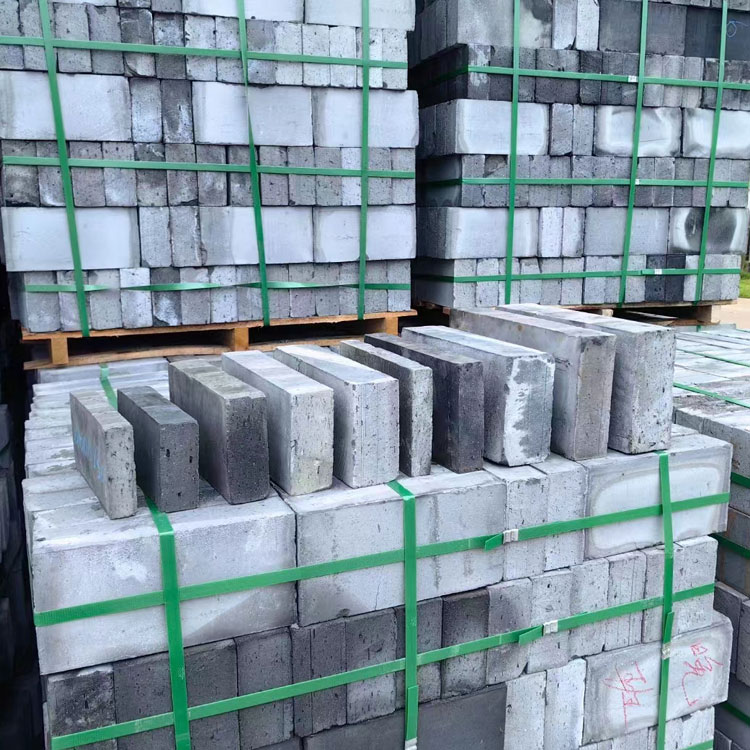







Which is better, light brick or red brick?
1. Lightweight bricks
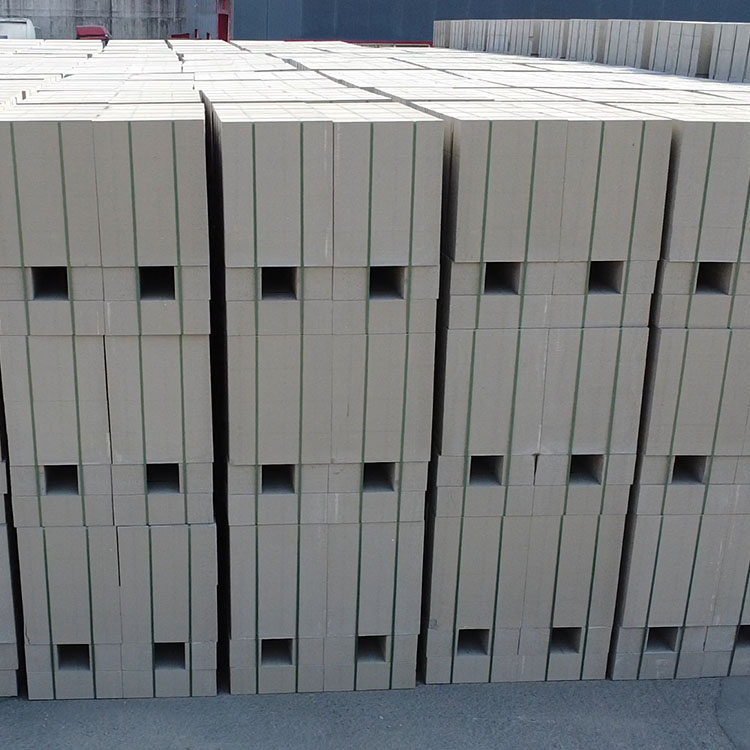
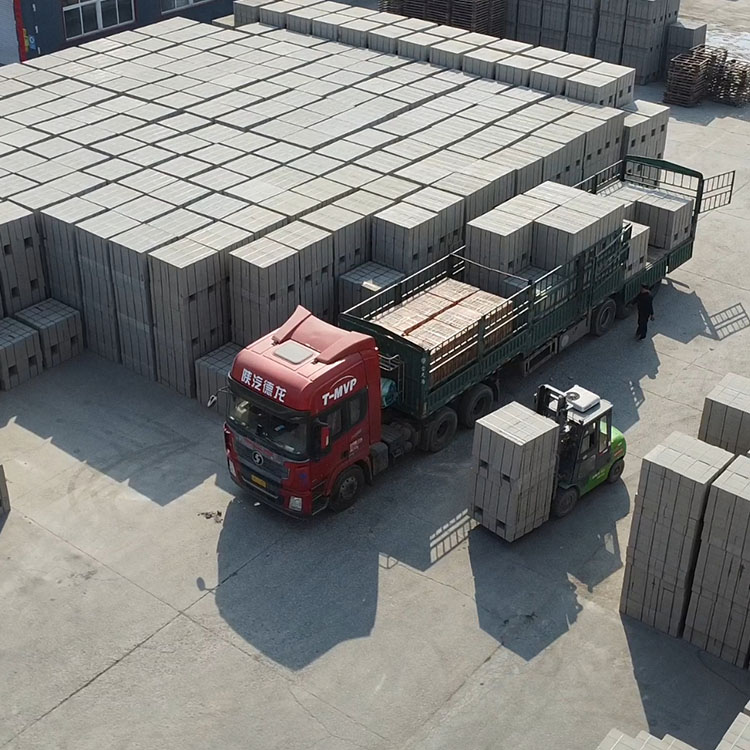
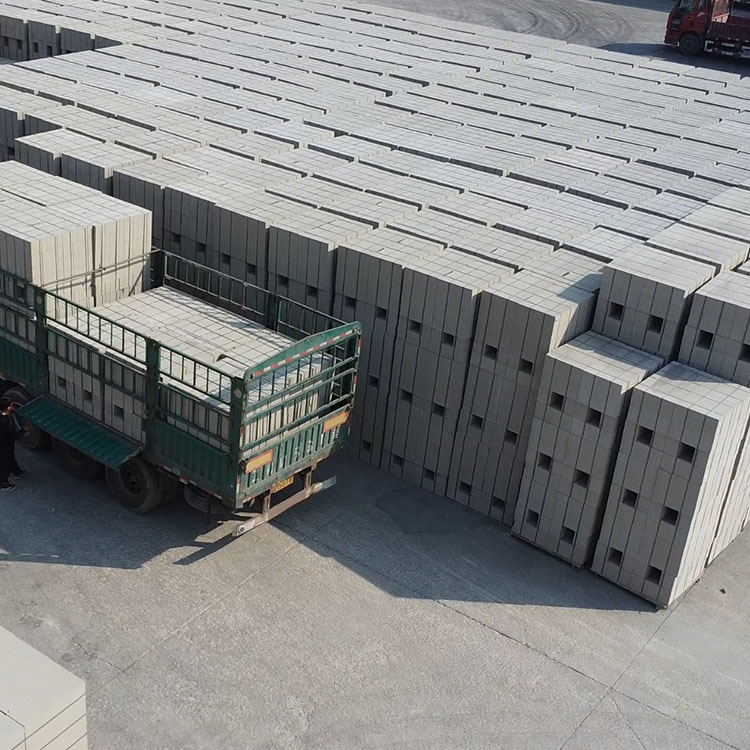
Lightweight bricks, as the name implies, are definitely light in weight. Don't underestimate their lightness, though; they are actually harder than red bricks. Moreover, they are very cost-effective, with low market prices. These bricks also have excellent fire resistance, sound insulation, and waterproofing capabilities. However, there are still relatively few manufacturers producing this type of brick. The technology is still limited to a few factories, and producing qualified products requires substantial technical support.
2. Red bricks
Red bricks are made from raw materials such as clay, shale, and coal gangue, which are crushed, mixed, and kneaded before being formed by hand or mechanical pressing. After drying, they are fired at temperatures around 900 degrees Celsius using an oxidizing flame to create烧结型建筑砖块. The production process for red bricks is relatively simple, can be mechanized, and is widely used. As solid bricks, red bricks are waterproof and resistant to moisture, and have good insulation properties. Traditional buildings are typically brick-and-mortar structures, so red bricks have been predominantly used. However, for modern high-rise frame structures, they do have particularly noticeable drawbacks.
Modern rural houses are typically frame structures rather than the older brick-and-concrete type. Red bricks are heavy, which poses a burden on high-rise frame structures. Moreover, producing red bricks destroys a lot of arable land and consumes coal, resulting in large pits and artificial deserts around brick factories. Excessive use of red bricks leads to the wastage of land resources.













