



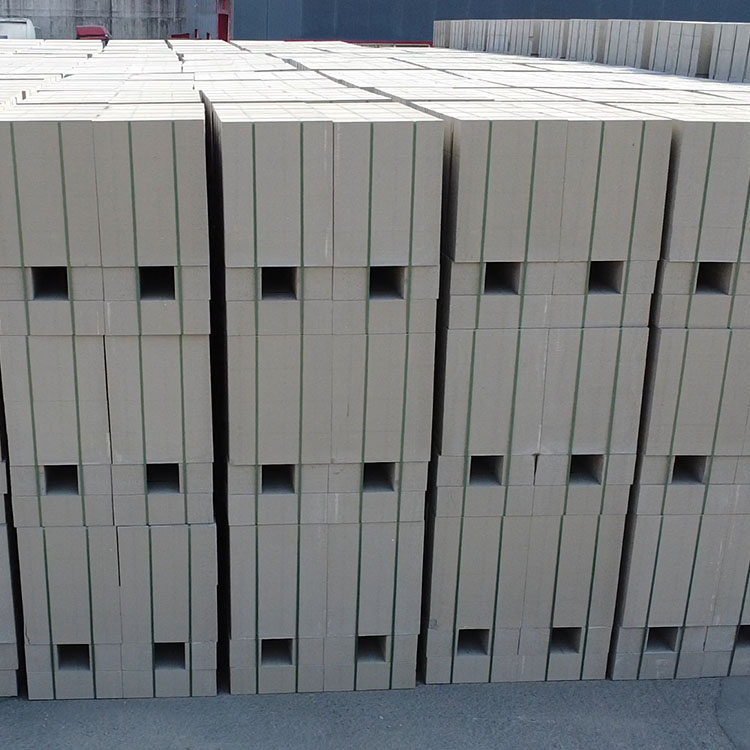
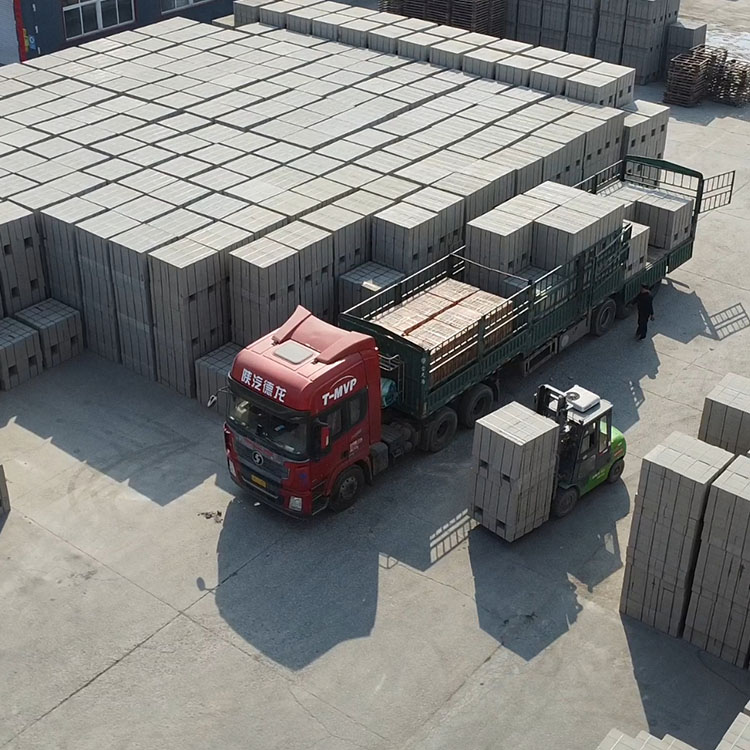
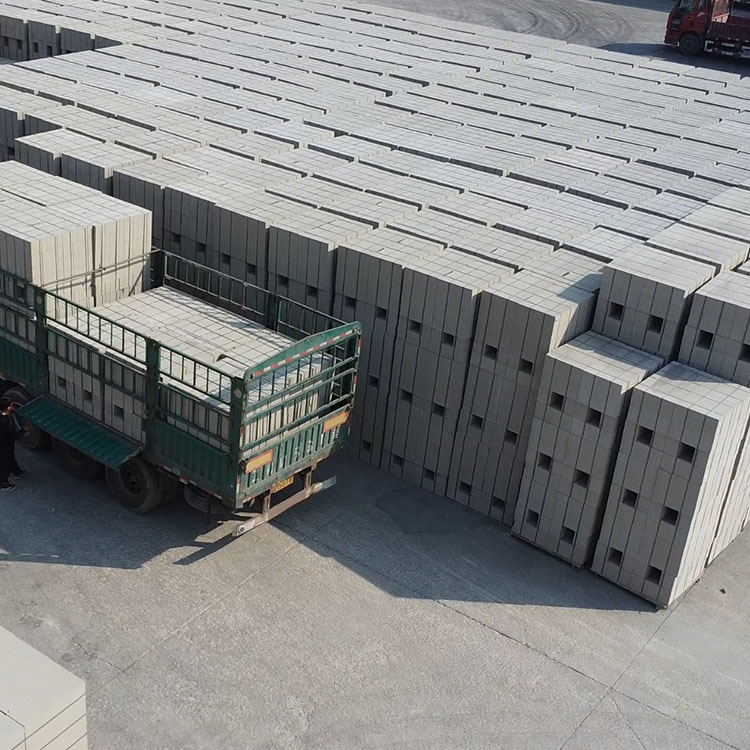
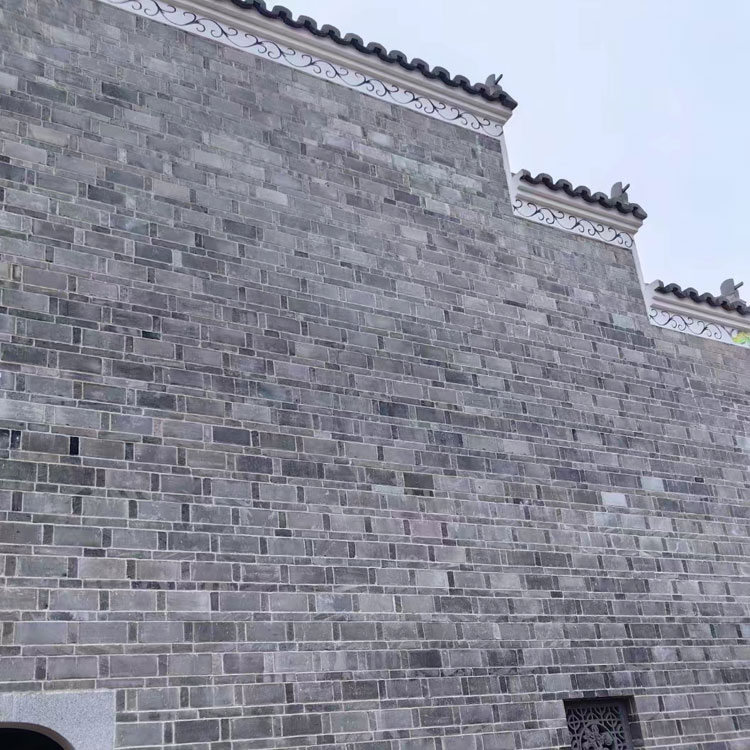









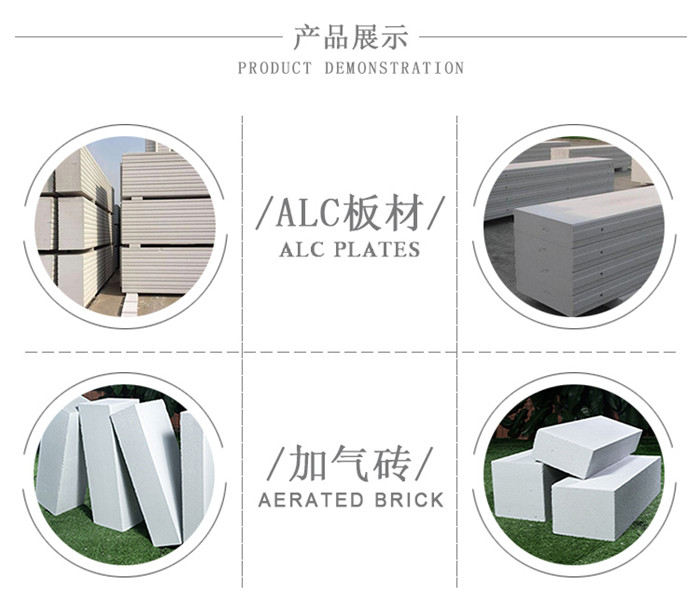


Autoclaved aerated concrete panels are divided into exterior wall panels, partition panels, and roof panels according to their applications.
Expanded polystyrene exterior panels have a low thermal conductivity, excellent insulation properties, and good fire and seismic resistance. They not only feature a low apparent density but also possess abundant strength (reinforcement within the panels) and excellent workability (nailing, sawing, and bonding). As a frame structure, exterior walls are widely used in high-rise buildings.
2. Lightweight aerated concrete partition boards are widely used in non-load-bearing partitions due to their advantages such as light weight, heat insulation, noise reduction, high strength, and good processing properties. Their distinctive feature is that they can be manually installed without hoisting during construction, offering flexible layout options. Thanks to the larger size of the sheets, the construction process is faster compared to other masonry walls, with reduced labor intensity, smooth walls, and a shorter construction period.
3. Aerated concrete roof panels offer excellent load-bearing and thermal insulation properties. They are lightweight (1/3 the weight of ordinary reinforced concrete prestressed round hole panels); good heat insulation and fire resistance; due to their light weight, up to 5-6 small panels can be hoisted during construction, and waterproof materials like asphalt felt can be directly laid on the roof panels, largely eliminating wet work on the roof, accelerating construction progress, and shortening the construction period. Autoclaved aerated concrete panels are characterized by their light weight, low thermal conductivity, excellent fire resistance, and dual functions of heat insulation and load-bearing. They are a widely used roofing material with great application prospects in our country.













