



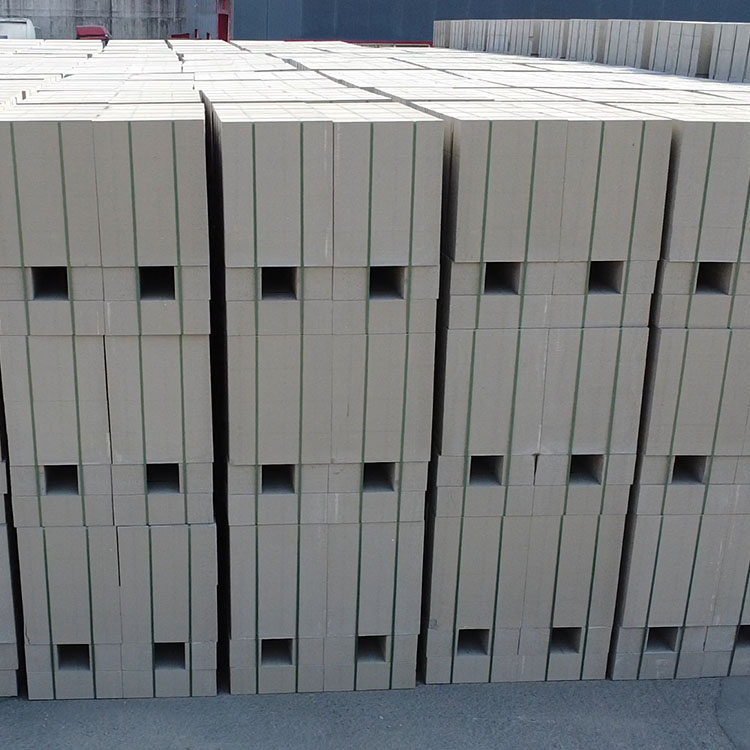
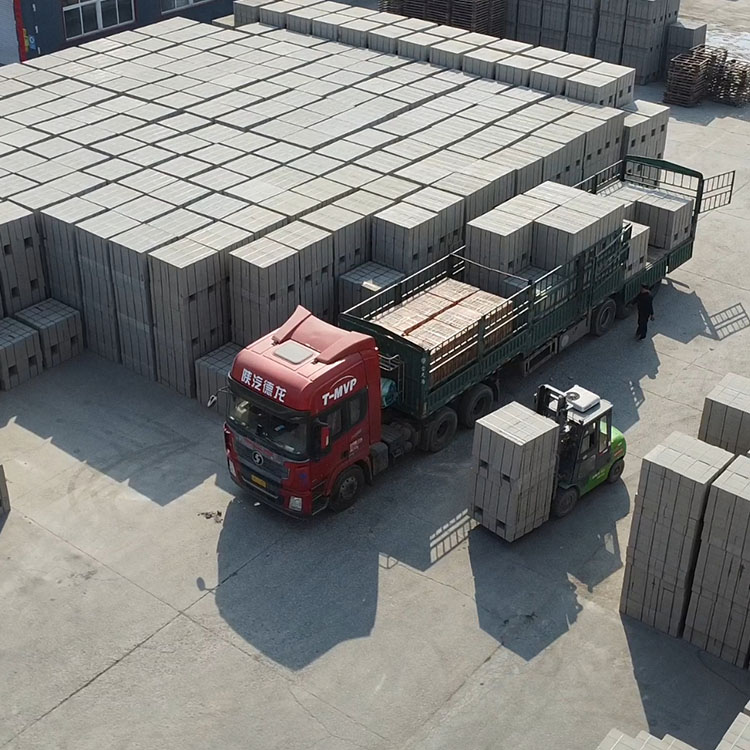
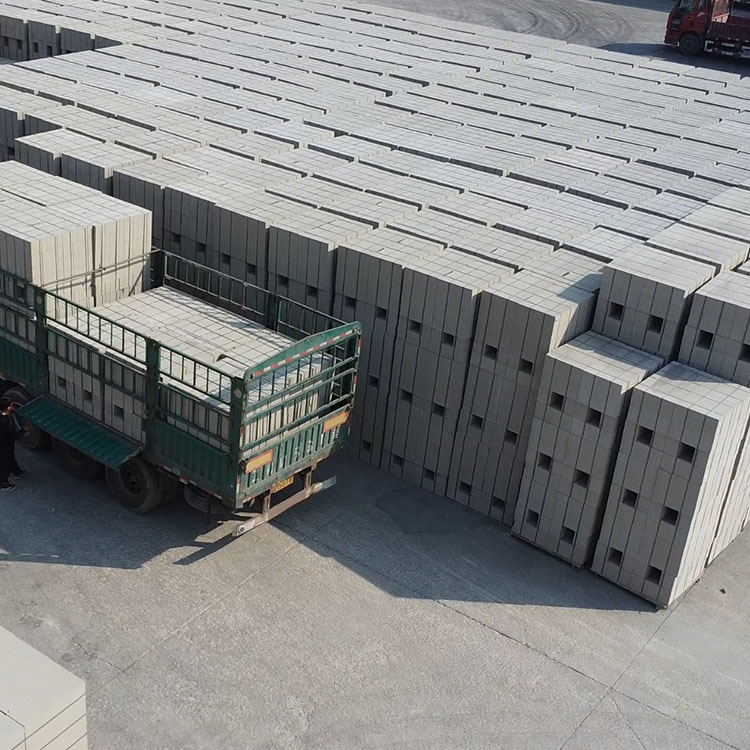
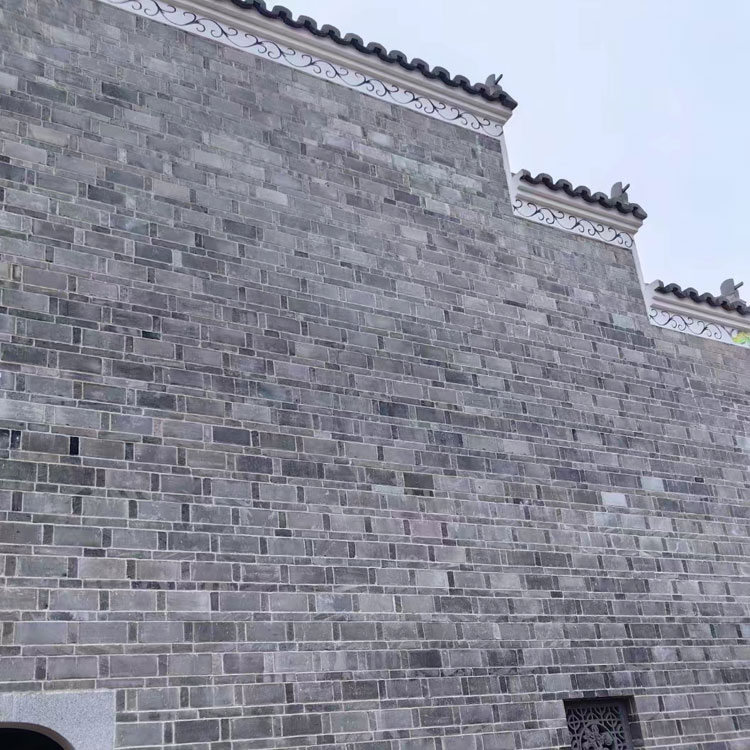
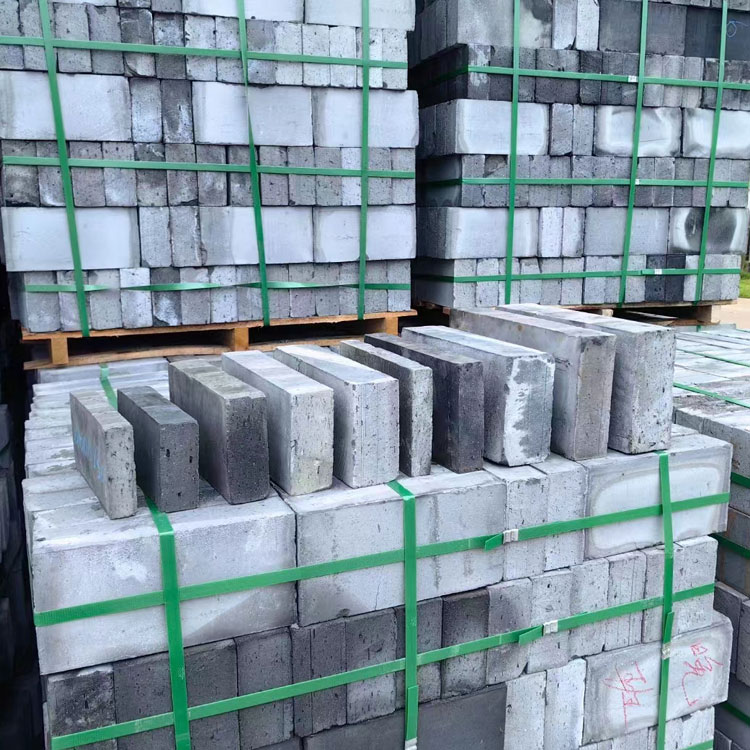







What are the advantages and disadvantages of aerated bricks?
Advantages:
1. Lightweight aerated concrete blocks, commonly used in construction, typically have a density of 400-800 kg/m³, which is only 1/4 to 1/3 that of clay bricks or sand-lime bricks, and 1/5 of ordinary concrete. They are one of the lighter types of concrete.
2. The thermal conductivity of good thermal insulation aerated concrete blocks is generally 0.11-0.18 W/m·K, which is only 1/4 to 1/5 of clay bricks and fly ash bricks, and 1/6 of ordinary concrete. Its insulating performance is significantly superior to clay brick walls.
What are the advantages and disadvantages of aerated bricks?
3. The seismic-resistant autoclaved aerated concrete blocks are lightweight, with excellent overall performance. They can undergo certain deformation when compressed, thereby protecting the integrity from being destroyed. Due to their low inertial force, they possess strong seismic resistance.
4. Eco-friendly aerated concrete blocks utilize a significant amount of factory waste, transforming waste into treasure and reducing the occupation of arable land, effectively protecting it. They have relatively low pollution during the manufacturing, transportation, and use processes, making them green and environmentally friendly building materials.













