



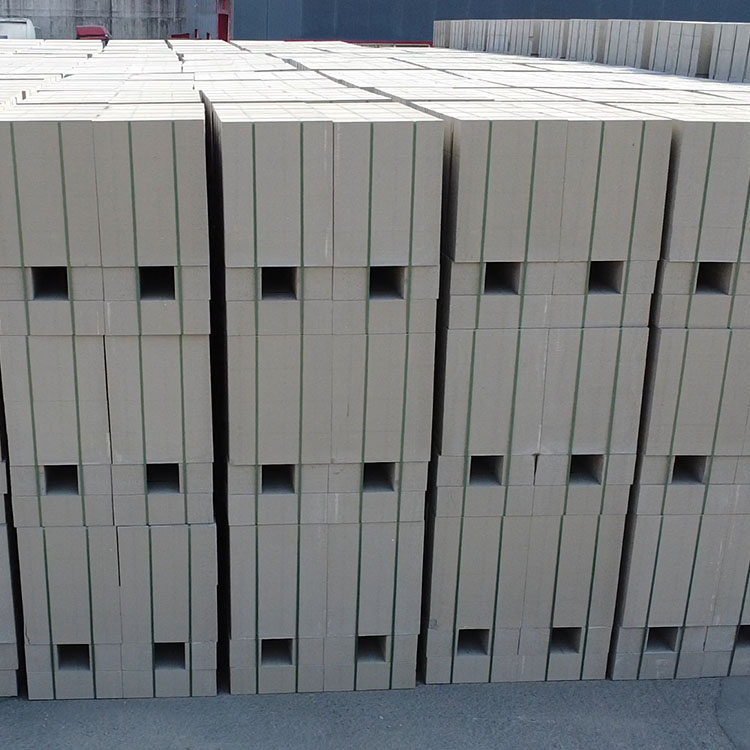
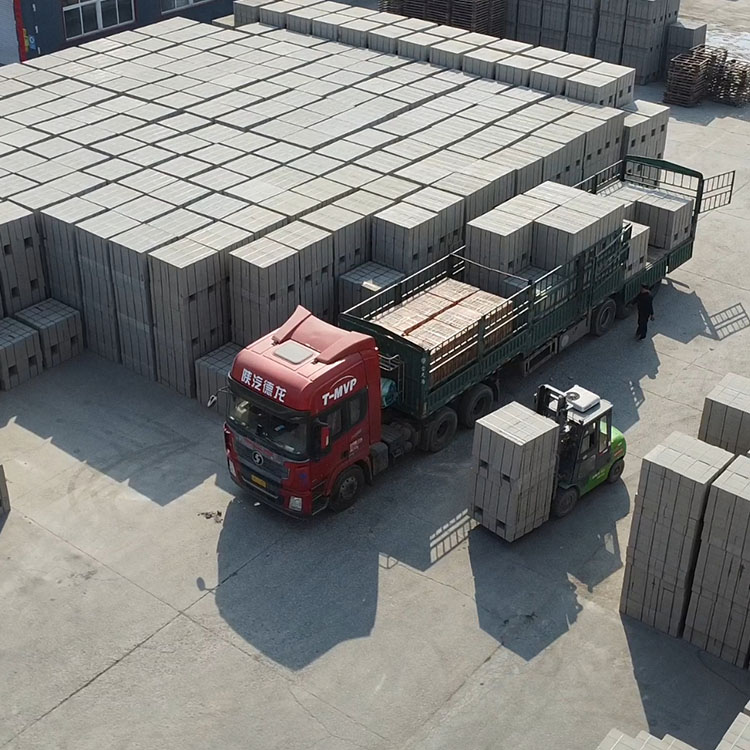
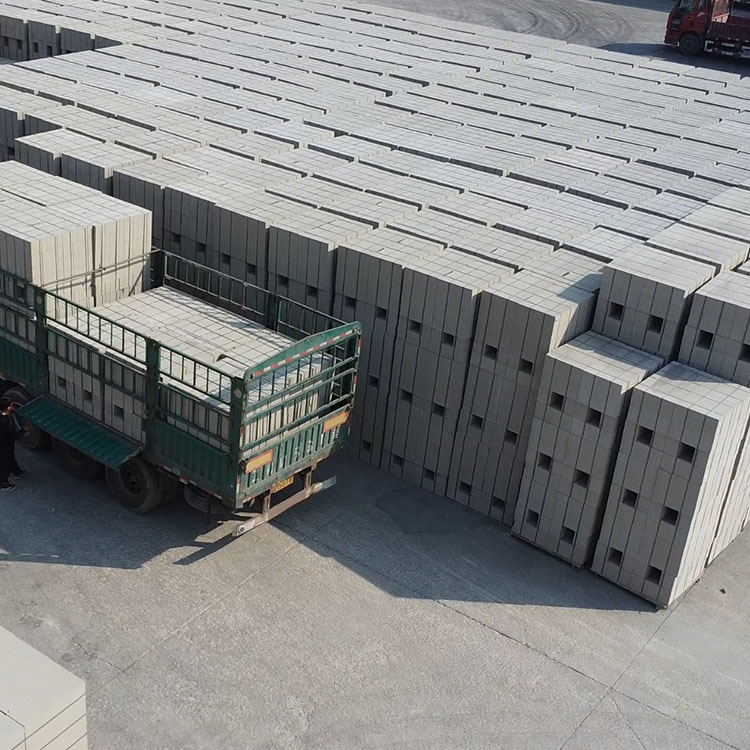
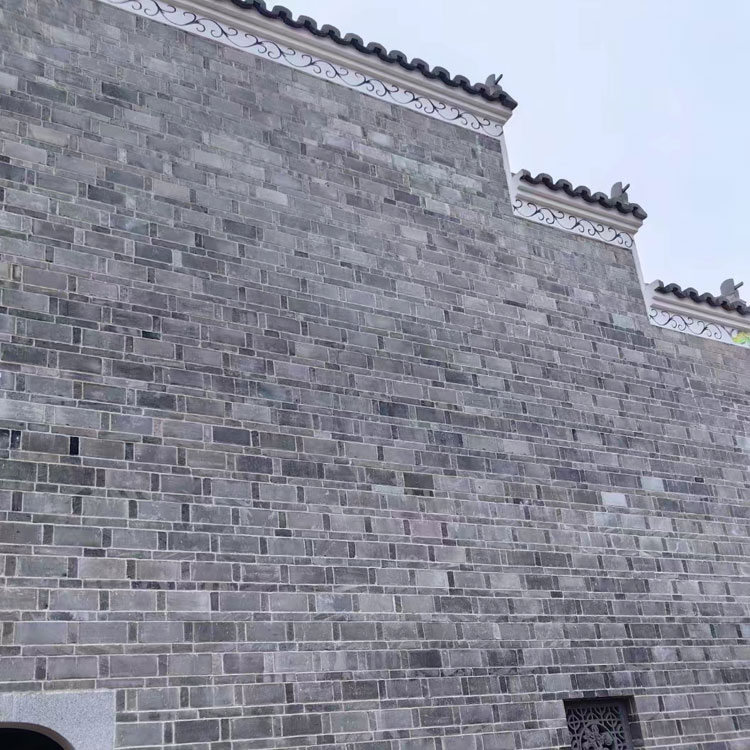
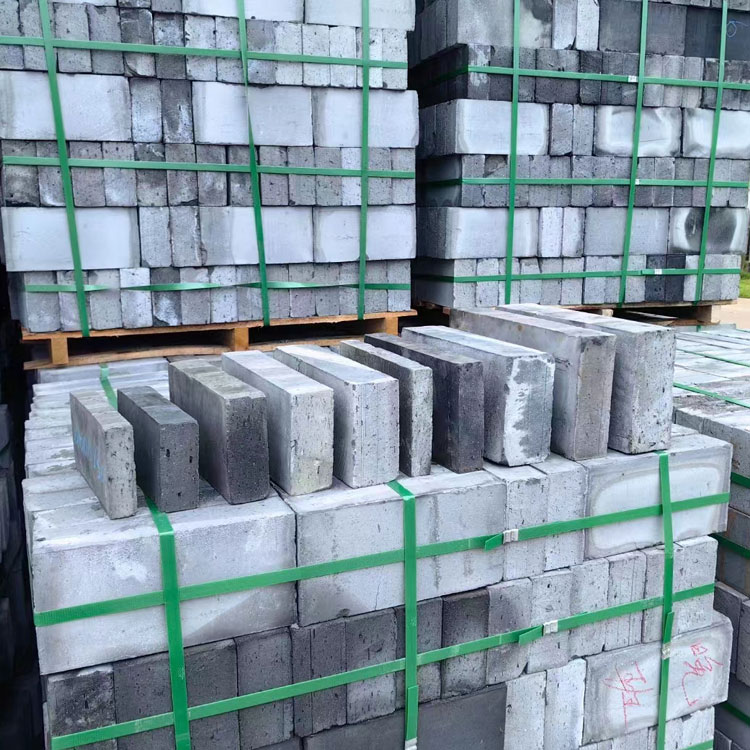








An innovative material known as autoclaved aerated concrete (AAC) board, primarily composed of fly ash, lime, and cement. It is also referred to as AAC and is a material that requires numerous layers of technology during production to create a versatile product that can serve as both a walling material and a roof deck.
ALC panels can serve as both wall materials and roof panels, representing a new type of building material with superior performance. ALC first appeared in Europe and has over 40 years of production and application history in regions like Japan and Europe. Currently, domestic manufacturers primarily import production technology and equipment from Japan and Germany. Properties of ALC panels:
Sound Insulation: The material is a porous one composed of a large number of uniformly distributed, non-interconnected tiny air pores, offering excellent soundproofing properties.
Fire resistance: ALC boards are non-combustible inorganic materials with excellent fire resistance. As wall panels, the fire resistance limit of a 100mm thick board is 3.23 hours.
Durability: ALC is an inorganic silicate material that does not age, offering excellent durability.
Water resistance: Excellent water resistance, 5 times better than standard bricks.
1. Practical advantages of ALC panels: 1. For instance, ALC panels are lightweight yet strong with low density. 2. The internal structure of ALC panels is stable, resistant to weathering, and has excellent resistance to acids and alkalis. They are also aging-resistant with a long service life. 3. Good thermal insulation, three times better than clay and ten times better than concrete, with excellent fire resistance. 4. ALC materials are environmentally friendly, free of formaldehyde and other harmful substances, suitable for residential building interiors. 5. Short construction period.













