



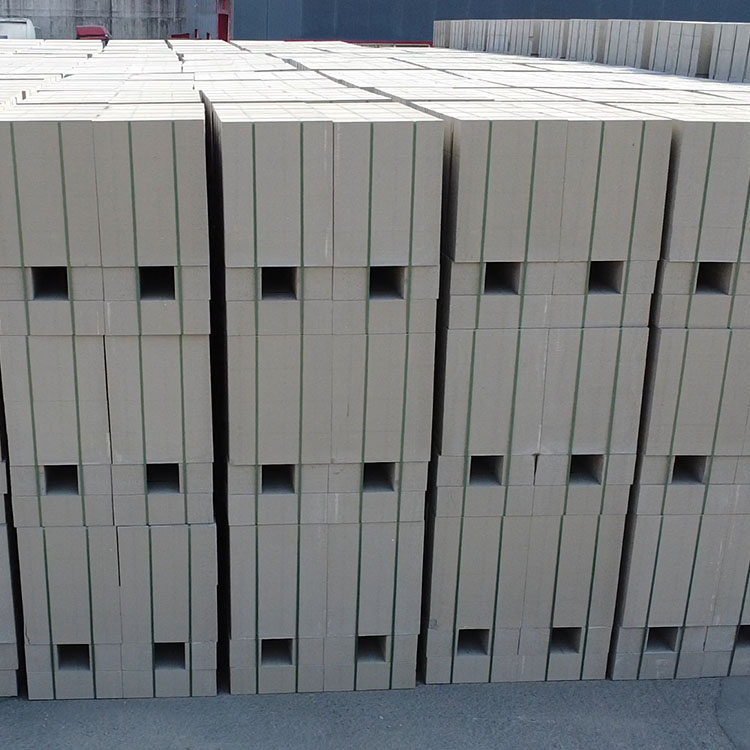
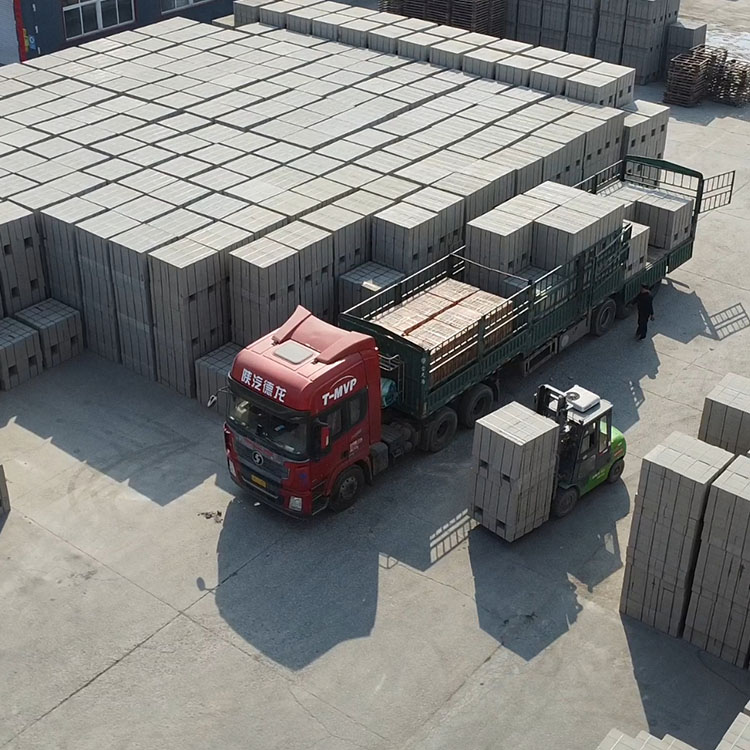
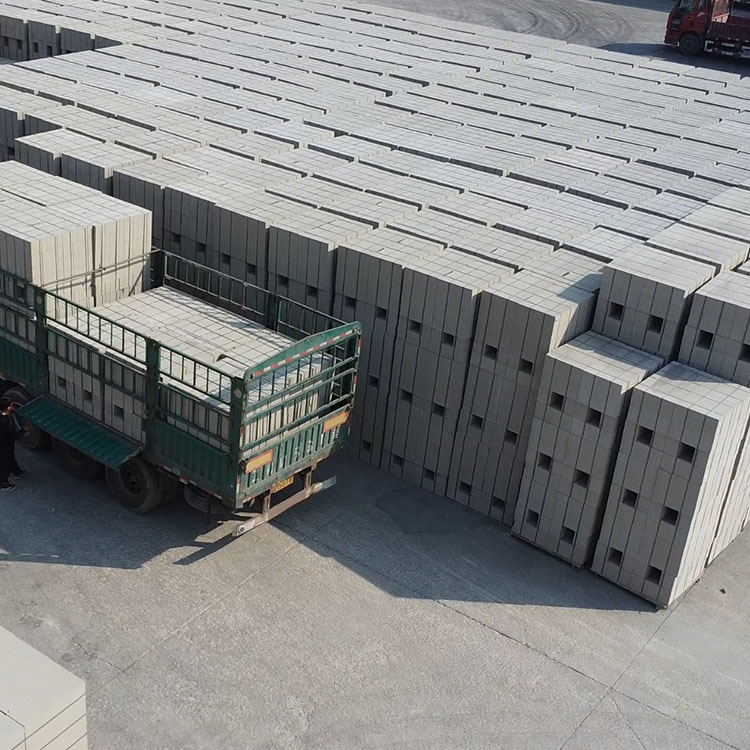
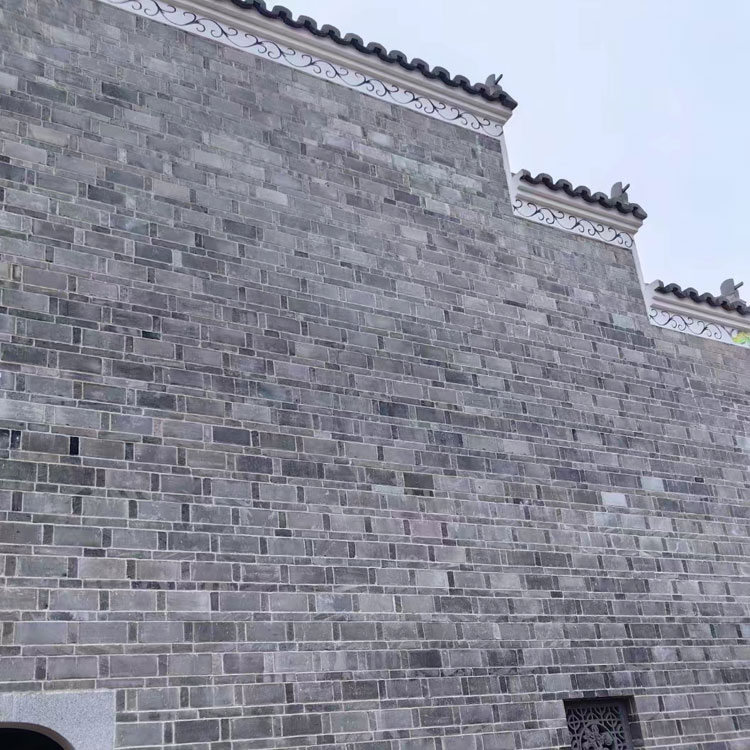
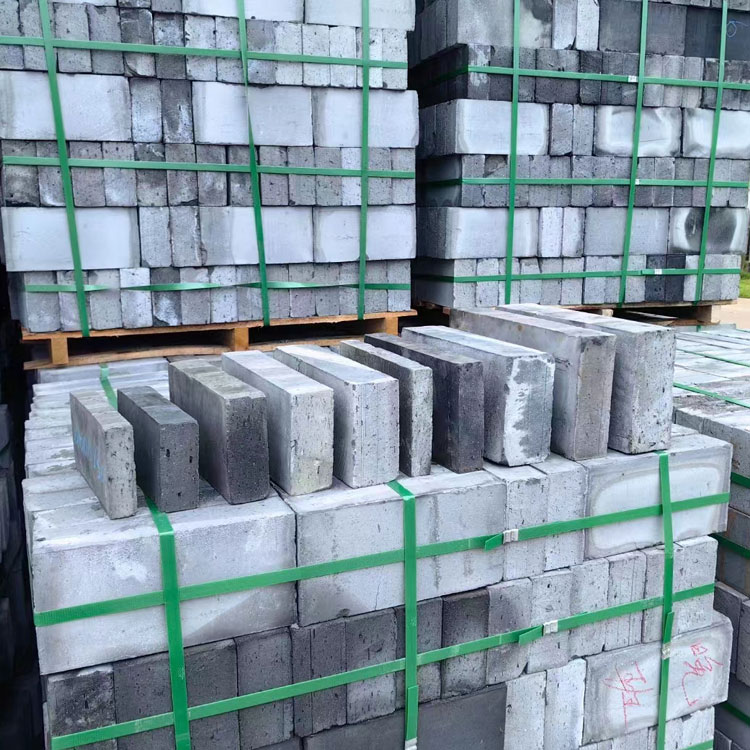








1. Lightweight bricks offer excellent workability, making construction easy and straightforward. Their large size and light weight significantly reduce labor intensity, thereby enhancing construction efficiency and shortening the construction timeline.
2. The refractory material can withstand up to 700 degrees Celsius, classifying it as a non-combustible refractory. A 100mm thick wall has a refractory duration of 225 minutes, while a 200mm thick wall can endure 480 minutes of refractory performance.
3. Featuring a porous structure, it offers excellent sound absorption and insulation properties, with a 10mm thick wall achieving 41 decibels.
4. Due to the micro-porous structure within the material, it significantly enhances both thermal insulation and heat preservation. The thermal conductivity is 0.11-0.16 W/MK, which is 1/4 to 1/5 of clay bricks.
5. Due to the material's composition of many independent small pores, its moisture absorption and transfer is relatively slow. In the same volume, the time required to absorb water to saturation is five times that of clay bricks.
6. The same building structure achieves two more seismic rating levels than clay bricks.
7. The manufacturing, transportation, and usage processes are pollution-free, capable of protecting arable land and conserving energy, making it a green and environmentally friendly building material.













