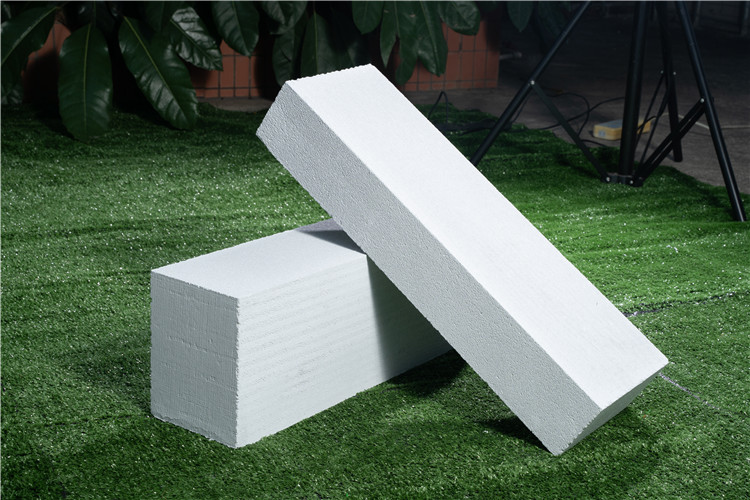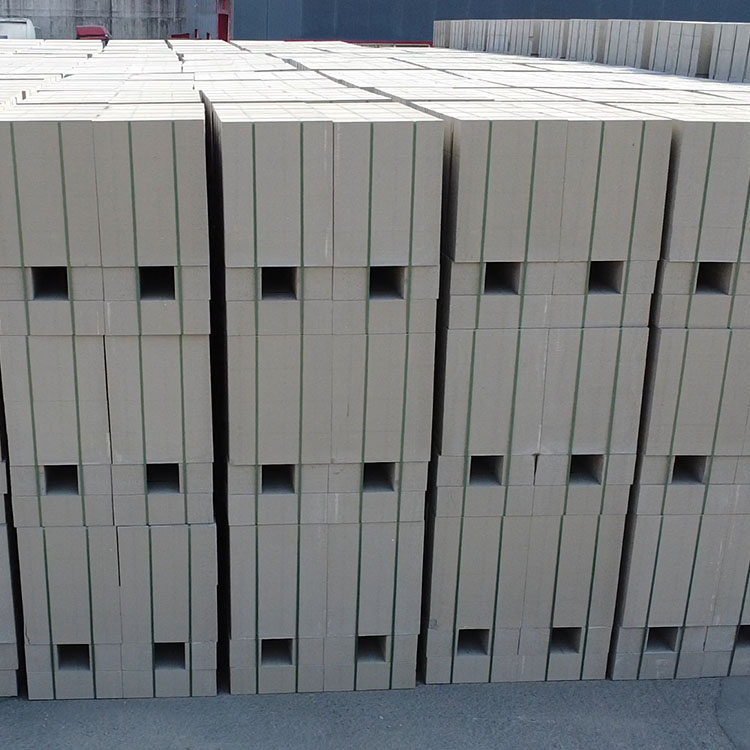
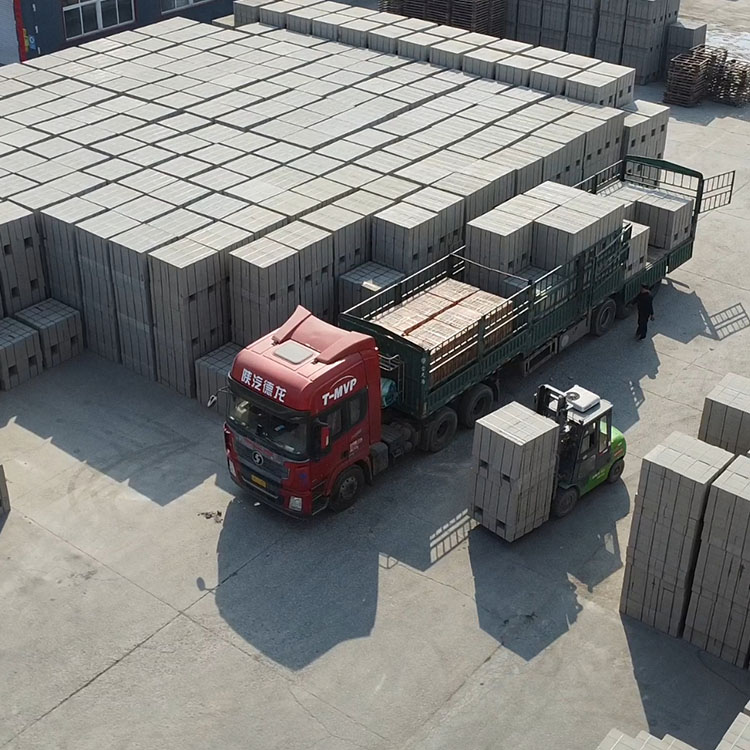
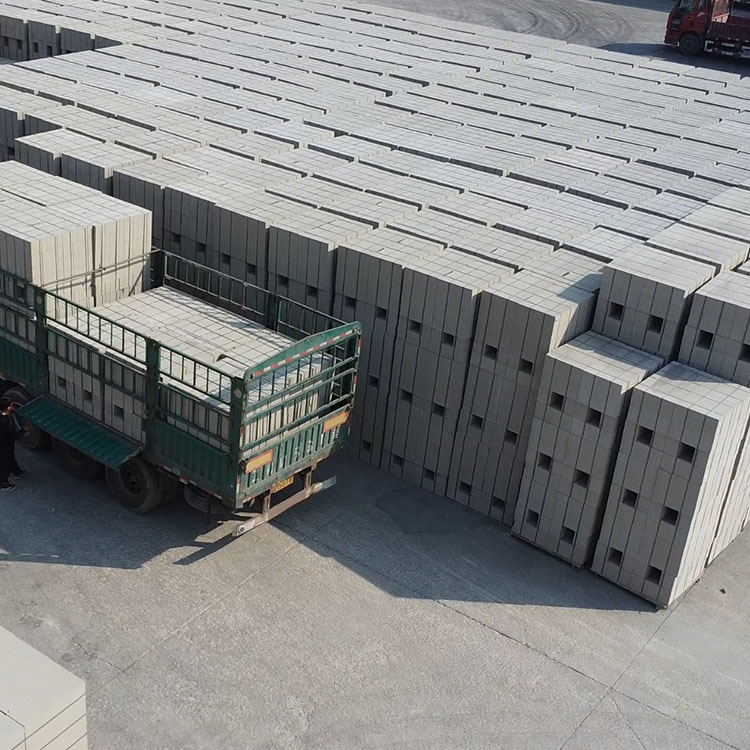
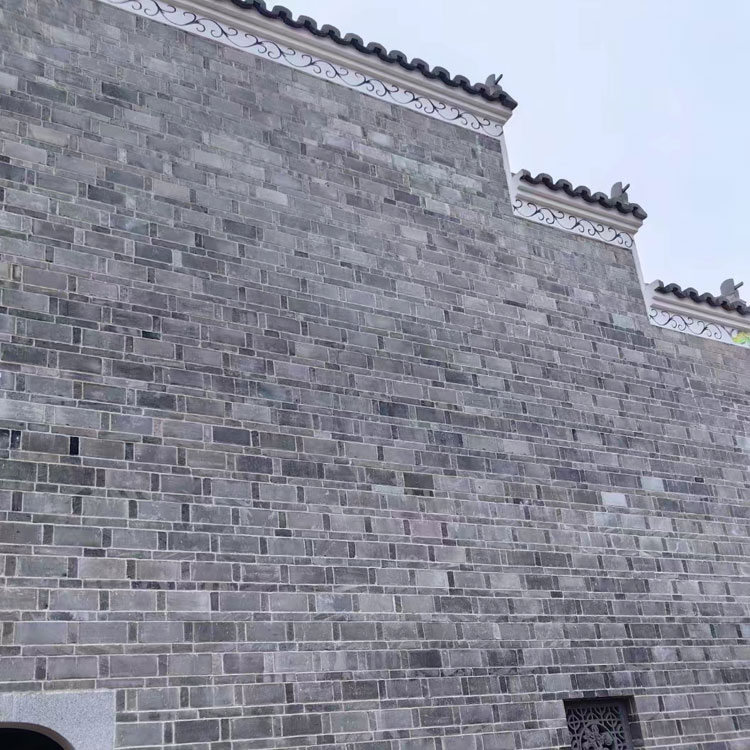
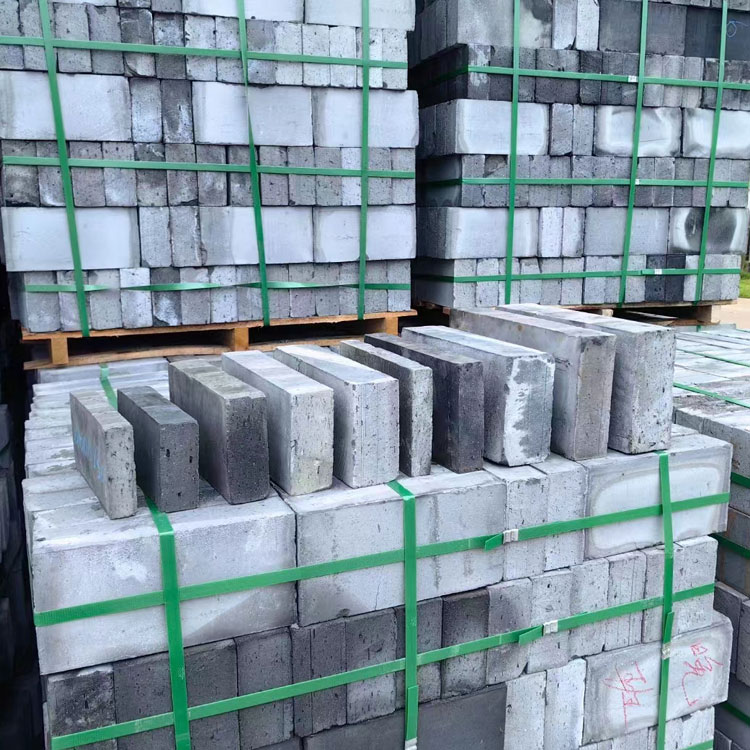







The raw materials for quality bricks are diverse, primarily including fly ash, lime, sand, cement, gypsum, as well as water and foaming agents as additives.
The lightweight brick production line primarily involves processing the raw materials separately, mixing them, and pouring them into molds. After static curing and gas development, the green bodies are cut and then steam-cured to produce aerated lightweight brick products.
Because the blocks produced by the aerated concrete equipment are relatively light, many people call them lightweight bricks. Aerated blocks are a type of lightweight brick. Aerated concrete blocks produced by autoclaved aerated block equipment represent a new type of building wall material. The configuration of aerated concrete equipment is complex, with diverse processes.
The raw material ratio is as follows: 1. Fly Ash or Sand: The fly ash must comply with the requirements of JC/T409-91, with the technical specifications that the substances should meet the GB9196-88 standard. Content of fly ash over 70%: content ratio 70%; consumption per cubic meter: 350kg. 2. Lumps of Quick Lime: The lumps of quick lime should comply with the provisions of JC/T621-1996, with technical requirements: A-CaO dissolution time 8-15min, dissolution temperature over 65 degrees, overburnt lime: content ratio 13.8%; consumption per cubic meter: 140-150kg. 3. Gypsum: Phosphogypsum content ratio 2.96%; consumption per cubic meter: 15kg. 4. Cement: The cement meets the requirements of GB175-92, using 32.5R bulk cement. Content ratio 13.8%; consumption per cubic meter: 25-30kg; 5. Or Cream: Trace content; consumption per cubic meter: 0.4kg. Solid content over 65%, active aluminum content over 90%. 6. Stabilizer: Used to stabilize the bubbles produced during the reaction of foaming agents and other raw materials, playing a crucial role in the product quality of lightweight bricks.