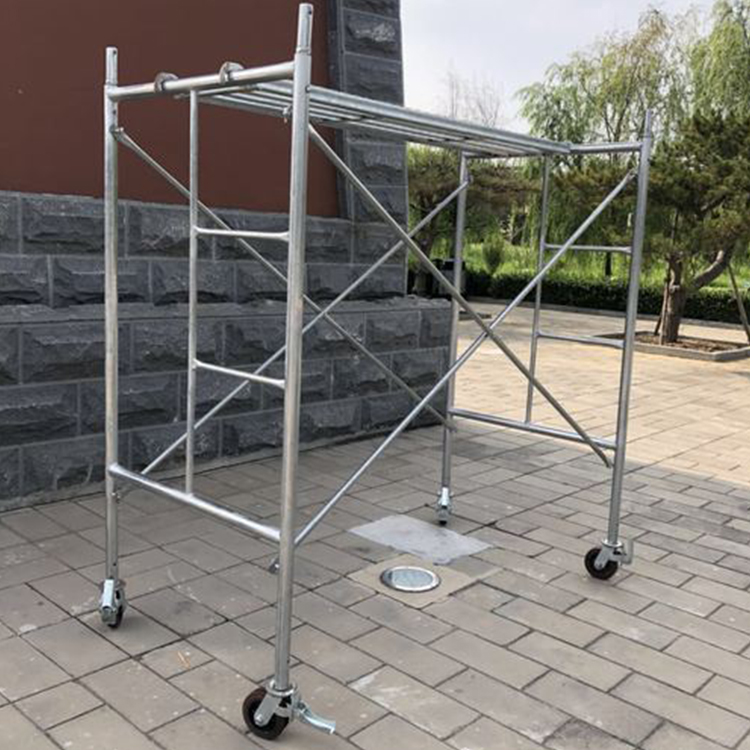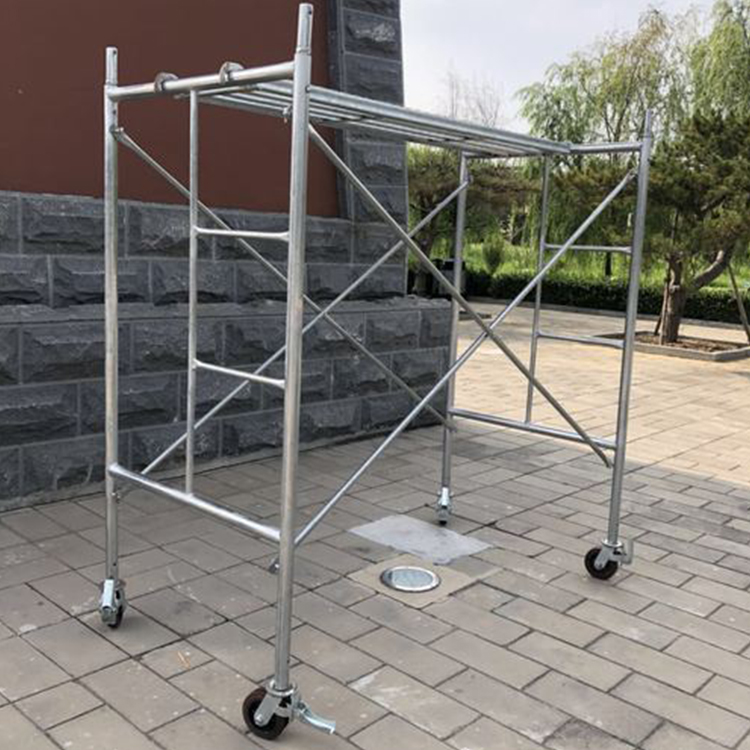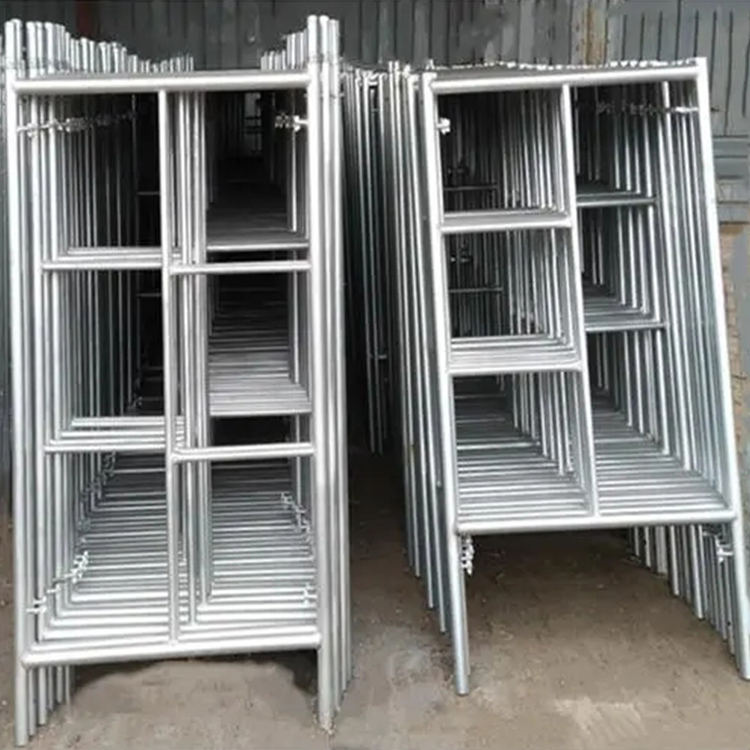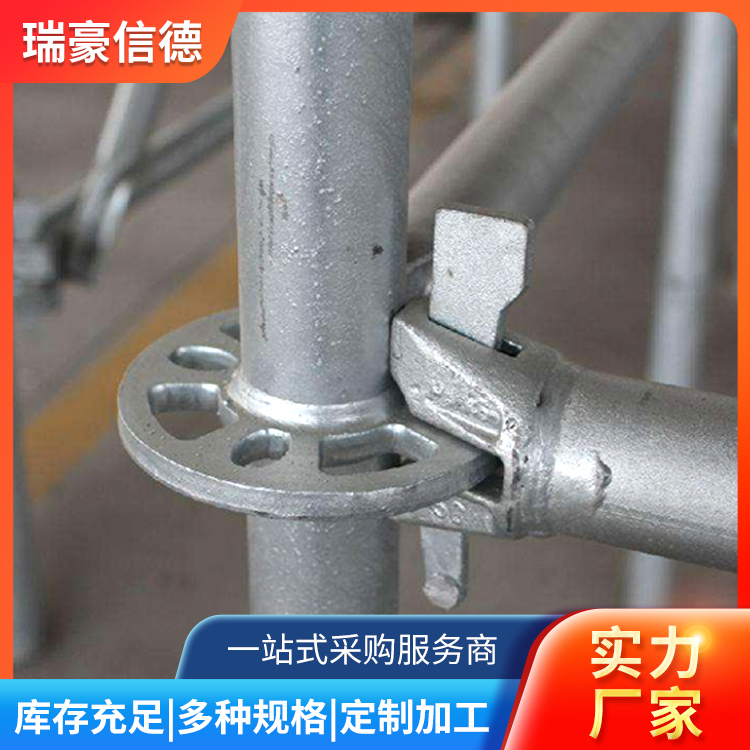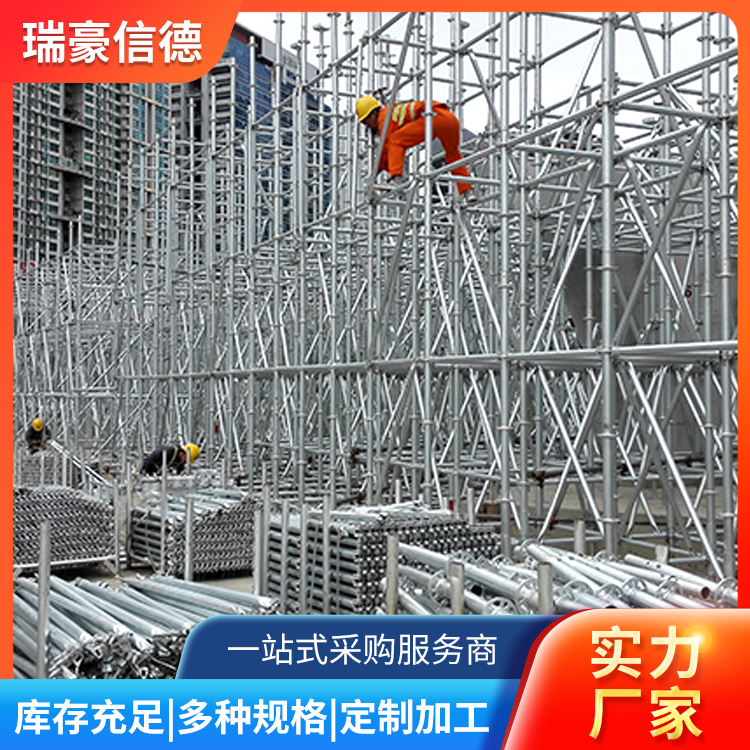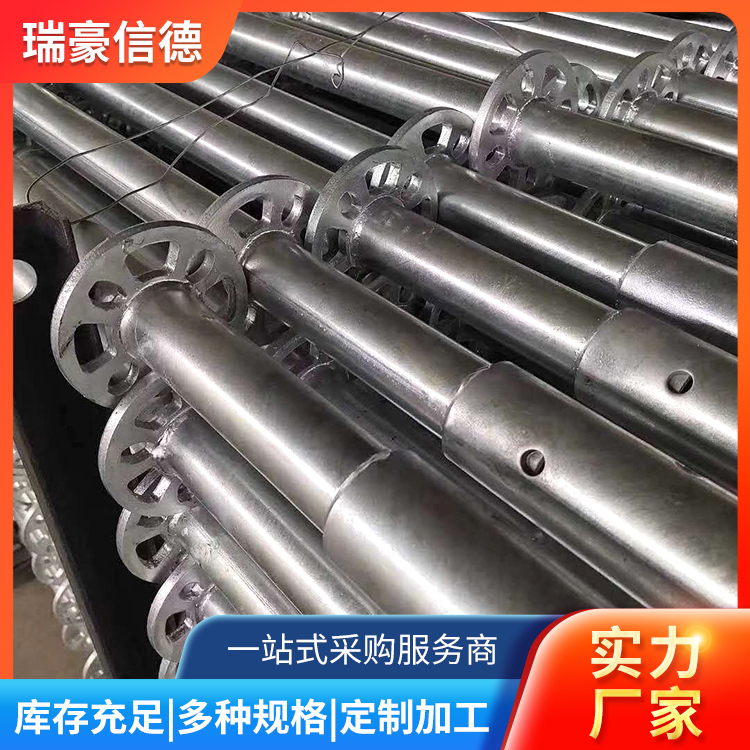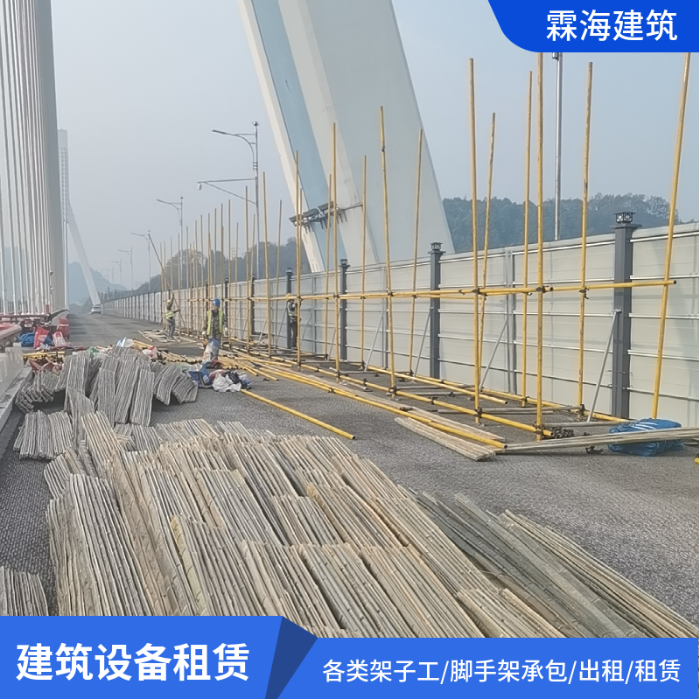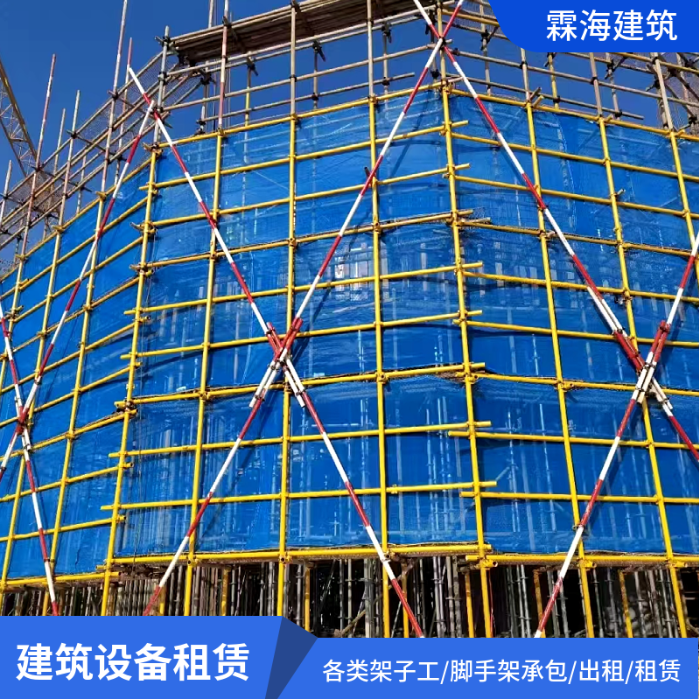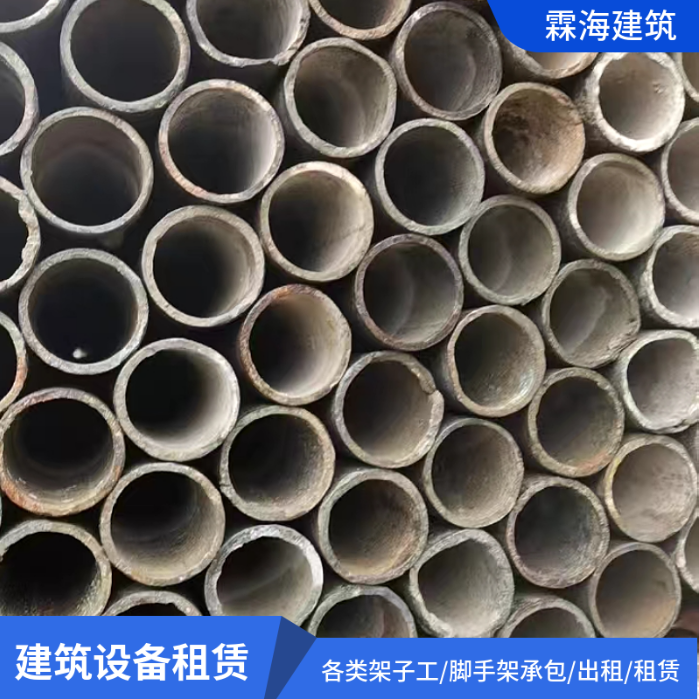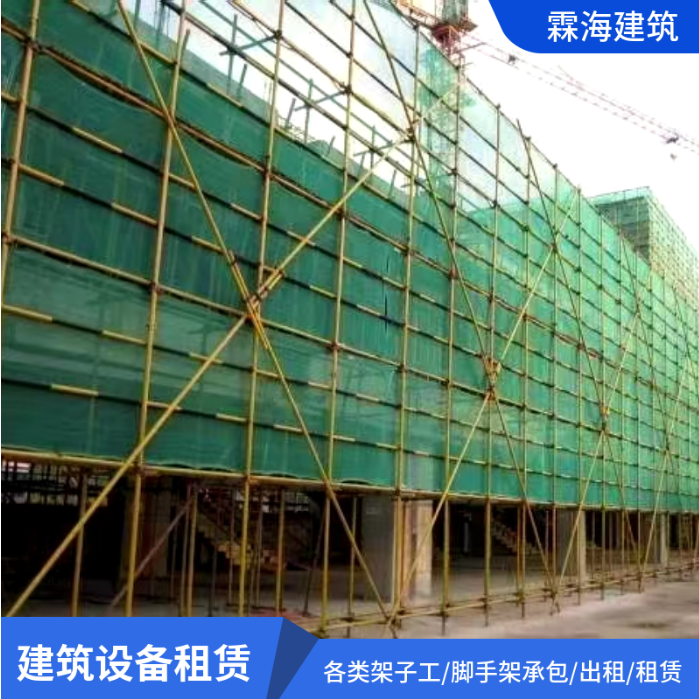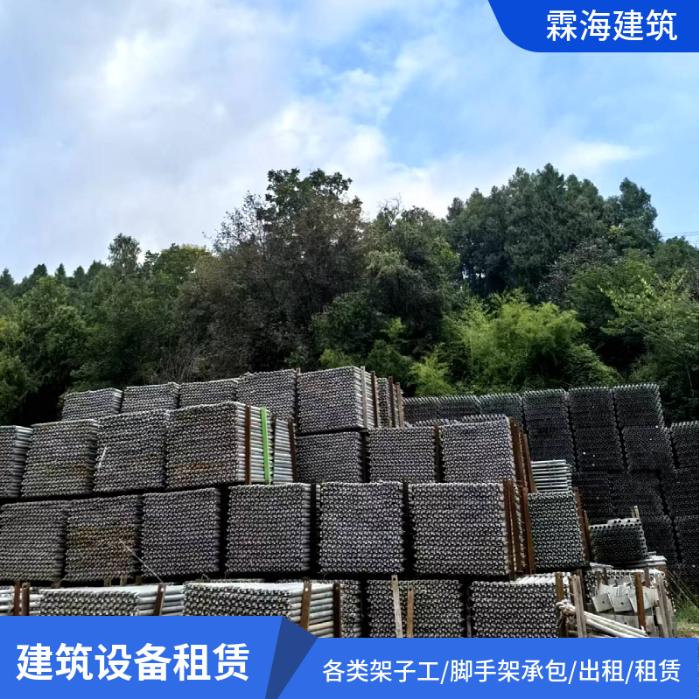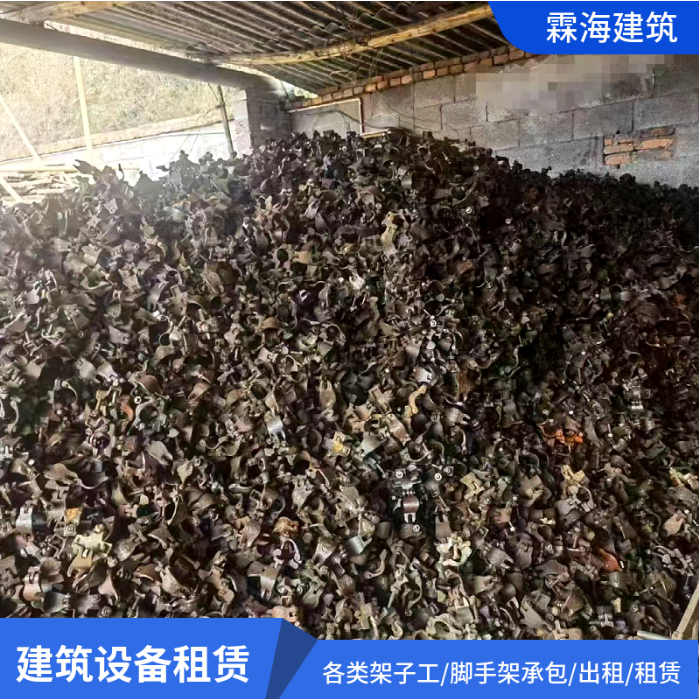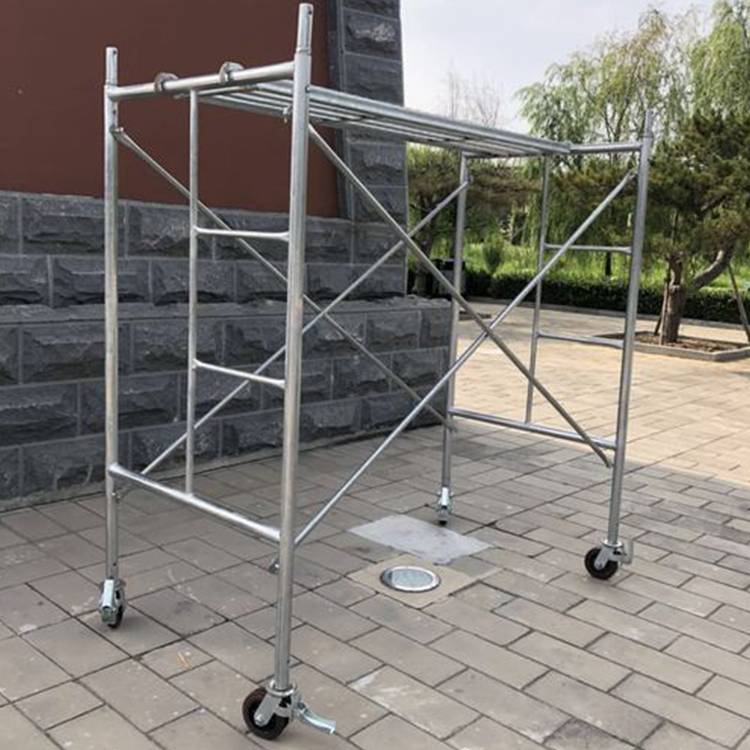

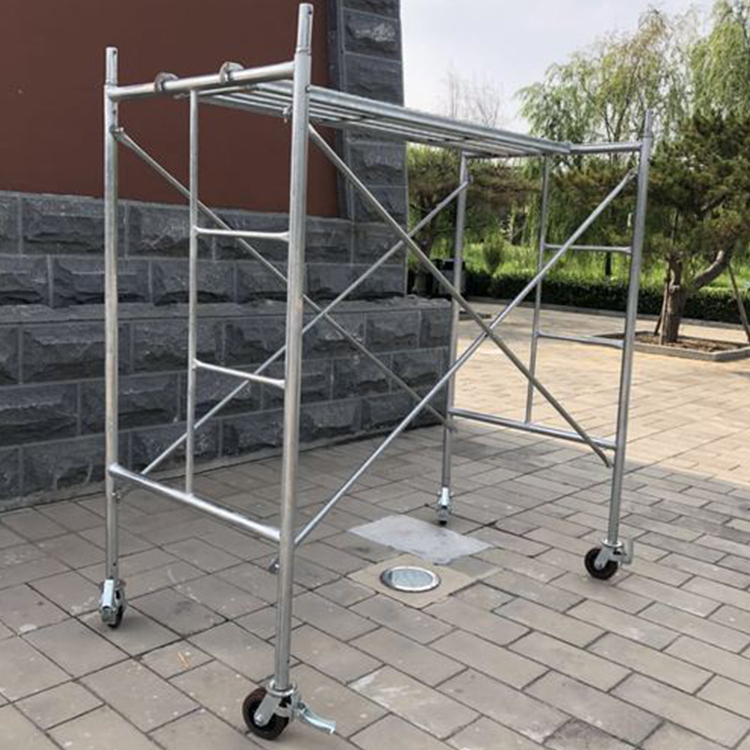

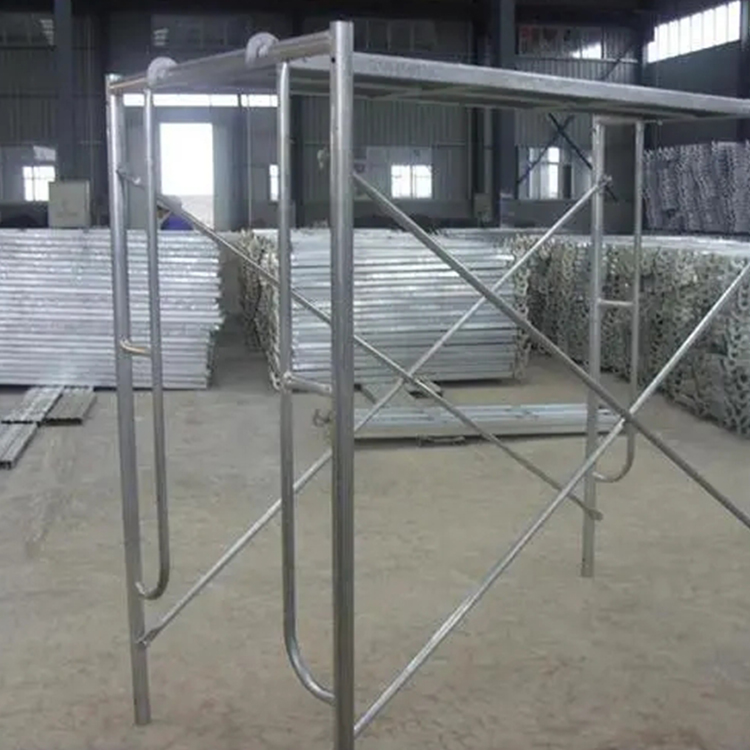


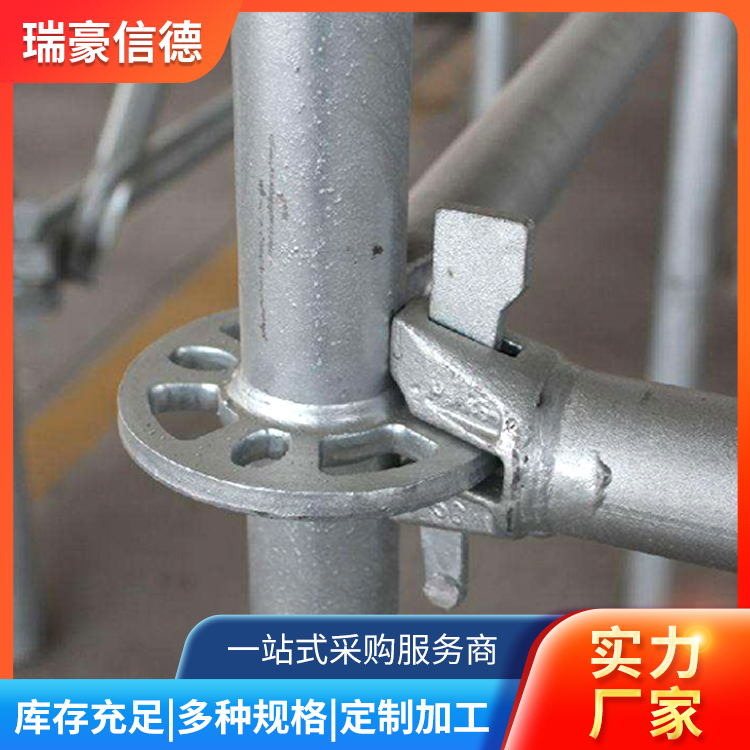
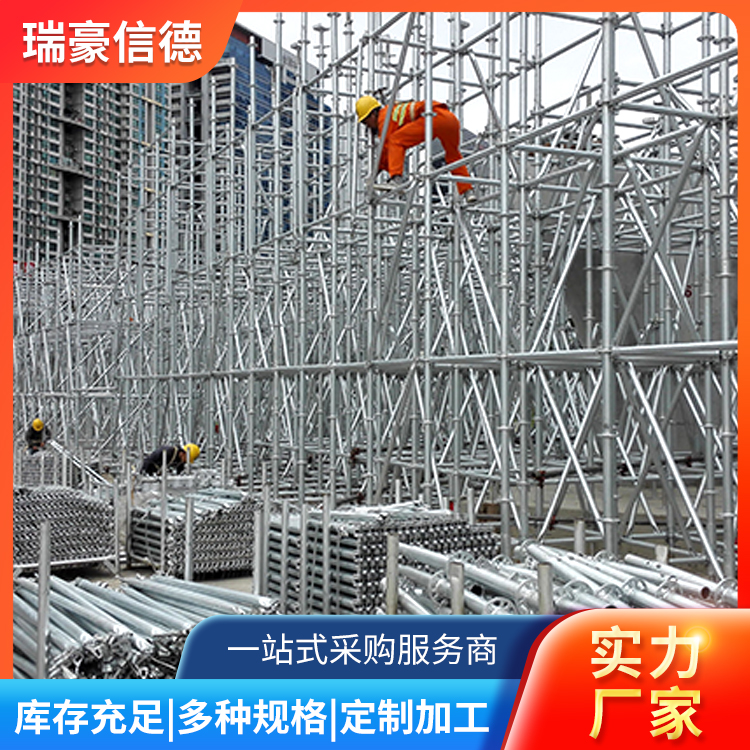
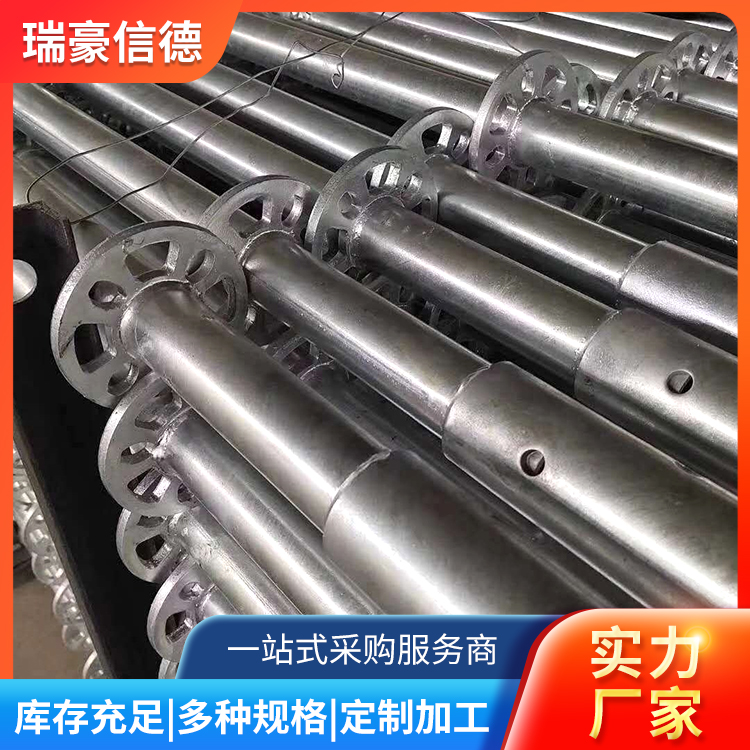
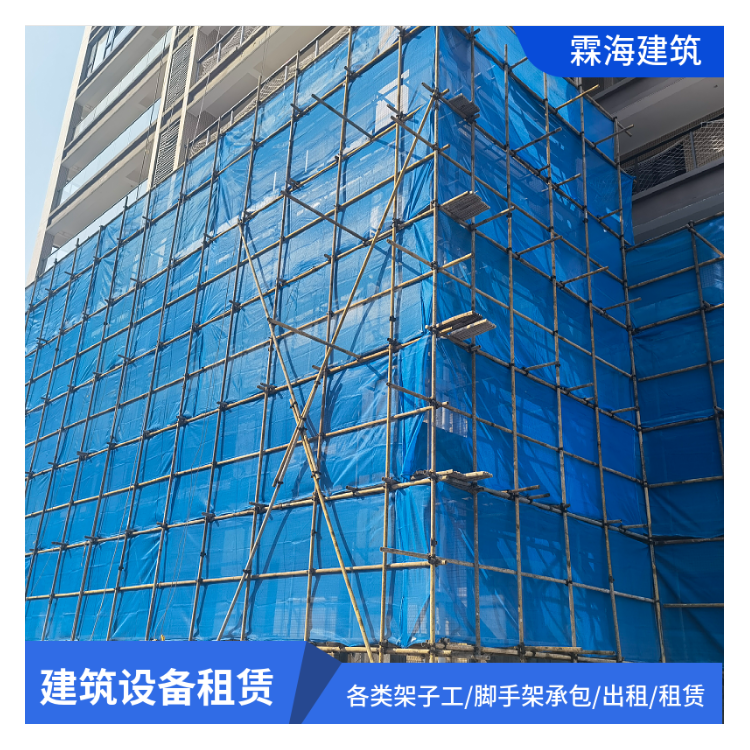
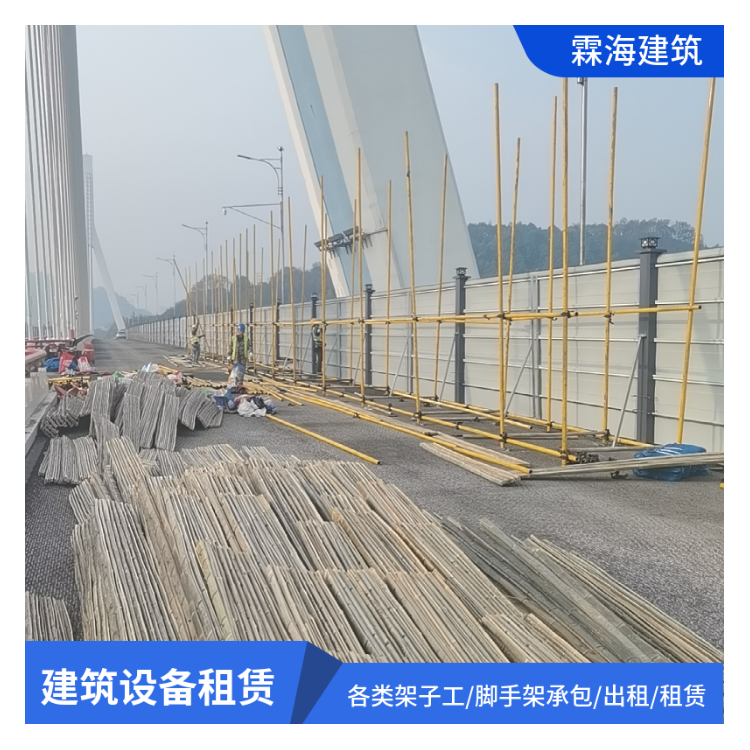





Scaffolding is a working platform designed to ensure the smooth progress of various construction processes. It is categorized by installation location into external scaffolding and internal scaffolding; by material into wooden scaffolding, bamboo scaffolding, and steel pipe scaffolding; and by construction form into upright scaffolding, bridge scaffolding, door scaffolding, suspended scaffolding, hanging scaffolding, cantilever scaffolding, and climbing scaffolding.
Different types of construction projects require different types of scaffolding. The majority of bridge supports use bowl coupling scaffolding, with some using door frame scaffolding as well. For the construction of the main structure, the most common type of scaffolding used is clamp scaffolding. The longitudinal spacing of the scaffold uprights is generally 1.2 to 1.8 meters; the transverse spacing is typically 0.9 to 1.5 meters.
Scaffolding, compared to general structures, has the following characteristics in working conditions:
1. The load variability is quite significant.
2. The connection nodes of fasteners are semi-rigid, and the rigidity of the nodes is related to the quality of the fasteners and the installation quality, with significant variation in node performance.
3. Scaffold structures and components have initial defects, such as initial bending of rods, rust, significant dimensional errors in assembly, and eccentric loading, all of which are considerable.
4. The connection points to the wall exhibit significant variability in their constraint on the scaffolding. Research on the aforementioned issues lacks systematic accumulation and statistical data, and does not meet the conditions for independent probability analysis. Therefore, the adjustment coefficient, which is multiplied by the structural resistance and is less than 1, is determined by calibrating against coefficients used in the past. Consequently, the design method adopted in this specification is essentially a combination of semi-probabilistic and semi-experiential approaches. Compliance with the structural requirements specified in this specification is a fundamental condition for design calculations.