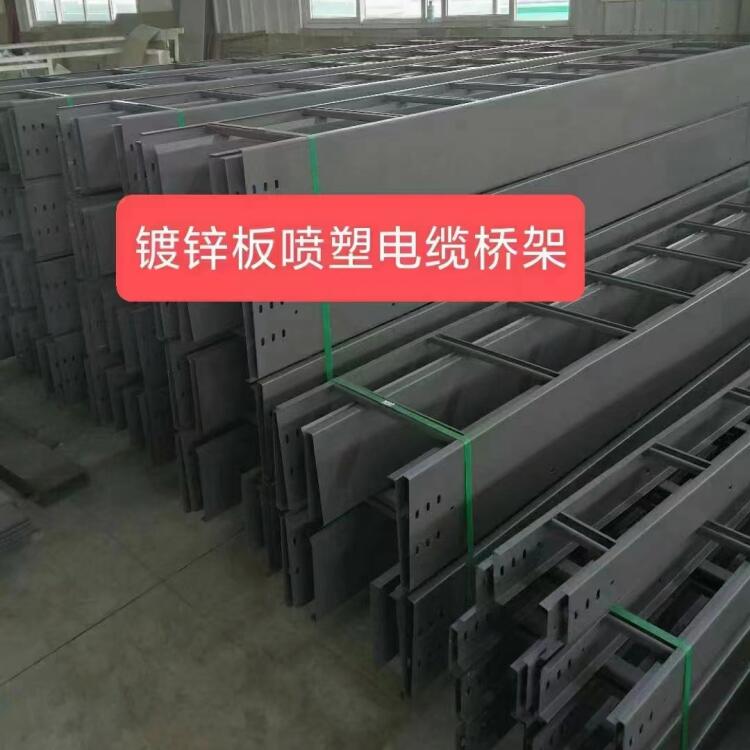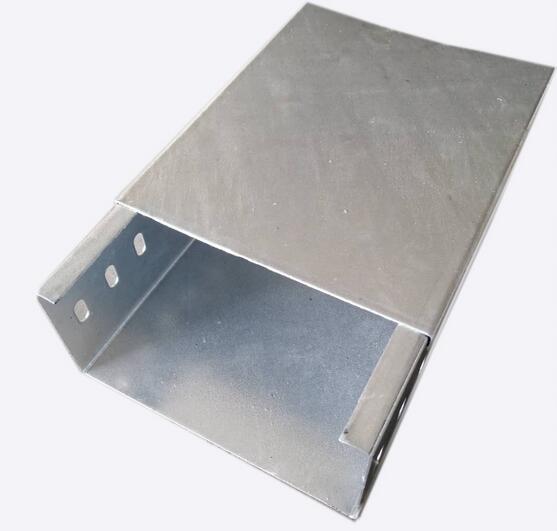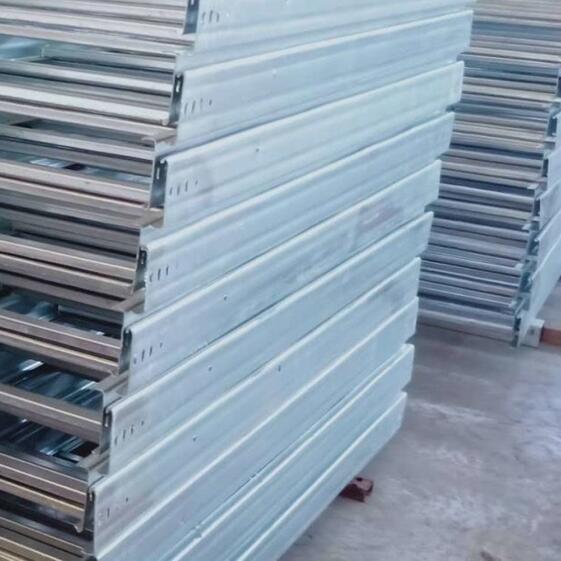


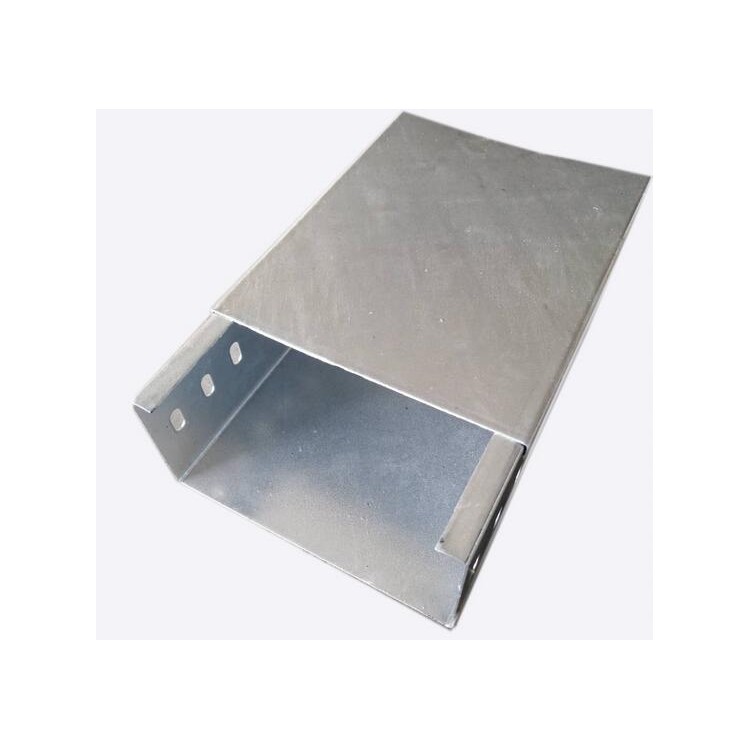
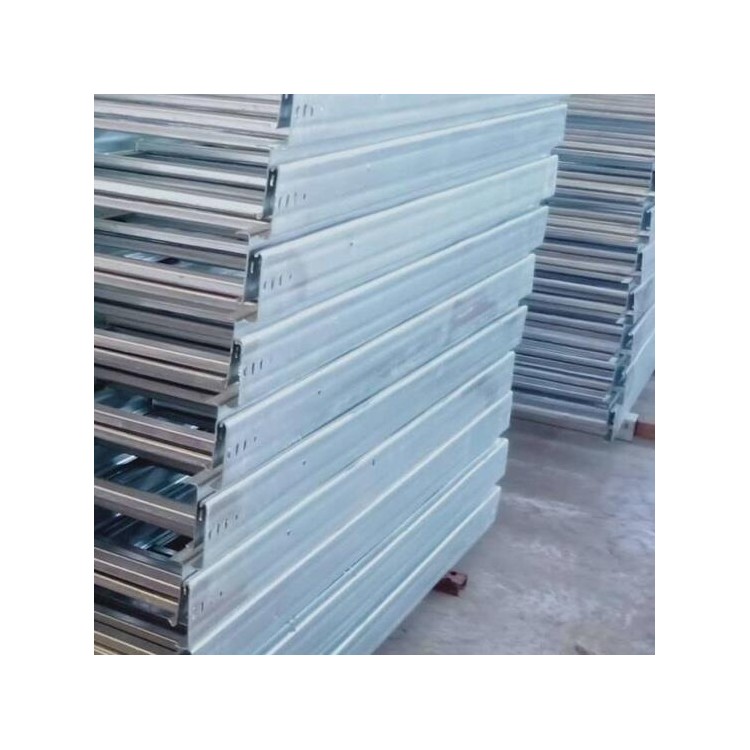












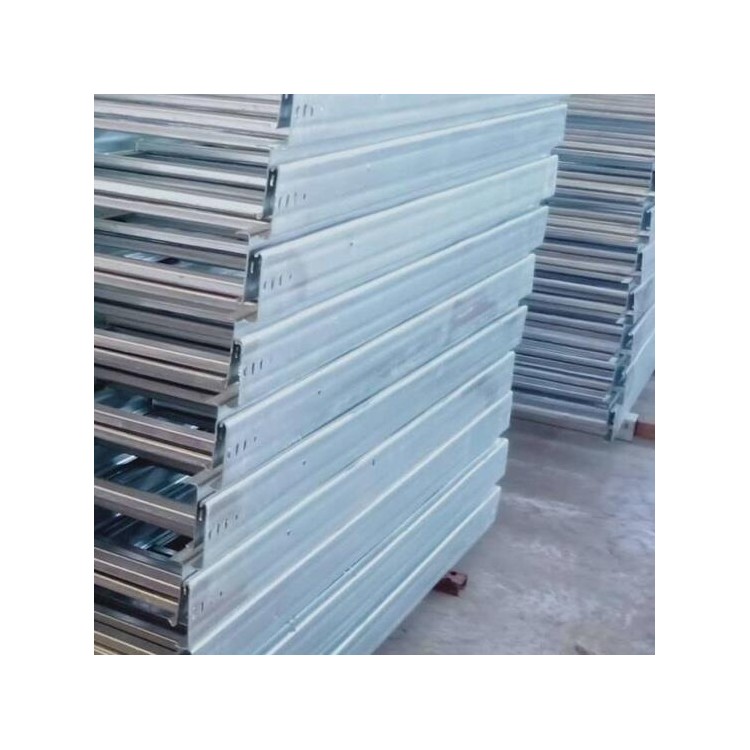
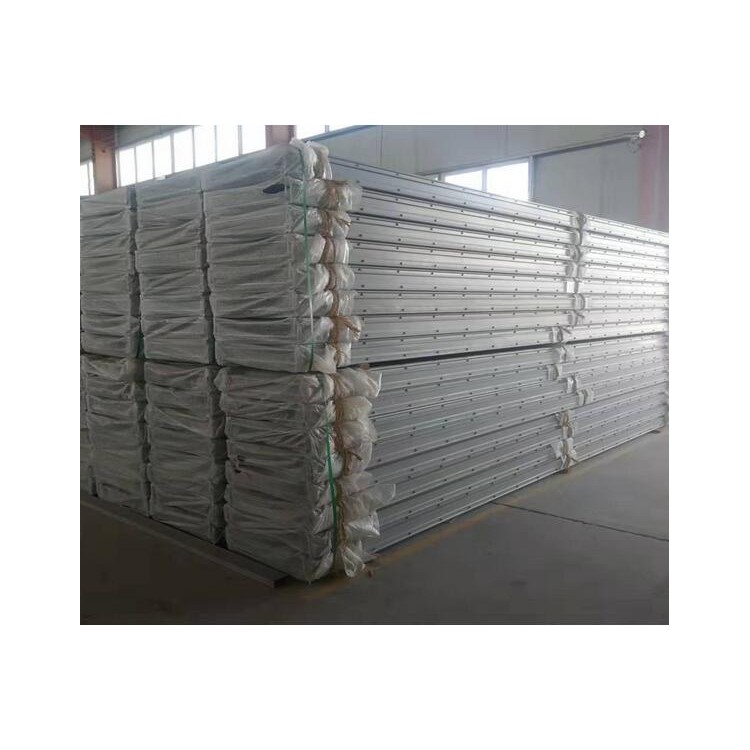
Hot-dip galvanized bridge trays are produced using cold-rolled black carbon steel strip, which has high rigidity as raw material and is more expensive than galvanized sheet. The bridge tray factory uses the raw materials purchased from the steel mill to first manufacture the bridge trays, then drill the holes.
Then, the loading process requires hot dipping outside. Most bridge manufacturer factories are not qualified for galvanizing, and they all need to be processed at professional galvanizing plants. Both loading and unloading the vehicles incur costs. The key point is that small factories often save costs by directly loading and shipping from the galvanizing plant.
This might not be clear to everyone. The finished product after galvanizing may look good on the surface, but steel plates will deform slightly after being immersed in high-temperature zinc, and there will be many burrs that need to be addressed. Therefore, our company requires returning them to the bridge tray factory for repair,整形, inspection, packaging, and storage.
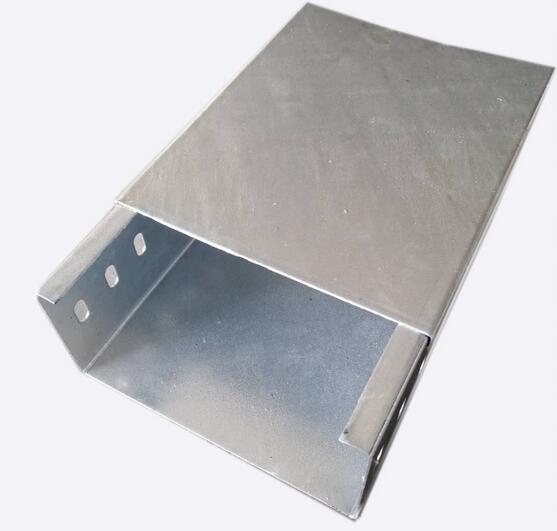
Hot-dip galvanized bridge channels are so complex in manual craftsmanship, but of course, they offer excellent performance. Firstly, hot-dip galvanized products are highly corrosion-resistant and have a long service life. Hot-dip galvanized bridge channels are widely used in environments with severe atmospheric corrosion and are not easy to maintain, boasting a long service life. Hot-dip galvanized bridge channels are also known as electro-galvanized bridge channels. However, there is a significant difference between the two types of bridges. The zinc coating thickness of hot-dip galvanized bridge channels is about 65 micrometers, while the zinc coating thickness of electro-galvanized ones is about 15 micrometers, making the difference quite substantial.