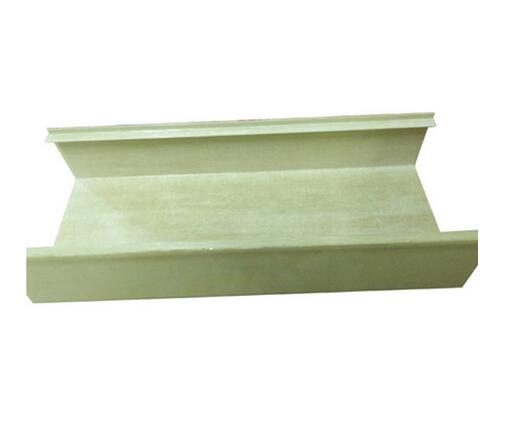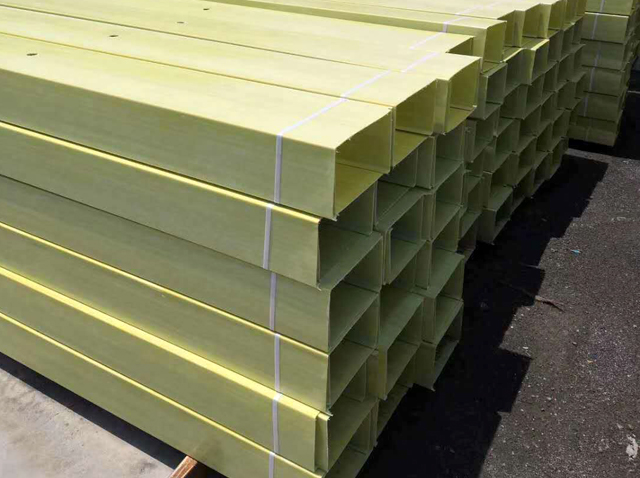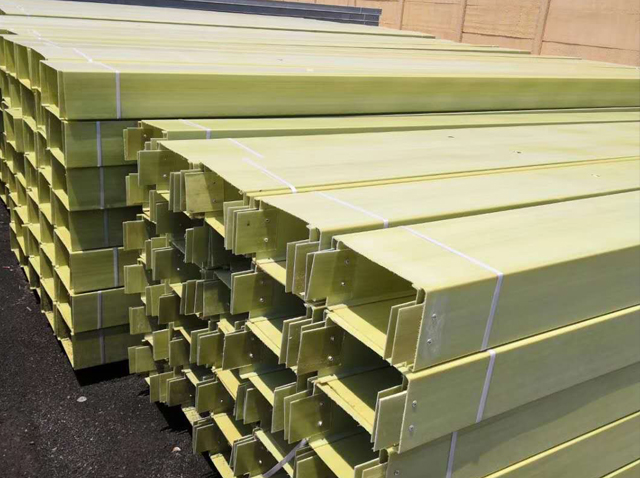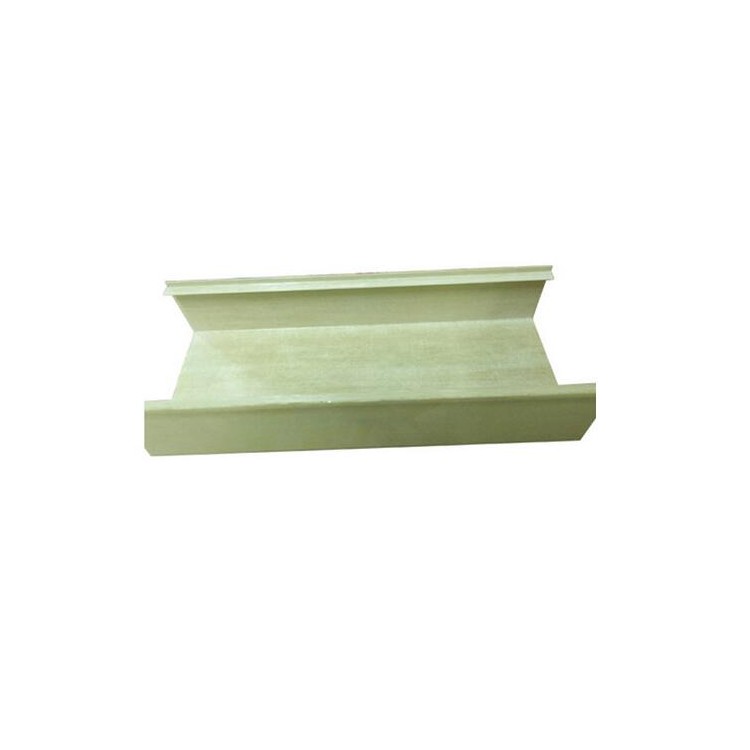

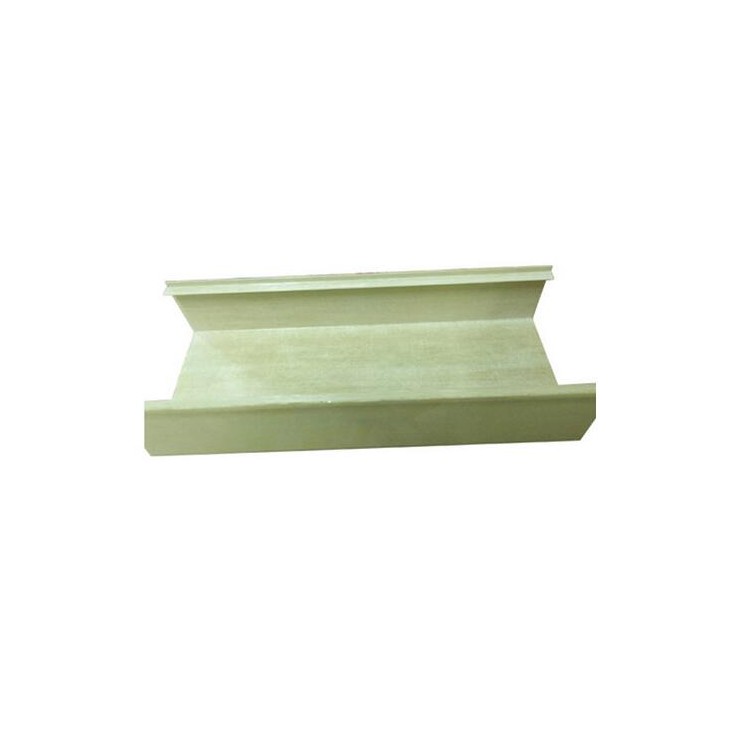

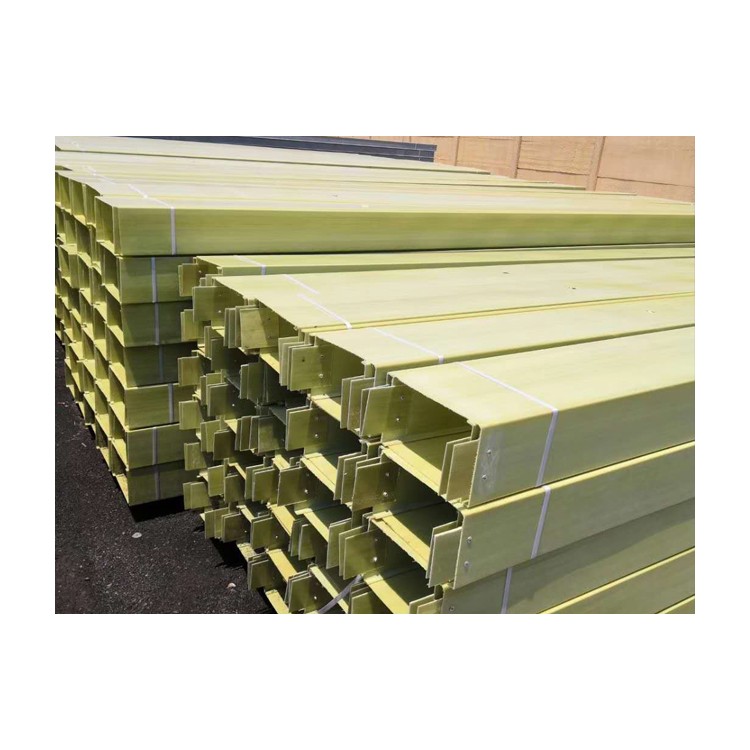











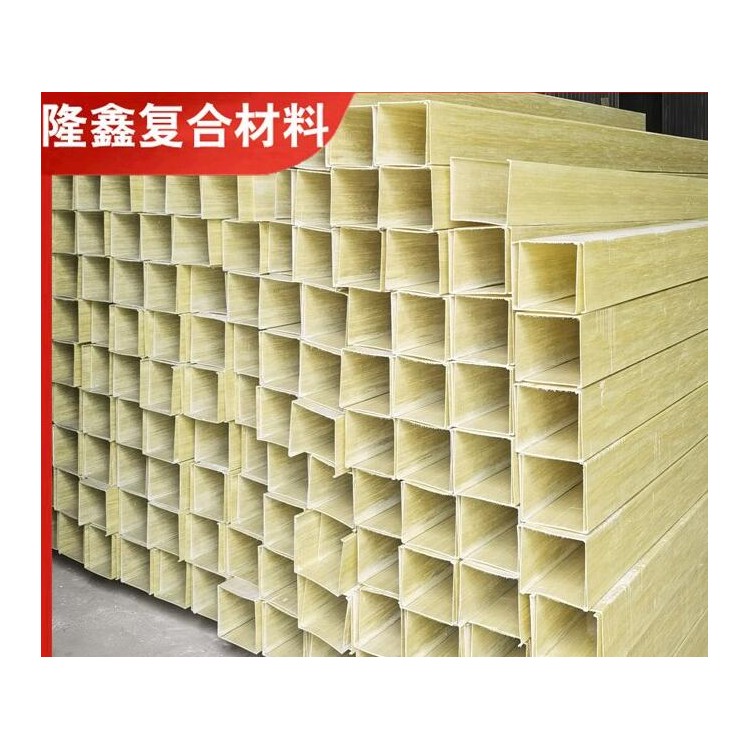

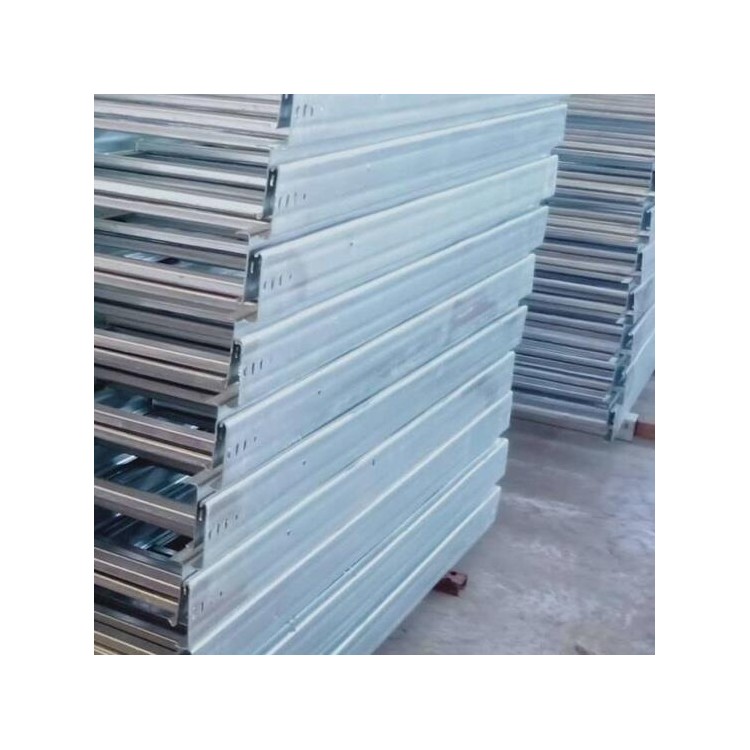

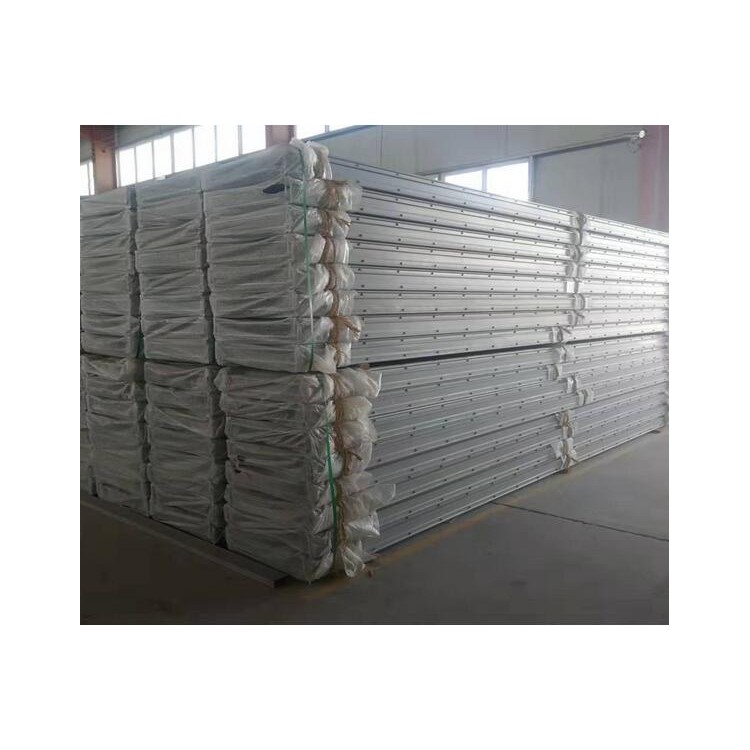
Polyurethane bridge supports are cable laying devices that standardize, serialize, and generalize the installation of wires, cables, and conduit. They are suitable for power cables and control cables, as well as lighting wiring, for overhead cable trenches and tunnels both indoors and outdoors, with voltage ratings below 10KV.
Polyurethane bridge supports offer a wide range of benefits, including a diverse variety, broad applications, high strength, lightweight structure, low cost, simple installation, flexible wiring, standardized assembly, attractive appearance, and convenient maintenance and repair.
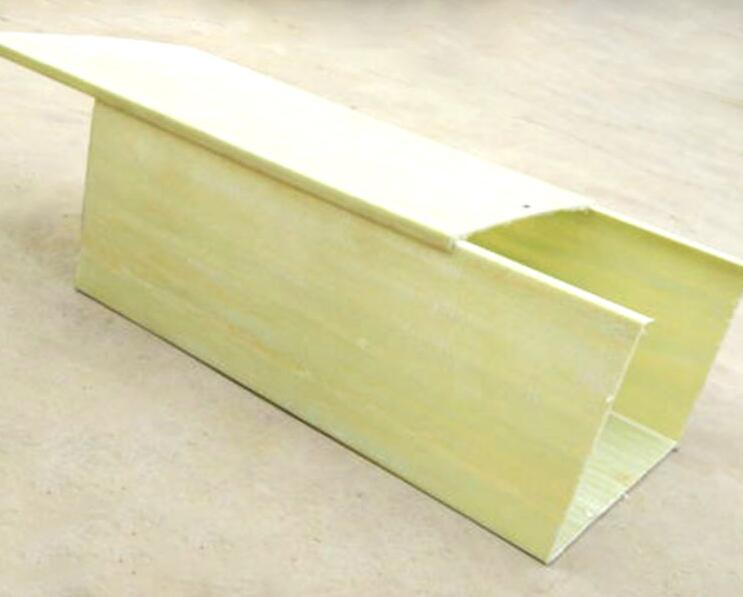
Polyurethane bridge supports offer excellent tensile properties, impact resistance, and corrosion resistance. The typical tensile strength is 880 kg/cm², the tensile modulus is 30,230 kg/cm², and the elongation at break is over 7.5%. Foamed polyurethane composite materials can also reduce weight by up to 20%. Compared to other resins like unsaturated polyester and vinylester, polyurethane enhances the physical properties of the product.
Polyurethane exhibits strength and stiffness properties that are 2-5 times higher than unsaturated polyester resins. The bridge has excellent toughness, and the edges of the processed and punched slots in the polyurethane composite cables (bridges) show no micro-cracks, with a very hard surface and low porosity, which is beneficial for subsequent processing such as drilling, machining, and assembly. Compared to pull-wound products made from unsaturated polyester, vinyl ester, and other resins, polyurethane pull-wound offers certain advantages in terms of ease of on-site construction and service life.