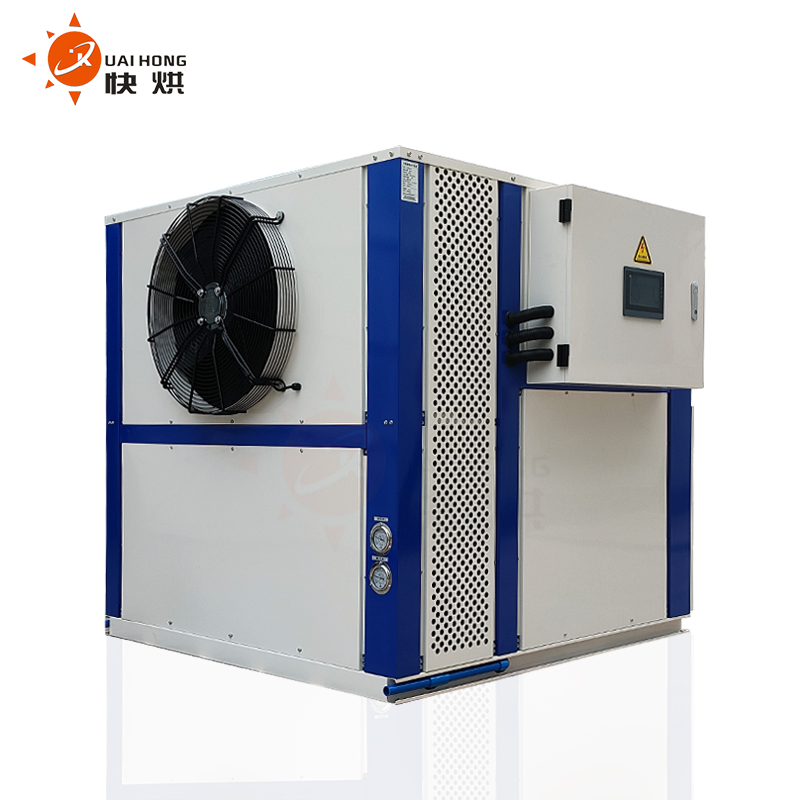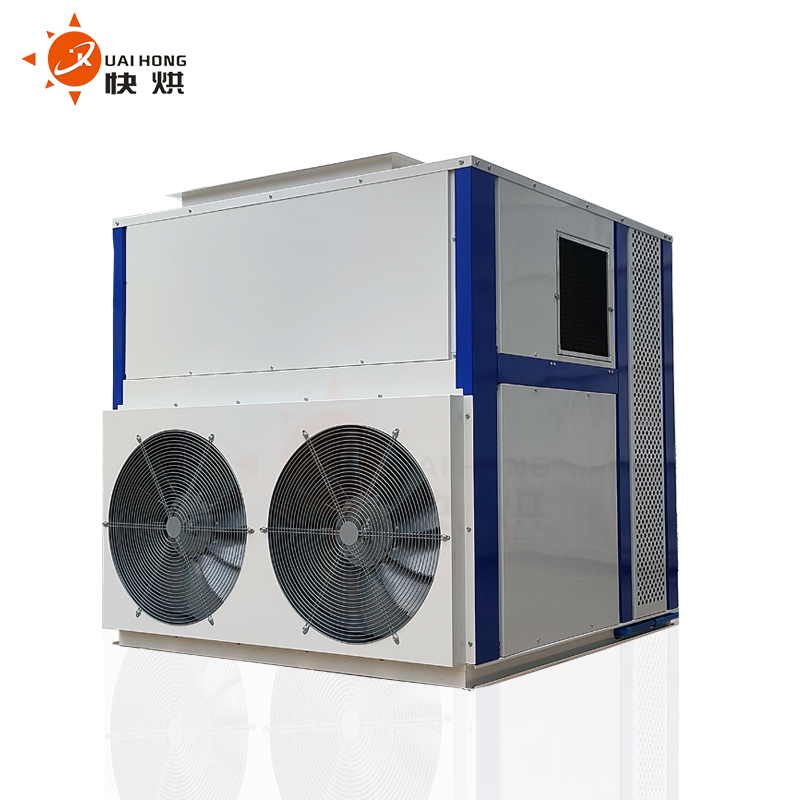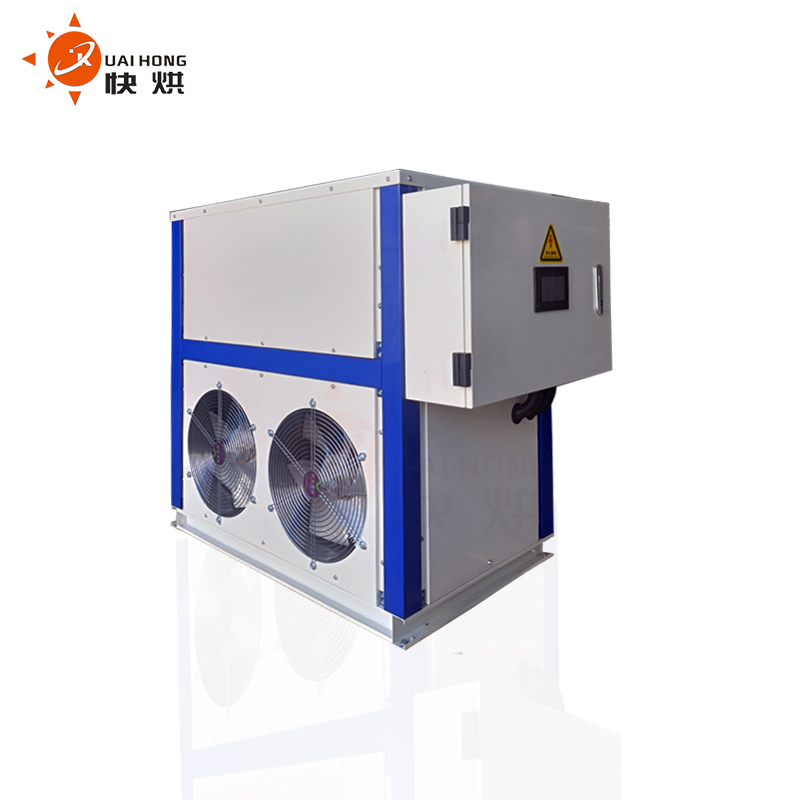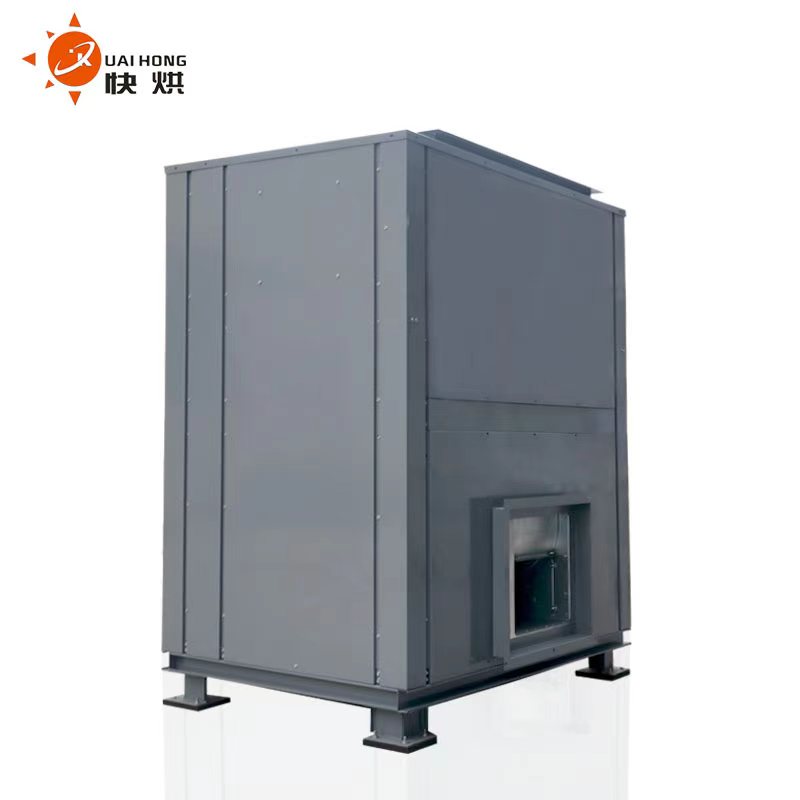



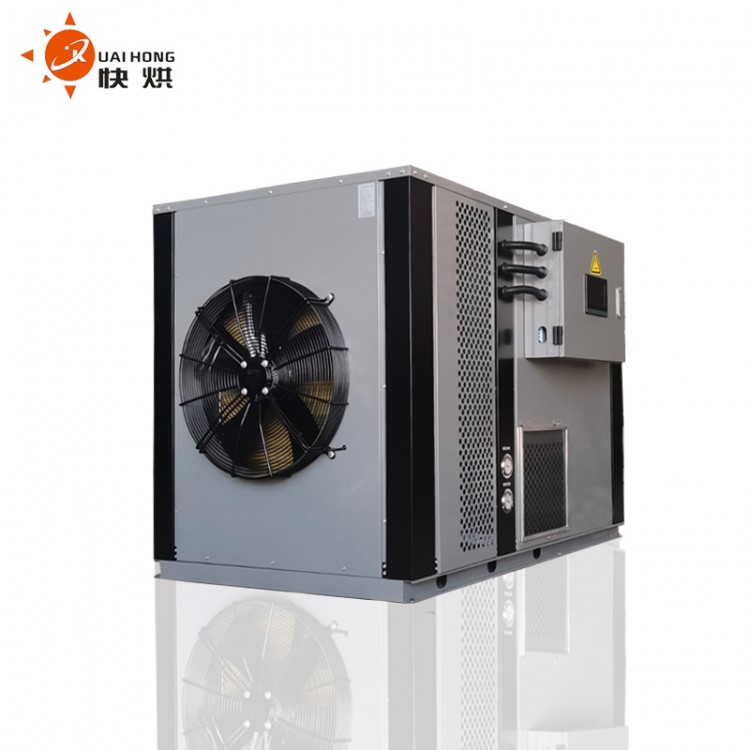
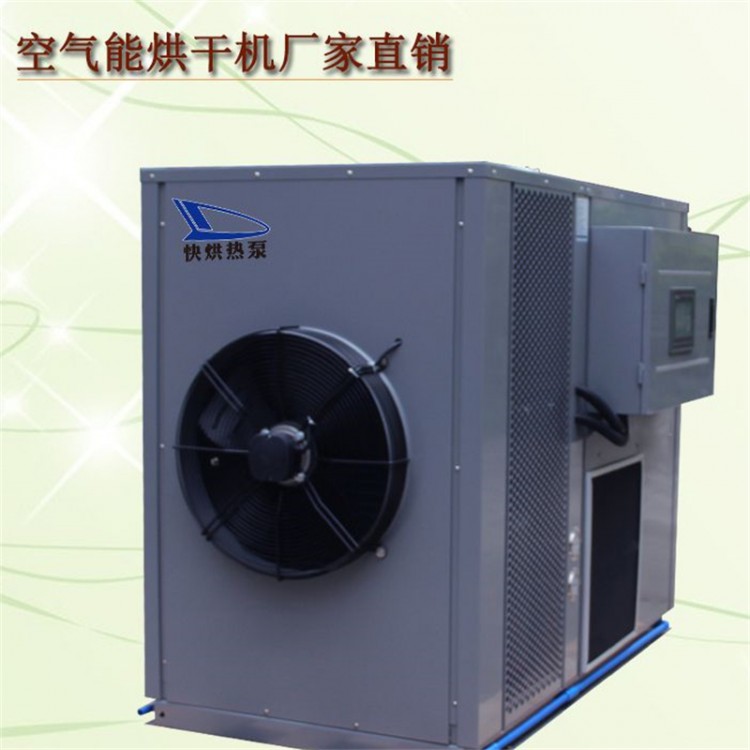
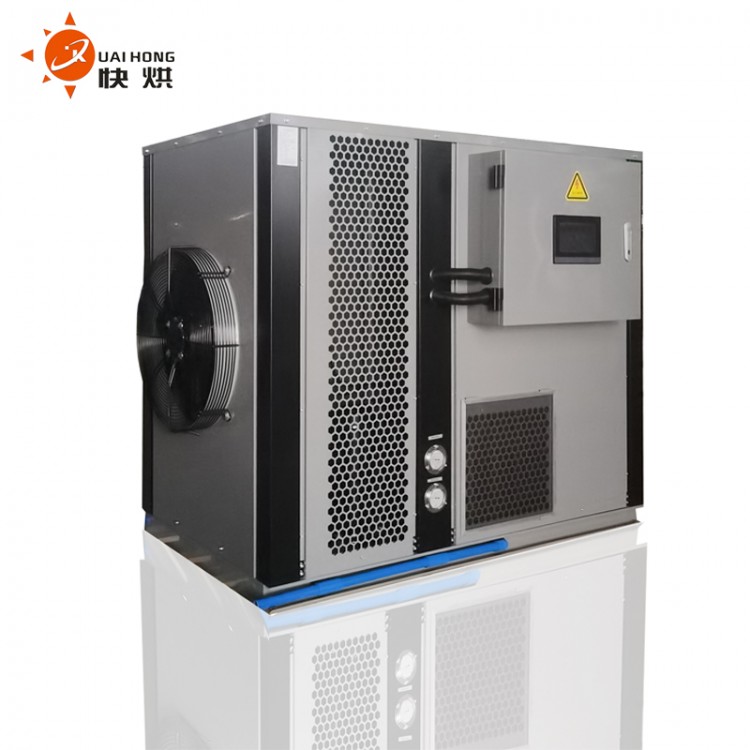





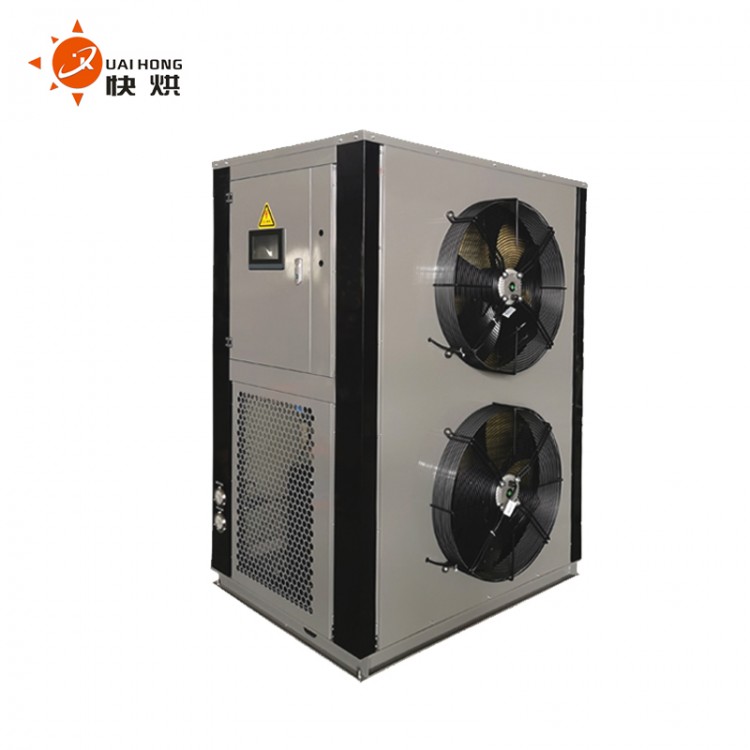
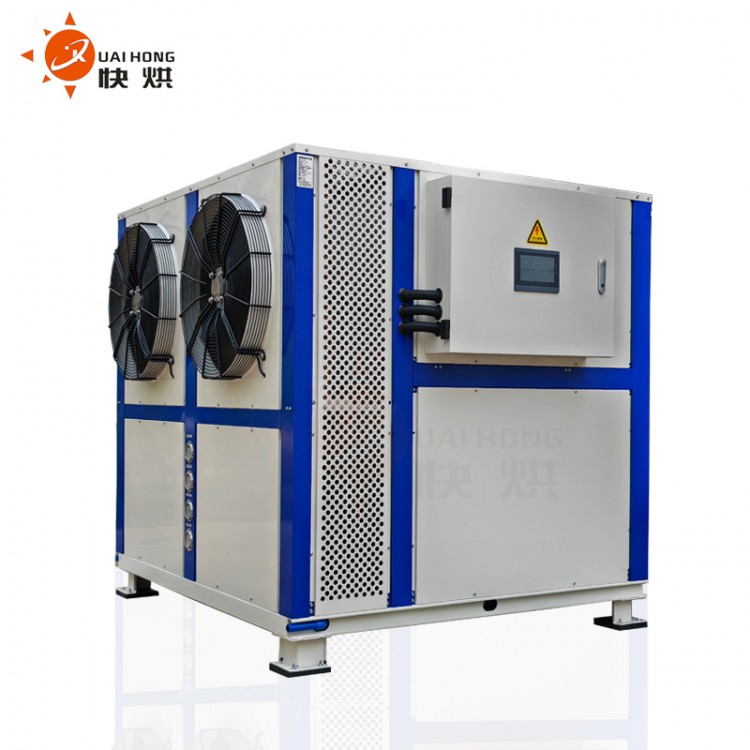
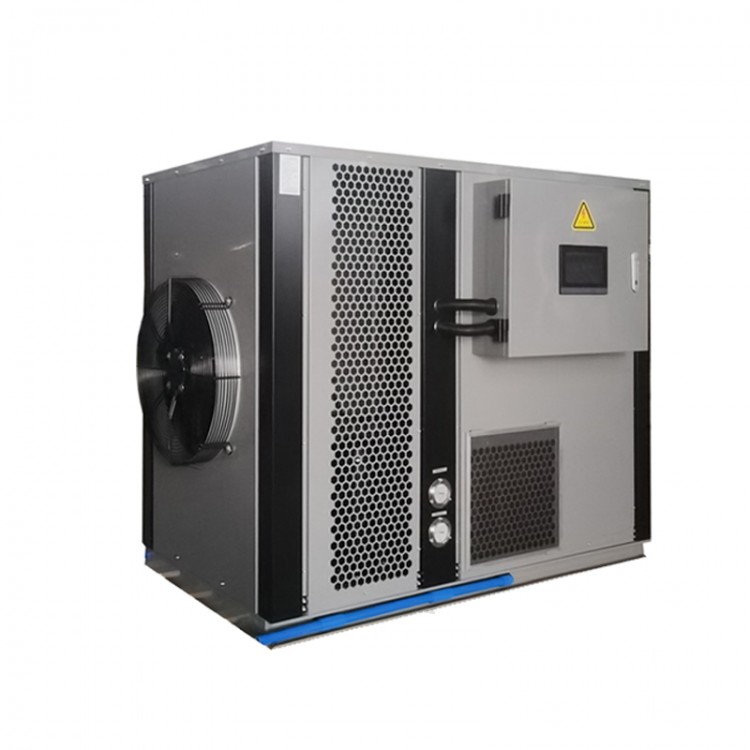
Heat Pump DryerOperating Principle
A heat pump is essentially a heat lifting device. High-temperature heat pump drying units utilize the reverse Carnot principle to absorb heat from the surrounding environment and transfer it to the object being heated (an object with a higher temperature). Their working principle is the same as that of refrigeration units, both operating according to the reverse Carnot cycle, the only difference being the working temperature.
High-temperature heat pump dehumidification drying units are mainly composed of four parts: finned evaporator (outdoor unit), compressor, finned condenser (indoor unit), and expansion valve. They operate through a thermal cycle that continuously completes evaporation (absorbing heat from the external environment) → compression → condensation (releasing heat in the indoor drying room) → throttling → re-evaporation. This transfers heat from the external low-temperature environment to the drying room, while the refrigerant circulates within the system under the compressor's action. It undergoes a pressurization and heating process in the gas state (up to 100℃) within the compressor, then releases high-temperature heat to warm the air in the drying room, while it cools and becomes a liquid. As it moves to the outdoor unit, the liquid rapidly absorbs heat and evaporates back into a gas, with temperatures potentially dropping to 0℃ to -10℃. At this point, the surrounding air continuously transfers heat to the refrigerant. The heating efficiency of the high-temperature heat pump drying units is significantly higher than that of other heating equipment, demonstrating that using these units as drying devices can save energy and reduce CO2 emissions and other pollutants, achieving the effect of energy conservation and emission reduction.
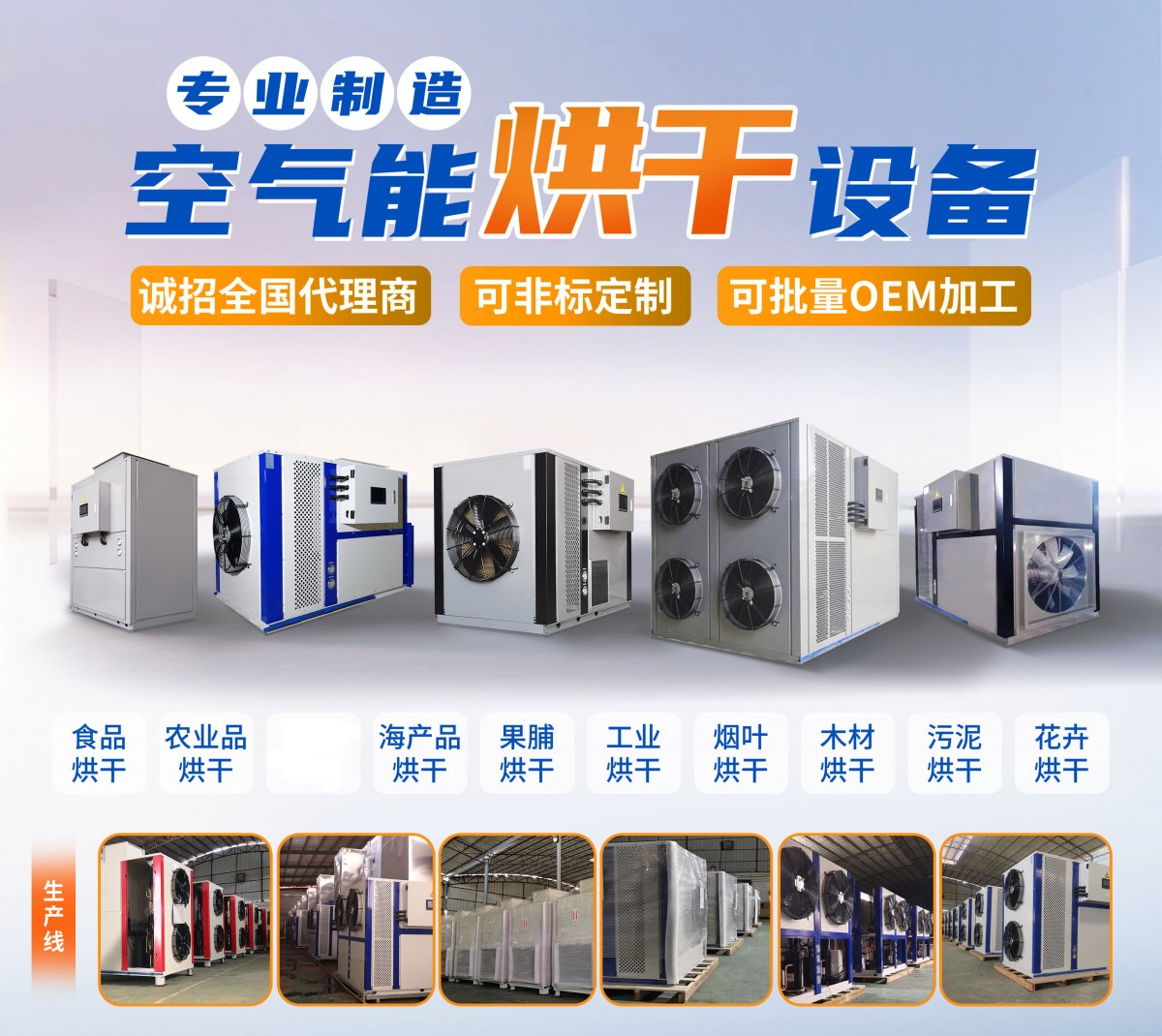
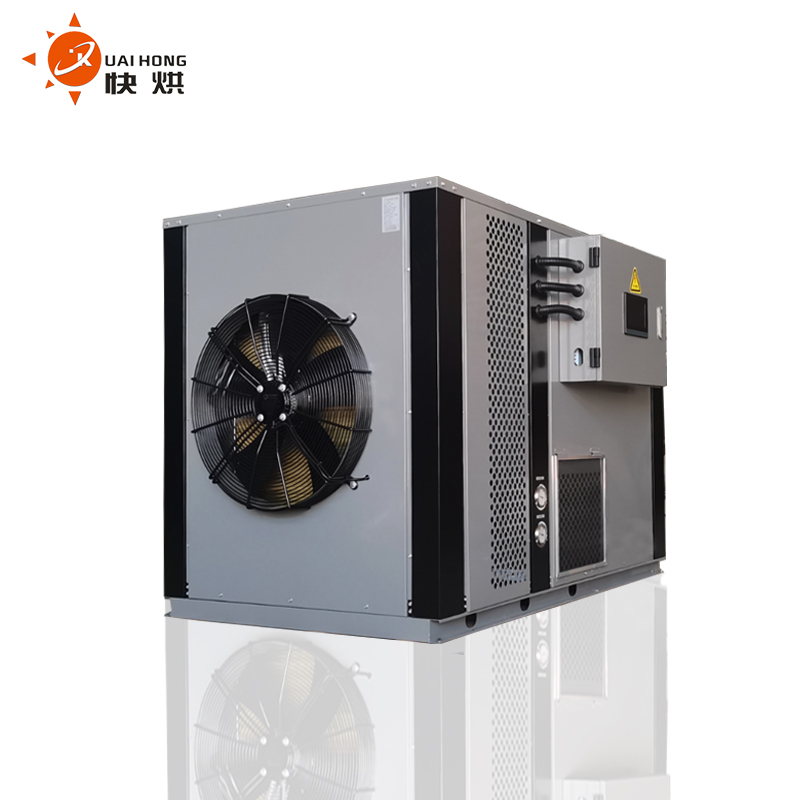
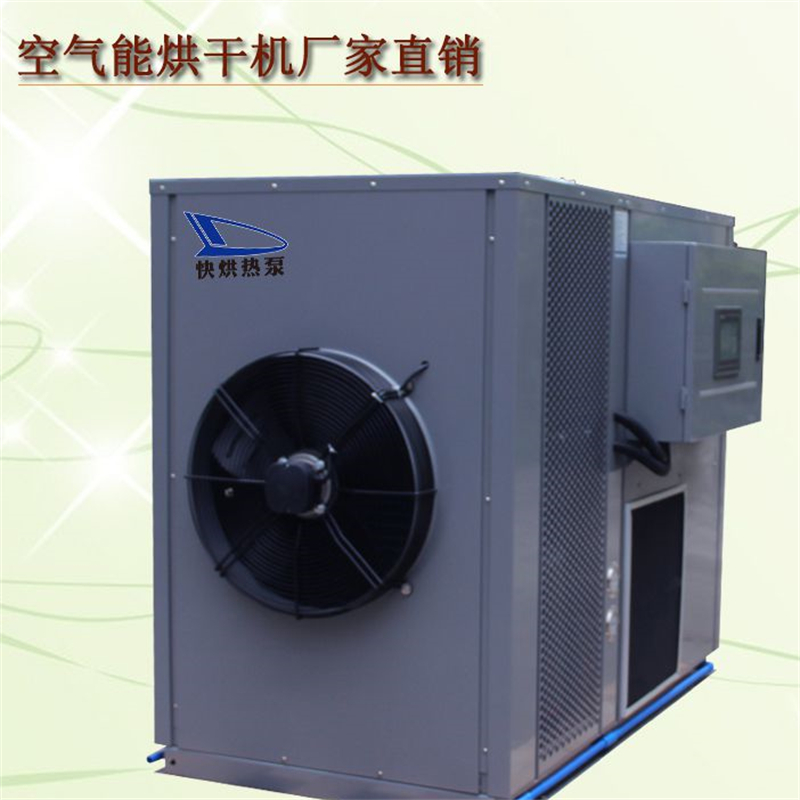
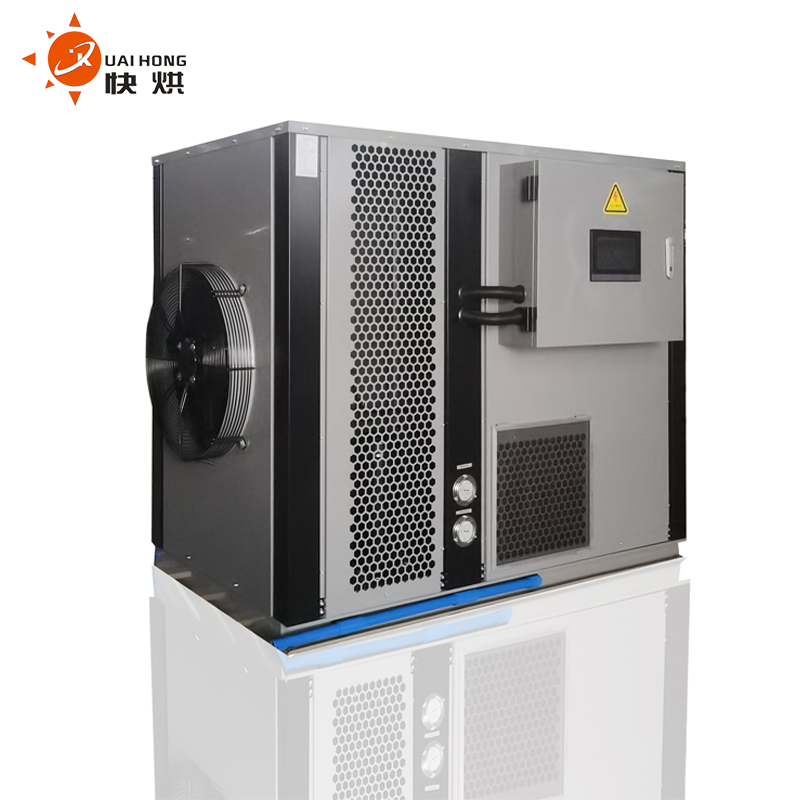
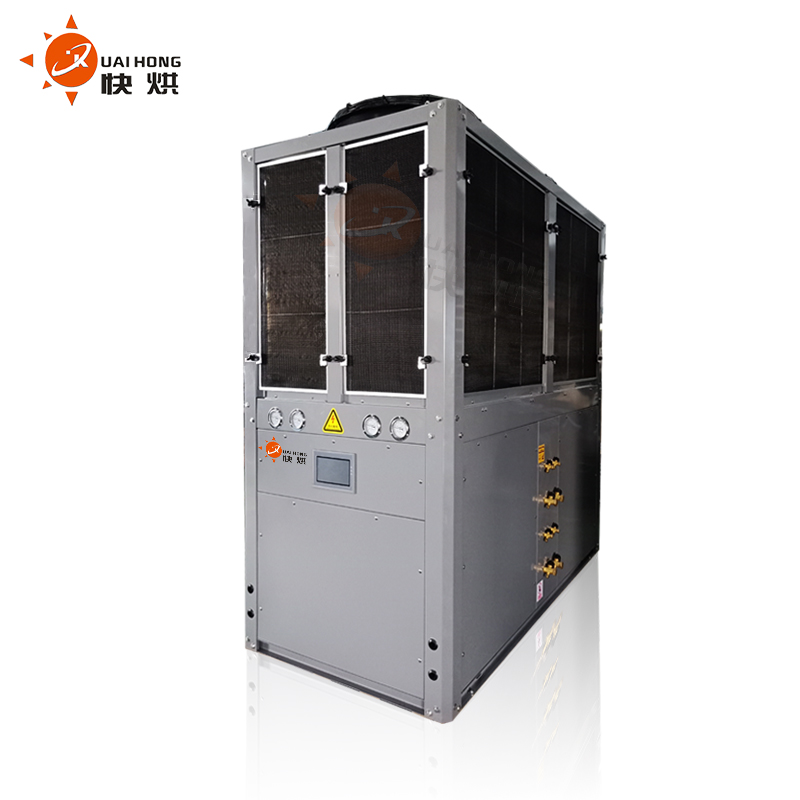
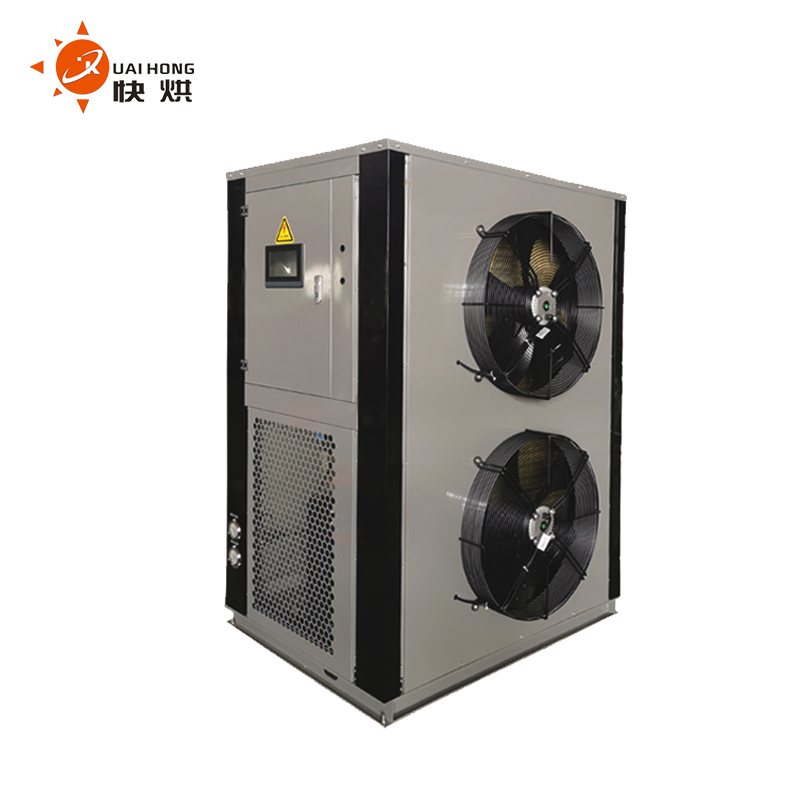
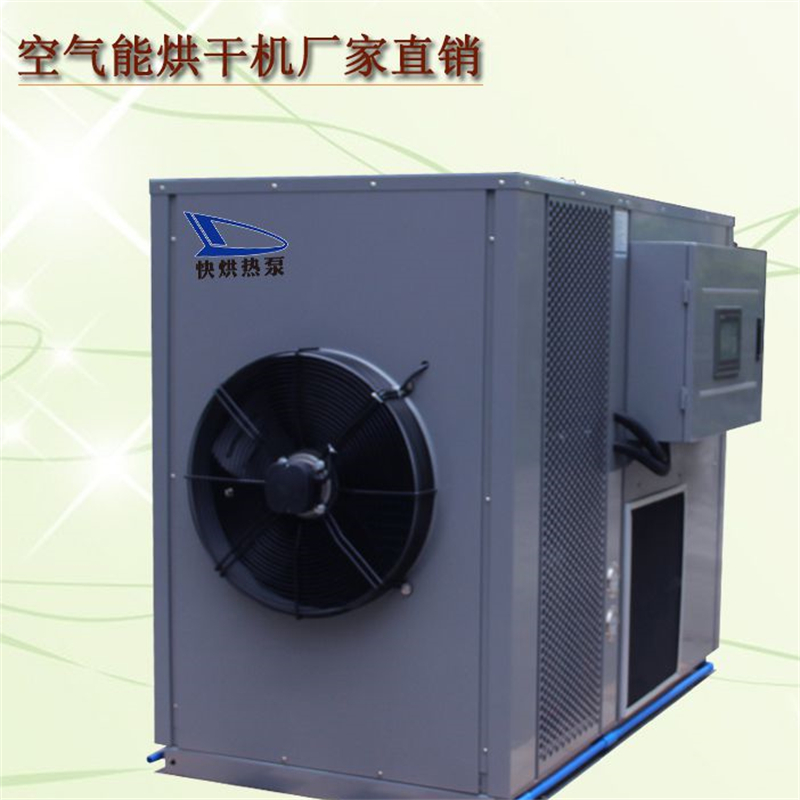
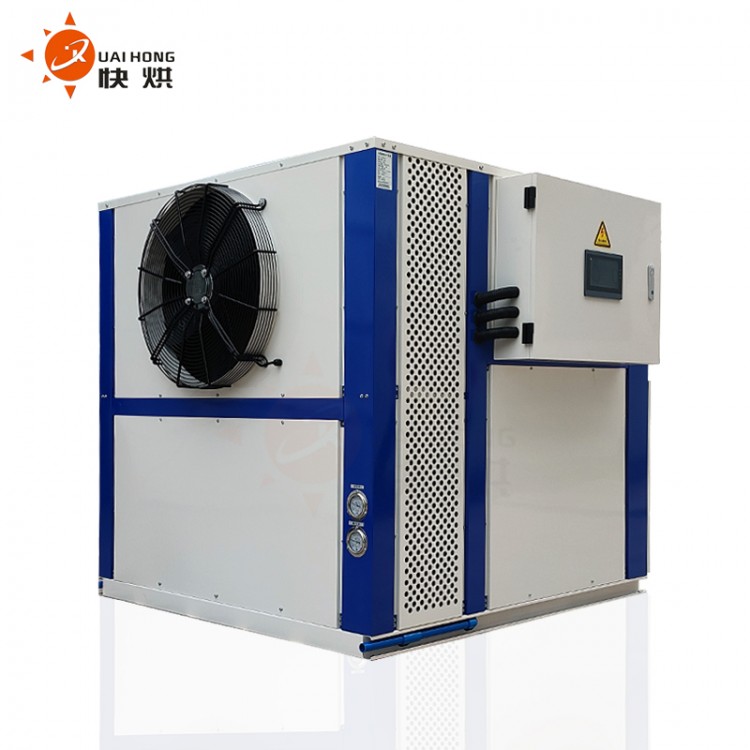
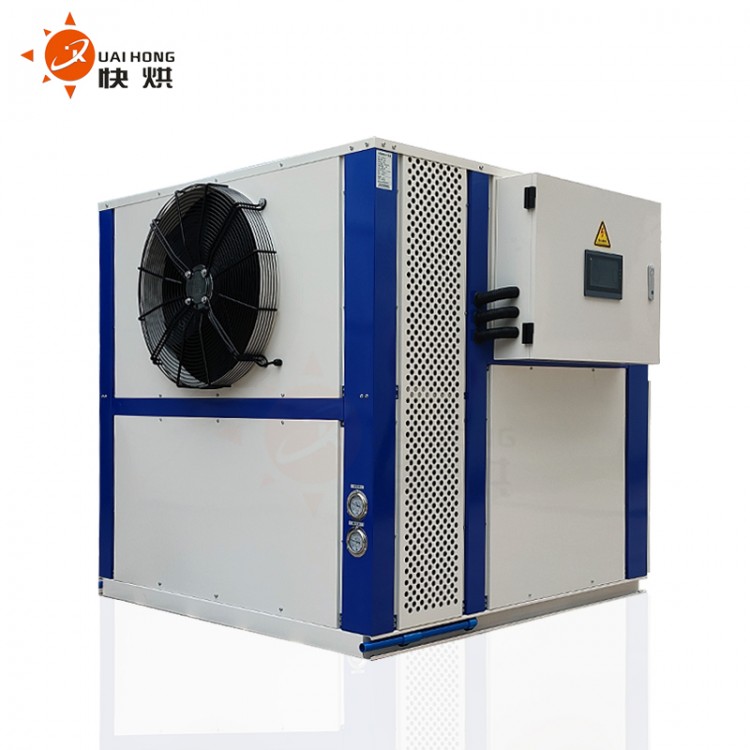
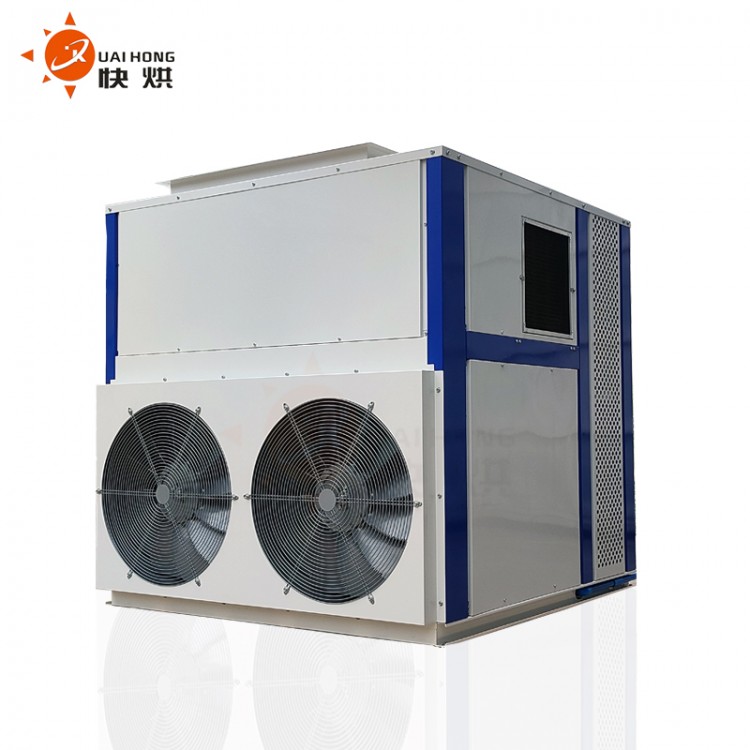
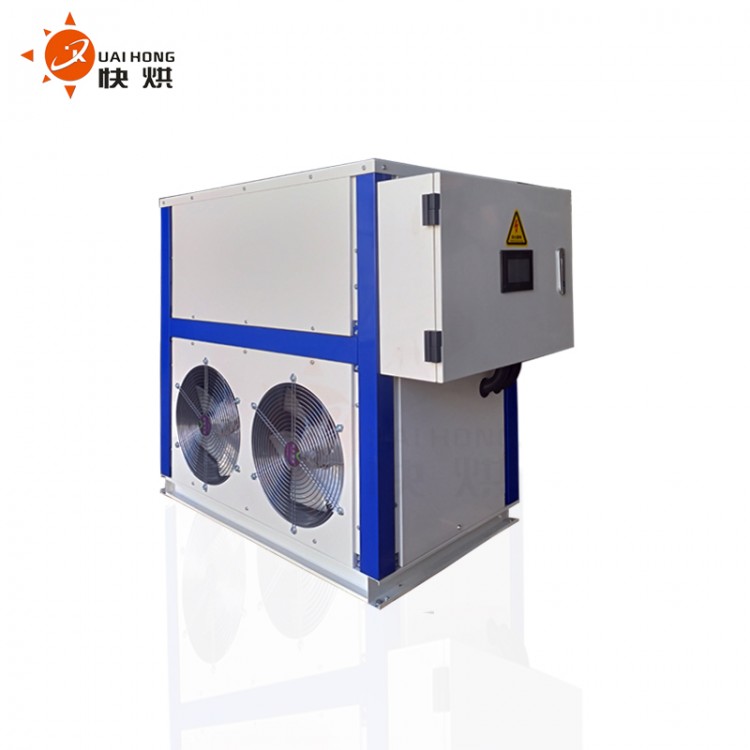
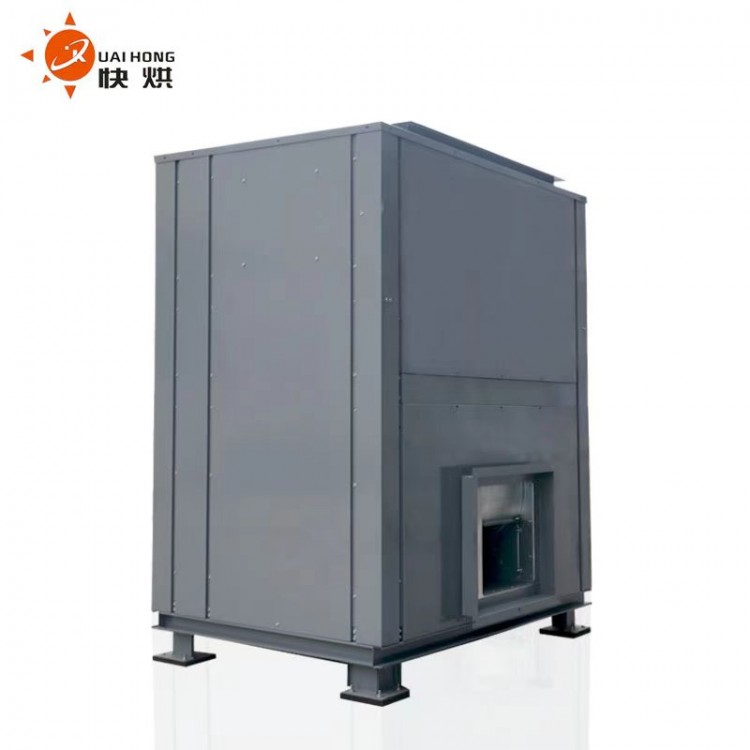
High-speed High-Temperature Heat Pump Drying Machine (Integrated Drying and Dehumidification Unit) Features
1The quick-dry heat pump dryer is an integrated intelligent device that combines dehumidification, heating, cooling, temperature exhaust, and ventilation, serving as a new type of energy-saving and emission-reduction drying equipment.
2Our intermediate heat exchange dehumidification system utilizes dual-effect dehumidification technology, significantly enhancing the dehumidification performance ratio and delivering noticeable energy-saving effects.
3Breakthrough traditional dehumidifier and common heat pump dehumidifying dryer technology bottlenecks: Solve the technical problem of poor dehumidifying performance and even idling (compressor running without removing water) of traditional dehumidifying equipment under high temperature and low humidity conditions.
4Air exhaust heat recovery design: Reduces heat loss in emissions, offers superior overall energy-saving efficiency.
5The pre-dehumidification function for fresh air ensures the incoming air is dry, suitable for stringent drying processes.
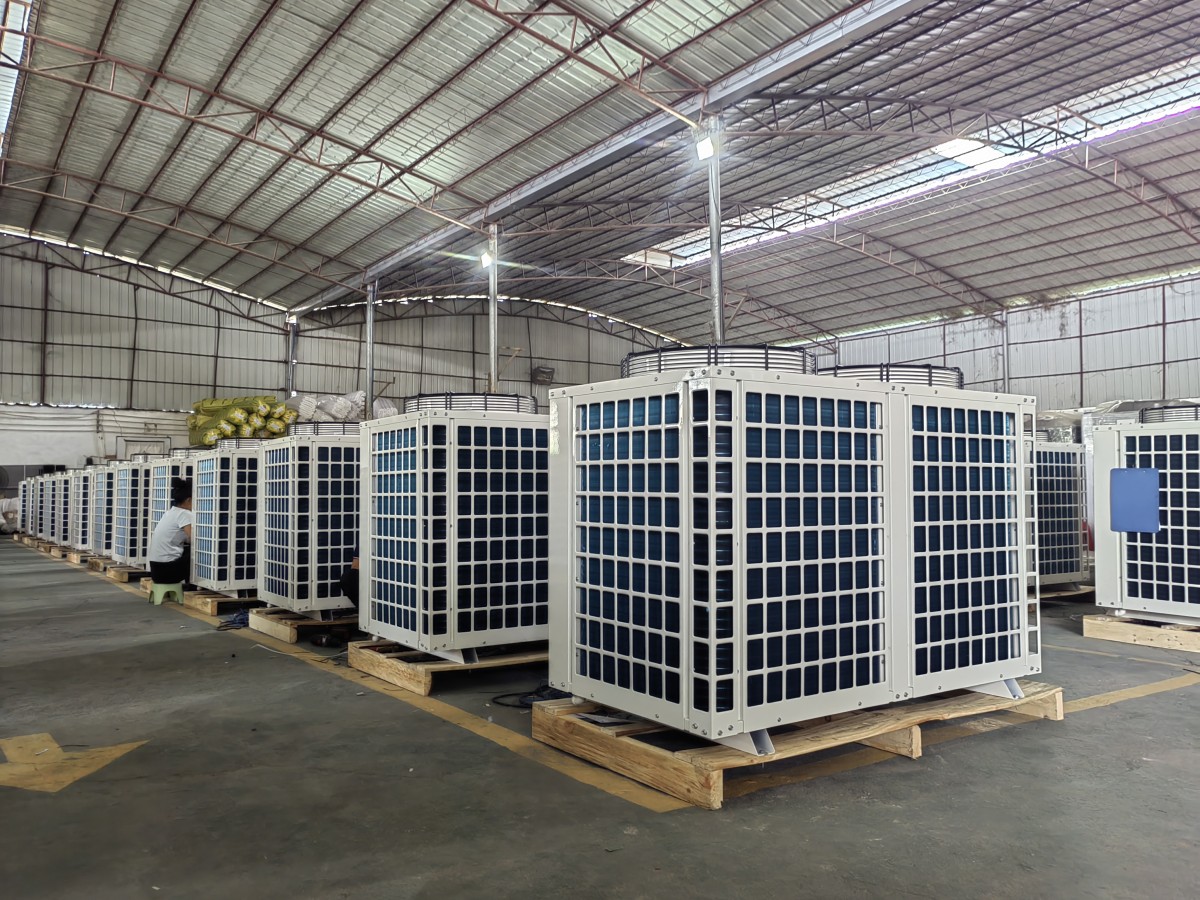
6The Quick-Dry High-Temperature Heat Pump Dryer is an environmentally friendly and energy-saving drying equipment. It produces no harmful substances during the drying process and does not emit smoke or open flame. It can adjust the temperature and humidity according to the characteristics of the drying material, featuring a high degree of intelligence.
7The drying process does not require constant supervision. Once the material is dried or the drying temperature is reached, the equipment will automatically shut down to achieve energy-saving effects. The unit operates under normal temperature and pressure, with its energy-saving features particularly evident. Its energy-saving efficiency is superior to that of electric heaters, infrared, and microwave ovens.50%Above, more energy-efficient than burning oil40%Energy-efficient compared to coal burning20%--30%During the drying process, the unit generates cold air, which, when directly discharged into the work area, can increase the room temperature.
8Easy installation: Easy to install and dismantle, occupying minimal space, suitable for both indoor and outdoor use.
9Energy-saving: Only a small amount of electrical power is needed to absorb a large amount of heat from the air, with electricity consumption far less than that of electric heaters.1/4Compared to coal, oil, and gas drying machines, it can save...60%Operating costs on both sides. 11 kilowatt-hour4Kilowatt-hour.
10Hazard-free and eco-friendly: No combustion materials or emissions involved, a sustainable product for environmental protection.