










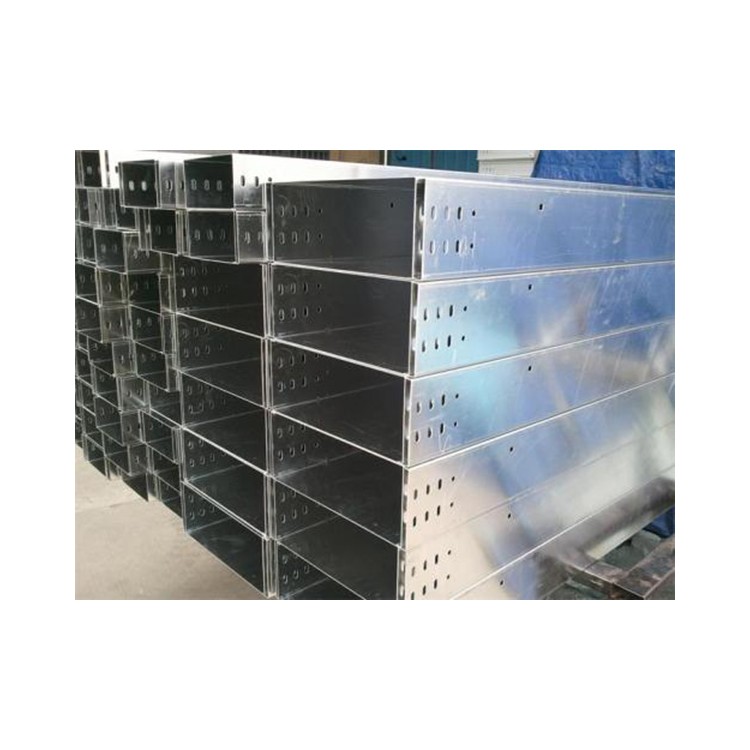
A wide variety of cable trays exist around us, differing in types, shapes, and applications. Now, let's comprehensively discuss several commonly used cable trays today.
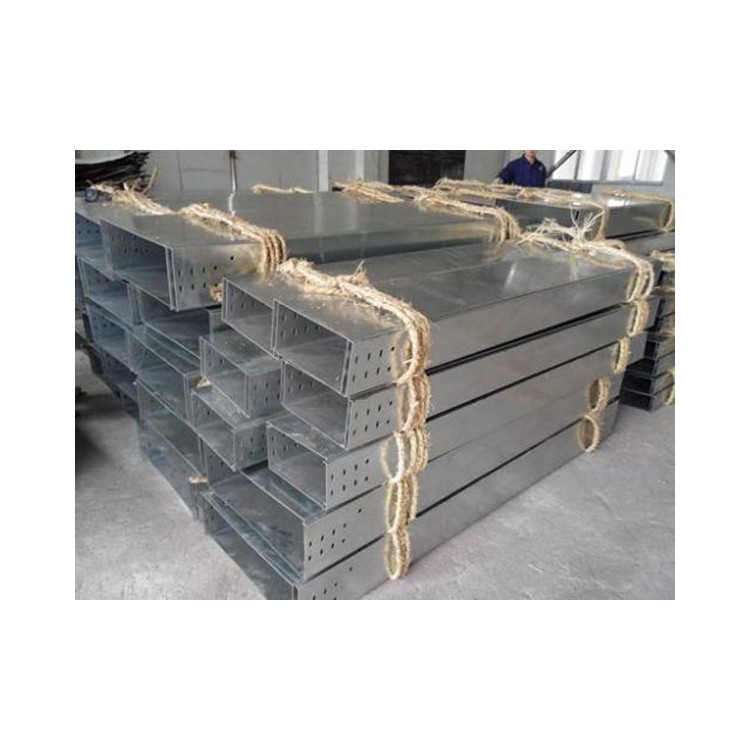
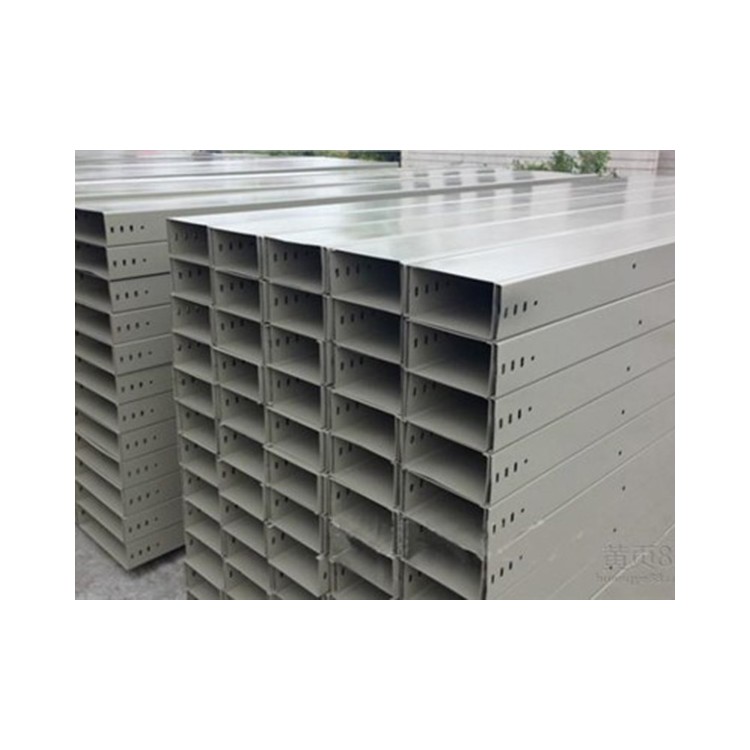
Slot-type bridge tray
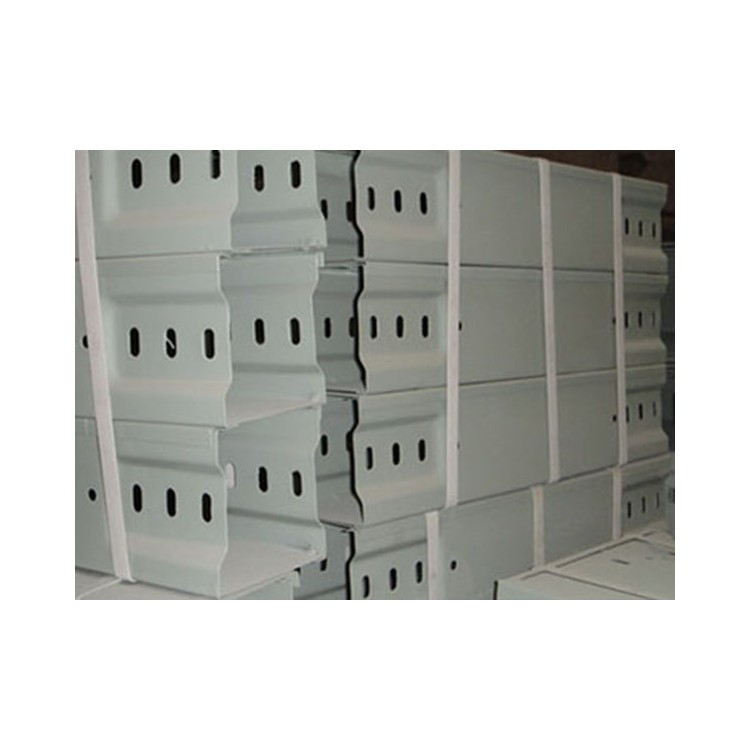
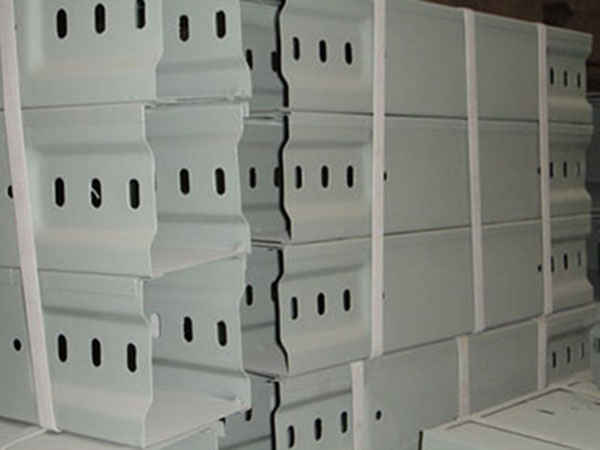
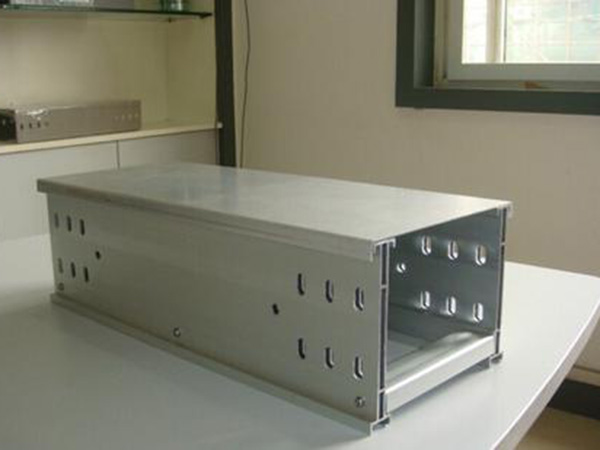
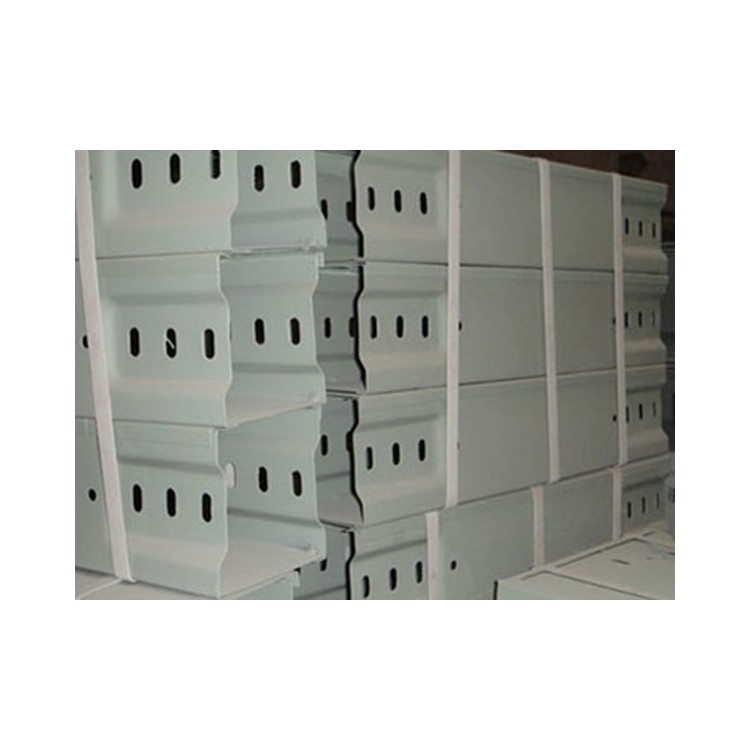
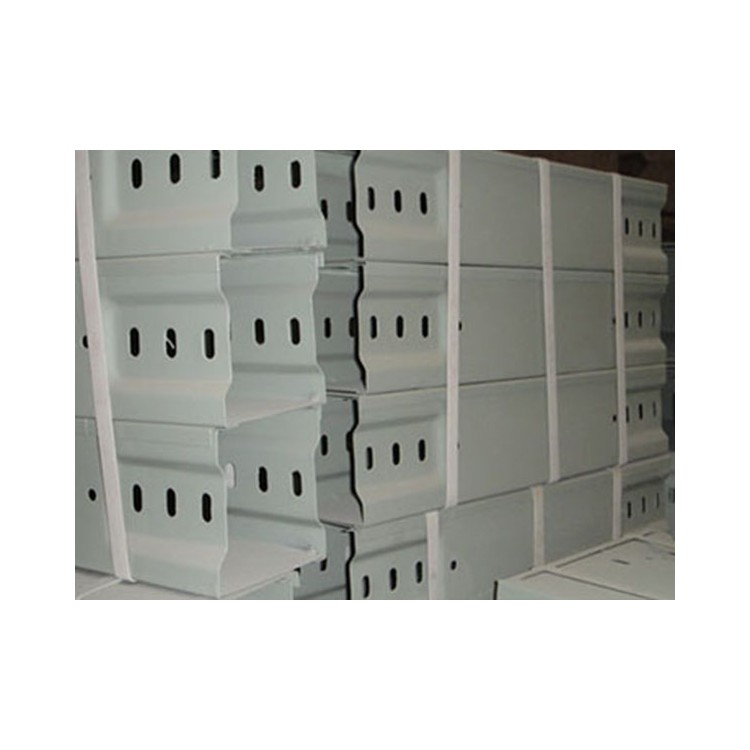
Channel cable trays, widely used for laying computer, communication cables, thermocouple cables, and control cables for other high-sensitivity systems. They effectively control cable shielding interference and offer good protection for cables in heavily corrosive environments. Drawback: Poor ventilation.
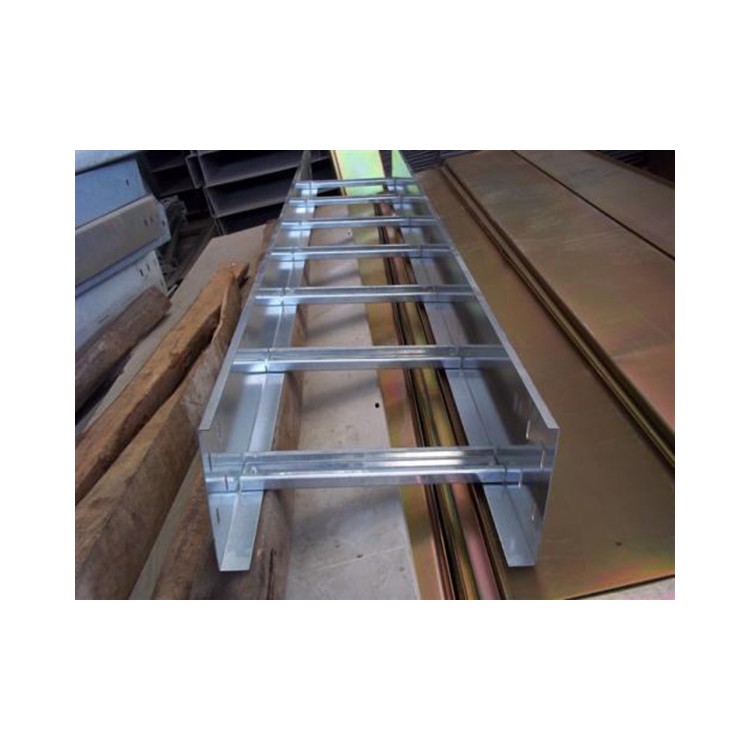
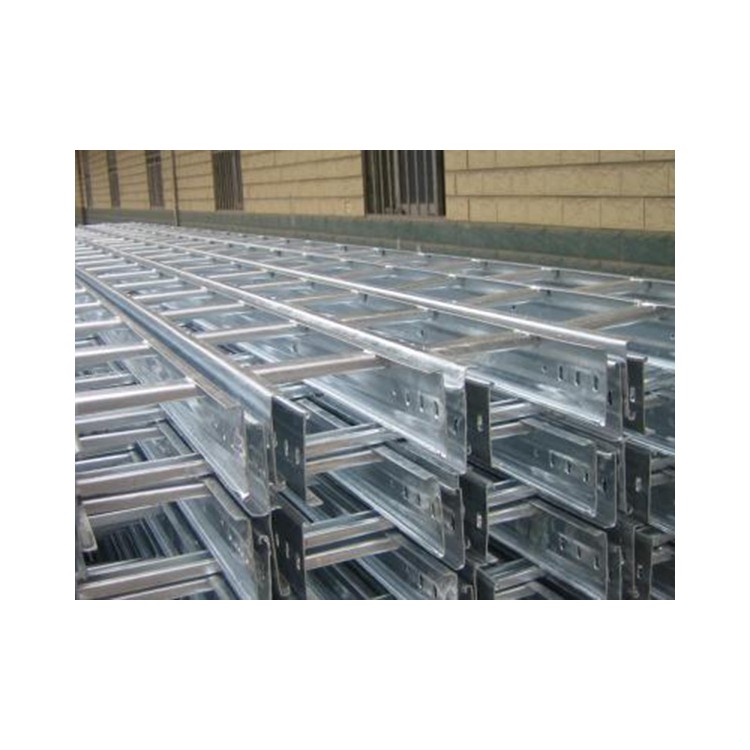
Step-Type Bridge Support
Step-type bridge supports are suitable for laying cables with larger diameters, ideal for both high and low-voltage power cables. Compared to channel-type bridge supports, they offer better ventilation; however, this also means they have slightly reduced dust and interference resistance.
Three: Truss Bridge Rack
Tray-type bridge supports, somewhat similar in performance to step-type bridge supports, but with a higher degree of precision in the trays. They are primarily used in the petrochemical, light industry, telecommunications, and other fields. They offer advantages such as light weight, high load capacity, and aesthetic design. Disadvantages: Similar to step-type bridge supports.
Four: Combination Bridge Support
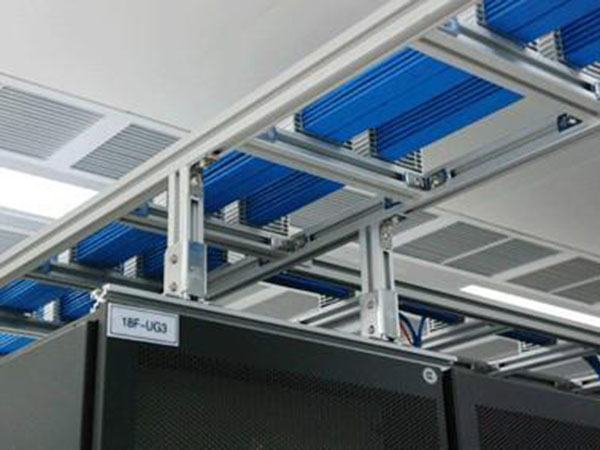
Combinational bridge supports are a product in the cable tray series. They offer flexibility for various engineering projects, featuring simple construction, easy installation, sensitive equipment, and innovative design. They can be freely combined in any shape.
DJ Type Large Span Cable Bridge
Large-span cable bridge supports are typically assembled from pultruded glass fiber reinforced plastic profiles and are widely used in power cable applications. Compared to the above iron-made bridge supports, they offer various superior properties such as long service life, easy installation, low cost, ease of cutting, and no need for maintenance.