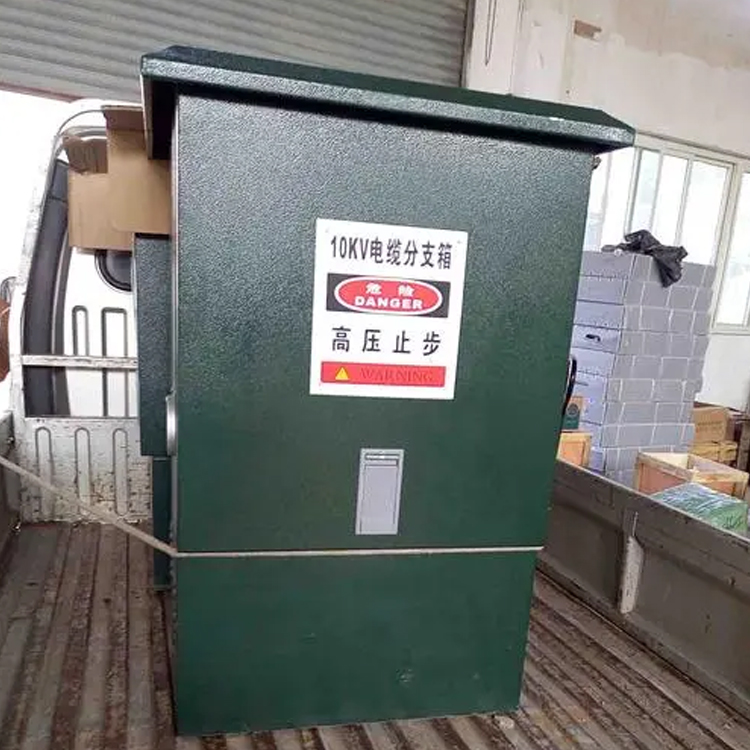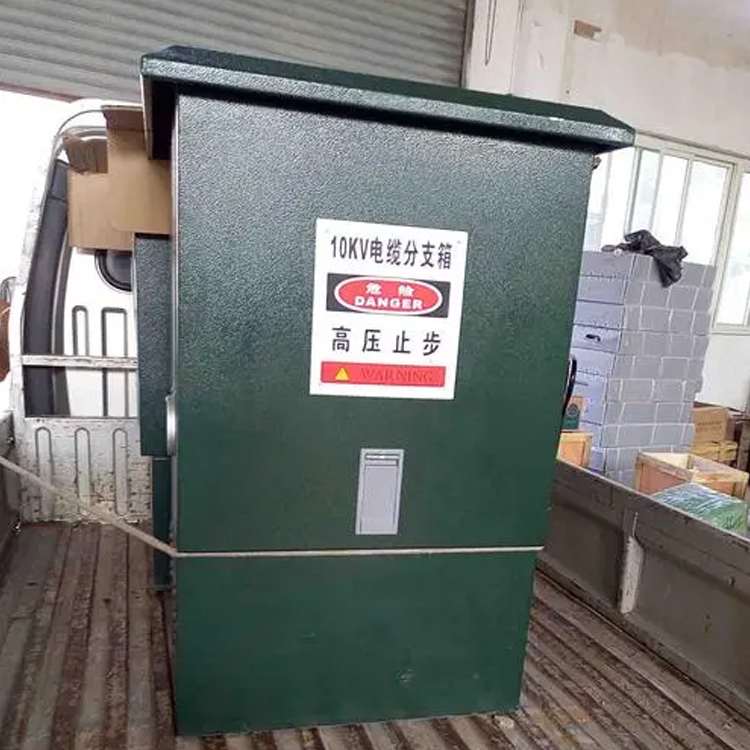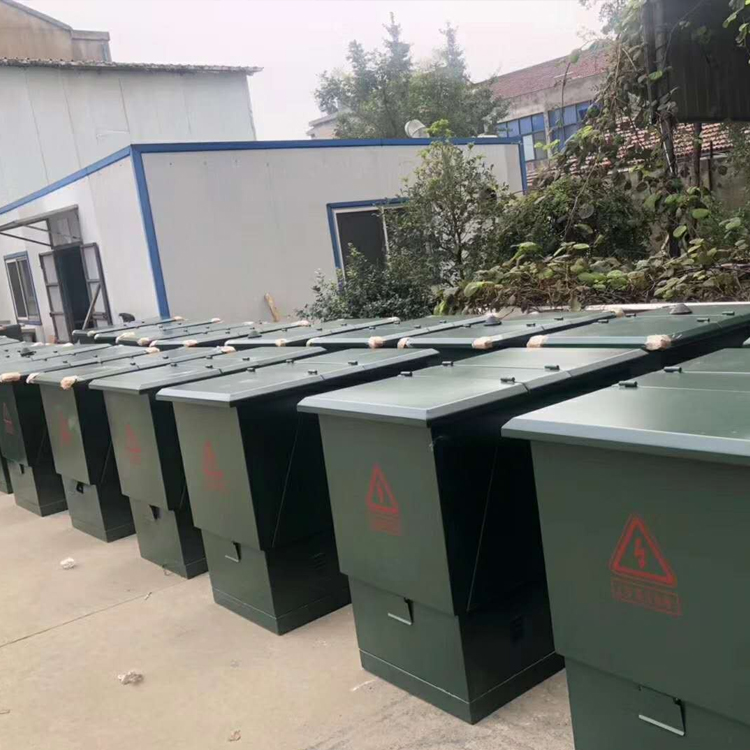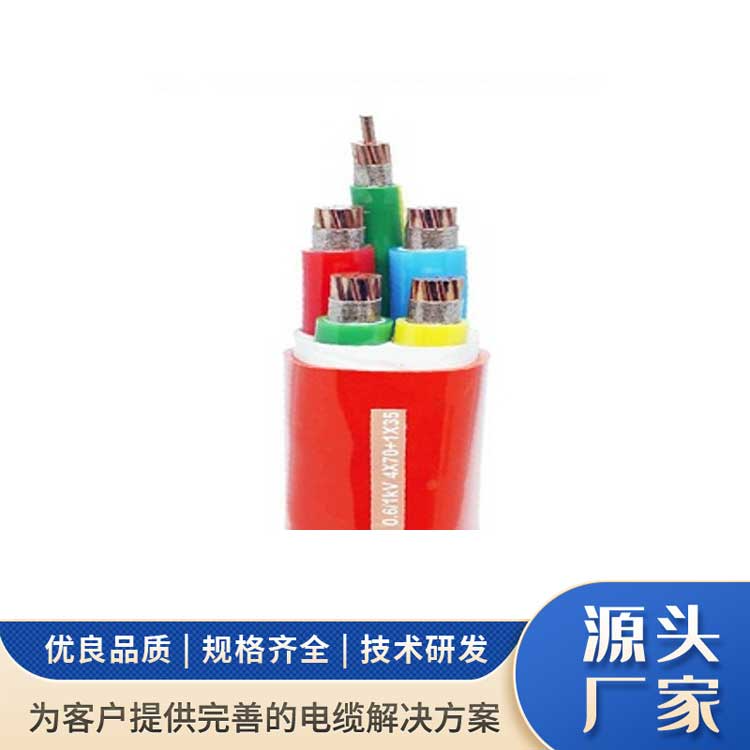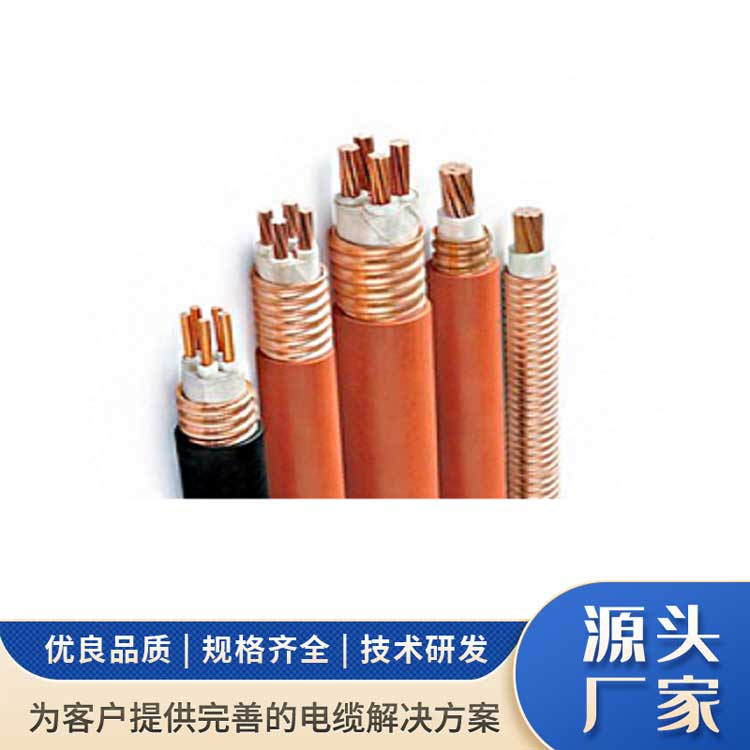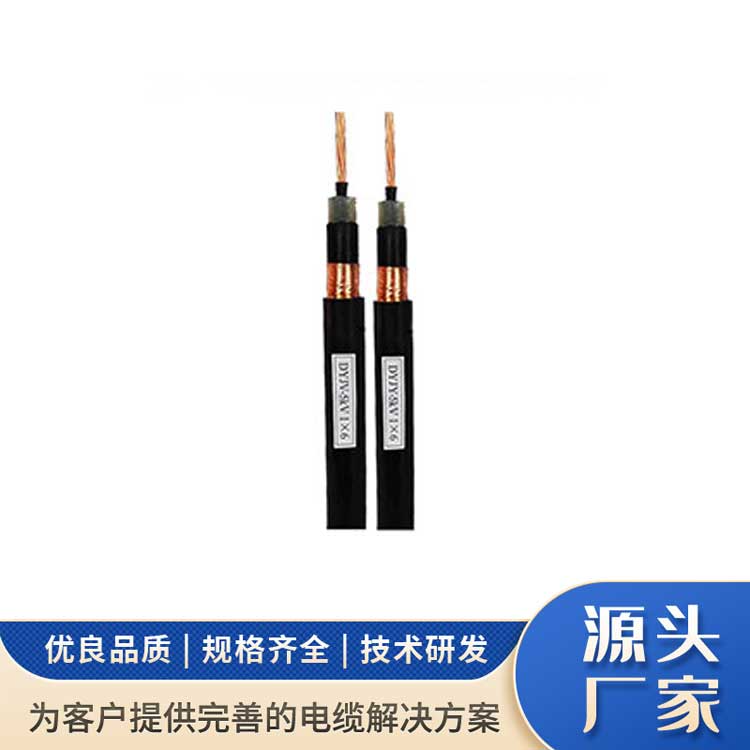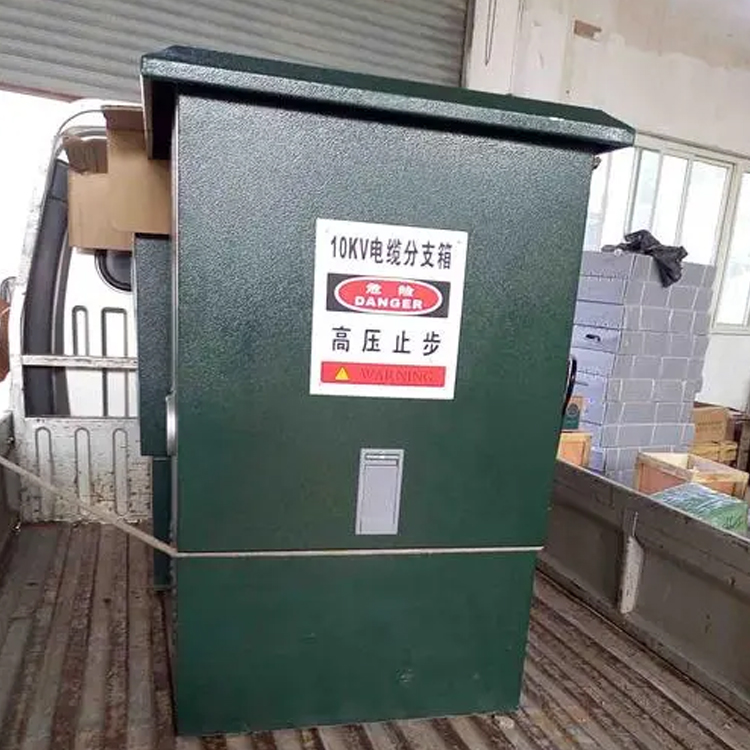

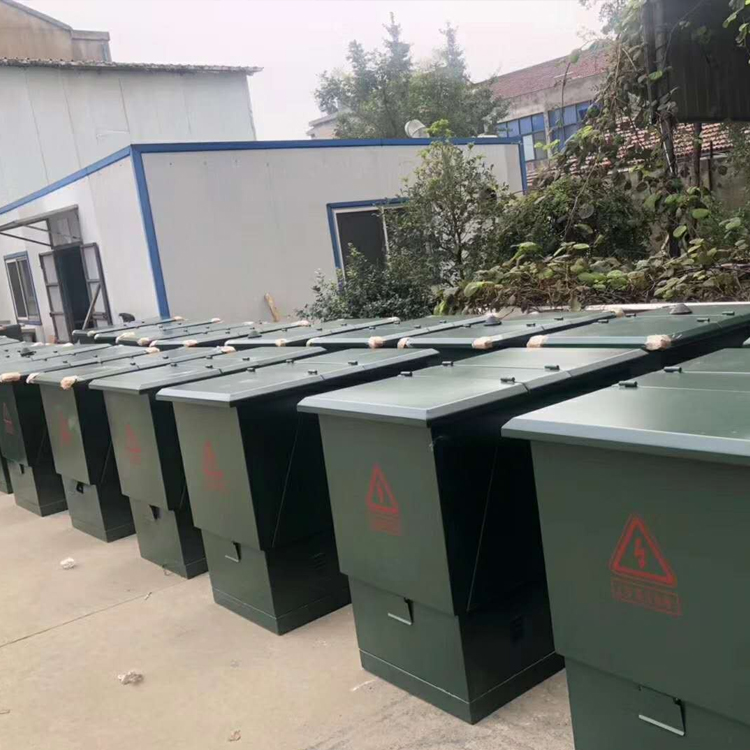
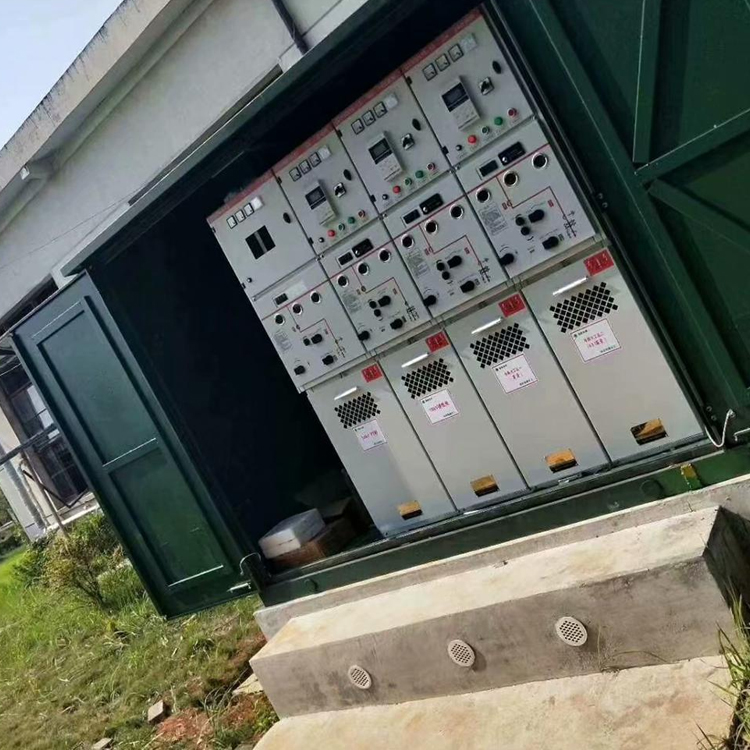


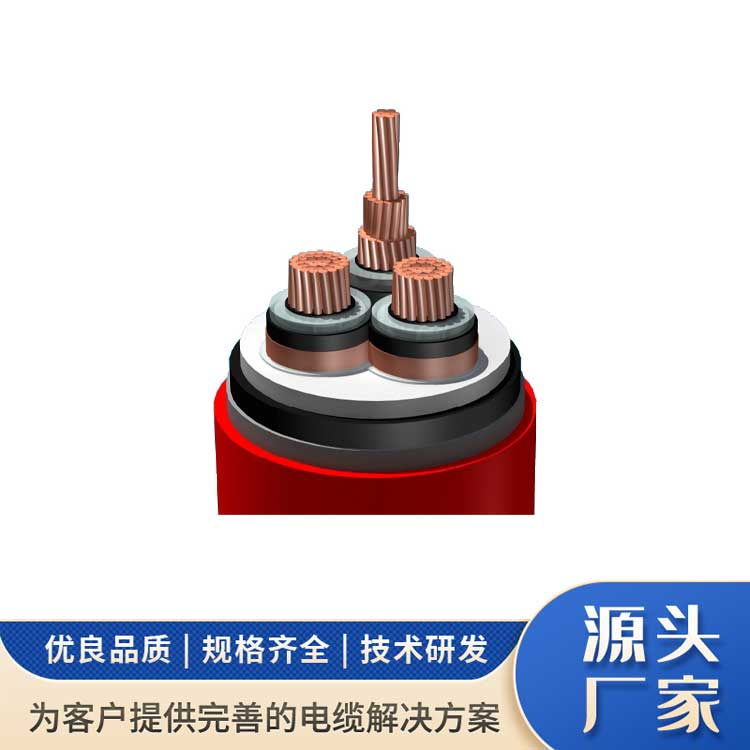





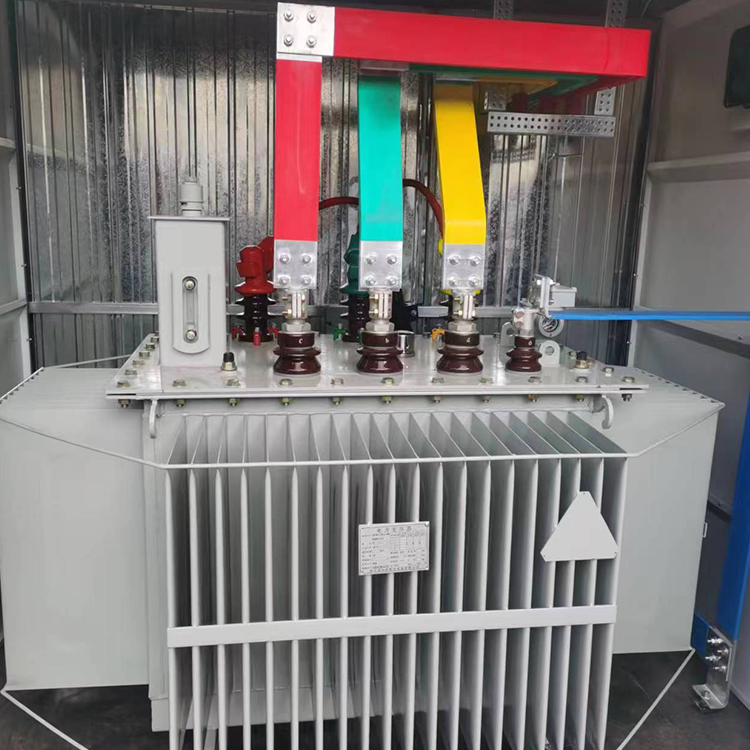
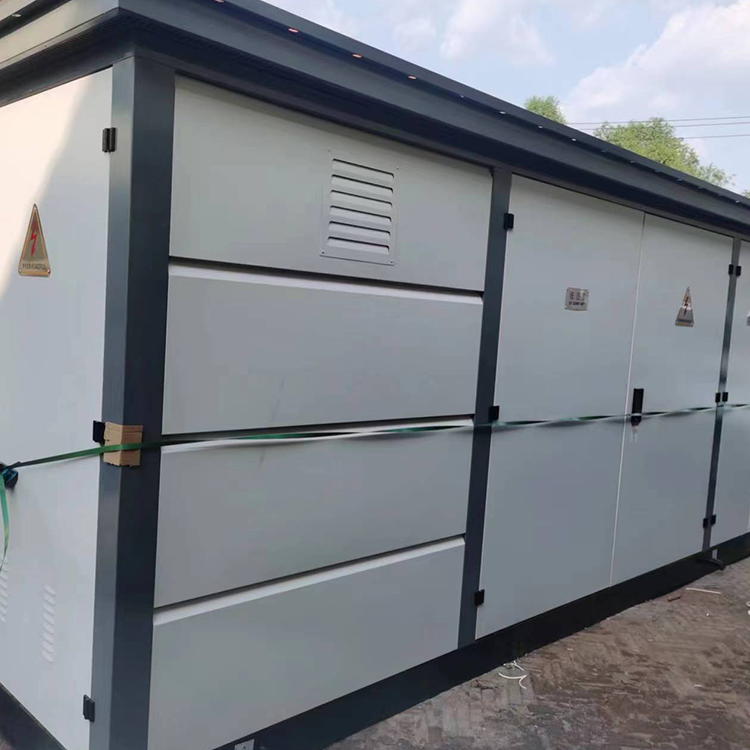

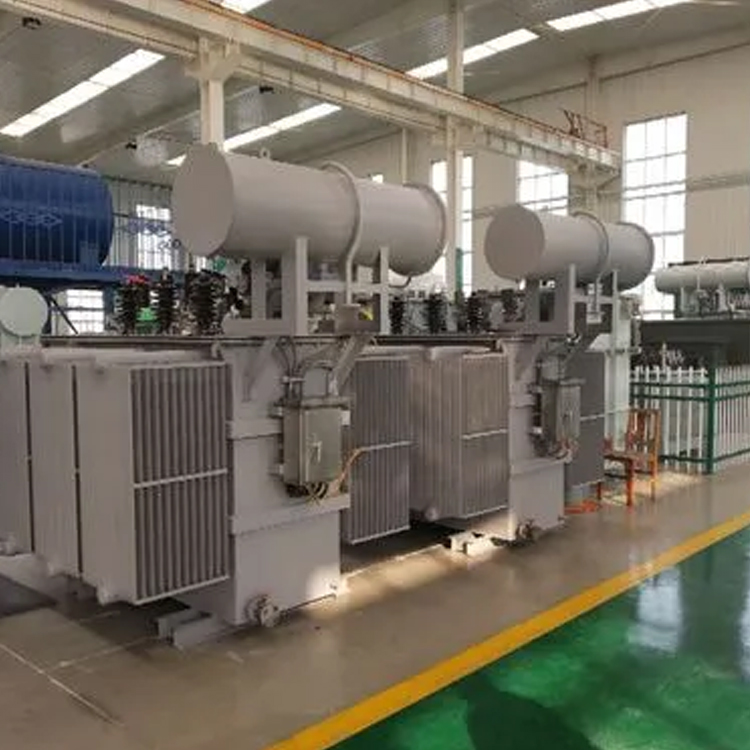
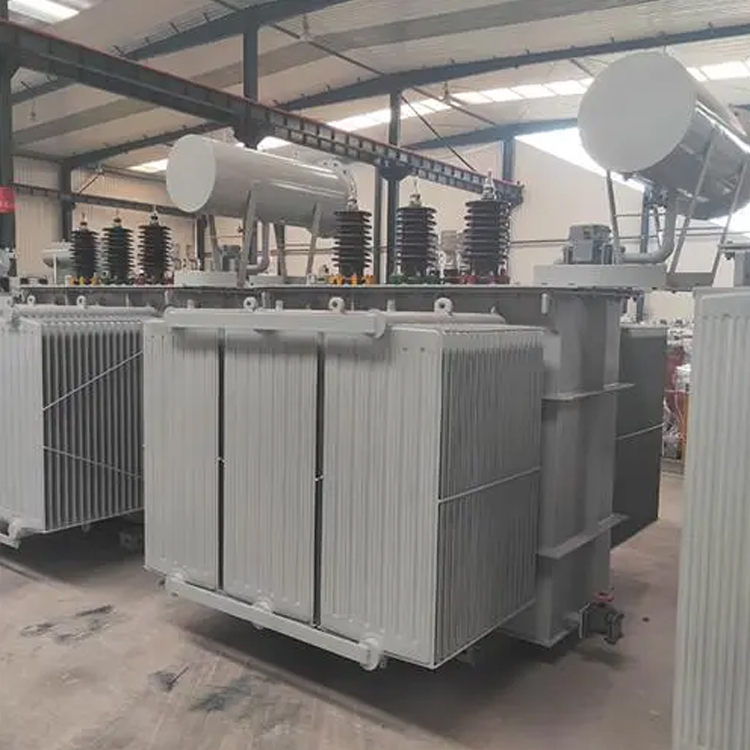
The cable branch box is used solely for cable branching purposes. The primary function of the cable branch box is to connect or transfer cables, mainly serving as a cable connection and cable transfer function.
As the process of cable network development continues, when independent loads with relatively low capacities are distributed densely, cable branch boxes can be used for multi-branch cable connections since the branch box cannot operate directly on each circuit.
1) Cable Tap Function. On long routes, using multiple small cross-sectional area cables often leads to waste. Therefore, in the transmission lines to the load, it is common to use main trunk cables. Then, as the cables approach the load, cable tap boxes are used to divide the main trunk cables into several smaller cross-sectional area cables, which are then connected to the load. This wiring method is widely used for power supply to street lights and small consumers in urban power grids.
2) Cable Transition Function. In a relatively long line, the cable length cannot meet the line requirements. In such cases, cable joints or transition boxes are used. Generally, for short distances, a cable intermediate joint is employed. However, for longer lines, based on experience, on cable lines over 1000m, if there are multiple intermediate joints, a cable branch box may be considered for transition.
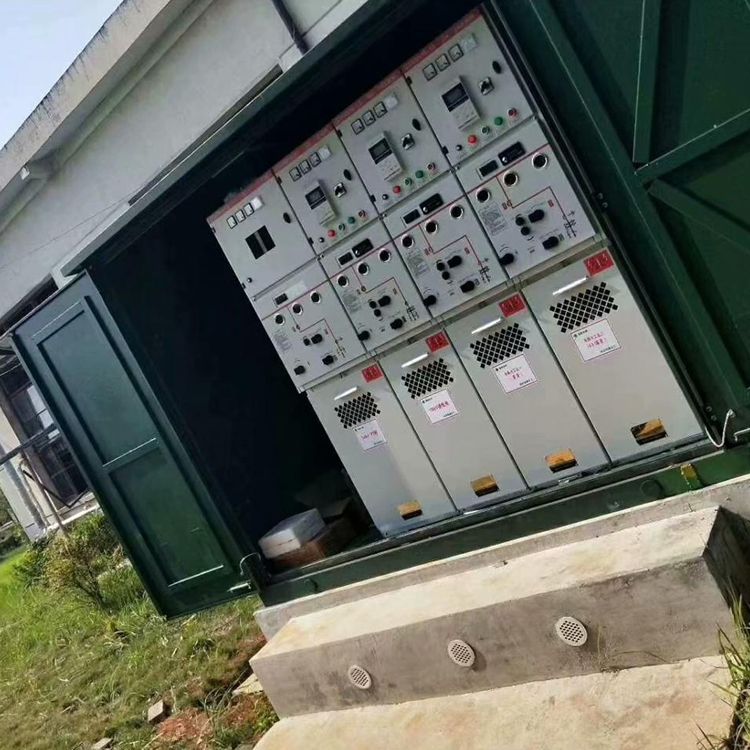
Cable branch boxes are widely used outdoors. With technological advancements, there's an increasing number of switch-equipped branch boxes. City cables often use dual-circuit power supply methods, leading some to directly refer to switch-equipped branch boxes as outdoor ring main units. However, most of these ring main units currently cannot achieve distribution automation. Nonetheless, manufacturers have introduced outdoor ring main units capable of distribution automation, which is beginning to blur the line between cable branch boxes and ring main units.