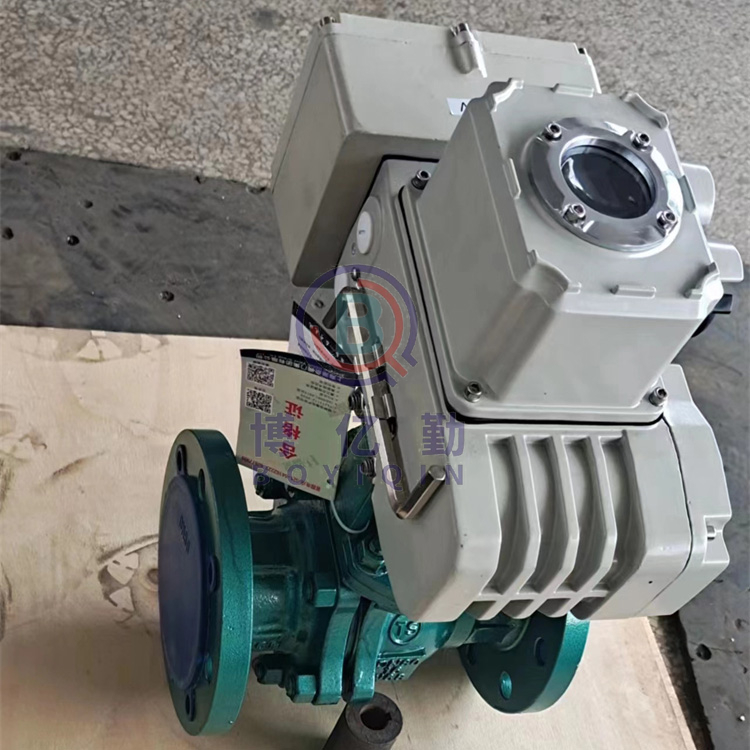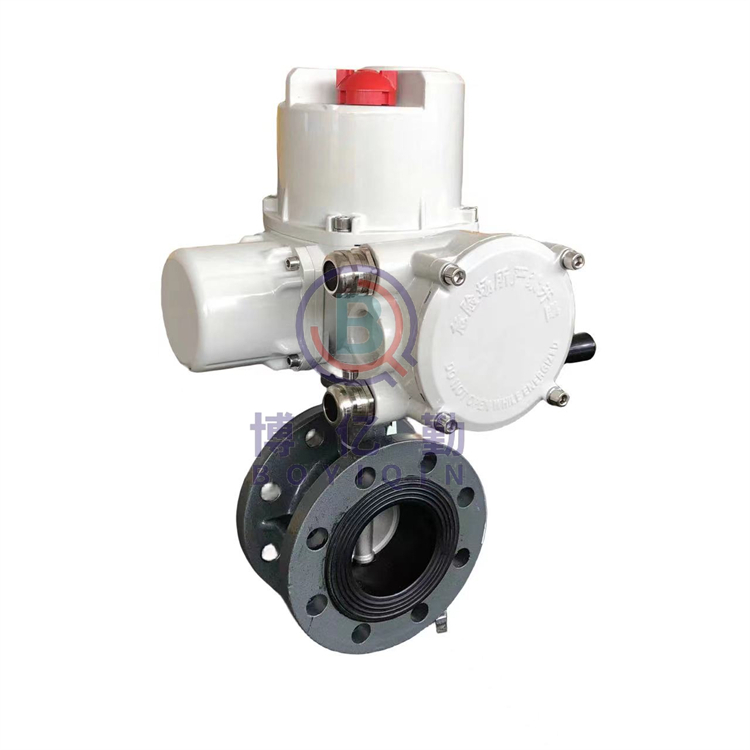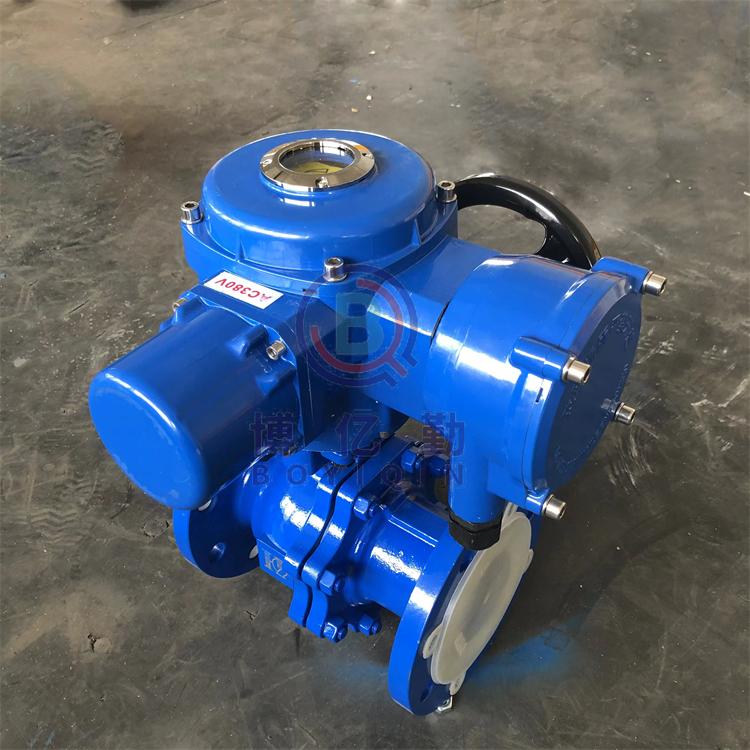


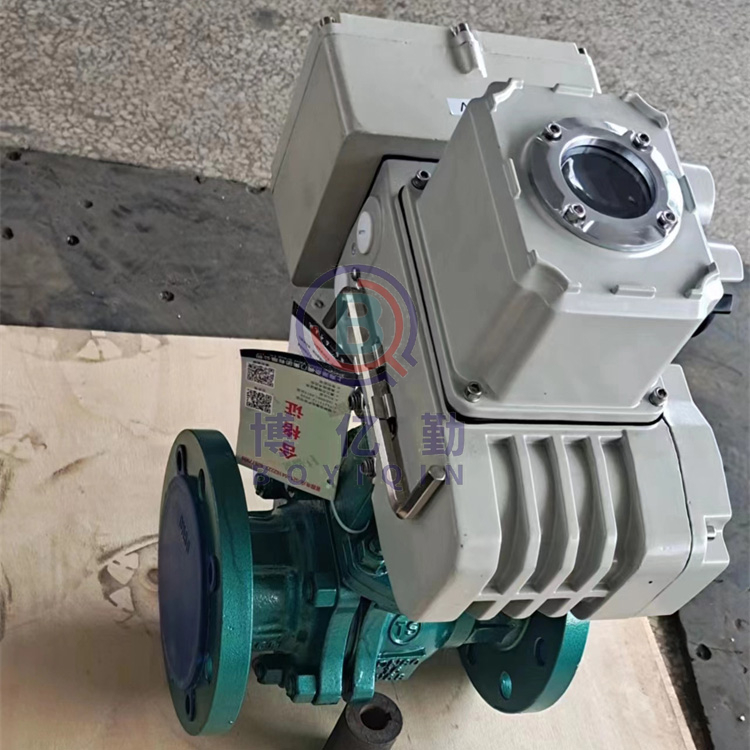
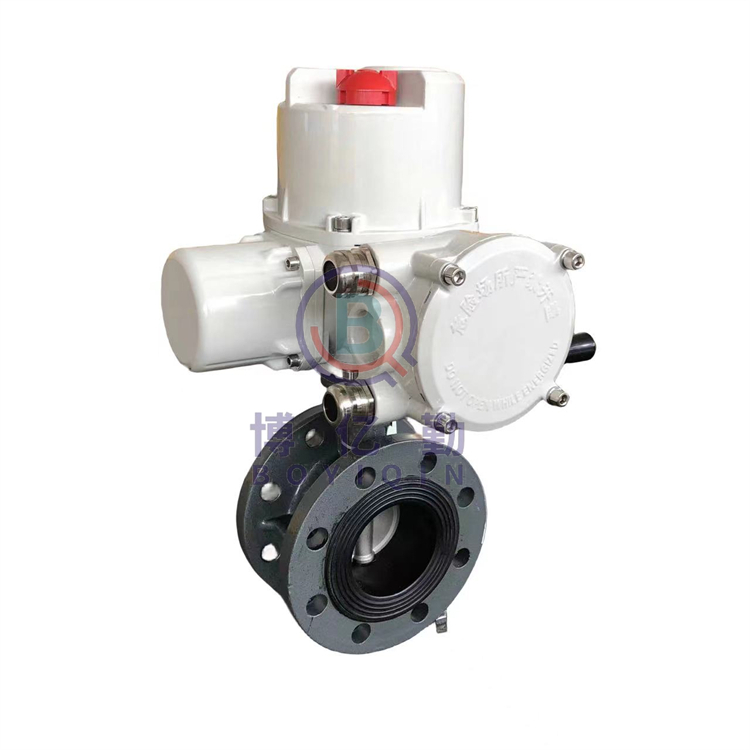


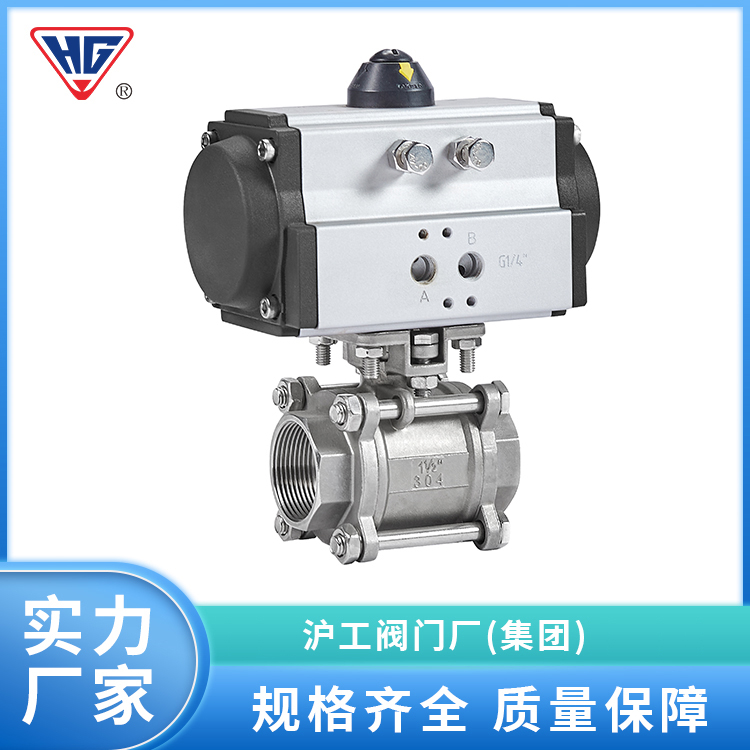

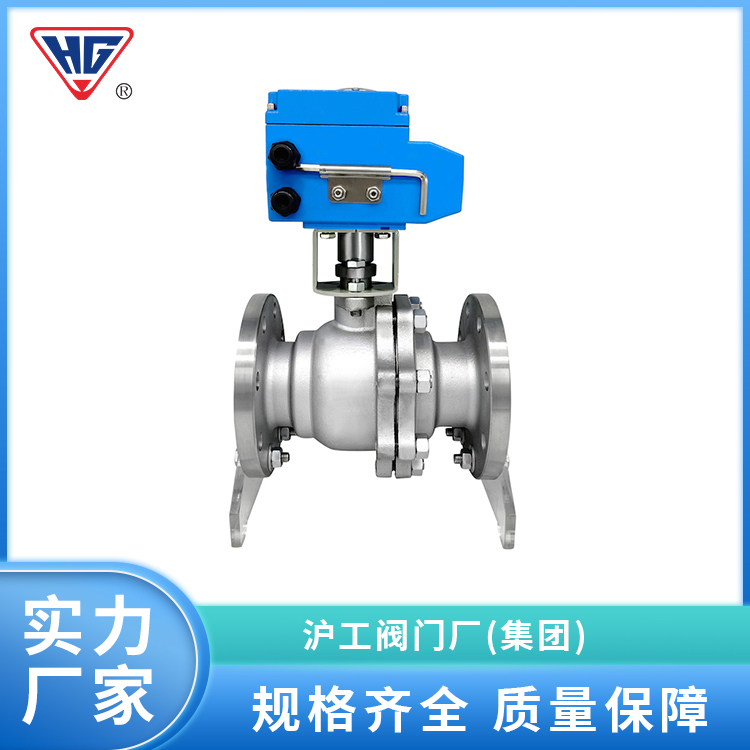
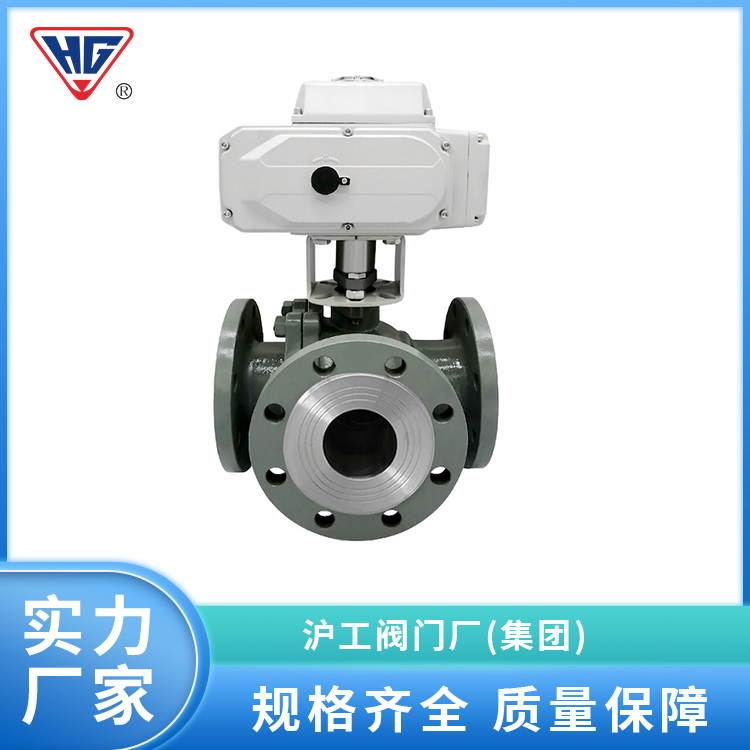
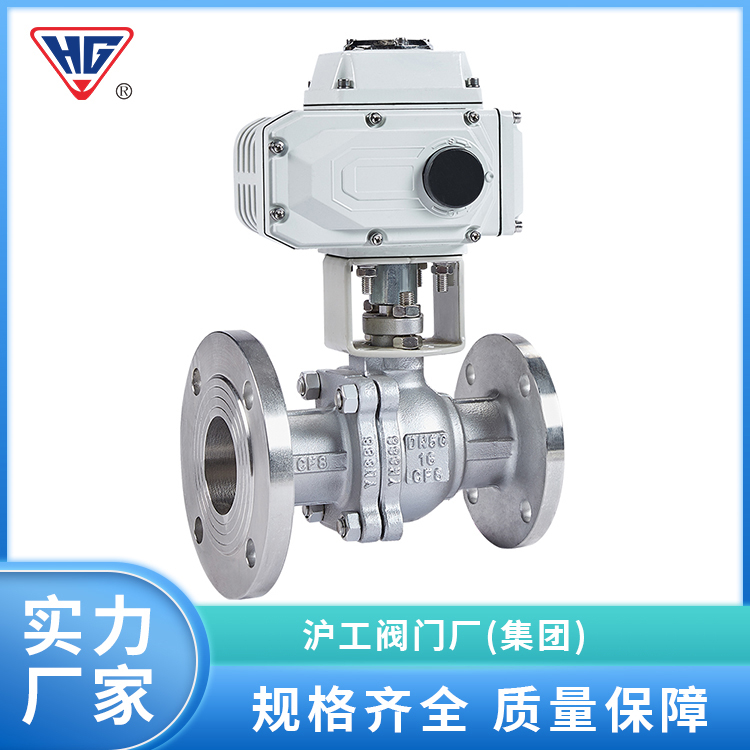





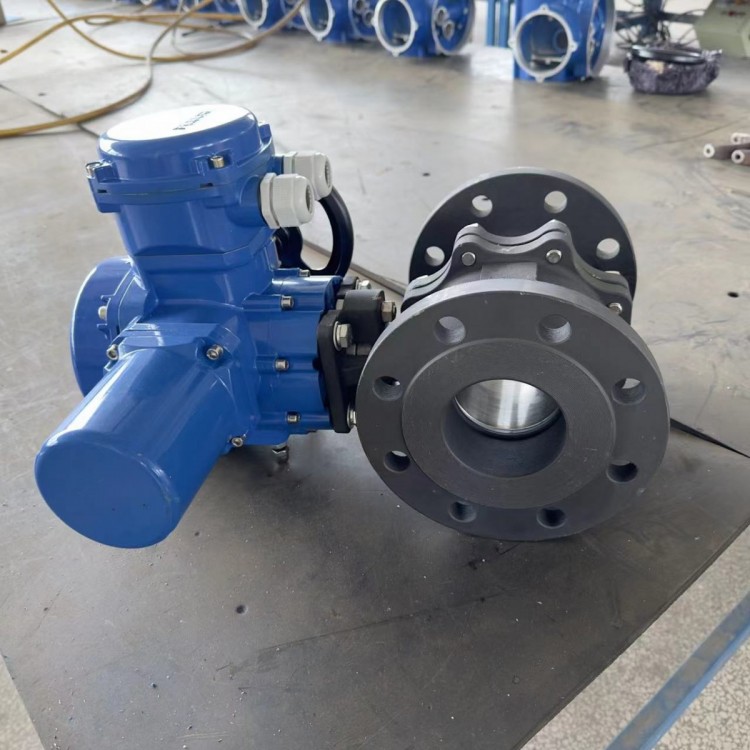
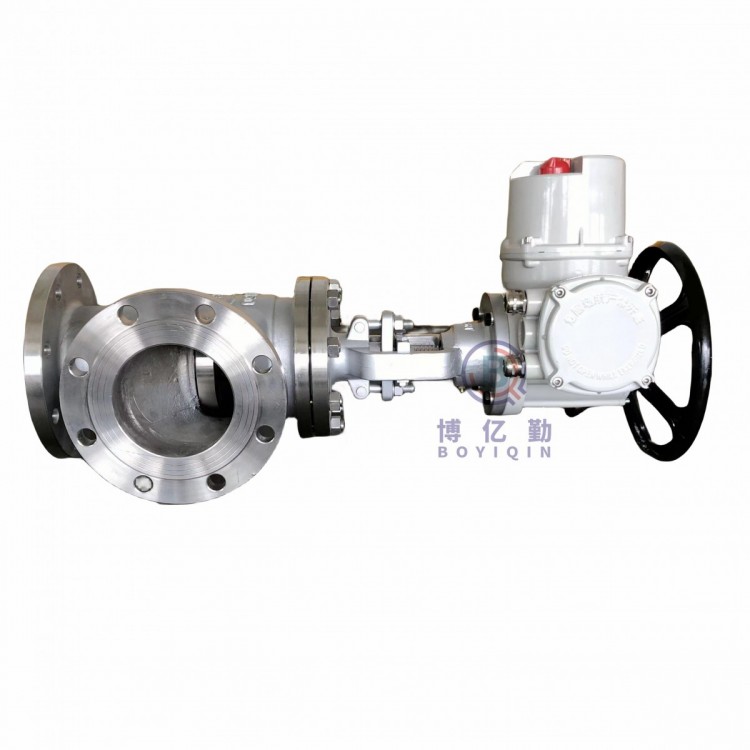

Introduction to Ball Valves:
The primary function of a ball valve is to cut off or connect the fluid passage in the pipeline. The working principle of a ball valve is to apply a certain torque to the ball by means of a driving device at the top of the valve stem, causing it to rotate.90°, to complete the action of opening or closing the valve. The sealing principle of the ball valve's seat varies depending on its structure, with commonly used seat structures generally divided into two categories: fixed seat floating ball and floating seat fixed ball. When the fixed ball of the seat is floating, under the action of fluid pressure, the ball moves in the direction of fluid flow, causing it to come into a closer contact with the seat behind the valve, resulting in an increased pressure ratio on the sealing surface, forming a one-sided seal. Simultaneously, the pressure ratio on the sealing surface of the seat in front of the valve is correspondingly reduced, often not ensuring a proper seal. When the floating ball of the seat is fixed, the fluid pressure cannot displace the ball. Instead, the seat is pressed against the ball by means of a spring or fluid thrust, establishing a sealing pressure ratio.
Advantages of Ball Valves:
1、Low fluid resistanceThe drag coefficient is equal to that of a pipe section of the same length.
2Simple structure, compact, and lightweight.
3Tight and reliable, plastic is widely used as the sealing material for ball valves due to its good sealing properties, and they are also extensively employed in vacuum systems.
4Easy to operate, quick to open and close, from fully open to fully closed in just one rotation90°, for easy remote control.
5Easy to maintain, the ball valve structure is simple, and the seals are generally movable, making disassembly and replacement convenient.
6When fully open or closed, the sealing surface of the ball and valve seat is isolated from the medium, and the medium passing through will not cause erosion of the valve sealing surface.
7Wide application range, from a few millimeters to several meters in diameter, suitable for both high vacuum and high pressure conditions.