









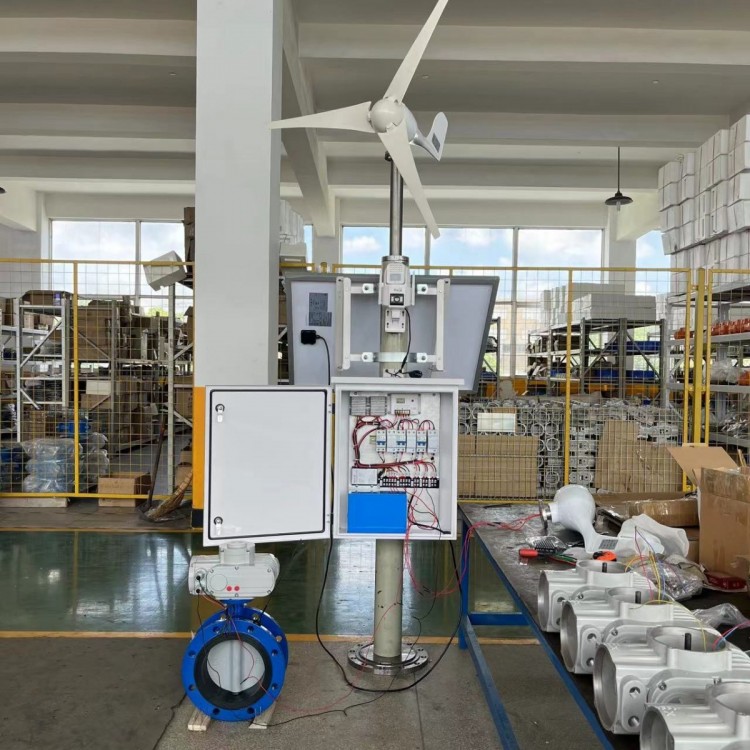
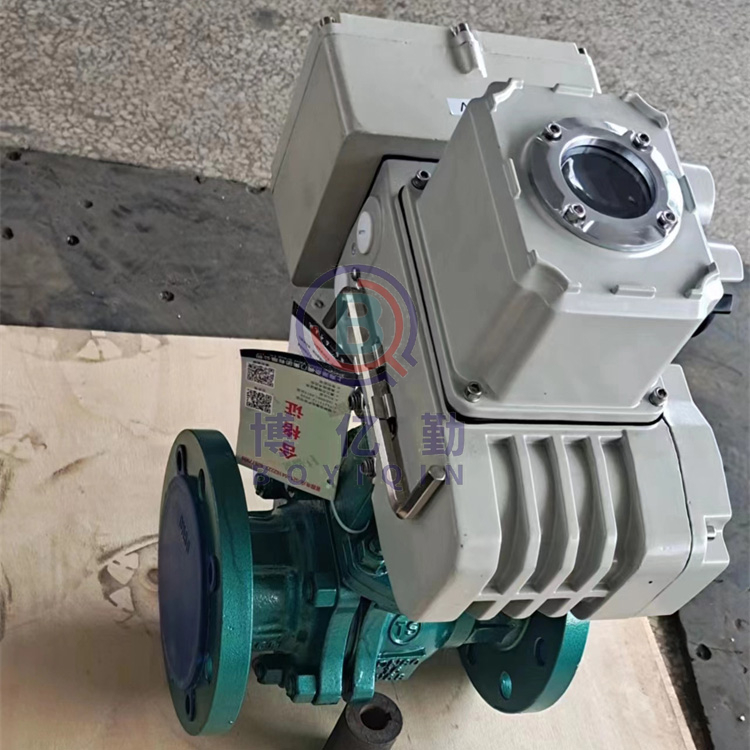
Butterfly valve structure and working principle
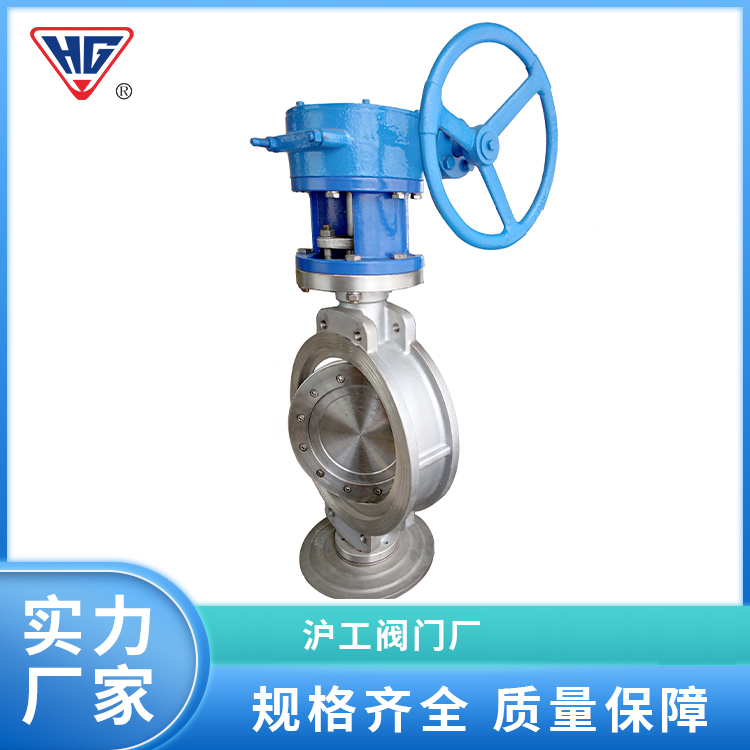
The butterfly valve's disc is installed along the diameter of the pipeline. Within the cylindrical passage of the butterfly valve body, the circular disc rotates around the axis, with the rotation angle of0°~90°, rotate to90°The valve is fully open.

The butterfly valve has a simple structure, small size, and light weight, consisting of only a few parts. Moreover, it only requires a rotation90°Quick to open and close, easy to operate, and the valve boasts excellent fluid control characteristics. When the butterfly valve is fully open, the thickness of the butterfly plate acts as the resistance to the medium flowing through the valve body, resulting in minimal pressure drop through the valve, hence excellent flow control properties. Butterfly valves come in two sealing types: elastic and metallic. Elastic sealing valves have sealing rings that can be embedded in the valve body or attached around the butterfly plate. Valves with metallic sealing generally have a longer lifespan than those with elastic sealing but are harder to achieve a perfect seal. Metallic sealing can withstand higher working temperatures, while elastic sealing has the drawback of being temperature-sensitive.
If using a butterfly valve for flow control, the key is to properly select the valve size and type. The structural principle of butterfly valves is particularly suitable for manufacturing large-diameter valves. Butterfly valves are not only widely used in general industries such as oil, gas, chemicals, and water treatment but also applied in the cooling water systems of thermal power plants.

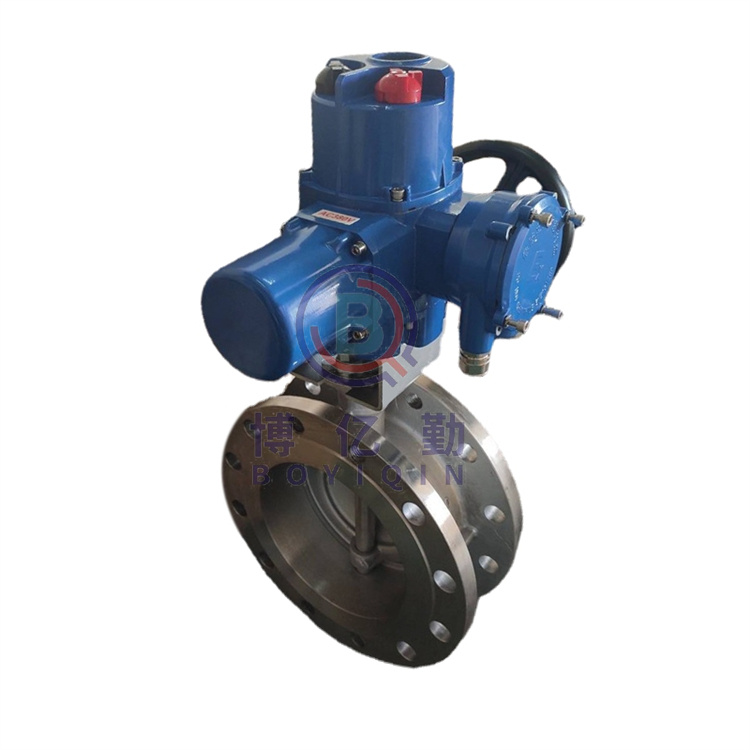
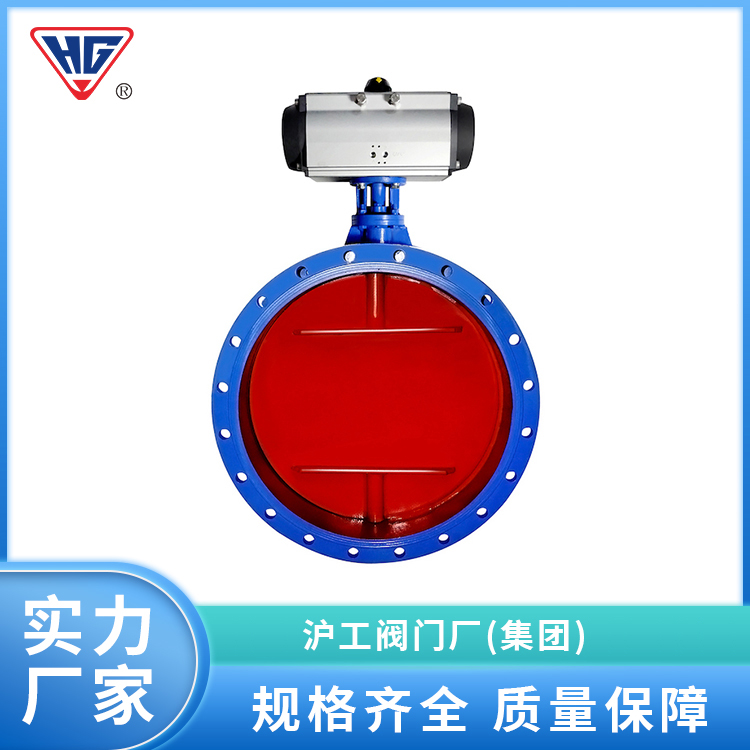
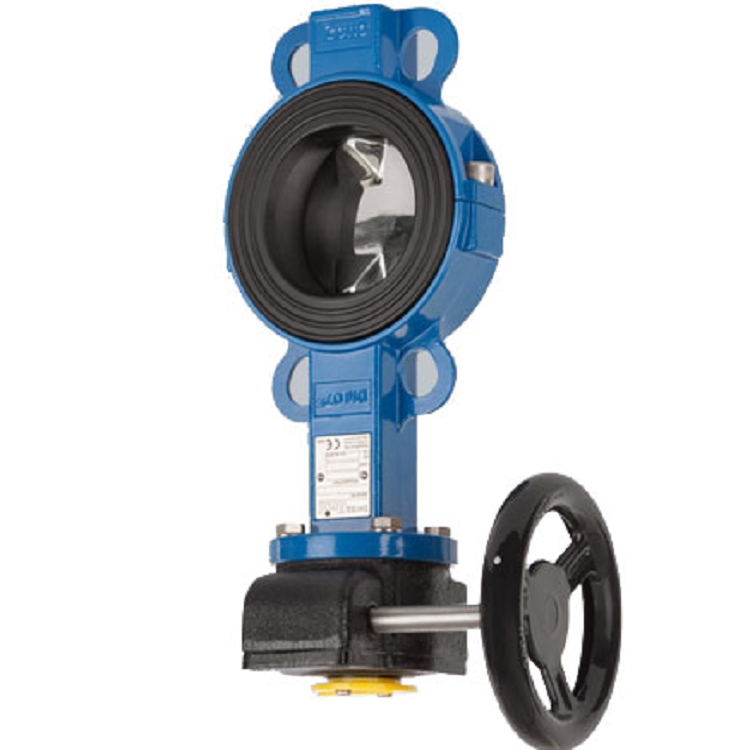
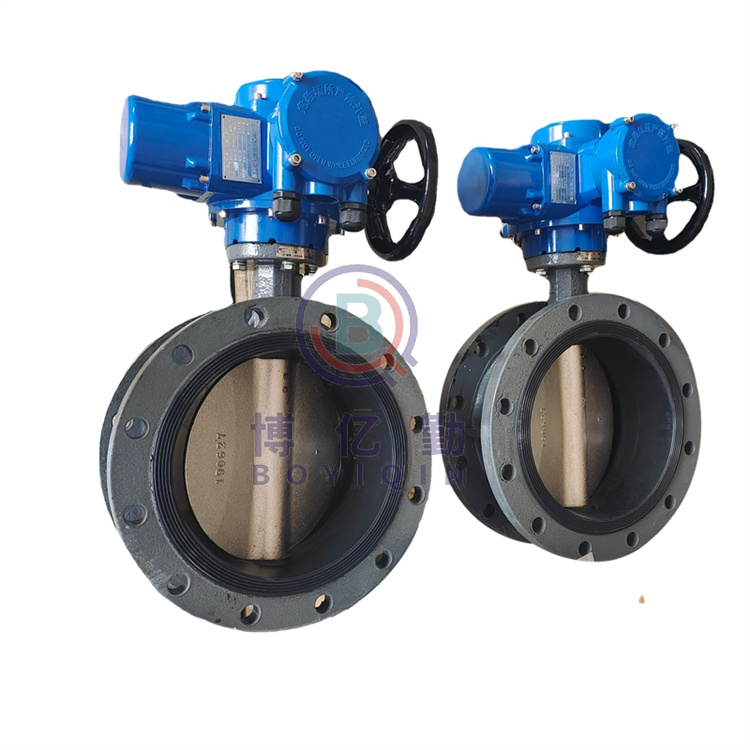
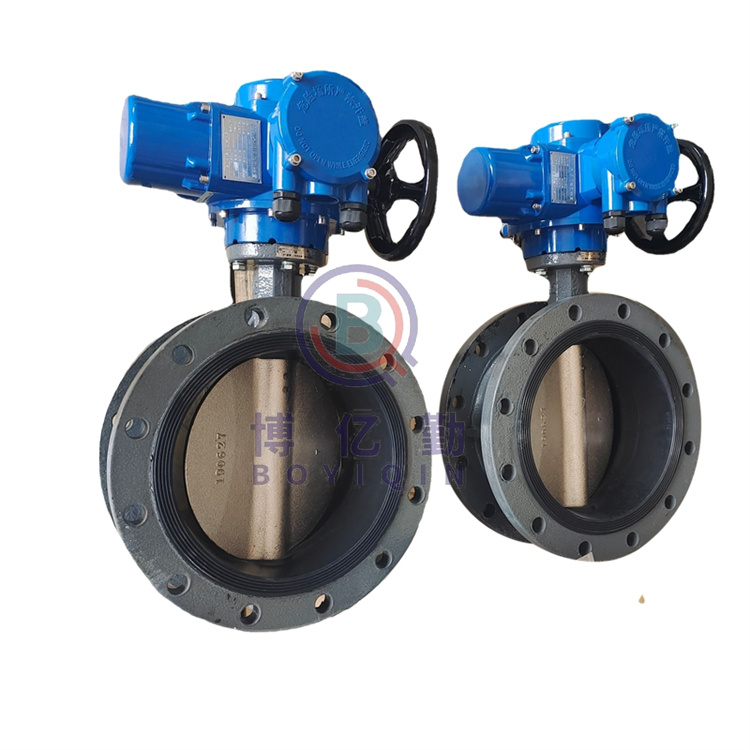
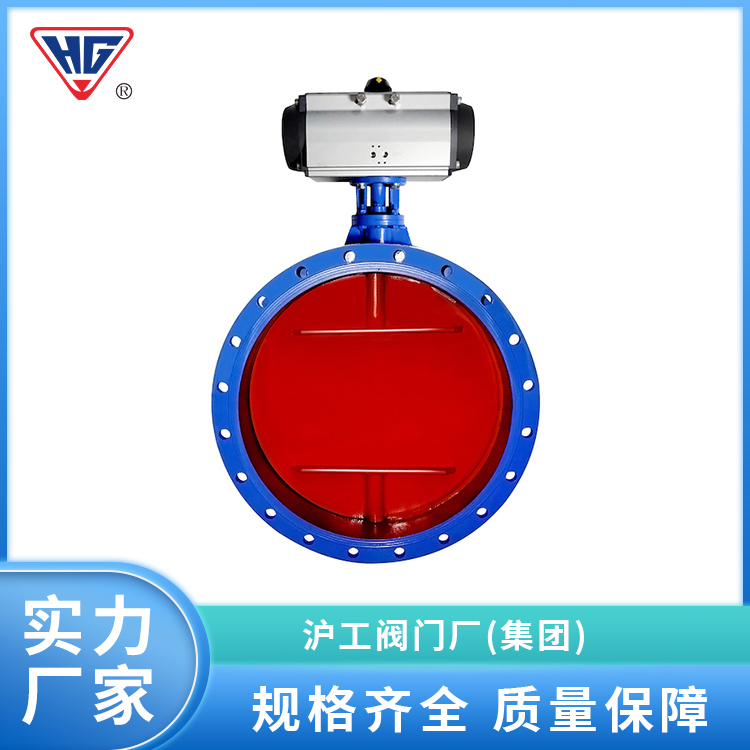
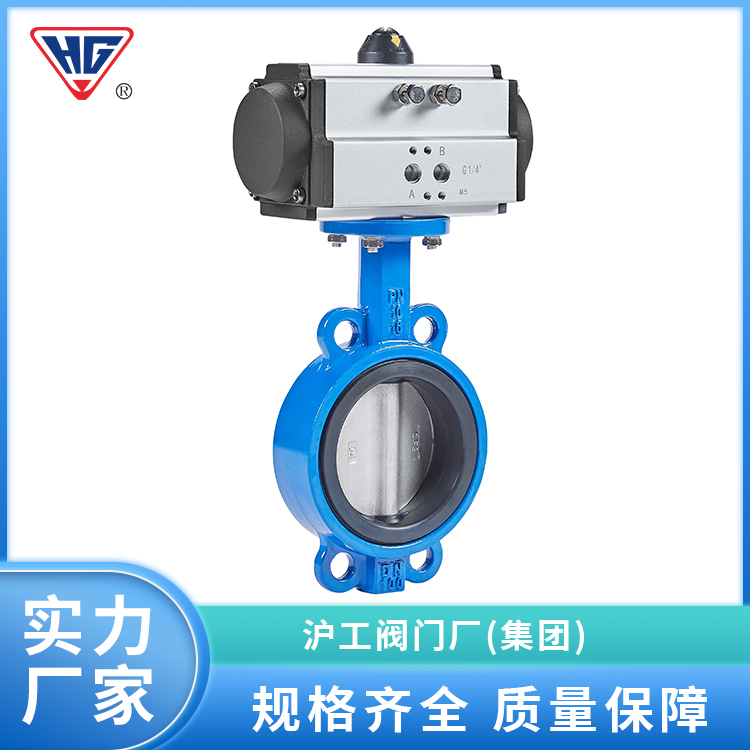
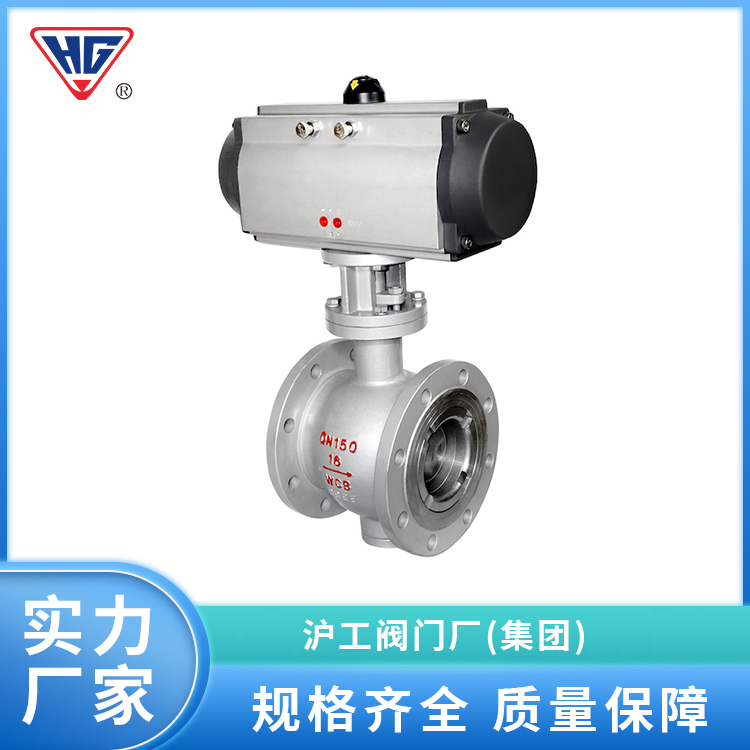
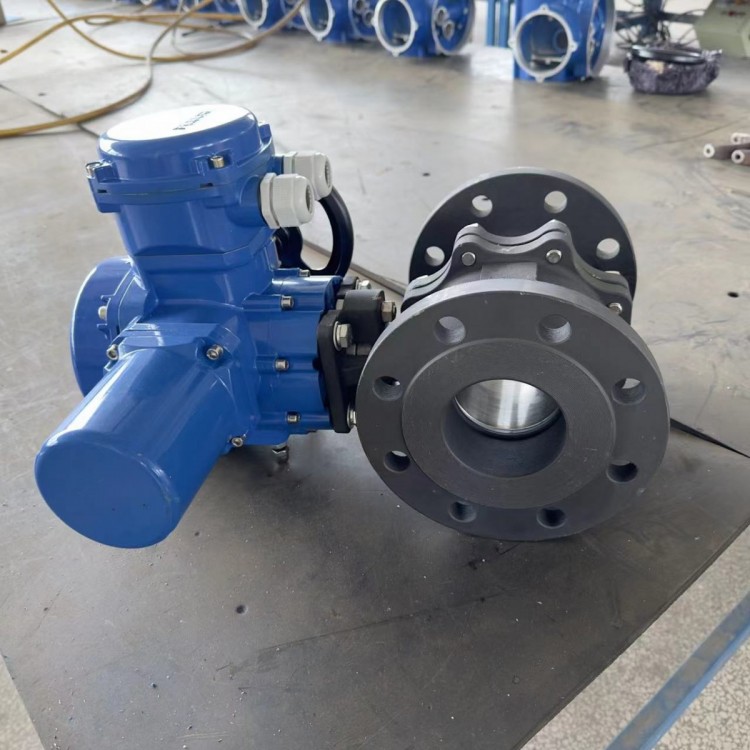
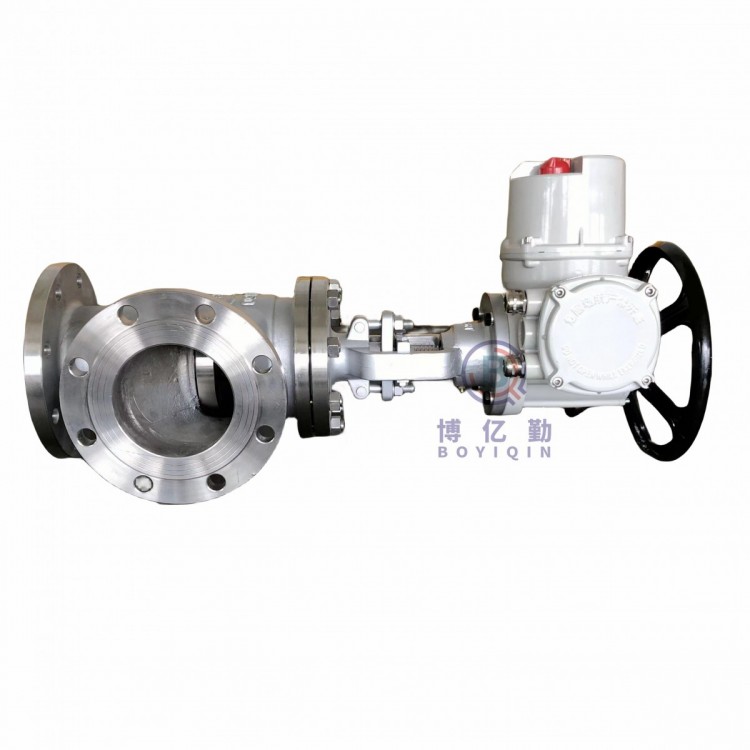
Common butterfly valves include the clamp type and flanged type. The clamp type butterfly valve is connected between two pipe flanges using double-headed bolts, while the flanged type butterfly valve has flanges on the valve body and is connected to the pipe flanges using bolts at both ends.
When the butterfly valve is fully open, the thickness of the butterfly plate is the resistance to the medium flowing through the valve body, thus the pressure drop generated by the valve is minimal, making it have good flow control characteristics. Butterfly valves come in two sealing types: elastic and metallic. Elastic sealing valves have sealing rings that can be mounted on the valve body or attached around the butterfly plate. Valves with metallic sealing generally have a longer lifespan than those with elastic sealing but are harder to achieve a perfect seal. Metallic sealing can withstand higher working temperatures, while elastic sealing has the drawback of being temperature-limited. If the butterfly valve is to be used for flow control, the key is to correctly select the size and type of the valve.
The structure and principle of butterfly valves are particularly suitable for manufacturing large-diameter valves. Butterfly valves are not only widely used in general industries such as oil, gas, petrochemicals, and water treatment but also applied in the cooling water systems of thermal power stations. The strength performance of a valve refers to its ability to withstand the pressure of the medium. Valves are mechanical products that withstand internal pressure, hence they must possess adequate strength and rigidity to ensure long-term use without rupture or deformation.。