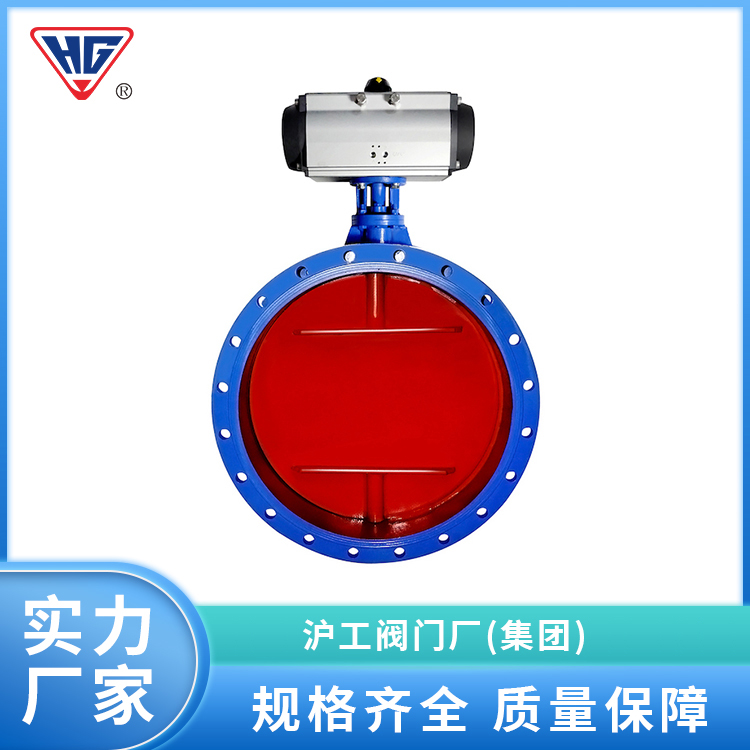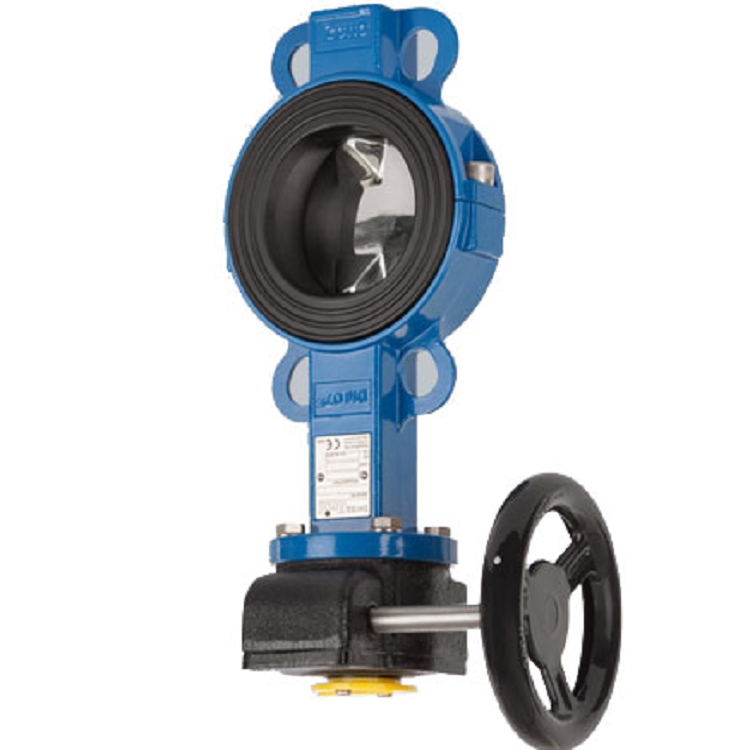




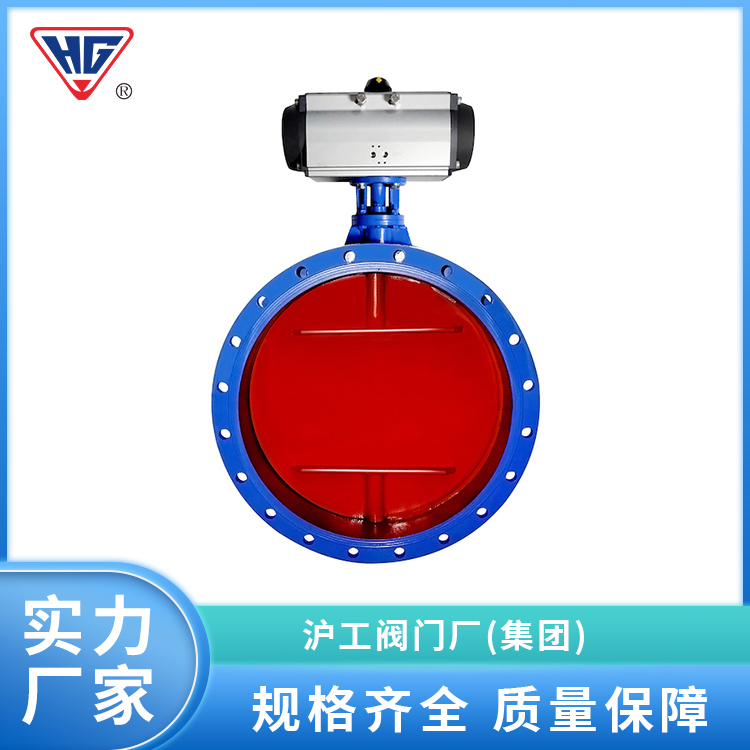

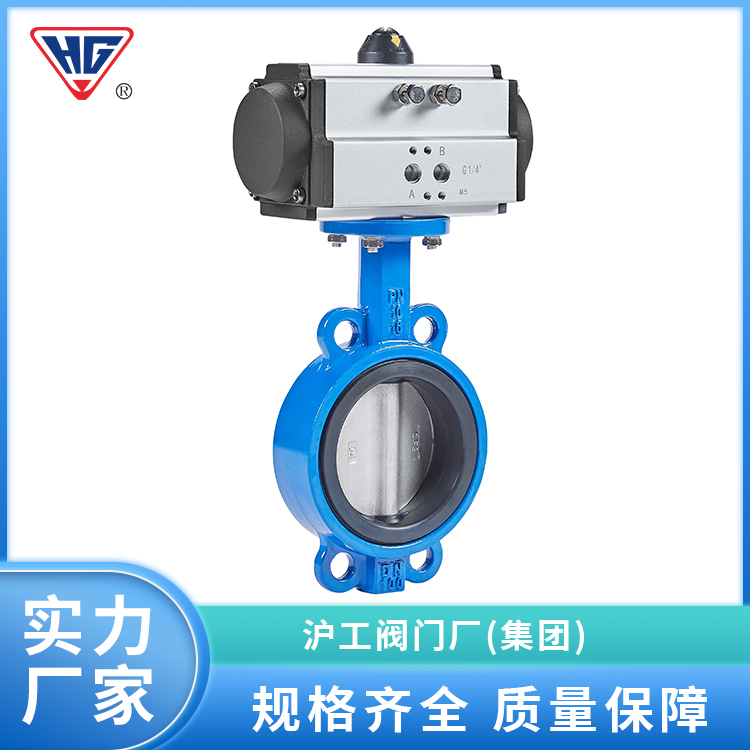
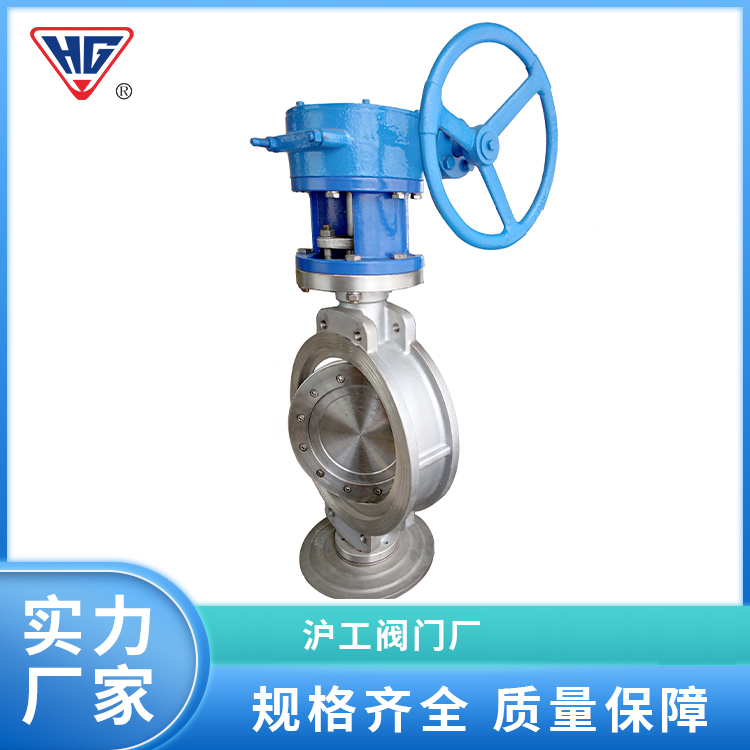
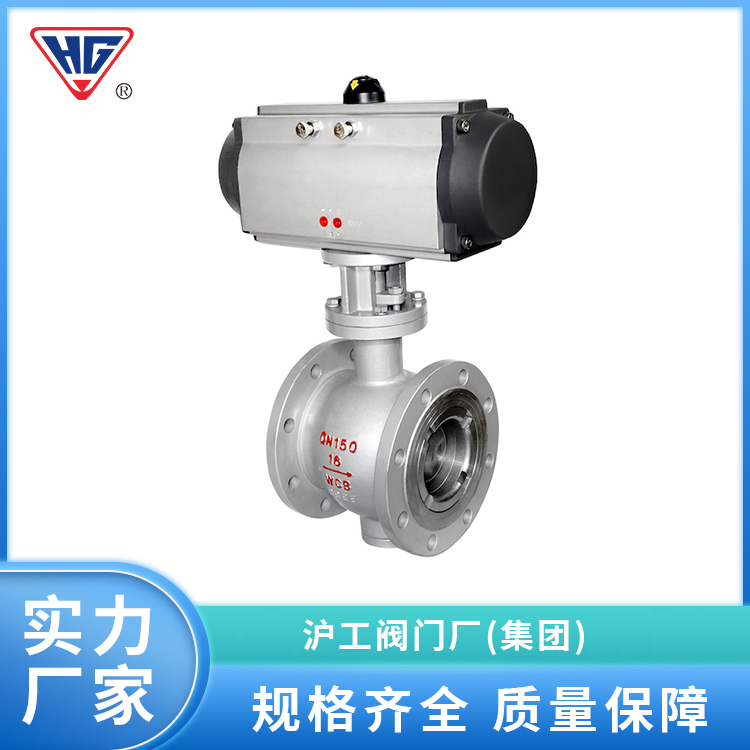





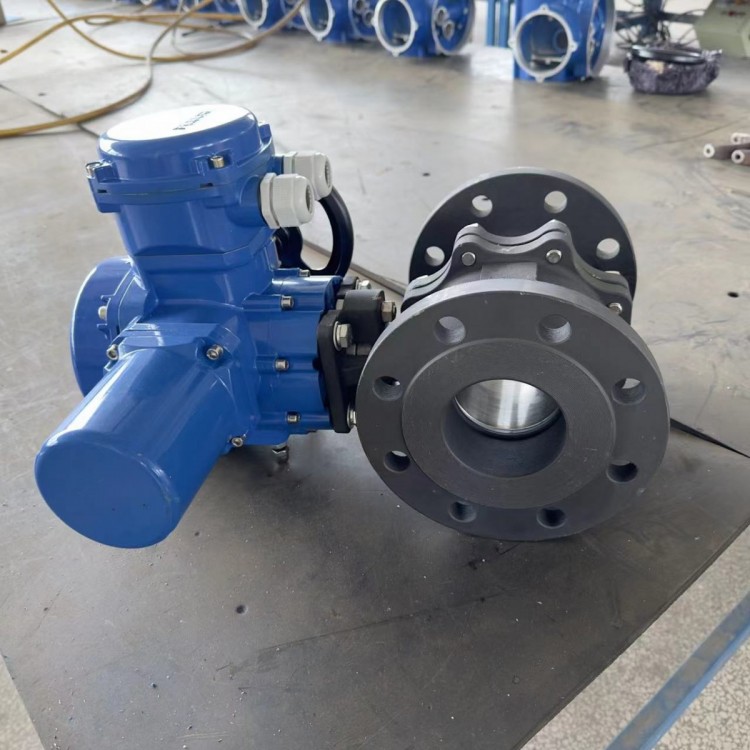
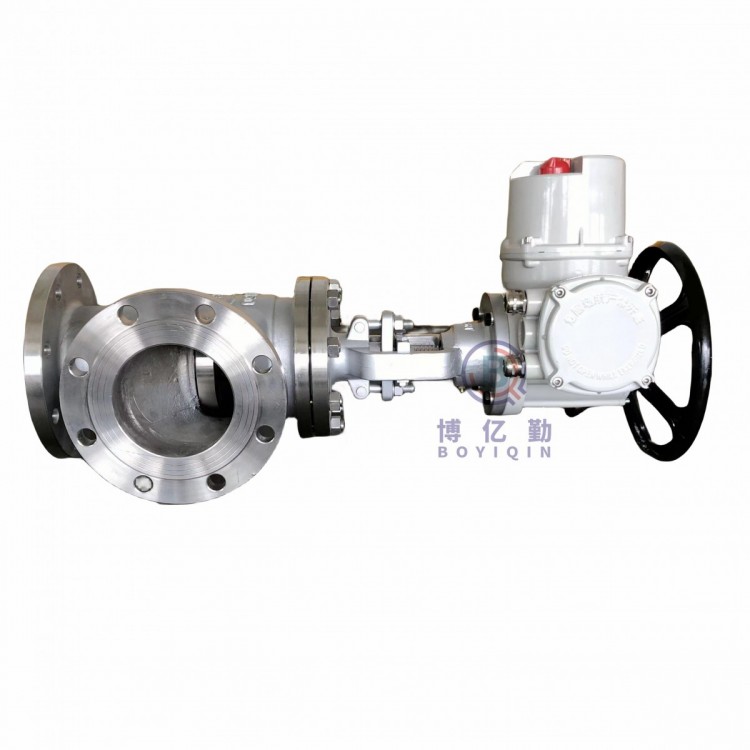
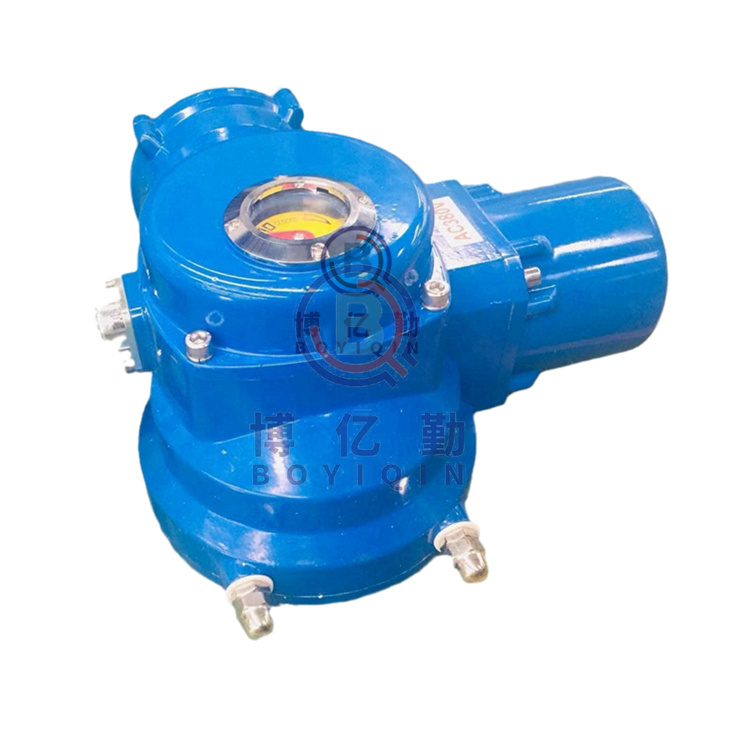
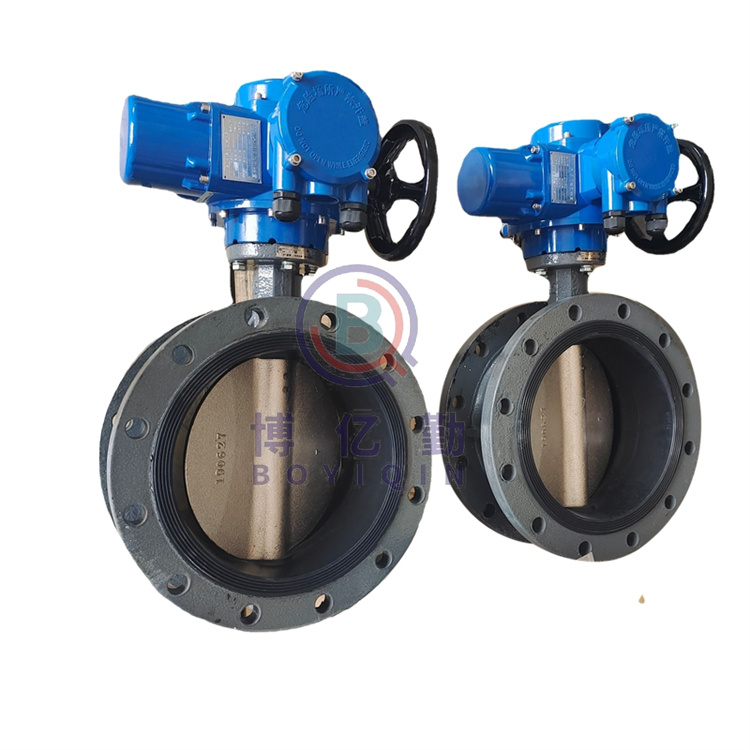
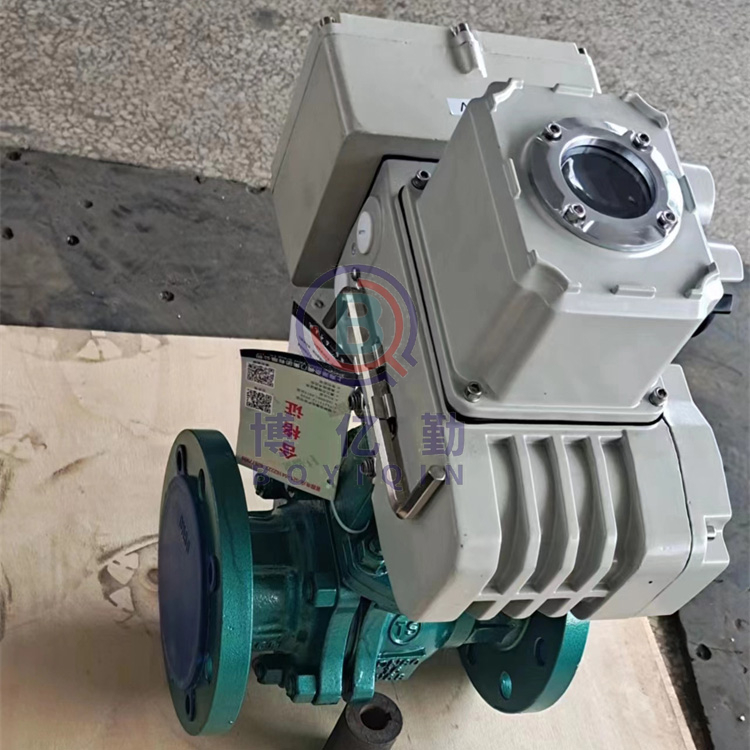

SoftSealed butterfly valveHard-seated Butterfly Valve Differences
Rigid-seated butterfly valve: Valves with both sides of the sealing pair made of metal or other harder materials are referred to as"Hard seal".This sealed seal has poor sealing performance.,But high-temperature resistant,Abrasion-resistant,Good mechanical properties.As per request.:Steel+Steel;Steel+Copper;Steel+Graphite;Steel+Alloy steel;The steel here may also be cast iron.,Cast Steel,Alloy steel may also be surfacing weld,Coated alloy.
Soft Sealing: One side of the sealing pair is made of metal.,On the other side is a flexible non-metallic material called"Soft Sealed".This sealed seal has good sealing performance.,Not heat-resistant,Easy-to-wear-out,Poor mechanical properties.As per your request, there is no Chinese content provided to translate. Please provide the text you would like translated.:Steel+Rubber;Steel+Teflon[wiki]Polyethylene[/wiki];Pending.
The advantages of soft-sealed products are their excellent sealing performance, but the drawbacks include easy aging, wear, and a short service life.
Hard-sealed designs have a longer lifespan, but offer less sealing efficiency compared to soft-sealed options.
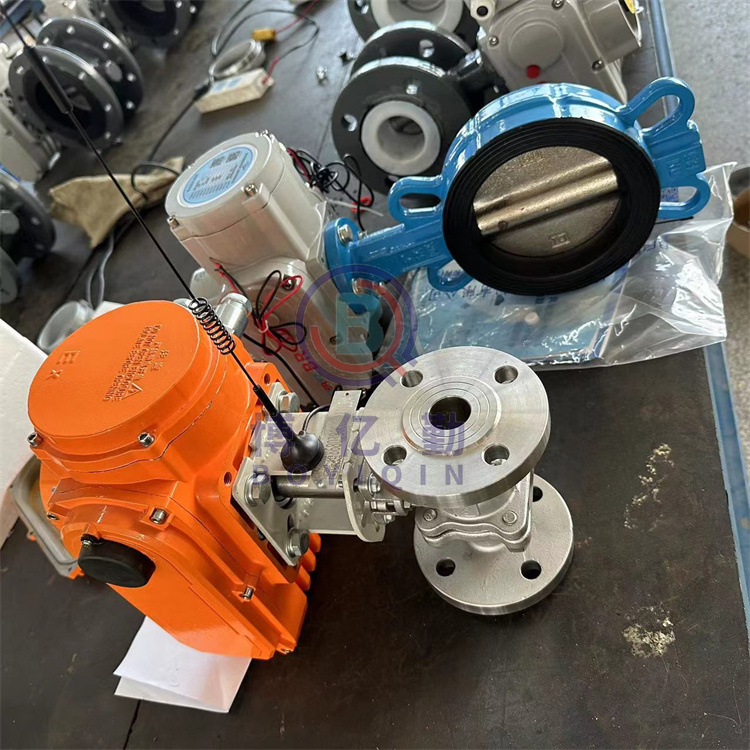
Butterfly valve during operationKnowledge:
The disadvantages of rubber-seated butterfly valves, when used for throttling, include the potential for cavitation due to improper use, which can lead to rubber seat erosion and damage. In response, metal-seated butterfly valves have been developed internationally, reducing the cavitation area. In recent years, China has also developed metal-seated butterfly valves, and in Japan, butterfly valves with features like resistance to cavitation, low vibration, and low noise, in the form of comb-shaped blades, have been developed.
The lifespan of a general sealed socket is typically, rubber15Year-20Year, metal80Year-90But the correct selection depends on the working conditions.
The relationship between the butterfly valve's opening and flow is generally linear. If used for flow control, its flow characteristics are closely related to the pipe's flow resistance. For instance, if two pipes are installed with valves of the same diameter and type but different loss coefficients, the flow differences through the valves can be quite significant.
If the valve is in a state of significant throttling, the back of the valve plate is prone to cavitation, which may cause damage to the valve. Generally, this occurs15°For external use only.
When the butterfly valve is at medium opening, the shape of the opening formed by the valve body and the front end of the butterfly plate is centered around the valve shaft, creating different states on both sides. On one side, the front end of the butterfly plate moves in the direction of the flow, while on the other side, it moves against the flow direction. Therefore, one side of the valve body and the valve plate form an orifice resembling a nozzle, and the other side forms an orifice similar to a throttle. The side with the nozzle has a much higher flow rate than the throttle side, and a negative pressure may occur below the throttle side valve, often leading to the detachment of the rubber sealing components.
The operating torque of a butterfly valve varies due to different opening sizes and valve opening/closing directions. For horizontal butterfly valves, especially those with large diameters, the torque generated by the difference in water head between the upper and lower ends of the valve shaft, due to water depth, should not be overlooked. Additionally, when a bend is installed on the inlet side of the valve, it creates a skewed flow, which increases the torque. When the valve is at a mid-opening position, the operating mechanism requires self-locking due to the water flow's dynamic torque.