















1. Shipment procedures
Assembly: Assemble according to the transportation plan and regulations for rail and road freight, based on the type, nature, weight, and volume of the goods.
Packing List: Fill out various documents related to product transportation.
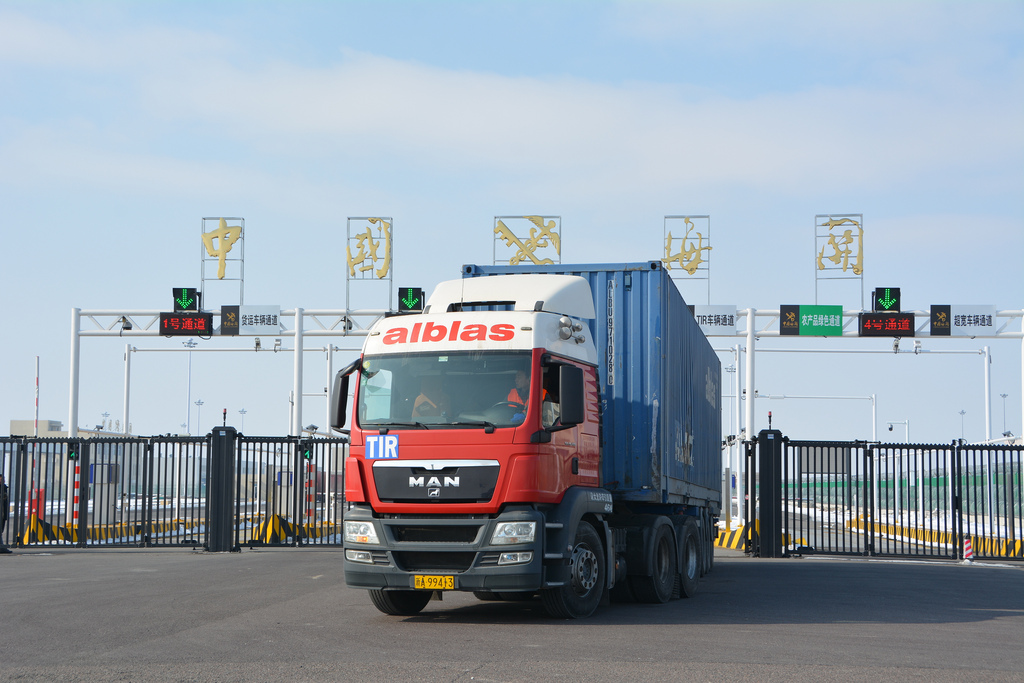
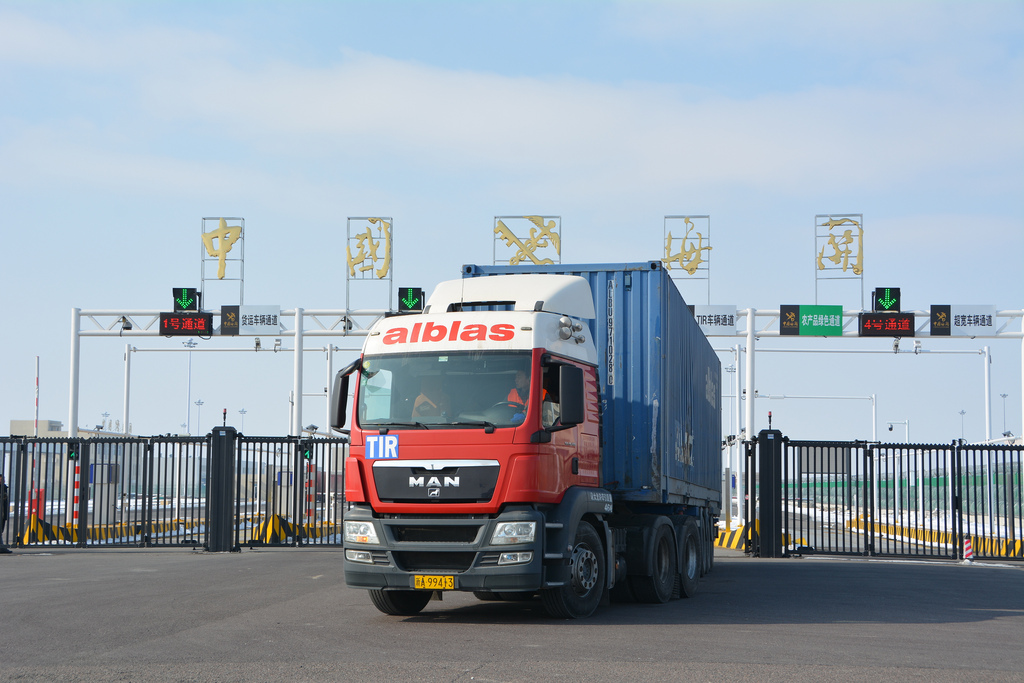
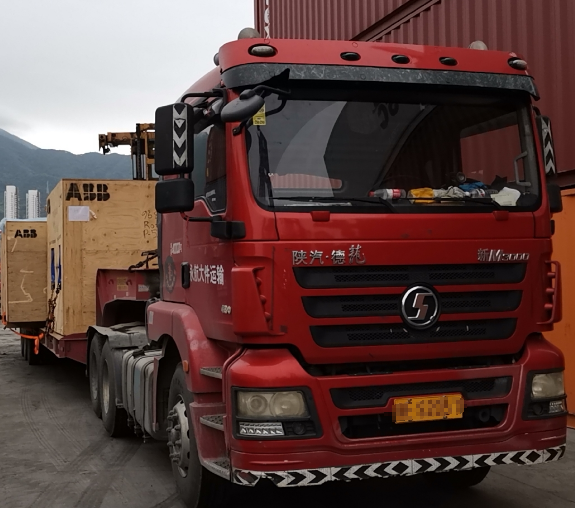
Shipment: Submit the freight bill to the carrier station by the specified date, transport the goods to the dispatch station, and handle the counting, inspection, and handover procedures with the freight handler.
Shipment Delivery: The shipper shall promptly submit the relevant documents to the consignee, including the collection voucher, payment receipt, transport handover document, and purchase and sale certificate of goods.
Forecast: After the goods are shipped, the shipper should immediately account and collect the advance shipping and handling fees, as well as other expenses, from the consignee, and forecast the arrival time of the goods to the consignee.
2. Transshipment formalities
Acceptable Transshipment Goods: Upon receiving transshipment goods, the transshipment point should immediately verify and inspect against the goods list. In case of discrepancies, the cause must be investigated, corrected, and then proceed with the transshipment.
In-transit goods: Minimize dwell time and ship in the order goods arrive.
3. Receiving Procedures
Prepare for receiving by contacting the business department to arrange for vehicle and ship connections, coordinate with the warehouse for inventory, and organize short-distance transportation and loading/unloading labor.
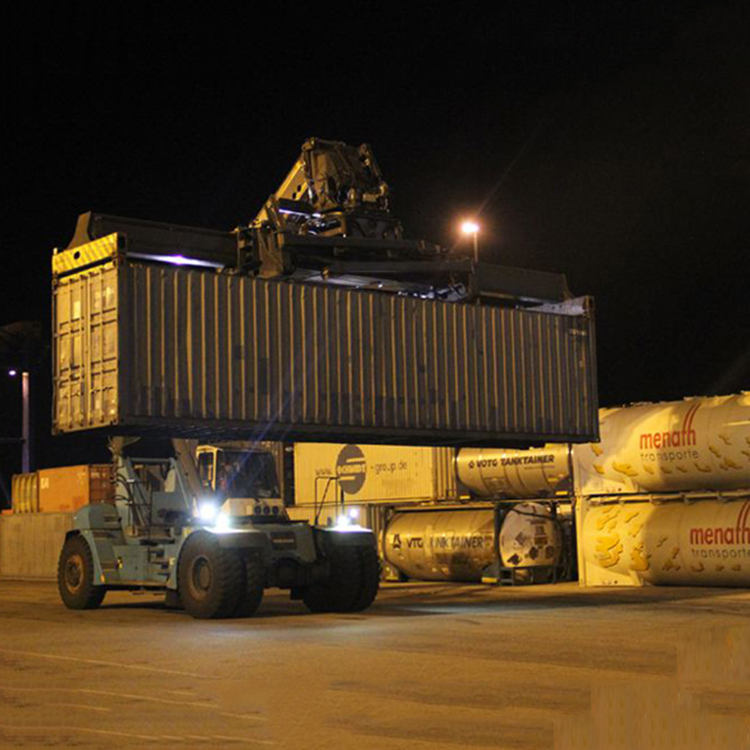
Process of Receiving: Upon receiving the delivered goods, count and inspect each item according to the shipping document. Promptly investigate the cause of any issues, clarify responsibilities, and handle them promptly.