














Recycled Cable Recycling and Classification
1. Recycled common electrical accessories: cable terminal junction boxes, methods for handling scrap cables and conduits, cable connectors, intermediate cable junction boxes, steel busbars, cable trays, etc.
2. Recycled Cable Trays: Suitable for overhead installation of power cables in industrial and mining enterprises, as well as for the disposal of old electric wires and cables. Also applicable for indoor and outdoor installation in telecommunications, broadcasting, and television departments.
3. Categorizes by use into: bare conductors, insulated wires, heat-resistant wires, power cables, control cables, recycling methods for old cables and wires, shielded wires, communication cables, radio frequency cables, etc.
4. Intermediate Cable Connectors: Devices that connect conductors, insulation shielding layers, and protective layers of cables to each other, enabling the connection of cable lines; the method of treating waste electrical cables is referred to as intermediate cable connectors.

Cables and wires are categorized by voltage levels.
1. Low-voltage cables: Suitable for fixed installation on AC 50Hz transmission and distribution lines with rated voltages of 3kV and below for power transmission.
2. Medium and low voltage cables (typically 35KV and below): Polyethylene insulated cables, polyethylene insulated cables, cross-linked polyethylene insulated cables, etc.
3. High-voltage Cables: Typically 110KV and above, including polyethylene cables and cross-linked polyethylene insulated cables, etc.
4. Extra-high voltage cables: (275-800 kV)
5. Ultra-high voltage cables: (1000 kV and above)
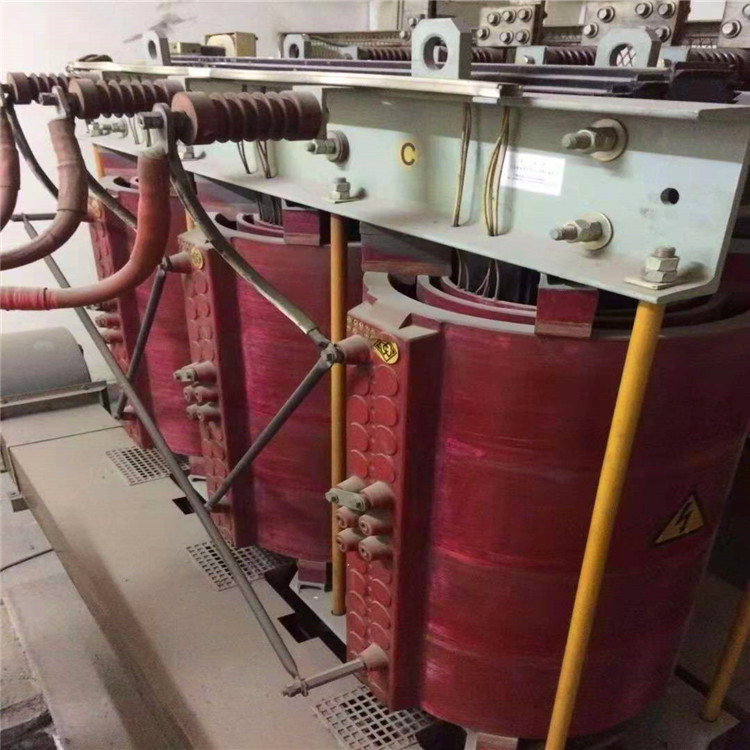
Methods for Utilizing Worn-out Cables
1. Hand-peeling Method: This method involves manual skinning, which is inefficient, costly, and also results in poor working conditions for the workers.
2. Incineration Method: This is a traditional method that involves burning the plastic sheath of waste cables to recover the copper inside. However, it causes severe smoke pollution and, during the incineration process, the copper wires are heavily oxidized, reducing the metal recovery rate. This method has been strictly prohibited by various countries.
3. Mechanical Peeling Method: Utilizes a cable stripping machine for processing. This method still requires manual operation, is semi-mechanized, with high labor intensity and low efficiency, and is only suitable for stripping thick-core cables.
4. Chemical Method: The chemical method for processing waste cables was proposed in the 1990s, and some countries have conducted research on it. China also carried out research during the "8th Five-Year Plan" period. The major drawback of this method is that the waste liquid generated cannot be disposed of, which has a significant impact on the environment, thus it is rarely used.
5. Cryogenic Method: This method was also proposed in the 1990s, using liquid nitrogen as the refrigerant to make the waste cables脆 at extremely low temperatures. After being crushed and vibrated, the plastic sheath is separated from the copper wire segments. China also initiated research on this method during the "8th Five-Year Plan" period. However, the drawback of this method is its high cost and difficulty in industrial production.
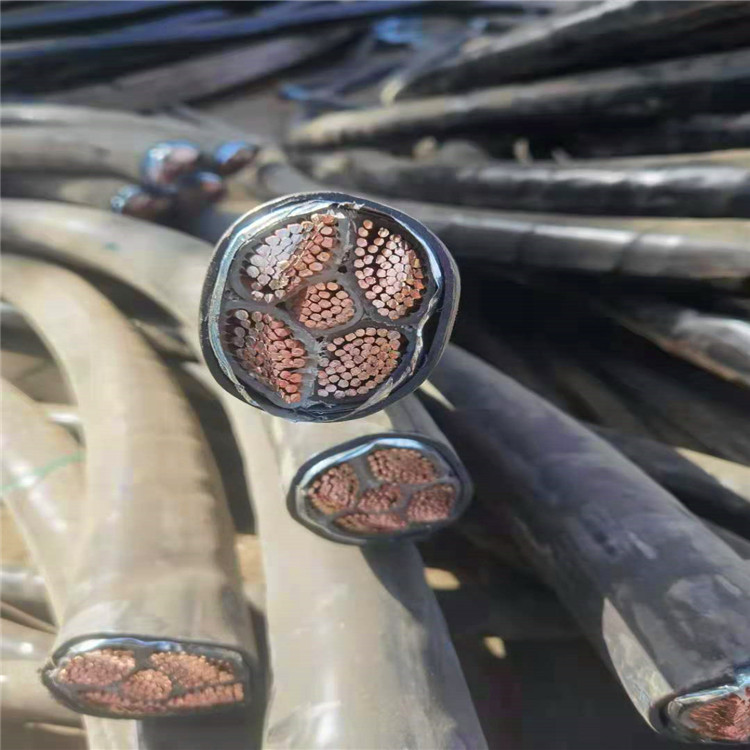
What are the requirements for wire and cable recycling?
1. Look at the packaging, the standard national standards for wire and cable recycling usually have good quality, neat, and give a sense of quality when held in hand.
2. Make sure to open the packaging and inspect the wires inside. The national standard for wire with a cross-sectional area of 1.5-6 square millimeters requires a skin thickness (insulation thickness) of 0.7mm. If it's exceptionally thick, it's not standard, and the core is definitely insufficient. You can pull the wire skin with force; if it's not easy to tear, it's generally in compliance with the national standard.
3. Burn it, if it extinguishes within 5 seconds after removal, it has the required flame-retardant function and meets the national standard.
4. Examine the core; the higher the brightness of the core material (copper), the better the copper quality, and it should be even in brightness, with no sense of layers. The national standard requires the core to be made of oxygen-free copper. The recycling of non-standard cables, such as black rod copper, may pose hidden hazards.
5. The core thickness has certain national requirements, but they are not very strict. However, it won't be off by much; just a very small, usually imperceptible error that can't be seen with the naked eye.
6. Length is not mandatory to be marked in meters by the country, but many manufacturers do so. Those marked in meters are not necessarily in accordance with national standards, yet most national standards are not marked in meters. Marking in meters for non-standard wire and cable recycling is merely a method.
7. National regulations stipulate that electrical wires must be marked with certain identifiers. For lengths not exceeding 500mm, a consistent marking is applied, typically featuring the product's trademark, the manufacturer's name, and the execution standards.




















