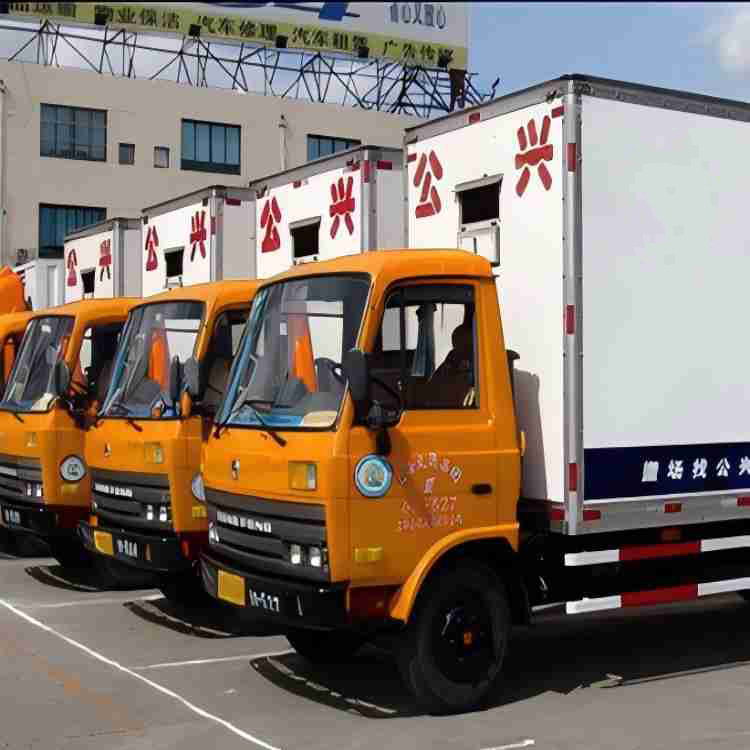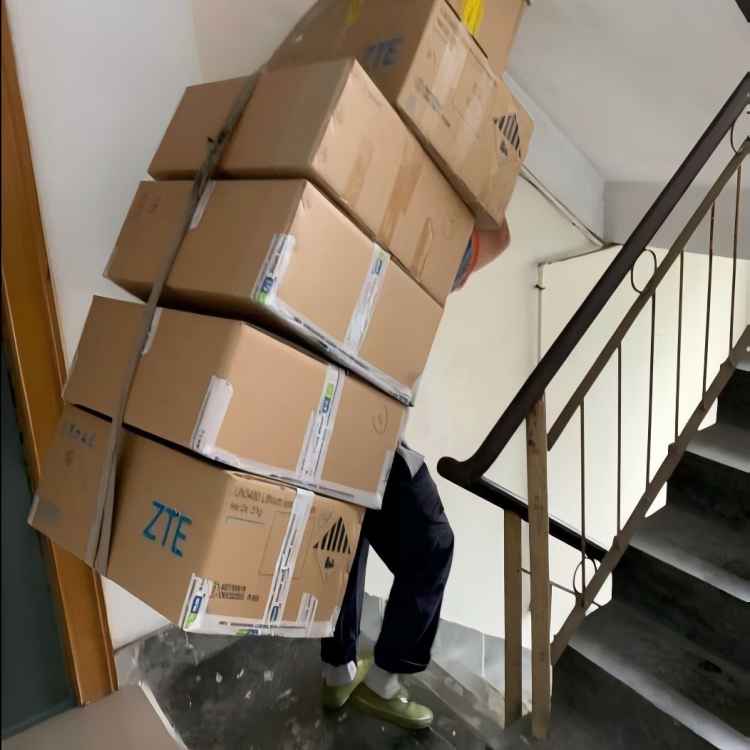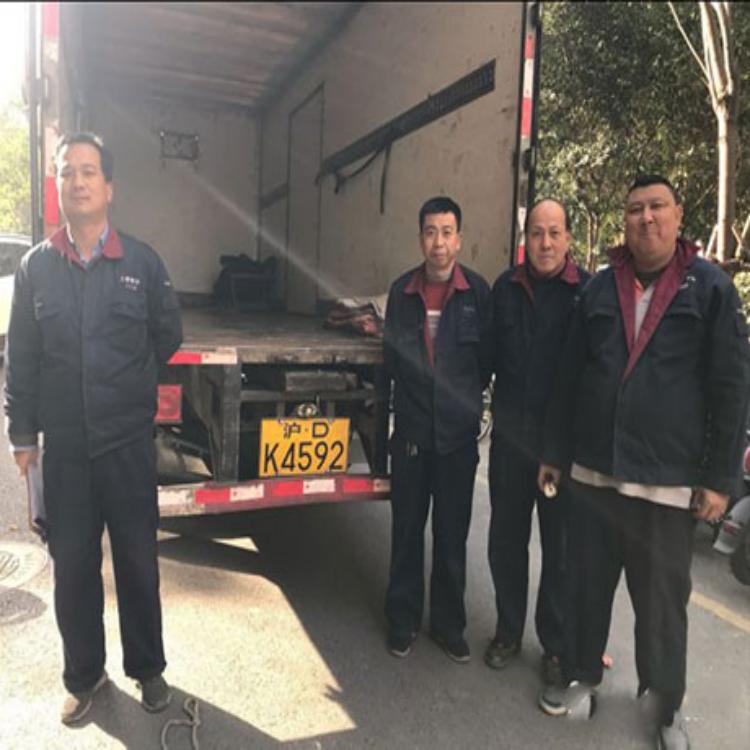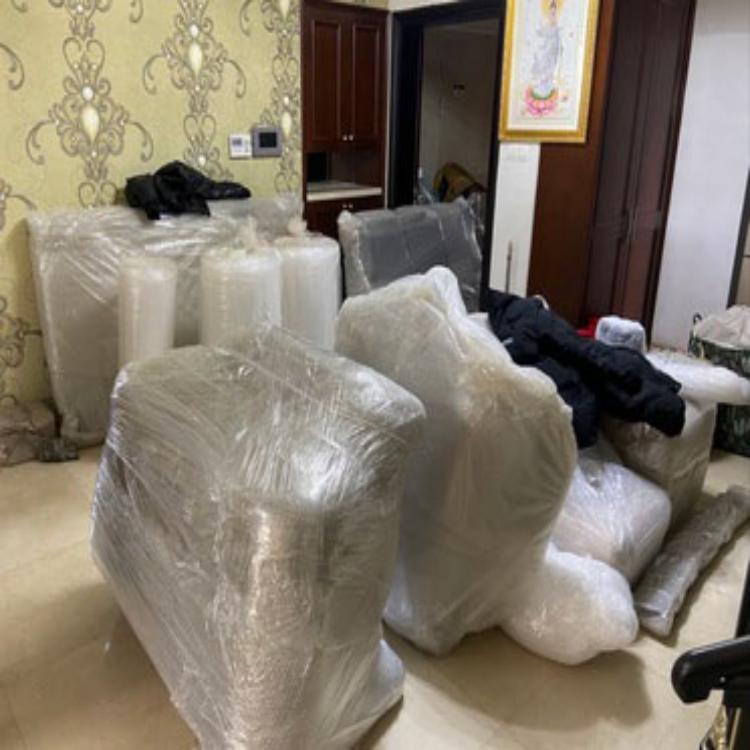


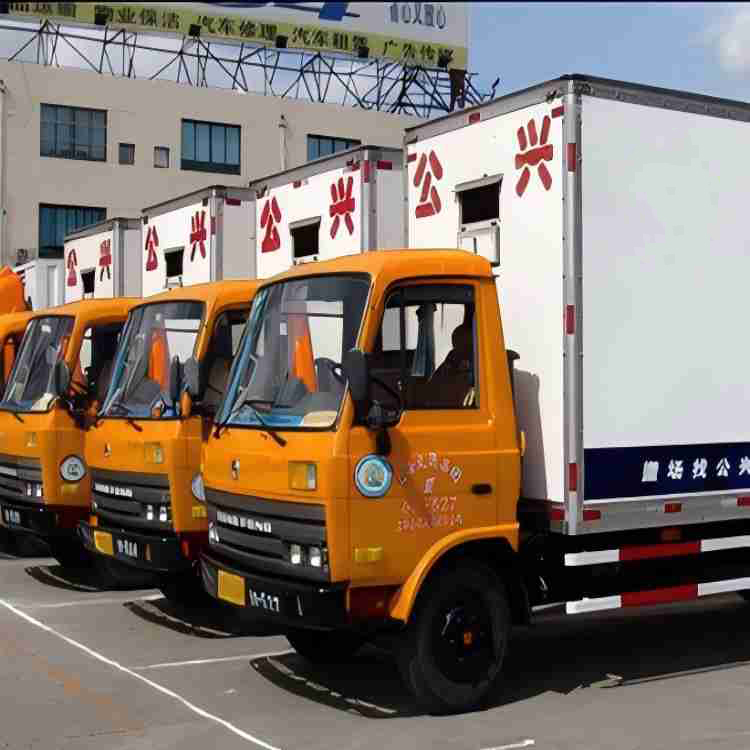

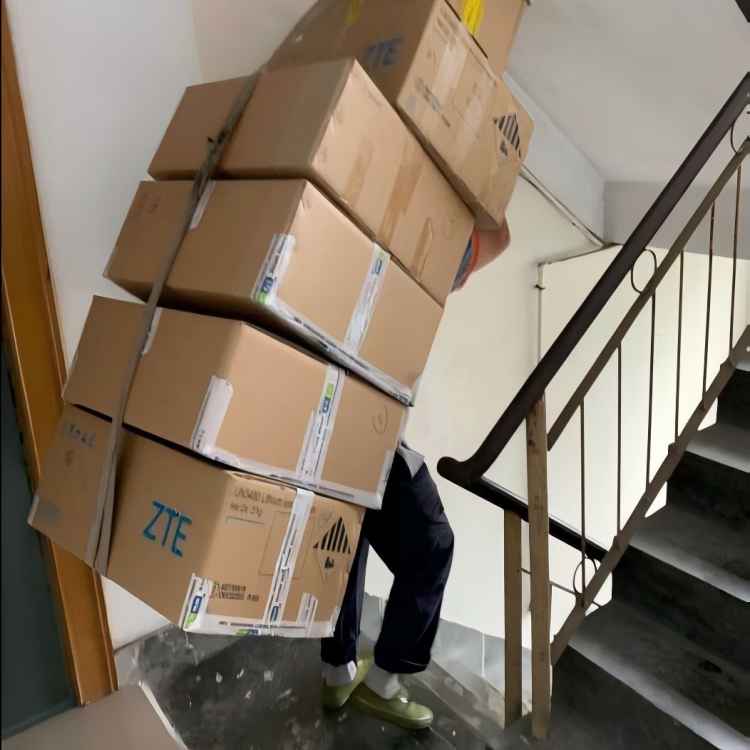
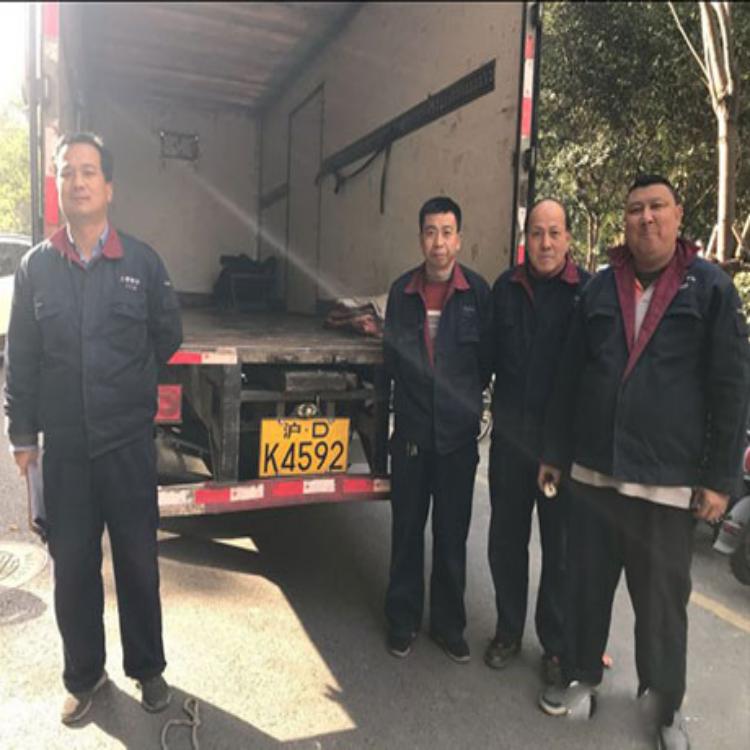








Relocation of a factory or production facility refers to the process of moving from one location to another. Relocating a factory typically involves planning, preparation, and executing a series of steps to ensure a smooth transition.
General Steps for Moving a Factory:
1. Define Relocation Goals: Determine the reasons and objectives for the relocation, such as expanding production capacity or reducing costs.
2. Seek New Location: Identify a suitable new site based on the relocation objectives. Consider factors such as profitability, labor supply, and infrastructure.
3. Conduct Feasibility Study: Conduct a feasibility study for the new location, assessing the costs, risks, and benefits of the relocation.
4. Develop Relocation Plan: Based on the findings of the feasibility study, draft a detailed relocation plan. This includes a timeline, budget, and resource allocation.
5. Conduct equipment and material inventory: Count and categorize the equipment and materials in the original factory, determining the items to be relocated.
6. Prepare New Factory: Prepare the new factory, including cleaning, renovation, and equipment installation.
7. Conduct item relocation: According to the relocation plan, transport equipment and materials from the original factory to the new factory. You can hire a moving company or organize a moving team.
8. Equipment Installation and Commissioning: Install and commission equipment in the new factory to ensure its proper operation.
9. Test and Adjust Production Processes: Conduct testing and adjustment of the production process to ensure normal operation in the new factory.
10. Completion of Relocation: Confirm that all equipment and materials have been moved to the new factory, and all relevant documents and procedures have been completed.
Relocating a factory is a complex task that requires thorough planning and preparation. During the move, it is crucial to safeguard equipment and materials to ensure smooth production.
Piano relocation refers to the process of moving a piano from one place to another. Due to the piano's large size and substantial weight, special techniques and equipment are required to ensure its safety and integrity during transportation.
Here are the general steps for piano moving:
1. Determine the transportation plan: Identify the starting point and destination for the transport, and assess the transportation route and environmental conditions.
2. Prepare tools and equipment: Moving a piano requires certain tools and equipment, such as piano rollers, protective pads, ropes, etc.
3. Piano Protection: Prior to transportation, the piano should be protected by wrapping the exterior with protective pads to prevent scratches and collisions.
4. Piano Moving: Lift the piano from the ground using piano wheels, then carefully move it to the transport vehicle or destination.
5. Secure Mounting: Pianos must be securely mounted on the transport vehicle or at the destination to prevent movement and damage during transit.
Handle with Care: Handle the piano with caution during transportation to avoid sudden shaking or collisions.
7. Personnel Handling: To ensure a safe and smooth handling process, it is recommended to hire professional piano movers for the operation.
In summary, piano moving requires knowledge and skill to ensure the piano's safety and integrity. If you need to move a piano, it's advisable to hire a professional moving company or individual to handle the task.
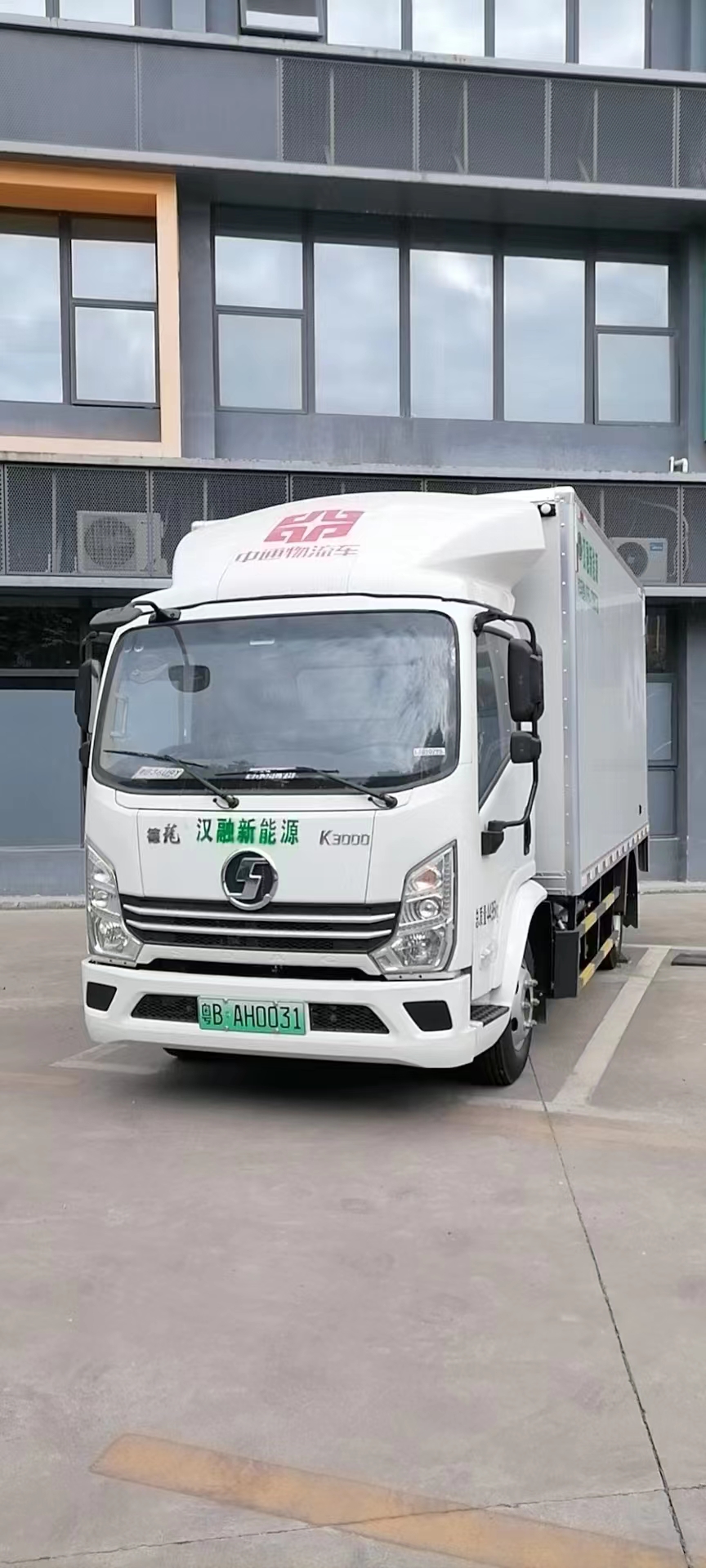
Freight relocation refers to the process of transporting goods from one location to another. Moving, on the other hand, pertains to the process of relocating personal or family items from one residence to another.
Freight relocation typically involves considering the following aspects:
1. Item Packaging: Goods or personal items must be properly packaged to protect them from damage or loss.
2. Transportation Method: Select an appropriate mode of transport based on the size and quantity of the goods, such as trucks, containers, ships, or planes.
3. Transportation Routes: Select an appropriate route based on the origin and destination of the goods, considering factors such as traffic conditions, distance, and transportation time.
4. Mode of Transport: Select an appropriate transportation method based on the nature and urgency of the goods, such as road, sea, air, or rail transport.
5. Freight Costs: Calculate transportation fees based on factors such as weight, volume, distance, and mode of transport, and negotiate and settle the payment with the cargo owner.
When moving, in addition to considering the aforementioned aspects, it is also necessary to take into account the following:
1. Moving Date: Choose an appropriate time for the move to avoid peak seasons and adverse weather conditions.
2. Movers: Choose a reliable moving company, offering services such as packing, transportation, and installation.
3. Moving Inventory List: Create a detailed moving inventory list to record all items to be moved for verification and confirmation of completeness.
4. Moving Services: Purchase moving insurance to ensure safety and compensation for your items during the move.
5. Moving Preparation: Organize and pack items in advance, label boxes and furniture for a more orderly move.
Whether it's for commercial freight relocation or personal moving, careful planning and preparation are essential to ensure the safety and smooth transportation of goods.

Store relocation refers to the process of transferring existing store facilities, equipment, and merchandise to a new location. The move may be due to business needs such as expanding scale, improving the environment, or downgrading. Here are the general steps for store relocation:
1. Planning and Preparation: Determine the new store location and size, and develop a relocation plan. This includes setting the moving date, arranging for moving personnel and vehicles, and preparing the necessary moving tools and materials.
2. Notify customers and suppliers: Pre-notify customers and suppliers about the upcoming relocation of the store, and provide the new store address and contact information.
3. Organization and Packaging: Sort and categorize items, equipment, and documents within the store, pack and label items to be moved for organized and efficient relocation.
4. Moving and Transportation: According to the relocation plan, personnel will be arranged to handle the handling and loading of items, transporting them to the new store location. This may require renting moving vehicles or hiring a moving company for assistance.
5. Installation and Setup: Upon arrival at the new store location, it is necessary to install and set up the relocated items. This includes assembling and positioning shelves, equipment, display cabinets, etc., as well as arranging and displaying the products.
6. Update and Promotion: After the move, it's essential to promptly update the store's contact information and business hours, and carry out promotions and advertising to attract new customers.
7. Adjustments and Improvements: After relocation, the store may need to adjust business strategies, service methods, or improve the store environment to accommodate the new business environment and customer needs.
In summary, moving a store is a complex process that requires advance preparation and planning to ensure a smooth relocation and continued operation at the new location.

Short-distance moving refers to relocating household or office items over a relatively short distance. This type of moving typically occurs within the same city or nearby areas. Compared to long-distance moving, short-distance moving is usually more convenient and cost-effective, as it involves a shorter distance, requiring less time and cost.
The process of short-distance moving includes the following steps:
1. Planning and Preparation: Determine the moving date and time, create a moving plan, and prepare the necessary packing materials and tools.
2. Packaging Items: Categorize and pack household items, using suitable packaging materials to protect fragile items. Label each box or package for easy identification after moving.
3. Rental of Moving Vehicles: Rent appropriately sized moving vehicles based on your needs to accommodate all items.
4. Moving Items: Enlist the help of family or friends to move furniture and other heavy items. Ensure safety during the move to avoid injury.
5. Accommodation Arrangement: Ensure the new residence is fully prepared before moving, including cleaning and installation of basic facilities like electricity and water.
6. Post-move Organization: Upon arrival at your new residence, arrange items as needed and perform necessary cleaning and organization.
In summary, moving short distances is generally simpler, but still requires some planning and preparation. Make sure to arrange all details in advance to ensure a smooth moving process.
Residential relocation refers to the process of moving furniture and belongings from a current living space to a new residence. Moving typically involves packing, transportation, handling, and installation stages.
Before moving, first plan the move date and destination, and determine the time and resources needed for the move. Then, categorize and organize your household items, and dispose of any unnecessary items, such as donating, selling, or discarding them.
On moving day, prepare moving tools and packing materials such as boxes, tape, bubble wrap, etc. Pack furniture, appliances, and other items to ensure safe transportation. If needed, hire a moving company or seek help from friends or family.
During the moving process, attention must be given to protecting furniture and items to prevent damage. Handle with care, especially when dealing with fragile and valuable items. Use protective pads, ropes, and other tools during transportation to ensure the safety of the items.
Upon arrival at the new residence, furniture and items should be arranged and installed according to the new layout. Renovations and cleaning of the new residence can be done as needed.
After the move, you'll need to handle address change procedures, such as notifying the post office, bank, electricity supplier, and other relevant parties. Additionally, you'll also need to inform friends, family, school, and company of your new address.
In summary, residential moving is a cumbersome process that requires advance preparation and planning to ensure a smooth relocation and to protect furniture and belongings.