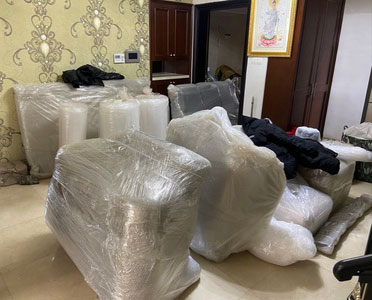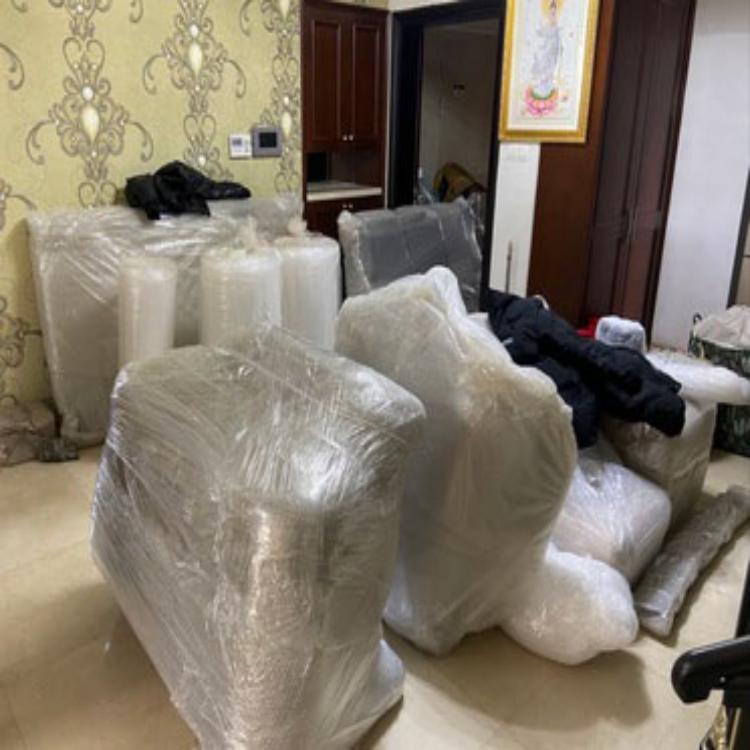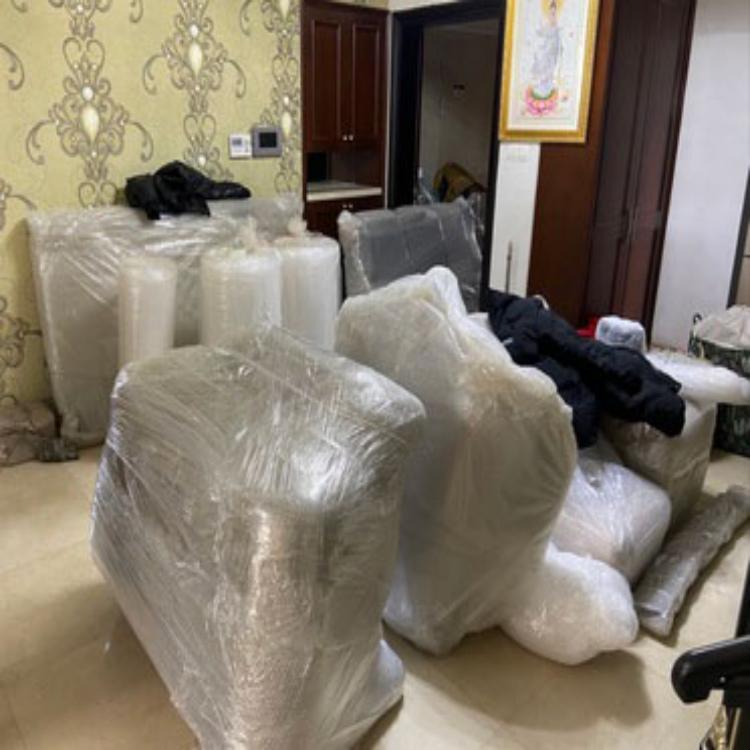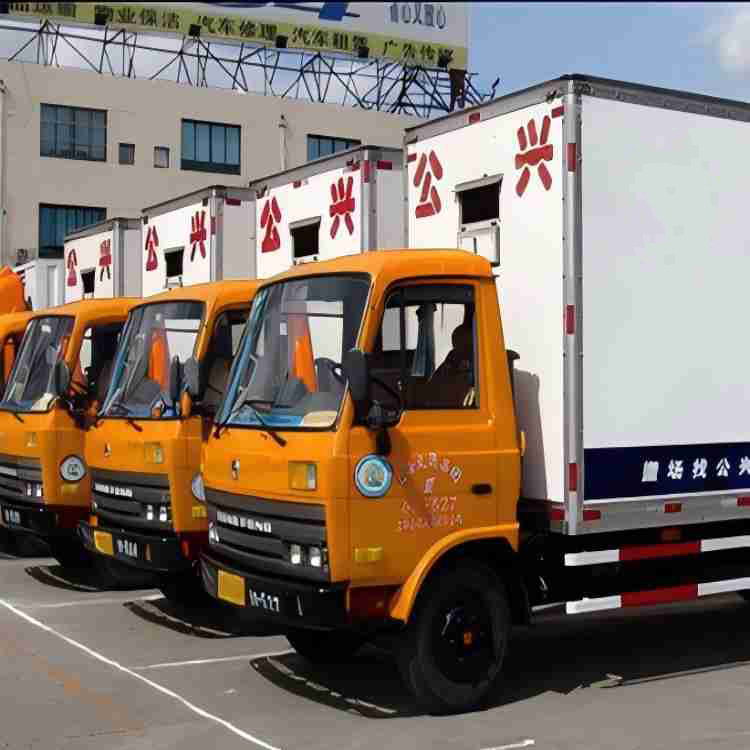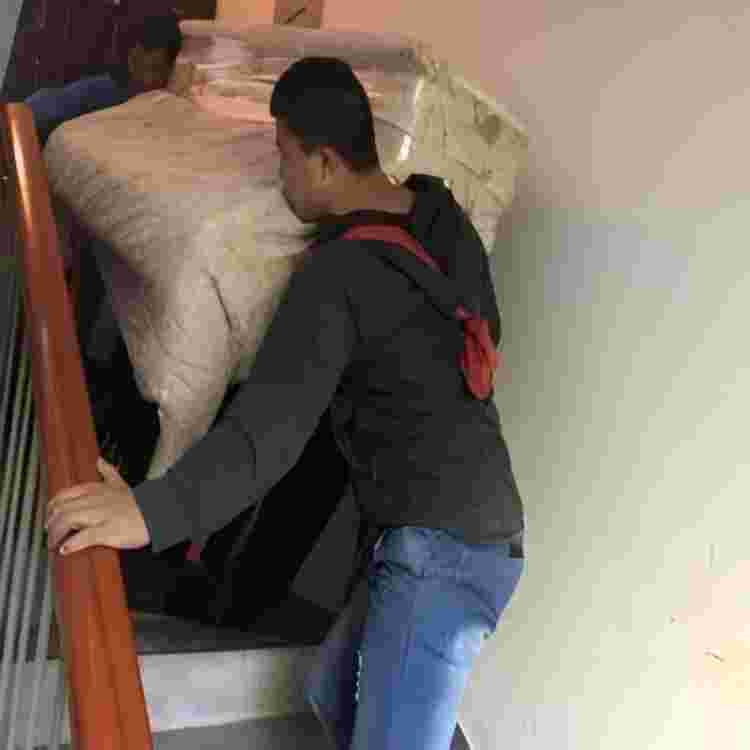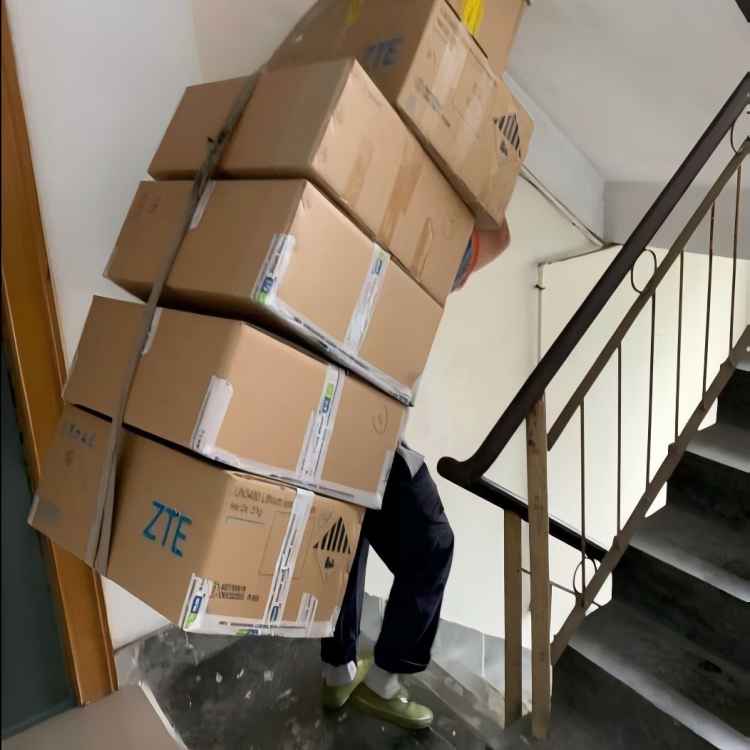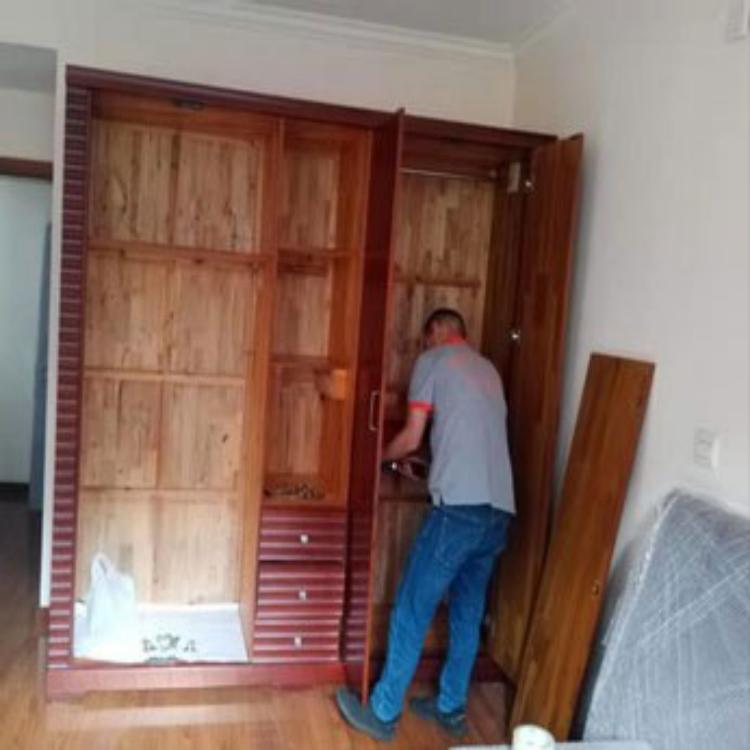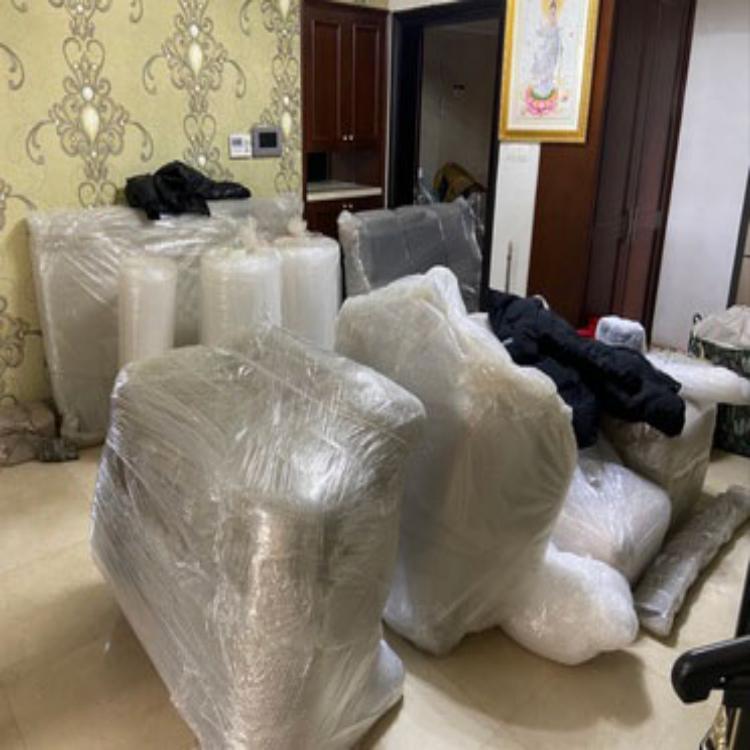

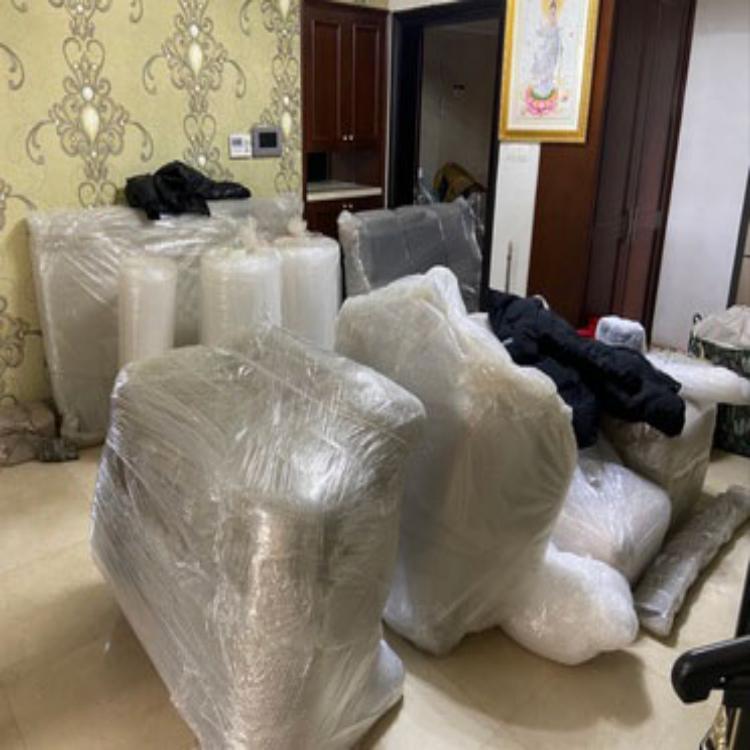
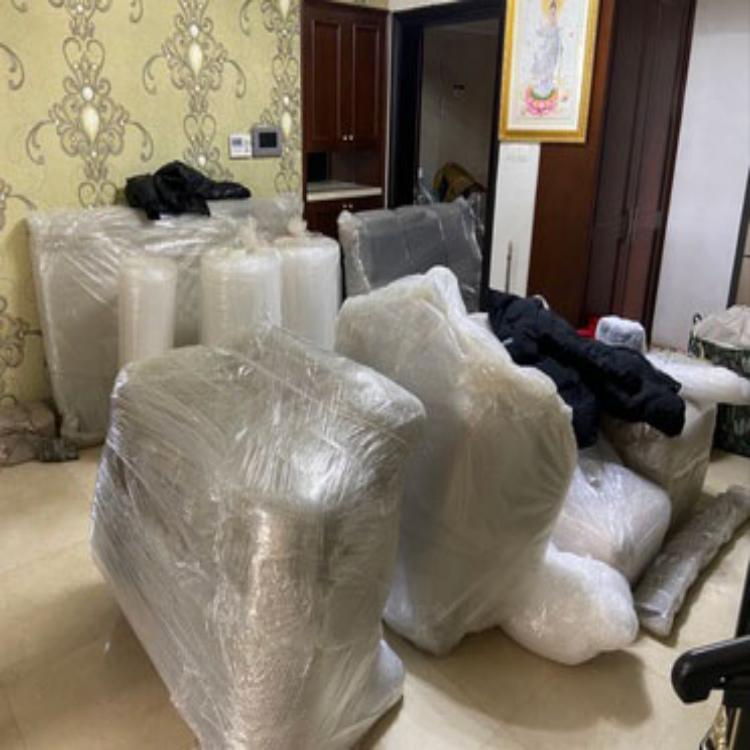
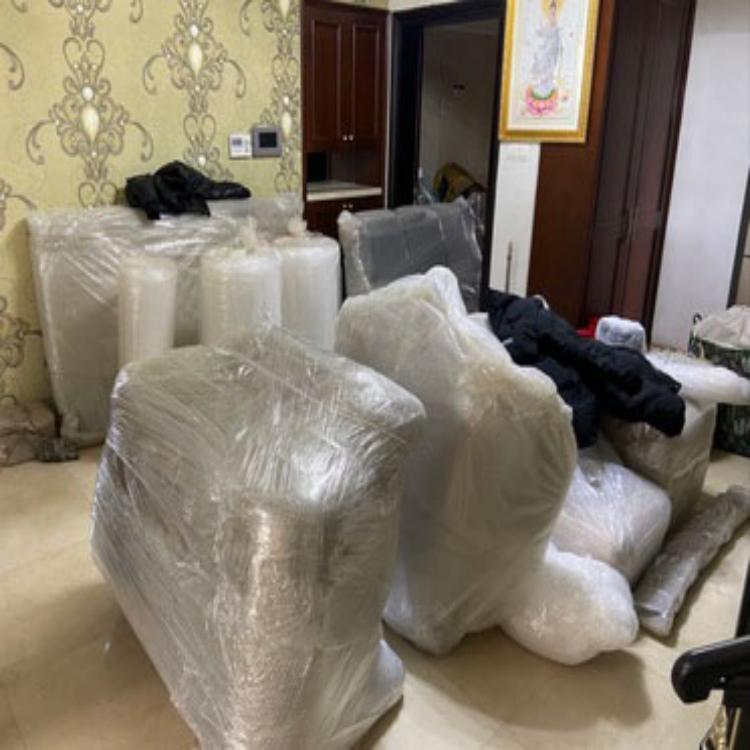


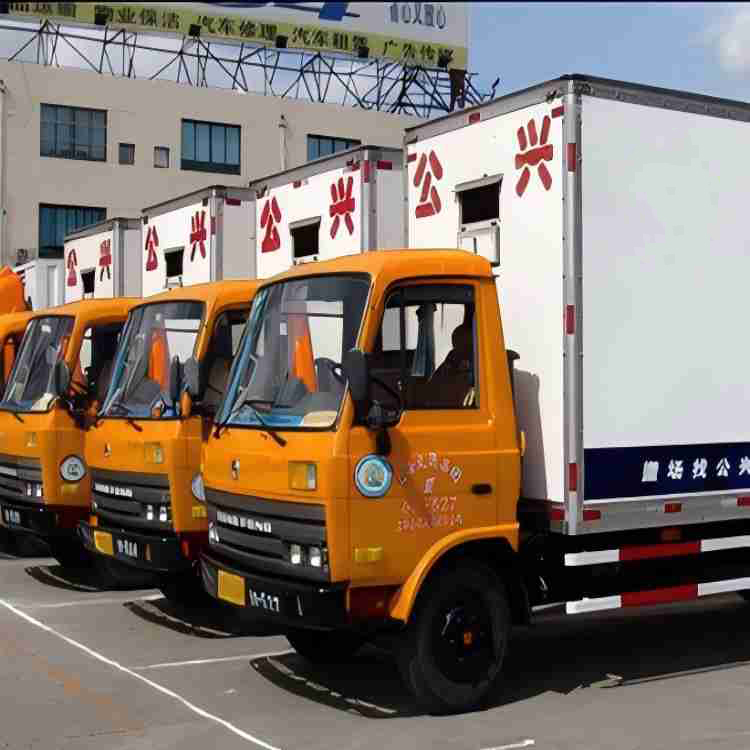
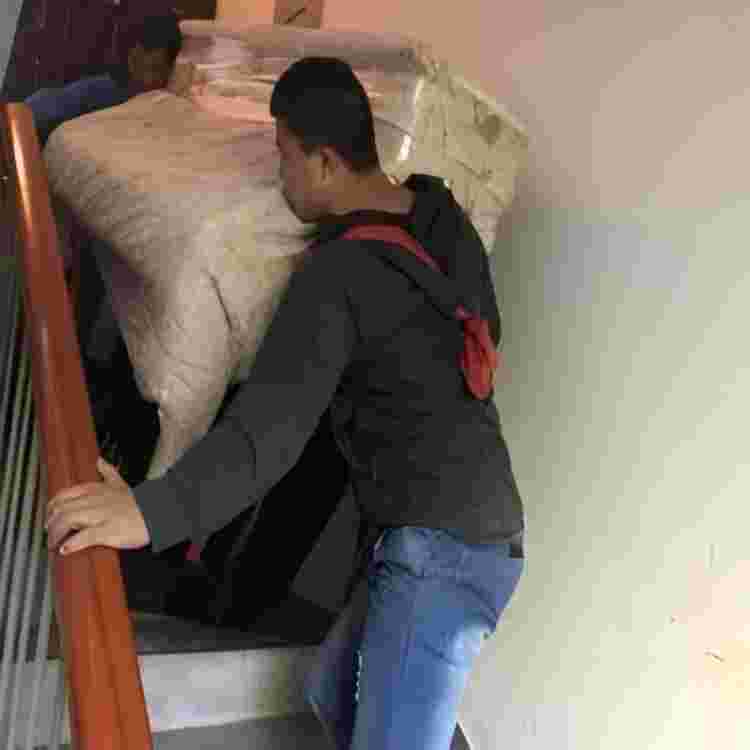
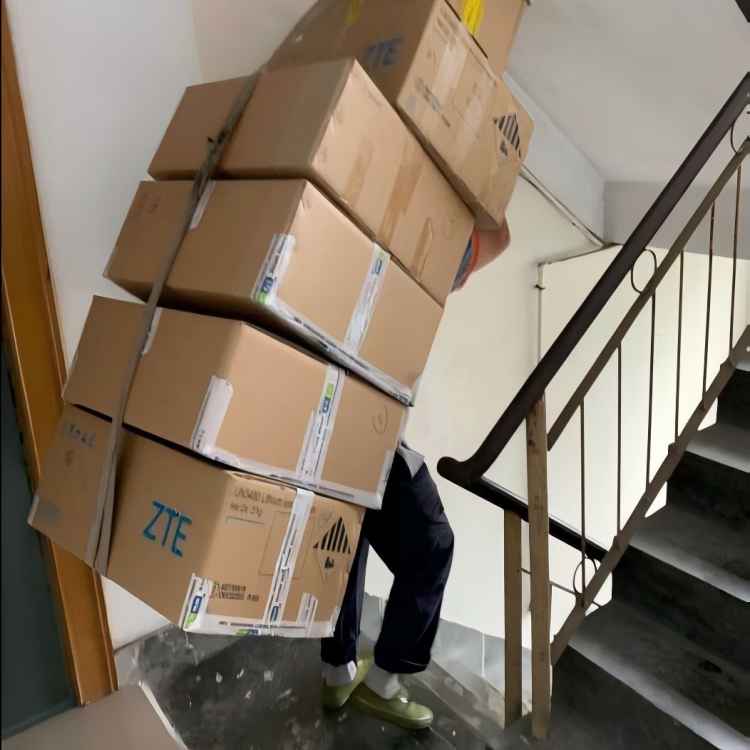
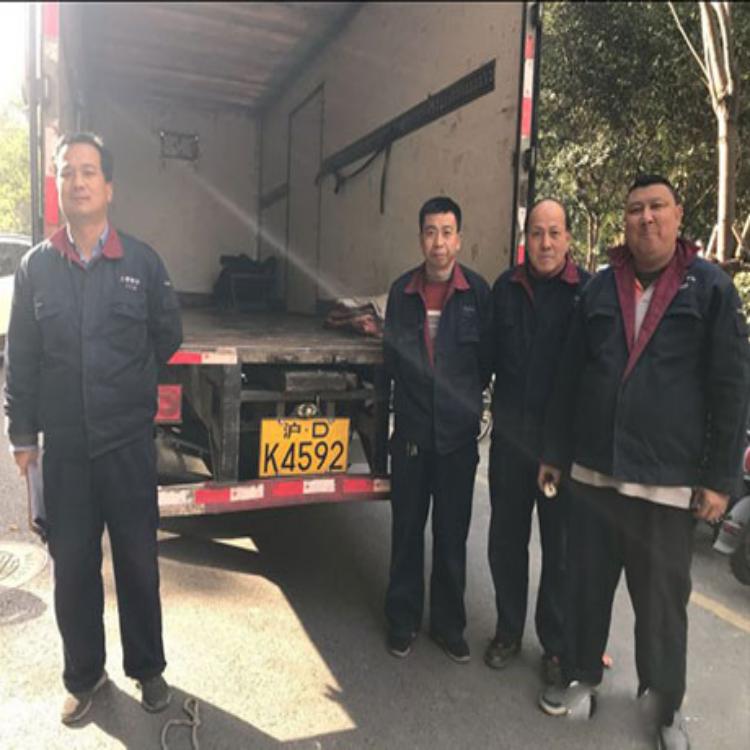





If packing up for a move gives you a headache, or you'd prefer not to lift a finger, choose Kung Hing Movers' packing service or Japanese-style moving. It'll make your move effortless and set up your new home in no time.
Before moving, families need to properly pack their belongings, which not only makes the move easier but also avoids unnecessary troubles such as item loss or damage. However, packing doesn't simply mean just placing items in cardboard boxes; it involves many techniques. Today, the packing staff from Gongxing Moving Company will introduce the steps for packing items during a move.
.jpg)
Item categorization, sorting, and packaging
Before packaging items, they should be categorized and organized. Categorizing and packaging items makes it easier to manage and also effectively prevents loss. For example, kitchenware should be packaged separately, as should jewelry and cosmetics. Small valuable items like jewelry are prone to loss during moving, so thorough categorization can effectively avoid this issue.
2. Fragile Packaging
Packaging fragile items is a detailed process, yet highly effective. Simply placing fragile items directly into a box can easily lead to damage. This is because the items vibrate within the box, causing them to break. To prevent vibration, we can fill the gaps inside the box with soft foam after packing, minimizing the space for vibration of fragile items inside, and effectively avoiding damage to the items.
3. Garment and Luggage Packaging
For clothing and luggage in daily life, they can easily get dirty during moving. Clothes are easy to explain, but especially when luggage gets dirty. For this issue, we suggest purchasing some professional packing boxes, which can be bought on online shopping platforms like Taobao, JD.COM, etc. They're not expensive and effectively avoid these problems.
4. Kitchenware Packaging Steps
Kitchenware mainly includes some cutlery tools and porcelain plates, bowls, etc. Although porcelain plates and bowls are fragile items as well, the fragile items in kitchenware cannot be packaged in the same manner as porcelain bowls. Porcelain plates should not be stacked on top of each other; a thick paper layer must be placed in between. The same goes for the knives; the blade must be wrapped in thick paper.
5. Home Appliance Packaging Steps
For home appliance packaging, if there's a factory cardboard box available, it can be used for packaging, as each appliance's factory box is custom-made for the model, with various protective measures in place. If there's no factory box, it can be packaged like fragile items, but extra care must be taken during handling. For instance, when transporting a TV, be mindful not to set the screen down, and try to avoid applying force to the weak spots.
The above outlines the packaging procedures for various items. Items in daily life can generally be categorized into these types. It is important to note that after each package is completed, be sure to mark the box with a marker, noting what kind of item or household appliance is inside.