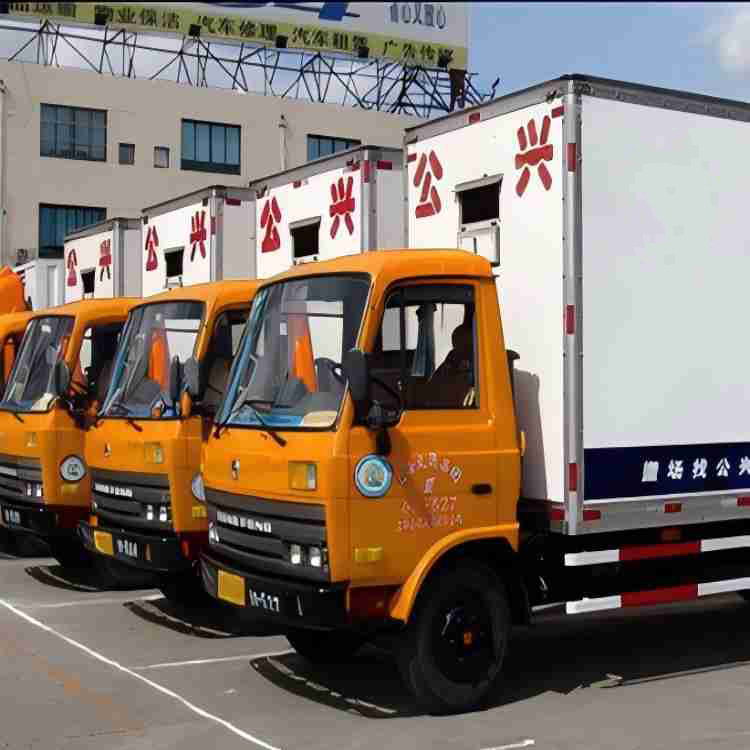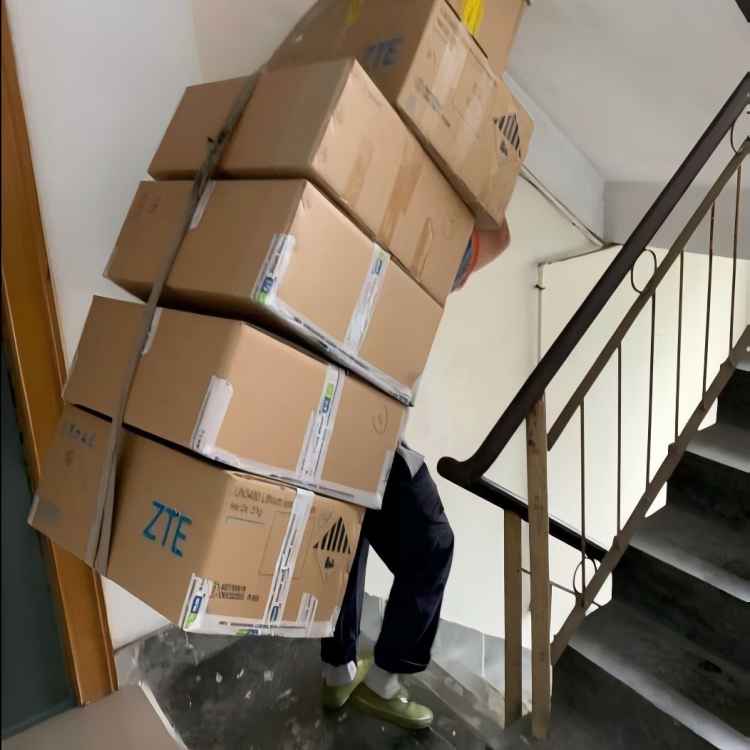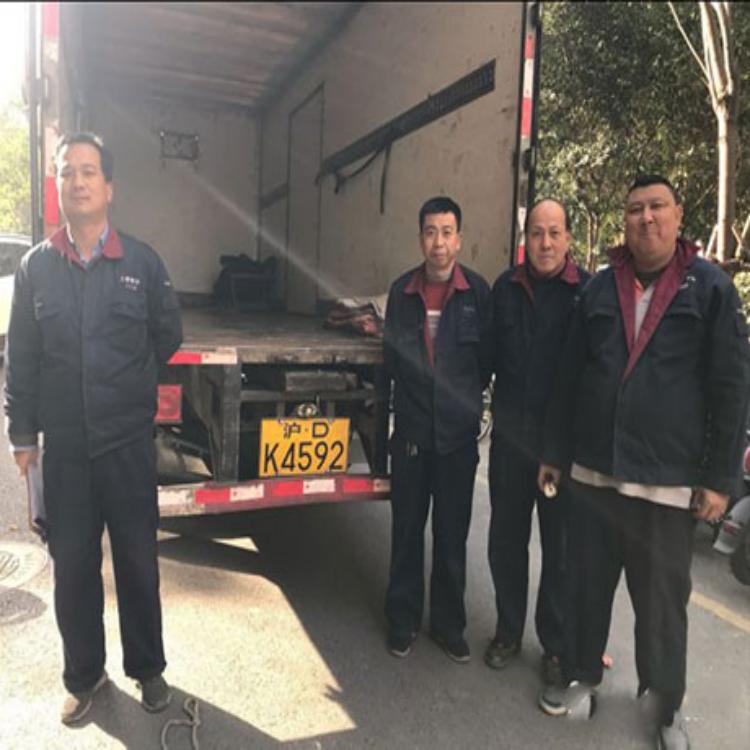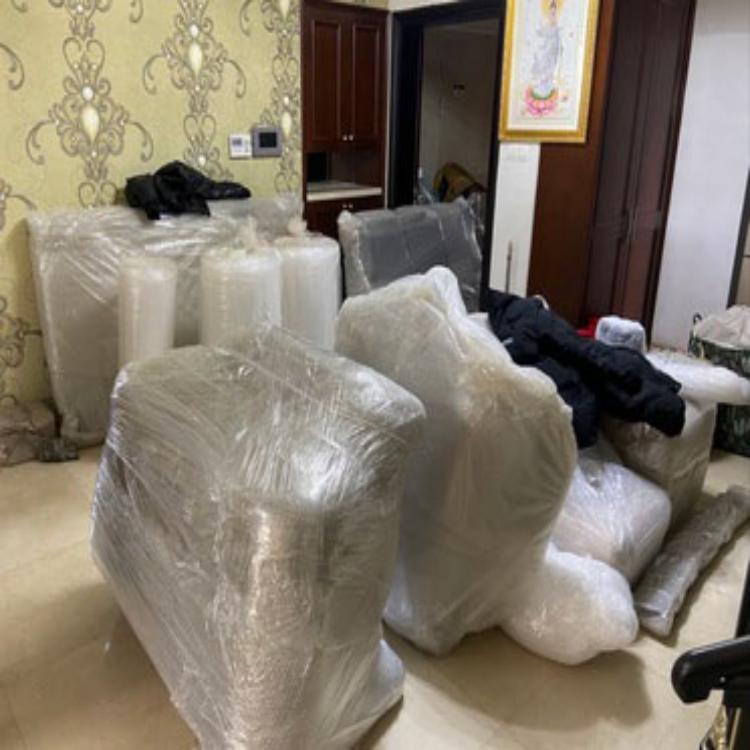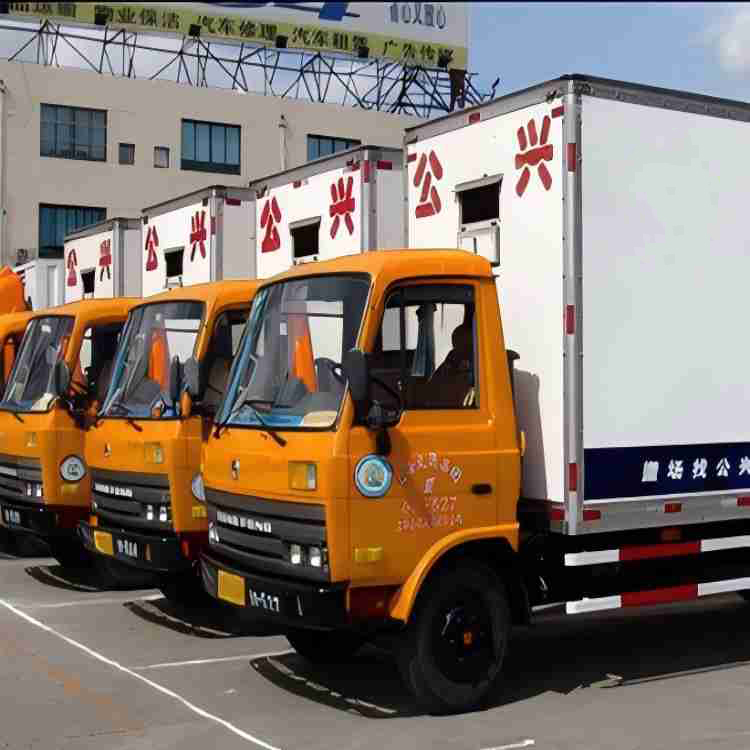

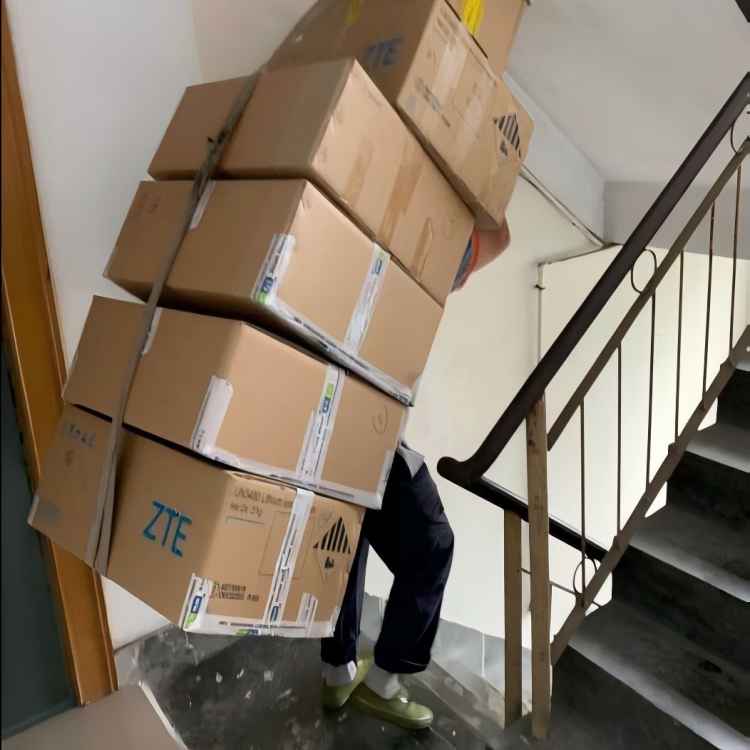
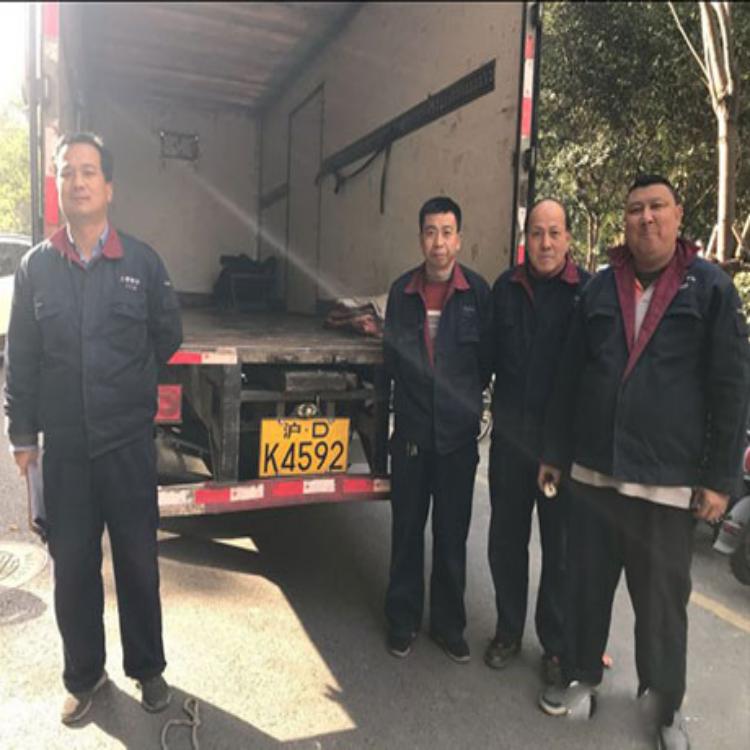








Relocation of a factory or production facility refers to the process of moving it from one location to another. Typically, relocation involves planning, preparation, and executing a series of steps to ensure a smooth transition.
General Steps for Relocating a Factory:
1. Define Relocation Goals: Determine the reasons and objectives for the relocation, such as expanding production scale or reducing grades.
2. Locate New Location: Seek a suitable new site based on the relocation objectives, taking into account factors such as profitability, labor supply, and infrastructure.
3. Conduct Feasibility Study: Perform a feasibility study for the new location, assessing the costs, risks, and benefits of the relocation.
4. Develop Relocation Plan: Based on the feasibility study results, create a detailed relocation plan, including timelines, budget, and resource allocation.
5. Conduct an equipment and material inventory: Count and categorize the equipment and materials in the original factory, and determine the items to be relocated.
6. Prepare New Factory: Prepare the new factory, including cleaning, renovation, and equipment installation.
7. Conduct item relocation: According to the relocation plan, transport equipment and materials from the original factory to the new one. You may hire a relocation company or organize a moving team yourself.
8. Equipment Installation and Commissioning: Install and commission equipment in the new factory, ensuring its smooth operation.
9. Test and Adjust Production Process: Conduct testing and adjustment of the production process to ensure normal operation in the new factory.
10. Completion of Relocation: Confirm that all equipment and materials have been moved to the new factory and all relevant documents and procedures have been completed.
Relocating a factory is a complex task that requires thorough planning and preparation. During the relocation process, it is crucial to safeguard the equipment and materials to ensure uninterrupted production.
Air Conditioning Disassembly and Reinstallation refers to the process of dismantling and reinstalling the existing air conditioning equipment. Generally, the air conditioning disassembly and reinstallation includes the following steps:
1. Power Off: Prior to disassembling or assembling the air conditioning unit, it is necessary to disconnect the power supply to ensure safety.
2. Disassemble the indoor unit: Loosen the fixing screws of the indoor unit and then remove it from the wall or ceiling.
3. Disassemble Outdoor Unit: Loosen the screws securing the outdoor unit and then remove it from the bracket.
4. Disassemble pipe connections: Remove the pipe connections between the indoor and outdoor units, such as condensate pipes and refrigerant pipes.
5. Disconnect Wire Connections: Remove the wire connections between the indoor and outdoor units.
6. Install New Air Conditioning Equipment: Reinstall the indoor unit, outdoor unit, and pipe and wire connections according to the installation requirements of the new air conditioning equipment.
7. Power Connection: Connect the new air conditioning unit to the power source and perform a power-on test.
8. Test Run: Power on the new air conditioning unit, test its cooling or heating performance, and ensure it operates normally.
Note that air conditioner disassembly and installation are skilled tasks, typically requiring the expertise of an air conditioning installation and repair technician to ensure safety and accuracy. Additionally, care must be taken to protect the equipment and surrounding environment during disassembly and installation to avoid damage to the equipment or other issues.
Aerial hoisting is the operation of lifting objects or personnel from ground level to heights or from heights back to ground level using hoisting equipment. It is commonly used in construction sites, electrical line maintenance, and repair fields.
Aerial hoisting is commonly performed using cranes, hoists, and elevators. During operations, strict adherence to safety regulations is required to ensure the stability and load-bearing capacity of the hoisting equipment, preventing any accidental incidents.
Operatives for high-altitude lifting must undergo specialized training and be certified before assuming duties. They should possess relevant technical knowledge and operational skills. During operations, they must carefully monitor the surrounding environment to ensure no personnel or obstructions are within the lifting area, while also considering the effects of wind and weather conditions.
Safety measures for high-altitude lifting include using appropriate lifting equipment, inspecting the integrity of lifting devices, ensuring the stability of lifting points, properly using safety belts and protective gear, etc. Additionally, a detailed work plan and emergency response plan must be established to address potential unforeseen incidents.
In summary,高空lifting is a high-risk operation that requires strict adherence to safety regulations and procedures to ensure the safety of personnel and equipment.
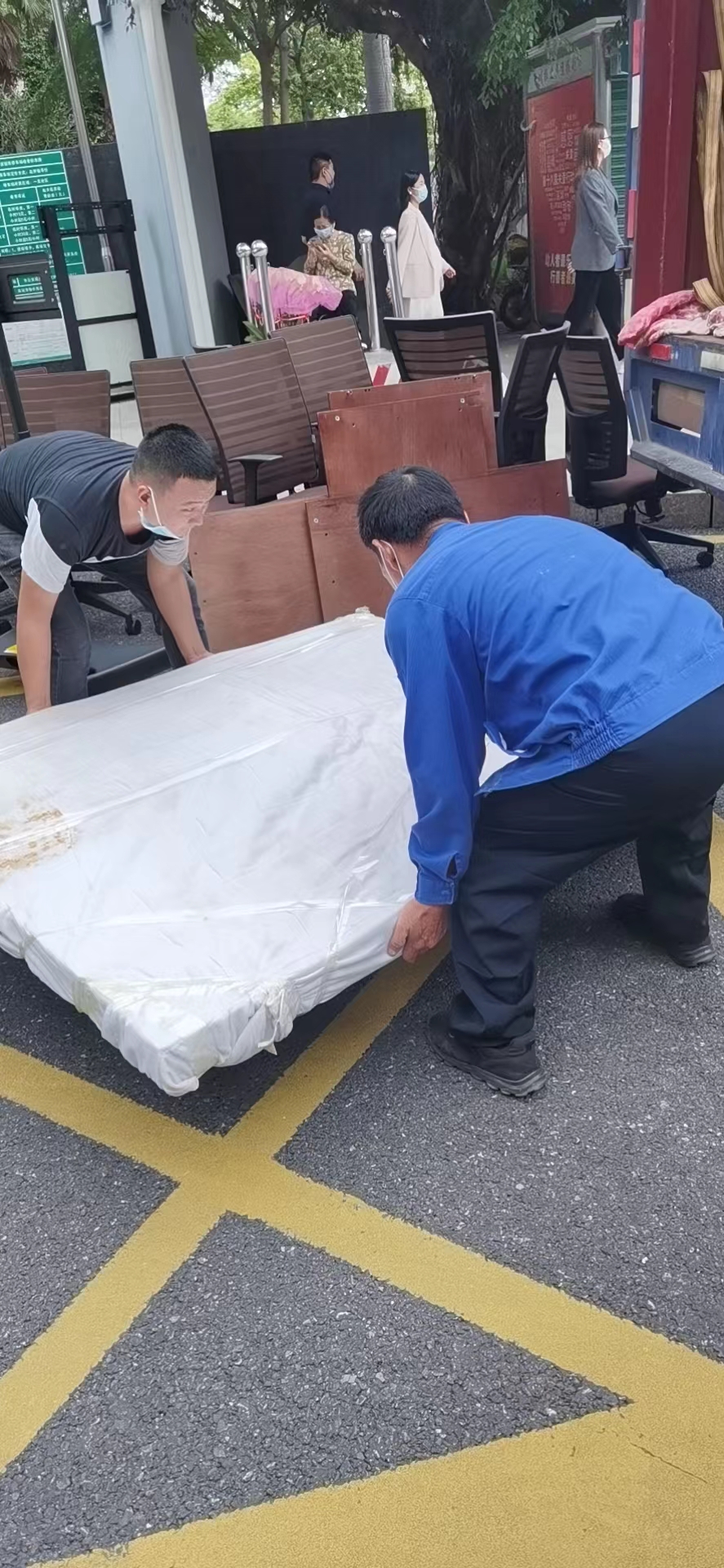
International relocation refers to the process of moving household or office items from one location to another. Such moves typically require the services of an international moving company, as they involve complex procedures and regulations related to international customs, transportation, and logistics.
International moving typically involves the following steps:
1. Planning and Preparation: Determine the moving date, destination, and city, understand the customs and import regulations of the destination, and develop a moving plan.
2. Packaging and Crating: Package and crate furniture, appliances, personal items, etc., to ensure their safety during transportation.
3. Customs and Documentation: Prepare and submit the necessary documents and applications as required by the destination, such as customs declarations and import licenses.
4. International Shipping: Choose the appropriate shipping method, such as sea or air freight, to deliver items to the destination.
5. Destination Customs Clearance and Delivery: Complete customs procedures at the destination, pay relevant taxes and fees, and then deliver the items to the mover.
6. Installation and Setup: Install and arrange items in a new home or office.
Many factors must be considered during international relocation, such as cargo, customs regulations, and transportation time. Therefore, hiring an international moving company can ensure a smooth moving process and reduce potential issues and risks.
Moving a piano is a complex and skilled task. Here are some steps on how to move a piano:
1. Preparations: Before moving a piano, ensure there is sufficient manpower and appropriate tools. Pianos are heavy instruments, typically requiring at least two to four people for transportation. Additionally, you may need some protective items, such as felt or protective covers, to safeguard the piano surface from scratches or damage.
2. Assessment Path: Before transporting the piano, first assess the path from the current location to the destination. Ensure there are no obstructions along the way, such as stairs, narrow doorways, or corners. If necessary, you may need to move furniture or other items to clear sufficient space for the piano.
3. Prepare the piano: Before transporting the piano, remove all the lids and pedals first. This will reduce the weight of the piano, making it easier to move. Also, ensure the piano surface is clean and free of debris.
4. Employ Proper Lifting Techniques: When handling pianos, proper posture and techniques must be used. Ensure to lift the piano using your knees, not your back strength. Concentrate the force on your leg and core muscles to minimize pressure on your back.
5. Utilize appropriate handling equipment: In addition to manual labor, some handling tools may be required to assist in moving pianos. For instance, piano rollers can make the process easier and reduce damage to the floor. Ensure proper use of these tools and follow safety operation guidelines.
Handle with Care: When transporting pianos, please handle them gently to prevent sudden drops or collisions. Pianos are fragile instruments and susceptible to damage. Ensure a steady and stable transportation process.
7. Safe Loading: Upon arrival at the destination, the piano must be carefully placed in the new location to ensure it is safely positioned. Make sure the piano lands flat and use appropriate supports to maintain stability.
In summary, transporting a piano is a task that requires skill and caution. If you lack experience or are unsure about how to transport a piano, it's best to hire a reputable moving company or piano moving service to ensure the safe transport of the piano.
Long-distance moving refers to the act of relocating from one region to another. Here are some tips and steps to consider for a long-distance move:
1. Advance Planning: Determine the moving date and destination, and create a detailed moving plan.
2. Find the right moving company: Choose a reputable moving company and discuss the moving details and costs with them.
3. Organize and package items: Sort out unnecessary items and categorize and package the items that need to be moved.
4. Update Address and Services: Notify banks, post offices, companies, power suppliers, and other relevant institutions and service providers in advance of any changes to your address and services.
5. Item Transportation: Deliver packed items to the destination as per the moving plan.
6. Accommodation and Living Arrangements: Arrange new housing and living conditions in advance, such as renting an apartment, transferring to a new school, etc.
7. Update Documents and Files: Renew relevant documents such as IDs and ensure legal residency and operation.
8. Adapt to New Environment: Quickly acclimate to the new surroundings and lifestyle, and establish good relationships with the new community and neighbors.
9. Notify Friends and Family: Inform your friends and family of your new address and contact information to maintain communication and connection.
10. Handle Old Residence Matters: Cancel the lease agreement for the old residence, hand over keys, etc., to ensure a smooth departure from the old residence.
Moving to a different location requires thorough preparation and planning to ensure a smooth relocation and quick adaptation to the new environment.