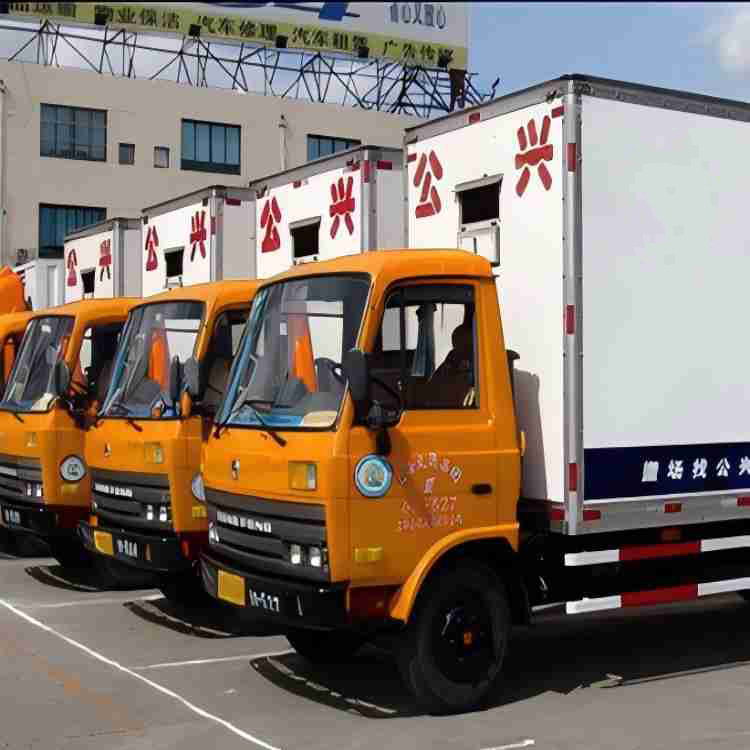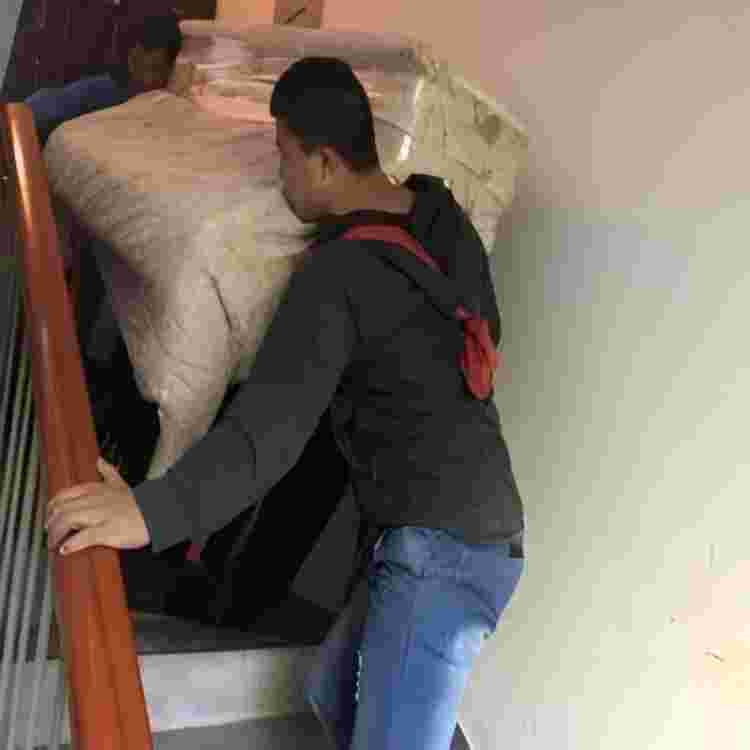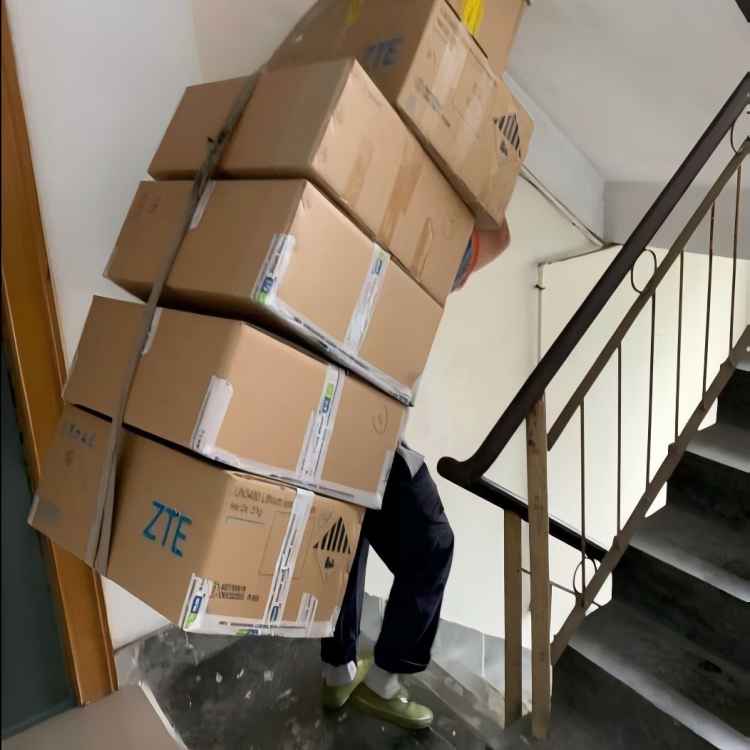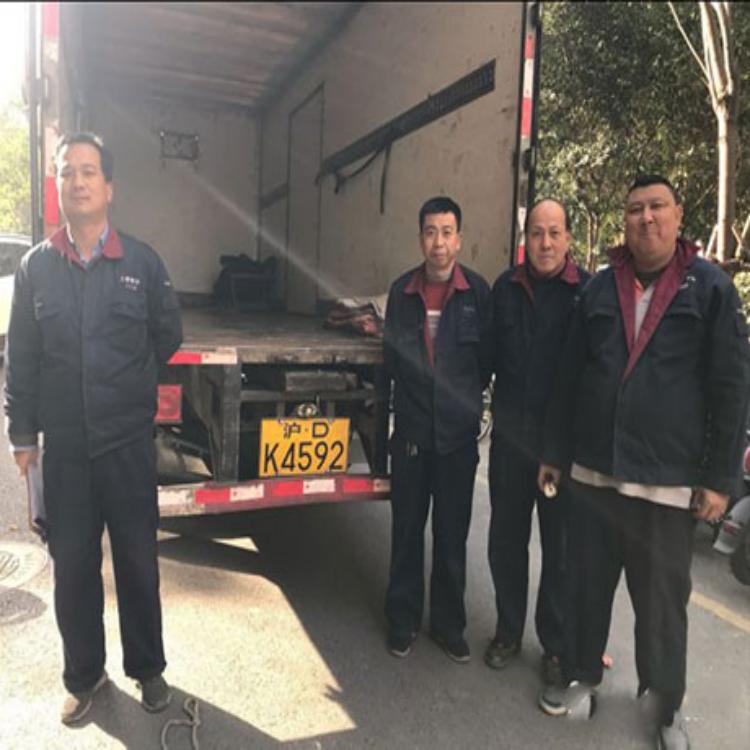
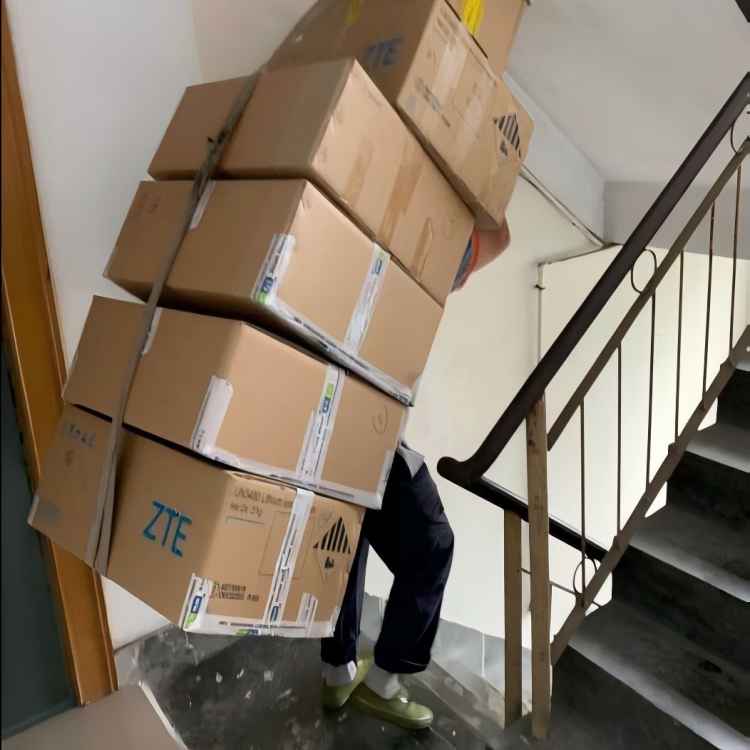
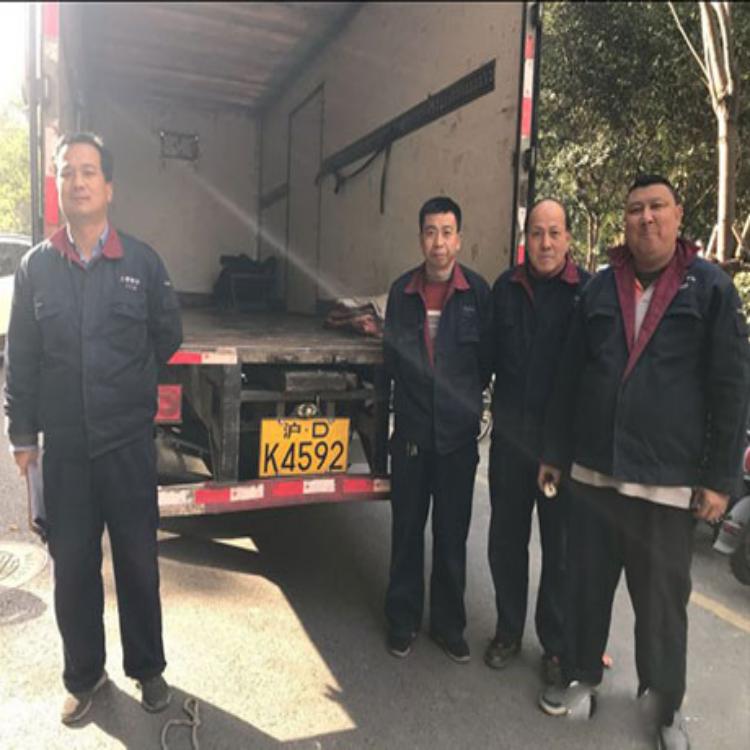
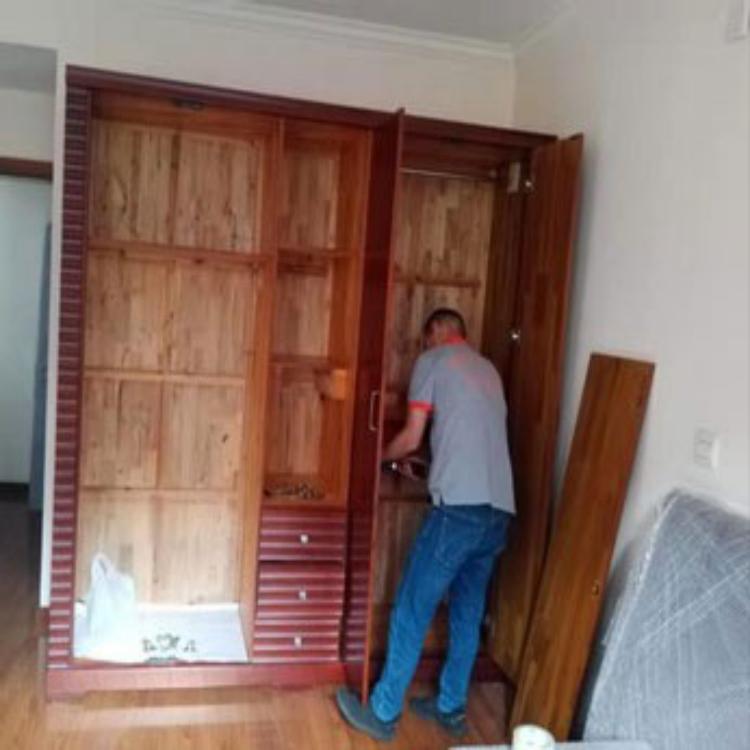







Labor for transportation refers to human resources that provide transportation services. Transportation typically involves moving heavy items, furniture, equipment, and requires a certain amount of physical strength and skill. Labor for transportation can be a service provided by an individual or a collective service offered by a transportation company or team.
Labor transportation services are typically provided based on the customer's requirements and specific circumstances, including:
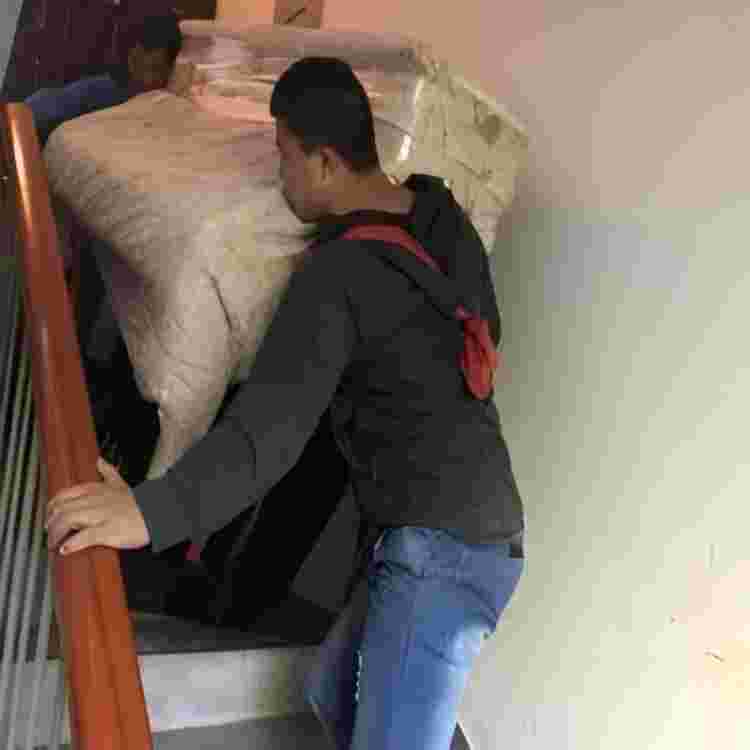
1. Heavy Lifting: Our labor services assist customers in transporting heavy furniture, appliances, equipment, and other items, ensuring safe and efficient relocation from one location to another.
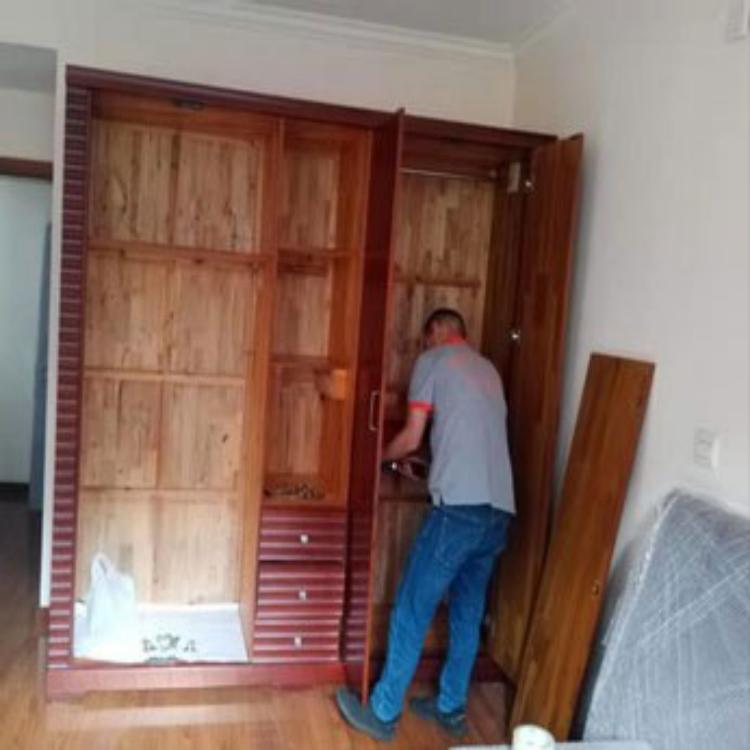
2. Furniture Moving: Labor services are available to assist customers with moving furniture, including disassembly, transportation of oversized furniture, and ensuring no damage occurs during the moving process.
3. Handling Equipment: Labor for equipment handling is available to assist customers with moving office and industrial equipment, ensuring no damage occurs during transportation.
4. Warehouse Goods Handling: Manual labor assistance is available to our clients for handling warehouse goods, including loading/unloading and sorting, to ensure no damage to the goods during transit.
Laborers typically provide various handling tools and equipment to enhance efficiency and ensure safety. They also need to possess certain handling skills and experience to deal with complex handling situations.
The cost of manual handling labor is typically determined by factors such as the weight, volume, and distance of the items to be moved. Customers can choose the appropriate manual handling labor service based on their needs and negotiate the service details and costs with the laborers.
Short-distance moving refers to relocating household or office items over a relatively short distance. This type of moving typically occurs within the same city or nearby areas. Compared to long-distance moving, short-distance moving is usually more convenient and cost-effective, as it involves a shorter distance, requiring less time and cost.
The process of short-distance moving includes the following steps:
1. Planning and Preparation: Determine the date and time for the move, create a moving plan, and prepare the necessary packing materials and tools.
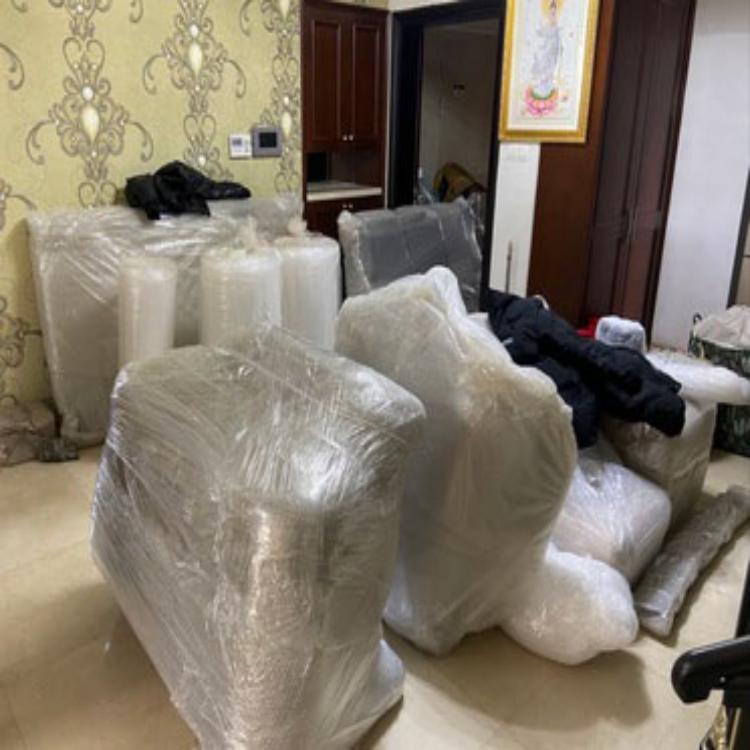
2. Packing Items: Sort and pack household items, using appropriate packing materials to protect fragile items. Label each box or package for easy identification after moving.
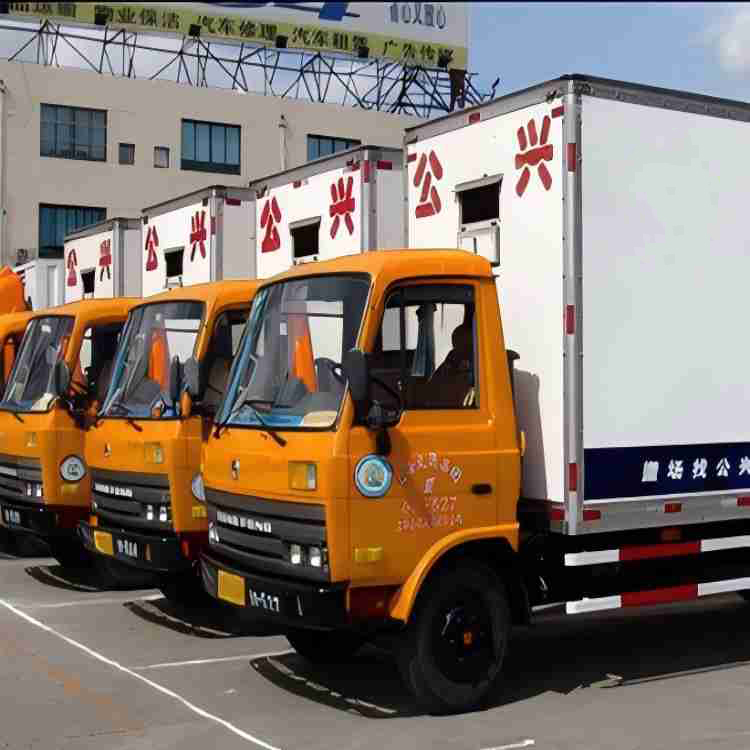
3. Rent Moving Vehicles: Rent appropriately sized moving vehicles based on your needs to accommodate all items.
4. Moving Items: Ask family or friends for assistance in moving furniture and other heavy items. Ensure safety during the move to avoid injury.
5. Accommodation Arrangement: Ensure that all preparations for the new accommodation are completed before moving, including cleaning and installation of basic facilities such as water and electricity.
6. Post-move Organization: Upon arrival at the new residence, arrange items as needed and perform necessary cleaning and organization.
In summary, short-distance moving is relatively simple, but still requires some planning and preparation. Make sure to arrange all the details in advance to ensure a smooth moving process.
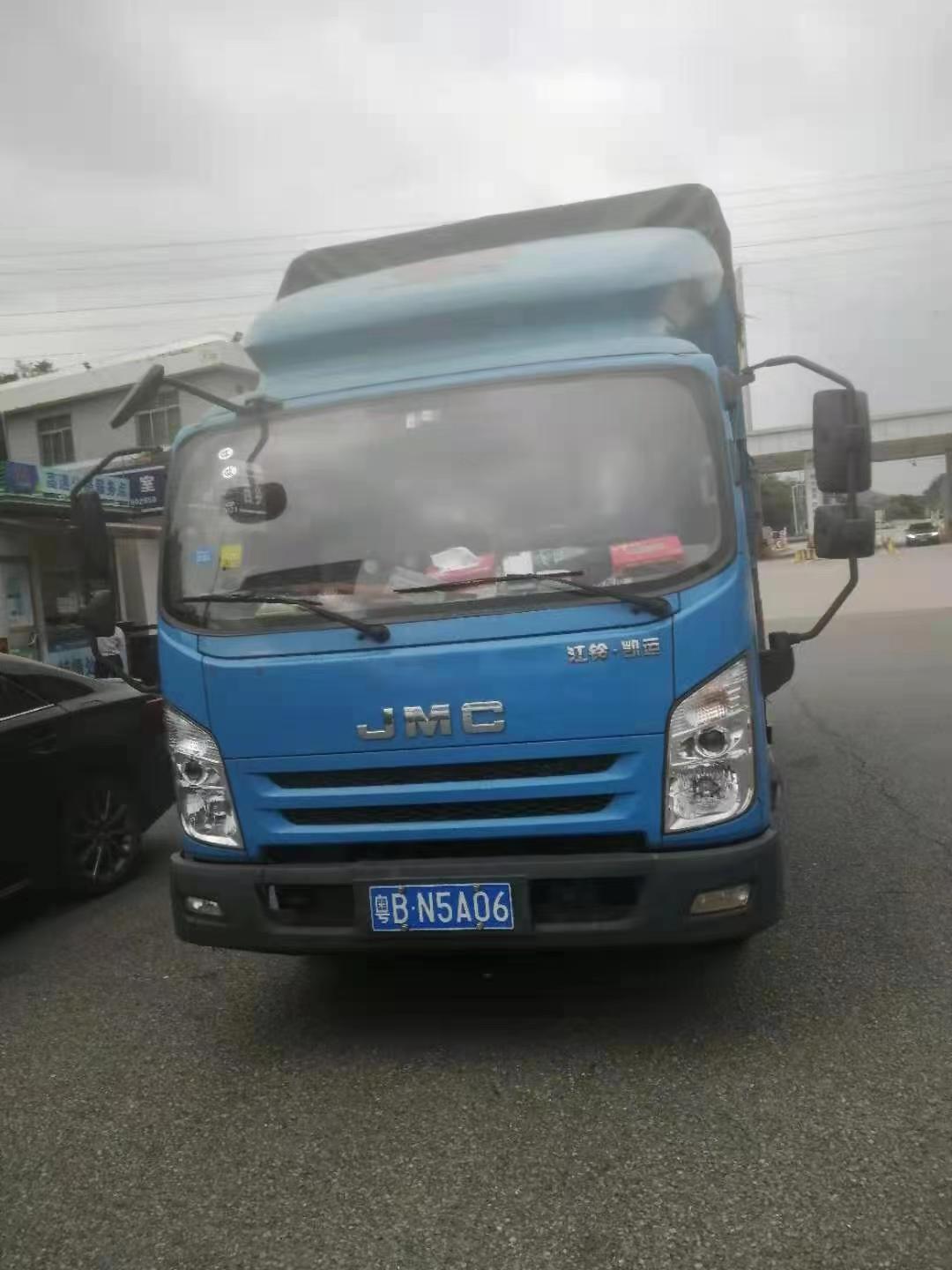
Aerial lifting is the operation of lifting objects or personnel from the ground to a height or lowering them from a height to the ground using lifting equipment. It is commonly used in construction sites, power line maintenance, and repair fields.
Aerial hoisting typically employs cranes, hoists, and elevators. During operation, it is crucial to strictly adhere to safety regulations to ensure the stability and load-bearing capacity of the hoisting equipment, preventing any accidental incidents.
Crane operators for高空吊装 must undergo specialized training and possess certification to perform duties. They need to have relevant technical knowledge and operational skills. During operations, they must carefully monitor the surrounding environment to ensure no personnel or obstacles are within the crane's range, while also considering factors like wind and weather conditions.
Safety measures for high-altitude lifting include using appropriate lifting equipment, inspecting the integrity of the lifting devices, ensuring the stability of the lifting points, properly using safety belts and protective gear, etc. Additionally, a detailed work plan and emergency response plan must be established to handle any potential accidents.
In summary,高空 lifting is a high-risk operation that requires strict adherence to safety regulations and procedures to ensure the safety of personnel and equipment.
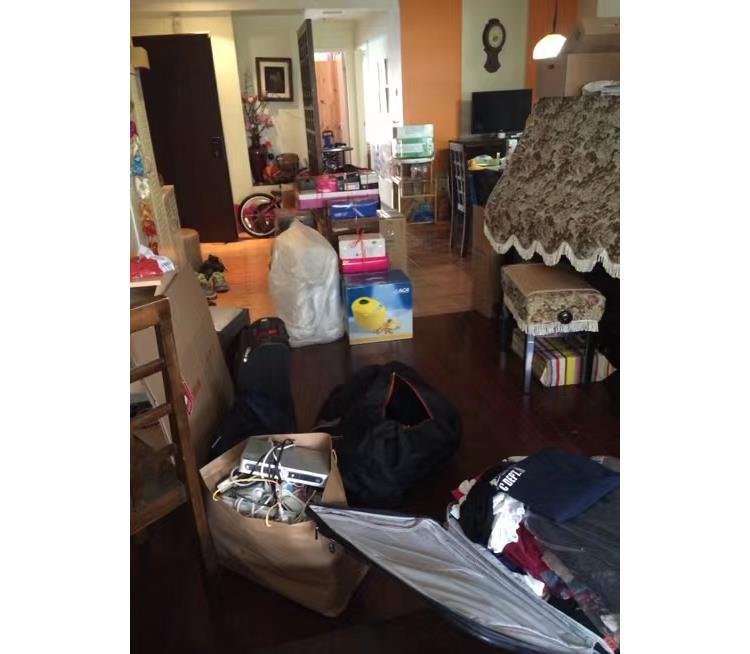
Freight relocation refers to the process of transporting goods from one location to another. Relocation, on the other hand, pertains to the moving of personal or family belongings from one residence to another.
Freight relocation typically involves considering the following aspects:
1. Item Packaging: Goods or personal items must be properly packaged to protect against damage or loss.
2. Transportation Method: Select an appropriate mode of transport based on the size and quantity of the goods, such as trucks, containers, ships, or planes.
3. Shipping Routes: Select an appropriate shipping route based on the origin and destination of the goods, considering factors such as traffic conditions, distance, and transportation time.
4. Shipping Method: Select an appropriate mode of transportation based on the nature and urgency of the goods, such as road, sea, air, or rail transport.
5. Shipping Costs: Calculate shipping fees based on factors such as weight, volume, distance, and mode of transport, and negotiate and settle payment with the shipper.
When moving, in addition to considering the aforementioned aspects, the following points should also be taken into account:
1. Moving Time: Choose an appropriate time for moving to avoid peak seasons and adverse weather conditions.
2. Movers: Choose a reliable moving company that offers comprehensive moving services, including packing, transportation, and installation.
3. Moving Checklist: Create a detailed moving checklist to record all items to be moved for verification and to ensure completeness of the items.
4. Moving Services: Purchase moving insurance to ensure the safety and compensation of your items during the relocation process.
5. Moving Preparation: Organize and pack items in advance, label boxes and furniture for a more organized move.
Whether it's for commercial freight relocation or personal moving, careful planning and preparation are essential to ensure the safety and smooth transportation of goods.
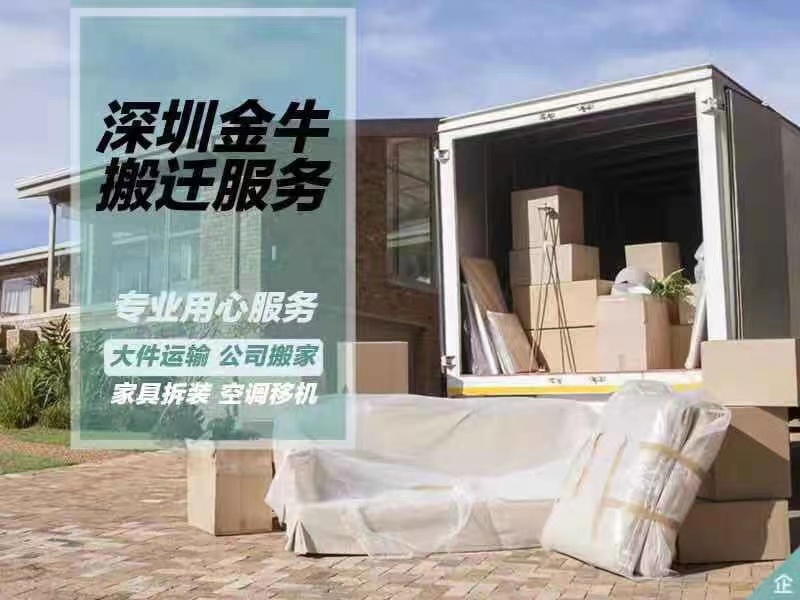
Moving a piano is a complex and skilled task. Here are some steps on how to move a piano:
1. Preparations: Before transporting a piano, ensure you have adequate manpower and proper tools. Pianos are heavy instruments, typically requiring at least two to four people to move. Additionally, you may need protective items like felt pads or protective covers to safeguard the piano's surface from scratches or damage.
2. Assessment Path: Before transporting the piano, assess the path from the current location to the destination. Ensure there are no obstructions along the way, such as stairs, narrow doorways, or corners. If necessary, you may need to move furniture or other items to clear sufficient space for the piano.
3. Prepare the piano: Before moving the piano, remove all the lids and pedals first. This will reduce the weight of the piano, making it easier to transport. Additionally, ensure the piano surface is clean and free of debris.
4. Employ Proper Lifting Techniques: When moving a piano, it is essential to use correct posture and techniques. Ensure to lift the piano using the strength of your legs and core muscles, not your back. Concentrate the force on your lower body to minimize strain on your back.
5. Utilize appropriate handling equipment: In addition to manual labor, some handling tools may be needed to assist in moving pianos. For instance, piano wheels can make the process easier and reduce damage to the floor. Ensure proper use of these tools and follow safety operating instructions.
Handle with Care: When moving a piano, handle it gently to prevent sudden drops or collisions. Pianos are delicate instruments that are prone to damage. Ensure stability and smoothness throughout the moving process.
7. Safe Loading: Upon arriving at the destination, the piano must be carefully placed in its new location to ensure safe handling. Make sure the piano lands flat and use appropriate supports to maintain stability.
In summary, moving a piano is a task that requires skill and carefulness. If you lack experience or are unsure about how to move a piano, it's best to hire a reputable moving company or piano moving service to ensure the safe transport of the instrument.
Packaging and organization refers to the process of arranging items into suitable containers for storage, transportation, or use. Here are some basic steps for packaging and organization:
1. Categorize and Organize: Sort items by category, such as clothing, books, shoes, kitchenware, etc. This helps to better understand your possessions and aids in subsequent organization efforts.
2. Discard unwanted items: Inspect each category and dispose of or donate items that are no longer needed or damaged. This helps reduce the number of unnecessary items, making the organization process easier.
3. Prepare appropriate containers: Select suitable containers for storage based on different item categories. For instance, clothes can be stored in wardrobes or clothing chests, and books can be placed on bookshelves or storage boxes.
4. Label Containers: Clearly mark the category or name of the items stored in each container for easy identification and return to their original place.
5. Neat Arrangement: Place items neatly in the container, maximizing space usage, ensuring that the container is not too full or too loose.
6. Arrange by frequency of use: Place items that are frequently used within easy reach, and less frequently used items in less accessible locations, for convenience in daily use.
7. Regular Inspection and Organization: Conduct periodic checks of packed and organized items, clean dust and debris from containers, and reorganize the placement of items to ensure long-lasting organization effects.
Packing, organizing, and storing can make your home environment cleaner and more orderly, reduce clutter and space wastage. It also enhances the efficiency of item storage and use, making life more convenient.