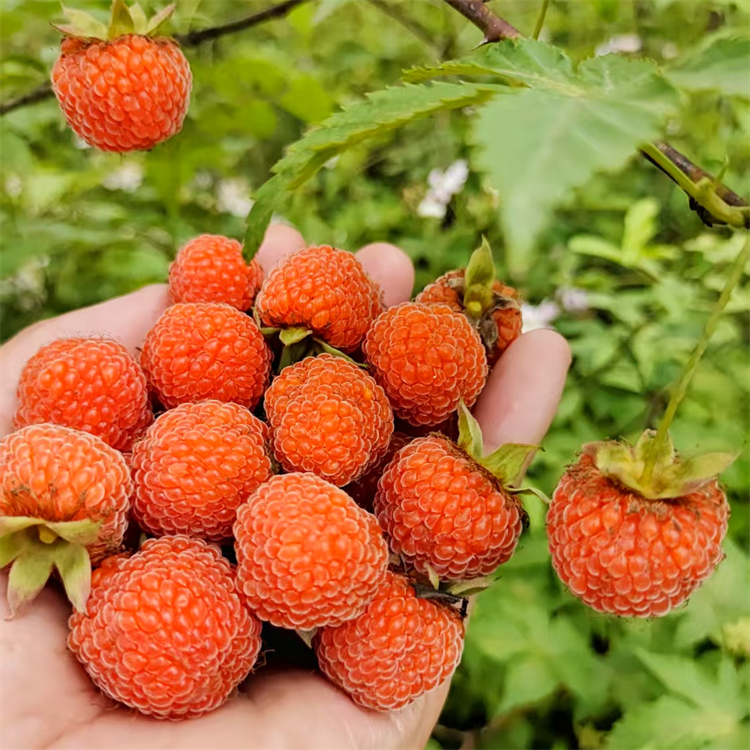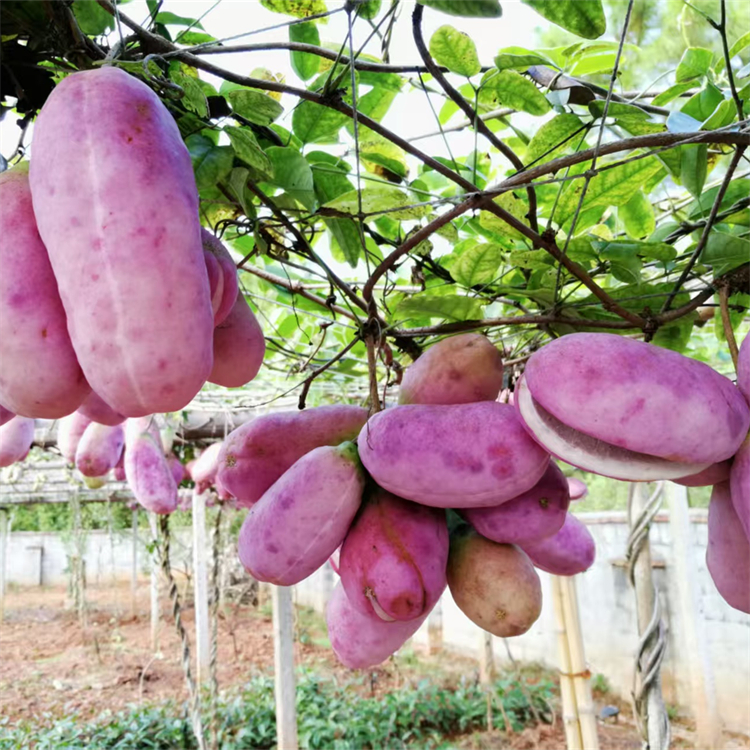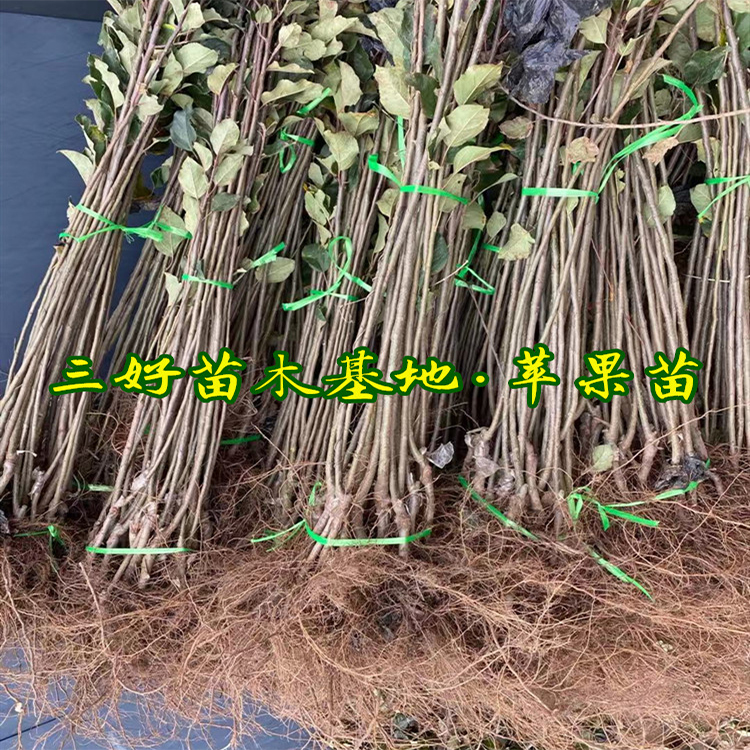


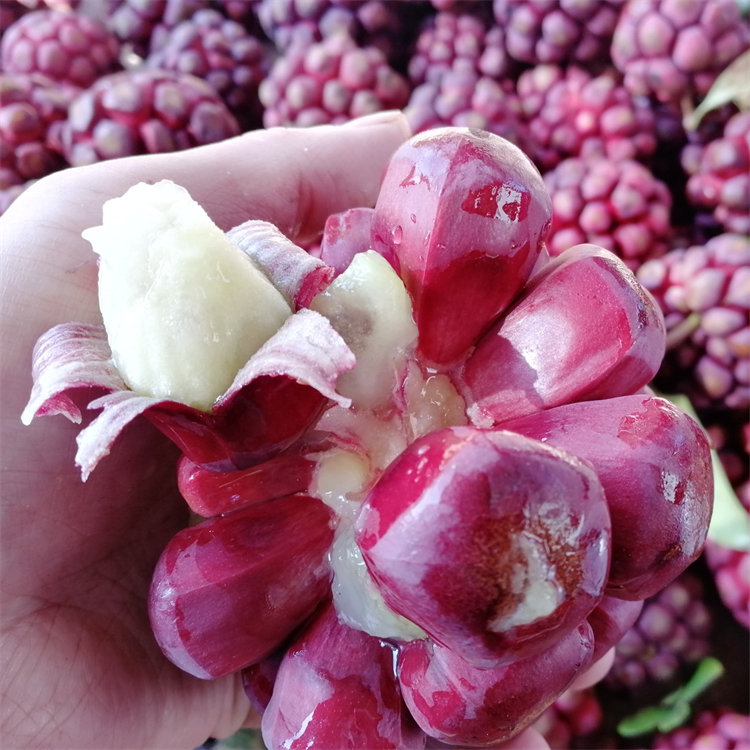
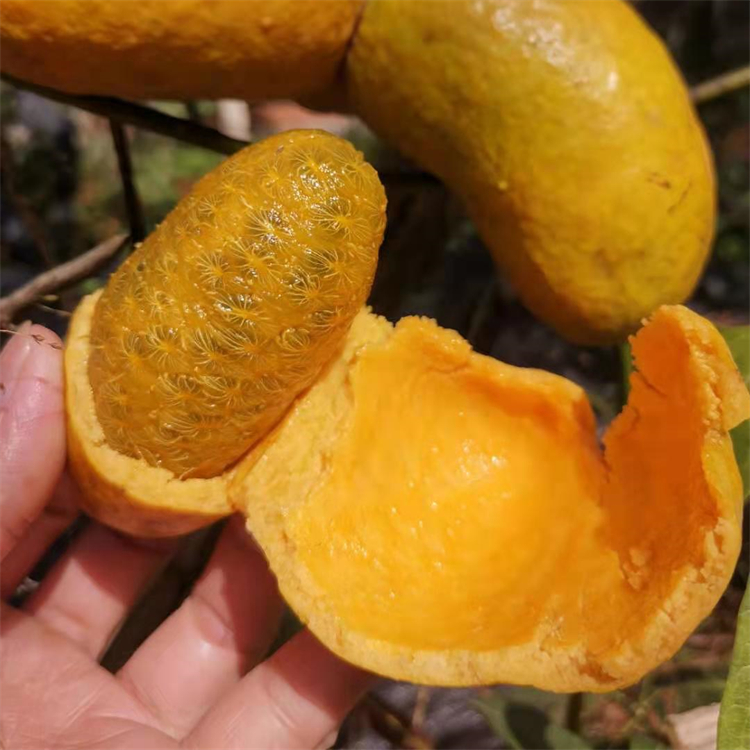

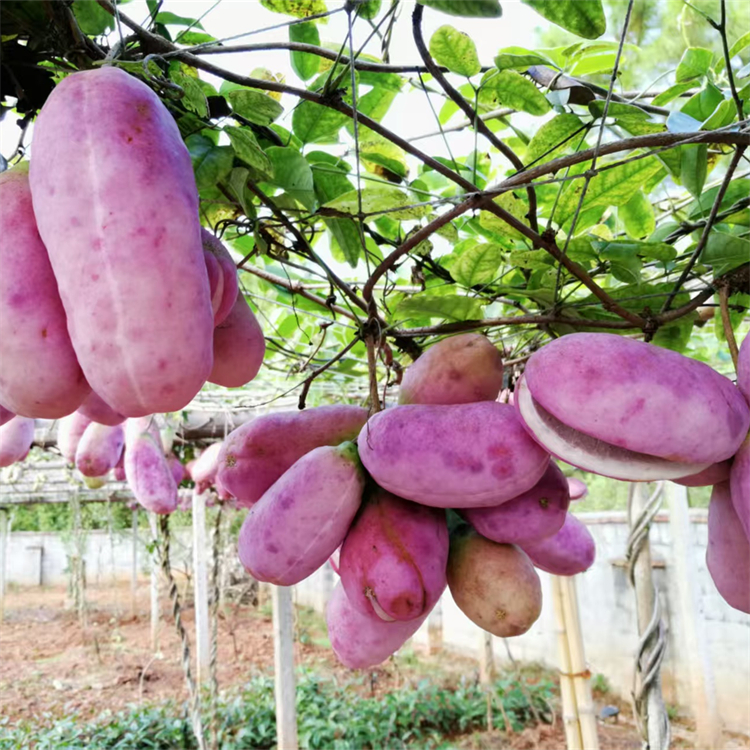







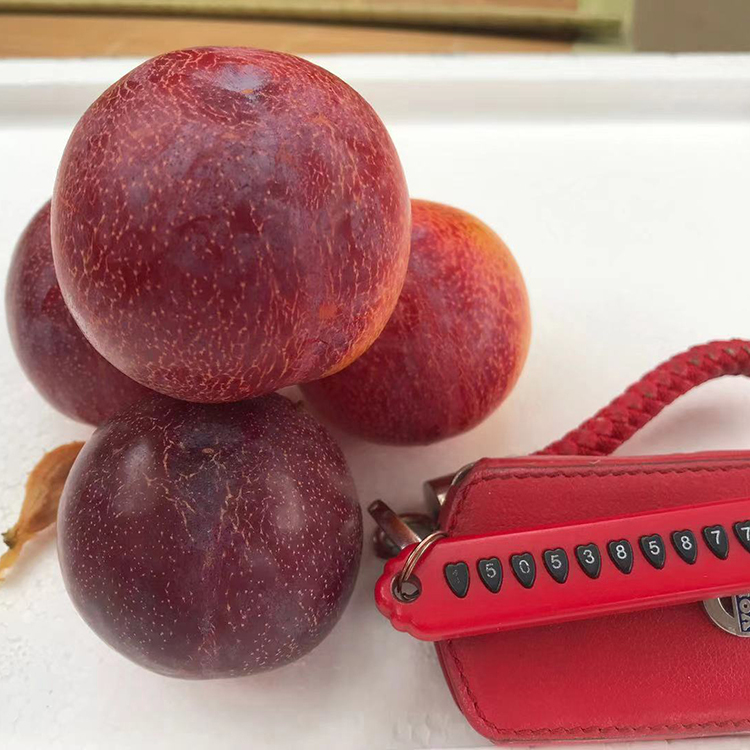
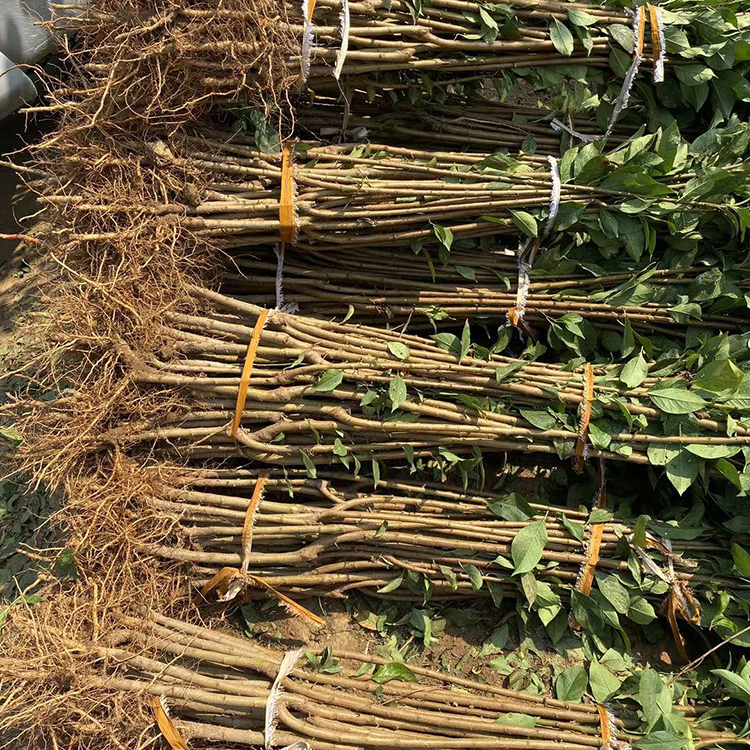
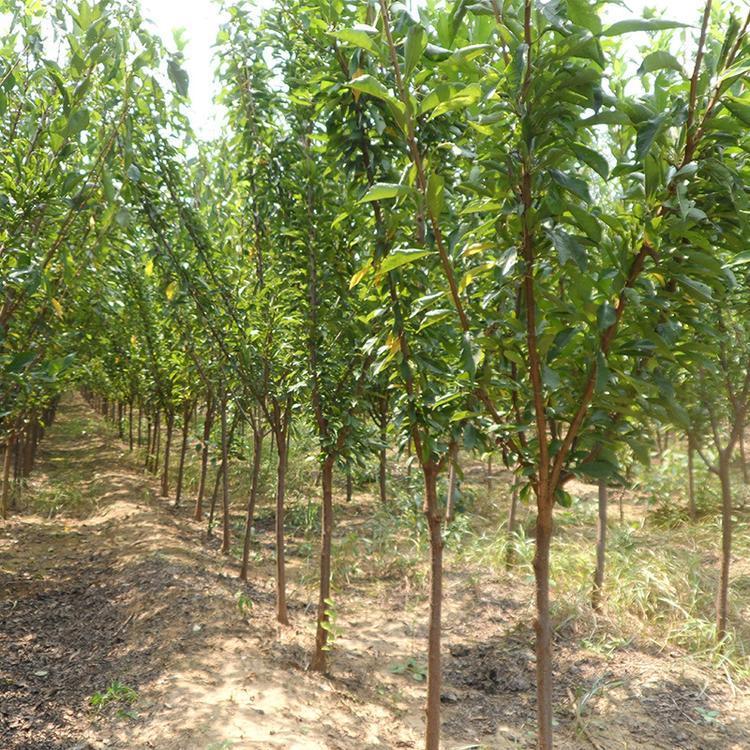
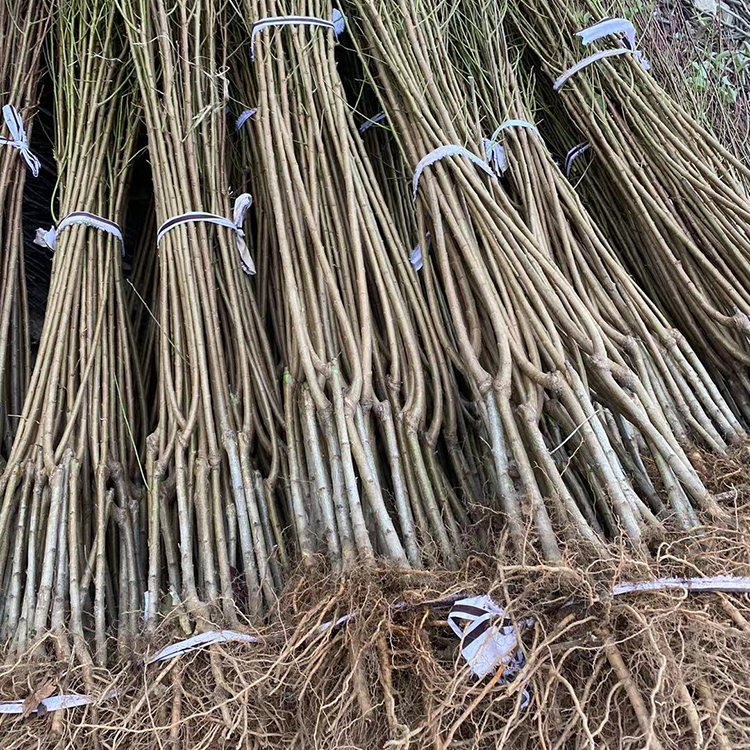
The plum seedlings grow robustly with an upright tree shape, strong branching ability, predominantly bearing fruit on middle branches, short fruit branches, and inflorescence-like branches, resulting in clusters of fruit. They mature in the middle to early August in the Sichuan region. After planting, they start to flower and bear fruit the following year, with a yield of 1.5 kilograms per tree, an average yield of 165 kilograms per mu, and an average per-tree yield of 7.8 kilograms for three-year-old trees, reaching 850 kilograms per mu. Once in full production, the yield can reach 2,600 kilograms per mu. The current market price is 12 yuan per kilogram, with an average value of around 30,000 yuan per mu. They adapt well to both mountainous and flat areas. As a late-ripening plum variety, the seedlings are not picky about soil but have shallow roots and weak water resistance, so it's best to choose deep, well-drained soil. For shallow soil, soil improvement or planting is recommended. The soil pH should be slightly acidic, around 6 to 6.5. Early in the growth, the above-ground plants grow slowly, consuming less assimilates and beginning to accumulate. This is the optimal time for soil turning, as it coincides with the plum tree's root or third growth peak, making it easier to generate new roots, which is beneficial for nutrient uptake and tree growth. After turning, the soil undergoes long-term winter weathering, improving permeability and destroying underground beneficial insects and perennial weeds. Scientific management can enhance nutrient reserves, promote bud differentiation, and lay a solid foundation for the next year's harvest. Over the years, orchards with proper management techniques have consistently yielded well. Harvesting should be timely: most Qingcui plums mature between July and August. Prepare fruit baskets lined with cloth bags for gentle picking and handling to preserve the fruit powder. Grade, stack, and sell the plums. Common pests include plum red spots, punctures, peach aphids, peach scale insects, red-necked longhorns, fruit borers, scale insects, and red spiders. Increase the branching level by thinning out improperly positioned large branches in autumn and winter, focusing on controlling weak branches and promoting downward growth. Prune the extension branches of one-year-old branches to expand the canopy, cutting about one-third of the branch length. For all new shoots on the upper and outer parts of the canopy, perform selective thinning, removing upright branches and leaving slanting ones. For vigorous or upright branches on the middle and lower parts of the canopy, prune lightly in winter, cutting off about one-third of the branch tips to cultivate fruiting branches. For young fruiting trees, pruning should encourage flowering and fruiting. 1. Tie and girdle: usually done in June and July before bud differentiation, by wrapping the trunk or main branches of vigorous trees with wire, creating a slight indentation. Remove the wire once the tree's vigor subsides. 2. Tie and bend branches: in spring and summer, pull improperly positioned one-year-old or two-year-old branches to horizontal or curved positions using ropes or other materials.
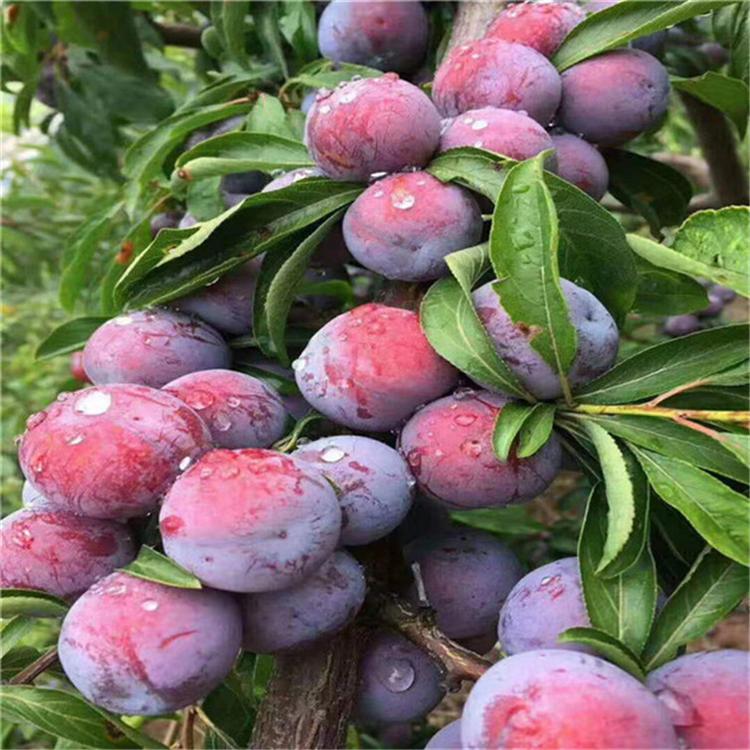
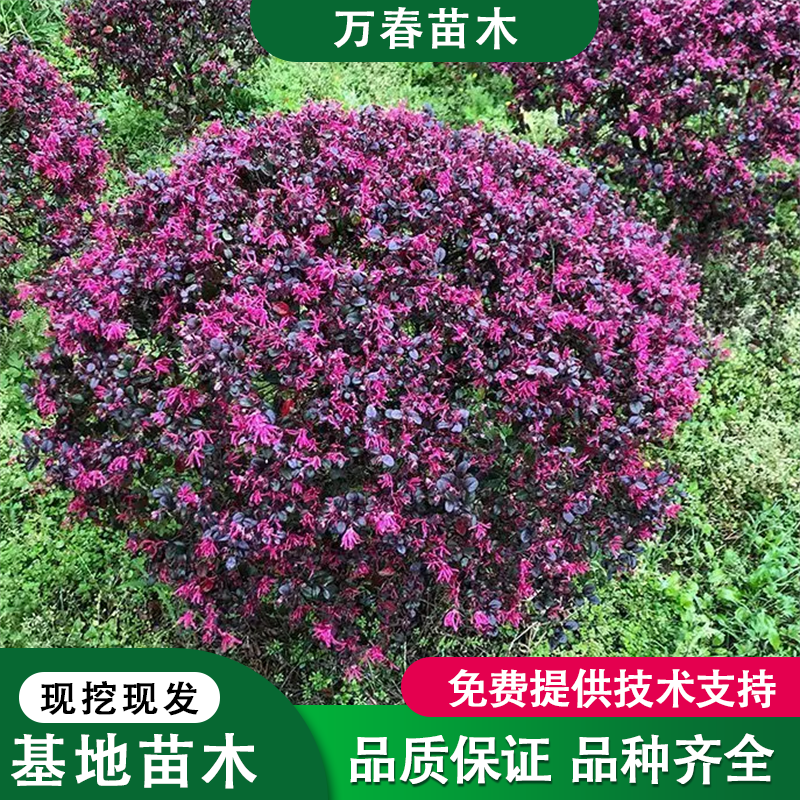
Guofeng 7 Peach Seedlings Planting Area: Vast and versatile, Guofeng 7 peach seedlings can be grown from south to north and east to west. They are strong and can grow normally in all peach-growing areas across China, from Liaoning to Yunnan, Guizhou, and Sichuan, and from Shandong to Xinjiang. Guofeng 7 peaches have minimal pre-harvest fruit drop and cracking. The Guofeng 7 peach seedlings grow vigorously, blooming the same year they are planted and bearing fruit annually. They reach peak production in 5 years, with yields exceeding 10,000 jin per mu. Guofeng 7 peaches are early-bearing, high-yielding, strong, and adaptable, with great potential for development. Flower buds are also produced from underground stem nodes. Wulou is a precious ornamental tree species in China, also suitable for making bonsai. The fruit is egg-shaped. Sometimes, it may seem that the surface soil is dry, but the heart soil inside the pot is still moist. Overwatering at this point can lead to constant moisture on the pot surface and potentially kill the plant. The trunk is straight, branches hang down to the west, and the canopy is round and fluffy, with an elegant shape. It is suitable for courtyard观赏, roadside greening along highways and roads, and is a desirable ornamental tree species for landscaping.