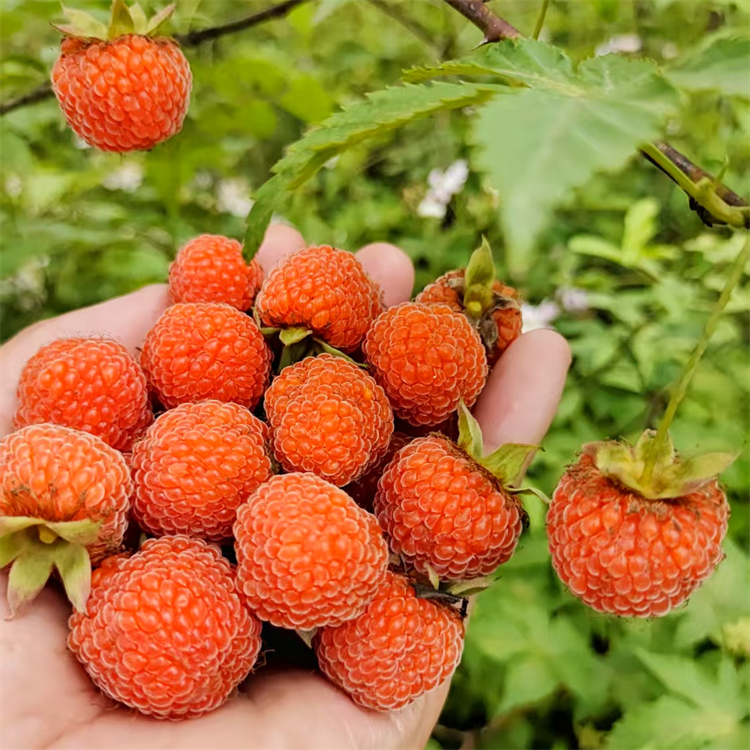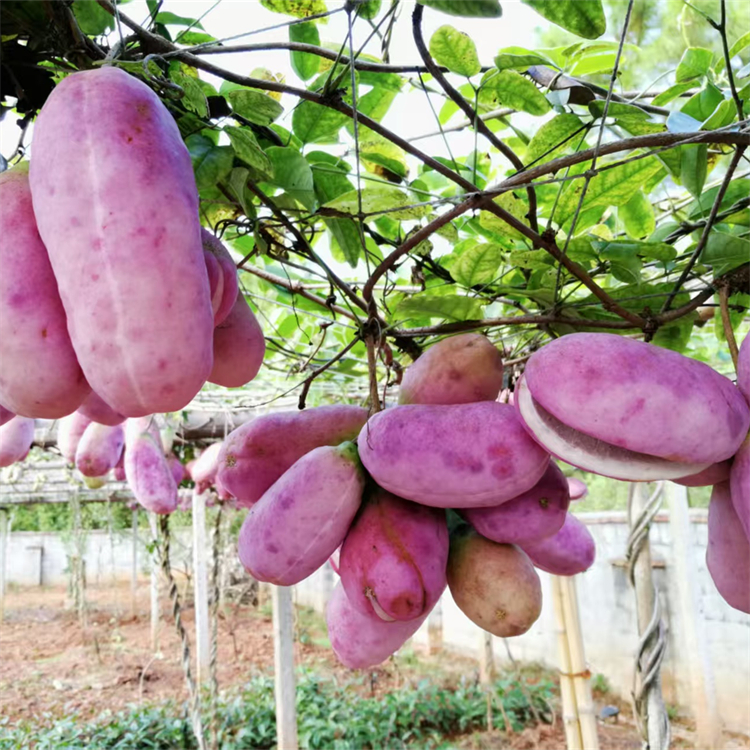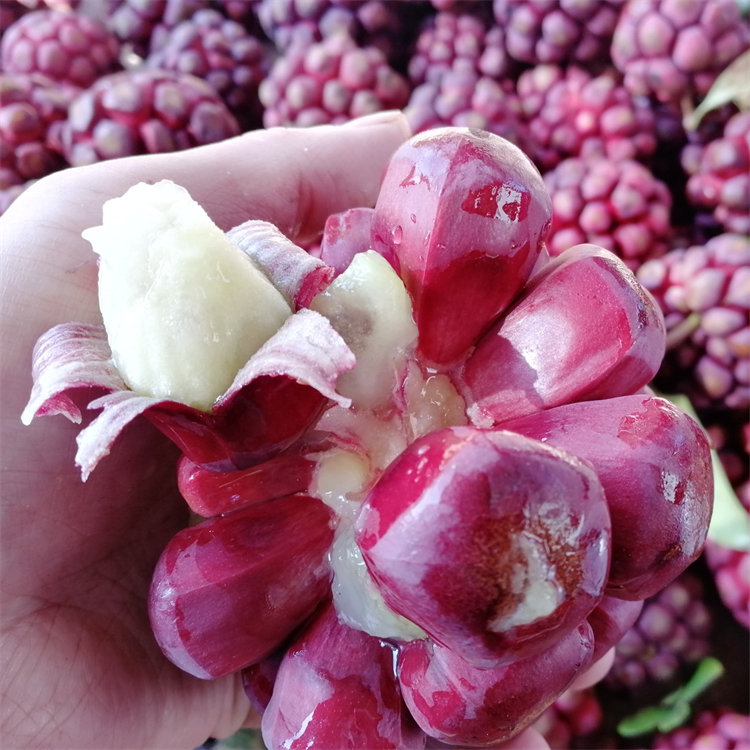
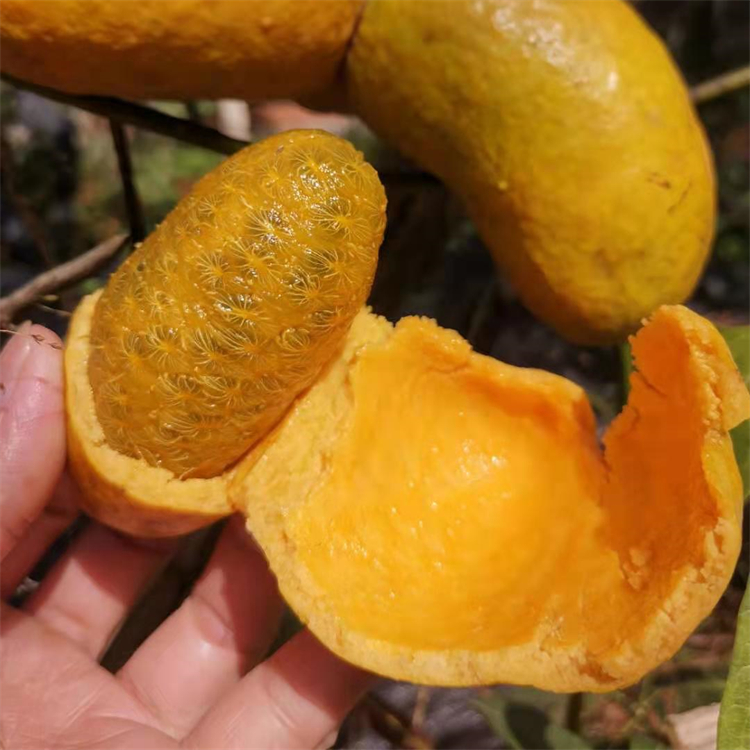
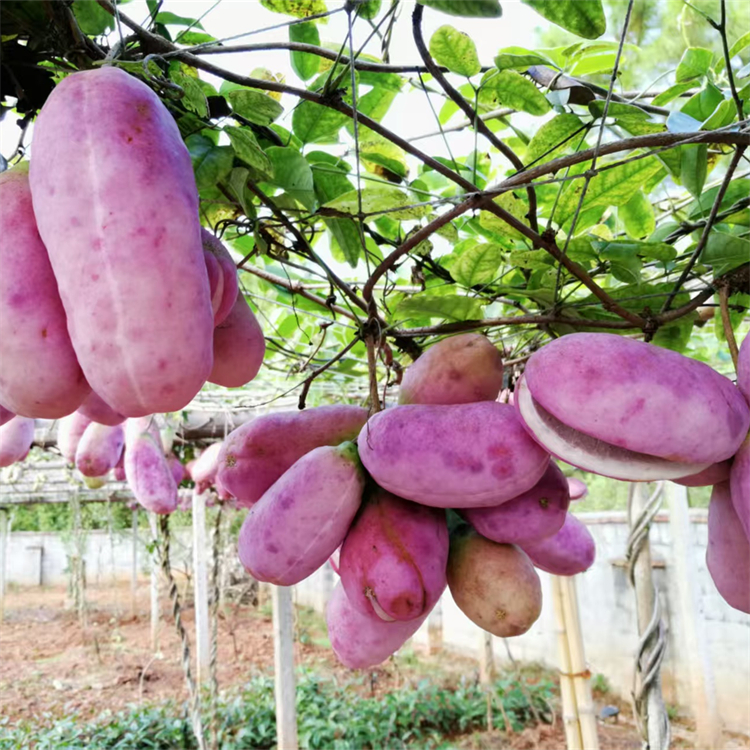
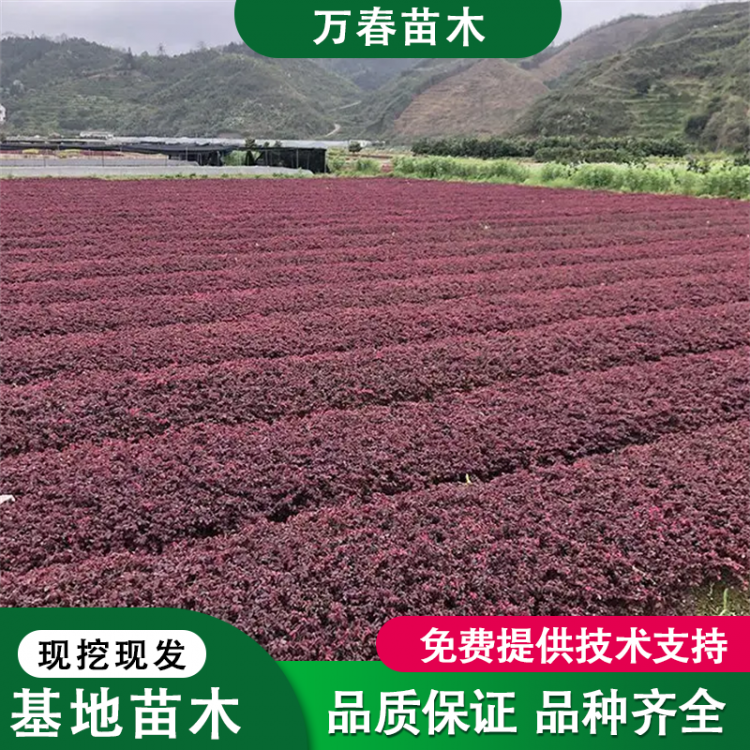





Raspberry seedlings are fruit tree seedlings that thrive in warm, humid environments, with relatively simple planting and management, and strong adaptability.
Features of Raspberry Seedlings
AdaptableRaspberry requires little soil, but is most suitable in fertile, well-drained, and slightly acidic to neutral sandy loam, red soil, purple soil, etc. It can grow in a variety of environments, including mountainous areas, streamsides in semi-mountainous regions, shrubbery on slopes, forest edges, and rocky piles.
Growth HabitRaspberry prefers warm and moist conditions, requiring good diffused light. Its root system is shallow and not drought-tolerant; insufficient water can inhibit growth and fruiting. Flowering usually occurs from April to May, with fruiting period from June to July.
Propagation methods for raspberry seedlings
Seed PropagationHarvest ripe raspberry fruits, remove the seeds and store them in moist sand, ready for sowing in autumn or early spring.
Division propagationAt the end of autumn or the early spring, prune a few sturdy suckers from the raspberry mother plant and replant them.
Cutting propagationSelect semi-ripe branches as cuttings, approximately 20 cm in length. After removing the top bud, insert them into a moist seedbed. To enhance survival rates, you can apply rooting hormone at the base of the cutting or soak it in a rooting solution.
Raspberry Seedling Planting and Management
Planting TimeSpring and autumn are suitable planting seasons, but autumn, with its abundant falling leaves, is ideal for transplanting.
Soil preparationSelect plots with deep, fertile, loose soil and good drainage, conduct deep plowing, and apply base fertilizer.
Planting MethodsPlanting is done using the strip method or single plant method. The strip method has a row spacing of 2.0~2.5 meters × 0.5 meters, with 2~3 robust seedlings transplanted per hole. The single plant method has a row spacing of 1.5~2.0 meters × 0.5 meters, with 1 robust seedling transplanted per hole.
Field management:
Water and Fertilizer ManagementDuring growth, combine soil loosening and weed control. Fertilize 2-3 times annually, primarily with nitrogen fertilizer. During summer and autumn droughts, water regularly to maintain soil moisture.
Pruning and shaping: Prune off the top dried parts of two-year-old branches in spring, and thin out densely packed and diseased branches at the base. After harvesting, cut away two-year-old branches and densely packed basal branches to control the total number of branches in the orchard.