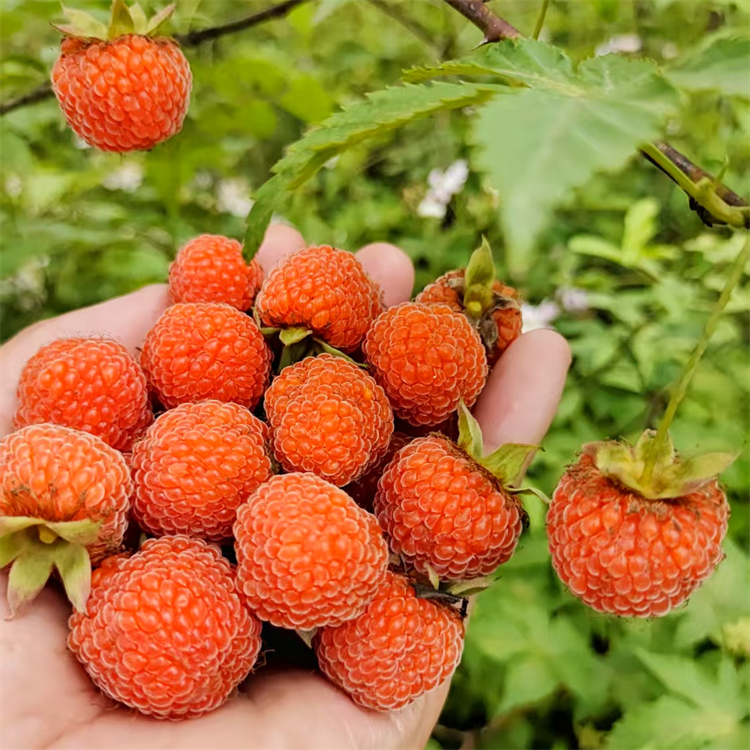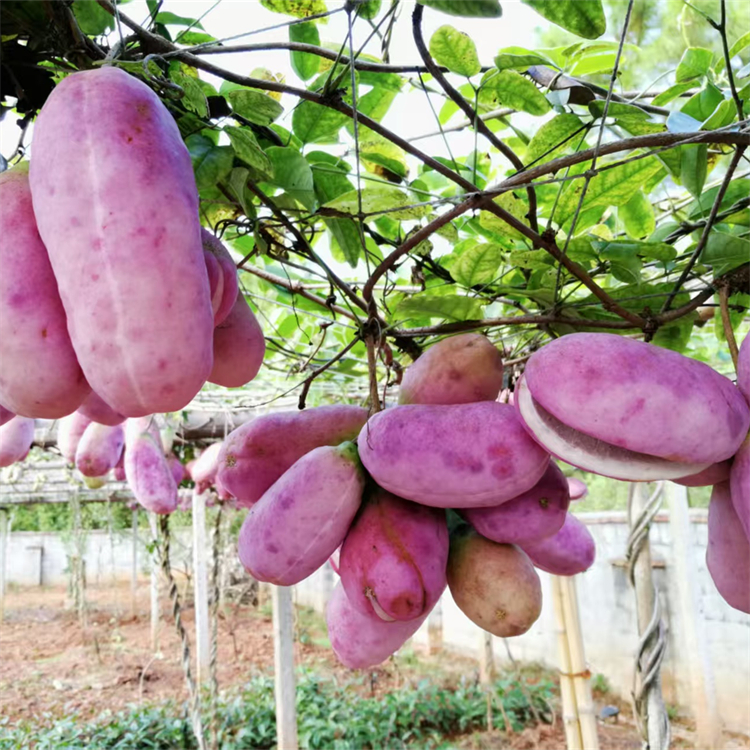


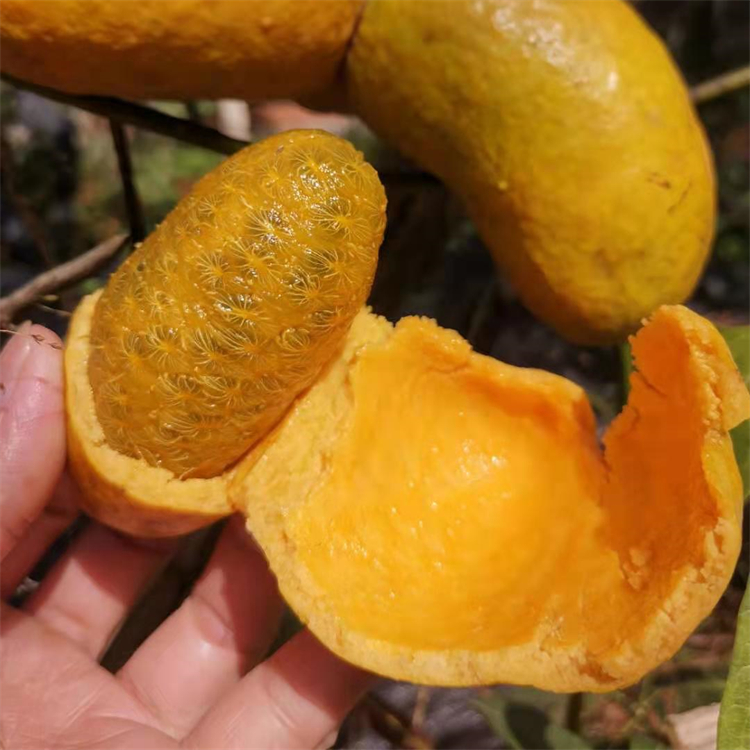

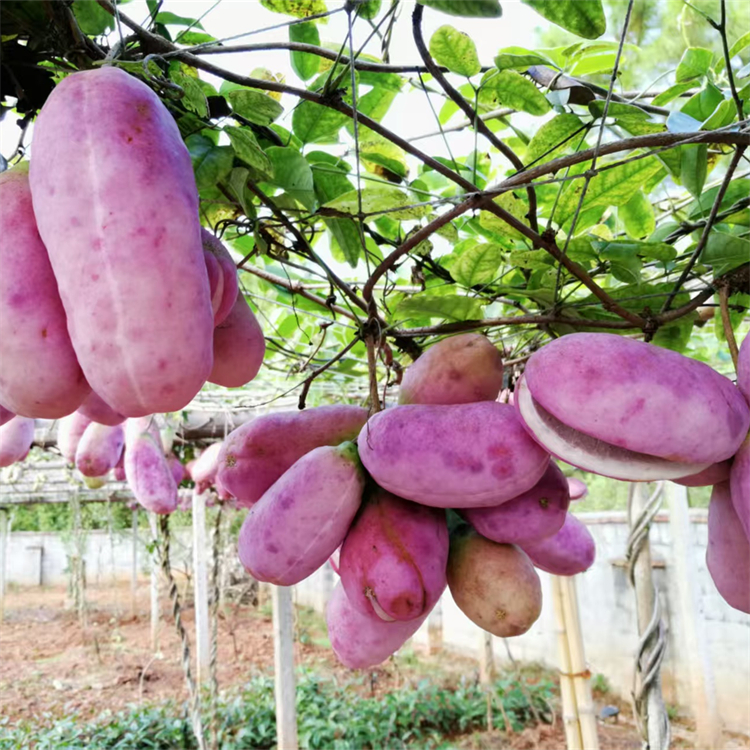
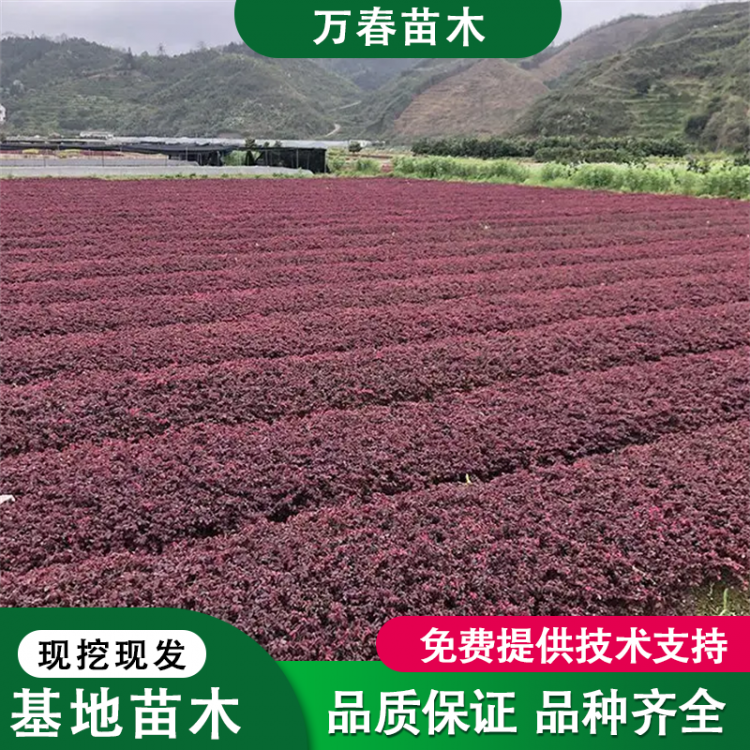





Bofuna seedlings are a new type of fruit tree seedling that combines edibility, medicinal properties, landscaping, and ornamental value, offering significant development potential.
Features of the Buchuona Seedlings
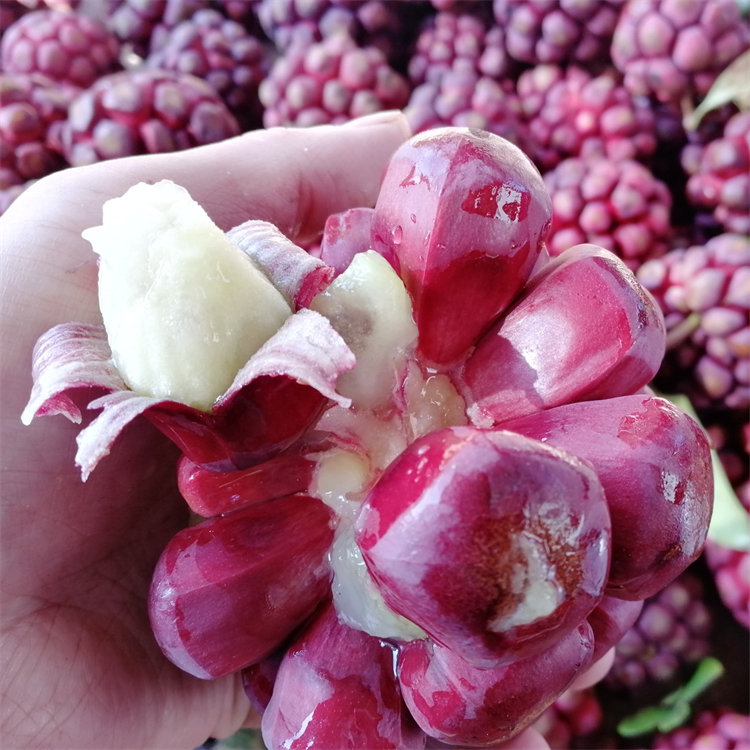
Morphological characteristicsBofuna (scientific name: Schisandra nigra), also known as the Black Wolfberry, is the fruit of a woody evergreen climber from the Schisandraceae or Magnoliaceae family, specifically the thick-leaved Schisandra. Its leaves are leathery, elliptic to ovate-lanceolate, with flowers solitary in the leaf axils and both male and female on the same plant. The compound fruit is nearly spherical, red or dark purple, with small berries oblate.
Growth HabitBouffonia thrives in warm and humid environments, has low soil requirements, but prefers slightly acidic sandy loam. It has certain cold resistance and is suitable for growth under various climatic conditions.
Fruit CharacteristicsThe fruits of the Buofana are vibrant like flowers, rare and adorable, with a diameter of 8-12 cm and a single fruit weighing 250-600 grams. The fruit ripens late, is durable for storage and transportation, and can remain on the tree until around the Spring Festival for off-season sales.
Bouffonia seedling planting techniques
Lot SelectionSelect a garden site that is level, well-drained, fertile, and rich in organic matter.
Land preparationDeep plow and fine tillage of the garden plots, removing grass roots and tree roots, to improve the physical and chemical properties of the soil.
Transplanting and plantingTransplanting of Buchuona should be conducted during the 10th lunar month before the New Year and before the sprouting in the following year. Before transplanting, the seedlings need to be treated, such as trimming some leaves to promote the growth of new roots.
Fatwater ManagementBouffonia thrives in fertile and well-watered soil, requiring regular fertilization and watering. Fertilize primarily with farmyard manure and organic fertilizers, supplemented with a moderate amount of chemical fertilizer. Keep the soil moist when watering, but avoid waterlogging.
Support trellis for vine growthBouffonia is a climbing vine that requires support structures for growth. Materials for the supports can be bamboo, wood, steel, or concrete pillars, and the types of structures can include individual posts, single fence, double fence, or greenhouse-style frames.
Pruning and shapingRegular pruning and shaping of the Buchuona tree are conducted to control the tree's shape and ensure yield. Pruning typically occurs one month before the winter blossoms, focusing on removing excess branches and winter buds.
Planting Recommendations
Select premium seedlingsWhen purchasing Buofana seedlings, choose healthy, pest-free, and well-developed rootstock.
Reasonably dense plantingBased on soil fertility and the growth habits of the Buchuona plant, arrange the planting density appropriately. Generally, around 180-200 plants can be planted per mu.
Enhance field managementRegularly weed, loosen the soil, fertilize, and water to maintain loose and moist soil. At the same time, pay attention to pest and disease control to ensure the healthy growth of Buchuona.
Timely harvestingAfter the Buofana fruit ripens, it should be harvested promptly to avoid overripeness or rot. The harvested fruits should be properly stored or sold promptly.