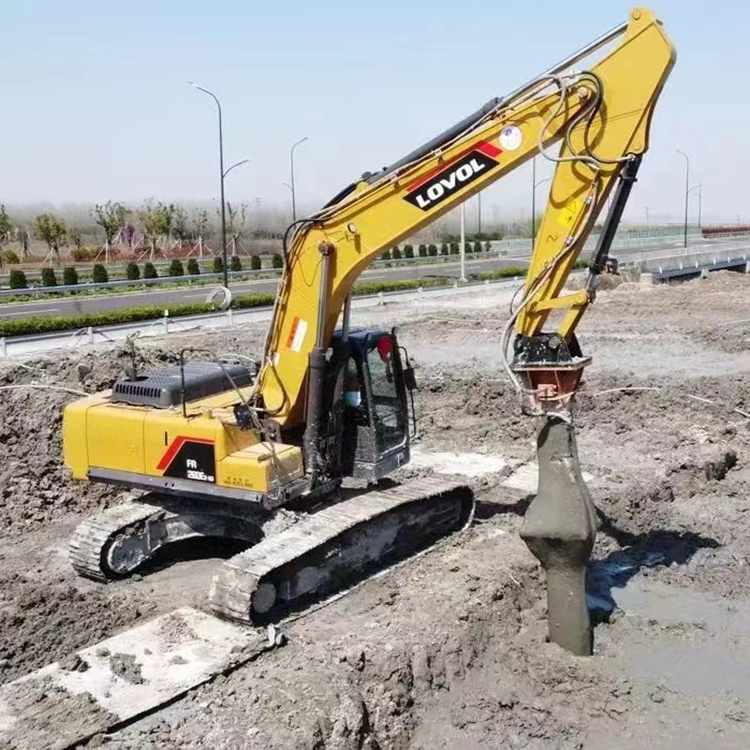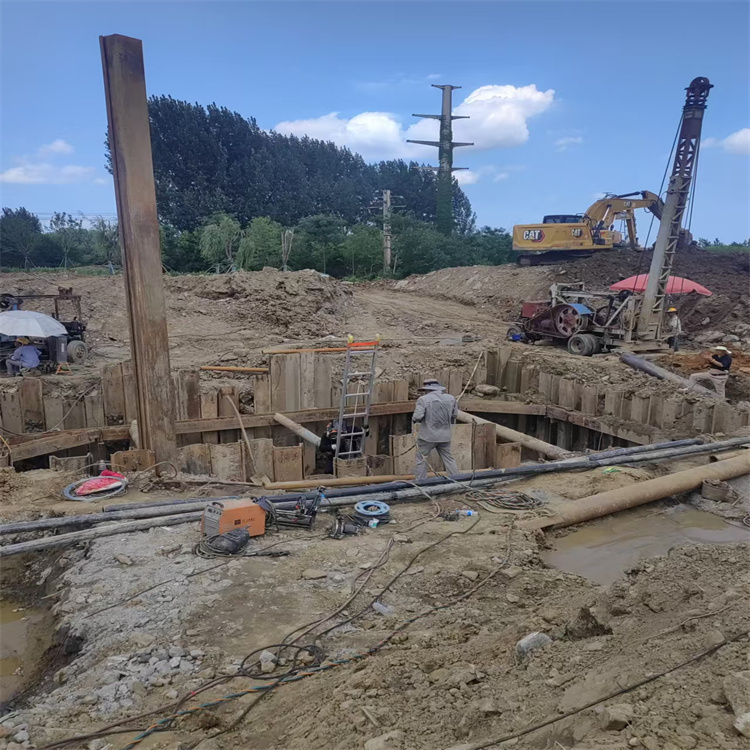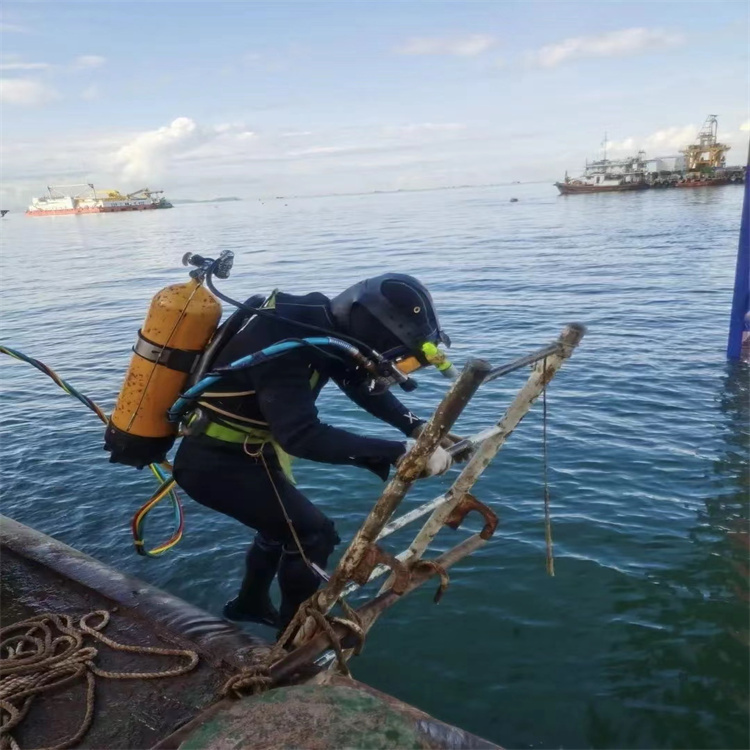


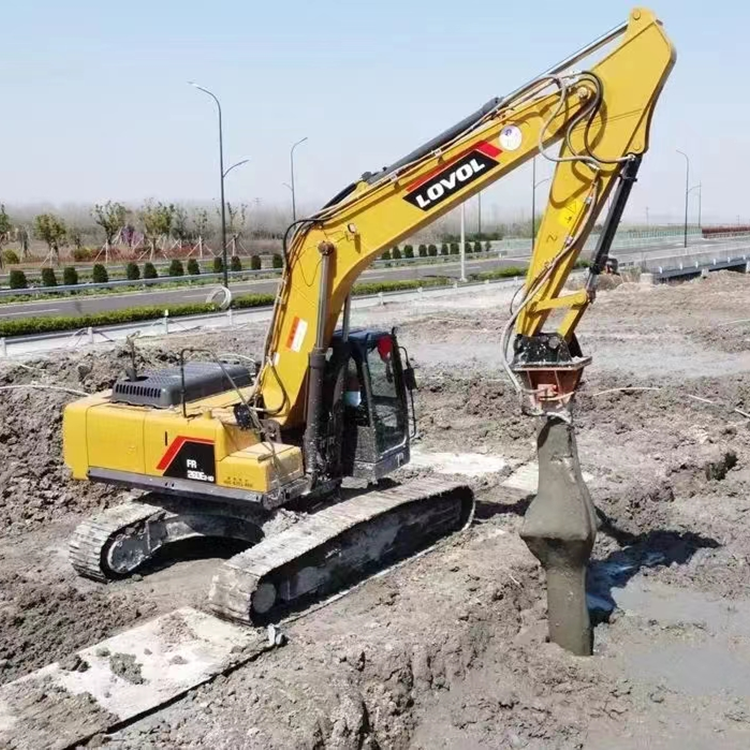


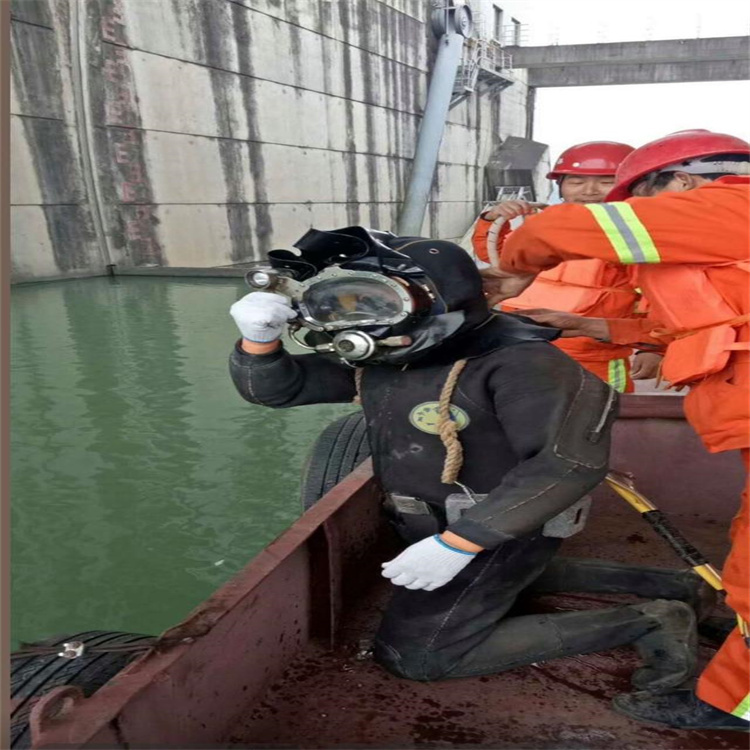






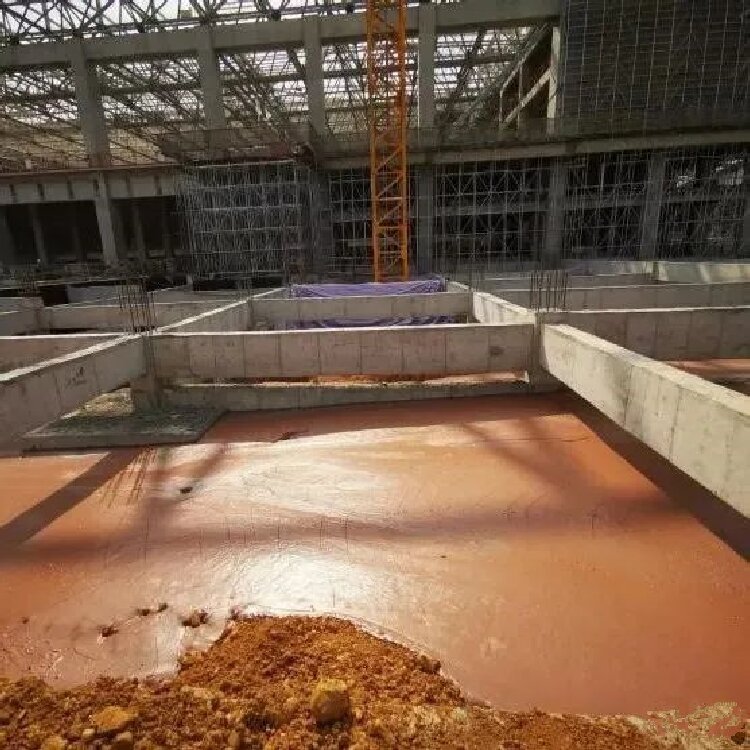
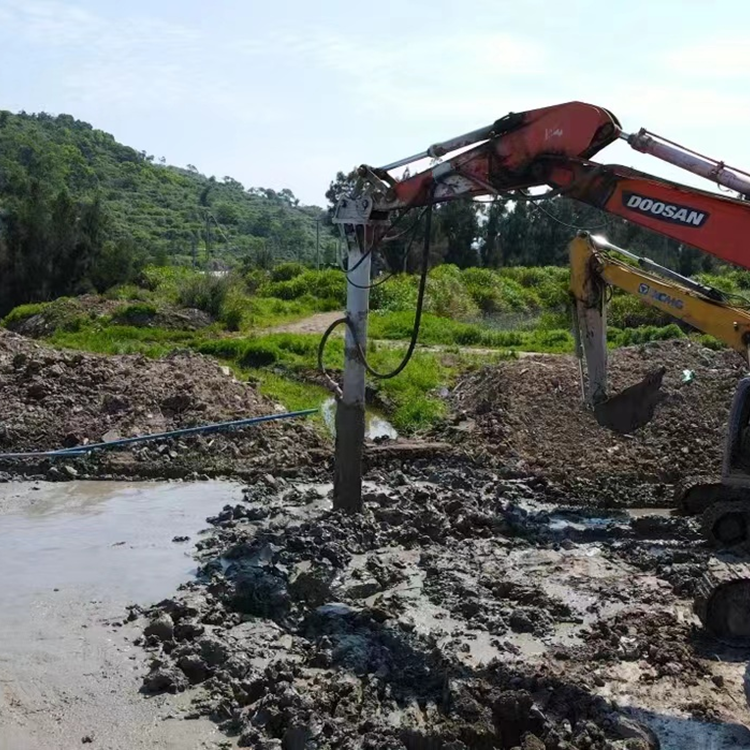
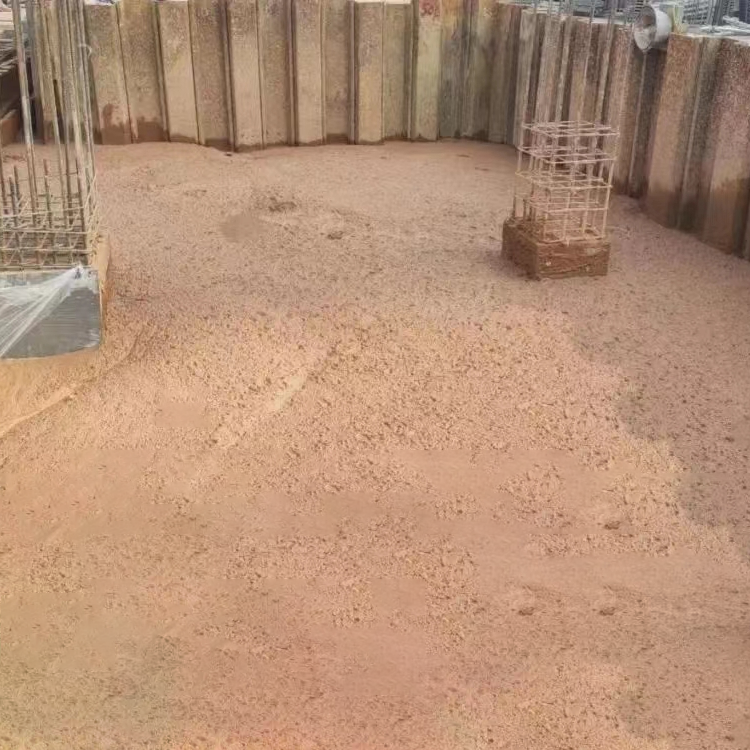
In-situ Soft Soil Stabilization Technology is a method that transforms silt into a stable and solid subgrade without transportation, by using stabilizers to固化 soft soil on-site, achieving a certain level of strength or other usage requirements. This allows for on-site utilization of the soil or meets the requirements for foundation treatment.
Advantages: Avoid soil waste and replacement, achieve the purpose of saving resources, recycling, and protecting the environment.

Application Scope
Application in Foundation Treatment Engineering
(1) Rapid formation of hard crust layers on ultra-soft soil foundations such as reclamation fill soil — artificial hard crust.
(2) In-situ shallow solidification in place of replacement method.
(3) In-situ shallow curing + composite foundation combination application, deep treatment for soft soil foundation. Can replace sand cushion and pile cap.
2. Resource utilization of dredged soil, sludge, and other special waste soils or soils
(1) Utilization of solidified waste slurry.
(2) Utilization of sediment after river and channel dredging solidification.
3. Soil Pollution Treatment
(1) Soil stabilization and containment for contaminated soil.
(2) Chemical neutralization of toxic soil and waste.
4. Others
Bank stabilization, retaining wall construction
In-situ Soft Soil Stabilization Technology refers to the process of treating soft soil in its original location using specific techniques to enhance its load-bearing capacity and stability, allowing it to support the weight of structures. The basic principle involves injecting stabilizing agents into the soft soil layers, which cause chemical or physical reactions to harden the soil, thereby reinforcing the soil strata. Specifically, in-situ soft soil stabilization is typically divided into two methods: chemical stabilization and physical stabilization. Chemical stabilization primarily induces chemical reactions in the soil with different types of stabilizing agents, transforming it into a solid硬化 material. Physical stabilization, on the other hand, involves introducing reinforcing materials such as steel mesh, which bind the soft soil with the reinforcing materials to form a solid mass. In-situ soft soil stabilization technology has broad prospects in engineering construction and infrastructure development. It can be applied in the construction of roads, bridges, drainage systems, and ground treatment for various buildings. Additionally, this technology is widely used in marine engineering, such as reinforcing the stability of submarine pipelines.
Advantages of In-Situ Stabilization Technology for Soft Soil
Compared to traditional foundation treatment techniques, in-situ soil stabilization technology for soft soil offers numerous advantages. Firstly, it minimizes environmental impact as it does not require extensive excavation, thereby reducing damage to the surrounding environment. Secondly, it excels in load transfer, making construction quick and convenient with a shorter project timeline, significantly cutting down on construction costs. Additionally, this technology is versatile and can be applied to soil treatment under various geological conditions.