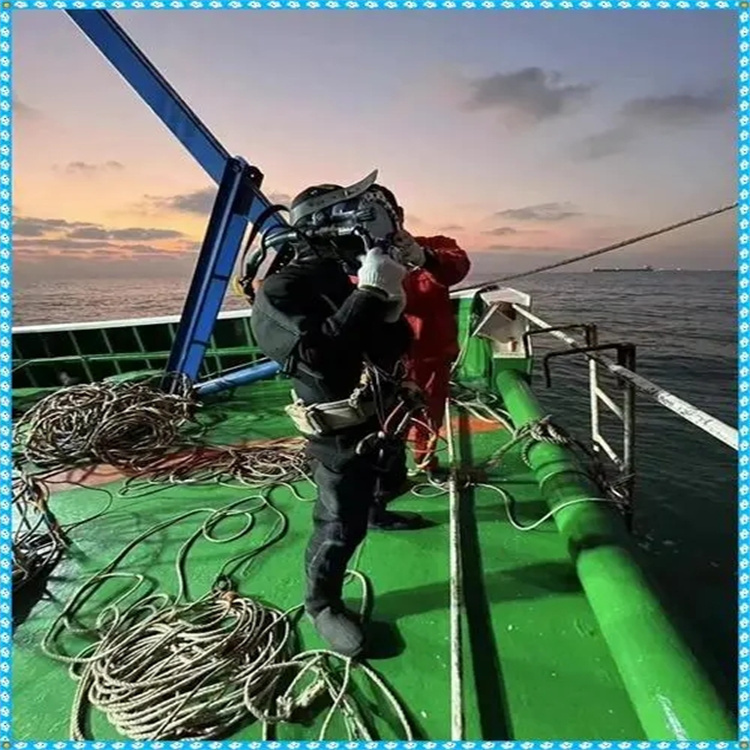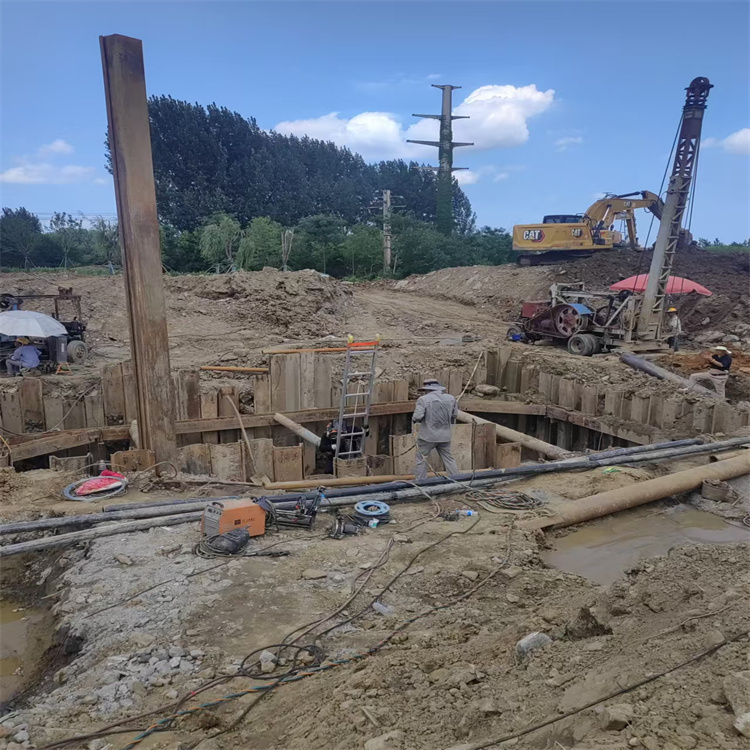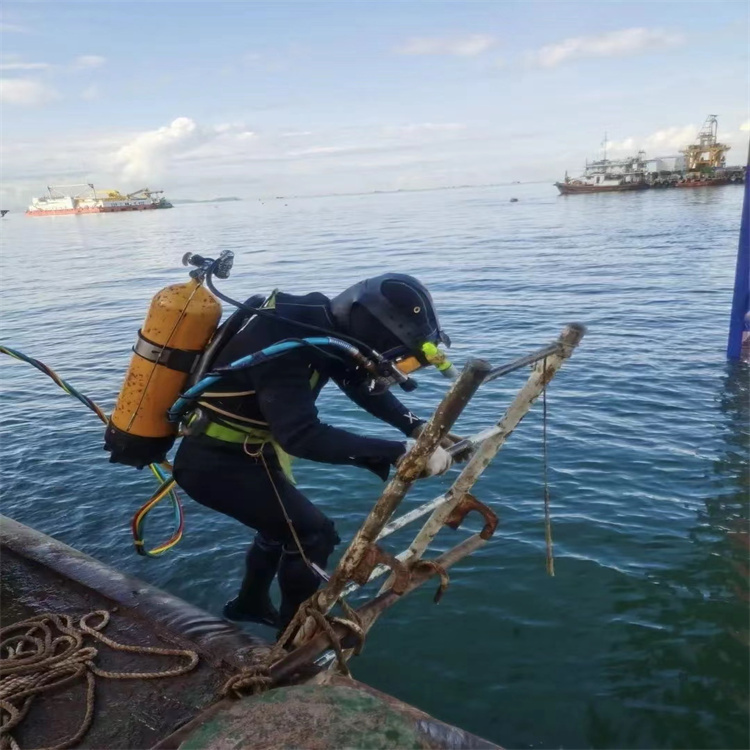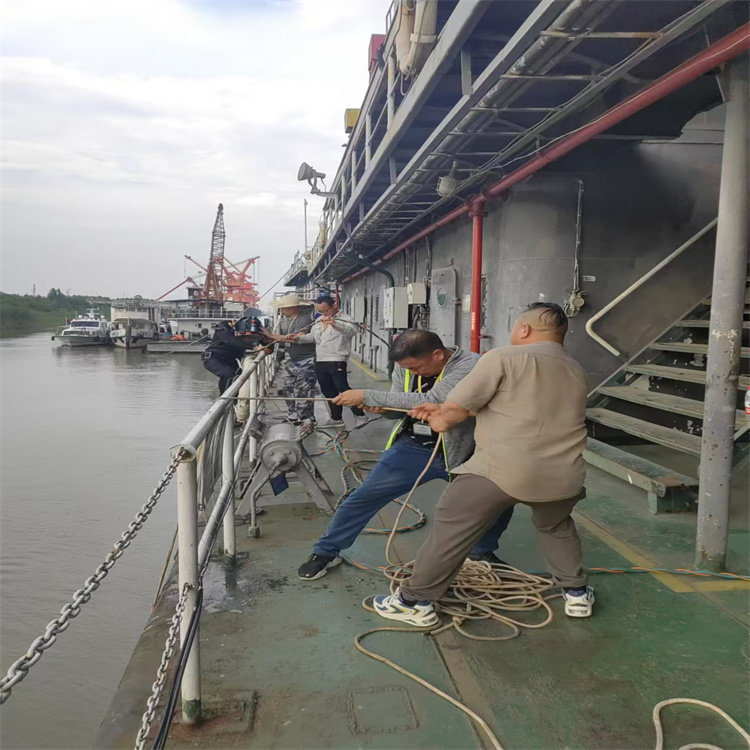

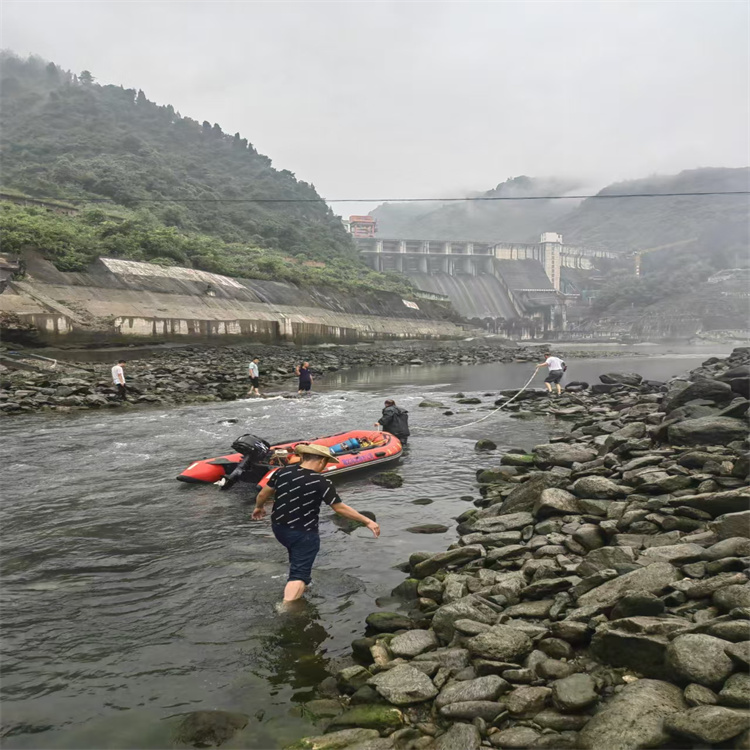


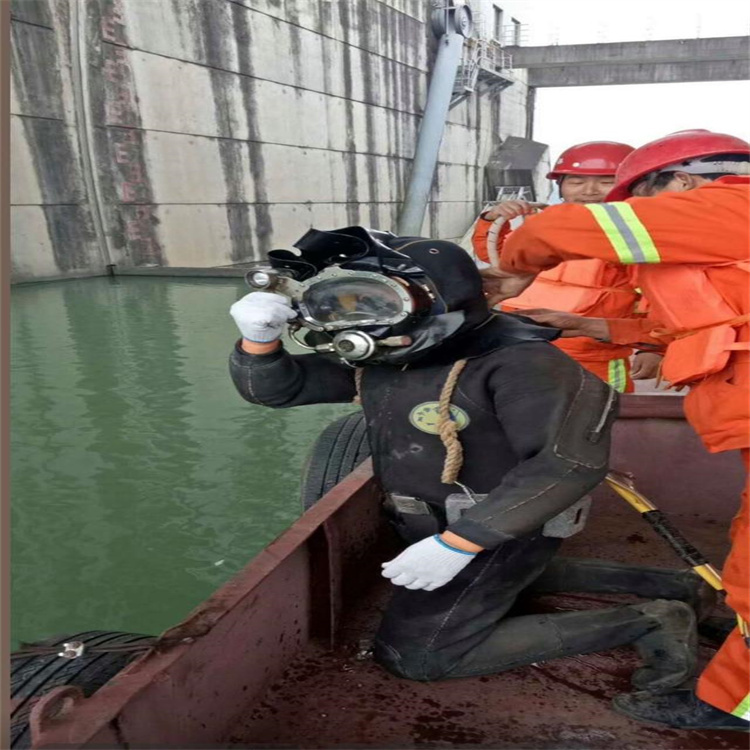
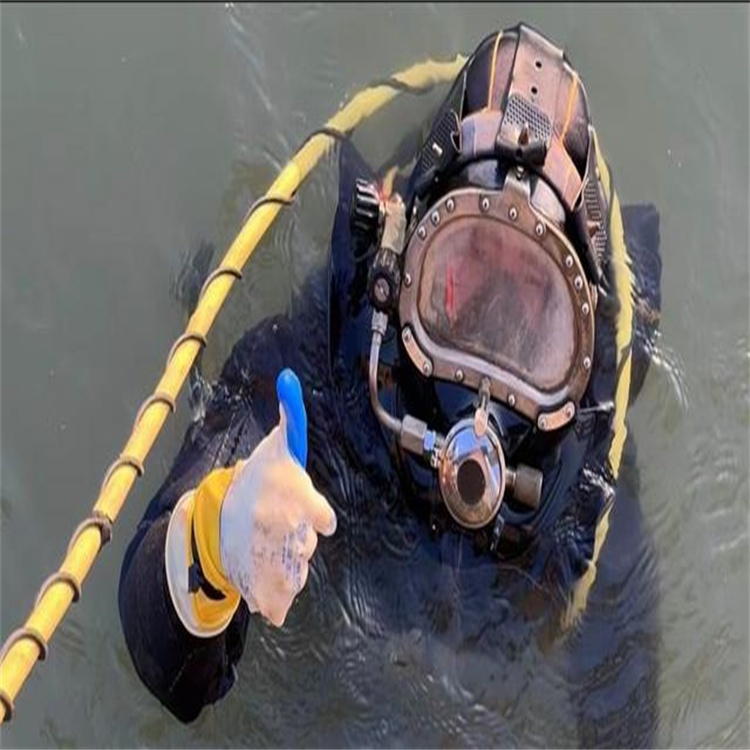

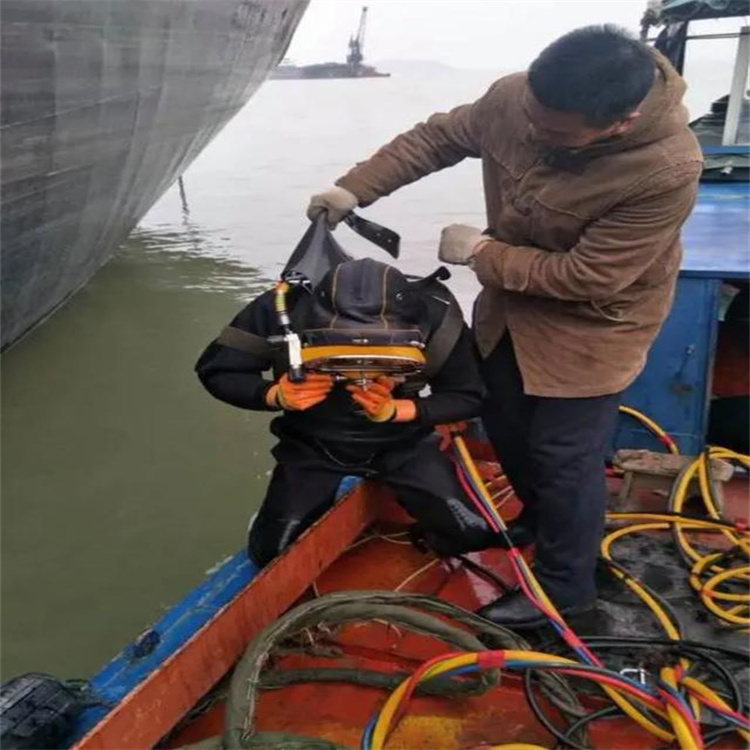





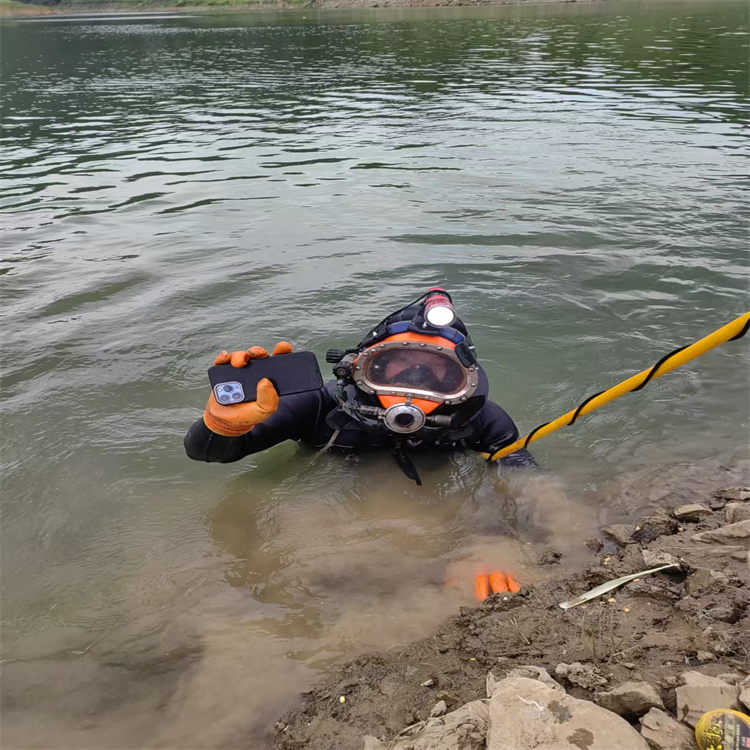
Zhao Long undertakes various underwater operations: underwater installation and maintenance, underwater concrete construction in bags, underwater diving and recovery, underwater track installation and renovation, reinforcement of port and channel wharf piles, underwater cutting and welding, municipal sewage pipeline sealing, underwater leak plugging, underwater inspections, underwater installation and cleaning of sewage treatment plant barriers, underwater leveling of port and wharf caissons, underwater cutting and removal of bridge steel pipe piles, sonar underwater searches, bottom repairs and emergency repairs, underwater gate inspections and repairs, and various underwater river, river, lake, sea, and reservoir operations. Jiaolong Underwater Engineering Co., Ltd. dares to integrate潜水 technology development, research, and practice into a comprehensive service. The company has increased its investment and added imported diving equipment. Main business scopes include: troubleshooting various underwater ship issues; underwater cutting, recovery, welding, leak plugging, underwater masonry and sealing walls, underwater inspections, propeller and other underwater cleaning, various underwater installations and removals, as well as underwater exploration and inspection of rivers, lakes, and reservoirs, underwater construction projects for reservoirs, power stations, water purification plants, bridges, underwater pipeline laying and backfilling, and underwater detection and camera operations.
Construction scheduling and safety measures
1. Pre-job briefing for underground operations, including well depth, entry depth, water level difference between both block points, water depth, and water flow conditions, clearly defining the operation objectives and specific construction requirements with technical criteria.
2. Divers must be certified to work, equipment must be properly adjusted, and divers' physical signs must be normal. Ensure that the equipment is functioning correctly, communication is operational, and divers' physical conditions are normal before entering the well.
3. Rescue equipment and personnel are prepared. In addition to the normal personnel and equipment for井下operations, a separate set of rescue equipment and personnel must be provided to prevent accidents during operations and ensure preparedness for rescue.
4. Underground operations, ground crew in place. Compressor maintenance staff: Ensure the compressor operates normally until the divers submerge and before they surface; report any issues promptly to the communications officer; Ground maintenance staff: Responsible for coordination between personnel to meet the various needs reported from underground; Communication staff: Communicate with underground workers via walkie-talkies, understand their work conditions and needs, and familiarize with the safety status of each work site underground.
5. This task primarily involves cutting and clearing pipes, cleaning debris, and then constructing walls. Before building, due to water level differences on both sides, divers will enter the water only after both ends have equalized and there is no significant water flow. Special requirements are placed on the equipment due to the underground gases and water. In the井下, we use pneumatic equipment, hydraulic equipment, and low-pressure equipment.
6. Hoisting personnel must follow the instructions of the communication personnel while also being attentive to the conditions underground. Absolutely no hoisting is permitted when there is someone at the wellhead. Before each hoisting, signal the diver to confirm their safe position. Place the hoisting item to the side for confirmation by Party A.
7. Decontamination operation, after completion of construction, conduct safety confirmation of the construction site and wellhead, mainly ensuring the wellhead cover is secure.
8. In the event of major injuries, deaths, or other safety accidents, Party B shall immediately report to the relevant departments (dial 110) and notify Party A in accordance with relevant regulations. At the same time, Party B shall handle the matter as required by the relevant departments. To ensure timely rescue, Party B should know and memorize the phone numbers of nearby hospitals and the route maps.
Party B shall comply with the relevant safety production management systems for engineering construction, strictly organize construction according to safety standards, and take necessary safety protection measures.
Mega Dragon Diving Supplies provides breathing gases for divers, which should comply with the following regulations: The air supply for divers, the scheduling of dive work and rest periods, and the retrieval team should calculate at least 8 liters per minute at atmospheric pressure to ensure the safety of divers during dives and the smooth implementation of diving operations. The construction period guarantee measures of the diving company aim to deliver excellent underwater work to the owner, which is our company's pursuit and goal. During the project, we adhere to the philosophy of "careful construction, strict contract compliance, and maintaining credibility" and the target of "unit project fulfillment rate" to carefully execute the work to ensure the implementation of the work schedule as planned. Salvage and rescue is a relatively complex underwater operation that requires close cooperation between retrieval teams. Every step must be carried out with seriousness, meticulousness, strictness, and safety. As long as each retrieval team member works together, all retrieval services can be successfully completed. The retrieval team must first ensure the personal safety of each member and minimize potential dangers.
Our technical team provides a detailed explanation. The staff states that objects typically lifted from underwater are sunken ships or heavy cargo. The main preparatory steps include: underwater exploration, which is the first step before lifting. The construction unit should assign divers to investigate the underwater construction environment, meticulously record water flow rates and temperatures. Additionally, carefully inspect and mark the areas where the lifting lines can be secured. After a thorough exploration, calculate the weight of the lifting vessel and the specifications of the lifting equipment based on the cargo's weight and underwater stress conditions. Secure the lifting lines at the pre-marked locations and check their stability. Reconfirm the lifting capacity and conditions of the vessel, and have them reviewed and confirmed by relevant responsible parties. After securing the object, the lifting operation should also consider the current wind, direction, wave height, and weather conditions. With extensive experience in underwater operations across industries such as water plants, shipping, water conservancy, port operations, bridges, and municipal pipelines, Longqiang Company can meet your needs. We can arrive at the underwater construction site on the day of the call and provide a precise underwater construction plan and a quotation for the diving work.