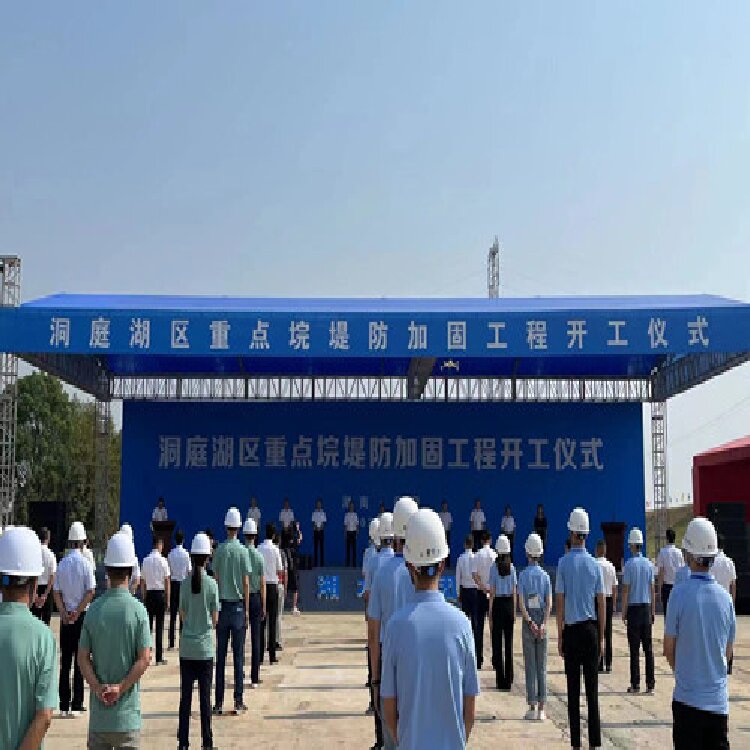

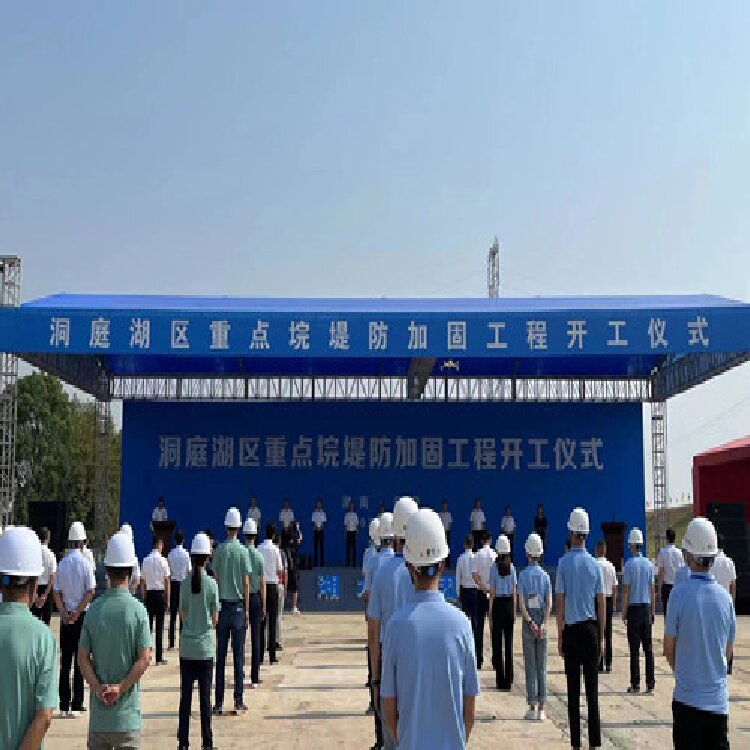

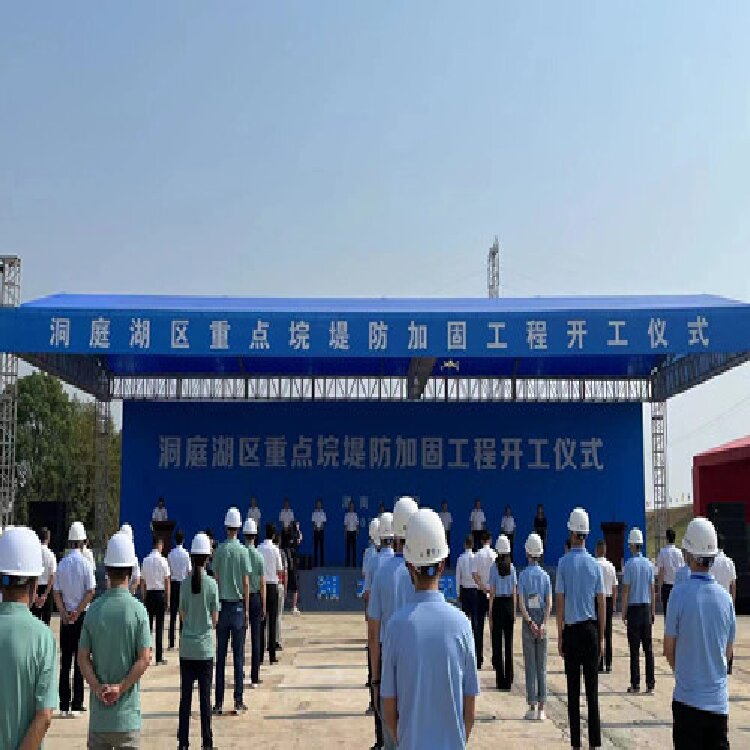



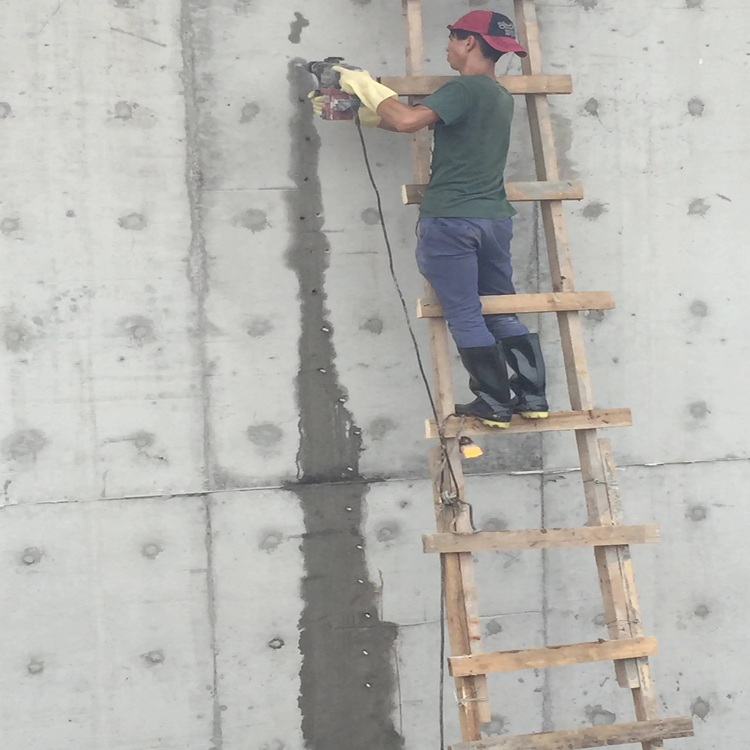





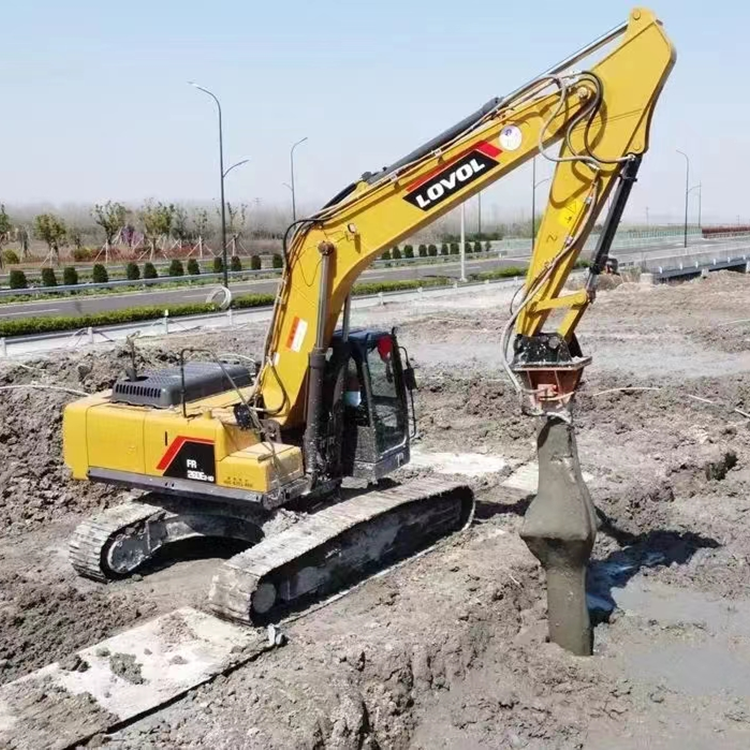
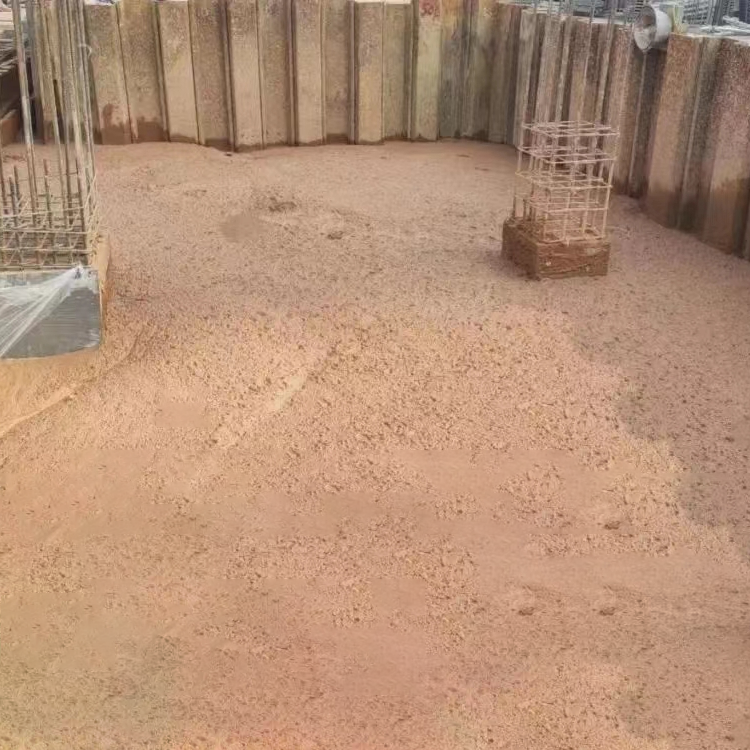
Hunan Dongting Lake Area Key Embankment Reinforcement Project: Phase I focuses on the implementation of six key embankments—Songli, Anzao, Yuanli, Changchun, Lanmihu, and Huarong Fortress—covering a total embankment length of 658 kilometers. This involves four prefectural-level cities and 15 counties (cities, districts). Construction includes embankment reinforcement of 33 kilometers, seepage prevention and隐患 handling of 316 kilometers, foundation seepage prevention of 287 kilometers, slope protection of 87 kilometers, toe protection of 134 kilometers, reconstruction and reinforcement, or demolition of 234 structures, and flood prevention roads on the embankment top totaling 460 kilometers. This will effectively enhance flood protection for the Dongting Lake area's 3.85 million residents and 2.24 million acres of farmland. According to the design and planning, the total construction period for the Dongting Lake Area Key Embankment Reinforcement Project is 45 months, with an estimated total investment of 8.5 billion yuan.

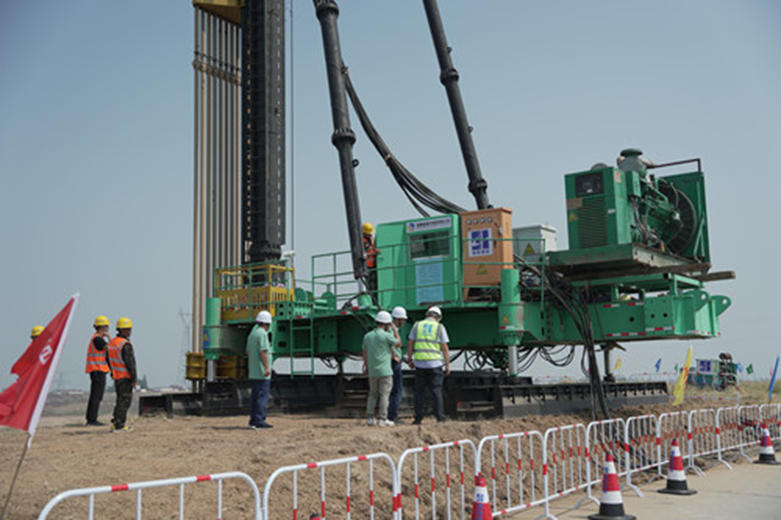
Flowable Soil Stabilizer is a composite material made by mixing various discarded waste soil, soil hardening agents, and water in a specific ratio to achieve certain performance standards. This technology uses a small amount of inorganic binder to bond soil particles and employs chemical methods (soil stabilization additives, etc.) to activate the soil particles, promoting the curing reaction and enhancing and improving the properties of the stabilized soil (strength, water stability, impermeability). It is a green innovative material that can partially replace traditional concrete, clay subsoil, and crushed stone concrete in some fields, carrying significant social implications for energy conservation and emission reduction, as well as comprehensive utilization of industrial solid waste.
Application Areas:
Backfill: house core, pipeline, trench, road and bridge, foundation trench seepage backfill, temporary site compaction, road water-stabilized layer
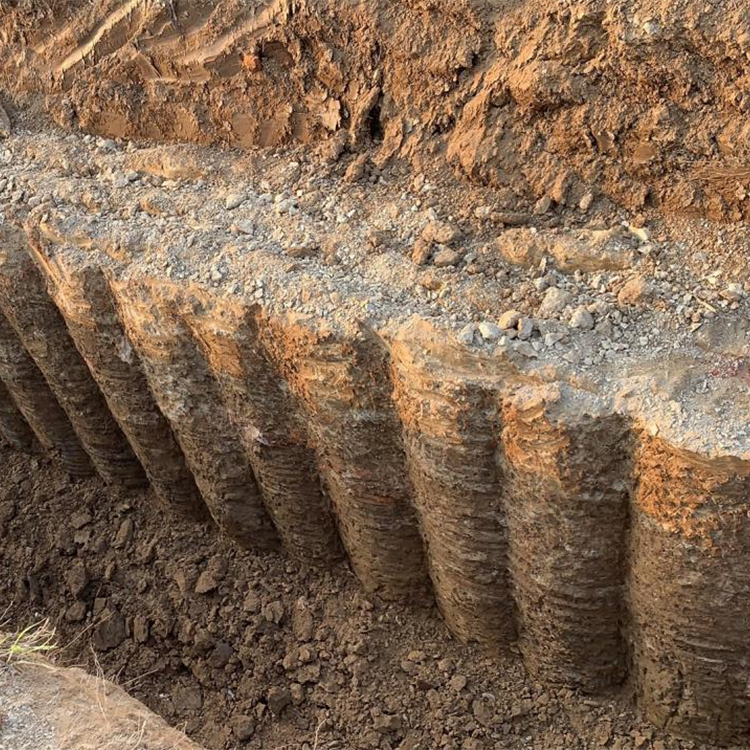
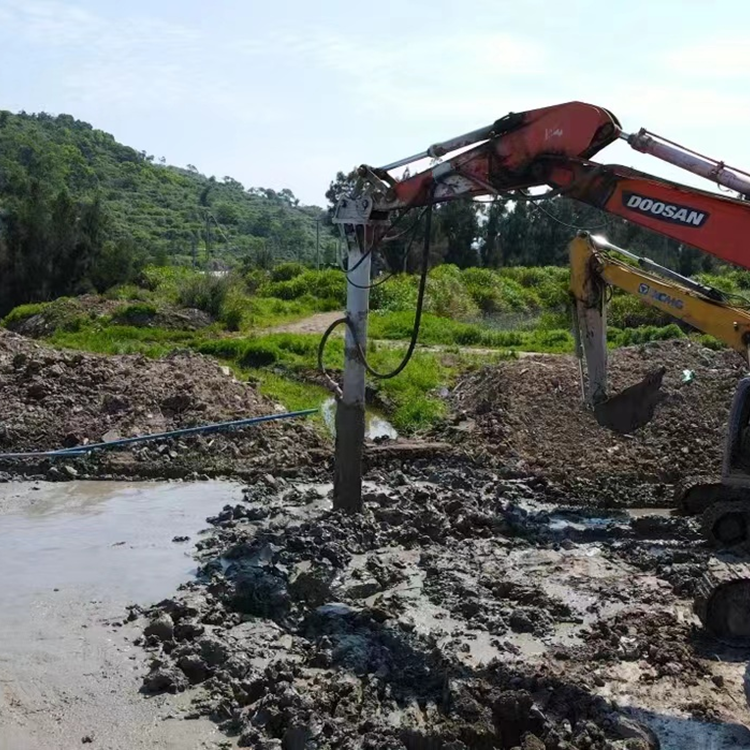
Pile body: Composite foundation reinforcement or rigid composite pile, mixing pile, jet grout pile waterstop, gravity retaining wall support, continuous wall, drilling pile mud, shielded tunneling mud
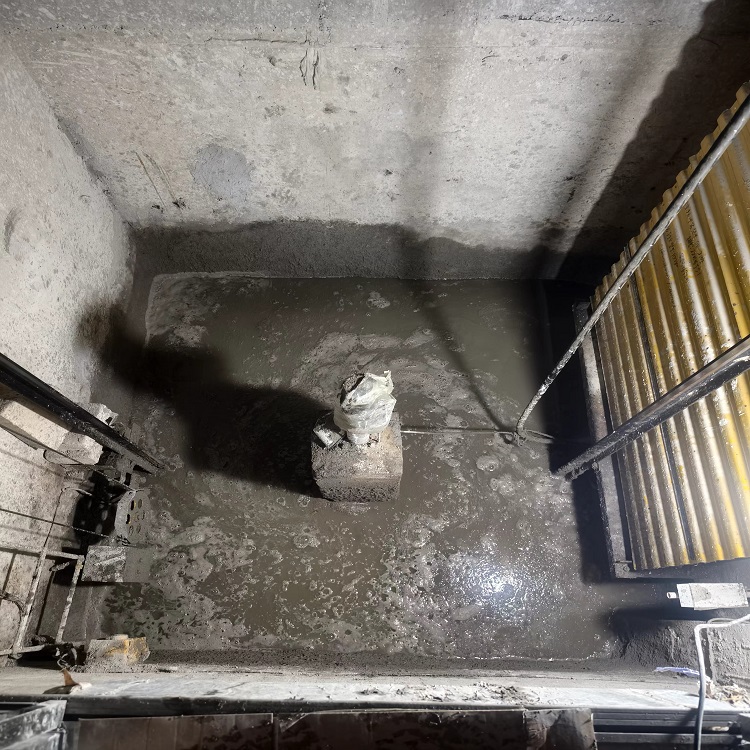
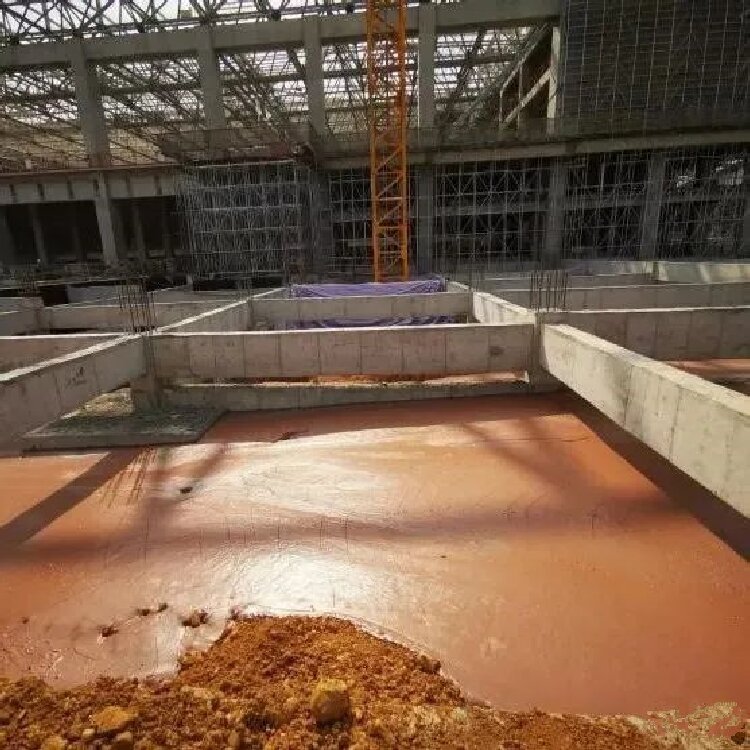
Filling: Mine goaf areas, ground collapse voids, abandoned underground spaces, and cavern grouting filling
Replacement: Soft Soil Replacement, Pipe Foundation Replacement, Low-Lying Site Filling, etc.
Advantages: (1) Early strength, high strength in mid-late stages, and stable volume (2) Economical and environmentally friendly, cost-saving (3) Self-compacting, excellent impermeability (4) Strong fluidity, easy to construct (5) Excellent durability (6) Shortened construction period

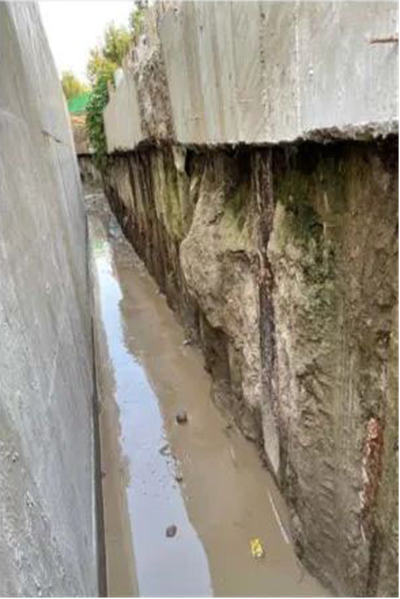
Soil stabilizers are a series of special composite cementitious materials developed based on soil characteristics and engineering performance requirements, featuring exceptional cost-performance and green low-carbon properties. They are widely applicable for the stabilization and consolidation of various types of soil, including sandy soil, silt, clay, saline soil, silt, contaminated soil, tailings, and construction waste soil.
Application Fields:
Foundation and subgrade reinforcement (runway, road subgrade reinforcement), fat trench backfilling, waterstop diaphragm, pile foundation anti-erosion reinforcement materials, interlocking pile support system filling mixed materials, stabilization/curing of contaminated soil, etc.
Advantages:
High-value comprehensive utilization of bulk solid waste (utilizing 320-350 million tons of industrial solid waste)
Significant economic benefits (cost reduction of 20%-30%)
Significant engineering results (performance improvement of 20%-percentage swing, project time saved by 30%-40%)
Significant carbon reduction advantage (60%-70% reduction)
Corresponding patented technology (a series of proprietary intellectual property patents covering materials, equipment, and processes)