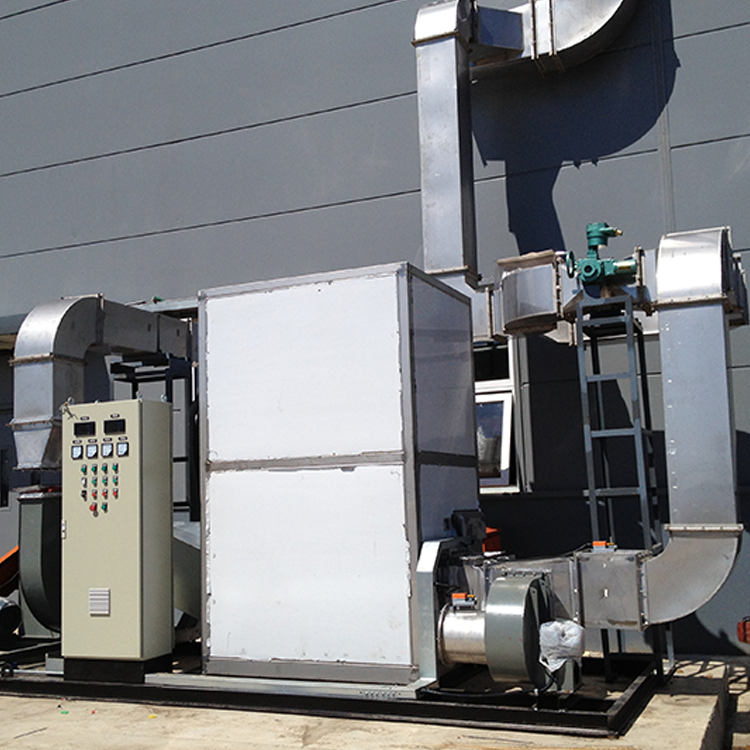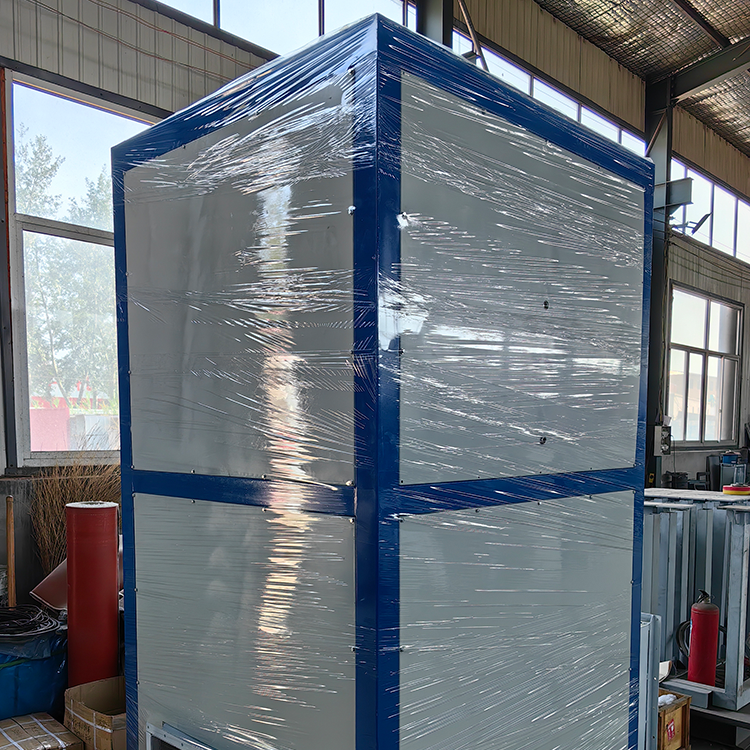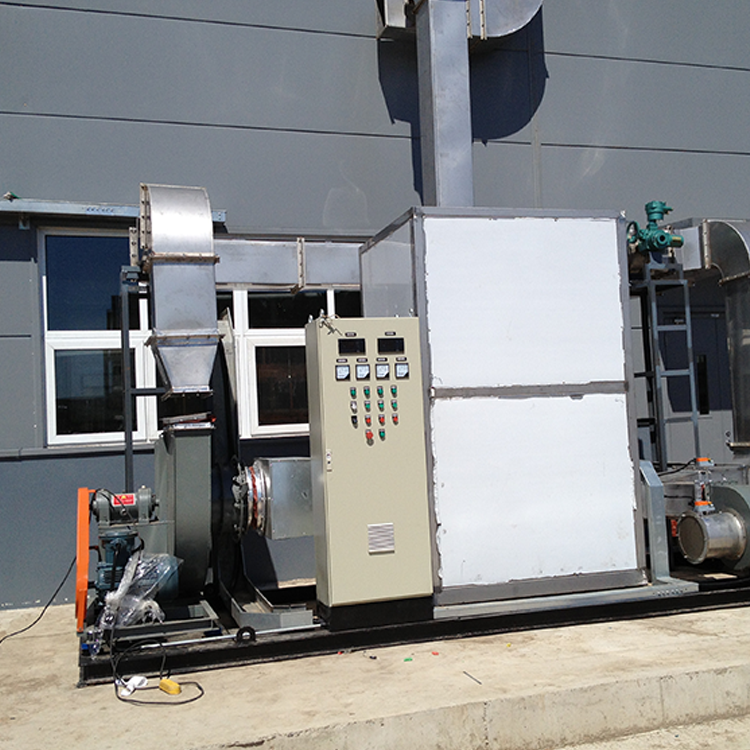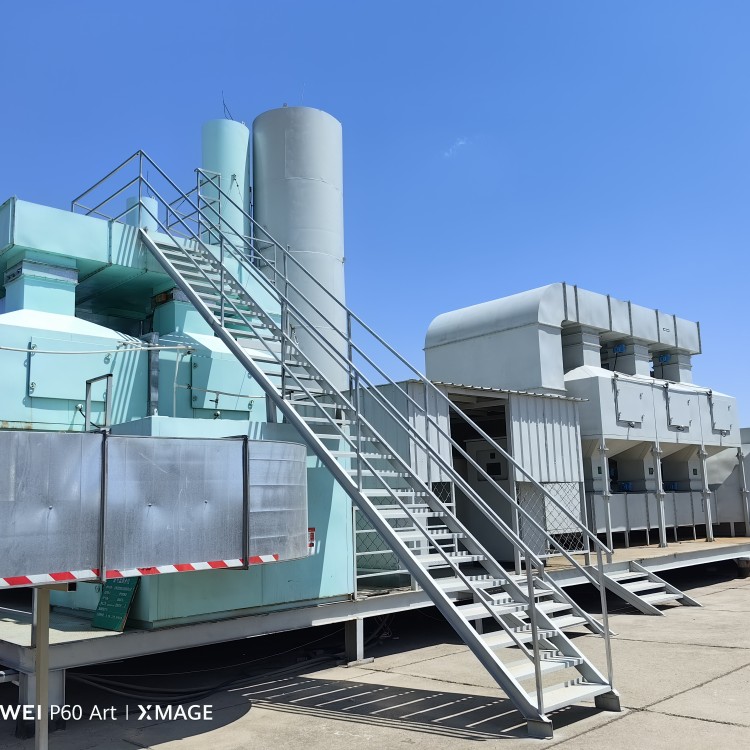

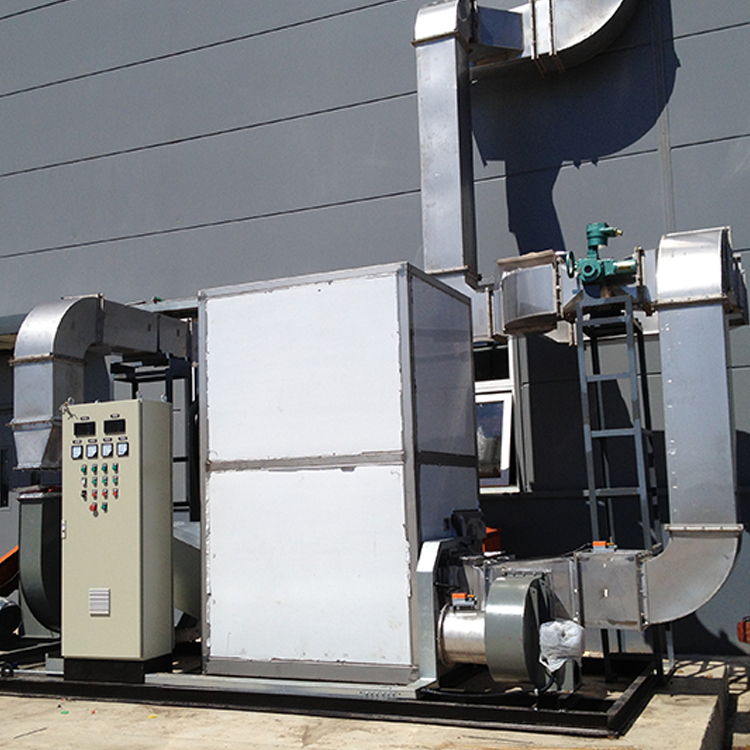


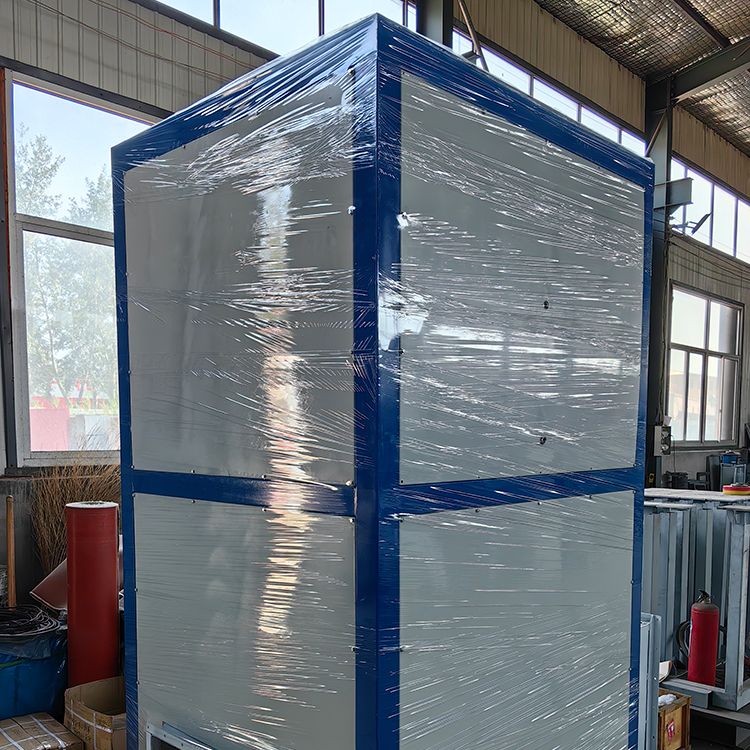
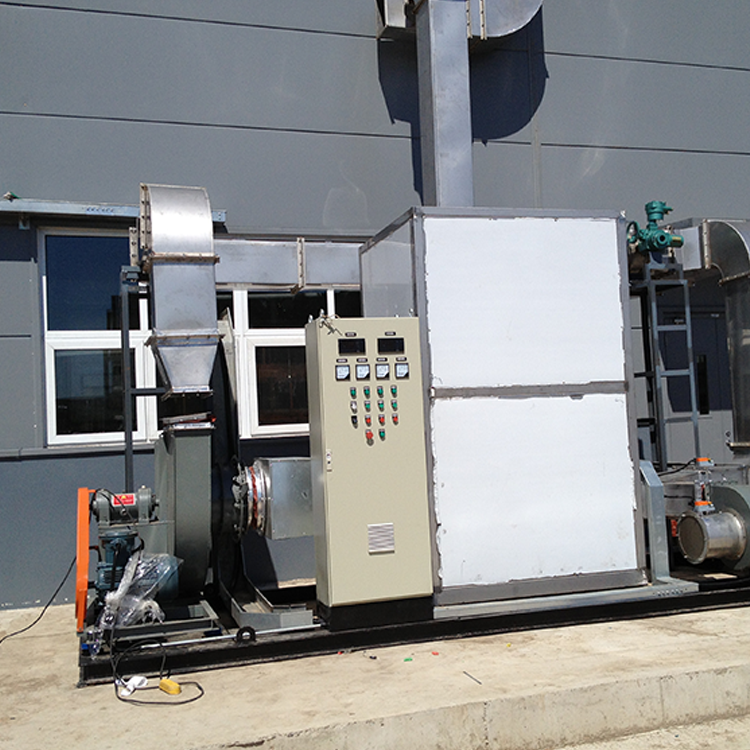









Catalytic combustion unit
One,Equipment Overview
Catalytic purification device for organic waste gases, which utilizes a catalyst as an intermediate carrier to oxidize and decompose waste gases into non-hazardous CO2 and H2O at lower temperatures, releasing heat in the process. The reaction equation is:

The catalyst is a honeycomb-shaped precious metal palladium-platinum catalyst, featuring high activity, low reaction temperature, and long lifespan.

Precious Metal Catalyst Image
(TwoProcess Flow Description
The process flow of organic waste gas treatment engineering mainly includes four parts: waste gas collection ductwork, catalytic combustion treatment, waste heat utilization, and control system.
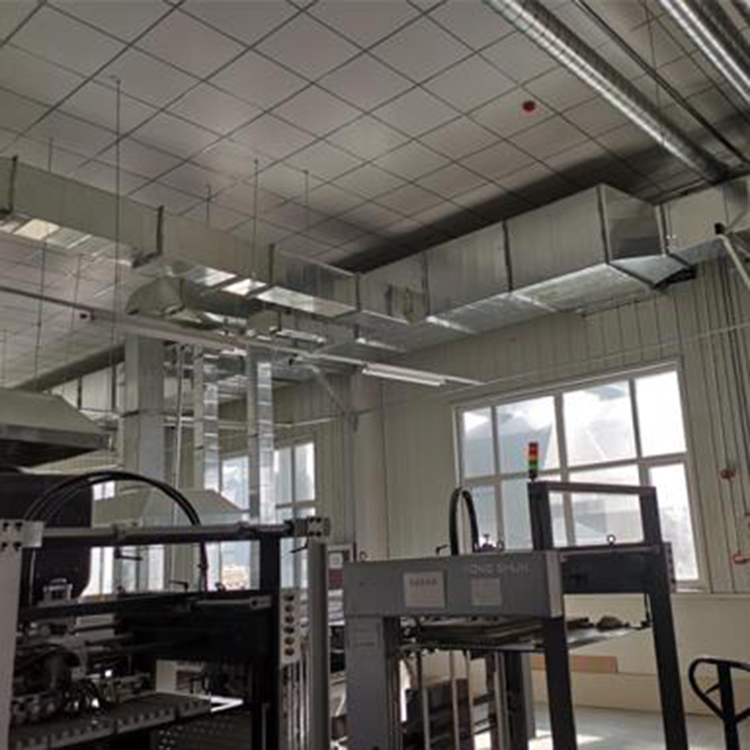
①Waste Gas Collection:The untreated organic waste gas is drawn out from various branch air ducts of the drying room and converges into the main air duct, with each branch duct matched with its corresponding valve.
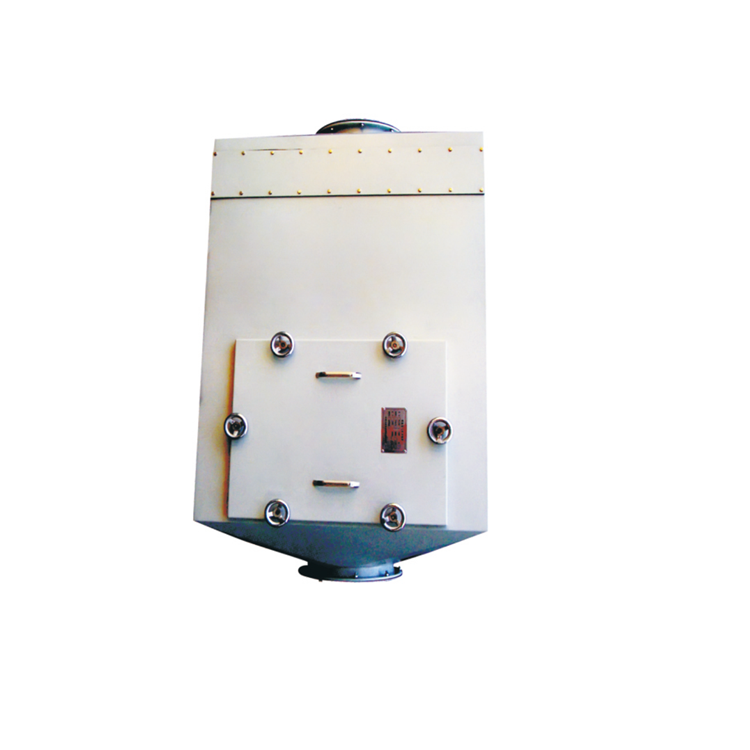
②Catalytic combustion unit:Normal working exhaust first passes through the heat exchanger in the catalyst bed after the flame arrester, then enters the preheater in the catalyst bed (compensated by electric heating tubes), where the gas temperature is raised to the ignition temperature under the compensation of the electric heater. It then passes through the catalyst, where organic substances are oxidized and combusted at low temperatures under the action of the catalyst, decomposing into CO.2With H2O。
③Control System:The control system regulates the fans, electric heating preheaters, temperature, and electric valves within the system.,Protect the main body of the equipment from damage, replace the pressure relief membrane during maintenance, easy to maintain, and safe and reliable!