












Noise Control
Common noise control methods: source control, noise reduction along the transmission path, and protection at the noise reception point. A suitable noise control plan should be selected by considering factors such as the noise characteristics of each sound source, surrounding structures, transmission paths, and affected areas.
(1Damping Treatment
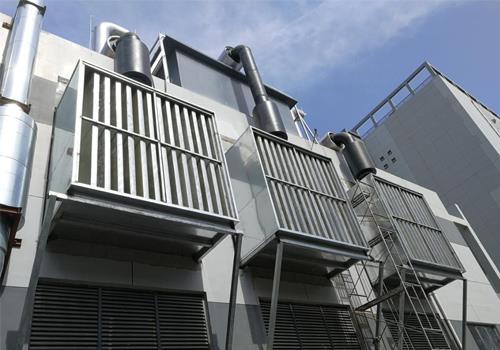
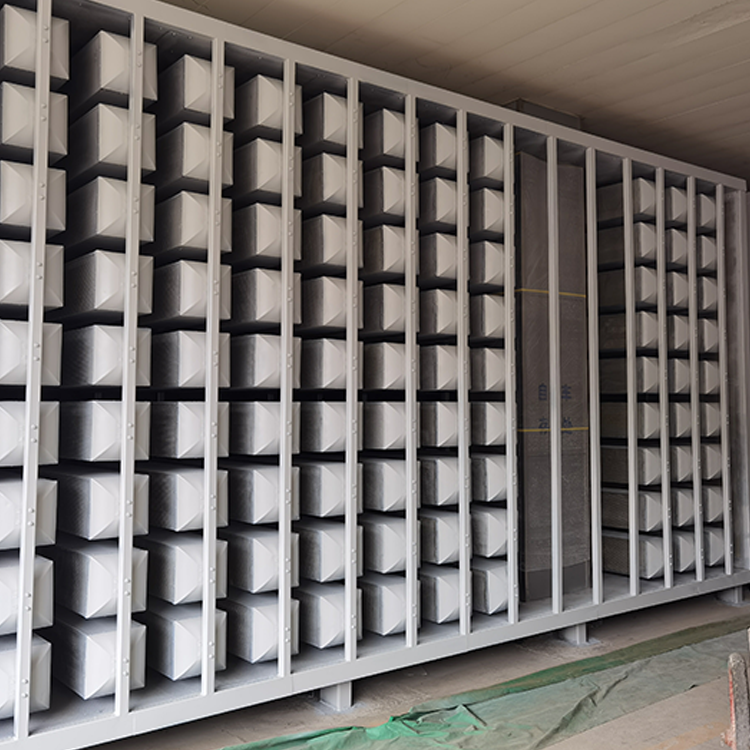
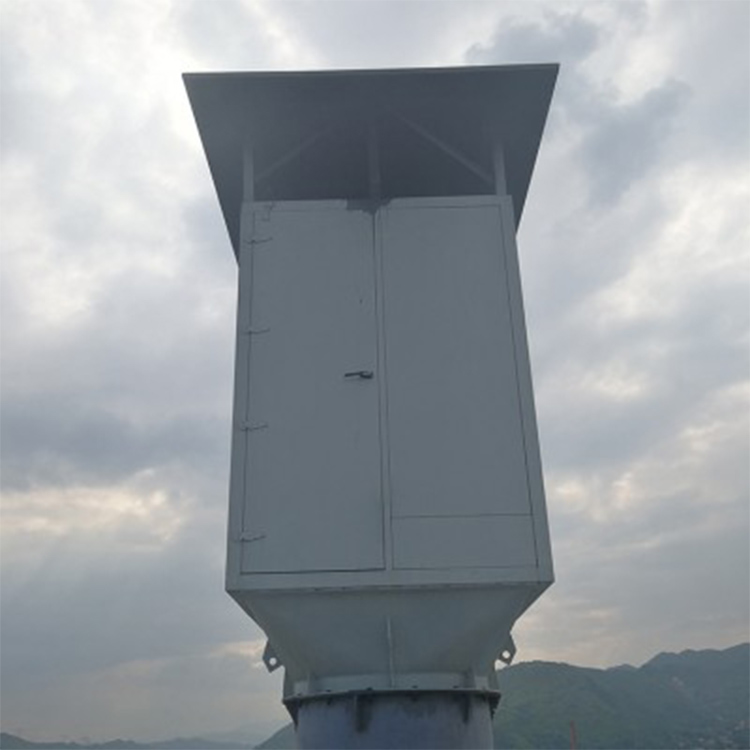
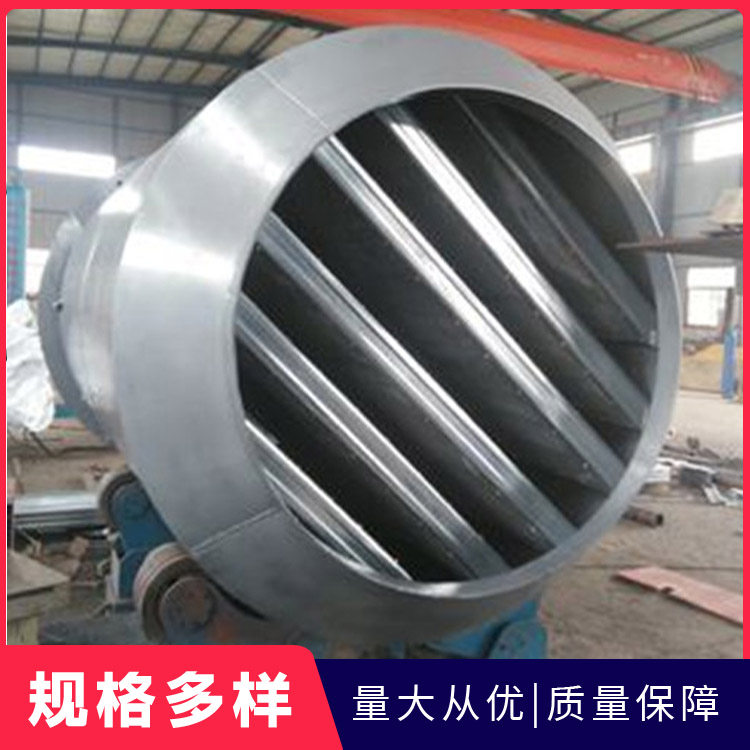
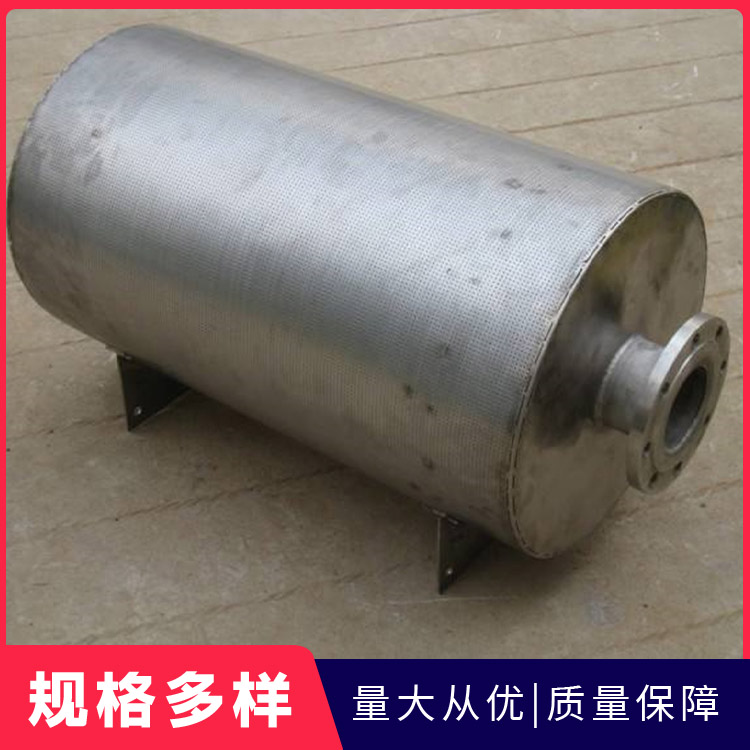
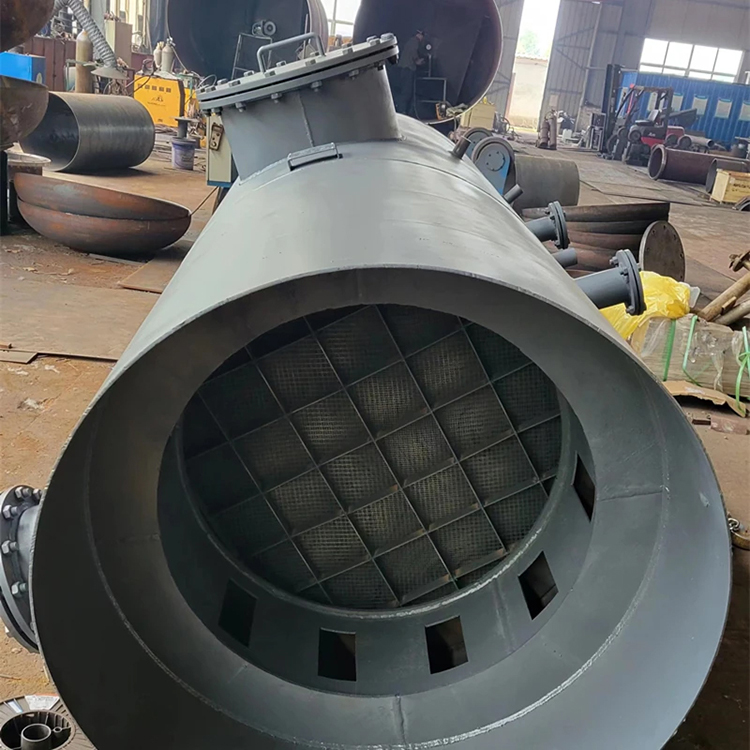
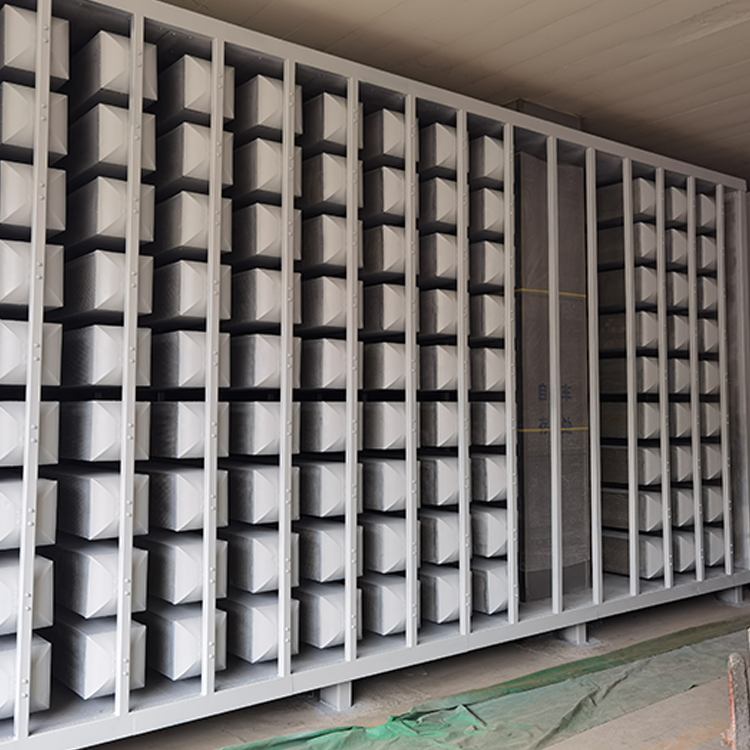
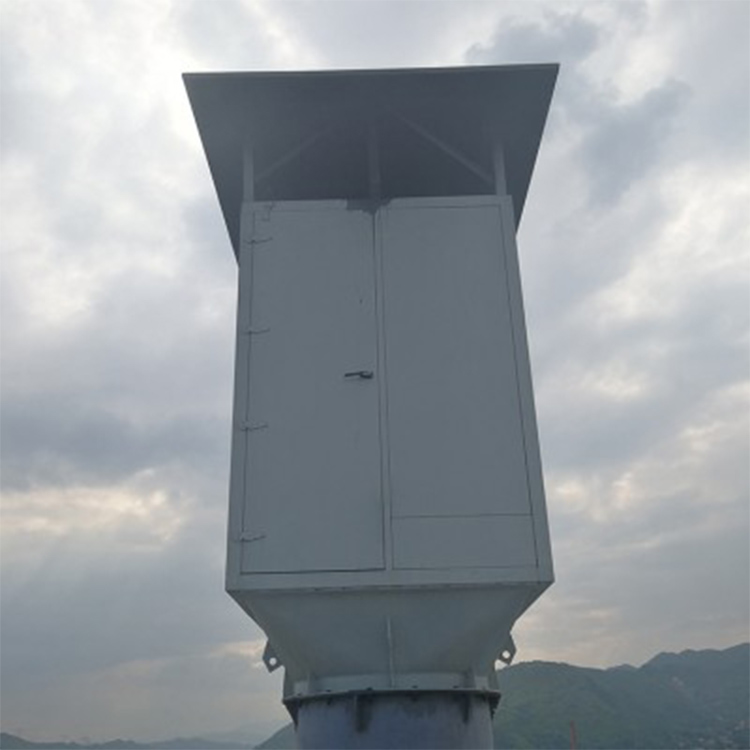
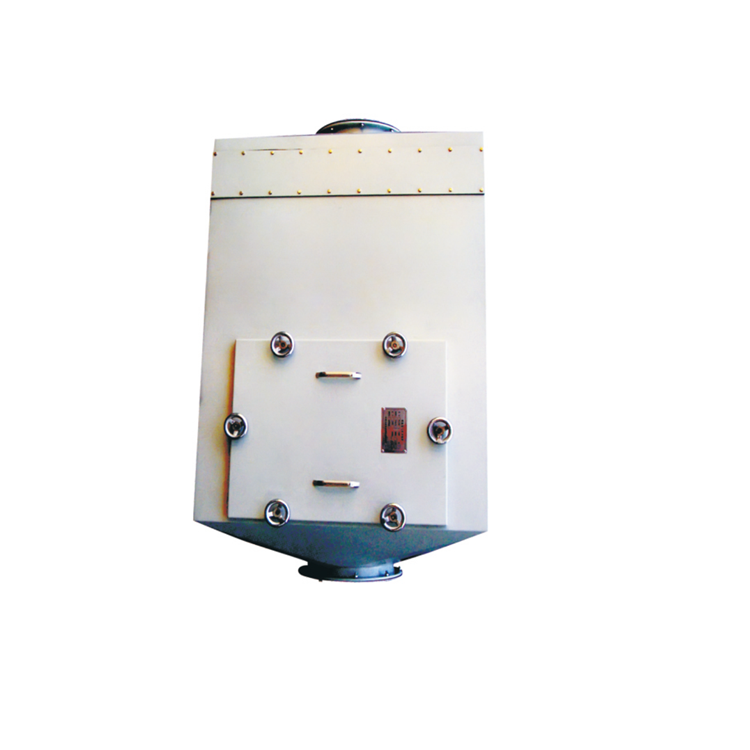
Damping is one of the effective measures for controlling aerodynamic noise. By installing damping devices in the airflow channels or intake/exhaust ports of these aerodynamic equipment, it can effectively reduce the noise at the intake/exhaust ports or the noise propagated along the pipeline. However, it cannot reduce the radiated noise from the equipment's housing, pipe walls, motors, etc.
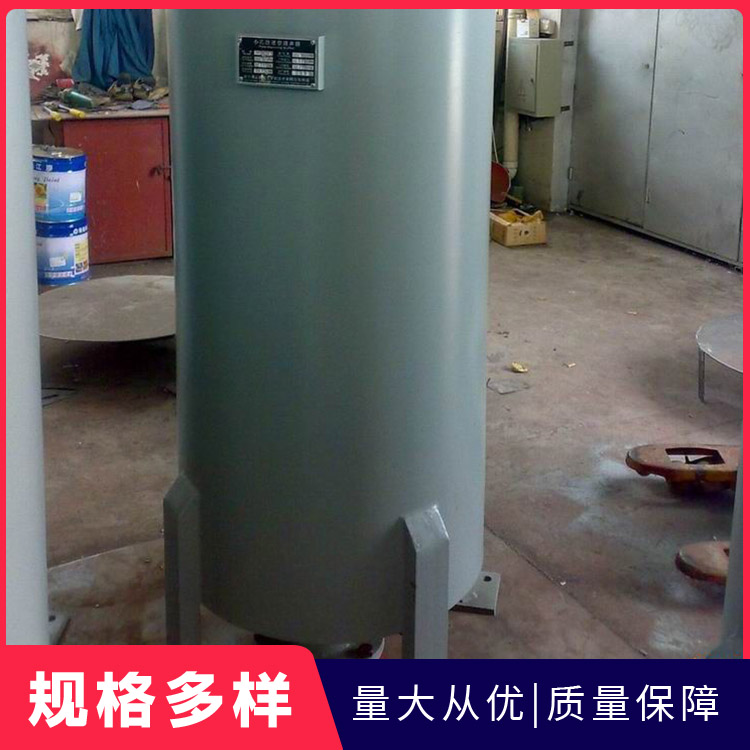
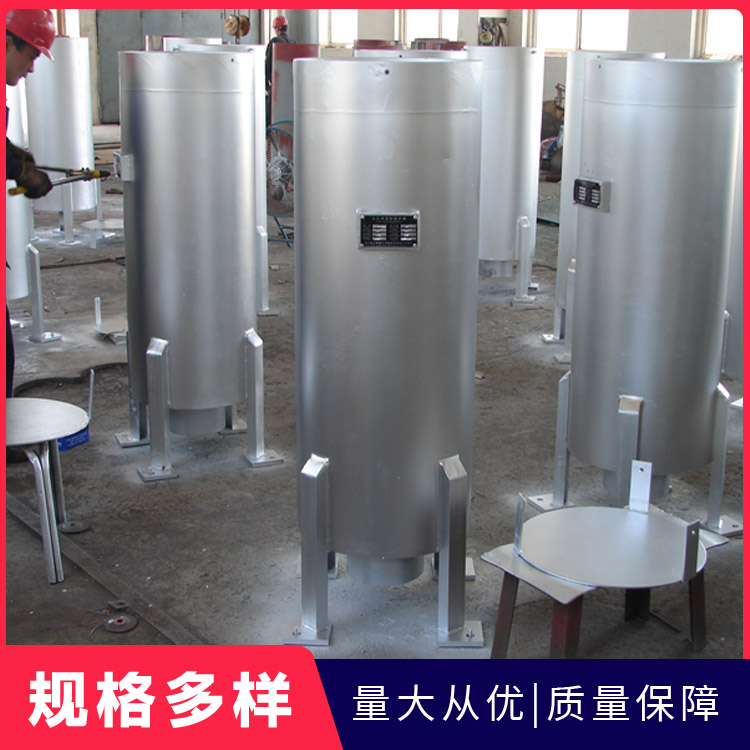
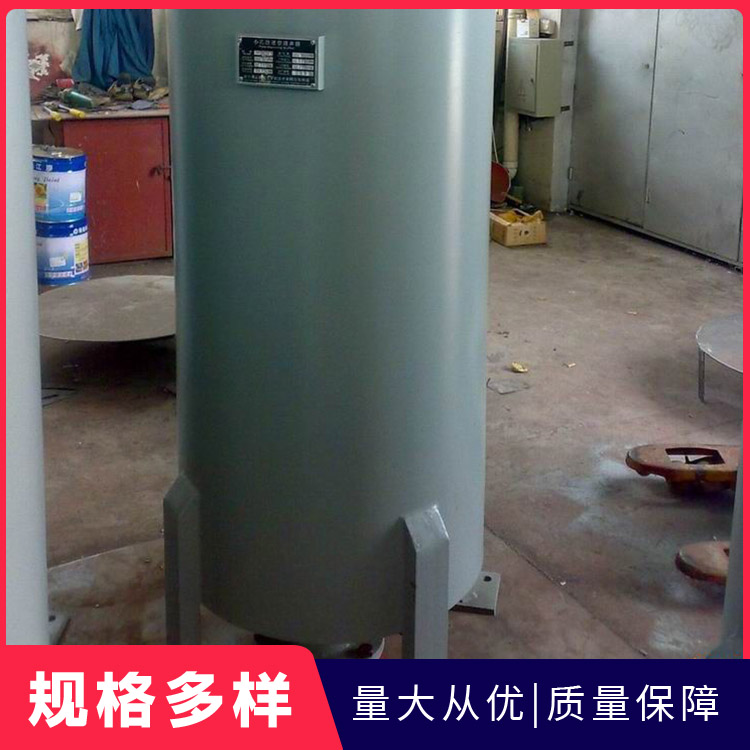
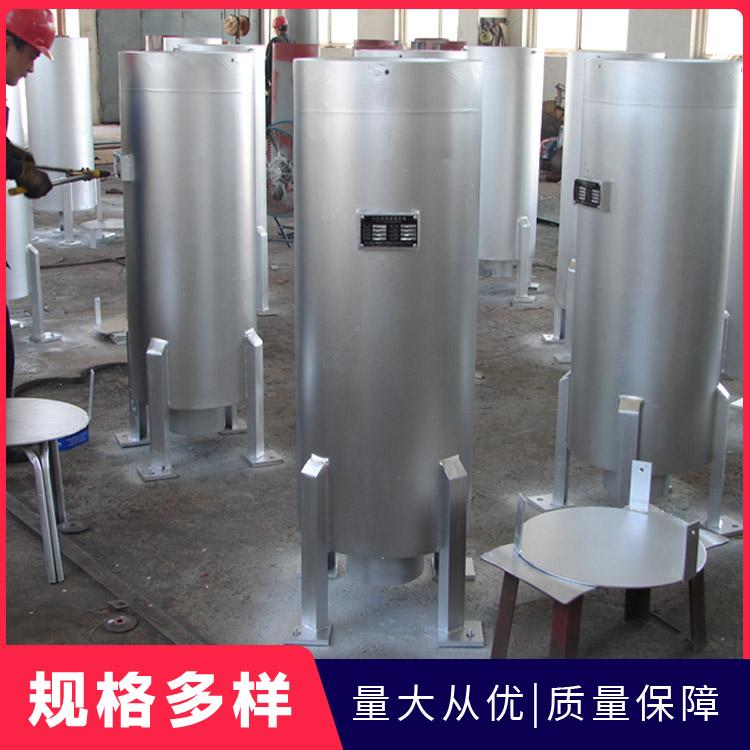
The installation of noise reduction devices for equipment must first not affect the normal operation of the equipment. It should possess good noise reduction performance, with sufficient noise reduction at various frequency ranges, and pressure loss and power loss should be within the allowed range specified by design and regulations.(That is, good aerodynamic performance)Therefore, selecting a muffler with excellent sound-damping performance is necessary to achieve the desired effect.A muffler is a device that effectively reduces noise while allowing air flow to pass through normally. The noise reduction per unit length of a resistive muffler is calculated according to the following empirical formula:

(2Acoustic treatment
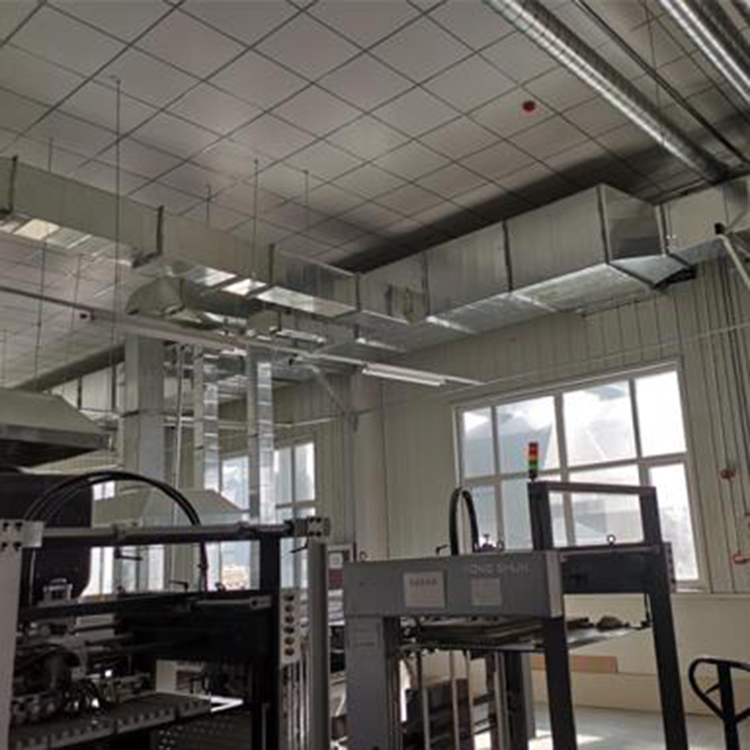
When sound emitted from a source encounters walls, ceilings, floors, and other surfaces, it will reflect. As machinery operates, in addition to the direct sound, the ear can also hear the reflected sound, which is the reverberation, formed by multiple reflections from these surfaces. If sound absorbers are installed on these reflective surfaces to absorb some of the reflected sound, the sound level will significantly decrease. This method of noise control is known as sound absorption. Although sound absorption is a negative approach, it still has a significant effect in noise control engineering.
Insulate the interior wall of the soundproofing structure surrounding the noise source with necessary sound-absorbing treatment, which not only effectively enhances the sound insulation of the structure but also reduces the reverberation noise to3~8 dB(A)Meanwhile, improve the operational environment for staff, providing certain labor protection.
The sound absorption and noise reduction quantity in a room after acoustic treatment is generally calculated according to the following formula:

The average sound absorption reduction after acoustic treatment in a room is generally calculated according to the following formula:


(3Soundproofing treatment
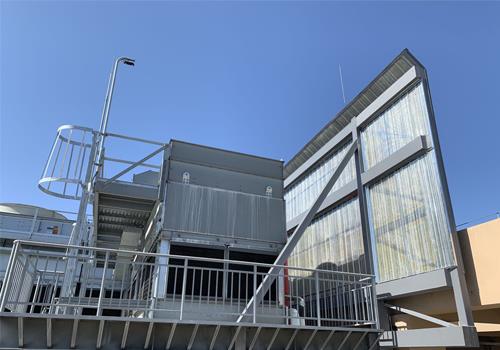
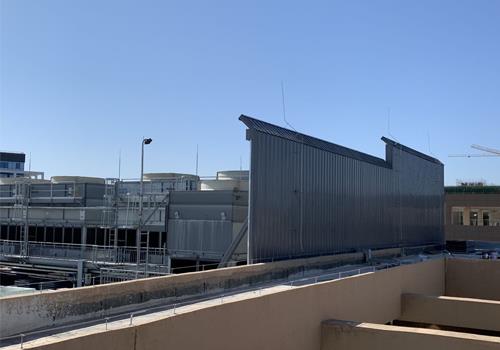
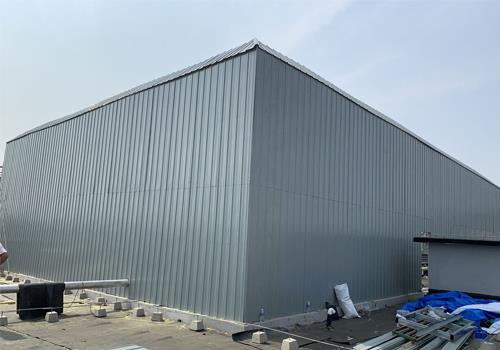
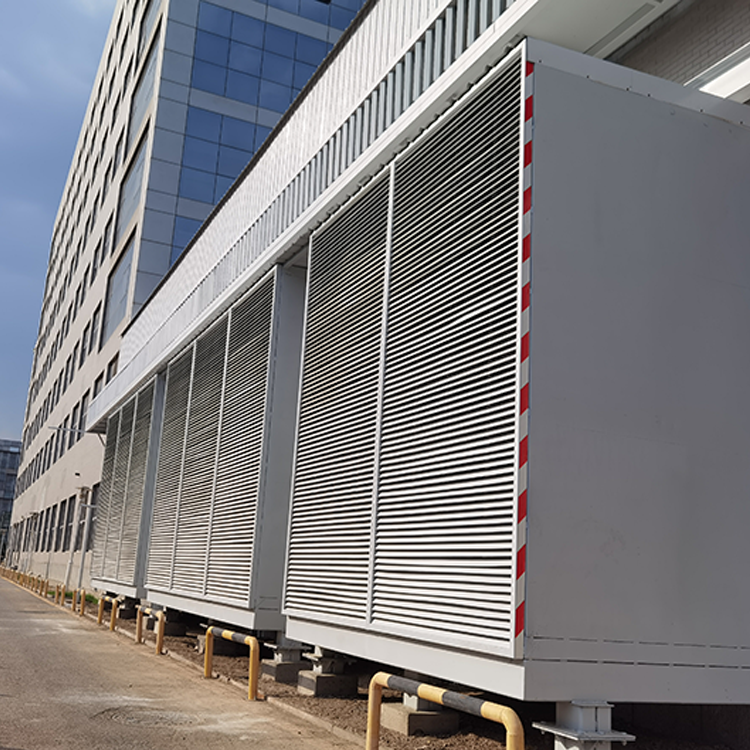
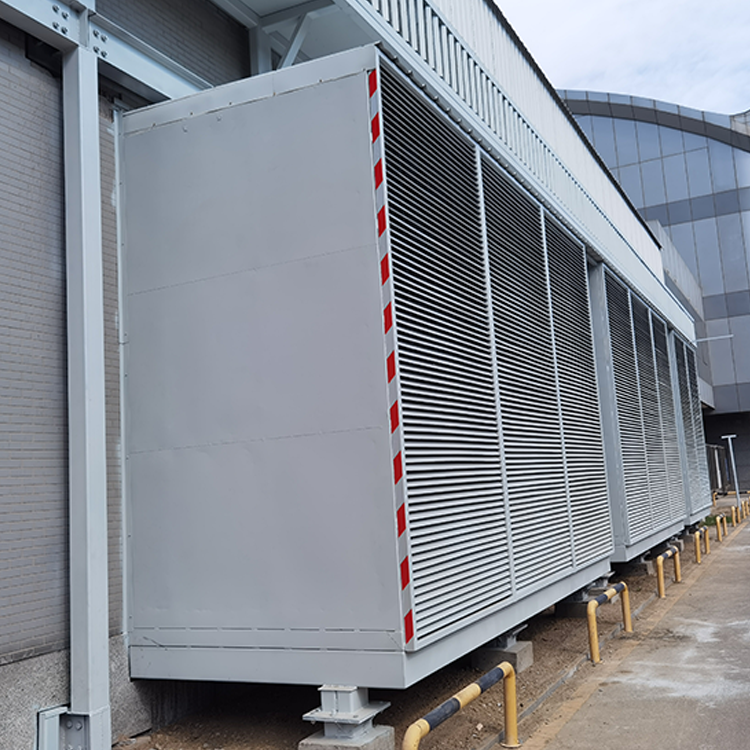
Soundproofing is one of the common and effective methods in noise control engineering. By utilizing soundproofing materials and structures, the propagation of sound energy is isolated or blocked, containing the noisy environment caused by noise sources within a localized area, thus creating a quiet space.Soundproof barriers are commonly used for sound insulation.
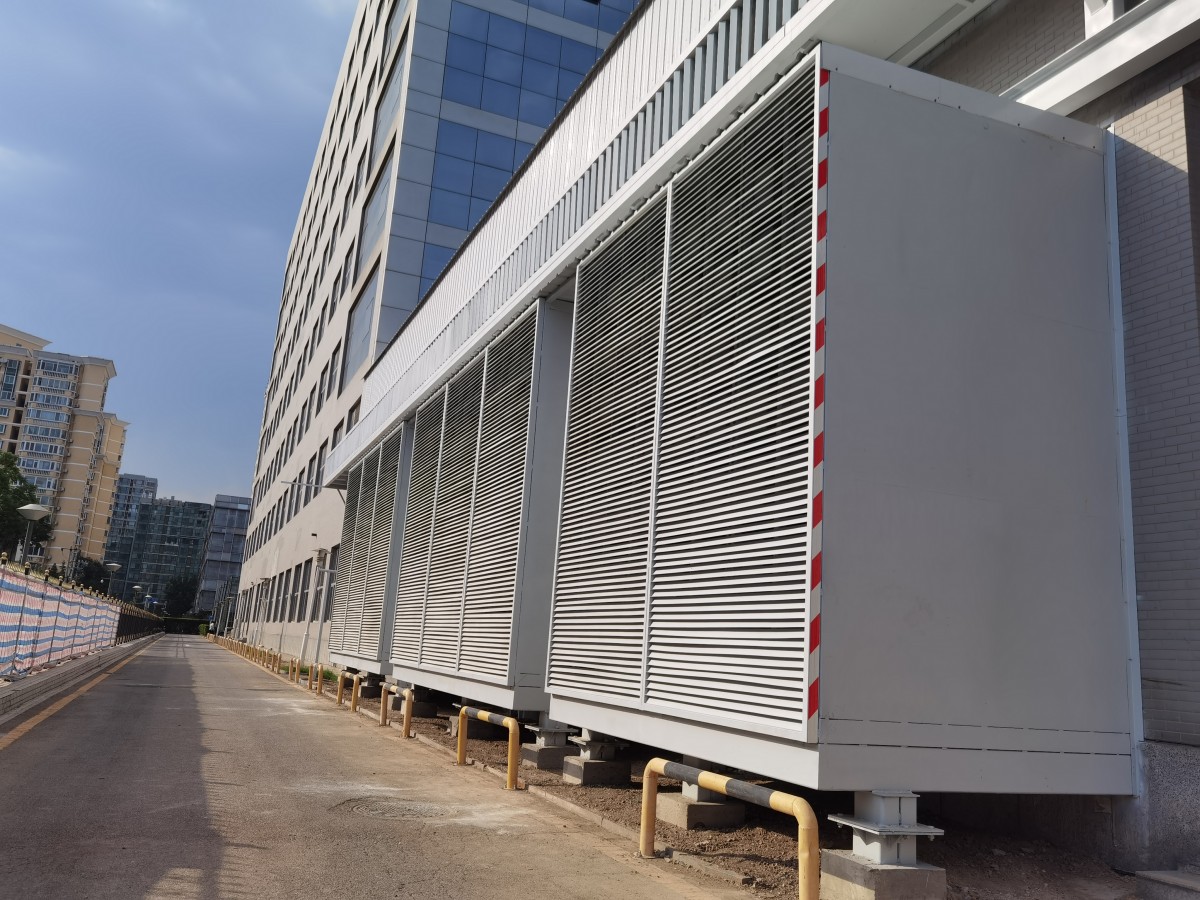
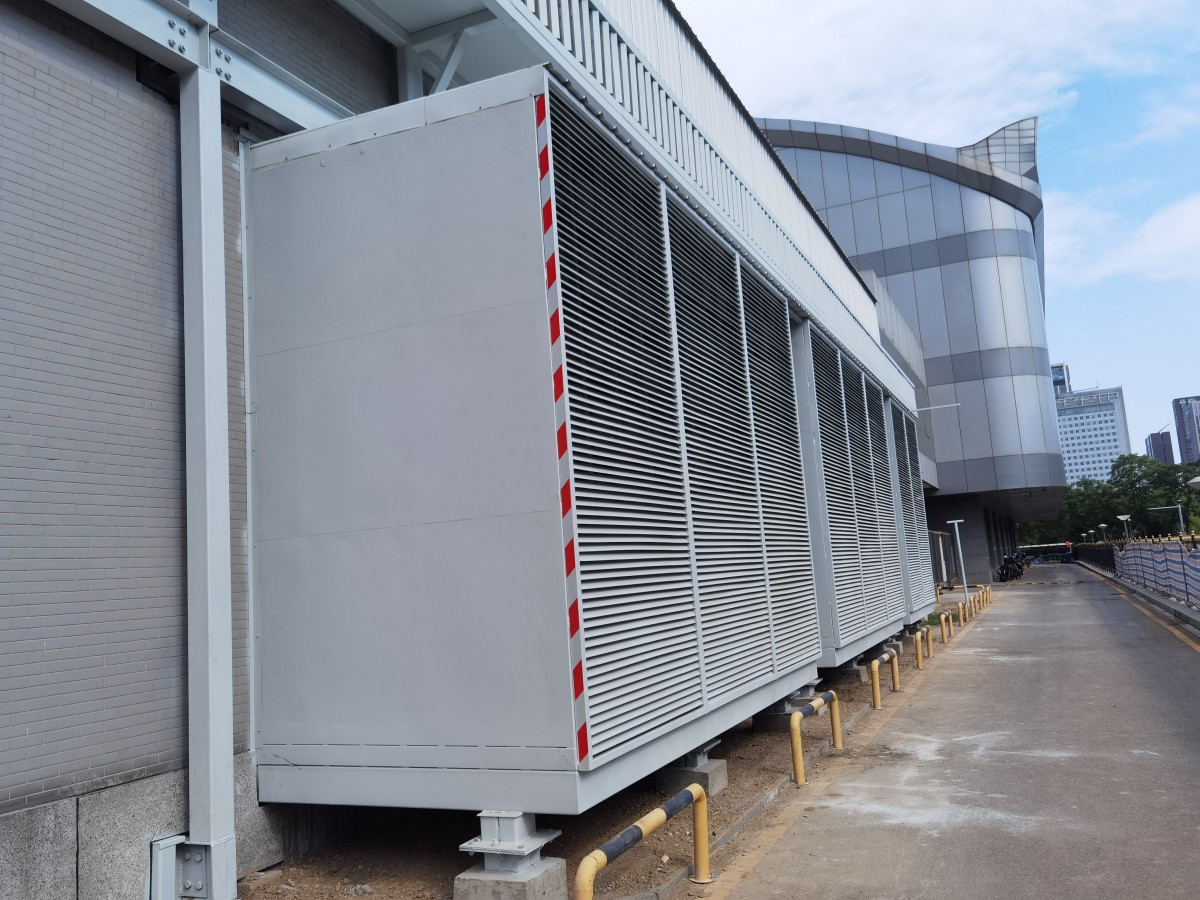
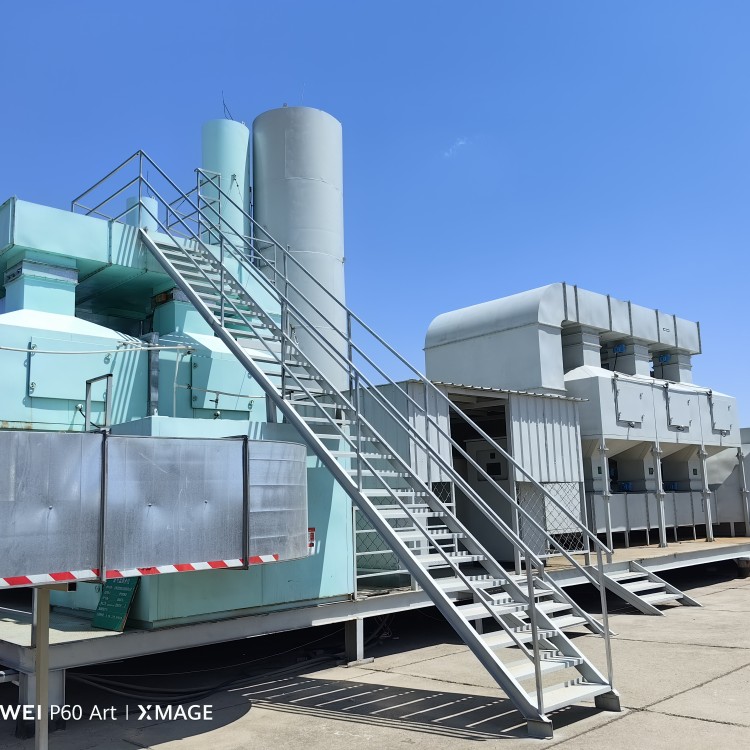
We regularly undertake noise control projects for fans, air conditioning units, cooling towers, and diesel generators.