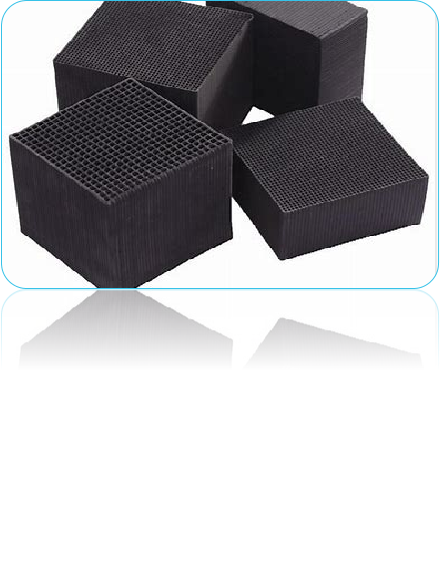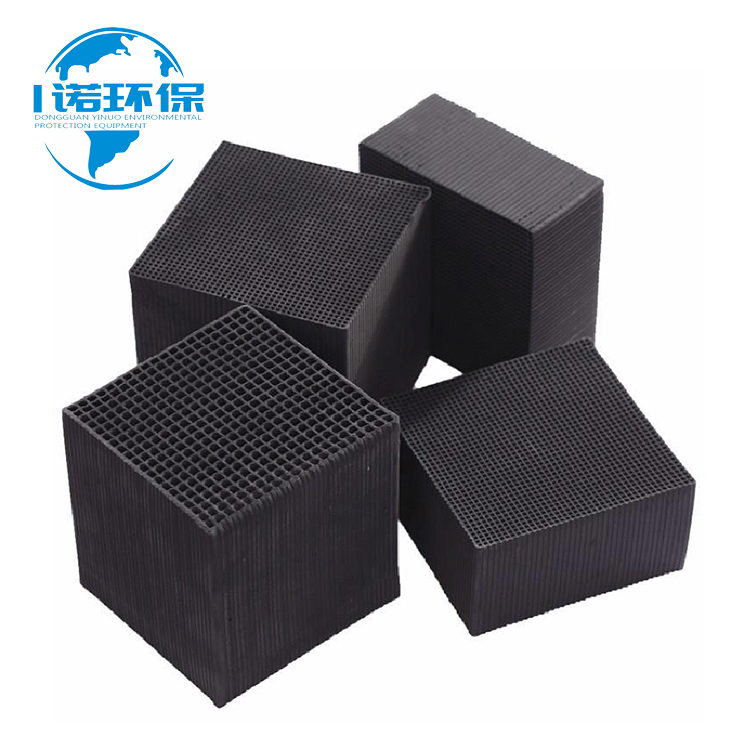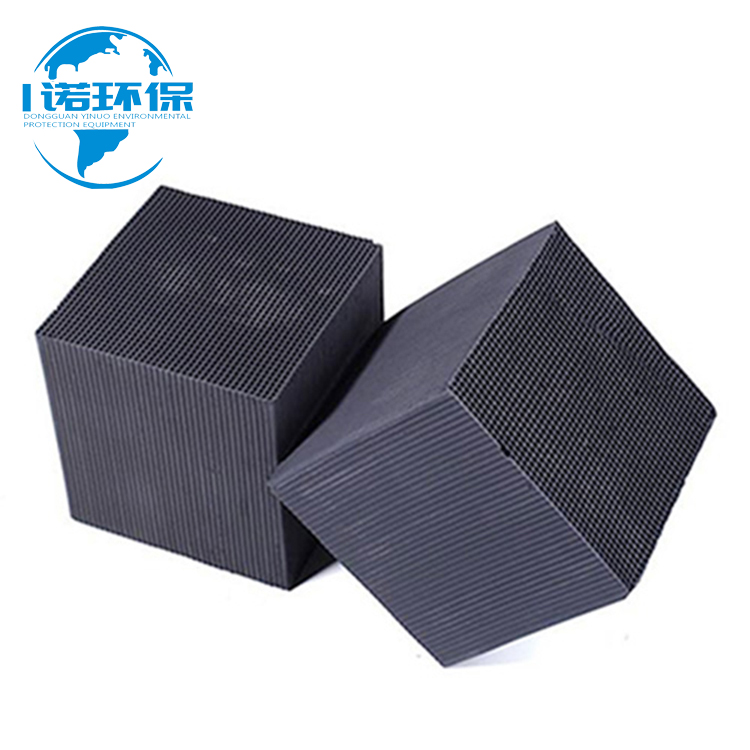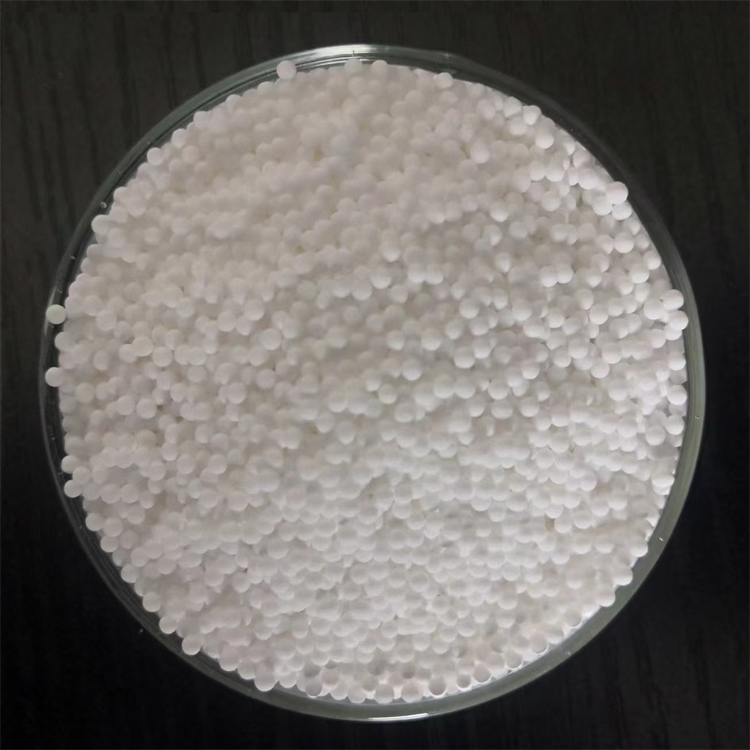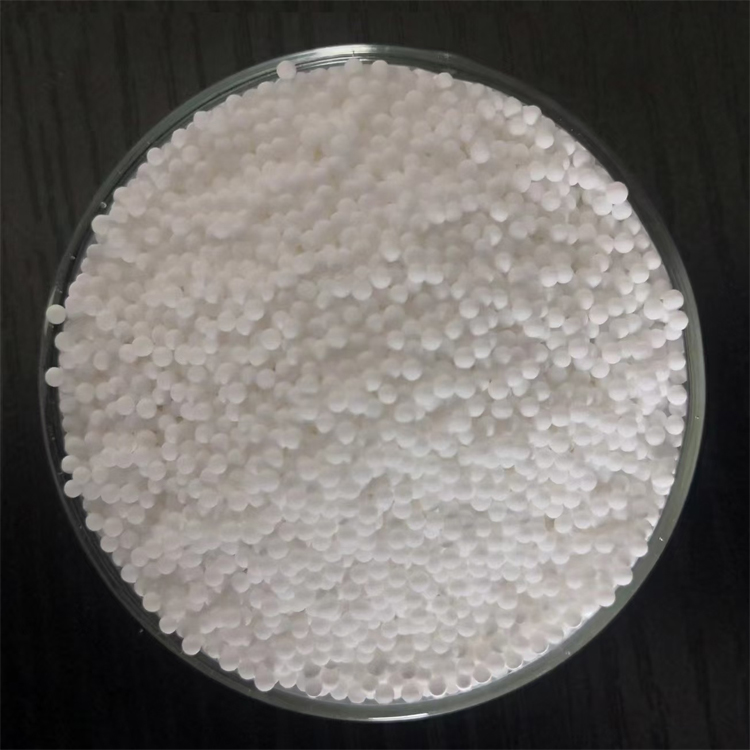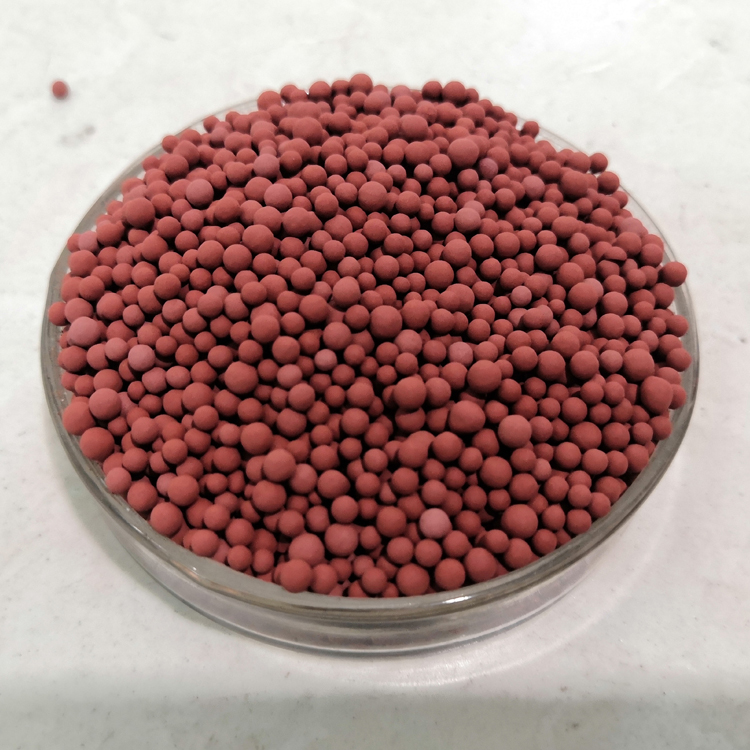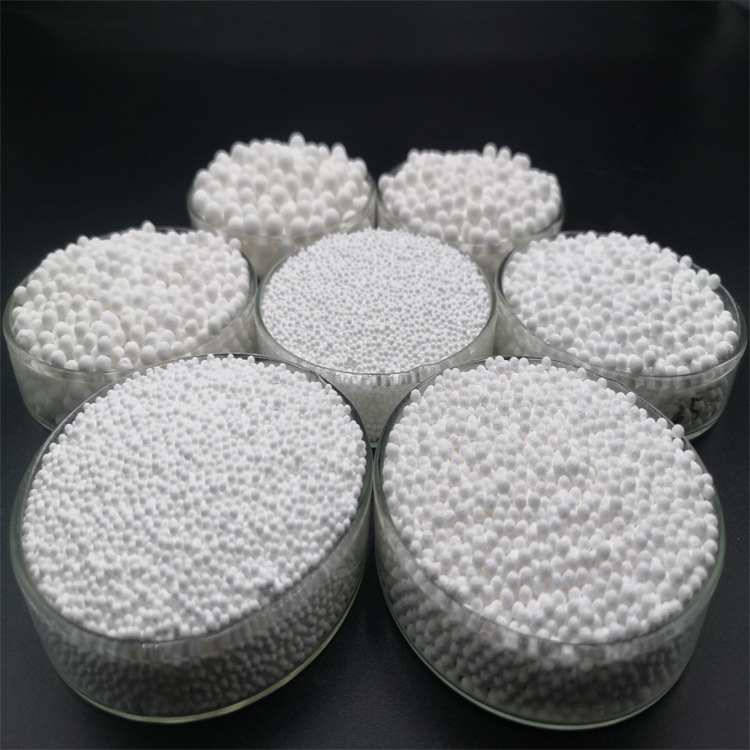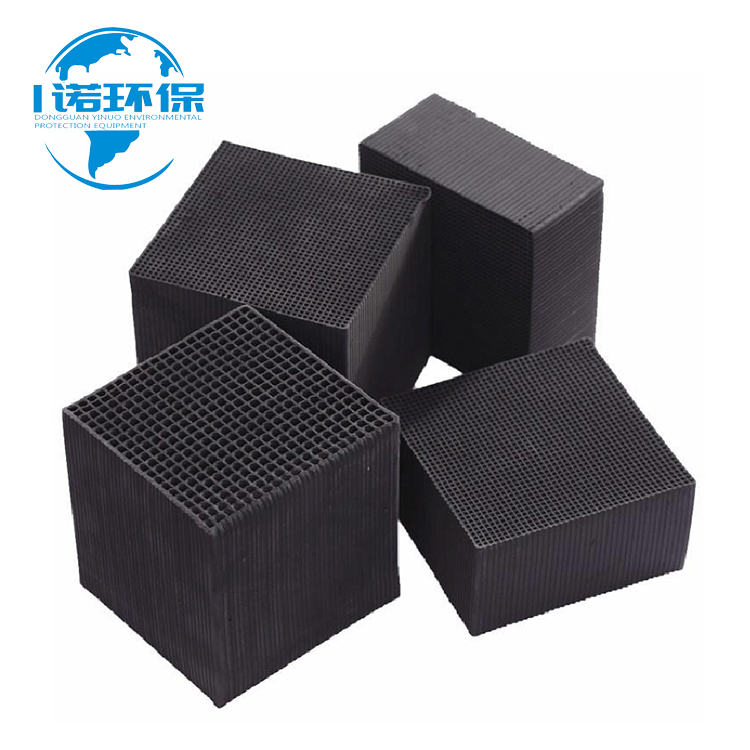


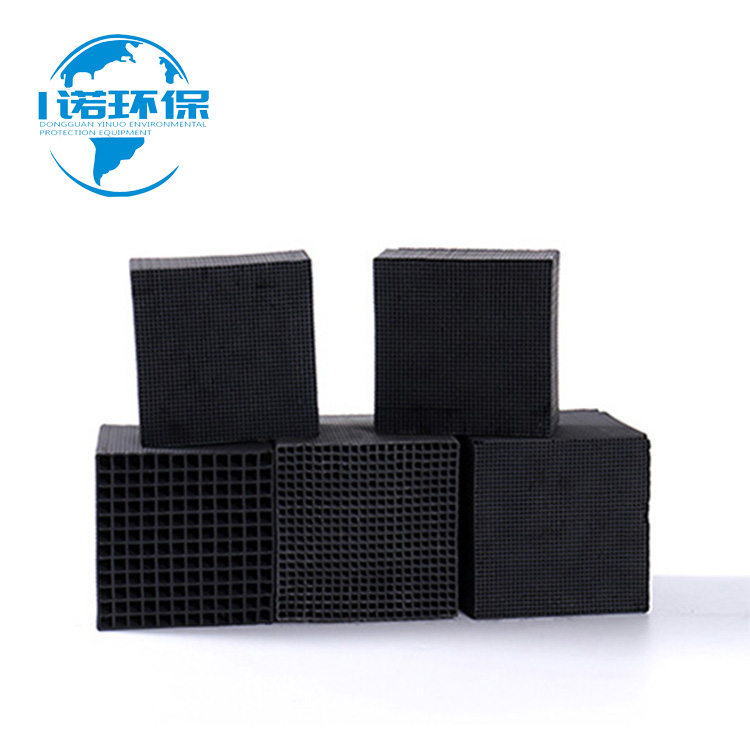
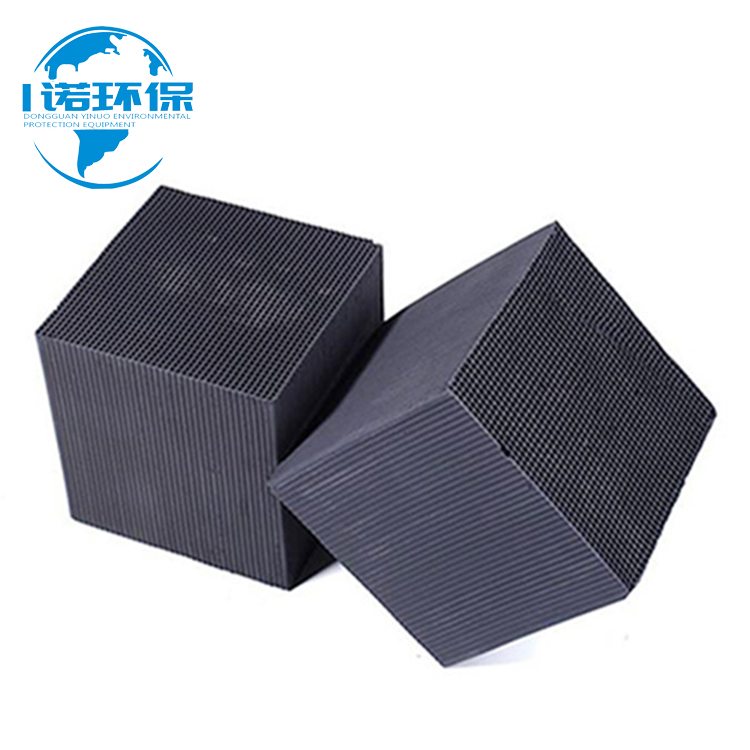


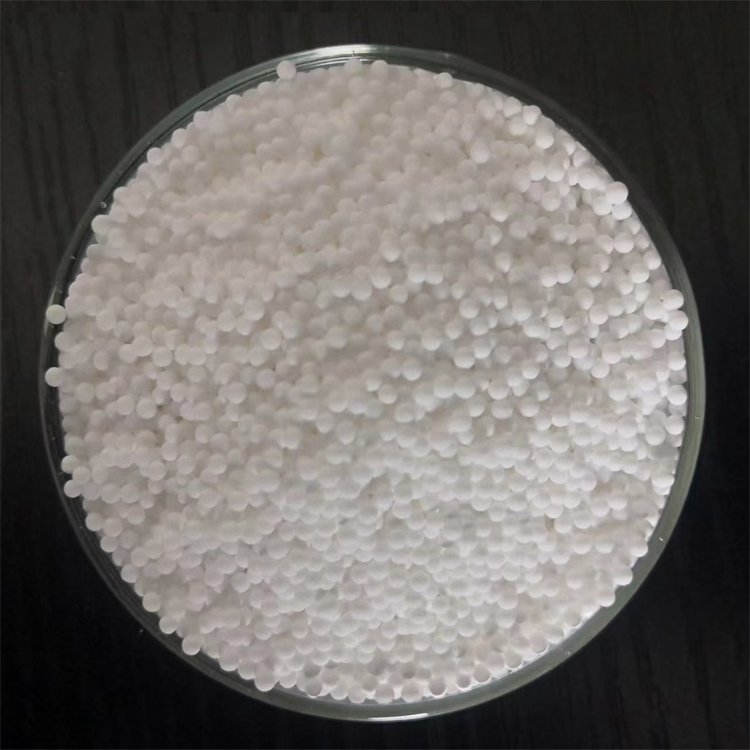
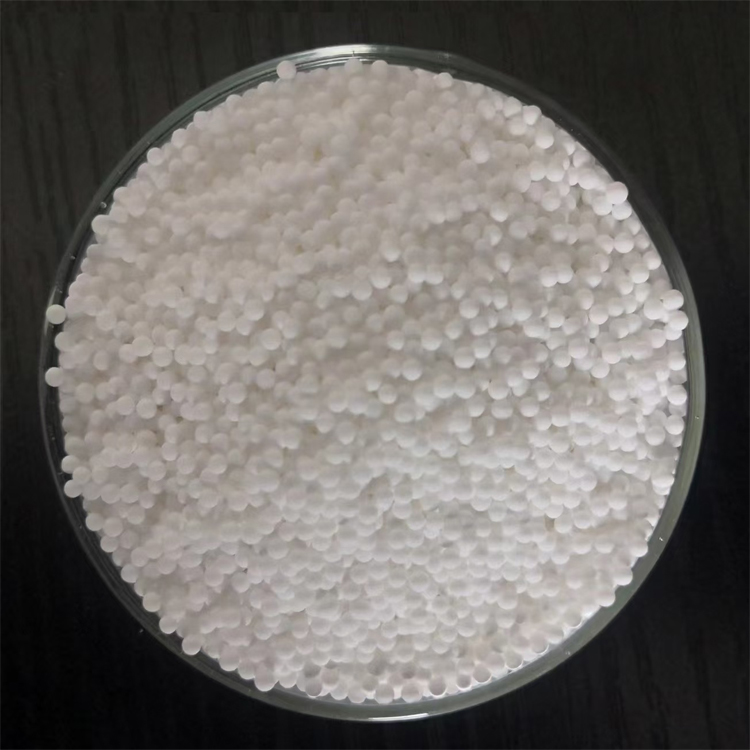





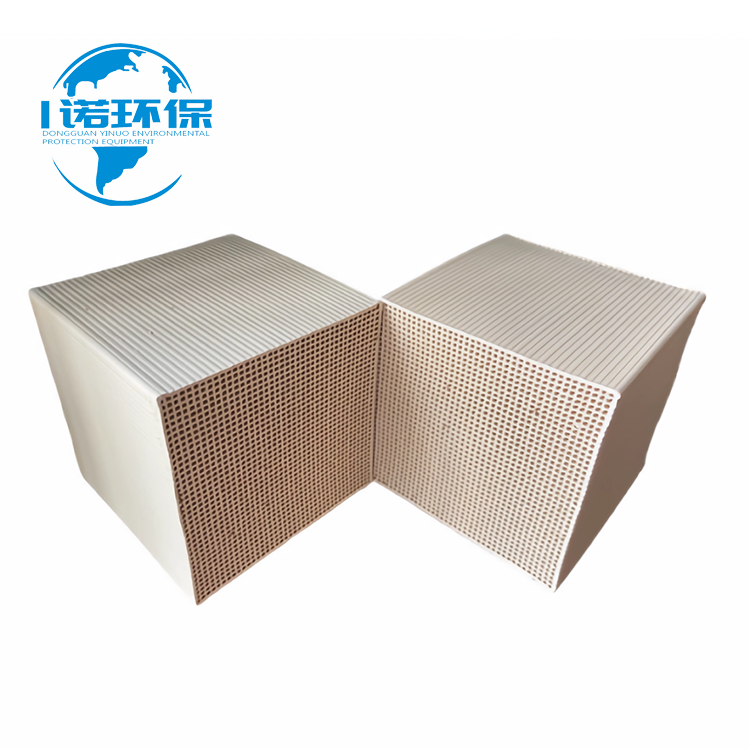
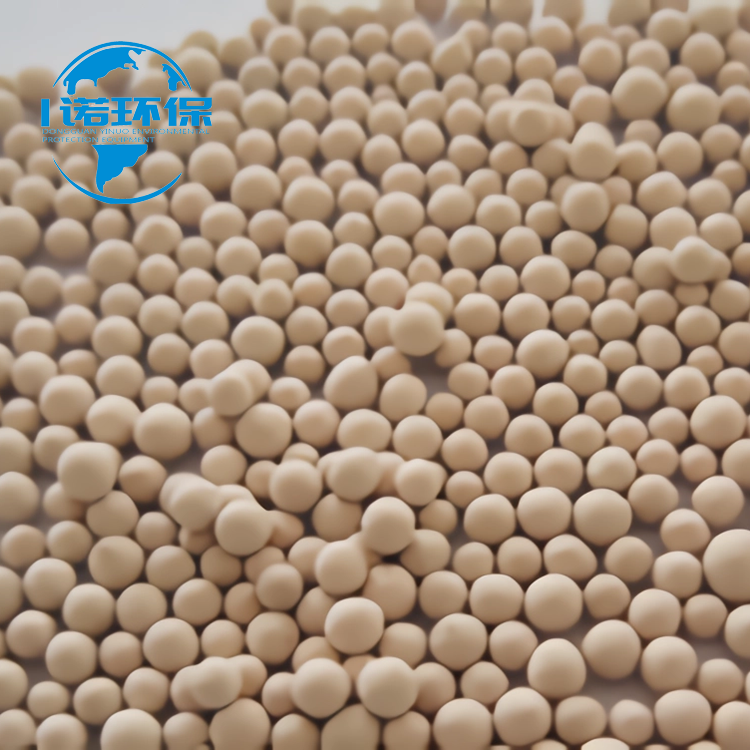
Honeycomb activated carbon is generally used for filtration and decolorization, as a reducing agent, and for absorbing gases. Depending on the specific application field, the role of honeycomb activated carbon varies. Granular honeycomb activated carbon is often used for adsorbing molecules; its adsorption properties determine its applicability, and these properties are related to the pore size distribution of different carbon types.
For example, coal-based, lignite-based, and coconut shell-based granular honeycomb activated carbon activated by steam: lignite-based honeycomb activated carbon features micropores and mesopores, granular honeycomb activated carbon is suitable for a variety of applications; lignite-based carbon has more mesopores and also larger mesopores in the granular honeycomb, providing excellent accessibility; coconut shell-based granular honeycomb activated carbon primarily consists of micropores, suitable only for the removal of low molecular substances.
Technical Parameters of Honeycomb Activated Carbon:
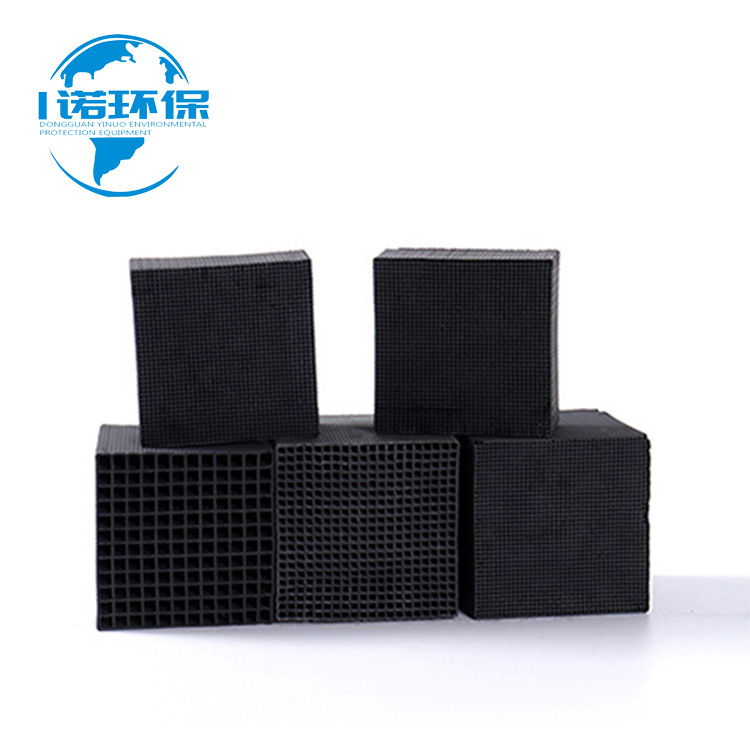
Hole Diameter: 1.5, 3, 4, 8 (mm)
Standard Specifications 50x100X100mm, 100x100X100mm
Iodine Value: 400-800 mg/g
Product Function
(1) Oil-containing wastewater treatment
(2) Treatment of dye wastewater
(3) Mercury-Containing Wastewater Treatment
(4) Treatment of Chromium-Containing Wastewater
(5) Catalyst and Load Catalyst
(6) Supercapacitor Electrode Materials
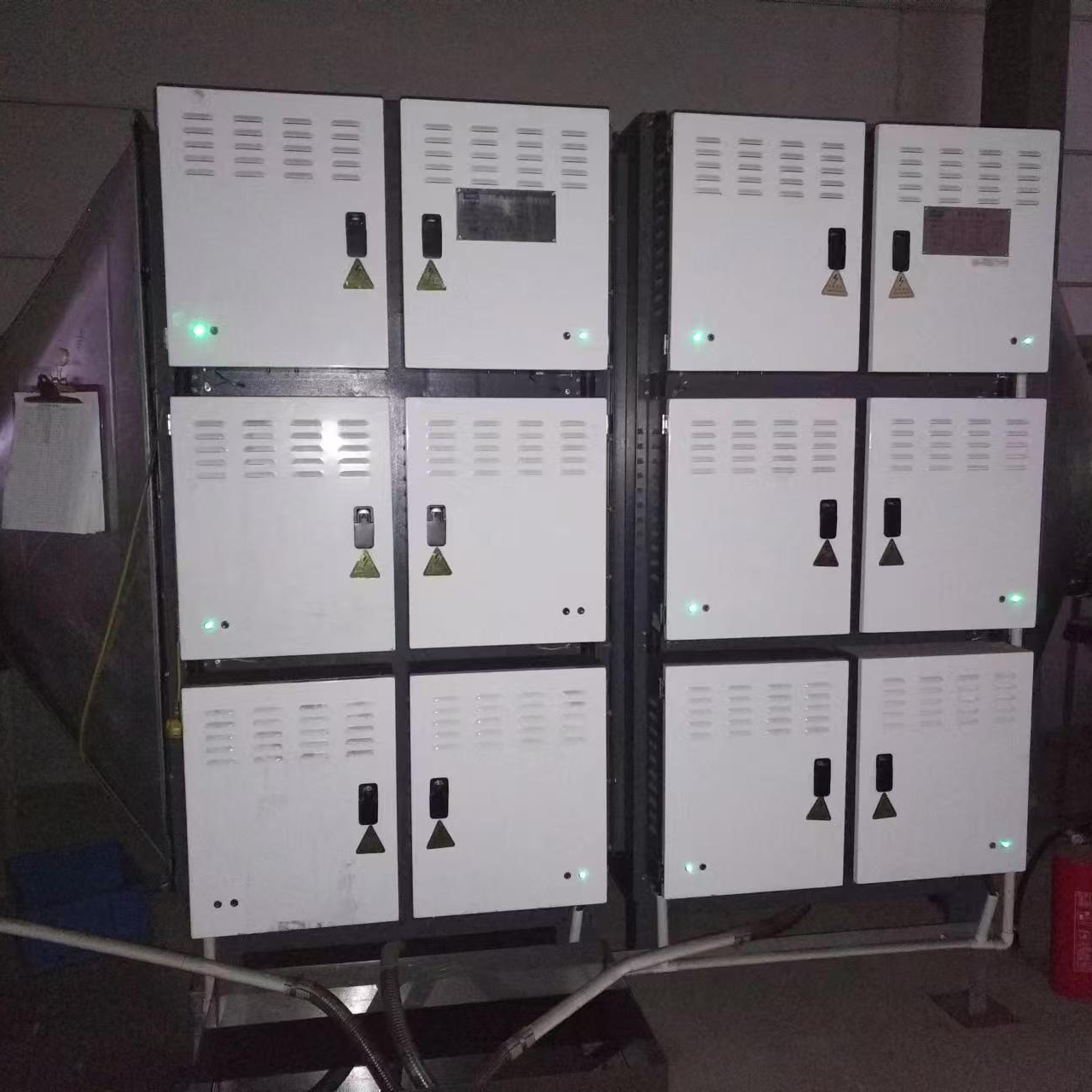
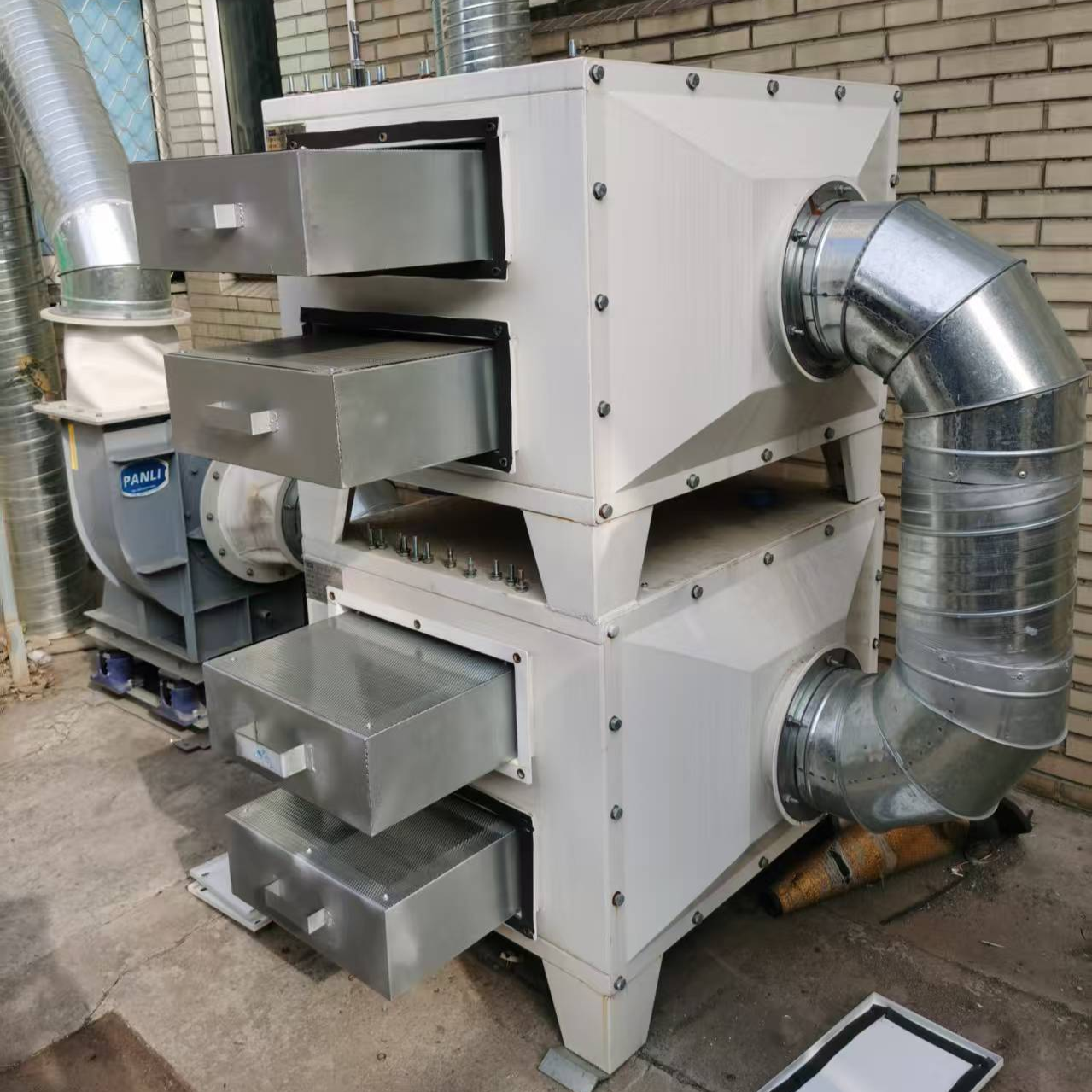
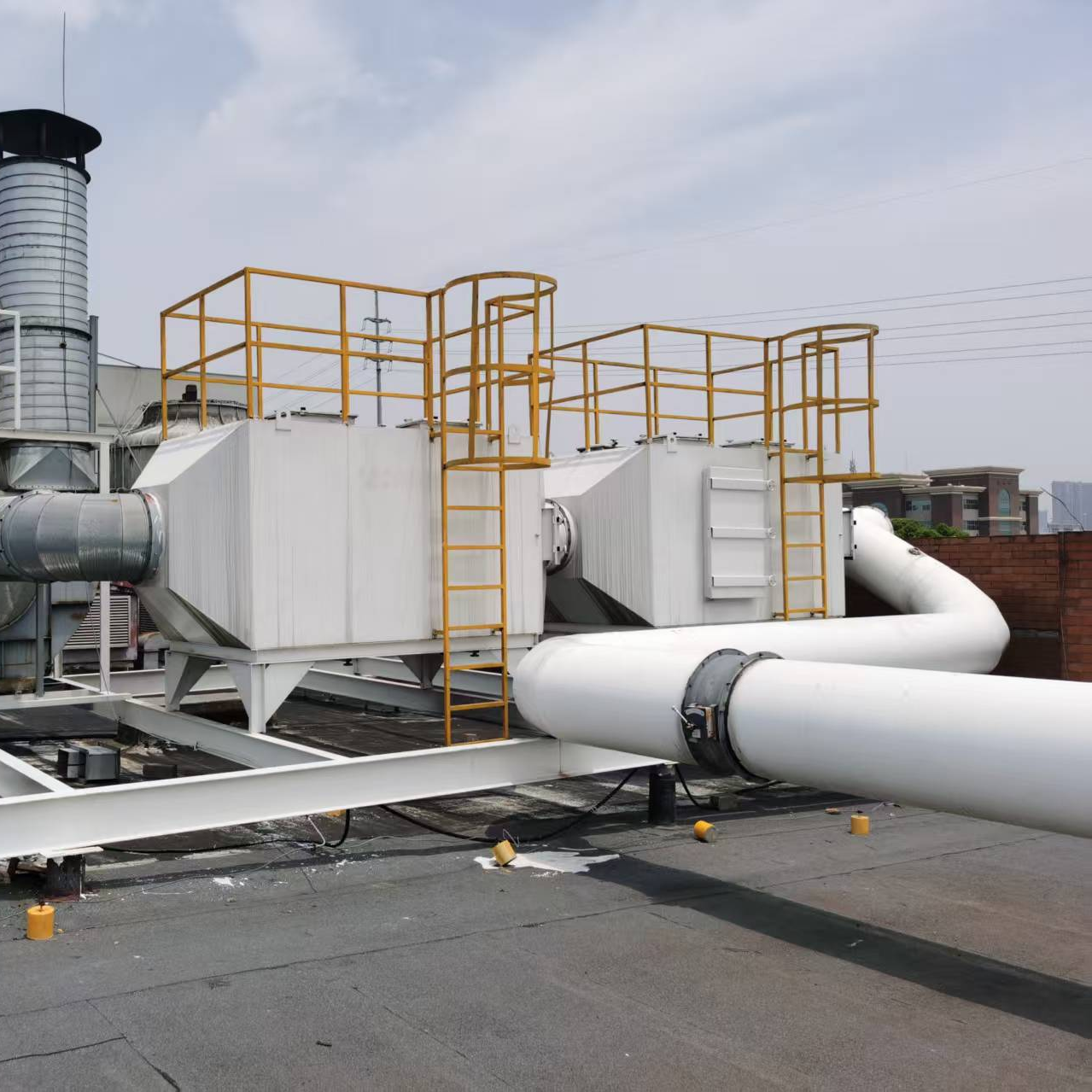
(7) Flue Gas Treatment Equipment
(8) Other Applications