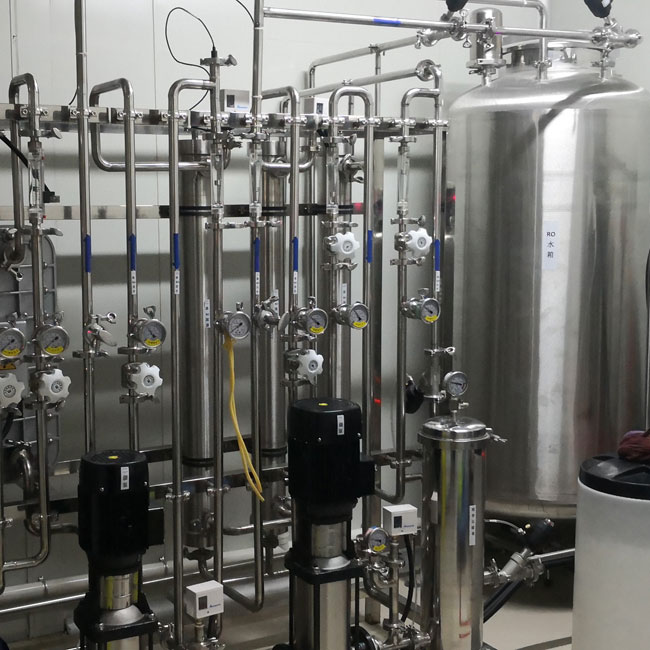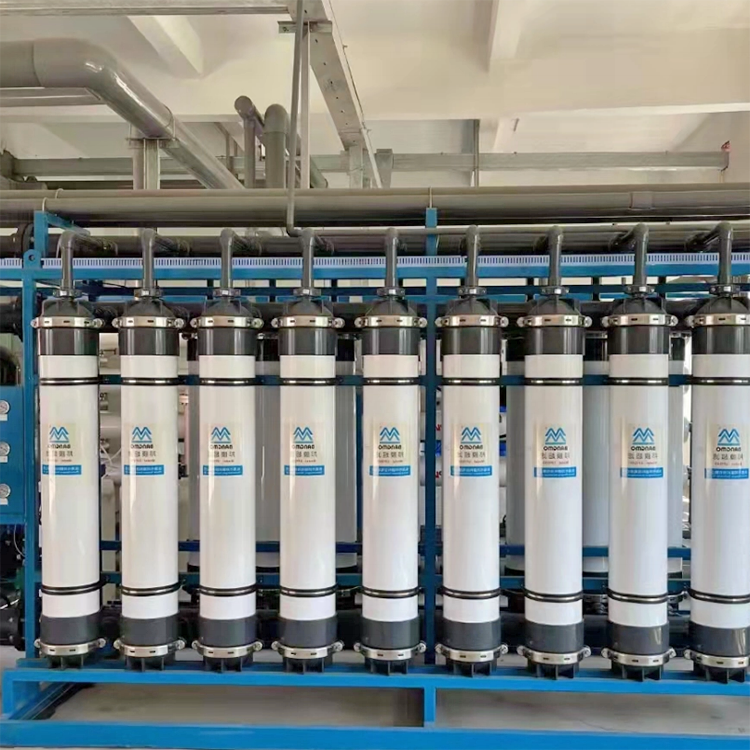

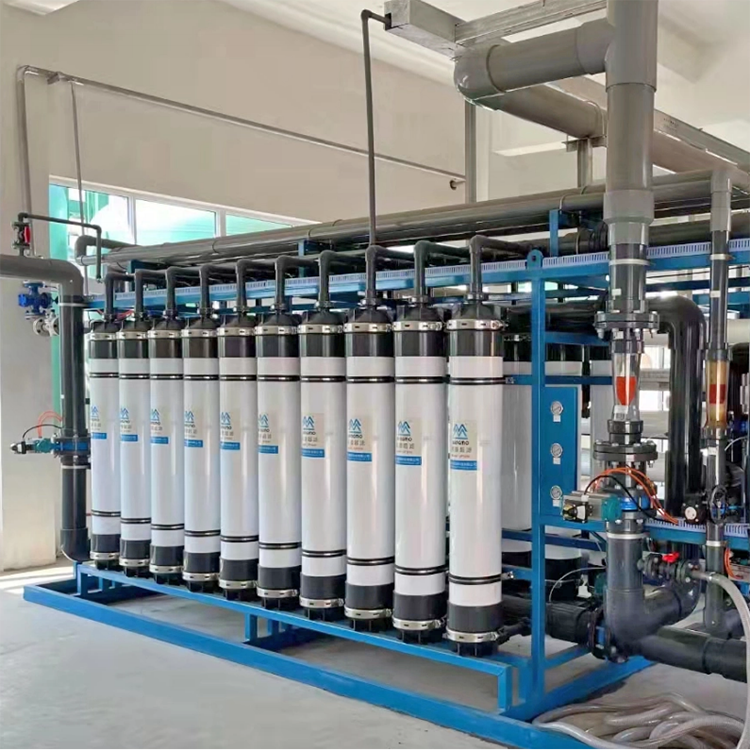


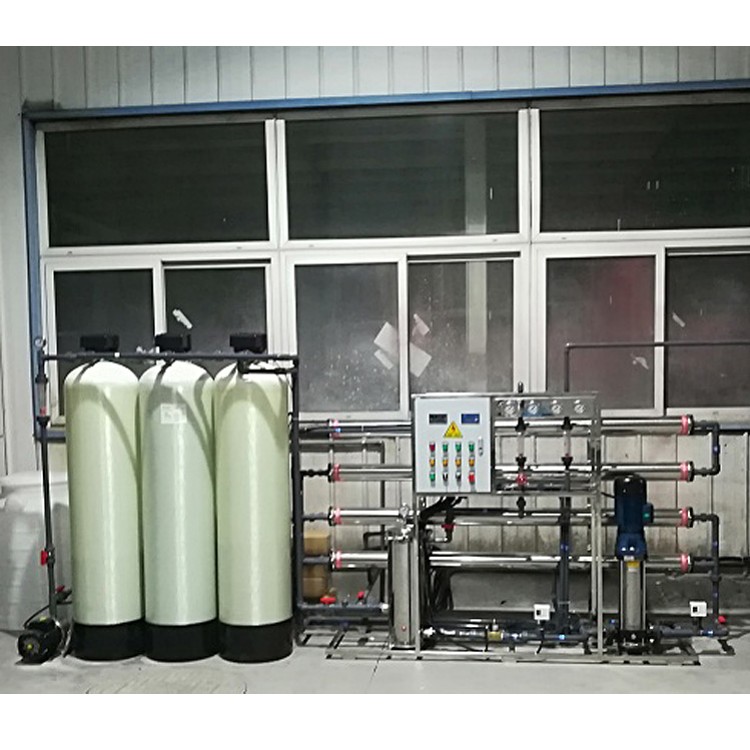
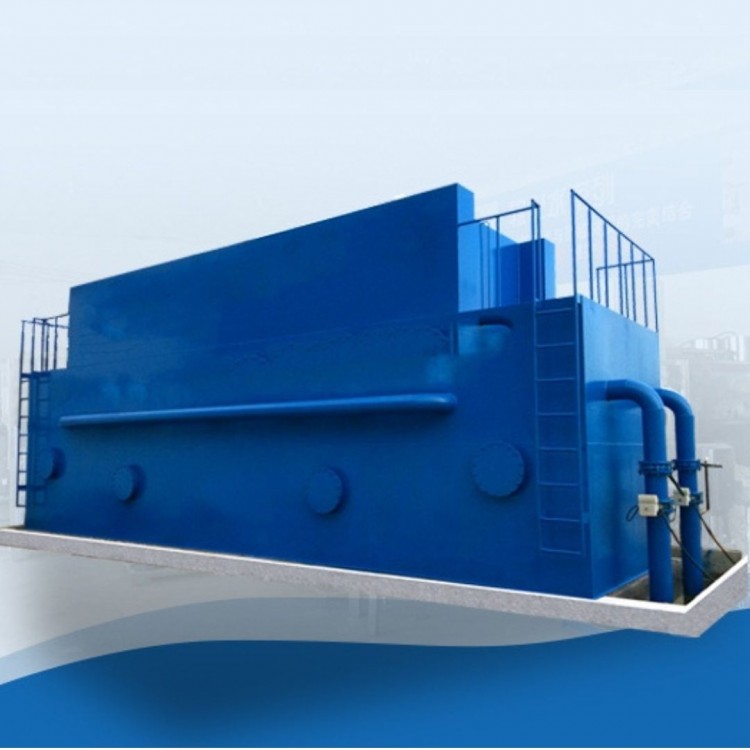
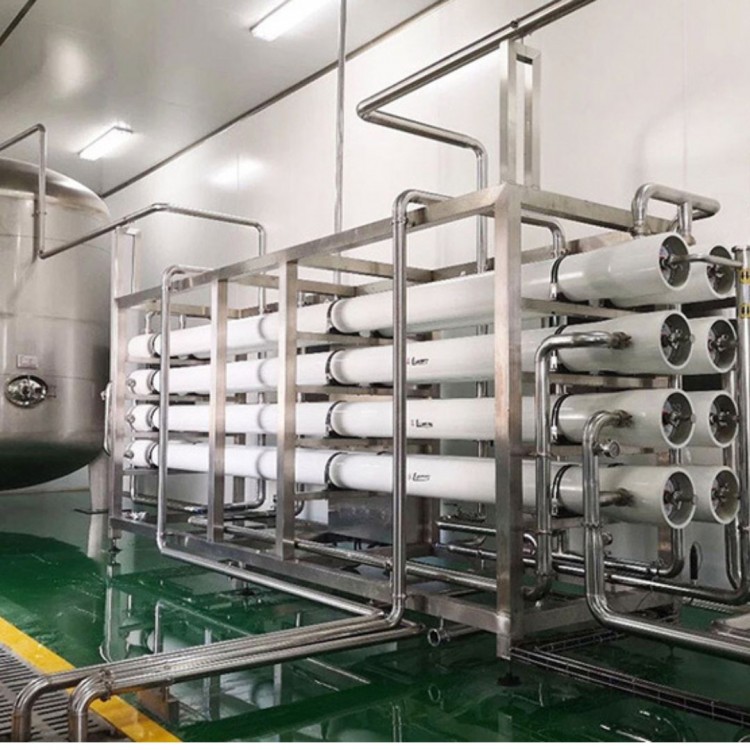
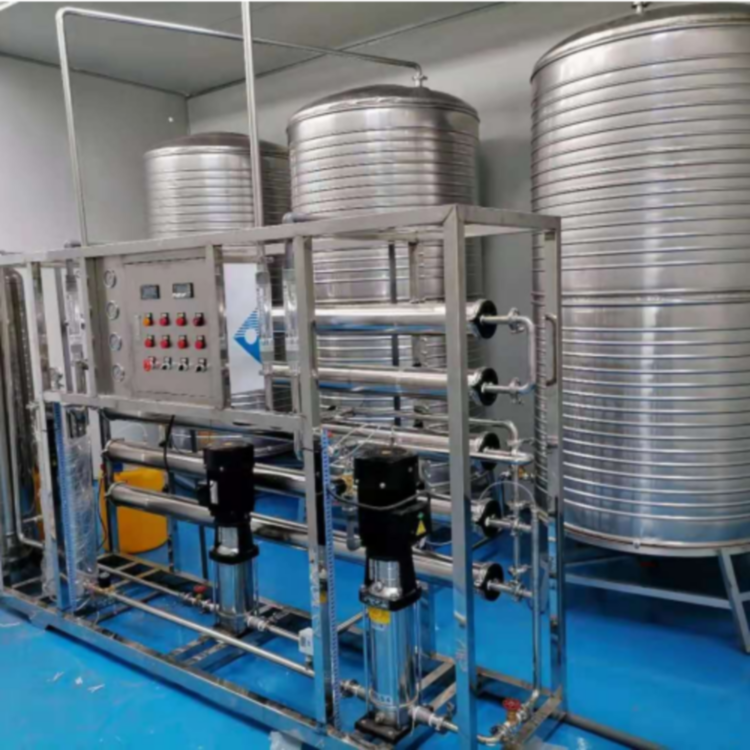





Application Fields:
1. Mineral Water: In the production of mineral water, ultra-filtration technology is applied. During engineering design, the pore size and membrane type of the ultra-filtration system will be selected based on the water quality analysis report of the mineral water source.
2. Food Products: In the production of food products such as dairy, juice, wine, and condiments, ultrafiltration technology is increasingly adopted. This includes separating proteins and low-molecular-weight lactose from milk or whey, clarifying juice, removing colored proteins, polysaccharides, and other colloidal impurities from wine, and eliminating bacteria from soy sauce and vinegar. Compared to traditional methods, this shows advantages such as economy, reliability, and quality assurance.
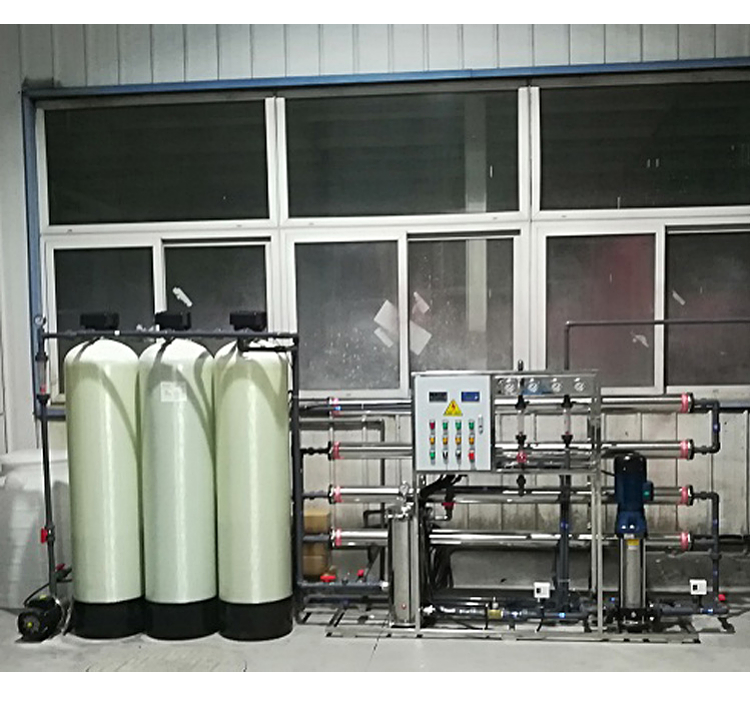
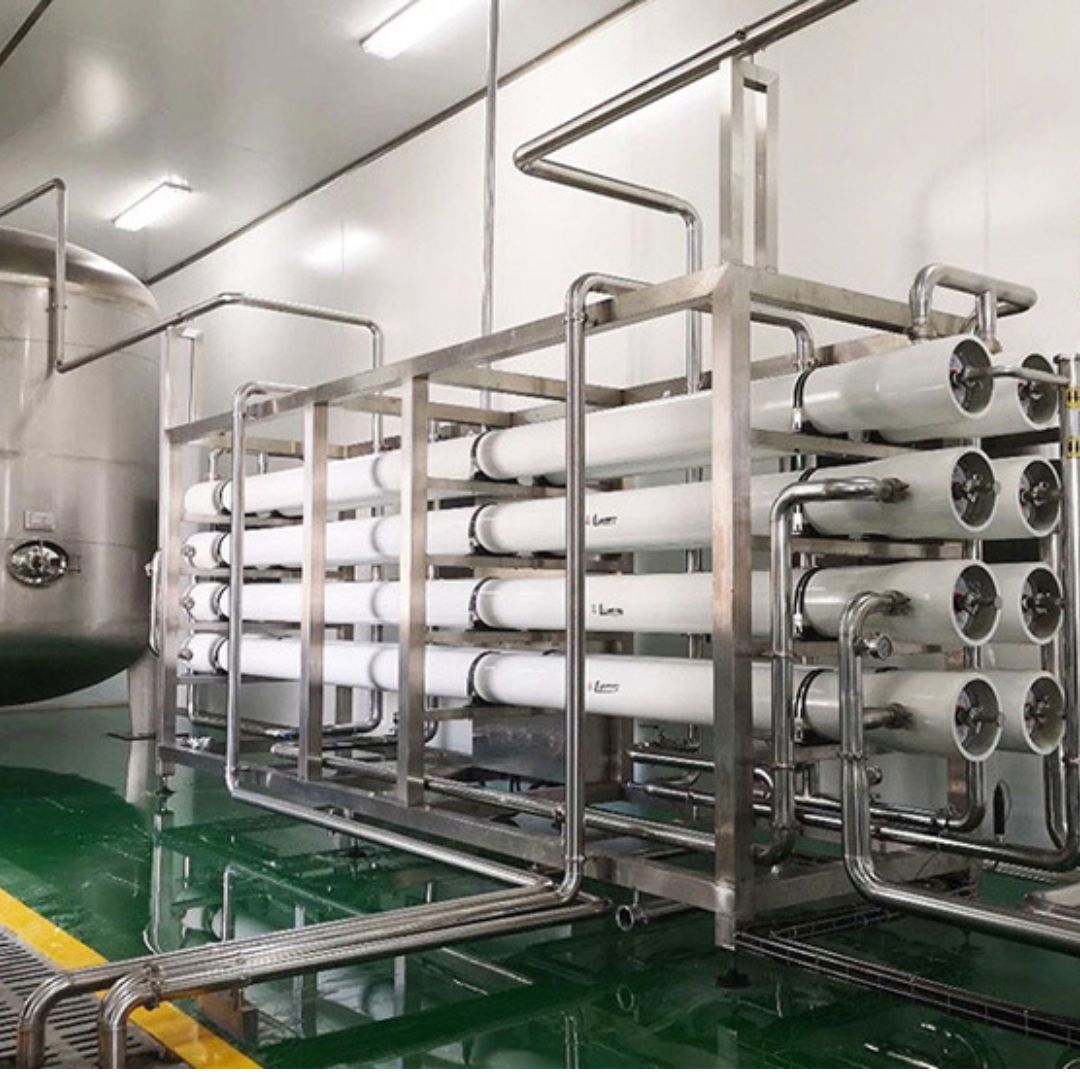
3. Pure Water, Ultra-Pure Water: Primary purification of industrial water, RO pretreatment for pure and ultra-pure water production, and terminal treatment of pure and ultra-pure water.
4. Environmental Protection: Deep treatment of industrial wastewater, urban reclaimed water recycling system, electro-phoresis paint and oil recovery.
5. Fermentation: Separation and refining of biochemical fermentation broth, concentration and refining of enzymes, clarification and filtration of sugar and xylitol.
Processing Capacity:
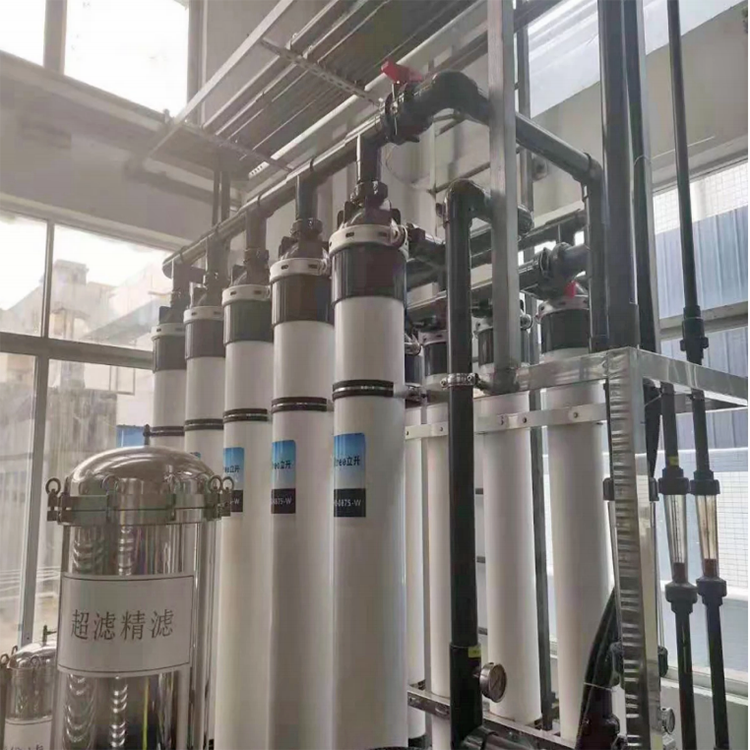
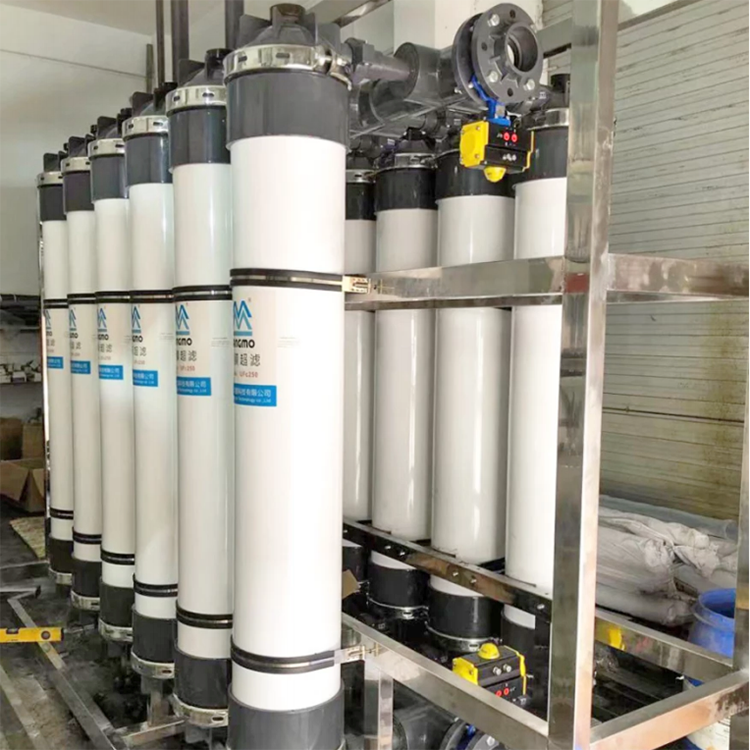
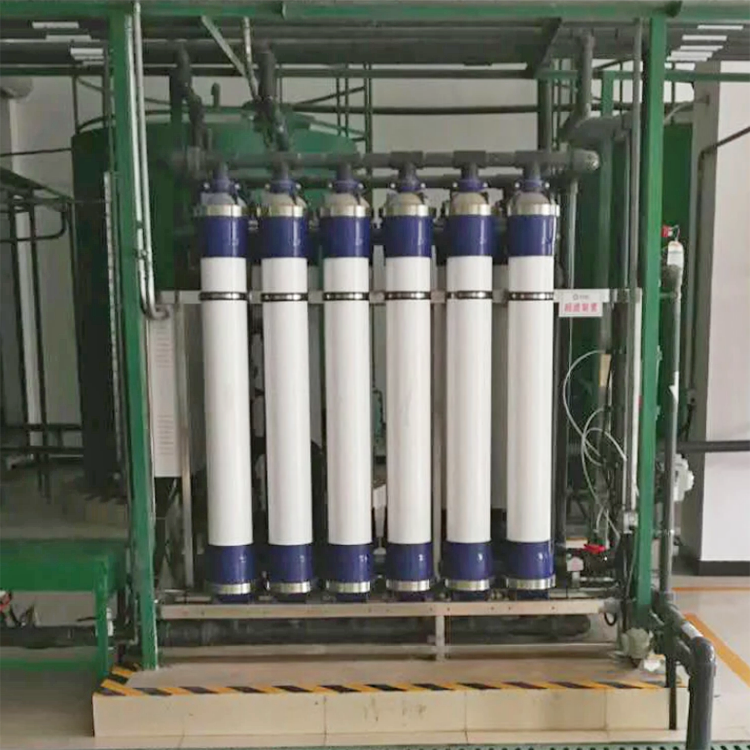
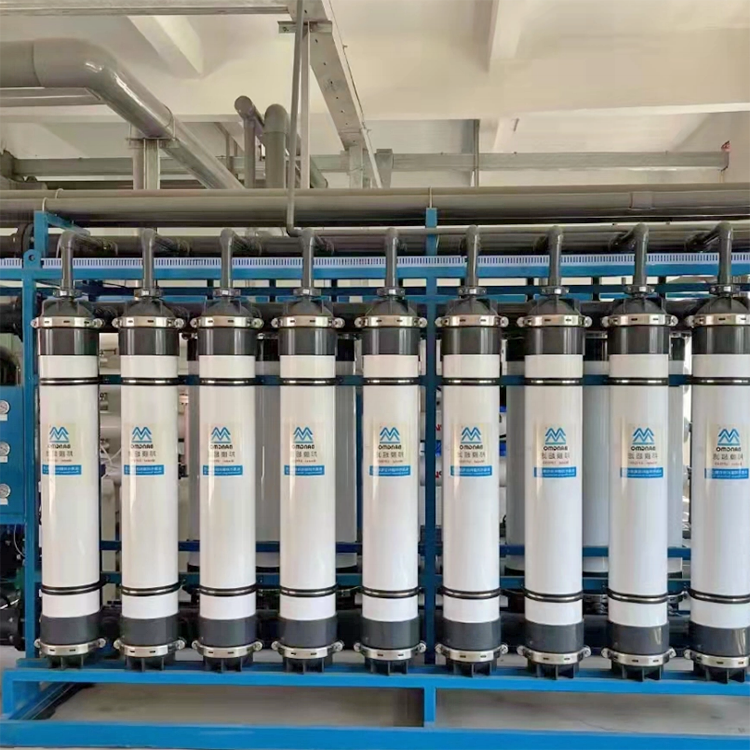
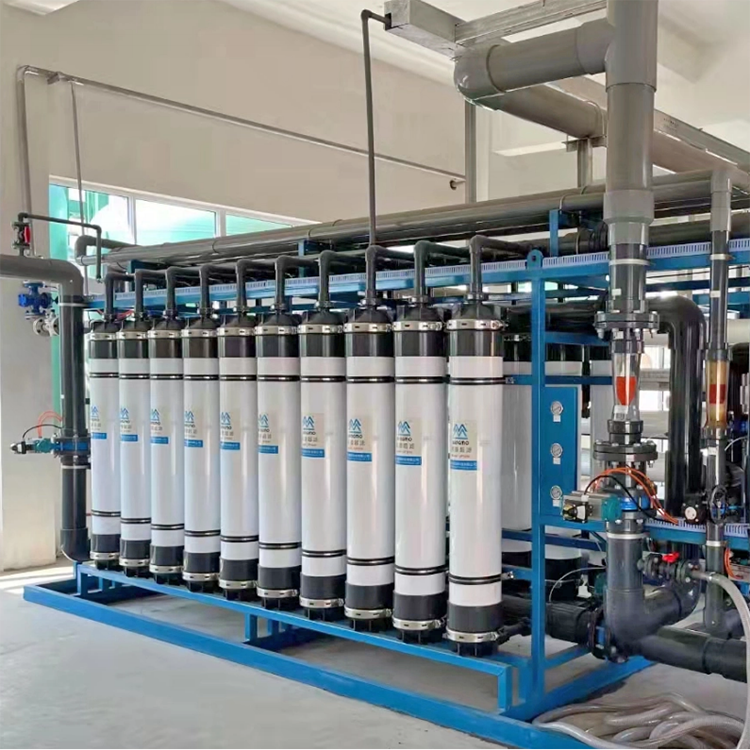
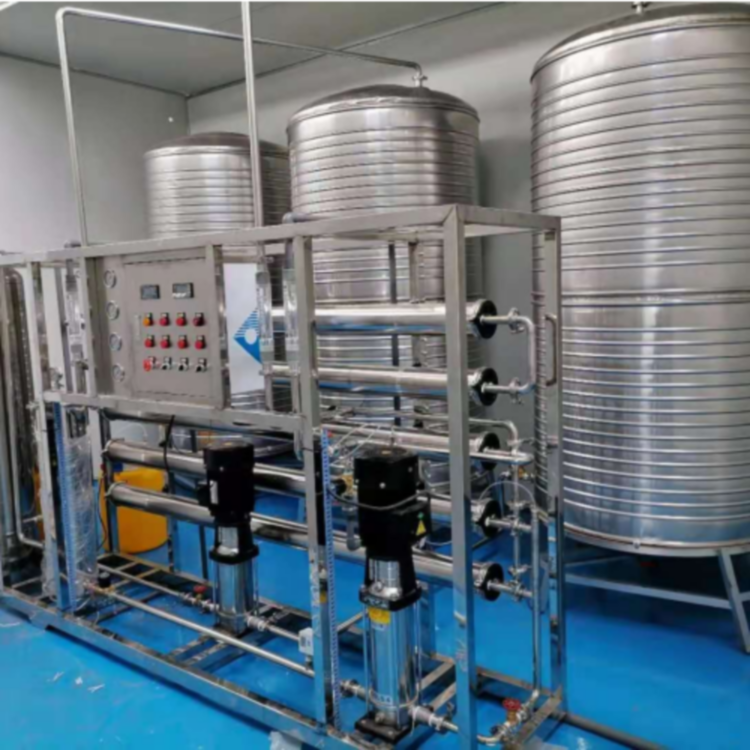
Ultrafiltration water treatment equipment is a membrane separation process driven by pressure. It can effectively retain particles and substances with diameters between 0.002-0.1 micrometers through the micropores on the membrane surface, removing colloids, silicon, proteins, microorganisms, and macromolecular organic matter from water. When the liquid flows over the membrane surface under a certain pressure, solvents and small molecules pass through the membrane, while macromolecules are retained, achieving separation and purification by size and molecular level. It is widely used in separation, concentration, and purification of substances. The ultrafiltration process does not involve phase change, requires no heating, operates at room temperature, saves energy, and is particularly suitable for separating heat-sensitive substances.