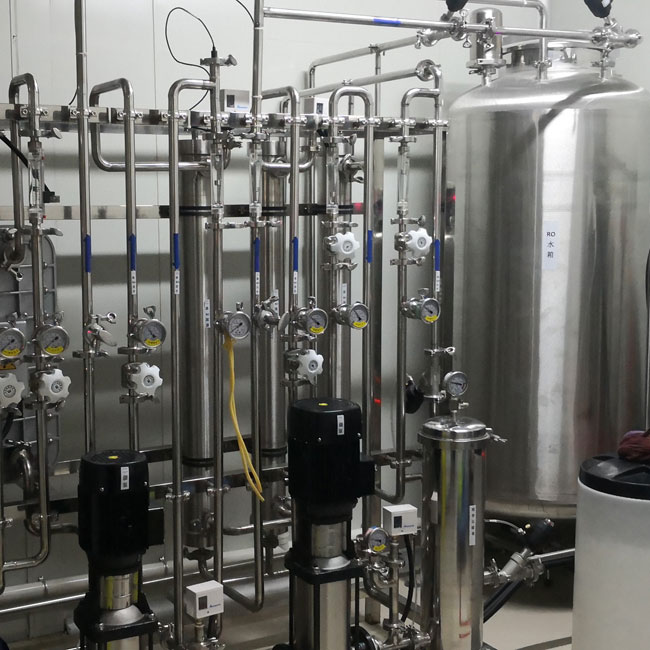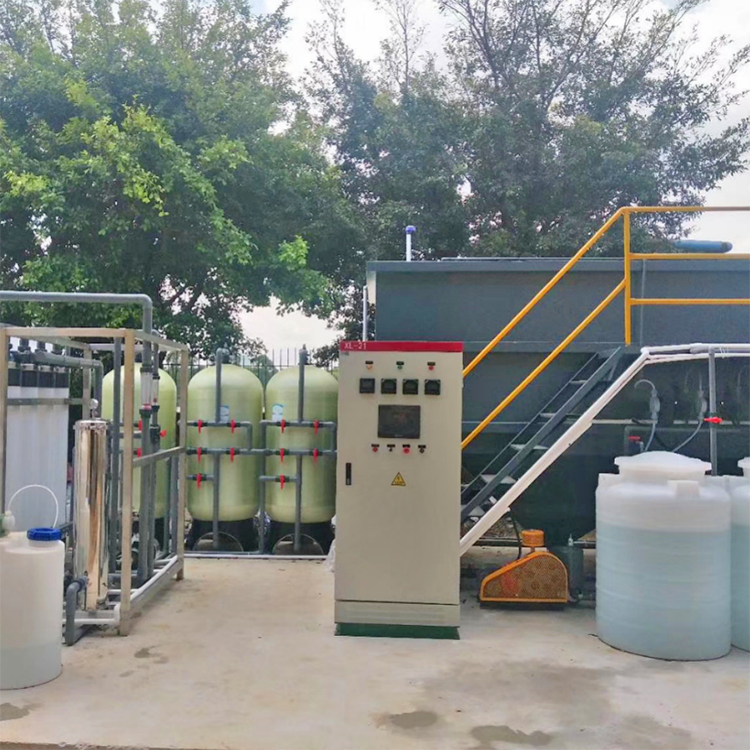

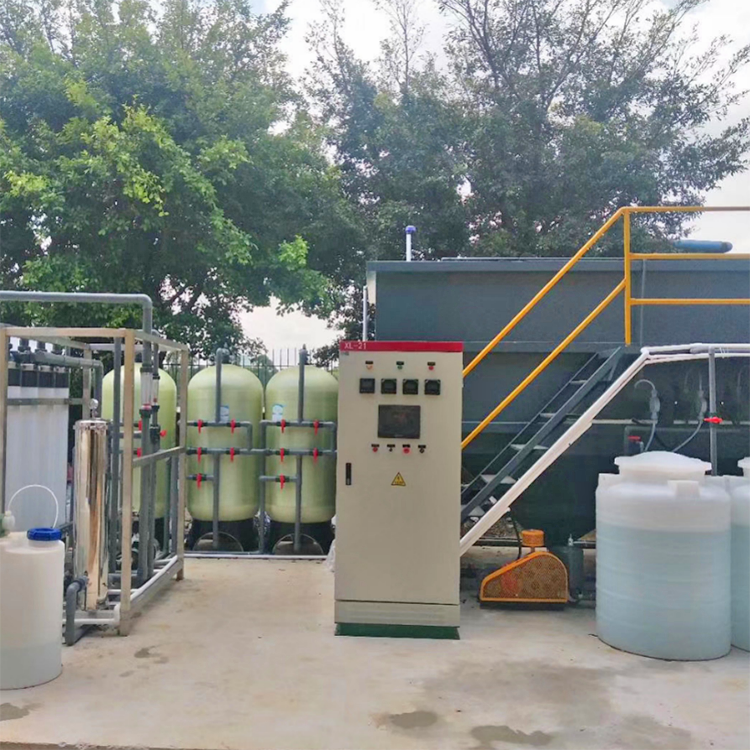
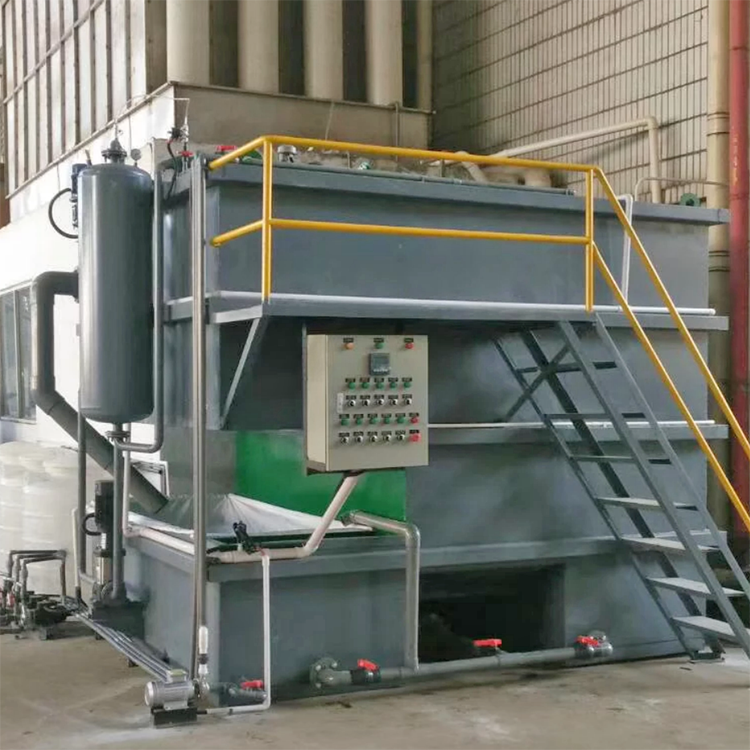







Process Description: Activated sludge method and biofilm method, the common aeration method and oxidation method we often encounter.
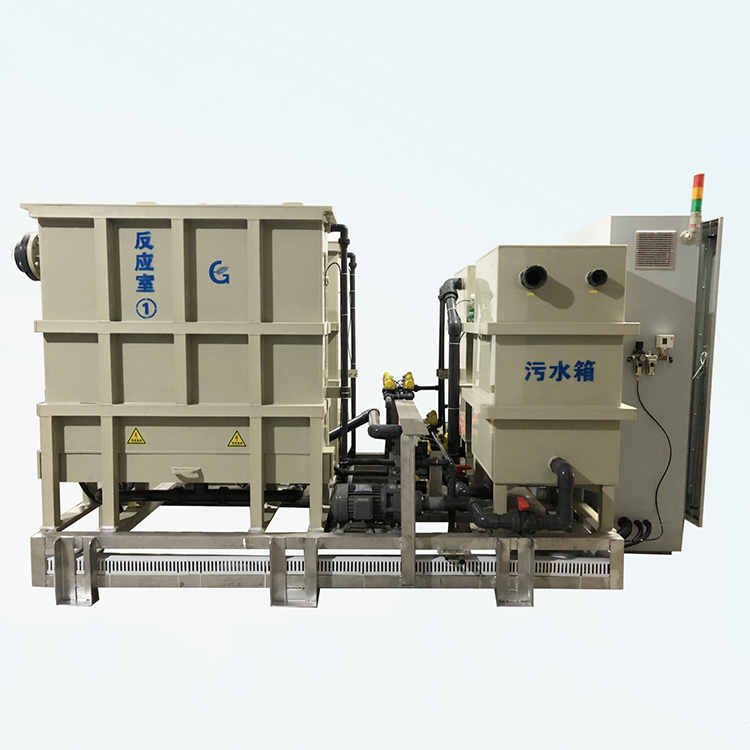
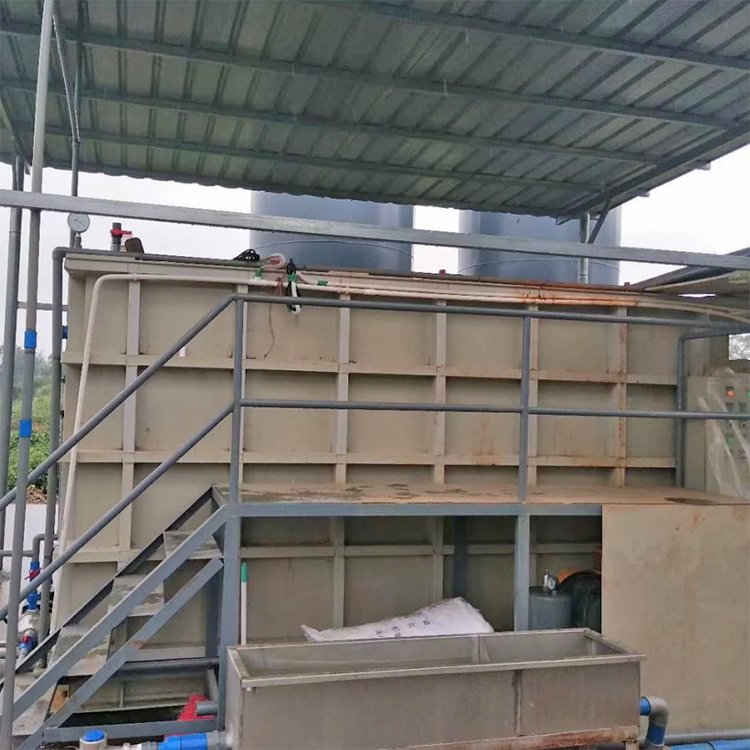
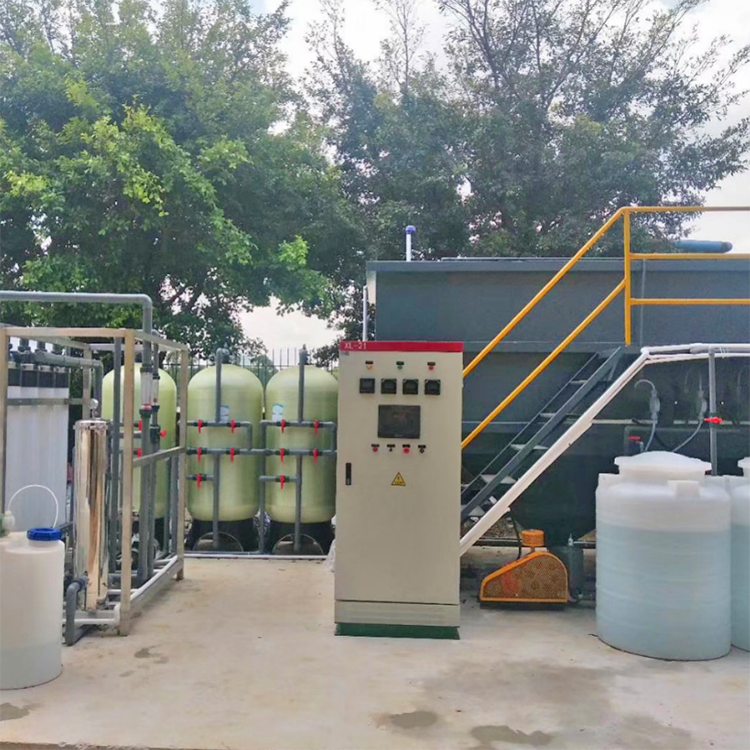
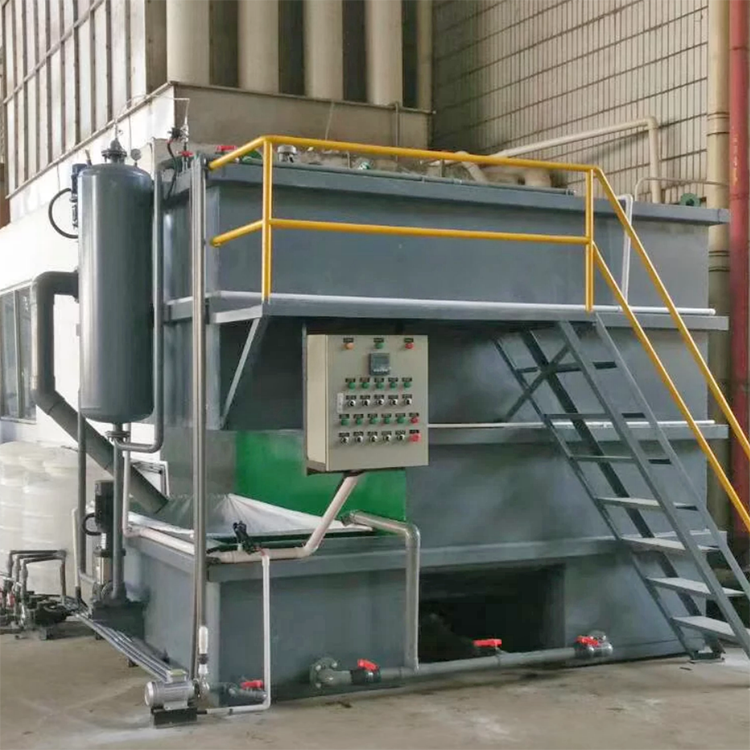
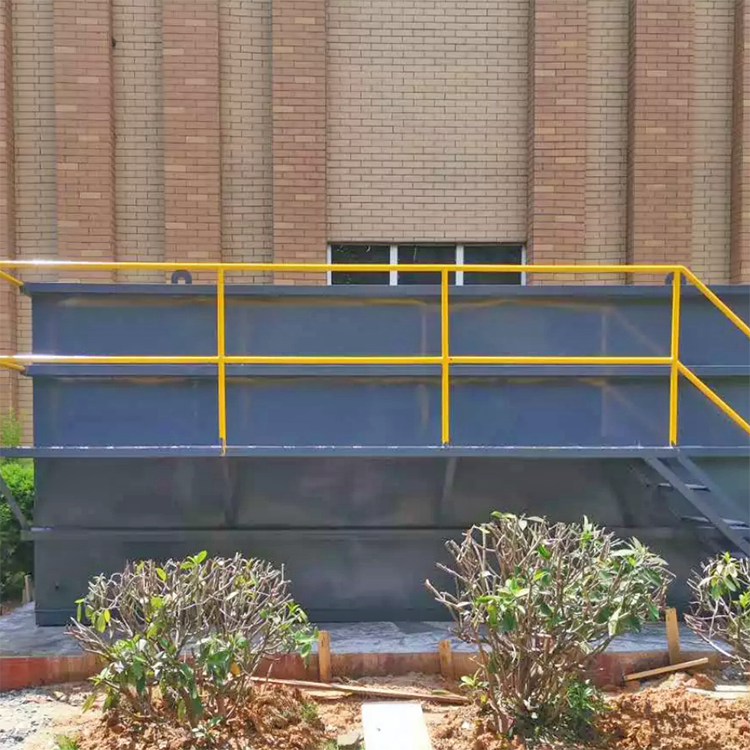
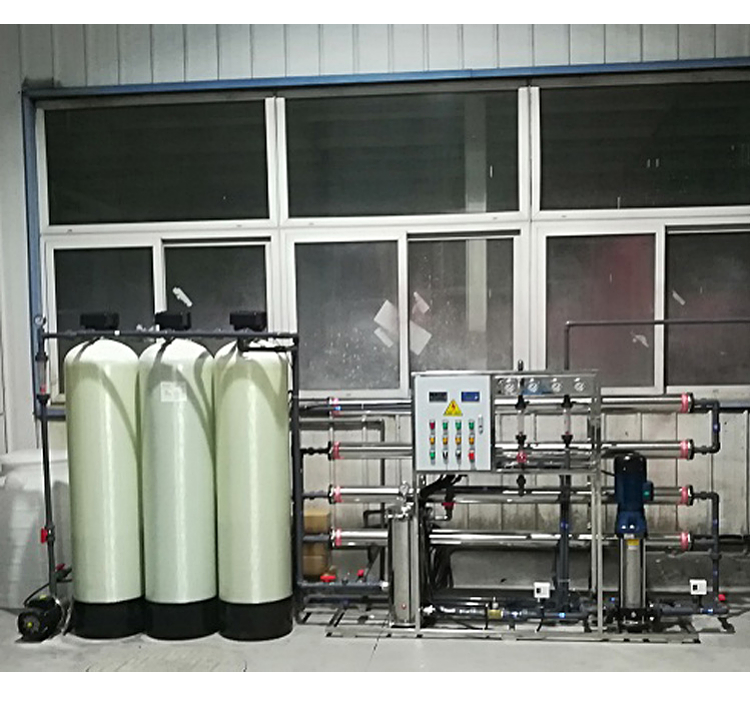
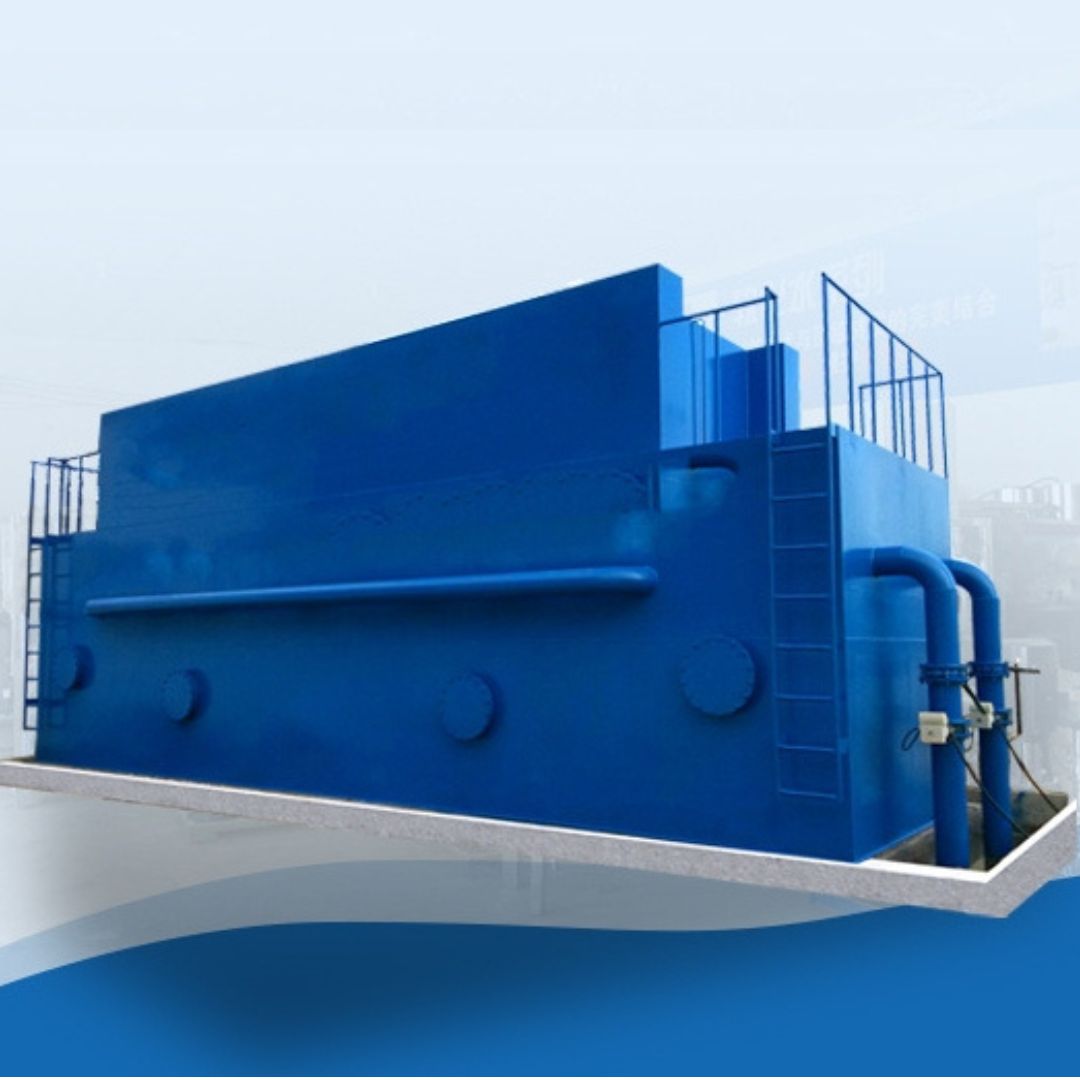
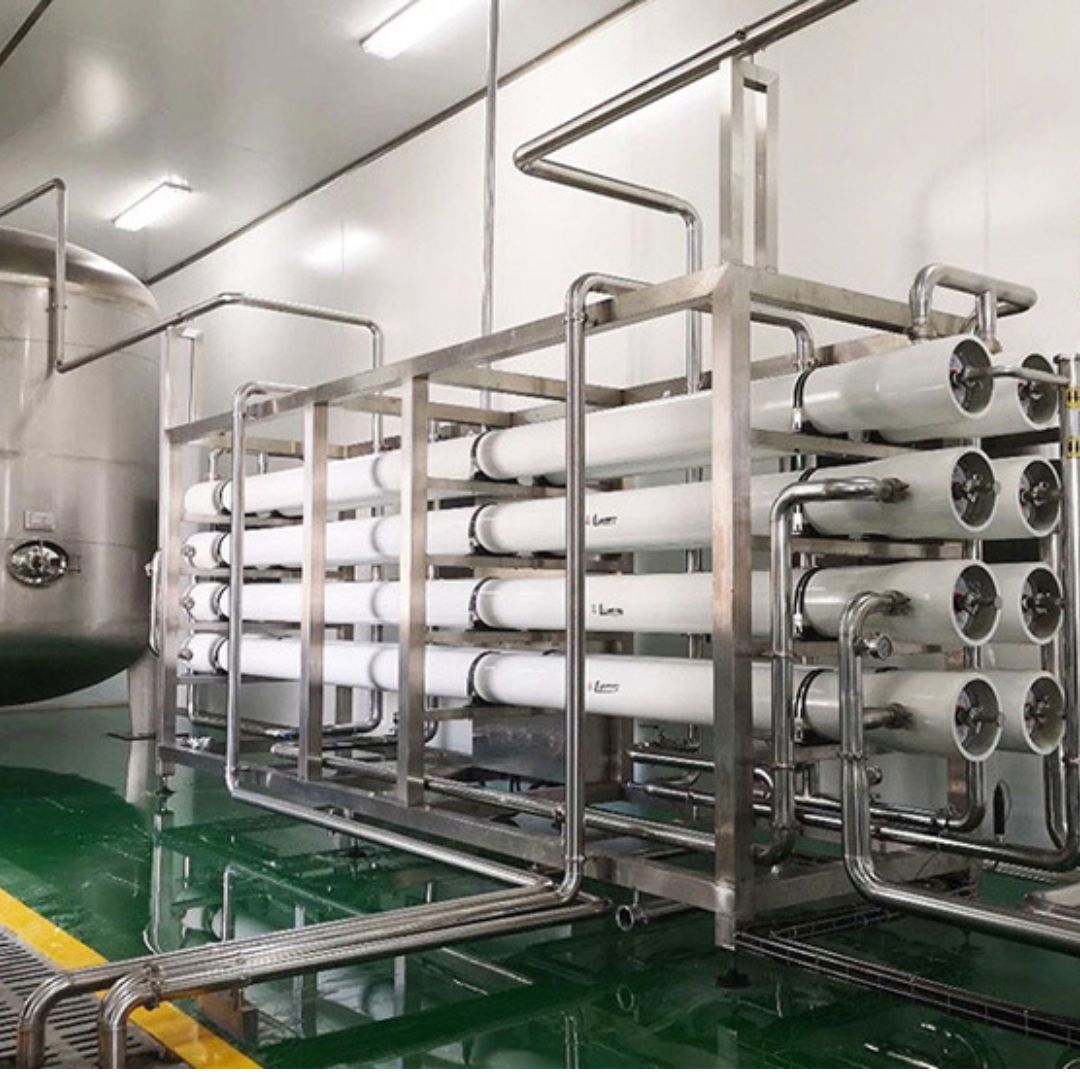
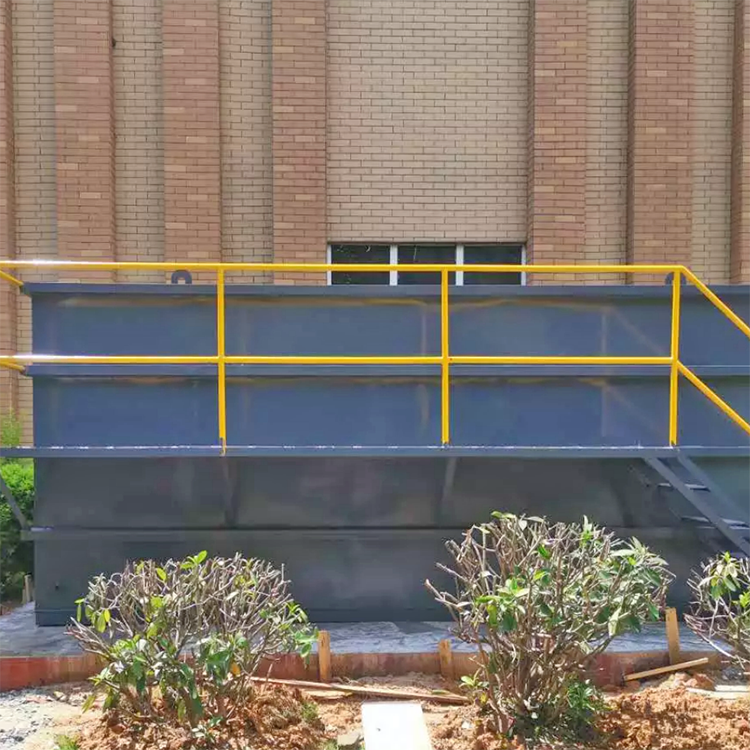
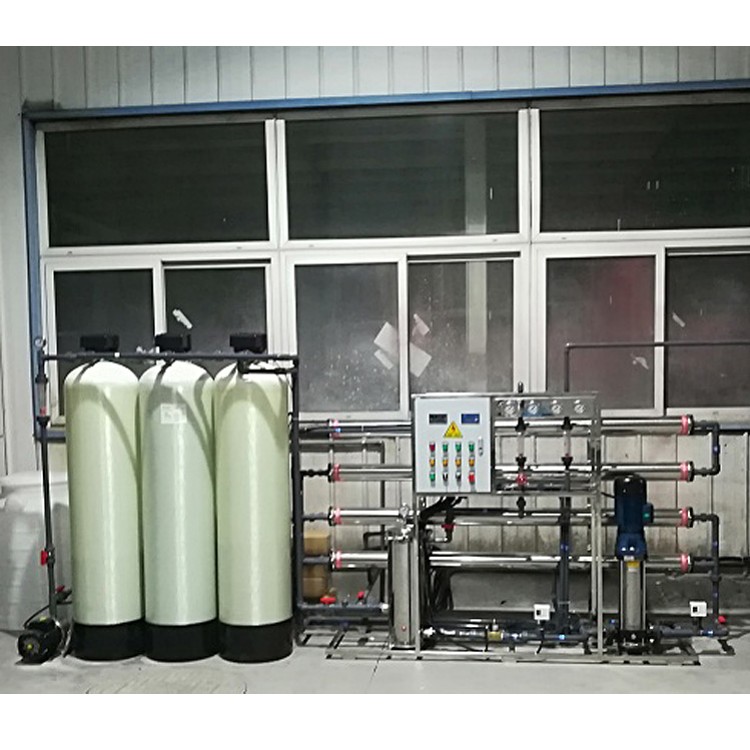
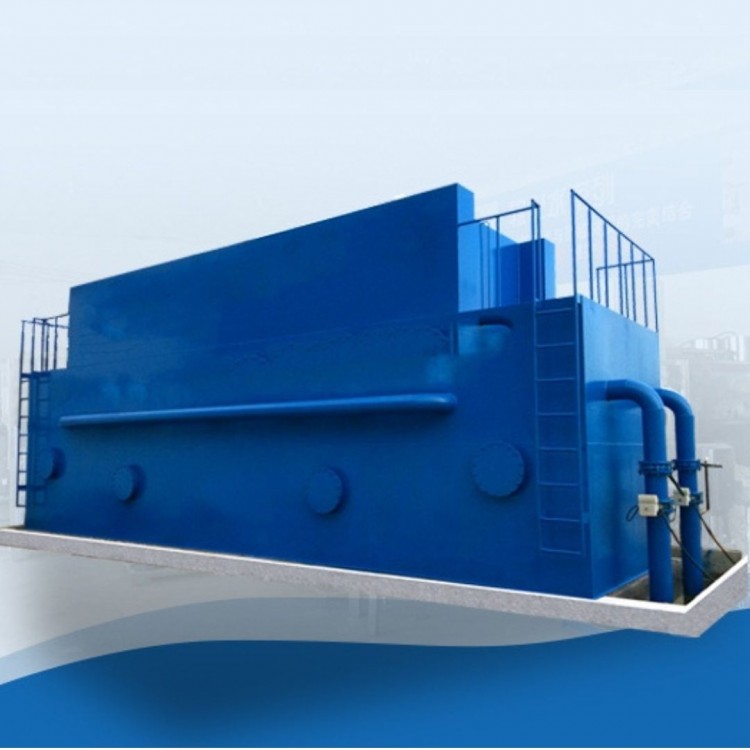
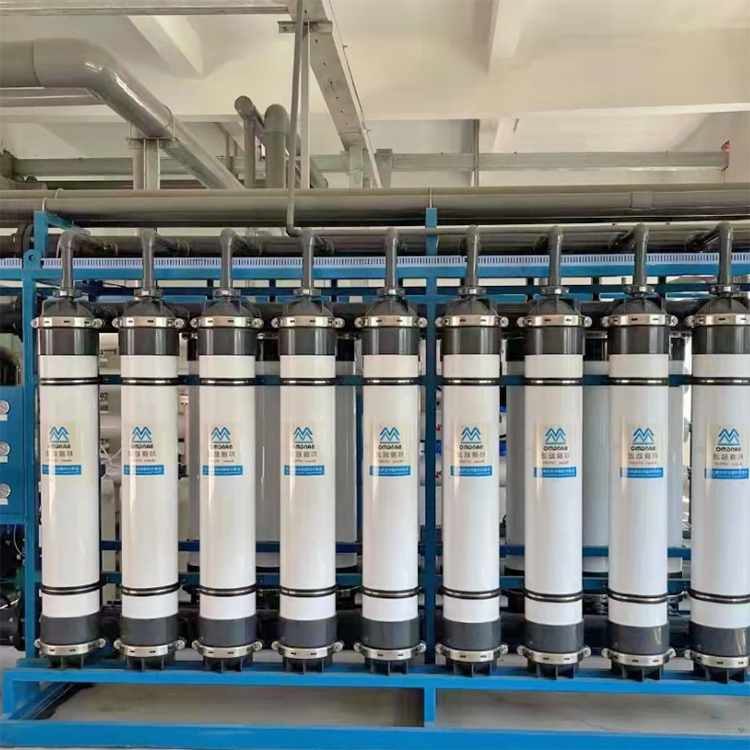
An integrated wastewater treatment equipment consolidates a sedimentation tank, a first and second-stage contact oxidation tank, a secondary sedimentation tank, and a sludge tank into one unit. It incorporates aeration in the first and second-stage contact oxidation tanks, effectively combining the contact oxidation process with the activated sludge process, harnessing the benefits of both methods to enhance the wastewater treatment level.
Key Equipment Advantages:
1. Strong impact load resistance. The average retention time in contact oxidation method is over 6 hours.
2. Capable of denitrification and phosphorus removal, and able to treat industrial wastewater, domestic wastewater, and urban wastewater by adjusting the structure of the equipment.
3. The contact oxidation tank is filled with mainly composite soft media, which is lightweight, high in strength, and stable in physical and chemical properties; with a large specific surface area. It has strong biofilm attachment capabilities and high contact efficiency between wastewater and the biofilm.
4. The contact oxidation tank employs aeration for aeration blowing. This causes the fiber bundles to continuously float, ensuring uniform aeration, promoting the growth and maturation of microorganisms, and exhibiting characteristics of the activated sludge process.
5. Stable effluent water quality, low sludge production and easy treatment.
6. Submersible pumps can be installed within the equipment, ensuring reasonable overall space utilization.
7. Easy to achieve full automatic control; simple management and operation.