










I. Core Definitions and Working Principles
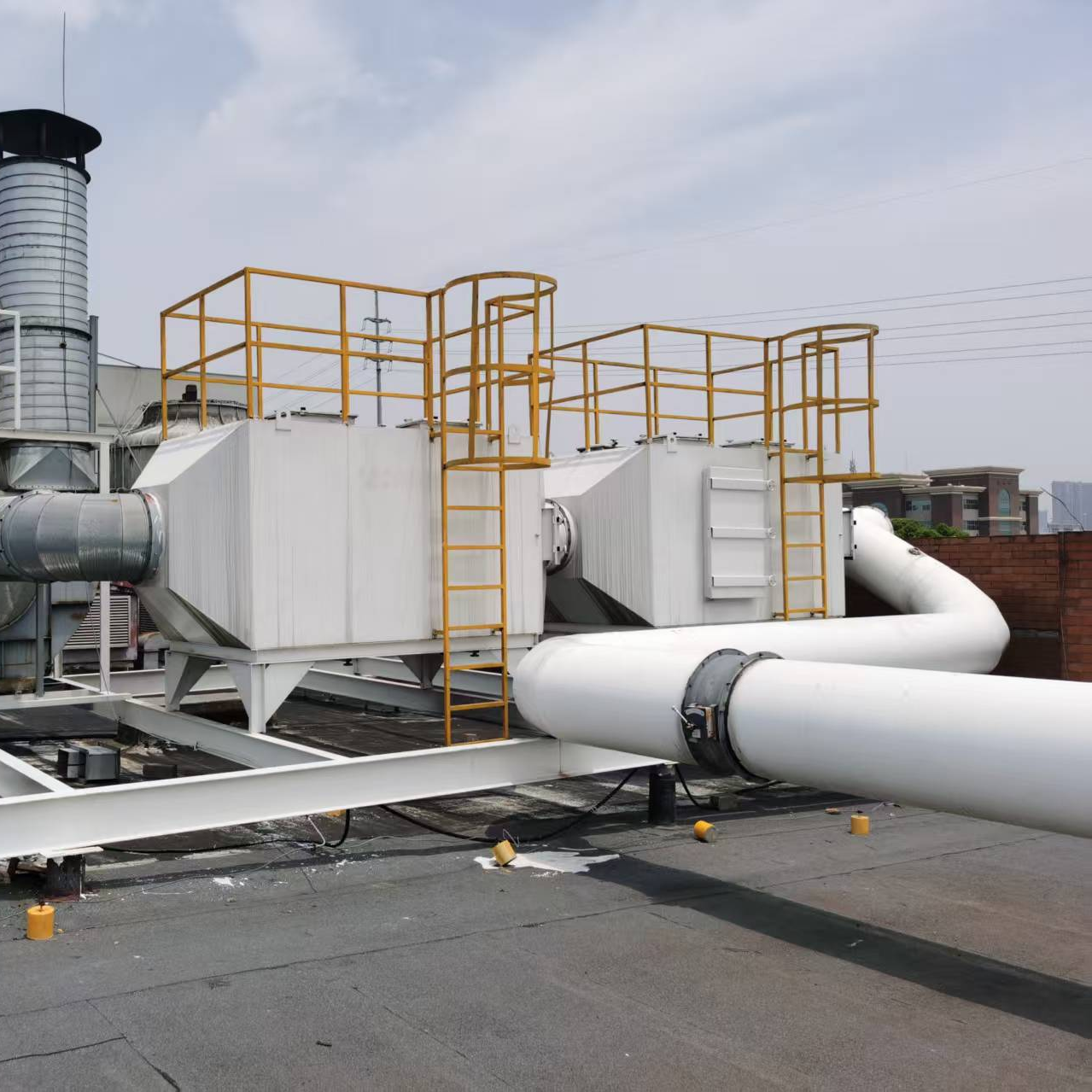
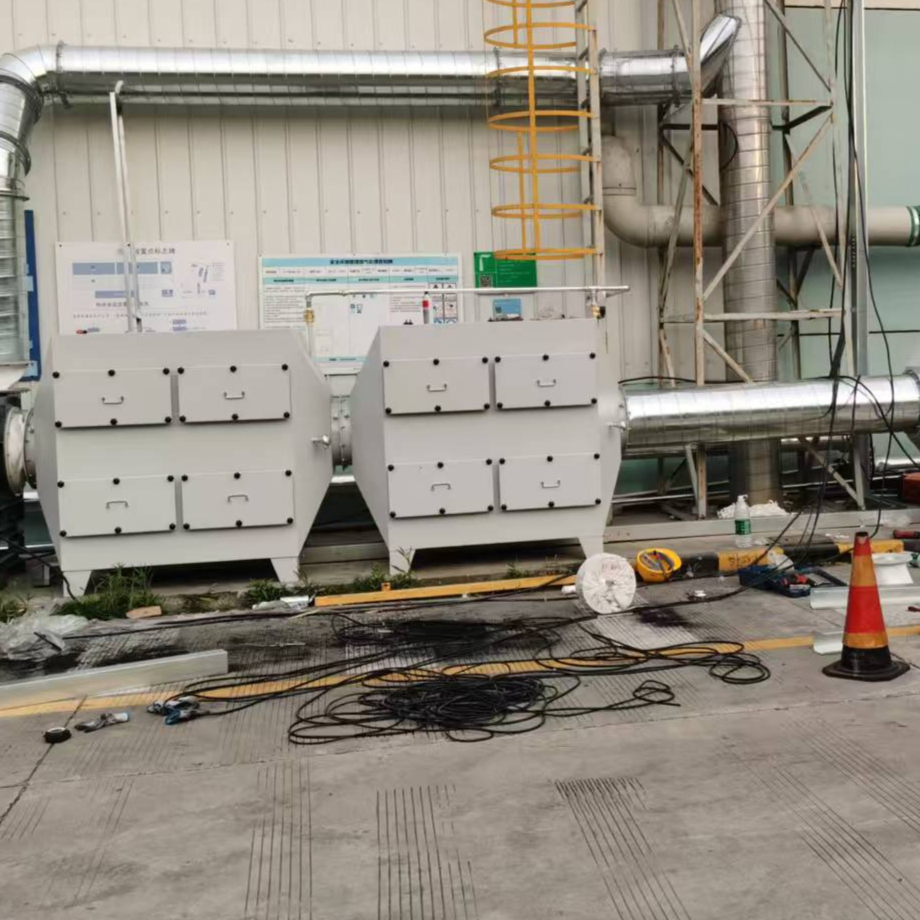
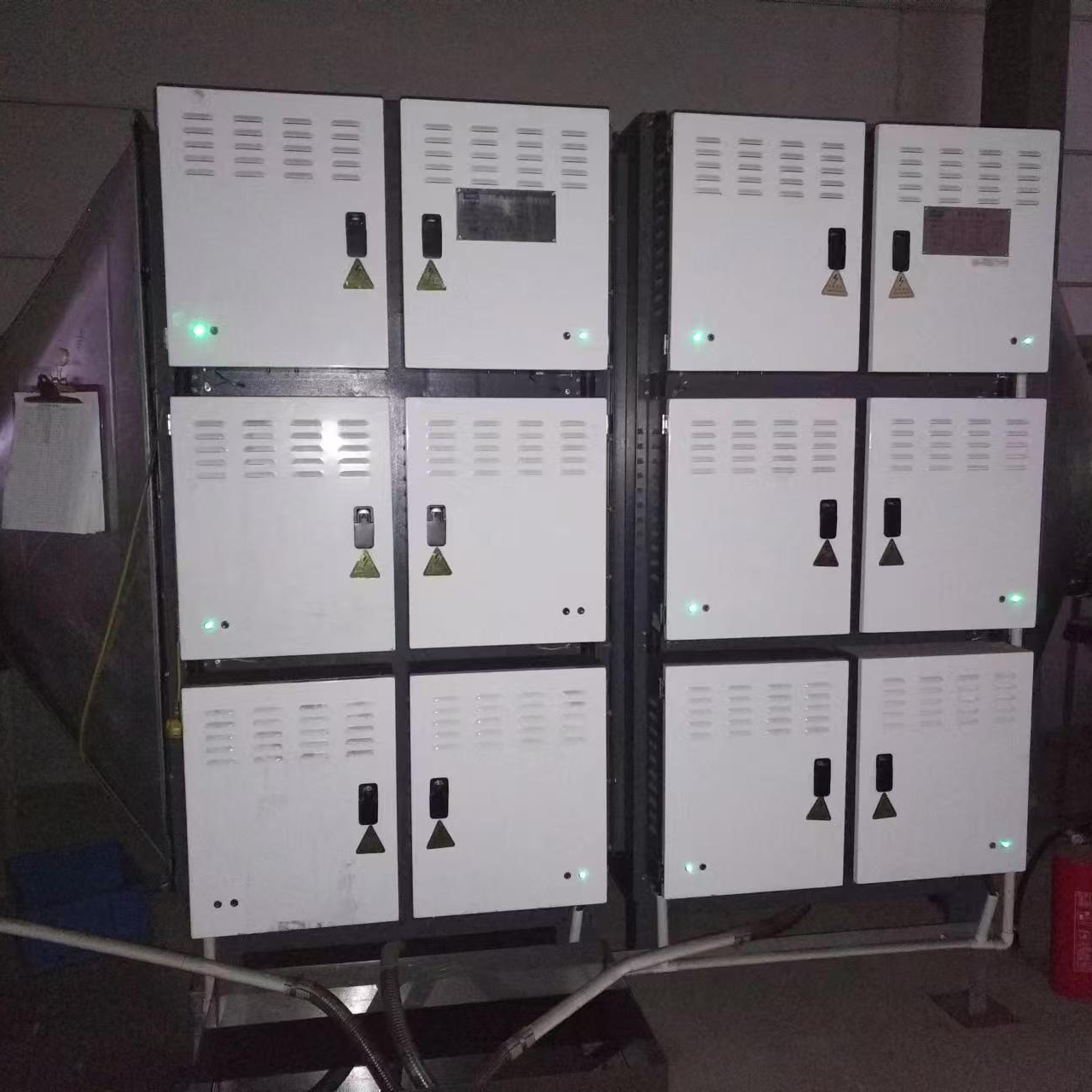
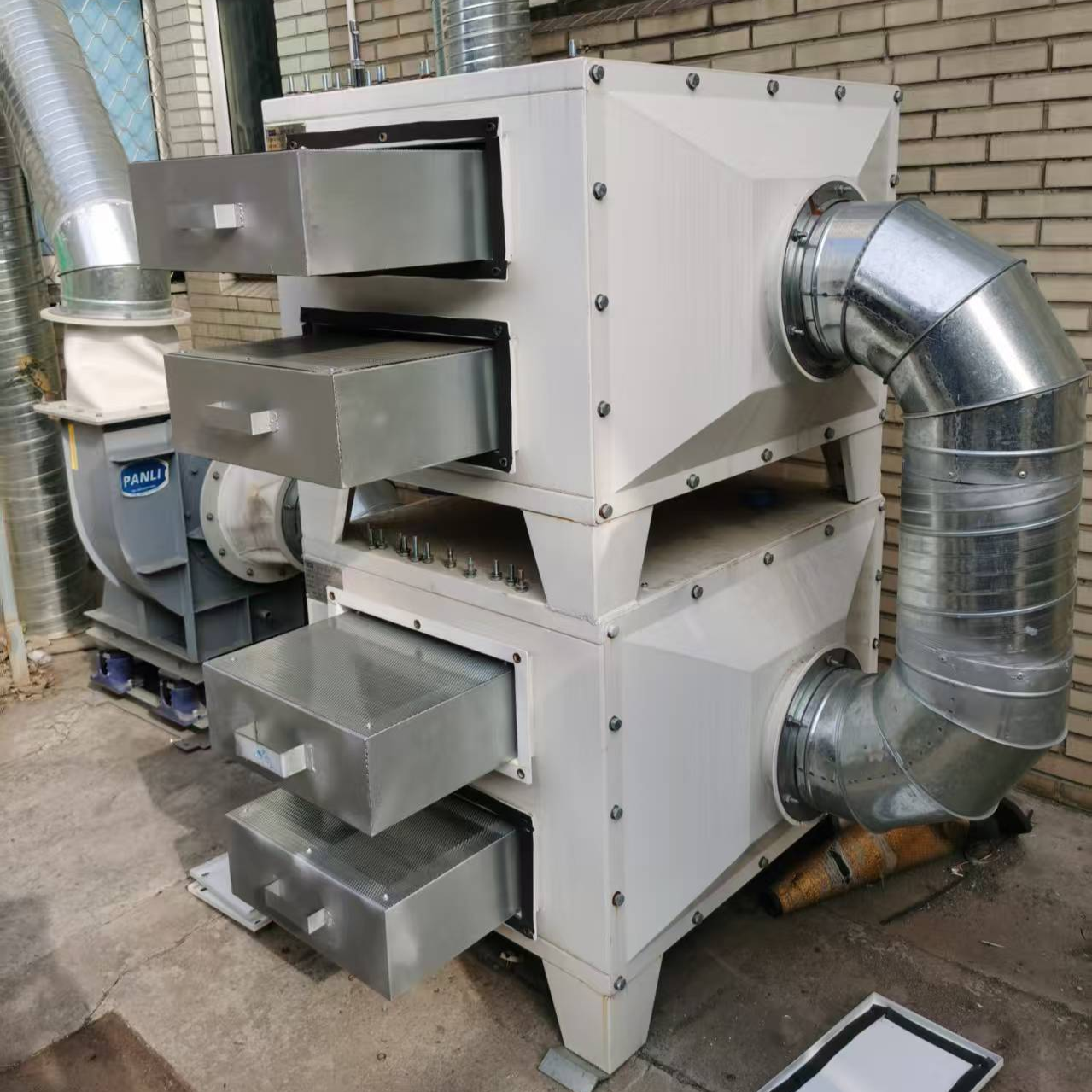
A activated carbon box is a dry waste gas treatment device that utilizes the physical adsorption characteristics of the highly porous and large specific surface area of activated carbon to remove organic pollutants, odors, and toxic chemicals from waste gases. Its working principle is divided into two stages:
- Adsorption processWaste gas is drawn into the chamber by the fan's negative pressure. As it passes through the activated carbon layer, pollutants are captured by the unoccupied molecular attraction or chemical bonding forces on the activated carbon surface, coalescing and retained in the pores, while clean gas penetrates the carbon layer and is released. For example, benzene compounds in paint-spraying waste gas and VOCs (volatile organic compounds) in printing waste gas can be efficiently adsorbed.
- Recycling processOnce activated carbon adsorption reaches saturation, its adsorption capacity can be restored through thermal regeneration (vaporizing pollutants by baking at 300°C) or cold regeneration (gas flow and composition control to gasify pollutants at low temperatures), thereby achieving recycling.
Section 2: Structural Design and Material Selection
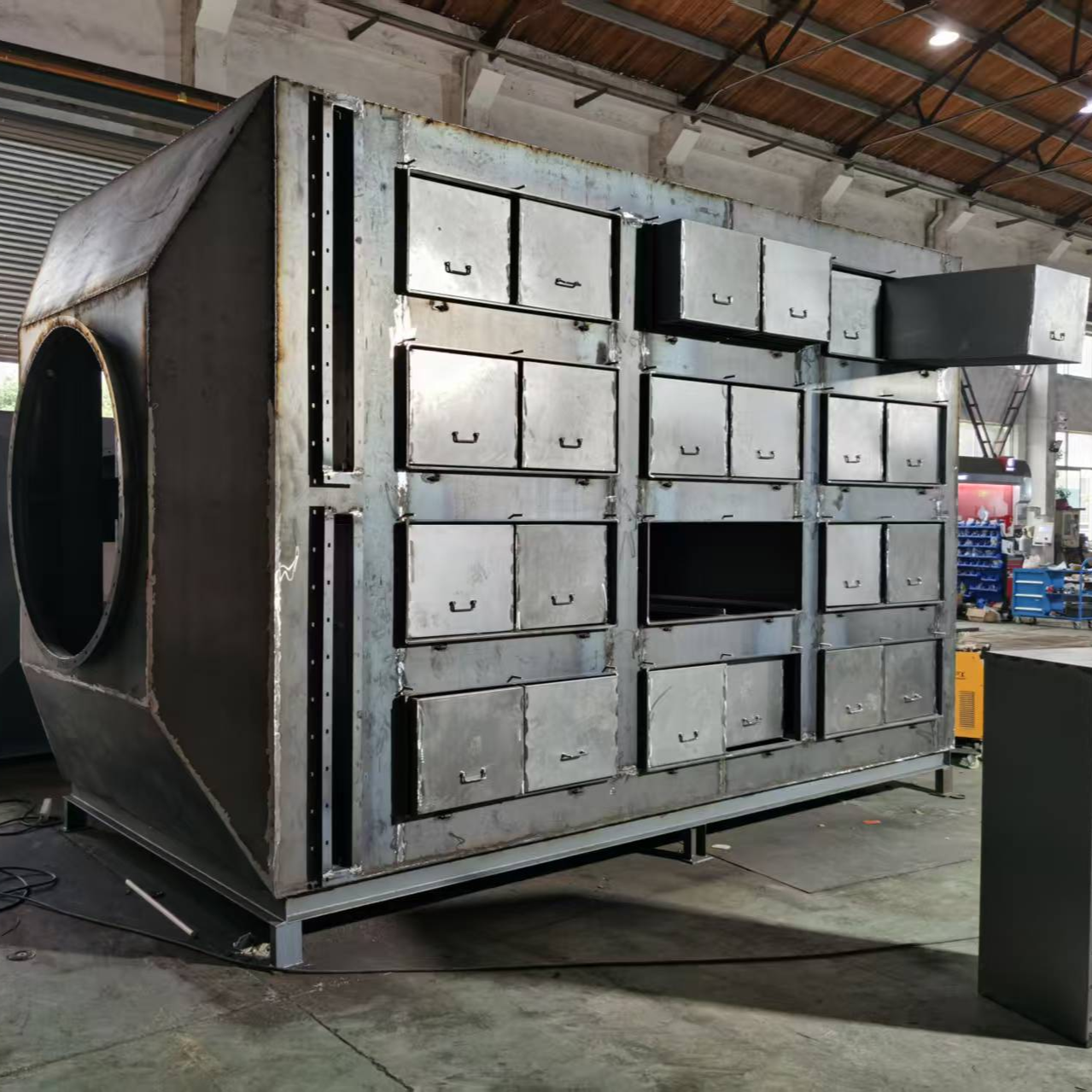
- Structural form:
- Drawer-style structureEasy for activated carbon replacement, commonly found in small to medium-sized equipment.
- Fixed bed structureSuited for high-volume applications, such as industrial painting lines.
- Modular designSupports rapid scaling to meet various processing requirements.
- Material Selection:
- CasingCarbon steel (economic), 304/316 stainless steel (corrosion-resistant, suitable for chemical industry)
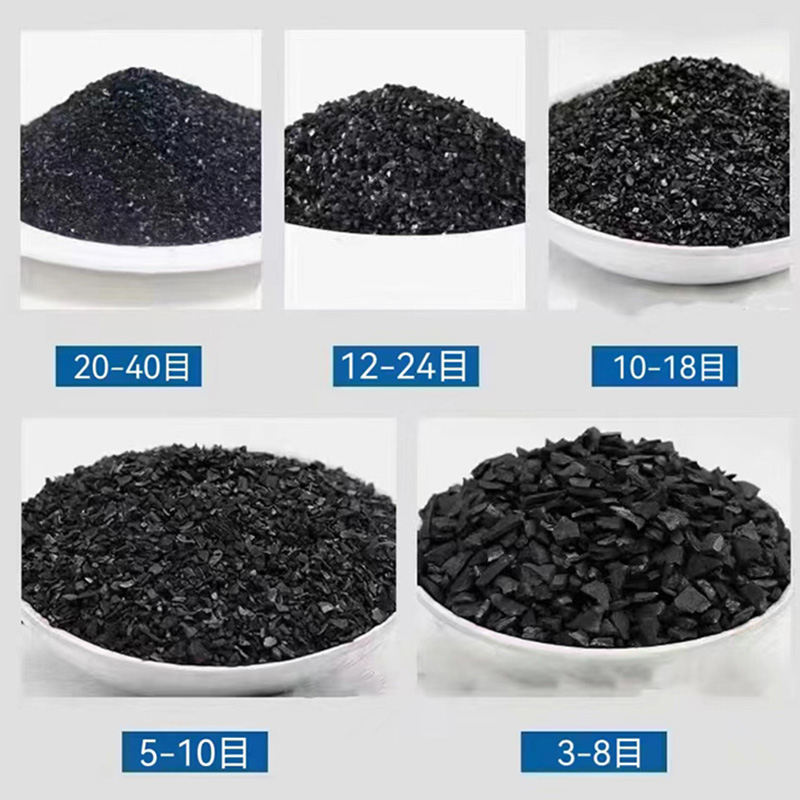
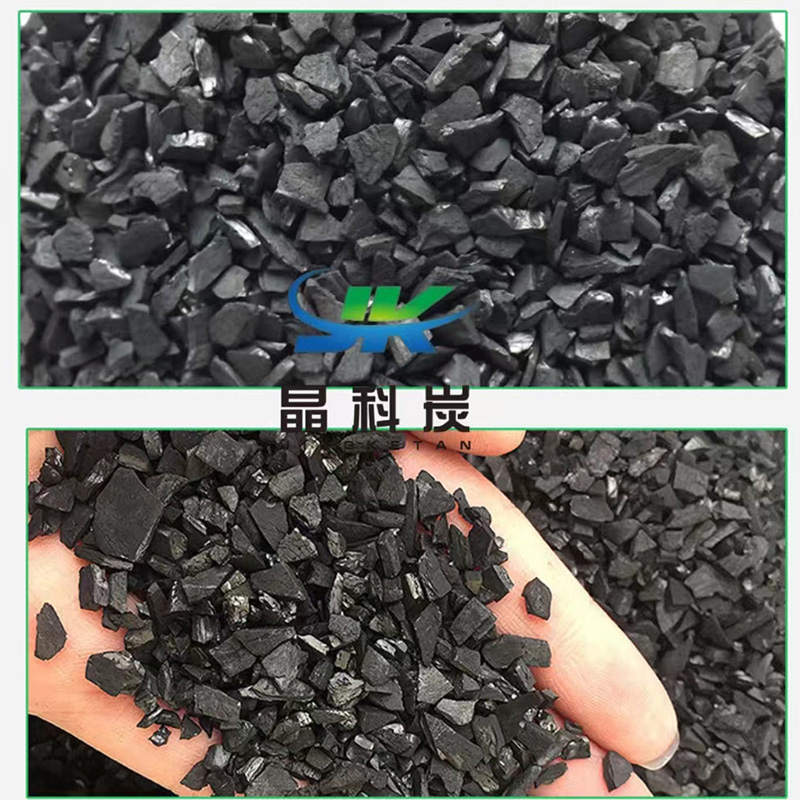
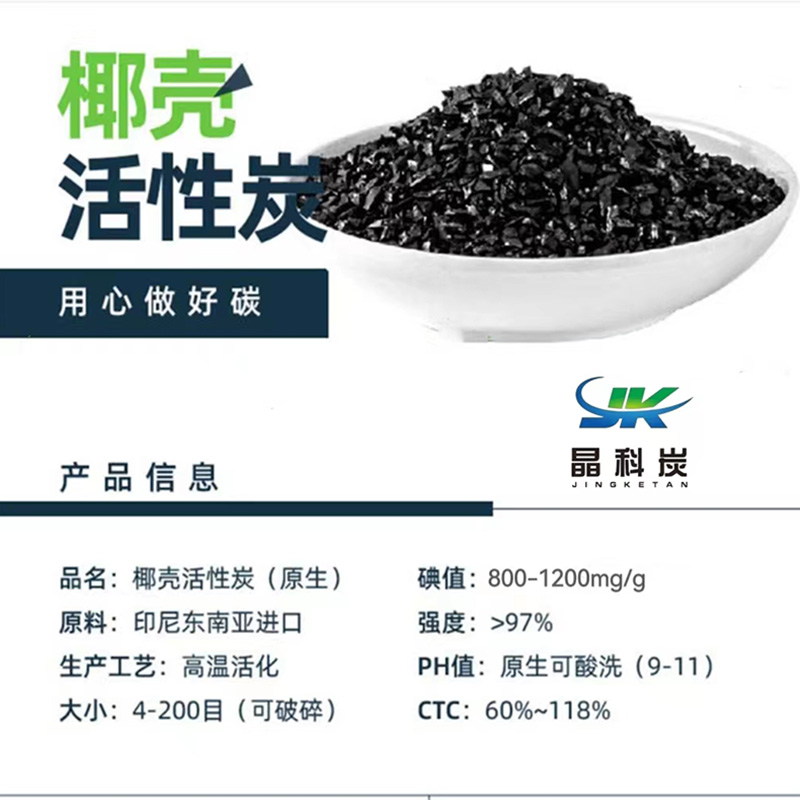
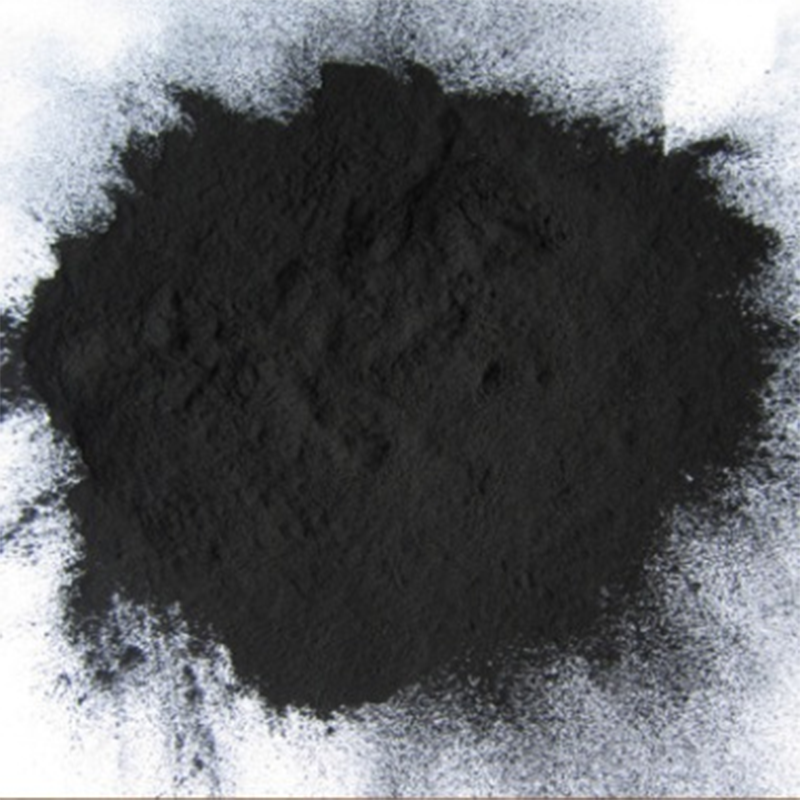
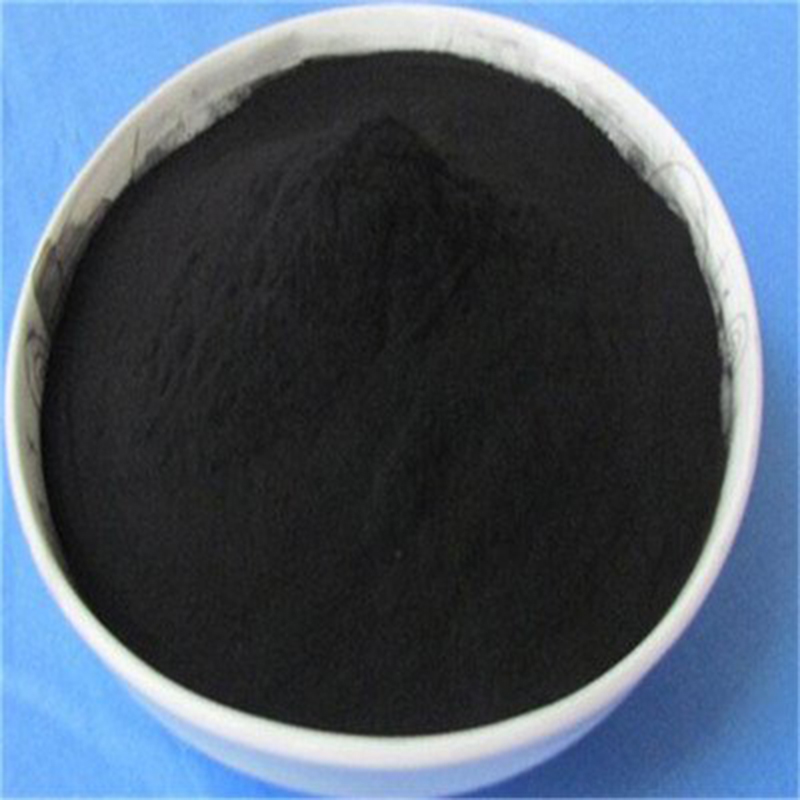
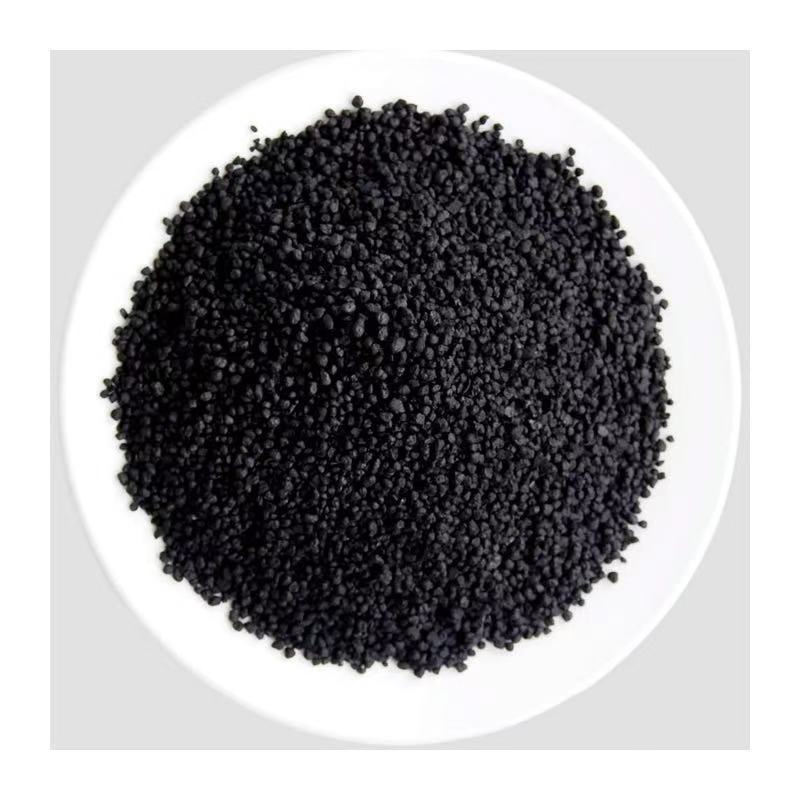
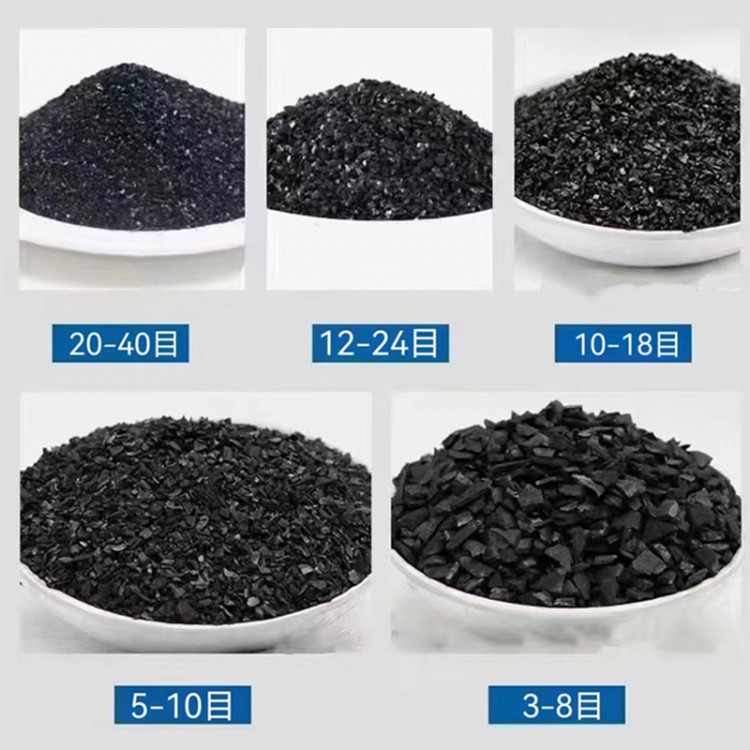
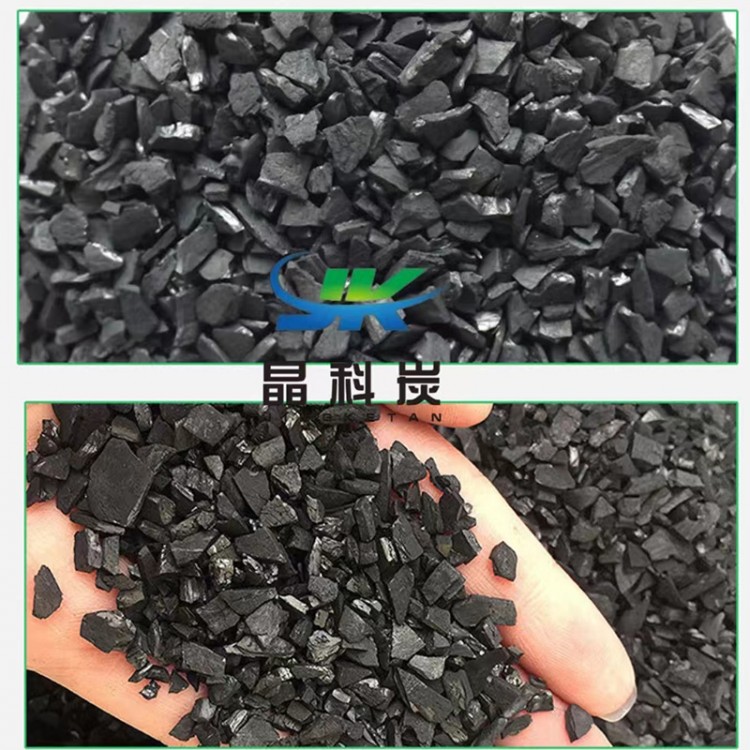
- Activated CarbonCoconut shell activated carbon (high adsorption efficiency, suitable for low concentration waste gas), coal-based activated carbon (low cost, suitable for high concentration waste gas), honeycomb activated carbon (low resistance, ideal for high airflow scenarios).
- Corrosion protection treatmentThe interior wall of the box is coated with epoxy resin or fiberglass, extending the lifespan of the equipment.