








Sanmenxia crushed stone plastic drainage channels price, plastic drain channels, crushed stone plastic drain channels, price of plastic drain channels
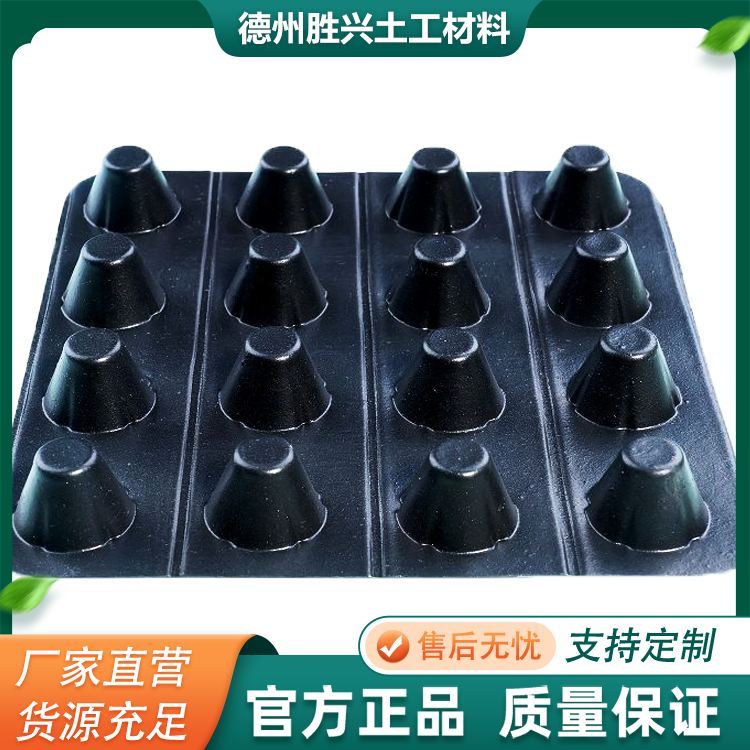
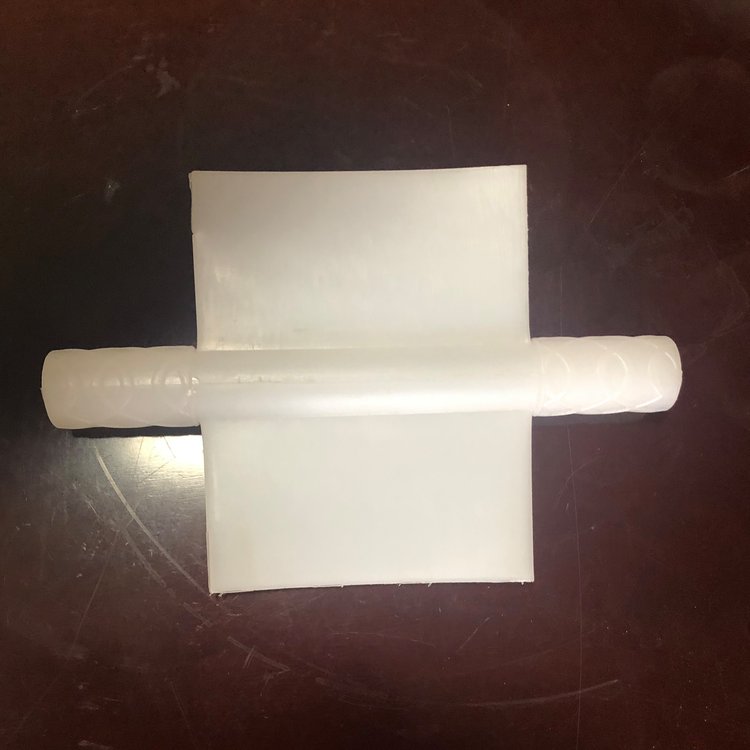
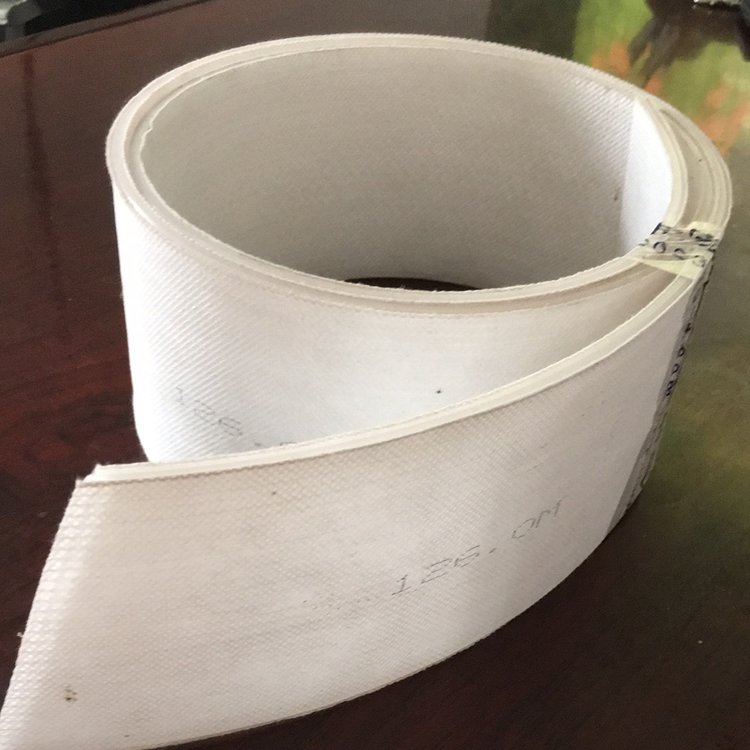
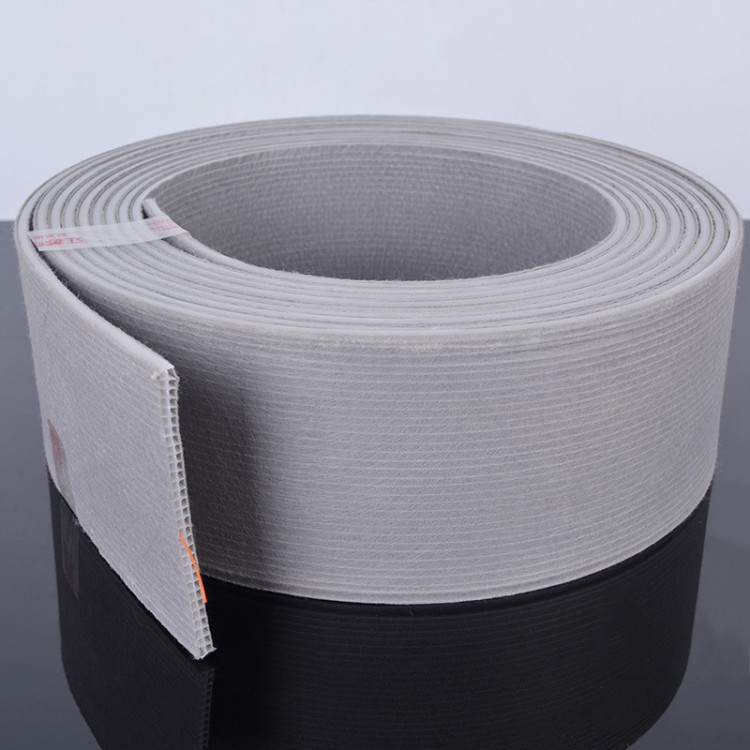
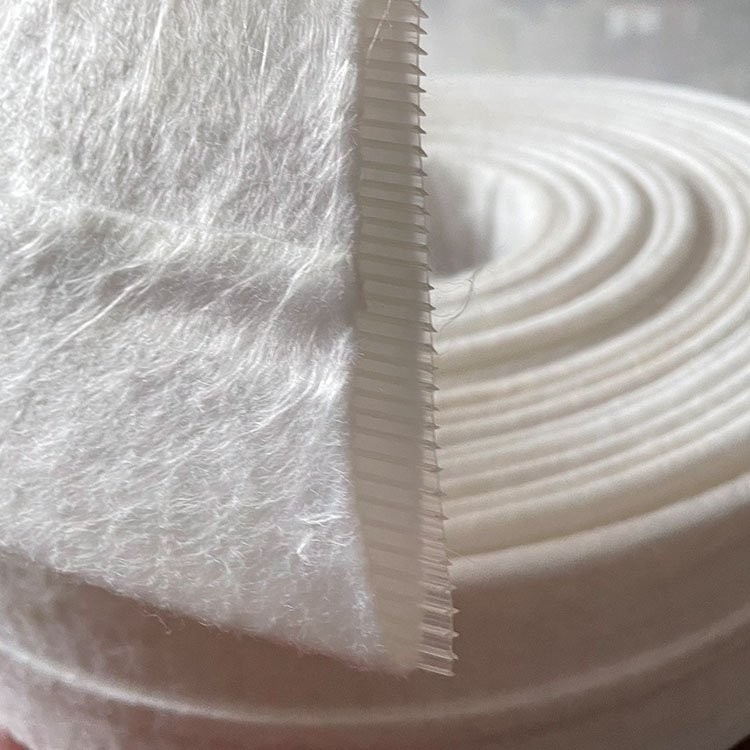
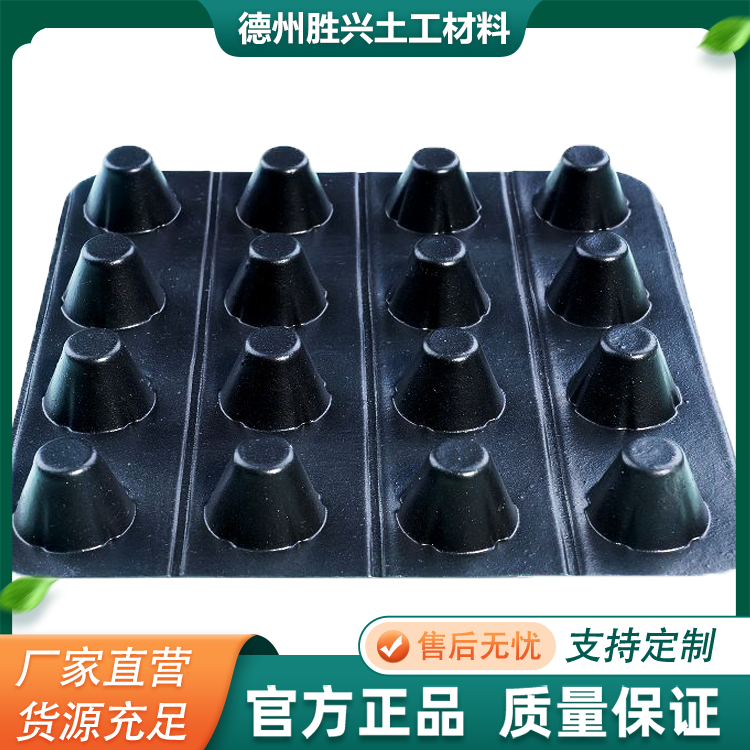
Broadly applied, this product is made by high-pressure extrusion molding, featuring different ribs and grooves on both sides to accommodate drainage, water stoppage, and fixation requirements. Compared to other soft plastic sheets, it offers certain rigidity, benefiting the maintenance of the drainage cavity. The material has a lower density, resulting in reduced costs. Forms a three-dimensional network structure. The plastic core has various structural forms such as rectangular, hollow matrix, and circular hollow circles. This material overcomes the shortcomings of traditional blind ditches, featuring high surface aperture rate, good water collection, high void ratio, excellent drainage, strong compressive strength, good pressure resistance, good flexibility, and adaptability to soil deformation.Durable, lightweight, easy to install, significantly reducing labor intensity for workers, and with high construction efficiency, these products are widely welcomed by engineering departments. They feature cold resistance, corrosion resistance, anti-bacterial erosion, and are not easily aged when buried in tunnel linings, offering a long service life. Internationally known as Geocomposite Drainage Systems (GDS) or three-dimensional drainage boards, and used as civil engineering materials for collecting and draining, these are made by heating thermoplastic synthetic resins to melt them and then extruding fiber strands through nozzles to overlap.
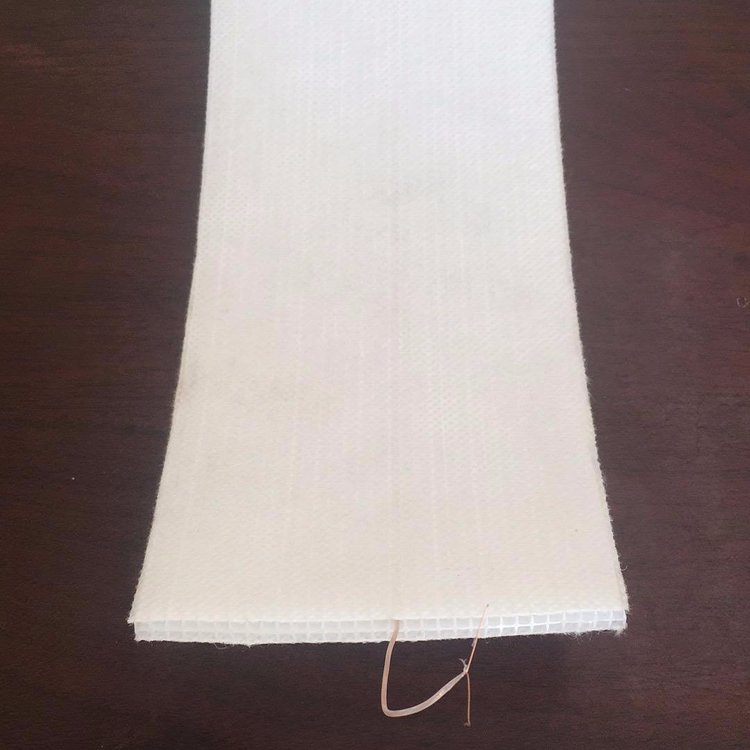
 A three-dimensional, three-pored material formed by fusing its junction points. The product is available in various shapes such as circular and rectangular cross-sections, and comes in several specifications. Different formulations can be produced to meet customer orders, including high-temperature resistant, flame-retardant, acid and alkali-resistant, high-elasticity, and high-hardness properties. The plastic blind drain is composed of a plastic core wrapped with a filter fabric assembly. The plastic core is mainly made of thermoplastic synthetic resin, modified and then extruded into fine plastic filaments in a molten state through a nozzle. The extruded filaments are fused at the junction points by a molding device.