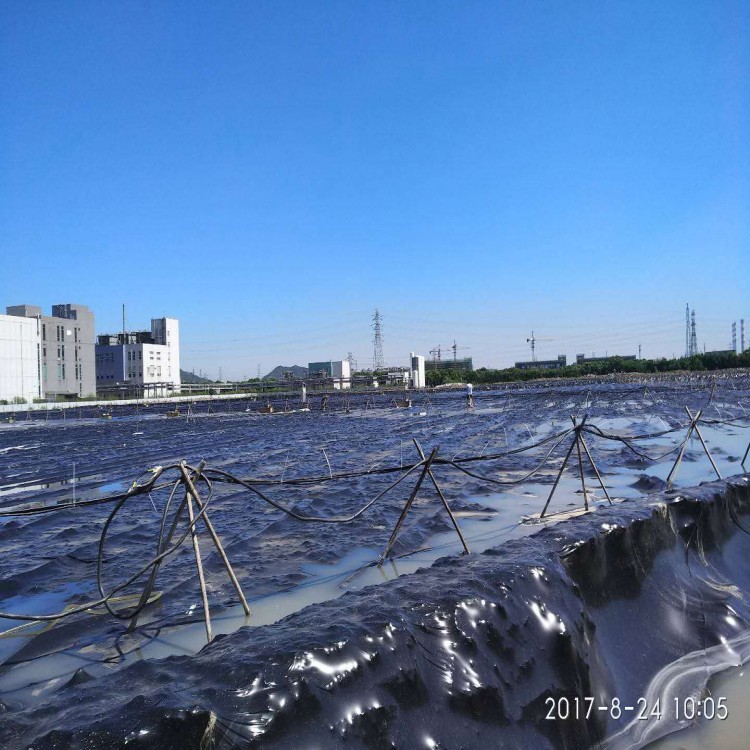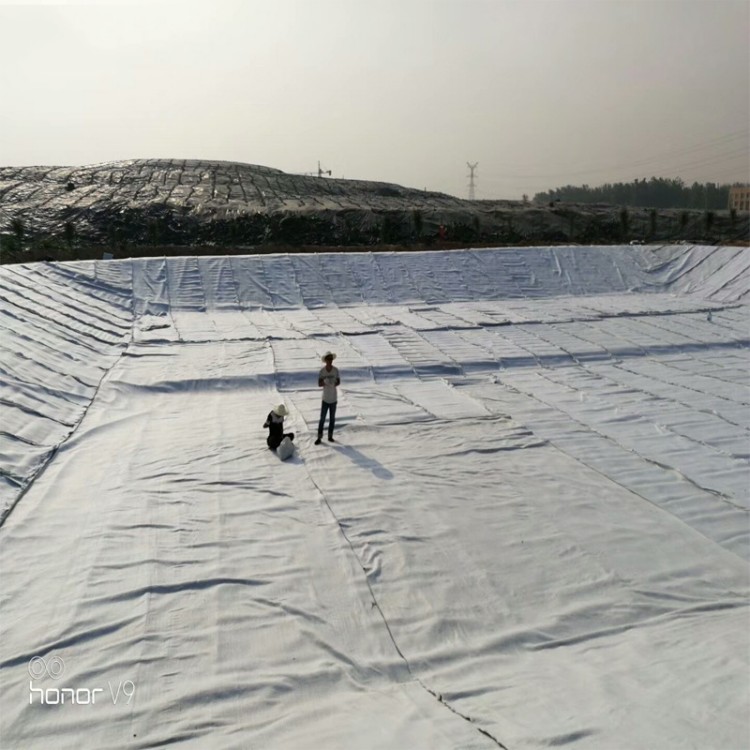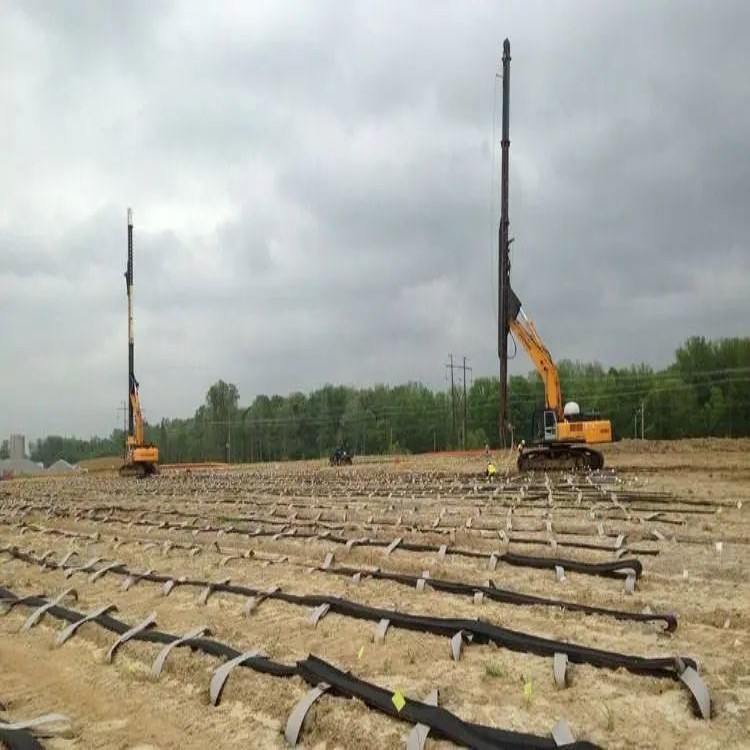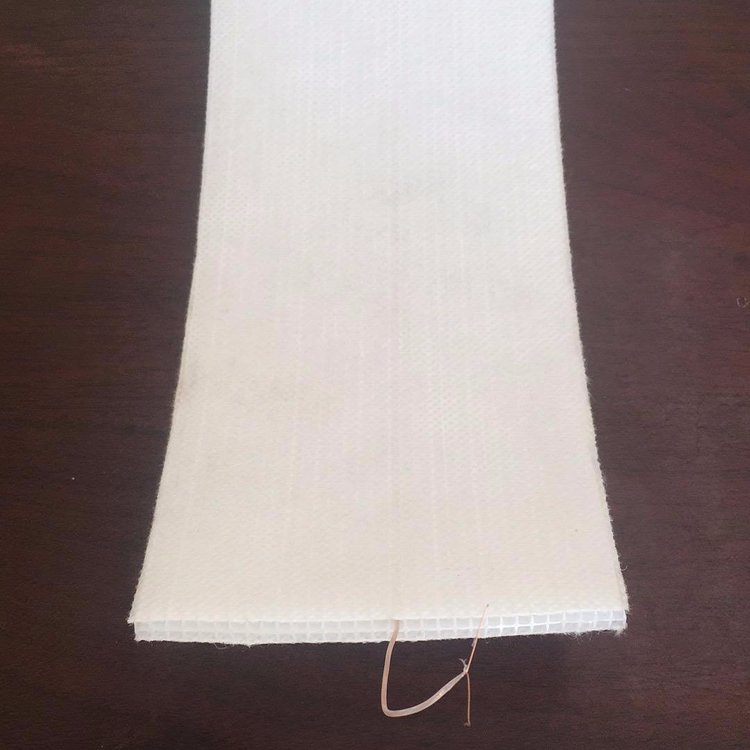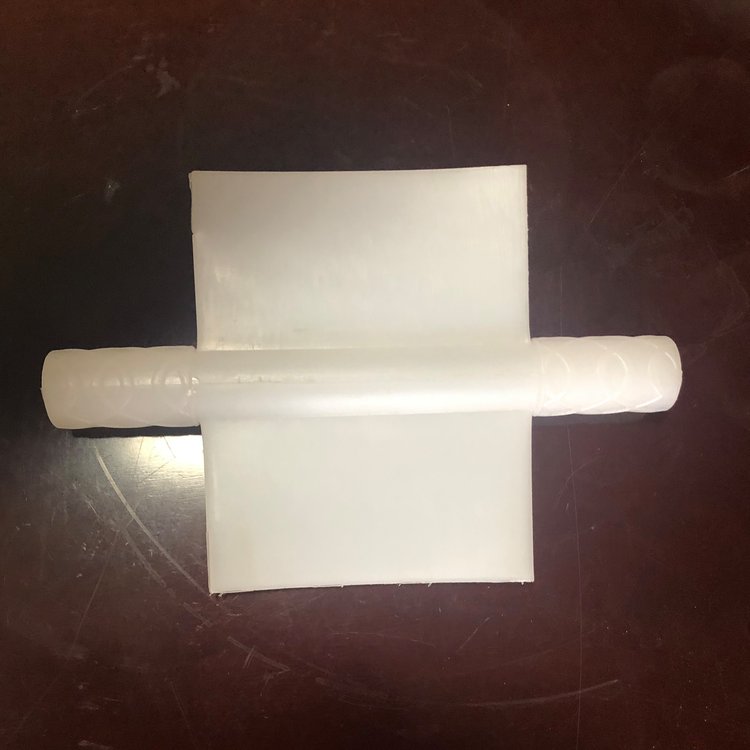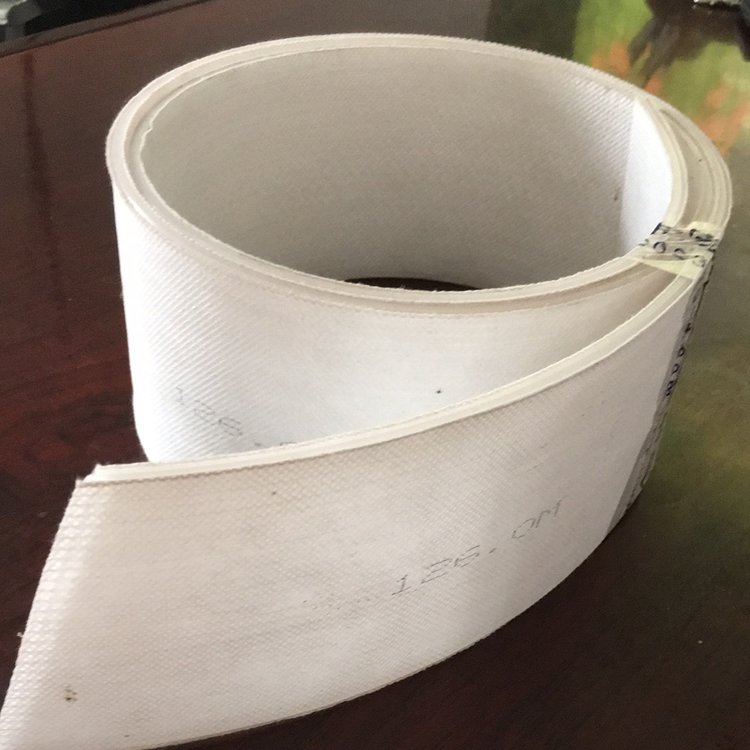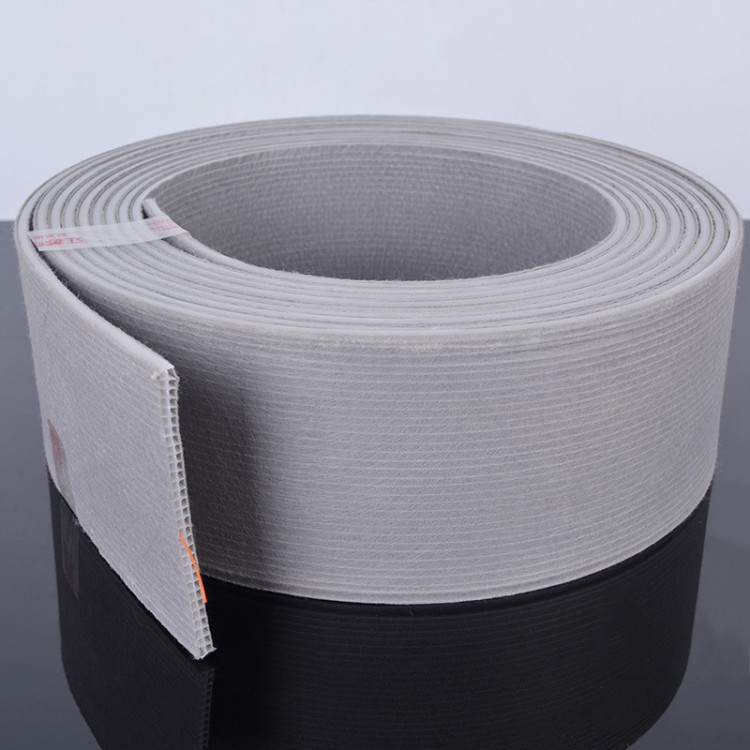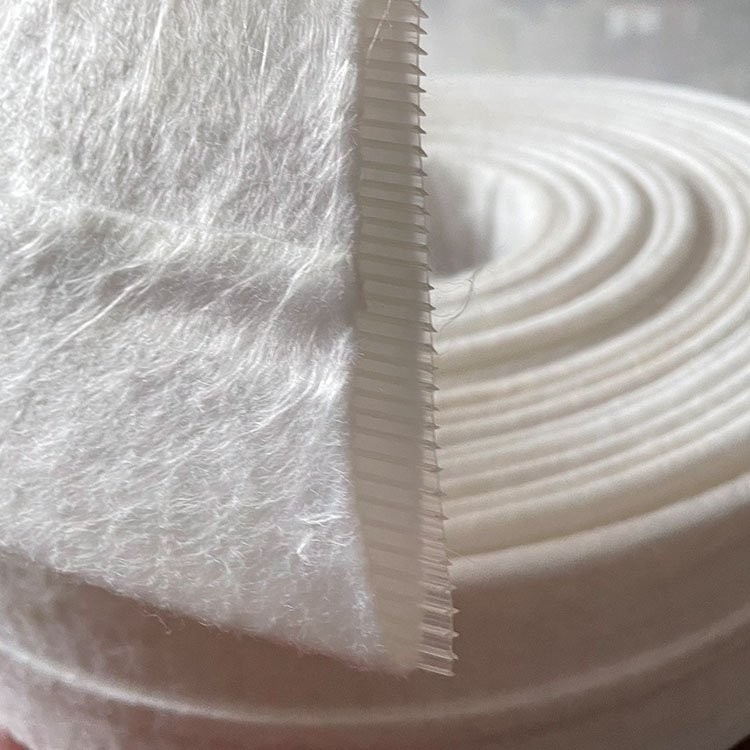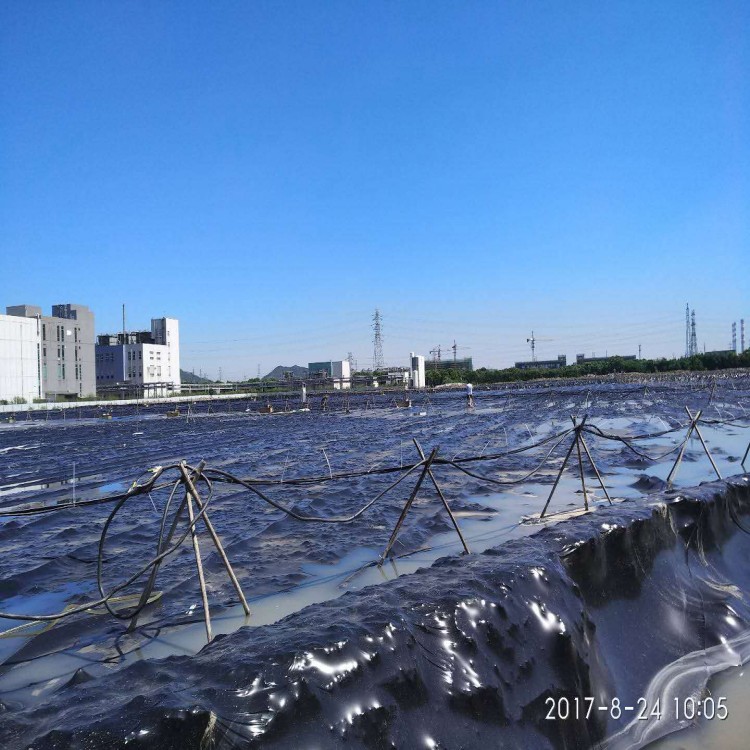


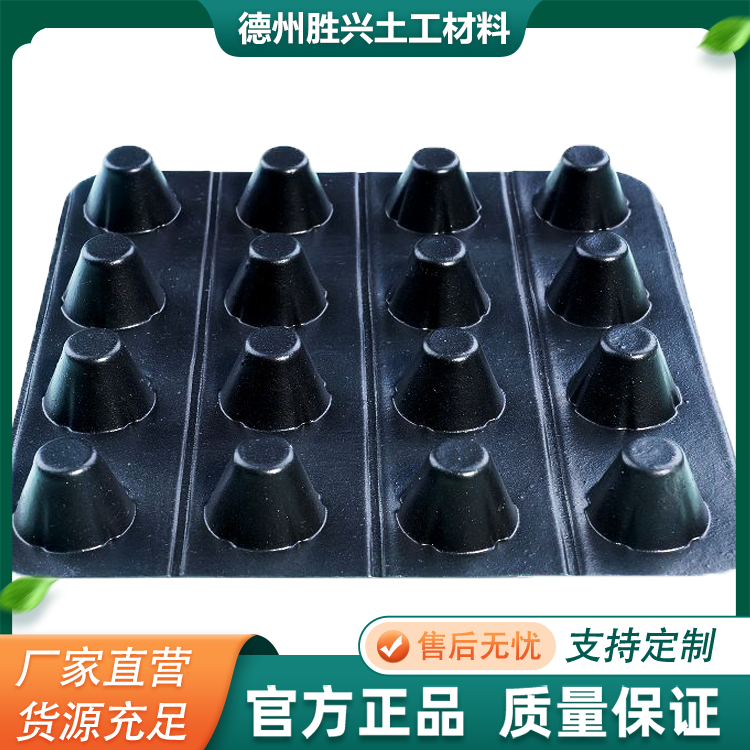
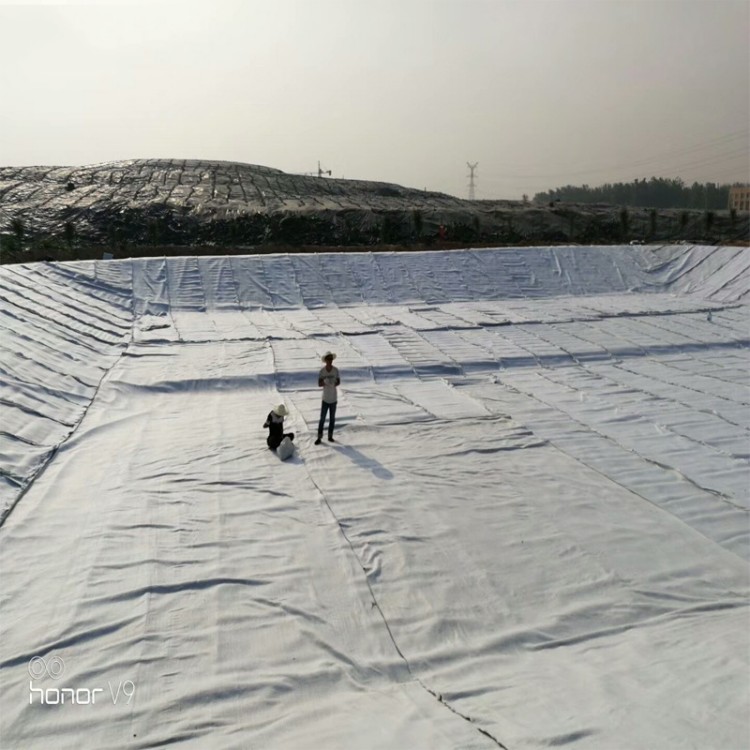








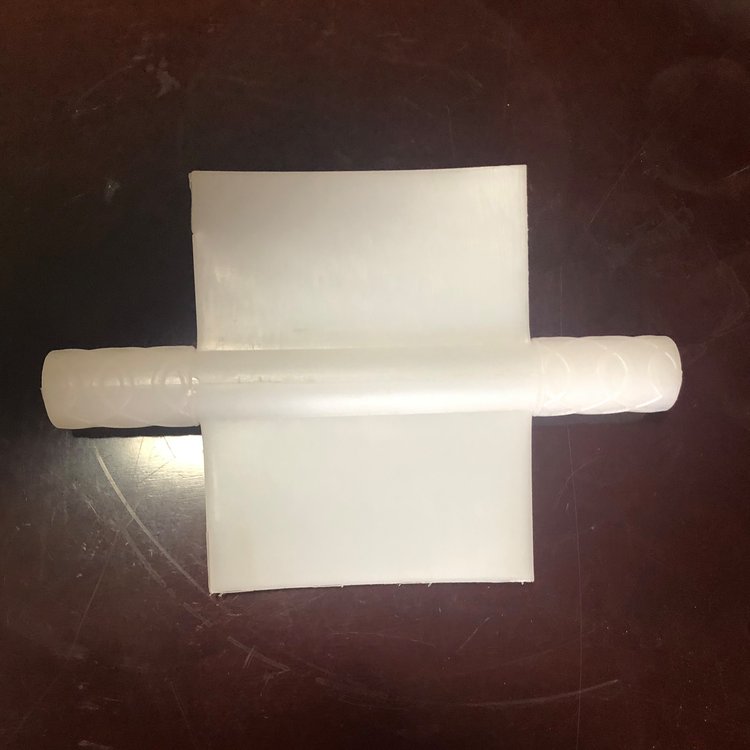


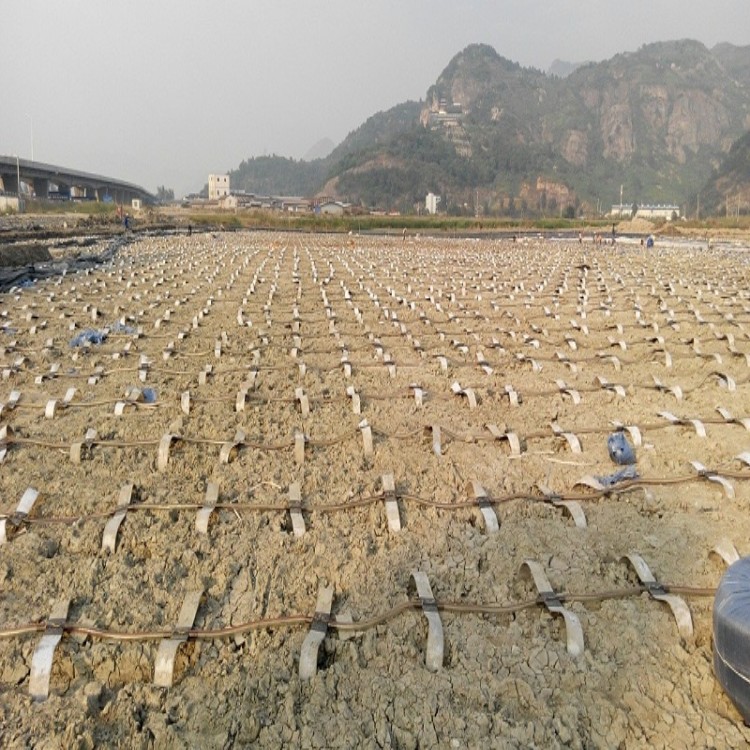


Vacuum preloading involves laying a sand cushion layer on the surface of the soft soil foundation to be reinforced, followed by the installation of vertical drainage pipes. An airtight sealing membrane is then used to isolate it from the atmosphere. The edges of the film are buried in the soil. By utilizing the water absorption pipes embedded within the sand cushion layer, the vacuum device is used to draw air out, creating a vacuum that enhances the effective stress of the foundation.
Composite foundation method: cement-soil mixed piles, fly ash piles, gravel piles, etc.; drawback: higher cost
2. Drainage Consolidation Method
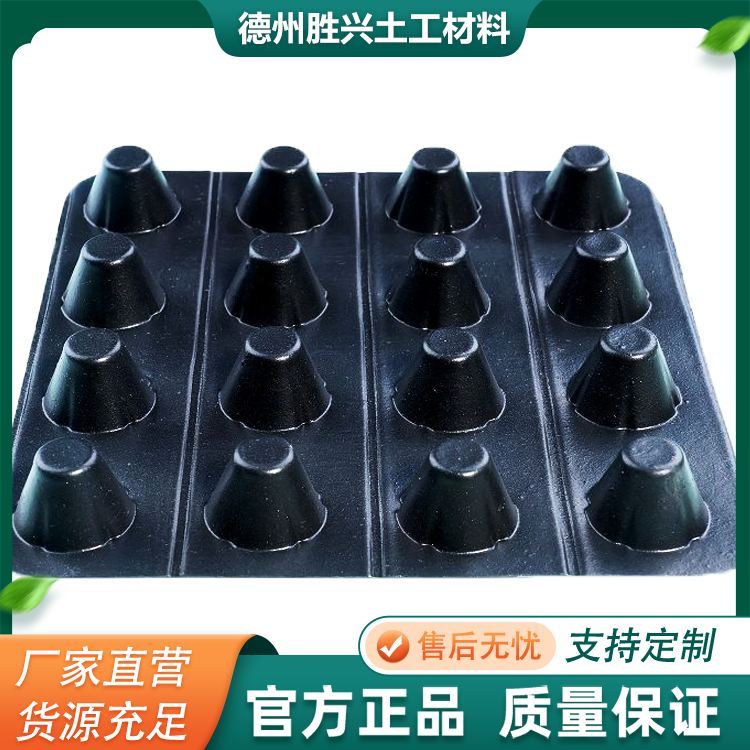
(1) Plastic Drainage Board Combined with Surcharge: Long construction period, unsatisfactory results
(2) Plastic Drainage Board Combined with Vacuum Preloading: After 90 days, easy to control results, low cost
3. Compaction by Dynamic Replacement: Disadvantages: Quality is uncontrollable and tends to form "spring soil."
4. Non-drainage sand cushion vacuum preloading: A new construction method with short duration, low cost, and savings of one-third compared to plastic drainage board combined vacuum preloading. It is a reliable on-site treatment method commonly used for soft soil subgrade. Most situations encountered during construction are not soft soil foundations, as soft soil foundations should generally be addressed with treatment methods based on geological data during the design phase. Most cases involve local geological conditions and original design discrepancies.