








Linyi Greening Plastic Drainage Board Manufacturer Specifications Green Drainage Board Price Drainage Board Manufacturer
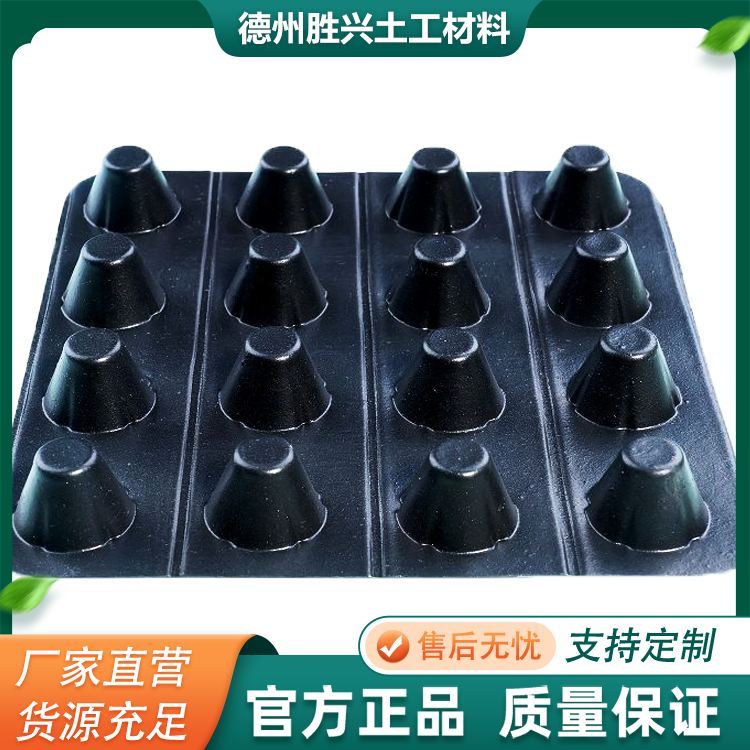
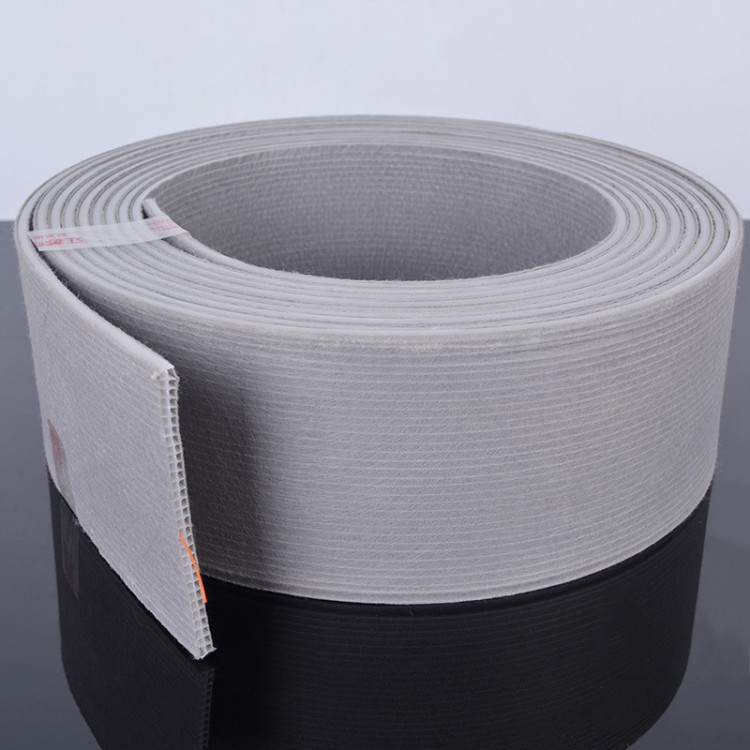
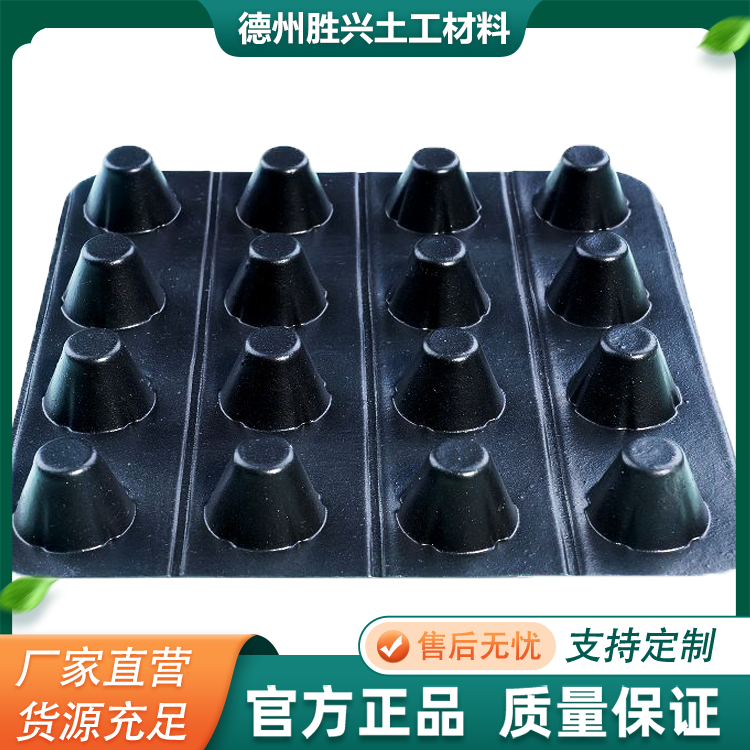
Traditional drainage methods use bricks, stones, and tiles as the filter layer, a large amount of cobblestone or gravel as the water filter layer, and then discharge the water to a location. Replacing the cobblestone filter layer with drainage boards for drainage saves time and effort, conserves energy, reduces investment, and also lowers the load on the building. Also known as: lap joint adhesive drainage board, drainage board, drainage protection board, filter water board, plastic convex drainage board, plastic sandwich board. Product specifications are divided into those for square greening and those for basements, with H20 and H25 options available. This helps to prevent blockages in drainage channels, ensuring smooth water drainage. A good drainage system plays a crucial role in the construction period of civil engineering projects and the normal use and lifespan of structures. The drainage board, in combination with porous drainage pipes, forms an effective drainage and dewatering system. The cylindrical hollow drainage board, together with geotextile, also forms a drainage system, thereby creating a system with functions of water seepage, storage, and drainage. The plastic drainage board is available in two series: rolls and sheets. Special technology is used to press the plastic sheets into a closed, convex columnar shell.
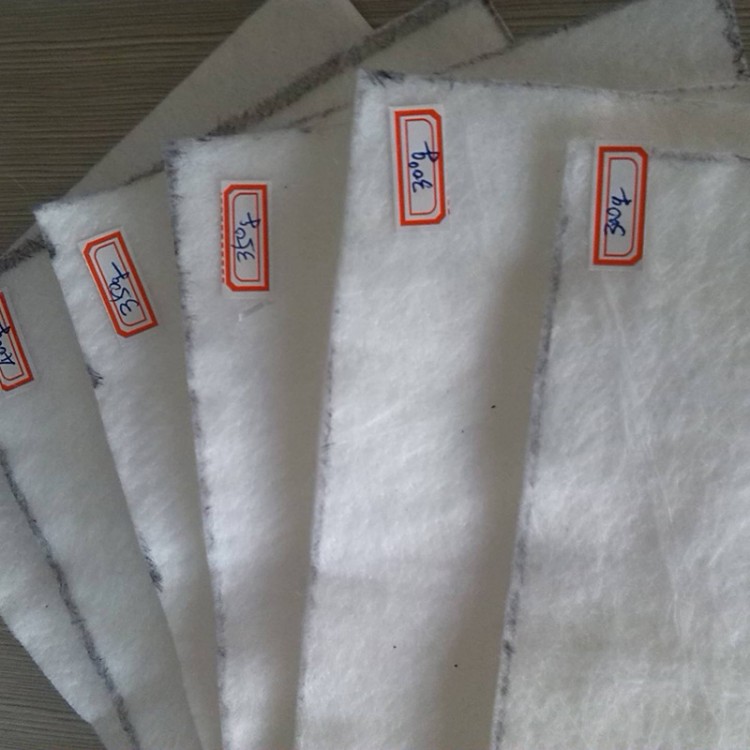
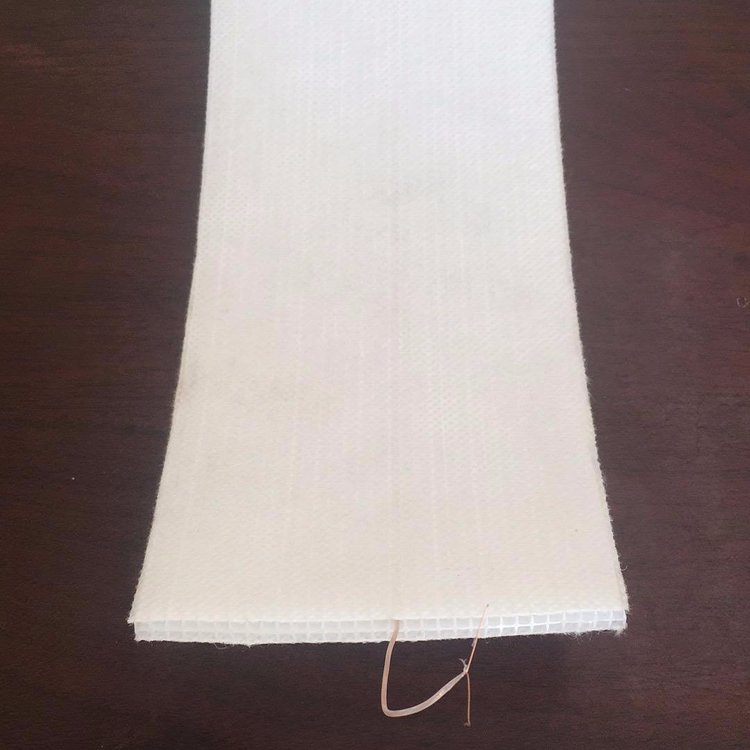
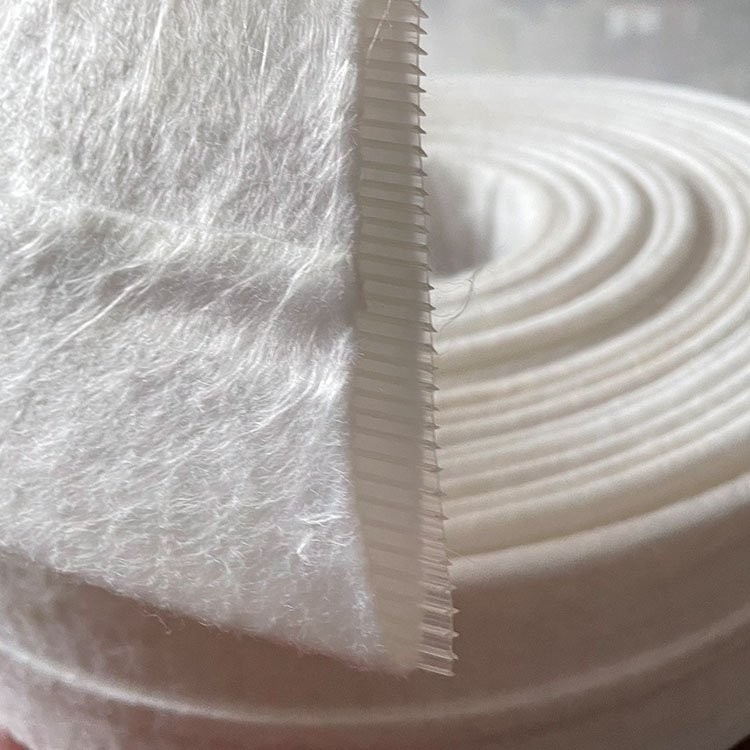
 Create a concave-convex membrane shell with continuous edges, featuring a three-dimensional space and certain supporting height. During the production of the edges, heat-seal butyl rubber strips are applied. The top of the shell is covered with a geotextile filtration layer, used for water seepage, water shedding, drainage, and water storage. The plastic drainage board is made from a plastic base of poly(HIPS) or poly(HDPE) material, formed into conical projections or reinforced ribs (or hollow cylindrical porous) through stamping. Continuous innovation and research and development have significantly improved and altered the raw materials.
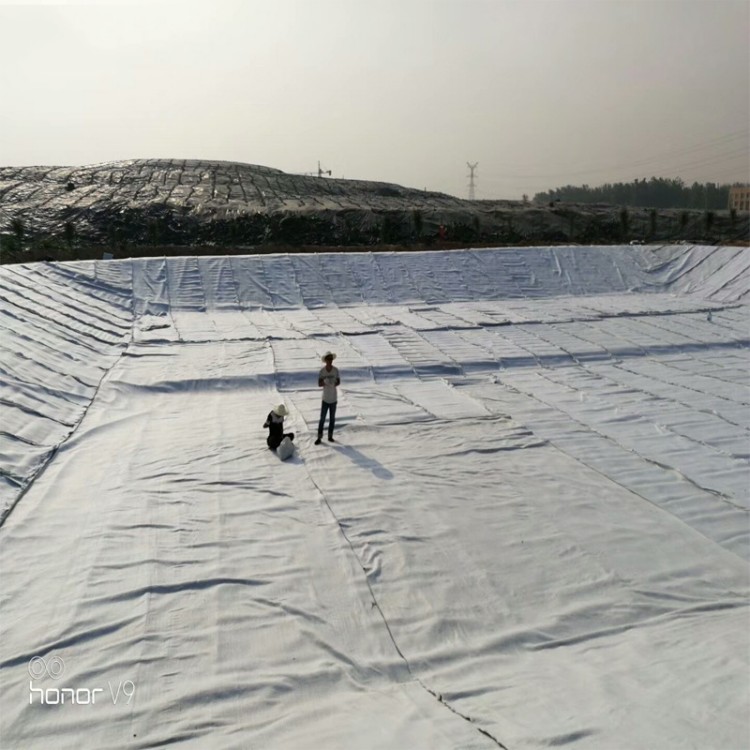
 Now made from PVC, the compressive strength and overall flatness have been significantly improved. The width ranges from 1 to 3 meters, and the length is 4 to 10 meters or more. The top of the conical pedestal is bonded with a layer of filtration geotextile to prevent soil particles from passing through.