








Dongying stone plastic drain pipe manufacturer price, stone plastic drain pipe, plastic drain pipe manufacturer, plastic drain pipe price, permeable plastic drain pipe
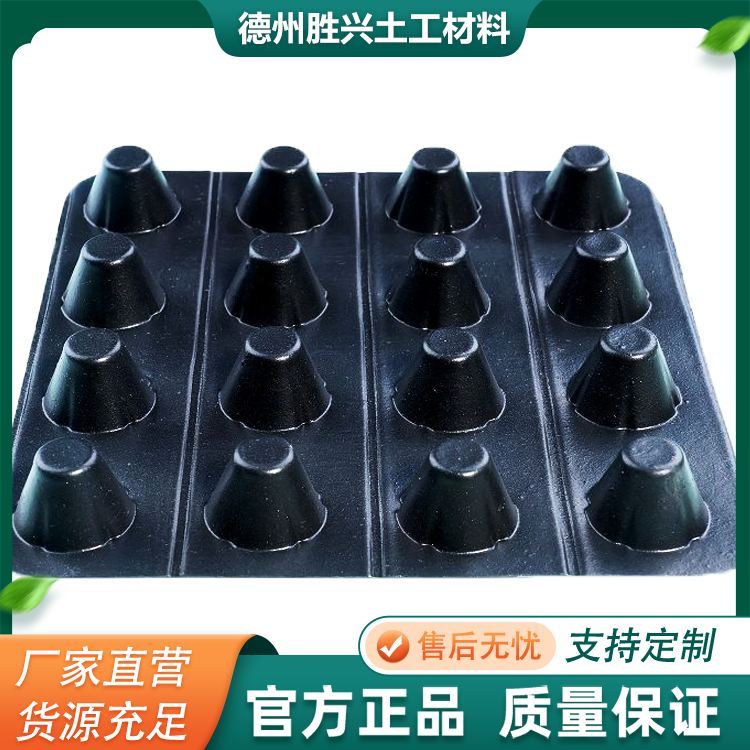
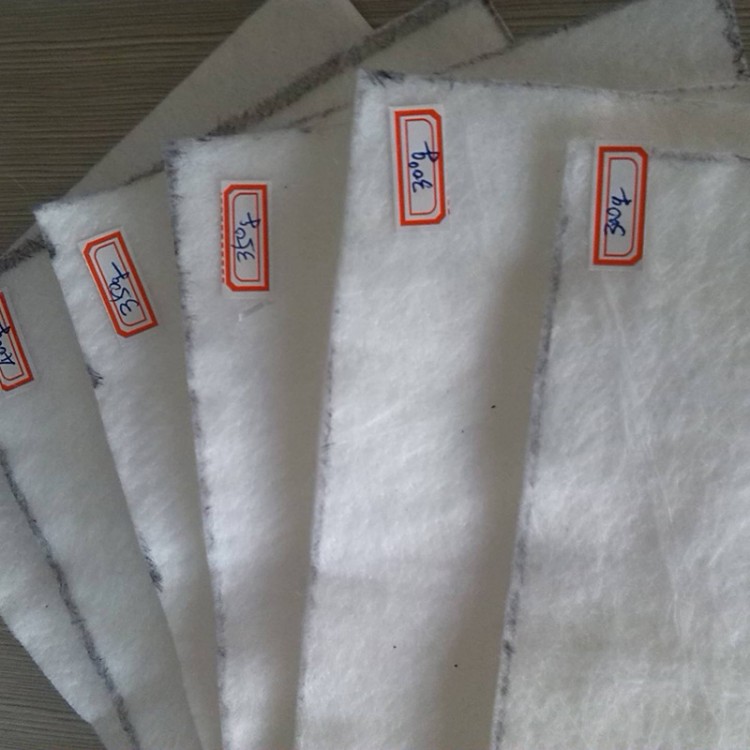
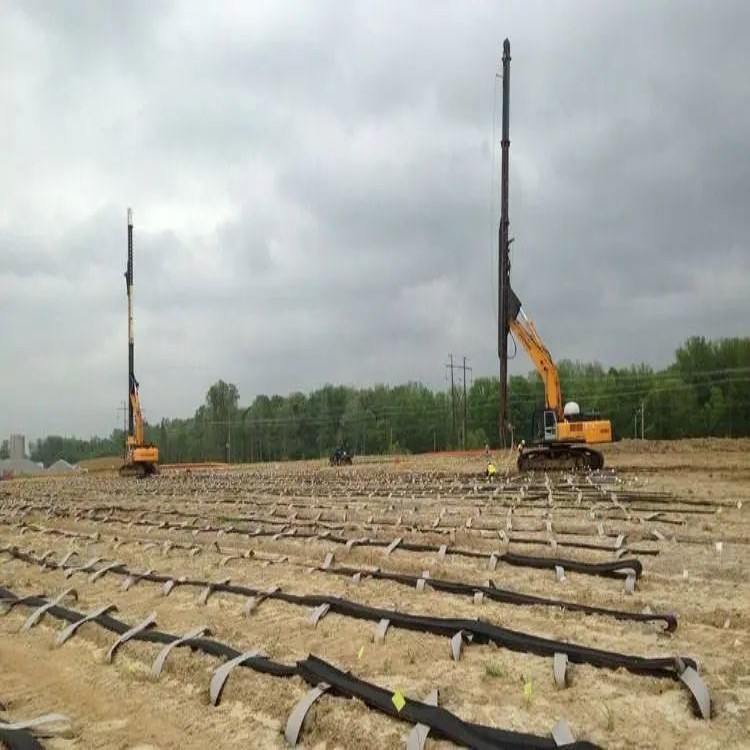
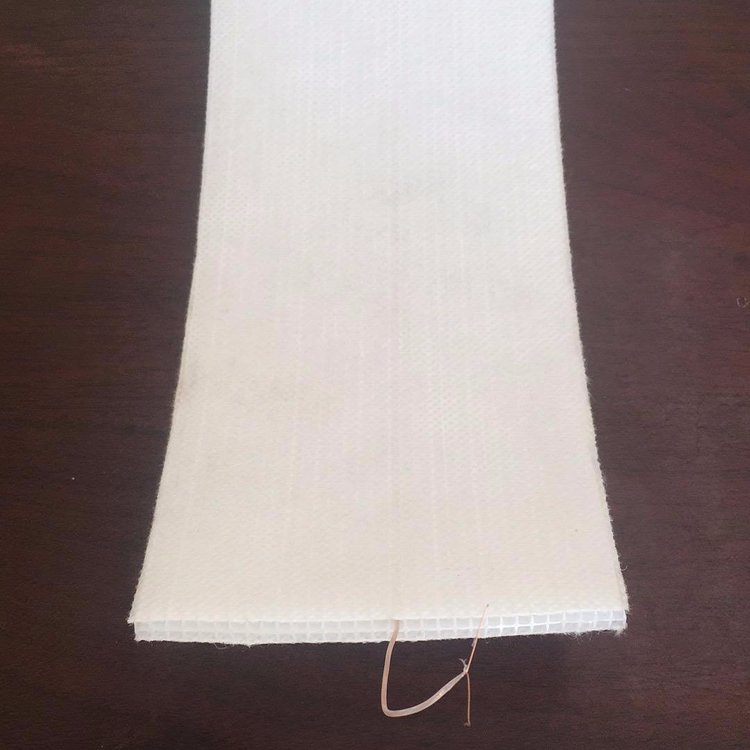
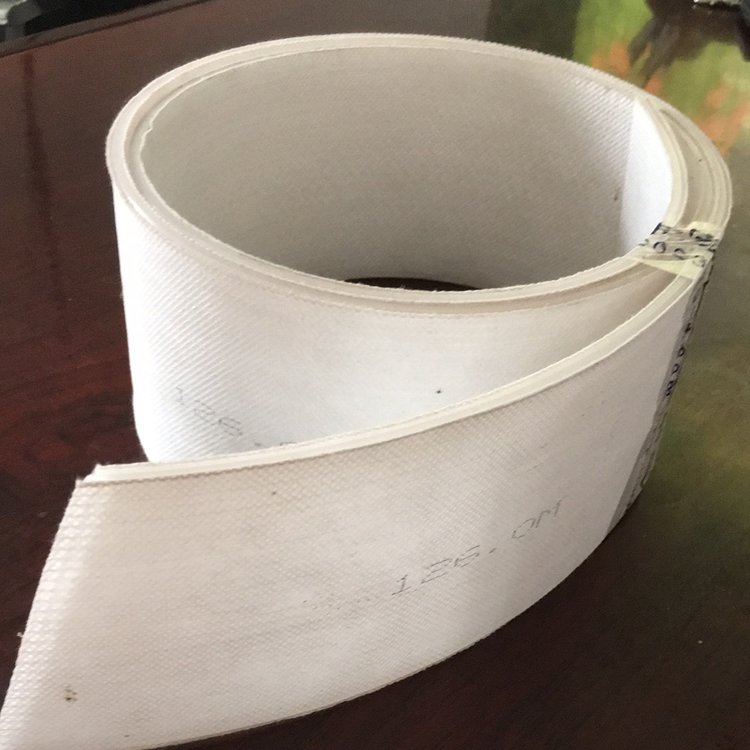
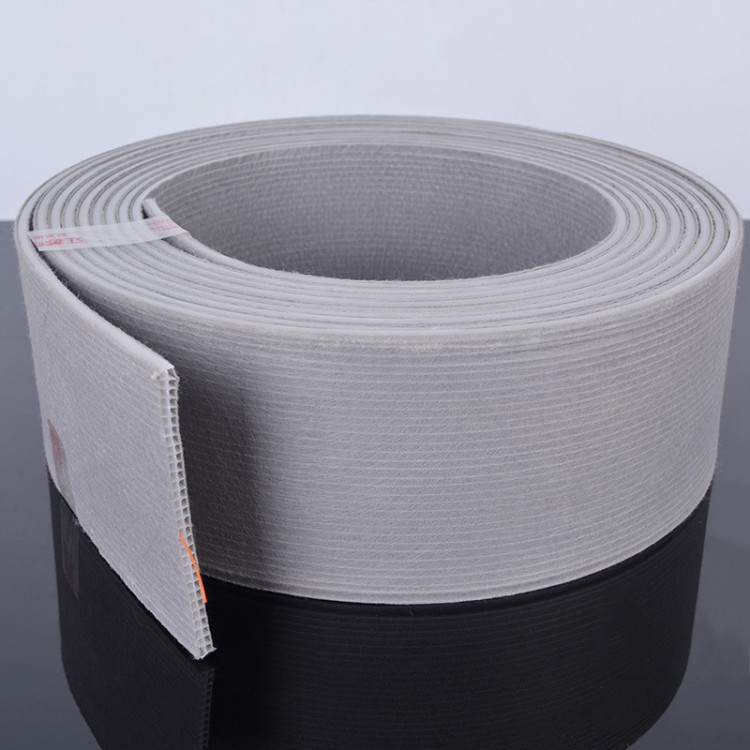
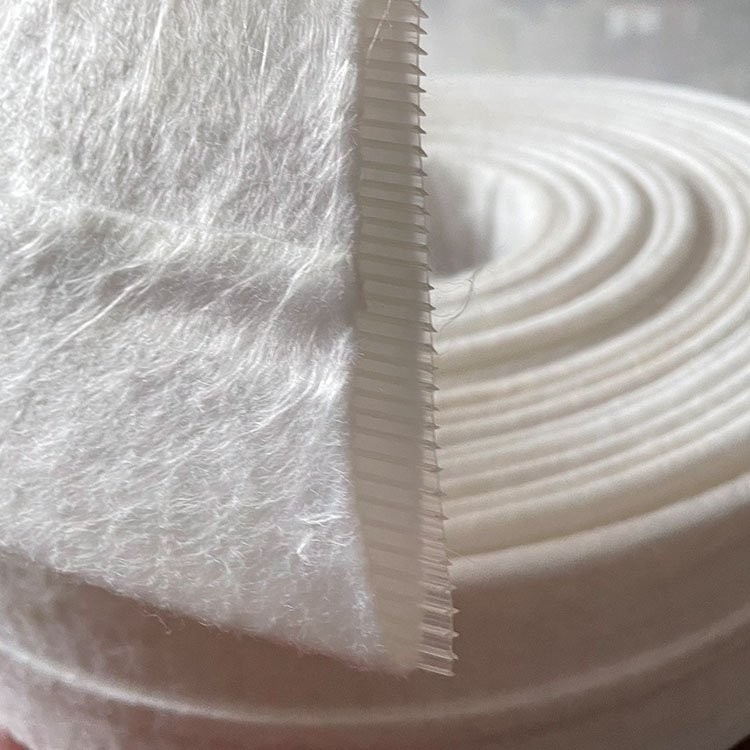
Widely utilized, plastic drain pipes are composed of a plastic core encased with a filter fabric assembly. The plastic core is primarily made from thermoplastic synthetic resins, modified and extruded into fine plastic fibers in a molten state through a nozzle. These fibers are then fused at junctions by a molding device. Forming a three-dimensional, mesh-like structure. This product is jointly developed and produced by our factory and the Bridge and Tunnel Department of the Fourth Survey and Design Institute of the Ministry of Railways. Consequently, even when subjected to overloading, due to its three-dimensional structure, the residual voids reach over 50%, eliminating issues of waterlogging, and there is no need to consider damage from soil pressure.
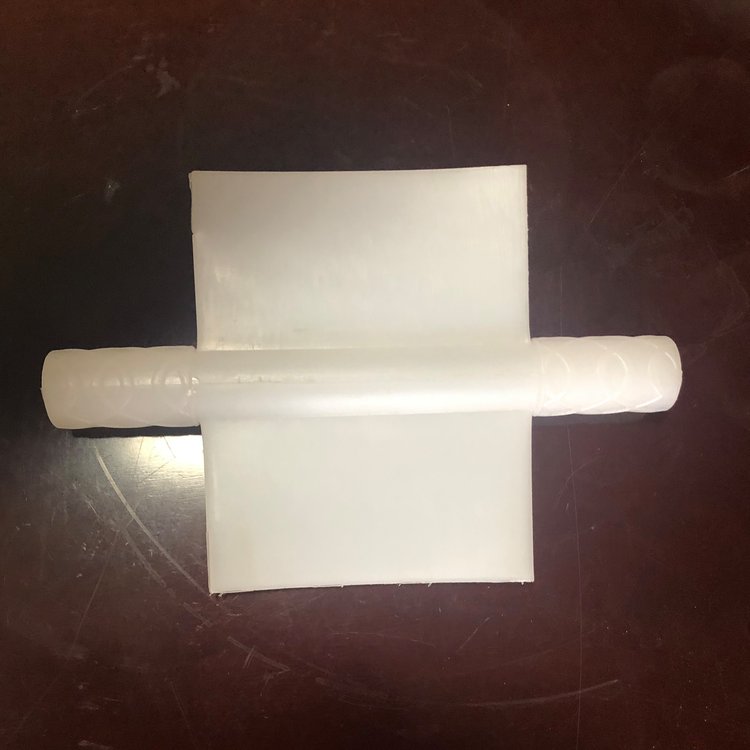
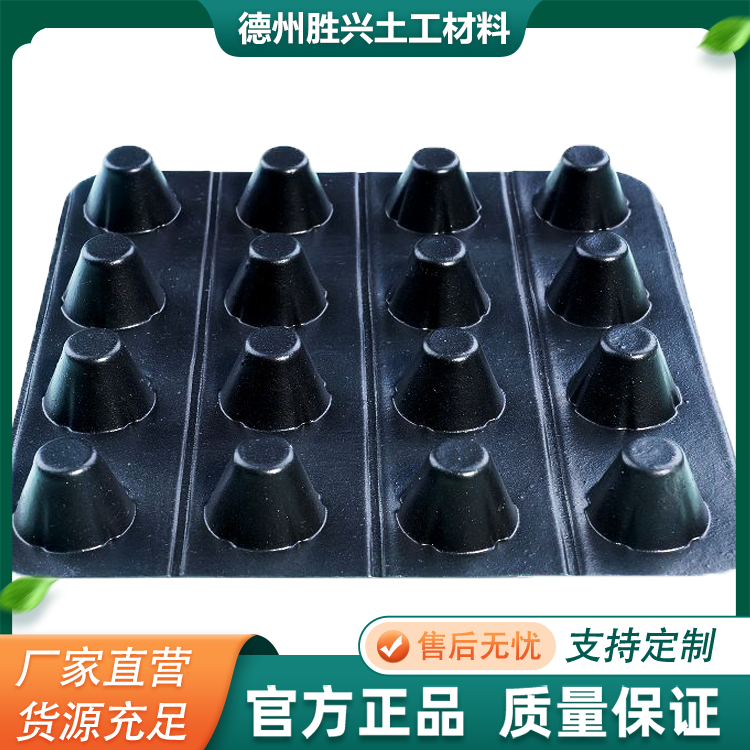
 Plastic cores come in various structures, including rectangular, hollow matrix, circular hollow circular, and more. This product is made through high-pressure plastic extrusion processing, featuring different ribs and grooves on both sides to accommodate drainage, waterproofing, and fixation needs. It has certain rigidity compared to other soft plastic sheet materials, benefiting the maintenance of drainage cavities. The material has a lower density, resulting in reduced costs. It boasts characteristics such as cold resistance, corrosion resistance, resistance to bacterial erosion, and resistance to aging when buried in tunnel linings, with a long service life. Due to its three-dimensional structure,
 The void ratio is 80-95%, offering space and management that is both similar and lightweight. Its compressive strength is over 10 times stronger than that of tube structures. This material overcomes the drawbacks of traditional blind gutters, featuring a high surface porosity, good water collection, large void ratio, excellent drainage, strong compressive strength, good pressure resistance, flexibility, adaptability to soil deformation, durability, lightweight, ease of construction, and significantly reduced labor intensity for workers. Its high construction efficiency has made it widely favored by engineering departments.