






Binzhou Asphalt Glass Fiber Mesh Manufacturer Price, Glass Fiber Mesh Quotation, Glass Fiber Mesh Specifications, Glass Fiber Mesh Manufacturer
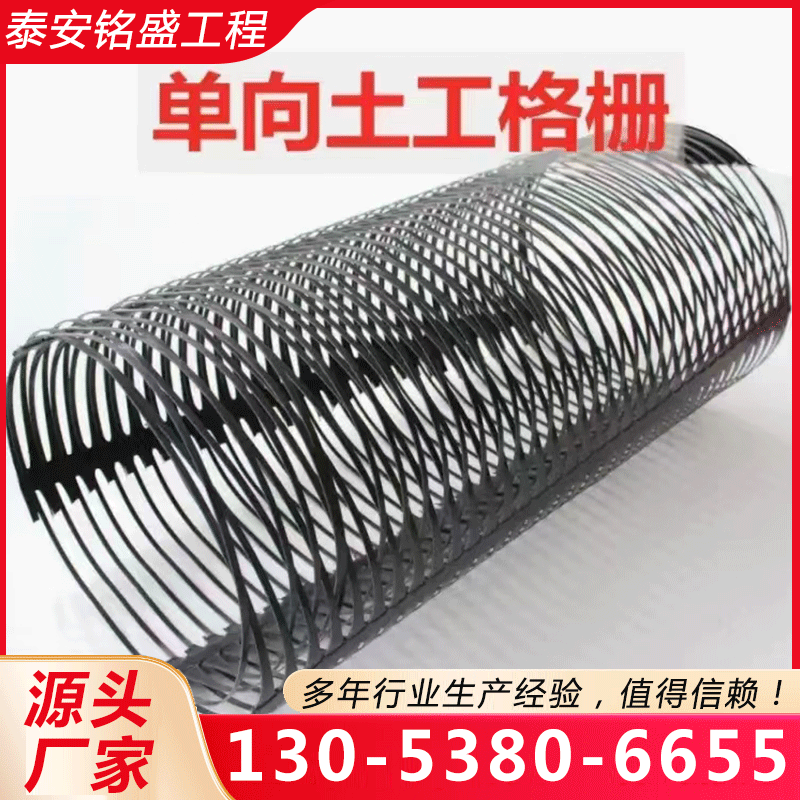
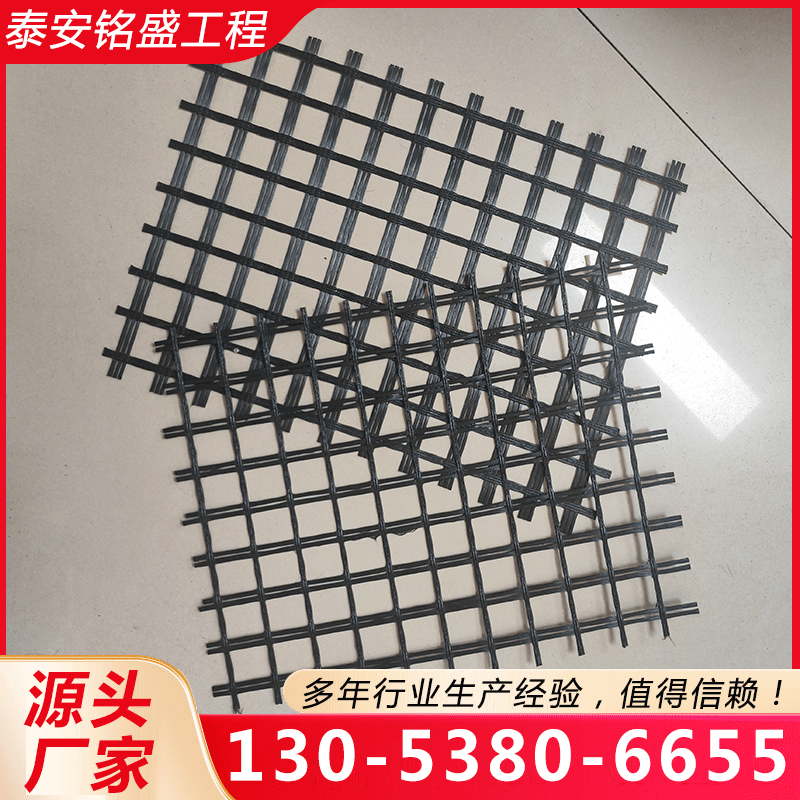
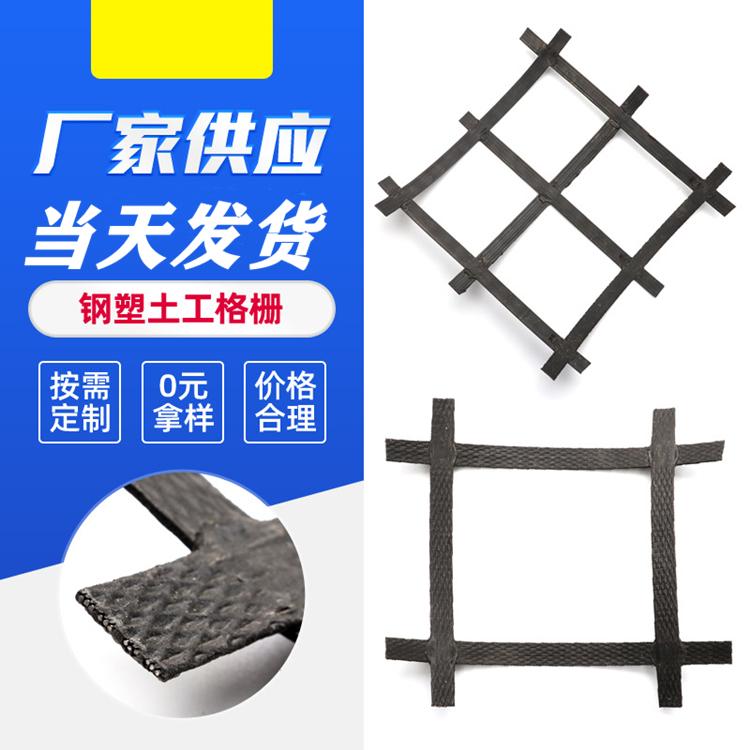
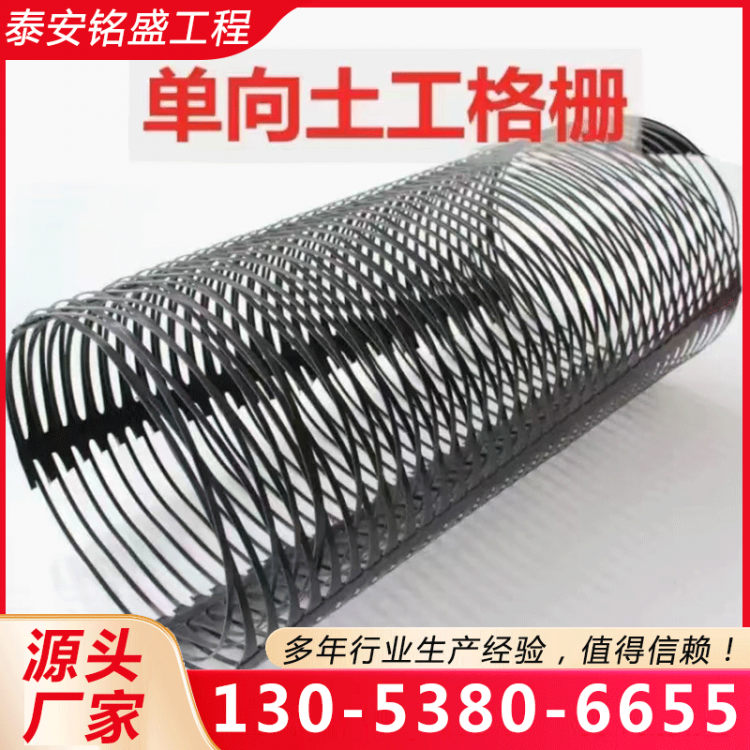
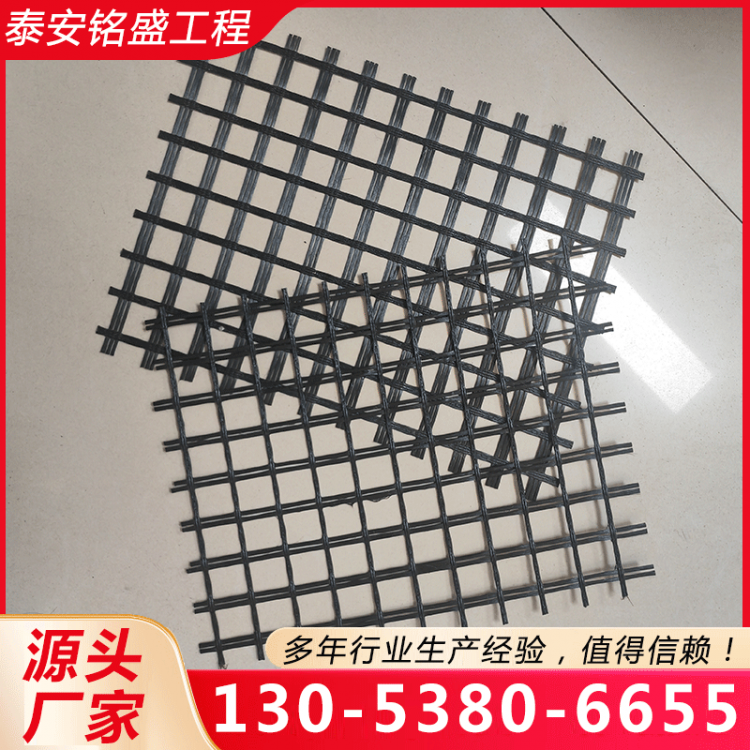
Its elongation rate is only 10% to 15% of the original sheet material. The intersection points are bound together with high-strength fiber yarns, forming a firm bonding point, fully utilizing its mechanical properties. The high-strength polyester woven geogrid has high tensile strength, low elongation, large tear strength, small difference in longitudinal and transverse strength, and resistance to UV aging.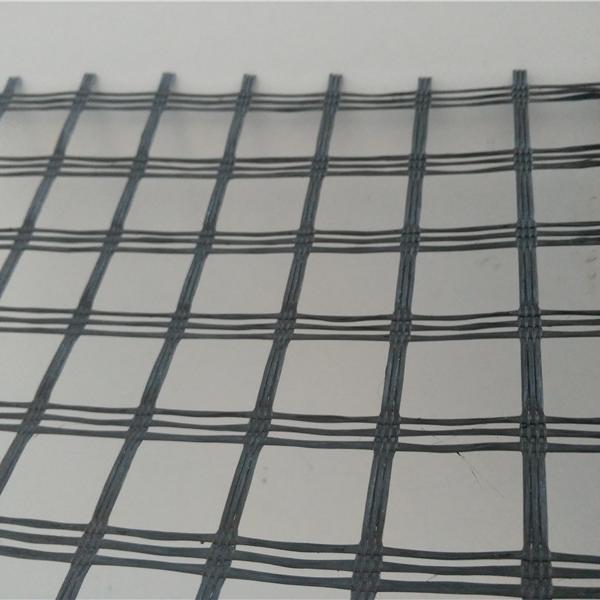 Wear-resistant, corrosion-resistant, lightweight, and strongly interlocked with soil or crushed stone, it significantly enhances the shear resistance and reinforcement of soil, improving its overall integrity and load-bearing capacity. Unidirectional tensile geogrid is a high-strength geosynthetic material made primarily from high molecular polymer, with added UV-resistant and anti-aging agents. Through unidirectional stretching, the originally disordered chain molecules are reoriented into a linear arrangement. After extrusion and compression into a thin plate, it is punched into a regular perforated mesh and then stretched longitudinally. This process results in a high-integrity, long-oval mesh structure with uniformly distributed nodes and high node strength.
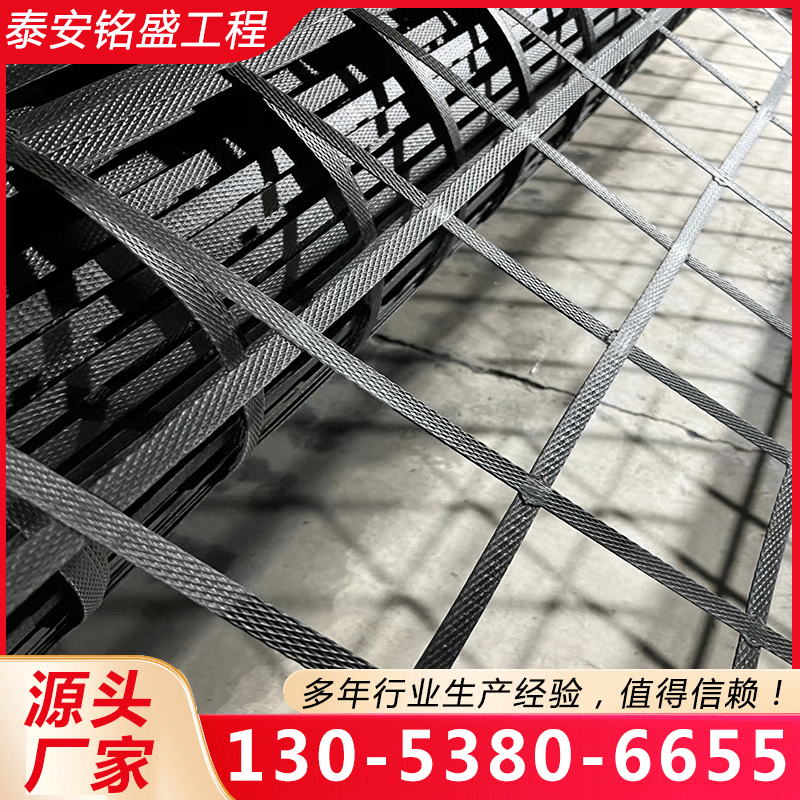
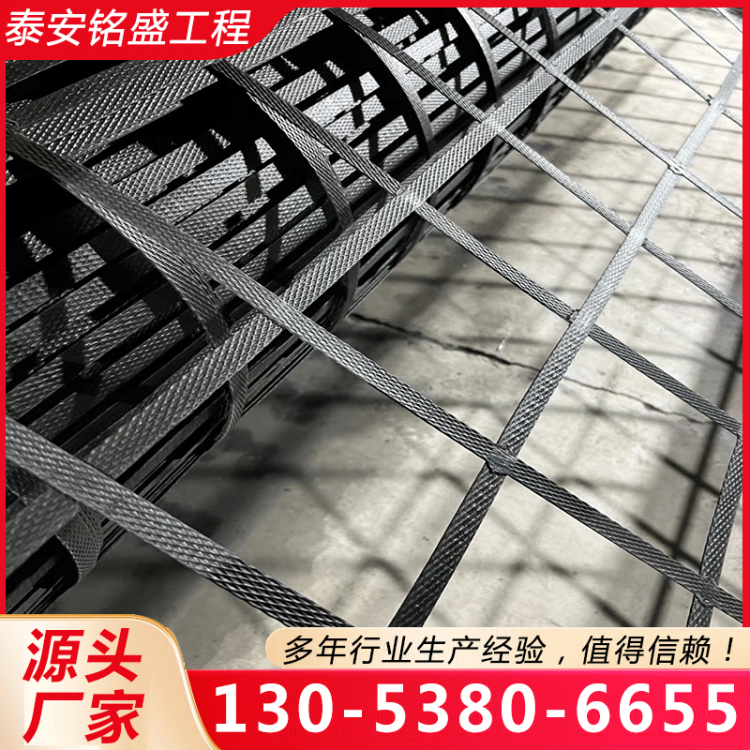
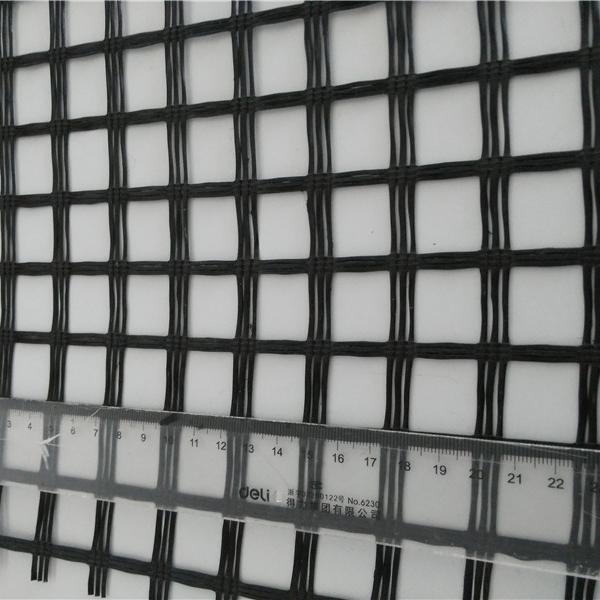 This structure boasts a high tensile strength and modulus, with tensile strength reaching 100-300 KN/m, close to that of low-carbon steel, significantly superior to traditional or existing reinforcing materials. Particularly, this company's products exhibit ultra-high early-stage (elongation between 2% to 5%) tensile strength and modulus, surpassing international standards. Adding anti-aging materials like carbon black to geogrids enhances their durability, providing excellent resistance to acids, alkalis, corrosion, and aging. The woven geogrids are made from high-strength polyester fibers, utilizing a warp-knitted directional structure.
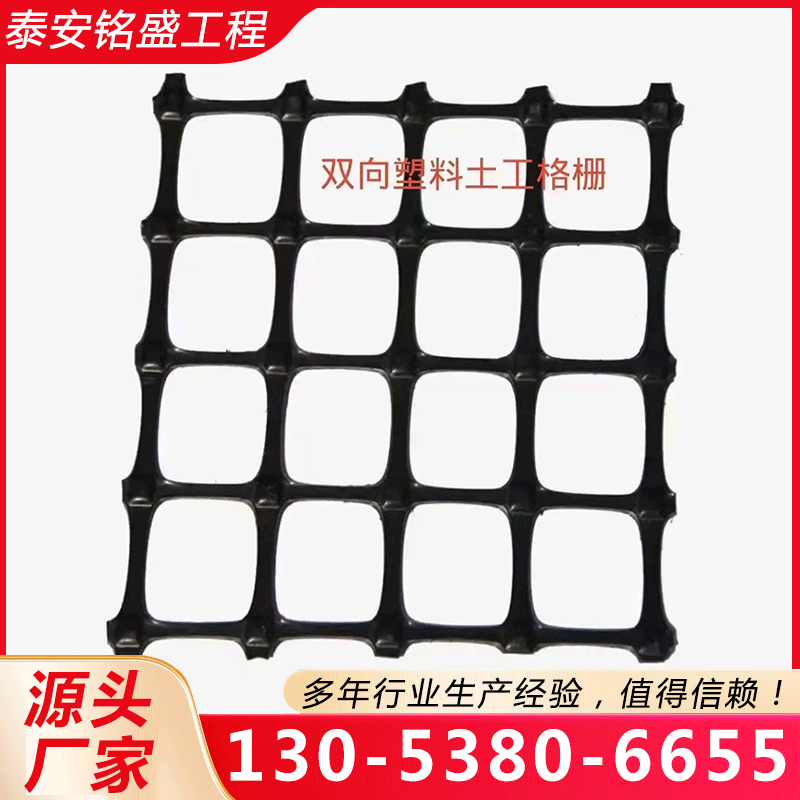
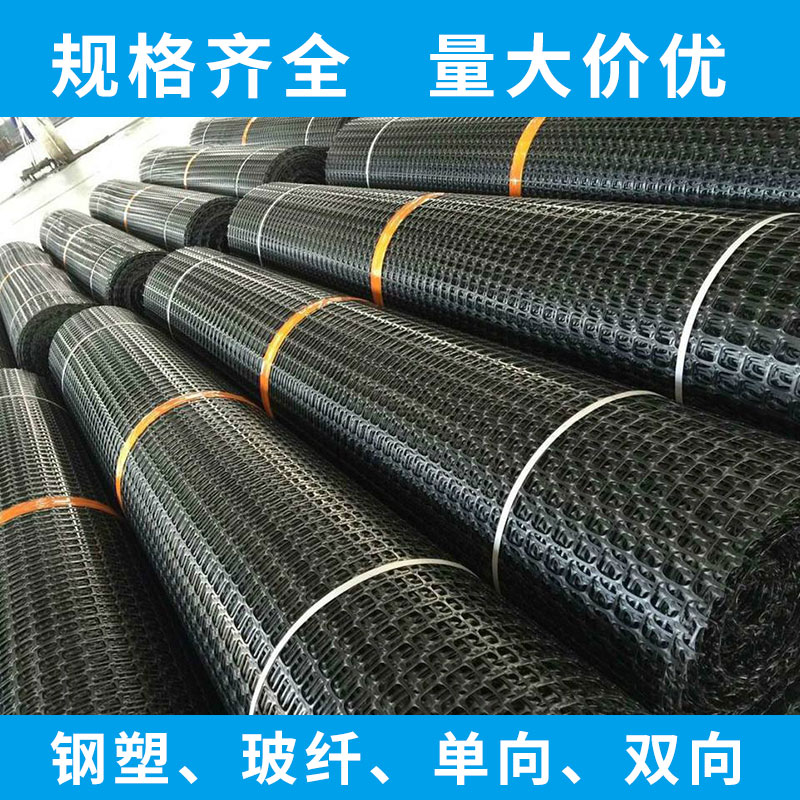
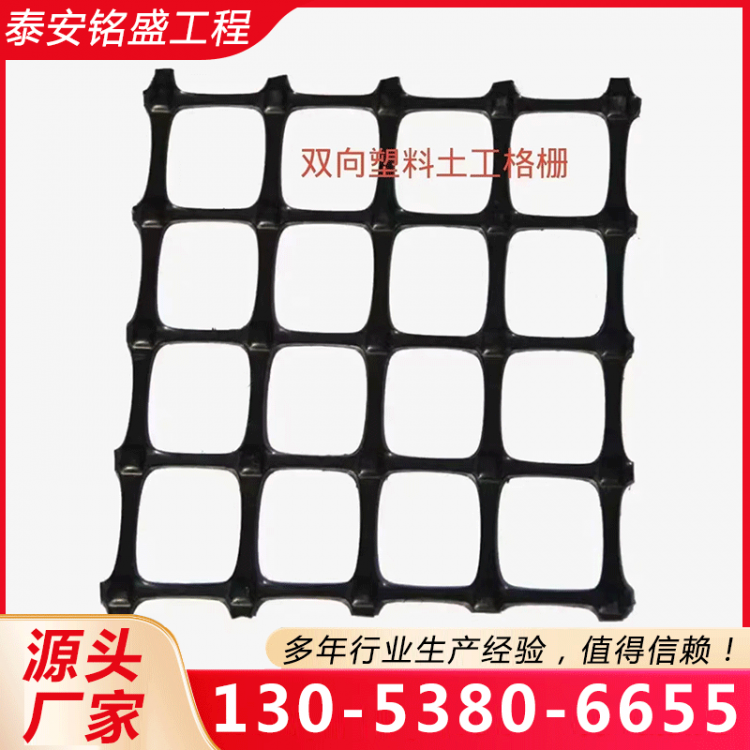
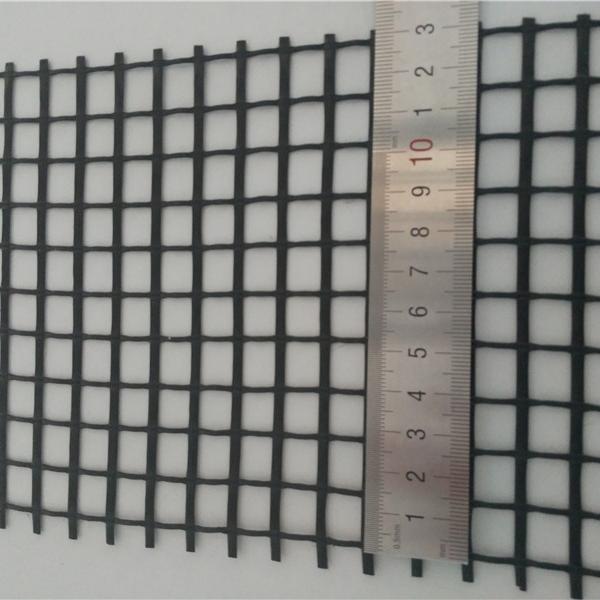 The yarns in the warp and weft directions of the fabric are in a straight state, forming a square or rectangular polymer mesh through stretching. Depending on the stretching direction during manufacturing, it can be either unidirectional or bidirectional stretching. It is created by punching holes into polymer sheets (mainly made of polypropylene or high-density polypropylene) that have been extruded, then performing directional stretching under heating conditions. Unidirectional stretching gratings are stretched along the length of the sheet only; bidirectional stretching gratings are further stretched perpendicular to the length after the unidirectional stretching. As the polymer's high molecular chains in the plastic geogrids are rearranged and oriented during the heating and stretching process, the intermolecular bonding force is enhanced, thereby increasing its strength.